
Reviewed · MUSEUMS
Admission to the Sigmund Freud Museum
Freud’s home is only one ticket away. This admission gets you into Berggasse 19, where Freud lived with his family and worked for decades, plus a permanent museum that mixes original rooms, objects, and history. I like that it feels practical and close-up, not like a generic lecture, and you also get a café and shop on-site for an easy finish.
Two things I especially like: the apartment-style layout that helps you picture everyday life, and the way the exhibition uses real objects, documents, and period-style media to connect Freud’s thinking to the people and moments around him. The café and bookshop are genuinely handy if you want to slow down after the viewing and pick up something readable for the train.
One possible drawback to plan for: the museum is popular and can feel crowded, and some visitors have raised concerns that the rooms you see may not match every expectation about period furniture and replicas. If you want quiet and lots of large-room breathing space, choose your time carefully.
In This Review
- Key things to know before you go
- Freud at Berggasse 19: what you’re really paying for
- Inside the museum: apartment rooms and consulting space
- How the exhibition connects Freud’s work to daily life
- 1930s films and the Freud family story
- Special exhibitions and the conceptual art connection to today
- The famous study, objects, and the furniture question
- Timing, crowding, and how to keep the visit comfortable
- Price and ticket value for a 2-hour visit
- Mobile ticket, public transport, and getting there smoothly
- Café and shop: how to finish without rushing
- Who should book this Freud Museum ticket
- Should you book the Sigmund Freud Museum ticket?
- FAQ
- How much does admission cost?
- Where is the Sigmund Freud Museum in Vienna?
- How long should I plan for the visit?
- Is the ticket mobile?
- Will I get confirmation after booking?
- Can I bring a service animal?
- Is the museum near public transportation?
- Is the museum suitable for most visitors?
- Is there a café and shop on-site?
- What is the cancellation window?
Key things to know before you go
- Berggasse 19 location: You’re visiting Freud’s address in Vienna, not just a themed exhibit across town.
- Apartment + working rooms: The museum includes preserved spaces tied to his life and work.
- Permanent exhibition with real artifacts: Expect original objects and documents, plus a well-built family and work story.
- 1930s films: Short films help bring the private side of the Freud family into view.
- Changing exhibits today: Special exhibitions and a conceptual art collection reference the present.
- Finish with café and shop: You can extend your visit without hunting for food or souvenirs nearby.
More museum hours out of the weather
- Vienna: Skip-the-Line Sisi Museum, Hofburg and Gardens Tour★ 4.8 · 5,918 reviews
- Vienna Kunsthistorisches Museum Day Admission Ticket★ 4.6 · 3,690 reviews
- Tickets for the Albertina Exhibitions★ 4.7 · 2,126 reviews
- Sigmund Freud Museum Ticket★ 4.6 · 1,668 reviews
Freud at Berggasse 19: what you’re really paying for
This ticket is straightforward value: for $18.02 per person, you’re paying for entry to the Sigmund Freud Museum in Vienna at Berggasse 19 (1090 Vienna). The visit typically runs about 2 hours, which is a comfortable length for a museum you can actually process without rushing.
What makes it feel worth it is the setting. Instead of artfully arranged displays that could live anywhere, you’re walking through a place that was used by Freud and his family, then moving through a museum built to explain what you’re seeing. It’s history you can reach with your feet, not history that stays behind glass and labels only.
One more practical point: the experience is popular enough that it’s often booked around 25 days in advance on average, so I’d treat it as a “buy ahead” stop rather than a last-minute maybe.
Inside the museum: apartment rooms and consulting space
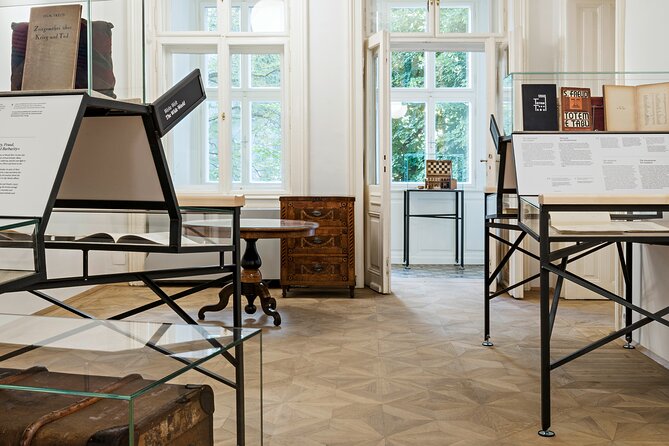
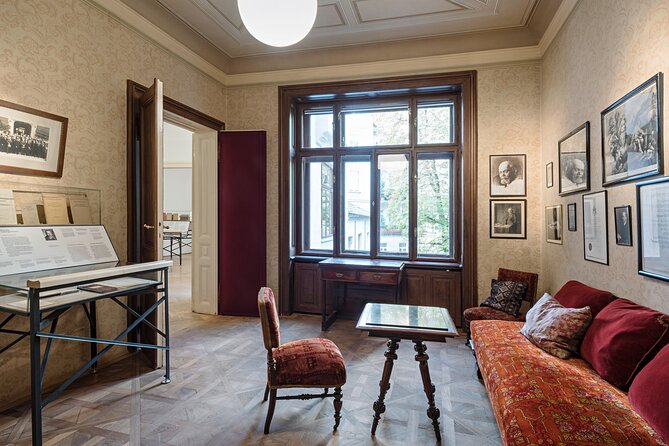
The core experience is the permanent exhibition connected to Freud’s apartment and consulting rooms. You’ll get the sense of how the rooms were used, not just what Freud is famous for. Even if psychoanalysis is only a small part of what you know, the museum is built to guide you from everyday life to the ideas.
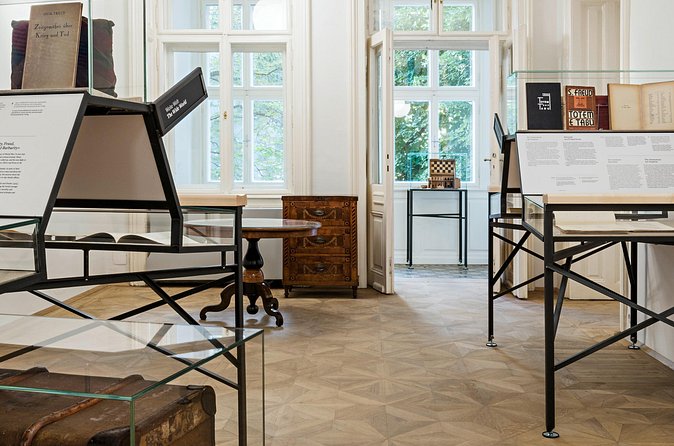
A big plus is that the exhibition includes original objects and furniture to create the atmosphere of the apartment. That matters because Freud’s story can feel abstract when you only meet it through books. Here, you see the physical world around the man, and it helps your brain connect the theory to routine, work, and people.
The museum also makes room for context. You’ll find information about psychoanalysis as a developing practice, as well as details about the Freud family life in Vienna. That combination is one reason the visit tends to land well for different interests: psychology buffs, history lovers, and people who just want a strong sense of place.
How the exhibition connects Freud’s work to daily life
What I like most about this museum is the pacing of ideas. It doesn’t act like Freud’s theories appeared fully formed from nowhere; it shows his work alongside his circumstances and the family environment. You move from personal space to professional space, and the museum keeps nudging you to notice the human side.
You’ll also see that the exhibition balances the personal and the professional through objects, documents, and explanations of the psychoanalytic approach. That’s useful for first-timers, because it reduces the feeling that you need a background course before you can enjoy the visit.
At the same time, it’s worth being honest about expectations. Some people walk in hoping for a deep, modern “how it changed the world” treatment and leave wanting more interpretive layers. If you already know a lot about Freud’s major concepts, you might find parts of the exhibition focused on the basics and the story timeline rather than offering brand-new ideas.
1930s films and the Freud family story
The museum includes unique films from the 1930s, showing aspects of the Freud family’s private lives. This is a smart inclusion because it adds motion and faces to a topic that can otherwise feel like it belongs in dry reading.
Even if you don’t know what you’re looking for, film tends to do two helpful things. It anchors the people in a specific era, and it breaks up the experience so it doesn’t become only objects and text.
If you’re sensitive to audio or want a quieter pace, keep in mind that film areas can draw people to stand close. You might want to watch at your own rhythm, then move on before a group wave gathers.



Special exhibitions and the conceptual art connection to today
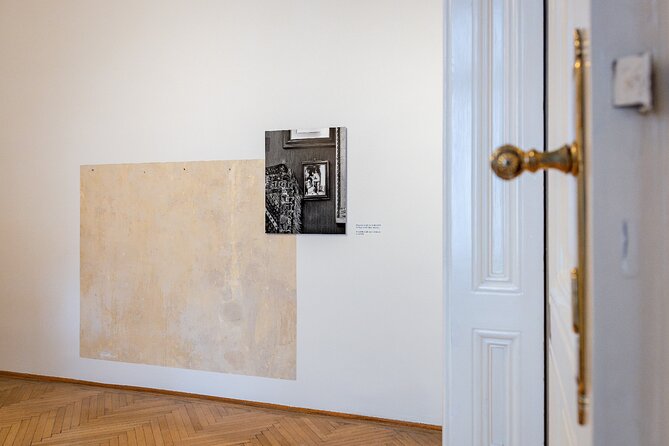
Beyond the permanent core, the museum brings in changing special exhibitions and a conceptual art collection that references the present. This is one of those “small but important” parts of the ticket, because it keeps the museum from feeling stuck in the past only.
For me, this is where you can get the most personal “aha” moments. If Freud’s work is in your mind as old-school psychology, seeing how today’s curators frame the ideas helps you connect what you’re learning to modern conversations about the mind, identity, and interpretation.
The trade-off: special exhibits can shift your experience depending on the day you go. That’s not a problem, but it means your visit might feel more or less focused on certain themes than someone else’s.
The famous study, objects, and the furniture question
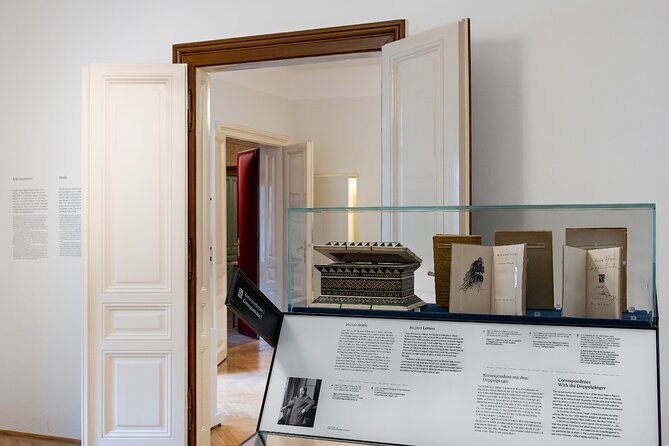
The museum is known for making Freud’s study feel tangible, with lots of artifacts and a working-room atmosphere. Some visitors describe the study as a place full of objects and references that can make you feel like you’re standing in the middle of his inspirations.
Now the key caution: there are differing expectations about what the rooms contain. Some people have felt that the spaces are not presented with the full amount of period furniture or replicas they expected, pointing to renovation changes. That doesn’t make the visit bad, but it does mean you should show up ready to appreciate the museum for the story and the artifacts you do see, not only for an exact “time capsule” recreation.
A good strategy: focus on the objects and documentation the museum highlights, and let the room atmosphere do its job. If you’re mainly hunting for a perfectly staged historical set, temper that with the understanding that museums change to preserve, renovate, and improve visitor access.
Timing, crowding, and how to keep the visit comfortable
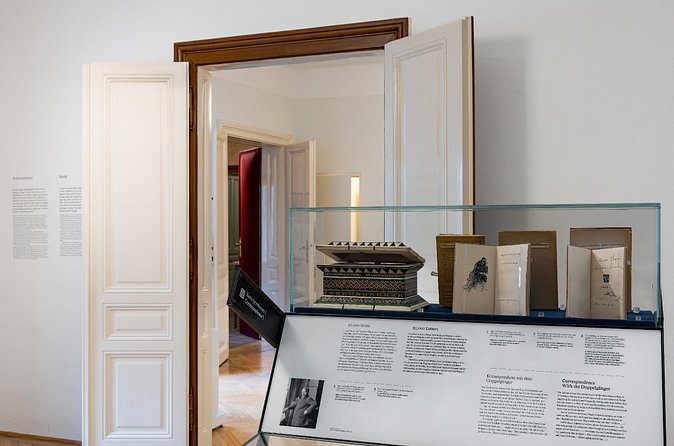
This is a small museum, and that can be a blessing and a warning. The upside is you can walk through without feeling like you’ll spend half your day finding the exit. The downside is that when groups arrive, the sound level can rise and your pace can feel squeezed.
Here’s how to protect your experience: go early in your day, or pick a time when you expect fewer school groups. You’ll still get the full story, but you’ll have an easier time pausing at the spots you care about most.
If you’re visiting with kids or people who need a slower pace, treat the 2-hour estimate as flexible. Take your time with the permanent exhibition sections, then use the café as a natural break.
Price and ticket value for a 2-hour visit
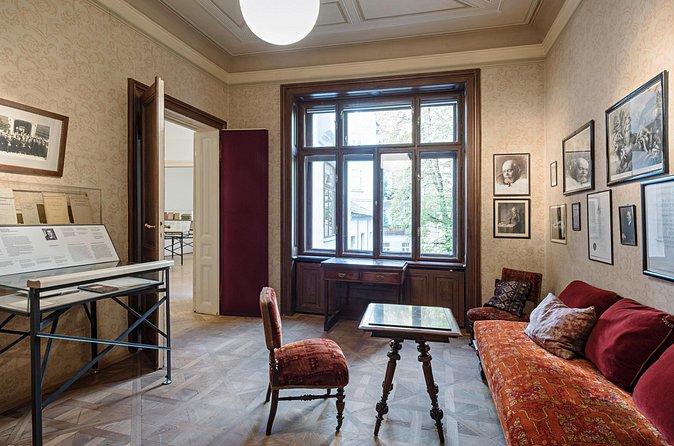
At $18.02, the ticket is priced for a focused, high-quality museum visit rather than a long “activity day.” For many people, the value comes from the combination: real address, preserved rooms, and an exhibition that tries to connect Freud’s life and ideas.
It also helps that the museum has built-in time-friendly add-ons. The on-site café and shop mean you don’t have to end with a scramble for food or a pharmacy-sized souvenir hunt. That can turn a “just admission” stop into a satisfying little half-day.
If you’re tight on time, two hours is a practical commitment: enough to see the main permanent exhibition and film elements, without turning it into a marathon. If you like museums that reward attention to small details and objects, this time window will feel right.
Mobile ticket, public transport, and getting there smoothly
The ticket is a mobile ticket, and you’ll receive confirmation at booking time. That’s the modern kind of convenience: you don’t need to plan for printed documents, just keep your phone ready.
The museum is also near public transportation, which is a big deal in Vienna where tram and metro options can make your day flow better. If you like to mix stops, this one fits well because you can reach it without adding lots of extra travel time.
Service animals are allowed, and the experience notes that most travelers can participate. If you need extra pacing, plan for it. The museum format is room-based, and comfortable movement matters more than in a wide-open gallery.
Café and shop: how to finish without rushing
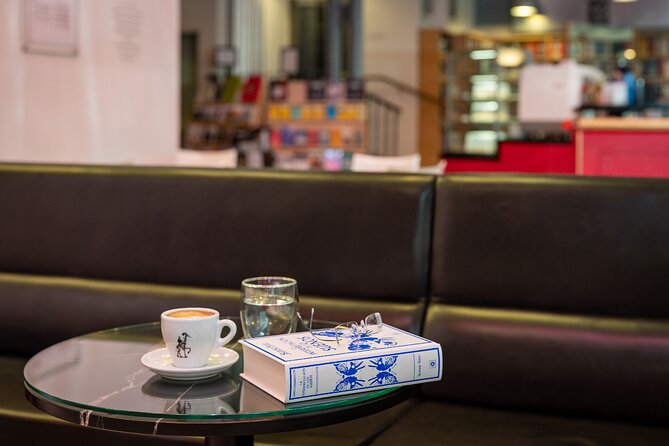
One of the nicest things about this stop is that the experience doesn’t end at the last door. The on-site café gives you a place to sit, regroup, and talk through what you just saw. It’s ideal if you want to process the family story and the ideas before you head back out into the city.
The shop is also worth the time if you enjoy taking your learning home. You can pick up books or souvenirs that match what you felt curious about during the visit. That turns the museum from a temporary experience into something that keeps working after you leave.
Who should book this Freud Museum ticket
This museum is a strong choice if you want a Vienna address with meaning, and if you like history that’s tied to objects and rooms. It’s also a good pick if you want a clearer entry into psychoanalysis without needing a formal course first, since the exhibition explains the basics while keeping the story personal.
You might want to think twice if you only want massive room recreations and expect a perfect period set. Also, if you already know Freud’s major concepts and theories well, you may find some sections feel more like an organized summary than a breakthrough.
Should you book the Sigmund Freud Museum ticket?
Yes, I think you should book this ticket if you want a compact, memorable Vienna stop tied to a real address and supported by artifacts, documents, and films. The 2-hour format is easy to fit into a day, and the café and shop help you end on a relaxed note.
Book ahead if you can, because the museum can sell out or fill up for popular time slots. And when you arrive, plan to enjoy the story for what it presents today—then let your own curiosity do the rest.
FAQ
How much does admission cost?
Admission is $18.02 per person.
Where is the Sigmund Freud Museum in Vienna?
The museum is at Berggasse 19, 1090 Vienna, Austria.
How long should I plan for the visit?
Plan for about 2 hours (approx.).
Is the ticket mobile?
Yes, the admission is a mobile ticket.
Will I get confirmation after booking?
You’ll receive confirmation at the time of booking.
Can I bring a service animal?
Yes, service animals are allowed.
Is the museum near public transportation?
Yes, it is near public transportation.
Is the museum suitable for most visitors?
The experience notes that most travelers can participate.
Is there a café and shop on-site?
Yes, there is a cosy café and a well-stocked shop.
What is the cancellation window?
You can cancel for a full refund up to 24 hours before the experience’s start time. If you cancel less than 24 hours before, the amount paid is not refunded.
Vienna Under a Roof: More Museums
- Vienna: Skip-the-Line Sisi Museum, Hofburg and Gardens Tour
★ 4.8 · 5,918 reviews - Vienna Kunsthistorisches Museum Day Admission Ticket
★ 4.6 · 3,690 reviews - Tickets for the Albertina Exhibitions
★ 4.7 · 2,126 reviews - Sigmund Freud Museum Ticket
★ 4.6 · 1,668 reviews - Vienna: St. Stephen’s Cathedral & Dom Museum Wien Tickets
★ 4.5 · 1,652 reviews
More Tour Reviews in Vienna
- Vienna: Vivaldi’s Four Seasons Concert in Karlskirche
★ 4.7 · 14,951 reviews - Vienna: Schönbrunn Palace & Gardens Skip-the-Line Tour
★ 4.7 · 7,739 reviews - Vienna: Light of Creation Votive Church Immersive Light Show
★ 4.8 · 6,779 reviews - Vienna Spanish Riding School Guided Tour
★ 4.7 · 6,765 reviews - Vienna: Classical Concert in the World-Famous Musikverein
★ 4.6 · 6,673 reviews
Just In: New Vienna Reviews



Museums, compared.
 ★ 4.6Vienna Kunsthistorisches Museum Day Admission TicketFrom $253,690 reviews
 ★ 4.7Tickets for the Albertina ExhibitionsFrom $232,126 reviews
 ★ 4.6Sigmund Freud Museum TicketFrom $181,668 reviews
 ★ 4.5St. Stephen’s Cathedral & Dom Museum Wien TicketsFrom $341,652 reviews
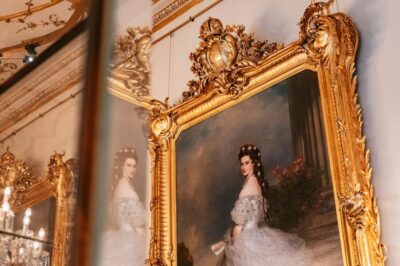 ★ 4.7Hofburg and Empress Sisi Museum Guided TourFrom $561,460 reviews
 ★ 4.8Skip-the-Line Hofburg and Empress Sisi Museum TourFrom $55801 reviews
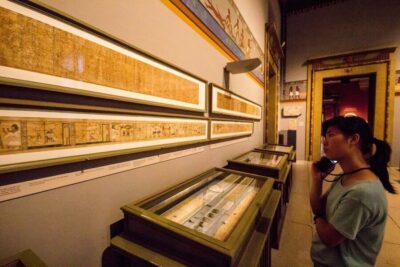 ★ 4.7Combo Ticket: Kunsthistorisches Museum & Imperial TreasuryFrom $37785 reviews
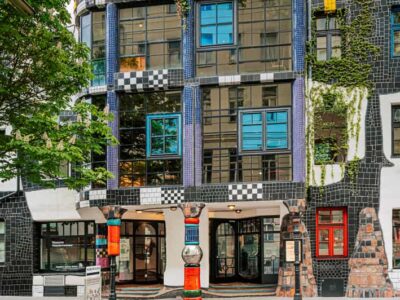 ★ 4.6Tickets for Kunst Haus Wien: Museum HundertwasserFrom $18651 reviews
Browse the lists this tour appears in