Reviewed · WINE TAVERNS & HEURIGEN
Austrian Wine Tasting
Six glasses, one great Vienna afternoon.
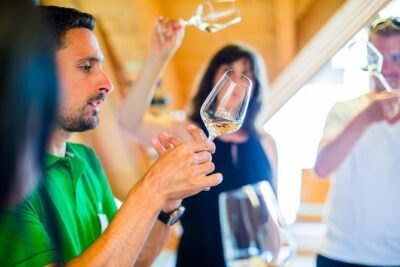
This 2-hour Austrian wine tasting happens in Vienna’s 2nd district, in a restored Wilhelminian-era building, and it’s led by owner Stylianos Stavridis (often called Stelios). The setting feels intentional and calm, but the real draw is the guided back-and-forth as each wine gets explained in plain English.
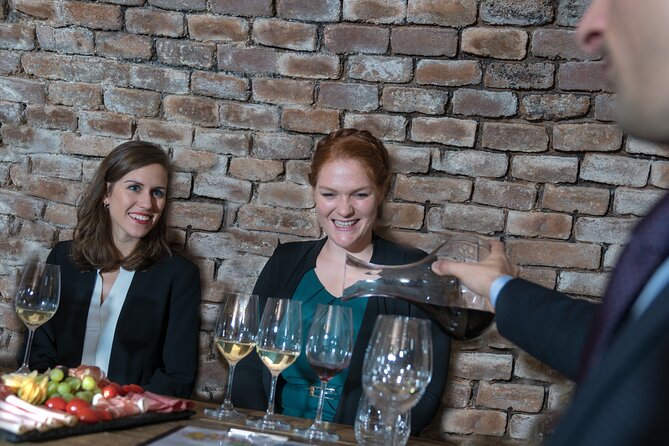
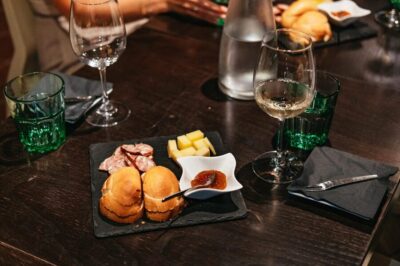
I love the format: you’re not left to swirl-and-guess. You sample six Austrian wines with a real tasting flow and pairing support, plus a cold plate of cheese, cured meats, and bread to keep everything balanced. I also love the small group vibe (max 8), because it makes it easy to ask questions and compare notes without the room getting noisy.
One possible drawback: don’t expect a full dinner. The included snacks are good, but at least one solo guest felt the food could be more substantial, and the venue can feel more modern than some old-school cellar photos might suggest.
In This Review
- Key highlights worth planning around
- A Vienna cellar-style tasting in the 2nd district (that feels like a night out)
- Meeting Stylianos Stavridis and getting into the tasting rhythm
- Six Austrian wines with lessons you can use again
- What you learn while you taste
- The cold plate pairing: cheese, cured meats, and bread that actually helps
- Why Austrian wine tastes so different when someone guides you
- Price and value: is $145.18 a good deal for this?
- Who this tour is best for (and who should skip it)
- How to get more out of your visit (quick, practical tips)
- Should you book Austrian Wine Tasting in Vienna?
- FAQ
- How long is the Austrian wine tasting?
- How many wines do you taste?
- Is the tour offered in English?
- What food is included?
- Where does the tour start?
- How big is the group?
- What is the cancellation policy?
Key highlights worth planning around
- Six pours, structured tasting with guidance so you actually learn what to look for in the glass
- Stylianos Stavridis in English (certified sommelier style) with time for questions
- Small group of up to 8 so the conversation stays personal
- Cold plate pairings of cheese, cured meats, and bread designed to work with both whites and reds
- A mix of Austrian grapes that can include surprises like Sankt Laurent and Blaufrankisch, not just the usual names
Up to the Heurigen for another glass
- Wachau Valley Wine Tasting Bike Tour from Vienna★ 5.0 · 829 reviews
- Countryside Half Day Wine Tour near Vienna★ 5.0 · 545 reviews
- Wachau Valley Small-Group Tour and Wine Tasting from Vienna★ 5.0 · 540 reviews
- From Vienna: Half-day Countryside Wine Tour with Meal★ 4.7 · 526 reviews
A Vienna cellar-style tasting in the 2nd district (that feels like a night out)
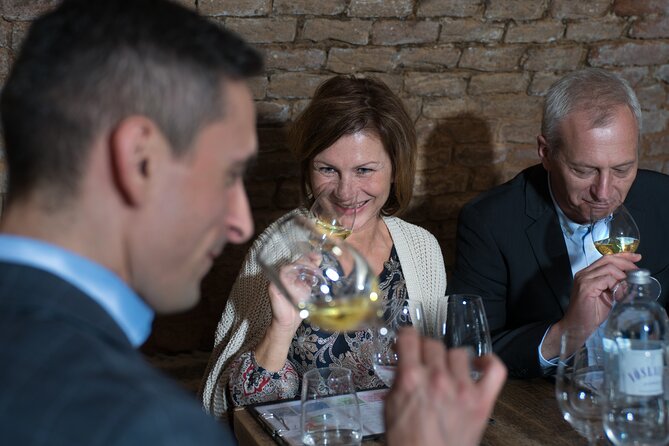
This is the kind of activity that makes Vienna feel intimate. The tasting takes place in a restored traditional building in the 2nd district, a part of town that’s still easy to explore on foot and by public transport. The vibe isn’t rowdy. It’s the kind of calm room where you can focus on aroma, acidity, and what the wine is trying to say.
One thing to keep in mind: this experience isn’t pitched as a medieval dungeon cellar. Some photos can set expectations for deep brick-and-arch atmosphere. In practice, the space can feel more designed and modern than that. That said, people consistently highlight the overall comfort and the “wine-class” feel, which matters more once you’re there.
Meeting Stylianos Stavridis and getting into the tasting rhythm
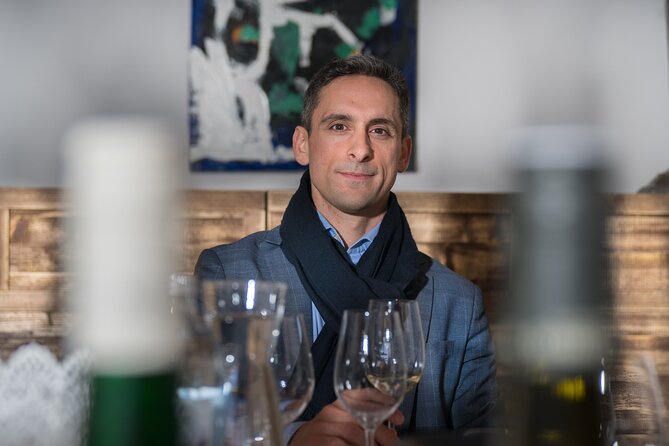
The host for this class is Stylianos Stavridis (you may hear him called Stelios). He leads in English, and the group stays small enough that you’re not just part of a crowd. Expect a paced session that moves through the wines rather than turning into a free-for-all with random refills.
A lot of the value here comes from the way the tasting is guided. The format is built for questions. You’ll talk about what you notice in each glass—things like aromas, taste, acidity, and how the wine carries more or less weight in your mouth. If you like learning how to taste (instead of just drinking), this style is a big plus.
Timing is straightforward. The tour runs about 2 hours, so it fits neatly into an afternoon plan without stealing your whole day. And since it ends back at the meeting point, you’re not stuck figuring out a new area at the end.
Six Austrian wines with lessons you can use again
The headline is simple: you taste six Austrian wines. But the smarter part is that you learn how to approach them. In many wine tastings, you get a list of facts and a vague suggestion to notice fruit. Here, you get a better set of targets for what to look for.
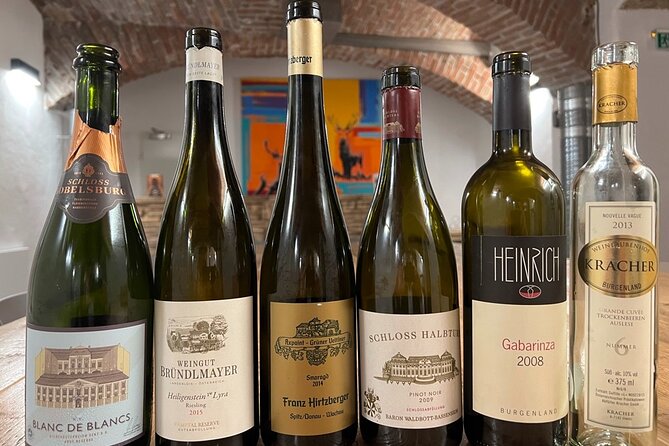
Based on past sessions, the lineup can include whites like Grüner Veltliner, Sauvignon Blanc, and Riesling, then reds such as Sankt Laurent and Blaufrankisch. You shouldn’t expect the exact same bottles every time. The upside is you get variety across styles, and that keeps the experience from turning into a single-note parade.
What you learn while you taste
Here’s the kind of insight that makes this feel better than tasting alone:
- How Austrian whites can show acidity in different ways, not just a general crispness
- How to separate aroma from flavor (and why your first sniff is often misleading)
- What to ask about when you see labels back home—grape, region, and style clues
- How pairing changes what you think you tasted the first time
Also, several people mention educational materials are provided. That’s important because the session is short. If you want to remember what you learned, the handout or booklet helps you turn the experience into something you can use later.
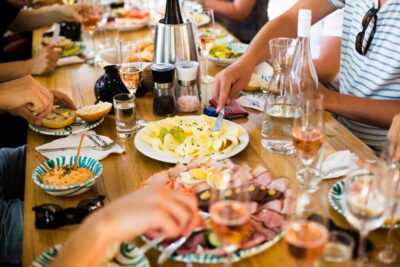
More Viennese plates and glasses to line up
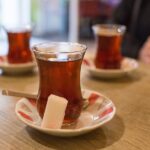

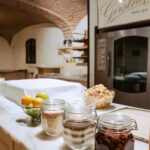
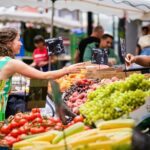
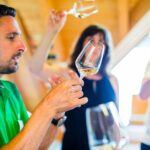
The cold plate pairing: cheese, cured meats, and bread that actually helps
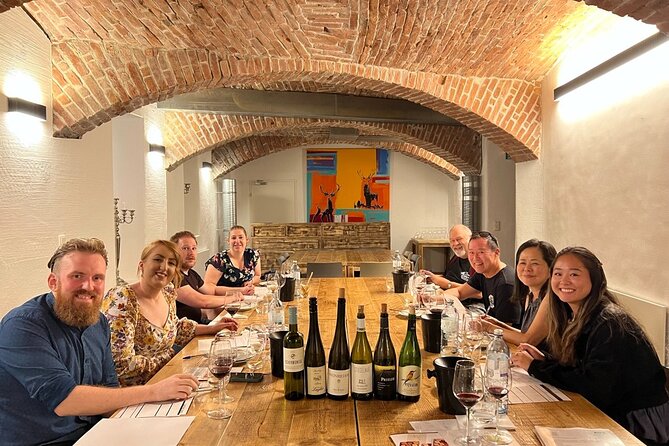
This tasting includes snacks with your wines: a cold plate featuring locally sourced cheese, cured meats, and bread. You also get still bottled water, which is practical in a tasting room.
Pairing here isn’t just an afterthought. The food is there to do a job:
- Cheese gives you fat and salt, which can round out sharper wines
- Cured meats add savory structure that can stand up to richer pours
- Bread is there as a reset so the next glass doesn’t feel like punishment
One reviewer specifically said you get bread, cheese, and prosciutto, and that pairings come with suggestions. If you’re the kind of person who wants a reason for every bite, you’ll like how the host links food to what’s happening in the wine glass.
Still, remember the drawback mentioned earlier: it’s a tasting plate, not dinner. You might feel satisfied if you’ve already eaten earlier. If you tend to eat lightly, plan to have a meal before you go.
Why Austrian wine tastes so different when someone guides you
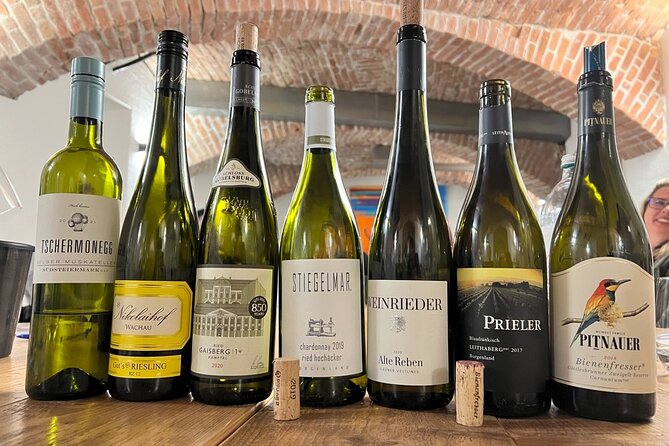
Austria can be a little misunderstood. People know the big names like Riesling. But it’s the broader picture that often surprises you when someone connects the grapes to how they’re grown and made.
In this class, the talking points tend to cover:
- Austrian wine history and how the country’s wine identity developed
- The major wine regions and how they shape flavor
- Common production methods (at least at a high level)
- What makes Austrian grape varieties worth paying attention to
It’s also not just facts. The host helps you translate those facts into something you can taste. That’s where the “wine-club vibe” comes from. Tasting alone is fine for fun. Guided tasting turns it into learning.
If you’re a novice, the explanations are friendly and aimed at building confidence. If you’re more experienced, the format still works because you can compare what you expect with what you actually notice—especially when the lineup includes less obvious grapes.
Price and value: is $145.18 a good deal for this?
Let’s talk money like adults. $145.18 per person sounds steep until you break down what’s included:
- Six wines (not just a couple of tastes)
- Still bottled water
- A cold plate with cheese, cured meats, and bread
- A structured tasting led by Stylianos Stavridis
- Educational materials
If you were to pay for six glasses at a typical wine bar, you’d usually hit a higher total quickly—and you’d still be on your own to figure out what you’re tasting. Here, the price buys you the pacing and the instruction, and the small group helps you get real interaction instead of background noise.
Where the value can feel thin is if you expect a big meal, or if you’re only interested in drinking without learning. But if you want to leave with names, tasting skills, and pairing ideas you can reuse, it’s one of the better “learn and drink” deals in Vienna.
Who this tour is best for (and who should skip it)
This fits best if you:
- Like Austrian wine or want to understand it beyond the basics
- Enjoy short classes where you can ask questions
- Want a small-group experience rather than a big bus-and-brochure tour
- Prefer structured tasting with food pairings
It may be less ideal if you:
- Want a full meal experience in the middle of the afternoon
- Expect a classic underground cellar scene as the main attraction
- Only want a quick sip with no instruction
Solo travelers can do well here too. The max 8 travelers setup makes it easier to feel included rather than lost.
How to get more out of your visit (quick, practical tips)
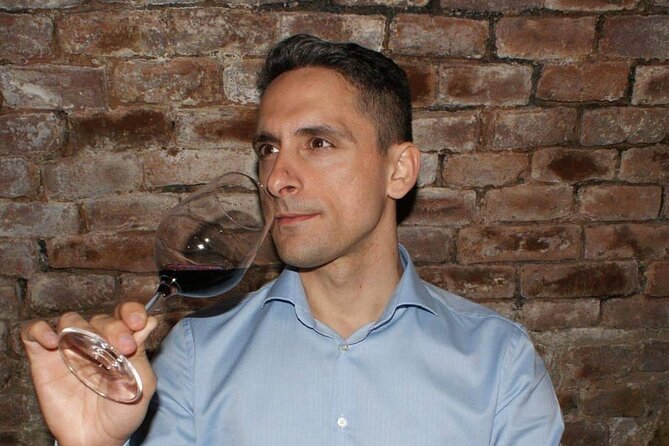
You’ll enjoy this more if you show up ready to taste, not just snack.
A few tips that match the experience style:
- Take small notes. The class is paced so you can remember each wine’s aroma and flavor traits.
- Ask one or two questions you actually care about. The time is short, so aim your questions at what you want to learn.
- Pace yourself with water. You get bottled still water for a reason.
- Try the pairing even if you think you won’t like it. Cheese and cured meats can shift how a wine reads in your mouth.
If you’re a wine-nerd, the session gives you tools you can reuse when you order in a bar later. If you’re new to wine, the guided format helps you feel less intimidated and more in control of what you’re tasting.
Should you book Austrian Wine Tasting in Vienna?
I’d book it if you want a compact, guided introduction to Austrian wine with real conversation, strong pairing support, and a clear learning structure in English. The small group size, the mix of whites and reds (sometimes including Sankt Laurent and Blaufrankisch), and the guided tasting approach are the real reasons it’s worth your time.
Skip it if you’re hunting for a big dinner experience or a very old-school cellar atmosphere as your top priority. For that, you’d likely do better with something food-forward.
FAQ
How long is the Austrian wine tasting?
It runs for about 2 hours.
How many wines do you taste?
You taste six Austrian wines during the session.
Is the tour offered in English?
Yes, it’s offered in English.
What food is included?
You get a cold plate with locally sourced cheese, cured meats, and bread, plus still bottled water.
Where does the tour start?
The meeting point is Wine Tasting Vienna – Exclusive Wine Experiences – Stylianos Stavridis e.U.Hollandstraße 10/1-3, 1020 Wien, Austria.
How big is the group?
The maximum group size is 8 travelers.
What is the cancellation policy?
You can cancel for a full refund up to 24 hours in advance of the experience start time. If you cancel less than 24 hours before, you won’t get a refund.
Vienna, Plate and Glass
- Vienna for Food Lovers: Cafés, Markets & Austrian Cuisine
★ 5.0 · 1,063 reviews - Wachau Valley Wine Tasting Bike Tour from Vienna
★ 5.0 · 829 reviews - Vienna: Gerstner KuK Hofzuckerbäcker Baking Show & Tasting
★ 4.8 · 823 reviews - Authentic Vienna Food Tour inc. lunch, street food, 3 drinks
★ 5.0 · 749 reviews - Wachau Valley Small-Group Tour and Wine Tasting from Vienna
★ 5.0 · 540 reviews
More Tour Reviews in Vienna
- Vienna: Vivaldi’s Four Seasons Concert in Karlskirche
★ 4.7 · 14,951 reviews - Vienna: Schönbrunn Palace & Gardens Skip-the-Line Tour
★ 4.7 · 7,739 reviews - Vienna: Light of Creation Votive Church Immersive Light Show
★ 4.8 · 6,779 reviews - Vienna Spanish Riding School Guided Tour
★ 4.7 · 6,765 reviews - Vienna: Classical Concert in the World-Famous Musikverein
★ 4.6 · 6,673 reviews
Up to the Heurigen
- Wachau Valley Wine Tasting Bike Tour from Vienna
★ 5.0 · 829 reviews - Countryside Half Day Wine Tour near Vienna
★ 5.0 · 545 reviews - Wachau Valley Small-Group Tour and Wine Tasting from Vienna
★ 5.0 · 540 reviews - From Vienna: Half-day Countryside Wine Tour with Meal
★ 4.7 · 526 reviews - Vienna: Wine Tasting Experience in a Private Wine Cellar
★ 4.8 · 413 reviews
Just In: New Vienna Reviews




Wine Taverns & Heurigen, compared.
 ★ 5.0Wachau Valley Wine Tasting Bike Tour from ViennaFrom $163829 reviews
 ★ 5.0Countryside Half Day Wine Tour near ViennaFrom $145545 reviews
 ★ 5.0Wachau Valley Small-Group Tour and Wine Tasting from ViennaFrom $230540 reviews
 ★ 4.7From Vienna: Half-day Countryside Wine Tour with MealFrom $141526 reviews
 ★ 4.8Wine Tasting Experience in a Private Wine CellarFrom $22413 reviews
 ★ 4.8From Vienna: Wachau Valley Day Tour with Wine TastingFrom $234399 reviews
 ★ 4.2Heurigen Cruise with Viennese Songs and BuffetFrom $74320 reviews
 ★ 4.8Schlumberger Wine Cellar Guided or Self-Guided TourFrom $15285 reviews
Browse the lists this tour appears in