
Reviewed · BELVEDERE & KLIMT TOURS
Private Belvedere Palace and Museum Tour
Klimt plus baroque palaces, in one guided sweep. I love the way this private, expert-led walk turns the Belvedere complex into a clear story from Prince Eugene of Savoy to the art on the walls, and I also love how you get time focused on the museum’s biggest draws, including The Kiss and Judith. One thing to plan for: entrance fees and local transport aren’t included, so you’ll still handle tickets and getting there.
At about 2 hours 30 minutes, the pacing is built for seeing the key spaces without rushing, and the small-group limit (up to 8 per booking) keeps questions from getting swallowed. English is offered, pickup may be possible if you message your hotel details up to 24 hours ahead, and the guide can help you buy tickets at the start of the walk—useful when you want to spend your time looking, not lining up.
In This Review
- Key Takeaways Before You Go
- Baroque Grounds: Prince Eugene’s Belvedere and Those Formal Gardens
- The Private Walk That Keeps Belvedere from Feeling Like Checklists
- Upper Belvedere: Where Architecture Explains the Power Play
- Belvedere Museum: How a Habsburg Collection Became Public Art
- Klimt’s Golden Period: The Paintings You Came for
- Timing and Logistics: What You Control vs. What the Tour Handles
- Price and Value: Is $565.38 Worth It for Your Group?
- Best Fit: Who This Tour Works For (and Who Might Skip It)
- Potential Pitfalls: When Logistics Go Sideways
- Should You Book This Private Belvedere Palace and Museum Tour?
- FAQ
- How long is the Private Belvedere Palace and Museum Tour?
- What is included in the price?
- Are entrance tickets included?
- Is transportation to and from Belvedere included?
- Is hotel pickup available?
- What group size is this tour limited to?
Key Takeaways Before You Go
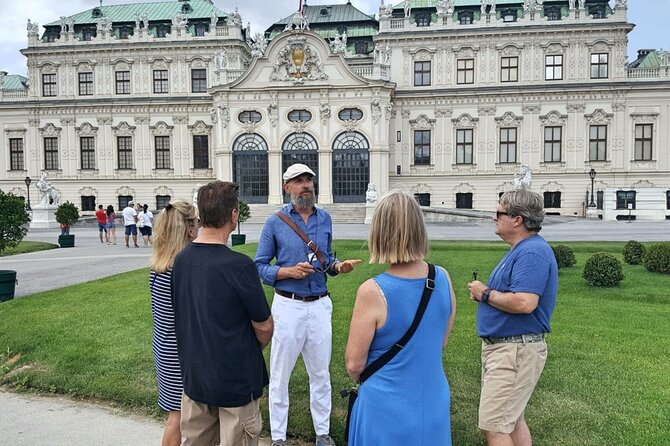
- Private art historian guide: the tour is designed to connect buildings, rulers, and paintings.
- Belvedere gardens plus Upper Palace: you don’t skip the “why it was built” part.
- Klimt-focused museum time: see major golden-period works like The Kiss and Judith.
- Small-group feel: up to 8 people per booking keeps the pace humane.
- Tickets and transport are on you: plan for admission fees and how you’ll arrive.
More time with Klimt's Kiss at the Belvedere
- Vienna Belvedere Palace Skip-the-line Tour & Official Guide★ 4.9 · 390 reviews
- Vienna: Lower Belvedere Entry Ticket & Temporary Exhibitions★ 4.1 · 275 reviews
- Vienna: Belvedere Palace Skip-the-Line Tour★ 4.9 · 197 reviews
- Vienna 3, 4 or 5-Attraction Pass: Schönbrunn, Belvedere, Bus★ 4.2 · 124 reviews
Baroque Grounds: Prince Eugene’s Belvedere and Those Formal Gardens
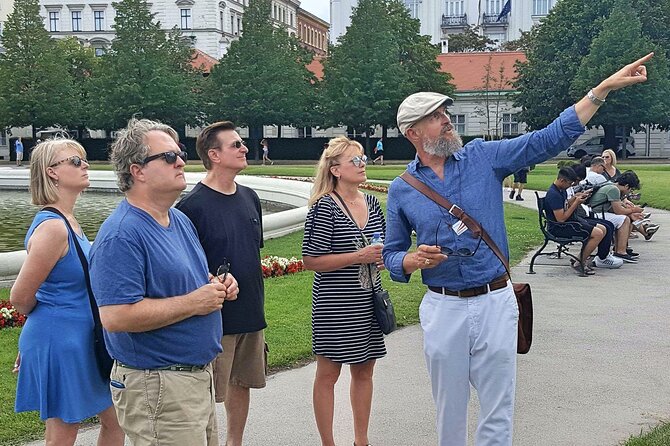
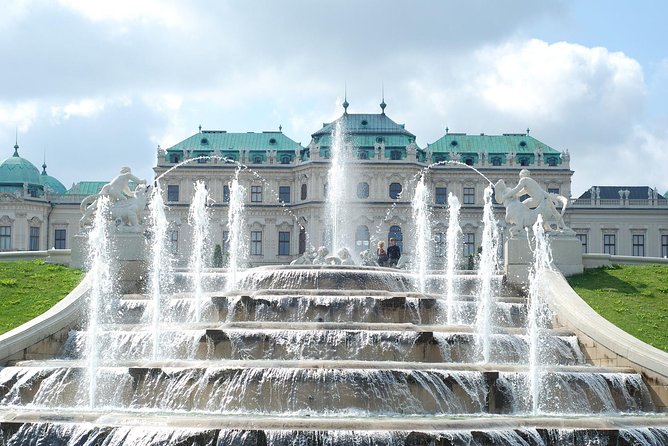
Belvedere isn’t just a pretty palace complex. It was designed to broadcast power and order—like a stage set for aristocratic life. The tour starts in the Belvedere gardens, where you can read the layout almost like a map of ambition: wide formal paths, carefully framed views, and a sense that everything was meant to feel balanced and intentional.
The complex dates to the early 1700s, built as a summer residence for Prince Eugene of Savoy—an important military commander and a major figure in Austrian history. Even if you come in with only a casual interest, the guide’s job is to connect the dots: why a commander-in-chief would invest in something so ceremonial, and how that kind of controlled beauty fits the Habsburg-era worldview.
The Upper Belvedere palace is a standout example of Baroque architecture. You’ll get pointed attention on how the building’s drama works in real space—how ornament and proportion are used to make the visitor feel small in the best way. The surrounding formal gardens were inspired by classical antiquity, which helps explain why the grounds feel “ancient” even though you’re in early 18th-century Austria. It’s not random landscaping; it’s a designed message.
What to watch for: the relationships between palace and garden. If you learn what parts were meant to impress visitors, the whole complex starts behaving like one big explanation instead of separate sights.
The Private Walk That Keeps Belvedere from Feeling Like Checklists
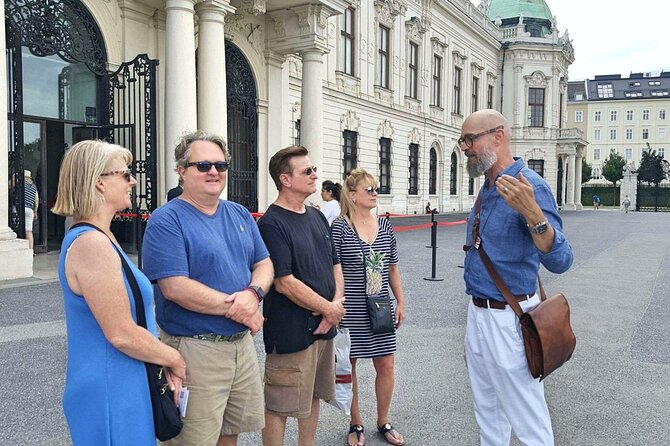
The best part of this tour is the format. It’s a 2.5-hour private walk with a professional art historian guide, done in English, with only your group participating. That matters because Belvedere is large enough that self-guided visits can turn into “look, read one plaque, walk faster, repeat.” A good guide prevents that drift.
With a small maximum group size (and a private setup), you can ask direct questions: why one wing matters, how a patron fits into the monarchy, or what to notice in a painting beyond the obvious subject. One highlight from past tour experiences with guides such as Wolfgang is that they bring the story down to how pieces connect—especially around how Prince Eugene fits into the broader monarchy. If you want the human thread, that type of explanation is the difference between seeing art and actually understanding what you’re seeing.
Practical bonus: your guide can help you purchase tickets at the beginning of your walk if needed. That’s a simple thing, but it can save time and reduce stress—especially in a busy museum environment.
Potential drawback to consider: because it’s a private tour, any change in guide or pacing can affect your total time on-site. One published experience described a shorter-than-expected tour after an emergency guide change, plus confusion around transport options. That’s not the norm, but it’s a reminder to stay flexible and keep your expectations grounded: you’re paying for a plan, but you’re also in the real world of scheduling.
Upper Belvedere: Where Architecture Explains the Power Play
The Upper Belvedere portion is where the tour makes its case that art history isn’t only paintings. Baroque buildings are meant to move you—visually, emotionally, and socially. The palace’s scale and decorative approach can feel like a controlled performance, and the guide’s commentary helps you spot the logic behind the drama.
You’ll likely spend time orienting yourself first: where you are within the complex, how rooms and exterior spaces relate, and what the site’s original purpose suggests about the visitor experience. This is also where the Prince Eugene angle becomes more tangible. When you understand the patron, the palace feels less like a museum artifact and more like a political tool.
In places like these, timing and flow matter. You don’t want to “wander and hope.” A private guide gives you a path that keeps you moving through the important architecture without burning your limited tour time on detours.
If you care about details: ask your guide what’s most important to notice in Baroque design—because the same building can look different depending on whether you’re trained to see structure, decoration, or symbolism first.
Belvedere Museum: How a Habsburg Collection Became Public Art
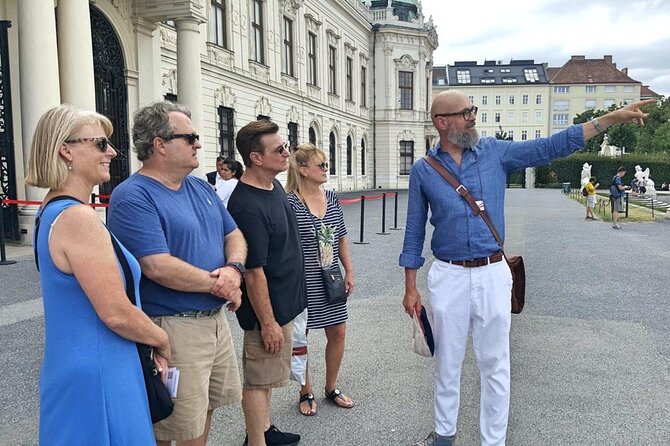
After the palace and grounds, the tour shifts to the Belvedere Museum, which historically helped set the stage for public museum culture. The key idea is simple: Belvedere was built to make the Habsburgs’ imperial collection accessible to the public, turning private power into shared cultural heritage.
That context changes how you experience the galleries. Instead of treating the works as isolated masterpieces, you start thinking about who collected them, why they were chosen, and how that selection shaped what later audiences learned to value.
You can expect a strong range of Austrian and international painting—from the Middle Ages onward to more recent eras. That broad timeline is useful because it gives you contrast. Klimt is the star, sure, but understanding what comes before and after helps Klimt land with more force.
Only your group, at your own tempo




Klimt’s Golden Period: The Paintings You Came for
If your goal is Klimt, this is the stop that does the heavy lifting. The museum includes major works from his golden period, and your guided time is aimed at helping you see them beyond the famous image.
Based on what’s highlighted in this tour approach, you should be ready for some of the biggest names and visual themes:
- The Kiss
- Judith
- Landscapes connected to the Attersee series
- Portraits of high-society ladies
Here’s the practical value of a guided museum visit: Klimt can look obvious at first glance, but interpretation is where the time pays off. The guide can help you notice symbolism, style choices, and why these works matter in the larger Austrian art story.
Also, don’t underestimate the benefit of not having to sort it all out yourself. The museum has a lot of paintings. A guide helps you avoid “star-struck fatigue,” where you spend energy walking to everything and end up really absorbing only a couple pieces.
Tip that helps: go in with one or two questions. For example, ask what makes a period a golden-period work, or what to look for in how society portraiture signals identity. You’ll get more from the paintings than if you simply try to remember every detail.
Timing and Logistics: What You Control vs. What the Tour Handles
Here’s the honest setup. This experience is 2 hours 30 minutes long and returns back to the same meeting point. But it does not include:
- Entrance fees
- Transportation to and from the attractions
- Food and drinks
The upside is that your guide can help you buy tickets at the start of the walk. That keeps the tour’s internal rhythm intact while still leaving you in control of admissions cost.
If you’re trying to decide how much effort you’ll need, focus on the “you handle this” parts:
- How you’ll get to Belvedere Palace (public transit is nearby, and pickup may be arranged if you message your hotel info up to 24 hours ahead)
- Entrance tickets for the palace and museum portions
- Your own break for food if you need one
What I like about this design: you’re paying for concentrated time with an expert guide, not for bundled transport or meals you might not want. But it’s only good value if you’re comfortable with the small planning piece.
Price and Value: Is $565.38 Worth It for Your Group?
The price is listed as $565.38 per group (up to 10), while the tour notes a maximum of 8 people per booking. That’s a detail to verify at checkout, but the value question is still the same: you’re paying for expert interpretation plus the privilege of a private path through a complex site.
Here’s how I think about value in a case like this:
- If you’re the kind of person who reads labels and wants connections, a guide makes your time more efficient.
- If you’re mainly there for Klimt and don’t care about context, you might feel it’s pricey compared with going in independently.
- If you’re traveling with a small group and want everyone to enjoy the same coherent story (instead of splitting up to read), the private format can feel worth it fast.
Also, the booking lead time is a signal. This is typically booked about 41 days in advance, which suggests people treat Belvedere like a “must-do” and plan ahead. When a place is popular, paying for a guide often reduces friction. You get a plan and someone translating the site into something you can actually process.
So is it worth it? For art and architecture buffs, yes more often than not—because Belvedere rewards attention. For casual sightseers, it’s only worth it if you’re sure you’ll engage with the story your guide provides.
Best Fit: Who This Tour Works For (and Who Might Skip It)
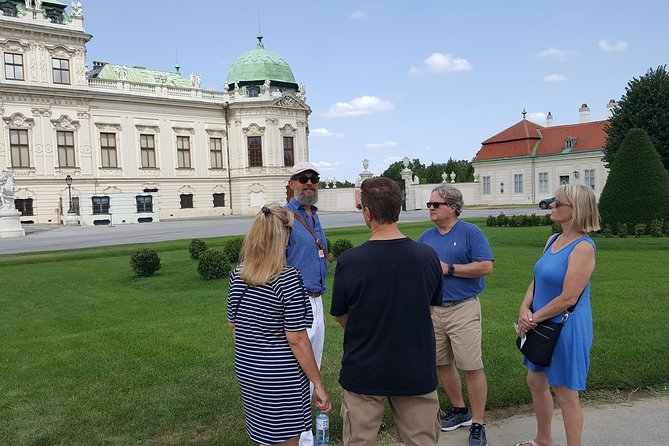
This experience fits you best if you’re one of these:
- An art and architecture fan who wants the “why” behind what you see
- A couple or small group that wants to move together and ask questions
- Someone who appreciates art explanations with specific examples, not vague commentary
A nice added point: one guide experience described help navigating the Upper Palace with a wheelchair. If mobility access is part of your planning, it’s worth discussing needs with the provider before the day—especially since the tour includes walking through palace and museum spaces.
If you’re traveling with teens who want a quick hit of famous art, you might still enjoy the tour—but you’ll want a guide who can keep explanations lively and grounded in what people actually care about.
Where you might choose DIY instead: if you already know Klimt well, you don’t want to pay for interpretation, and you’re happy to buy tickets and follow the museum flow on your own.
Potential Pitfalls: When Logistics Go Sideways
Let’s talk about the one real downside that shows up in the details. Since pickup and local transport aren’t included, your travel method matters. And because it’s private, when something changes—like a guide replacement due to an emergency—it can affect the pacing and how smoothly the group moves through the site.
One documented experience mentioned:
- A guide change on the day due to an emergency
- A shorter tour than the scheduled 2.5 hours
- Confusion around whether tram travel was practical, leading to taxis instead
That doesn’t mean you’ll face the same issue. But it does suggest how to protect yourself:
- If you’re using public transit, know the general route to Belvedere Palace ahead of time.
- Plan to handle tickets even if the guide can help with purchase.
- Give yourself a bit of buffer so you’re not arriving frazzled.
If you do that, you’ll be able to enjoy the core strength of the tour: the guided connections between palace, gardens, and paintings.
Should You Book This Private Belvedere Palace and Museum Tour?
If your top priorities are Klimt plus architecture, and you want a clear, guided route through the Belvedere complex, I’d book it—especially for couples or small groups who don’t want to waste their limited time decoding a palace-by-museum-by-garden maze.
I would skip or switch to a lighter option if:
- You only care about a quick Klimt viewing and you’re fine going on your own
- You hate planning ticket steps or figuring out how you’ll arrive without pickup
- Your group wants zero risk of schedule shifts (private experiences are still real life)
For most visitors, the decision comes down to this: do you want your Belvedere visit to feel like a story you understand, or a checklist you complete? This tour leans hard toward story—and the museum’s big-name paintings make the payoff feel immediate.
FAQ
How long is the Private Belvedere Palace and Museum Tour?
The tour lasts about 2 hours 30 minutes.
What is included in the price?
What’s included is a two-and-a-half-hour private walk with a professional art historian guide.
Are entrance tickets included?
No. Entrance fees are not included, but your guide can help you purchase tickets at the beginning of the walk.
Is transportation to and from Belvedere included?
No. Transportation is not included. The meeting point is Belvedere Palace, 1030 Vienna, and the tour ends back at the meeting point.
Is hotel pickup available?
Pickup may be available. You can send your hotel pick-up information up to 24 hours before the tour. If you don’t arrange pickup, you meet the guide at the default meeting point at Belvedere Palace.
What group size is this tour limited to?
This is a private tour/activity limited to a maximum of 8 people per booking, and only your group participates.
More Tour Reviews in Vienna
- Vienna: Vivaldi’s Four Seasons Concert in Karlskirche
★ 4.7 · 14,951 reviews - Vienna: Schönbrunn Palace & Gardens Skip-the-Line Tour
★ 4.7 · 7,739 reviews - Vienna: Light of Creation Votive Church Immersive Light Show
★ 4.8 · 6,779 reviews - Vienna Spanish Riding School Guided Tour
★ 4.7 · 6,765 reviews - Vienna: Classical Concert in the World-Famous Musikverein
★ 4.6 · 6,673 reviews
Yours Alone Across Vienna
- Vienna: Private Walking Tour with a Local
★ 4.6 · 1,446 reviews - Vienna: Private Walking Tour with a Guide
★ 4.7 · 962 reviews - Vienna: Wine Tasting Experience in a Private Wine Cellar
★ 4.8 · 413 reviews - Private Day Tour Trip Salzburg Hallstatt and Melk from Vienna
★ 5.0 · 388 reviews - Private Day Tour of Hallstatt and Salzburg from Vienna
★ 5.0 · 263 reviews
The Belvedere and Klimt, Continued
- Entry Ticket Upper Belvedere, Klimt’s Kiss & Permanent Collection
★ 4.5 · 831 reviews - Vienna Belvedere Palace Skip-the-line Tour & Official Guide
★ 4.9 · 390 reviews - Vienna: Lower Belvedere Entry Ticket & Temporary Exhibitions
★ 4.1 · 275 reviews - Vienna: Belvedere Palace Skip-the-Line Tour
★ 4.9 · 197 reviews - Vienna 3, 4 or 5-Attraction Pass: Schönbrunn, Belvedere, Bus
★ 4.2 · 124 reviews
Just In: New Vienna Reviews



Belvedere & Klimt Tours, compared.
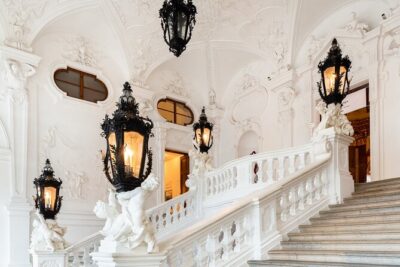 ★ 4.5Entry Ticket Upper Belvedere, Klimt’s Kiss & Permanent CollectionFrom $23831 reviews
 ★ 4.9Vienna Belvedere Palace Skip-the-line Tour & Official GuideFrom $50390 reviews
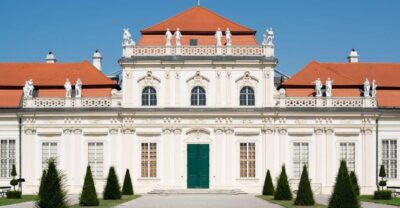 ★ 4.1Lower Belvedere Entry Ticket & Temporary ExhibitionsFrom $17275 reviews
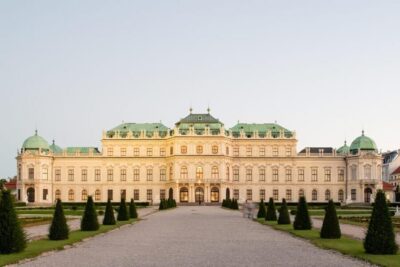 ★ 4.9Belvedere Palace Skip-the-Line TourFrom $62197 reviews
 ★ 4.2Vienna 3, 4 or 5-Attraction Pass: Schönbrunn, Belvedere, BusFrom $106124 reviews
 ★ 4.6Klimt Villa (Gustav Klimt Atelier & Museum) TicketFrom $1497 reviews
 ★ 5.0Belvedere Palace and Museum TourFrom $18171 reviews
 ★ 5.0Skip-the-line Upper Belvedere Tickets and Guided Tour ViennaFrom $7868 reviews
Browse the lists this tour appears in