
Reviewed · KUNSTHISTORISCHES & ART MUSEUMS
Private Tour of the Kunsthistorisches Museum: Secrets of Masterpieces | Tickets included
Masterpieces under one roof, explained clearly. This private KHM tour puts an art historian in front of the museum’s biggest works, and your questions help shape the route and pace. I love that it follows the museum’s own short list of 35 must-see pieces, which keeps you from getting lost in the sheer size of the collection. I also like the practical extras: admission is included, and you can use a mobile ticket or voucher to get in smoothly.
The only catch is timing: it’s about three hours, so you’ll cover the highlights, not every corner. If you’re the type who wants to linger forever, plan some solo time after your tour to stretch out.
In This Review
- Key highlights you’ll feel on the ground
- A museum that feels like architecture with opinions
- Meeting at Maria-Theresien-Platz without the stress
- What a private “masterpieces” tour really changes
- Your path through the KHM’s top works (without drowning)
- How to help the guide help you
- Stop at the “temple” level: the main masterpieces room
- Western art giants on your watch list
- Beyond painting: Egyptian, Greek, and Roman art plus the numismatic cabinet
- Cabinets of curiosities: small objects that force better looking
- Guide style that feels modern: interaction, props, and cross-references
- Timing that works: 3 hours, but planned for your attention span
- Price and value: does $283.12 per person make sense?
- What to bring (and what to skip)
- Who this tour fits best
- Should you book this KHM Secrets of Masterpieces tour?
- FAQ
- How long is the tour?
- Is the admission ticket to the Kunsthistorisches Museum included?
- What language is the tour offered in?
- Where do we meet for the tour?
- Is this a private tour?
- Can I cancel for a full refund?
Key highlights you’ll feel on the ground
- Your route follows a curated short list of the museum’s most essential works (the 35 must-see set)
- Private format means your questions steer the talk, instead of you squeezing in comments at the end
- Admission is included so you don’t waste your energy on ticket logistics
- You’ll see Western painting stars plus ancient art like Egyptian, Greek, and Roman works
- You get more than paintings with numismatics and the museum’s cabinets of curiosities
- Guide focus is on understanding, not just naming artists and dates
Cool galleries for a grey Vienna afternoon
- Tickets for the Albertina Exhibitions★ 4.7 · 2,126 reviews
- Combo Ticket: Kunsthistorisches Museum & Imperial Treasury★ 4.7 · 785 reviews
- Skip the Line: Kunsthistorisches Museum Vienna Entrance Ticket★ 4.5 · 466 reviews
- Leopold Museum Vienna Entrance Ticket★ 4.5 · 440 reviews
A museum that feels like architecture with opinions
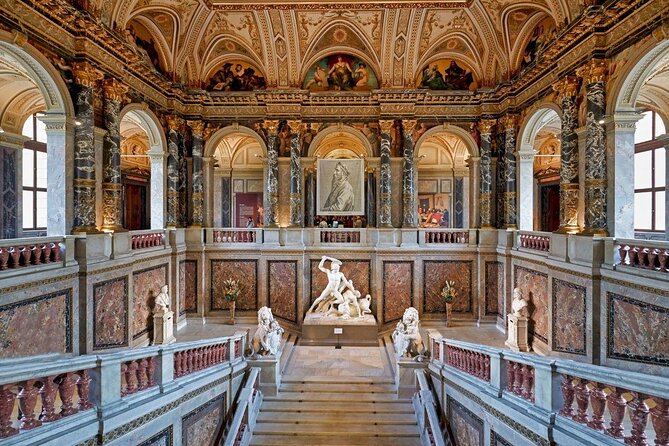
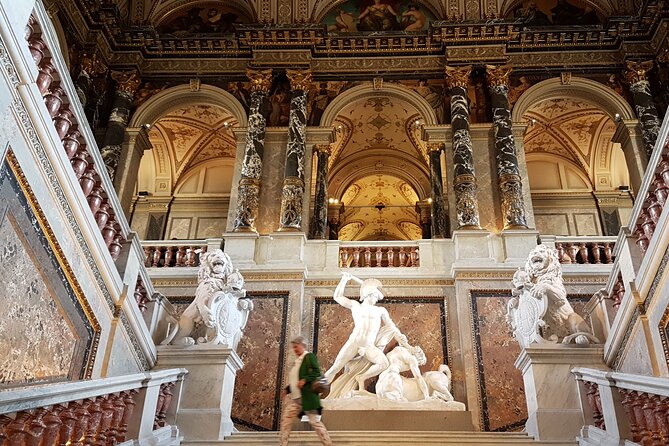
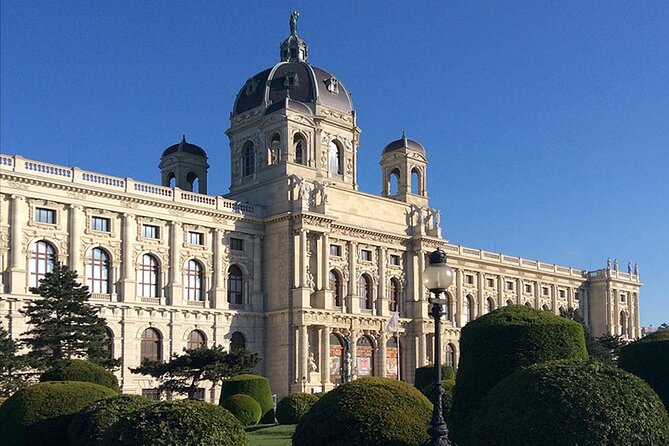
Vienna’s Kunsthistorisches Museum is often described as a temple of art, and it’s hard to argue with that once you’re standing in front of the building. The exterior leans into historicism and takes on the “temple” idea with elaborate details that reference classic Western cultures. The result is that your visit starts with a sense of occasion—like you’re entering a place built to honor objects, not just display them.
That vibe matters because it changes how the collection lands. In a museum this grand, you’re not only seeing famous works—you’re seeing why they were worth building this whole space for. And with a private guide, you don’t have to guess what to look at first. You get a plan that makes the museum’s scale feel manageable.
Meeting at Maria-Theresien-Platz without the stress
This tour starts at Maria-Theresien-Platz (1010 Wien), right in front of the museum’s main entrance. The details here are worth noticing because the museum has multiple doors. Come punctually and find the guide waiting in front of the central door—this matters because the central one is closed.
You’ll be near public transportation, which is a big deal in Vienna. You can keep your morning or afternoon schedule tighter, and you won’t burn time crossing the city just to find the right entrance. Since this is a private group experience, arriving on time also helps your guide keep the flow moving for your group.
For comfort, the tour asks for moderate physical fitness. That’s basically a polite way of saying you’ll do walking and standing in a busy museum. If you know you tire quickly on your feet, consider pairing this with lighter plans afterward.
What a private “masterpieces” tour really changes
A private tour isn’t just a smaller group. It’s how the museum gets translated for you.
Here’s what I like about this format: your interests and questions are the focus. Instead of hearing a generic lecture, you’re more likely to get answers that match what you actually want to see. If a painting style, historical period, or artist pops for you, your guide can pull that thread while still covering the core highlights.
The guide behind this experience is Art with me!—art experience for the intellectually curious—and the overall style shows up clearly in the way previous guests describe the tour. The guide’s approach leans on explaining why things matter: who made the work, what was happening in society around it, and how to read symbols, technique, and storytelling without needing a museum degree.
Your path through the KHM’s top works (without drowning)
The museum’s collection is enormous, so the magic move here is the order of operations. The route is built around the museum curators’ visitor list: 700 masterpieces for local art lovers, 100 for returning visitors, and 35 for first-timers who want a real payoff without spending all week.
On this tour, you’re aimed at that 35 must-see bracket. That does two things for you. First, you avoid the all-too-common trap of sprinting from one “famous” artwork to another with no context. Second, you get enough repetition—similar styles, different schools, related historical moments—to start seeing patterns.
In practice, you’ll spend your time on globally celebrated works spanning centuries and schools. You’ll also get multiple angles on single objects: what’s depicted, why the artist made certain choices, and what the object signals about its time.
Only your group, at your own tempo





How to help the guide help you
If you want this to feel tailored, come prepared with a couple of topics. For example:
- A time period you like (Renaissance, Baroque, Dutch Golden Age)
- A medium (painting, sculpture, decorative arts, numismatics)
- One artist you’re curious about
Even a simple prompt helps the guide structure the conversation and connect objects in a way that feels like a story, not a slideshow.
Stop at the “temple” level: the main masterpieces room
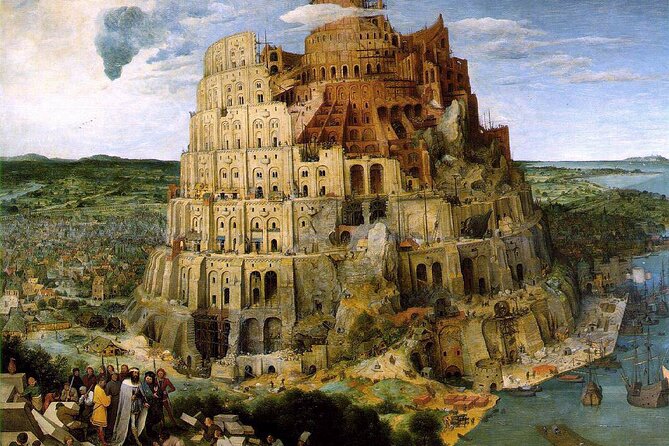
The core of the experience is a guided walk through the Kunsthistorisches Museum’s main masterpieces. The museum itself covers an impressive range: Western painting and print-related art are front and center, and the guide uses that as a starting point to explain the bigger collection.
One practical benefit of this tour structure: you don’t have to decide on the fly what’s most important. You’re shown the significant works and then taught how to look at them. That’s the real value of having an art historian’s brain in your ear.
Western art giants on your watch list
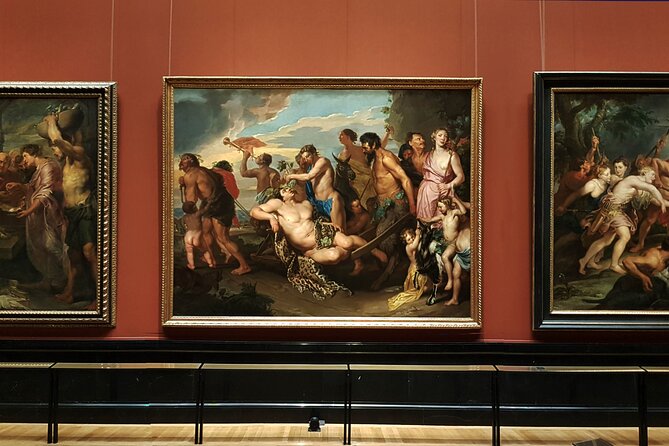
The museum holds major names from across Western European art, including (among others) Arcimboldo, Brueghel, Velasquez, Holbein, Dürer, Giorgione, Cranach, Raphael, Rembrandt, Rubens, and Titian. Seeing those names in one place is impressive—but names alone don’t do the job.
What the guide-style focuses on is the why. You’ll get social and historical context tied to the works, plus talk about the artists’ biographies and the period’s wider realities. That kind of framing makes the works feel less like museum trophies and more like living documents from their time.
And yes, if you love anecdotes and humor, you’re likely to enjoy the way this guide adds light moments to keep the pace human. Past guests specifically praised that storytelling tone—fun, interactive, and serious about context.
Beyond painting: Egyptian, Greek, and Roman art plus the numismatic cabinet
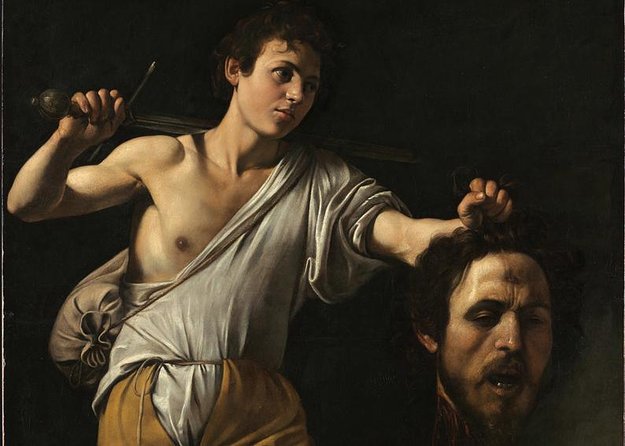
A lot of “masterpieces” tours oversell just the paintings. Here, you get breadth. The KHM also features collections of Egyptian, Greek, and Roman art, plus a numismatic cabinet.
That matters because it changes your sense of what a “universal museum” meant historically. You’re not only watching European art develop—you’re also seeing how the museum houses objects tied to older civilizations and collecting interests. Even if your main focus is European painting, spending time on antiquity helps explain motifs, tastes, and collecting habits that shaped later art viewing.
The numismatic cabinet adds another layer. Coins sound small until you realize they can be miniature history lessons: political messages, rulers’ propaganda, and cultural identity all shrunk down into metal. This tour format gives you the chance to treat those objects as meaningful rather than background decoration.
Cabinets of curiosities: small objects that force better looking
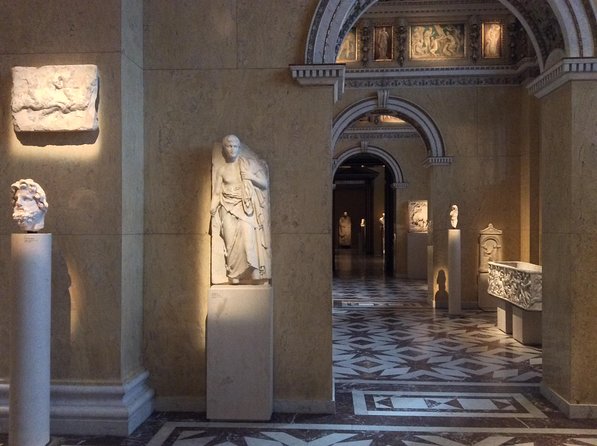
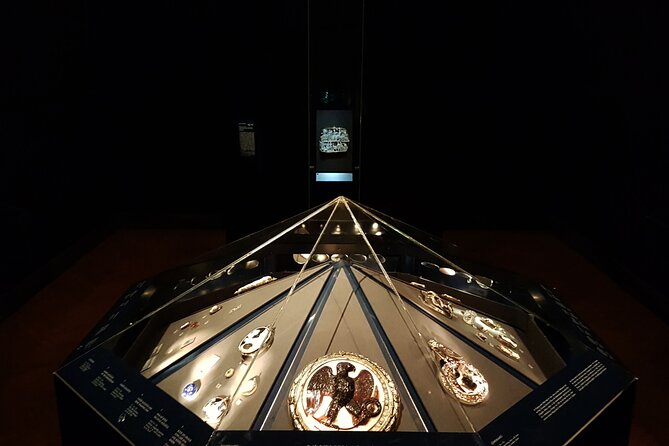
One of the most interesting parts of the KHM is that about a quarter of its exhibition space is dedicated to cabinets of curiosities. This isn’t just a “cool detour.” It’s a different way of seeing.
You’ll encounter a mixed exposition of indoor sculpture, church plate, decorative elements, and scientific instruments. In other words, it’s where art, craft, science, and wealth start bumping into each other. The guide’s job here is key: without explanation, curiosities can blur together as “interesting stuff.” With a good guide, they become clues.
And the strong point from previous guests is exactly this: the guide helps you ask better questions. One guest even described using a museum guide map as a prompt for a thesis-like explanation—basically turning the visit into a structured way of thinking about what you’re seeing. That approach works especially well in cabinets, where the objects are varied and easy to miss if you’re not sure what you’re looking for.
Guide style that feels modern: interaction, props, and cross-references
The person leading this tour—Julia is specifically named in many of the standout guest comments—brings a teaching style that’s equal parts academic and approachable.
From the feedback you can expect:
- Clear communication and frequent check-ins through prompts
- Strong command of art history context, including biographies and the socio-economic backdrop
- Storytelling with humor and light anecdotes
- Practical tools, including a mini iPad used to broaden connections between artworks
There’s also a memorable detail: one guest mentioned a turquoise hippo appearing during the tour as part of the guide’s engaging way of making points. Even if you never know what props might show up, the point is consistent—your guide is focused on keeping you actively engaged, not passively listening.
If you like tours where you’re asked questions and where you can steer the discussion, this one is built for that.
Timing that works: 3 hours, but planned for your attention span
A 3-hour museum tour is a sweet spot for many people. Long enough to feel like you got somewhere, short enough that you’re not dragging yourself out by hour three.
But be honest with yourself about how you tour. If you like to stand in front of one painting for a long time, you may want to schedule a second visit day or add extra self-guided time afterward. This tour is about highlights plus understanding, not total coverage.
If you’re visiting in a packed Vienna itinerary—maybe museums back-to-back—this length helps you avoid the classic problem: you see the most famous things, but none of it sticks because you’re moving too fast. Here, the structured short list helps your brain keep track.
Price and value: does $283.12 per person make sense?
At $283.12 per person for about 3 hours, the ticket price isn’t “cheap.” But it’s also not random.
Here’s what you’re paying for, based on what’s included and how the tour works:
- Admission ticket included (so you’re not paying twice)
- A private format where the guide can match pacing to your group
- Focused time on the museum’s high-impact set of works, built around the curators’ short list
- An art historian approach, meaning you’re not just looking—you’re learning how to look
For me, the key value question is this: do you want to spend your limited time in Vienna decoding the museum yourself? If you do, a self-guided visit can be fine. If you want the collection translated into clear meaning without the guesswork, this price can feel fair.
It tends to be best value when:
- You’re traveling with a small group and want to go as a unit
- At least one person in your party enjoys art history and wants context
- You’d rather prioritize fewer works deeply than cover everything superficially
What to bring (and what to skip)
The museum can be a lot of things at once: big rooms, lots of light, lots of people. Keep it simple:
- Bring comfortable shoes for standing and slow walking
- Carry a small bag that’s easy to manage
- If you use your phone a lot, you may want to save key notes for after the tour
Because you’ll use a voucher (paper or electronic) and you can present a mobile ticket, you don’t need to print everything. Just make sure your voucher is accessible on your device.
Who this tour fits best
This experience fits you if:
- You want major masterpieces explained with context, not just dates
- You enjoy interactive tours where you can ask questions
- You appreciate both painting and broader collections, including antiquities and curiosities
It may not be ideal if:
- You only care about one tight niche (say, only one artist or only one painting school)
- You prefer totally unstructured wandering with no fixed route
- You know you need long breaks, since the format is still a guided 3-hour block
Should you book this KHM Secrets of Masterpieces tour?
I’d book it if you’re visiting Vienna for the first time and you want your time in the Kunsthistorisches Museum to feel focused and rewarding. The built-in structure—following the museum’s own “must-see” shortlist—means you’re less likely to miss the works that most shape the collection’s story.
I’d hold off or plan an add-on visit if you’re the type who needs to linger for long stretches in front of individual objects. In that case, do this tour first for orientation and meaning, then return on your own to spend more time where your favorites pull you back in.
If your goal is to leave with a sharper eye and a better sense of why these works matter, this private 3-hour approach is a strong match.
FAQ
How long is the tour?
The tour lasts about 3 hours.
Is the admission ticket to the Kunsthistorisches Museum included?
Yes. Admission to the Kunsthistorisches Museum is included in the tour.
What language is the tour offered in?
The tour is offered in English.
Where do we meet for the tour?
You meet at Maria-Theresien-Platz, 1010 Wien, Austria, in front of the museum main entrance. The guide waits in front of the central door.
Is this a private tour?
Yes. It’s a private tour/activity, so only your group participates.
Can I cancel for a full refund?
Yes. You can cancel for free up to 24 hours in advance for a full refund. If you cancel less than 24 hours before the start time, the amount paid will not be refunded.
More Tour Reviews in Vienna
- Vienna: Vivaldi’s Four Seasons Concert in Karlskirche
★ 4.7 · 14,951 reviews - Vienna: Schönbrunn Palace & Gardens Skip-the-Line Tour
★ 4.7 · 7,739 reviews - Vienna: Light of Creation Votive Church Immersive Light Show
★ 4.8 · 6,779 reviews - Vienna Spanish Riding School Guided Tour
★ 4.7 · 6,765 reviews - Vienna: Classical Concert in the World-Famous Musikverein
★ 4.6 · 6,673 reviews
Yours Alone Across Vienna
- Vienna: Private Walking Tour with a Local
★ 4.6 · 1,446 reviews - Vienna: Private Walking Tour with a Guide
★ 4.7 · 962 reviews - Vienna: Wine Tasting Experience in a Private Wine Cellar
★ 4.8 · 413 reviews - Private Day Tour Trip Salzburg Hallstatt and Melk from Vienna
★ 5.0 · 388 reviews - Private Day Tour of Hallstatt and Salzburg from Vienna
★ 5.0 · 263 reviews
Vienna Indoors: More Galleries
- Vienna Kunsthistorisches Museum Day Admission Ticket
★ 4.6 · 3,690 reviews - Tickets for the Albertina Exhibitions
★ 4.7 · 2,126 reviews - Combo Ticket: Kunsthistorisches Museum & Imperial Treasury
★ 4.7 · 785 reviews - Skip the Line: Kunsthistorisches Museum Vienna Entrance Ticket
★ 4.5 · 466 reviews - Leopold Museum Vienna Entrance Ticket
★ 4.5 · 440 reviews
Just In: New Vienna Reviews



Kunsthistorisches & Art Museums, compared.
 ★ 4.6Vienna Kunsthistorisches Museum Day Admission TicketFrom $253,690 reviews
 ★ 4.7Tickets for the Albertina ExhibitionsFrom $232,126 reviews
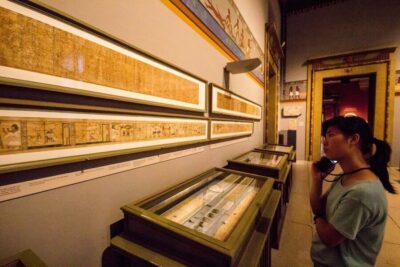 ★ 4.7Combo Ticket: Kunsthistorisches Museum & Imperial TreasuryFrom $37785 reviews
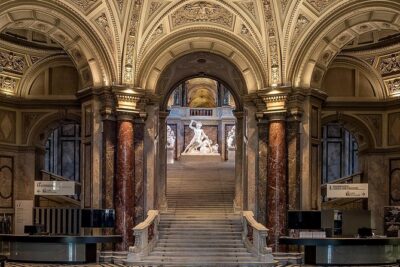 ★ 4.5Skip the Line: Kunsthistorisches Museum Vienna Entrance Ticket466 reviews
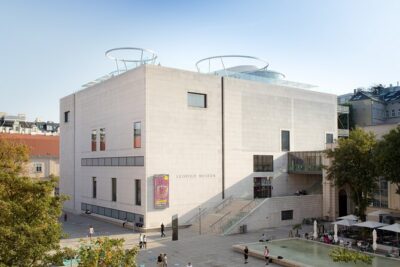 ★ 4.5Leopold Museum Vienna Entrance TicketFrom $22440 reviews
 ★ 4.6Kunsthistorisches and Leopold Museum Combo TicketFrom $43352 reviews
 ★ 4.3MAK – Museum of Applied Arts – TicketsFrom $21101 reviews
 ★ 4.5Kunsthistorisches Museum Vienna and Imperial Treasury of ViennaFrom $3899 reviews
Browse the lists this tour appears in