
Reviewed · WINE TAVERNS & HEURIGEN
Vienna: Austrian Wine Tasting Evening
Vienna’s wine cellar has a magic quality. In one of the city’s older wine cellars in the center, you’ll sip seven Austrian wines with charcuterie snacks while an enthusiastic sommelier walks you through how Austria’s styles actually happen. I especially like that you get hands-on tasting plus real explanation, not just a quick pour-and-go. I also like the food pairing, because the bites make the differences between grape styles easier to notice. One possible drawback: it’s a tight 3 hours, so if you want a long, slow dinner vibe, this is more “focused tasting” than “lingering feast.”
From crisp whites to a red-fueled finish, this tasting is built to help you connect the dots. You start with a local sparkling wine, then work through Austria’s main regions via grapes like Grüner Veltliner and Wachau Valley Riesling, plus chances to meet a Vienna local wine or a standout Sauvignon Blanc from Styria. You’ll likely leave with stronger favorites—and the ability to order with confidence next time you see Austrian bottles.
In This Review
- Key things to look forward to
- Inside Melker Stiftskeller: Why This Cellar Setting Matters
- The 3-Hour Flow: From Local Sparkling to a Red “Fan-Maker”
- The Lineup: 7 Austrian Wines (and the Grapes You’ll Use Again)
- Pairing Charcuterie: Snacks That Teach Your Palate
- What the Sommelier Teaches: Regions, Climate, and Vinification
- The Wines That Anchor the Night: Grüner Veltliner and Wachau Riesling
- The Red Finale: Why It Can Convert You
- Logistics You Should Know Before You Go
- Price and Value: Is $176 Worth 3 Hours?
- Who Should Book This (and Who Might Skip It)
- Should You Book This Vienna Wine Tasting Evening?
- FAQ
- How long is the Vienna Austrian Wine Tasting Evening?
- What wines are included in the tasting?
- Is food included?
- Where do we meet?
- What languages are the guide available in?
- Is transportation included?
- Is there a cancellation option?
- Who is this not suitable for?
Key things to look forward to
- Seven pours, guided step-by-step: each wine comes with explanation, not guesswork
- A sparkling start plus a red finish: you taste across styles, not just one category
- Grüner Veltliner and Wachau Riesling on the menu: two Austrian benchmarks that teach you a lot
- Region lessons that stick: climate and viticulture facts tied directly to what’s in your glass
- Charcuterie that actually helps the tasting: the snacks are part of the learning, not filler
Up to the Heurigen for another glass
- Wachau Valley Wine Tasting Bike Tour from Vienna★ 5.0 · 829 reviews
- Countryside Half Day Wine Tour near Vienna★ 5.0 · 545 reviews
- Wachau Valley Small-Group Tour and Wine Tasting from Vienna★ 5.0 · 540 reviews
- From Vienna: Half-day Countryside Wine Tour with Meal★ 4.7 · 526 reviews
Inside Melker Stiftskeller: Why This Cellar Setting Matters
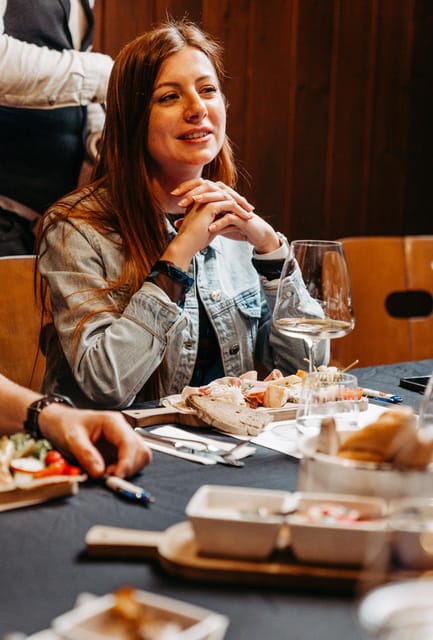
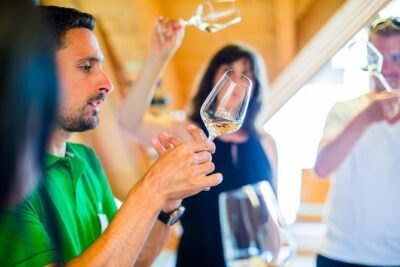
Meeting inside Melker Stiftskeller (Schottengasse 3) puts you right in the working heart of Vienna’s wine world. The cellar atmosphere isn’t just a nice backdrop—it changes how you taste. Cool, quiet spaces encourage slower sipping, and that helps you catch the small differences the guide points out.
This format also feels more authentic than wine bars that rush you. Instead of drifting between bottles, you follow a planned sequence of styles. That sequence matters because it teaches your palate how to compare, not just what to like.
The 3-Hour Flow: From Local Sparkling to a Red “Fan-Maker”
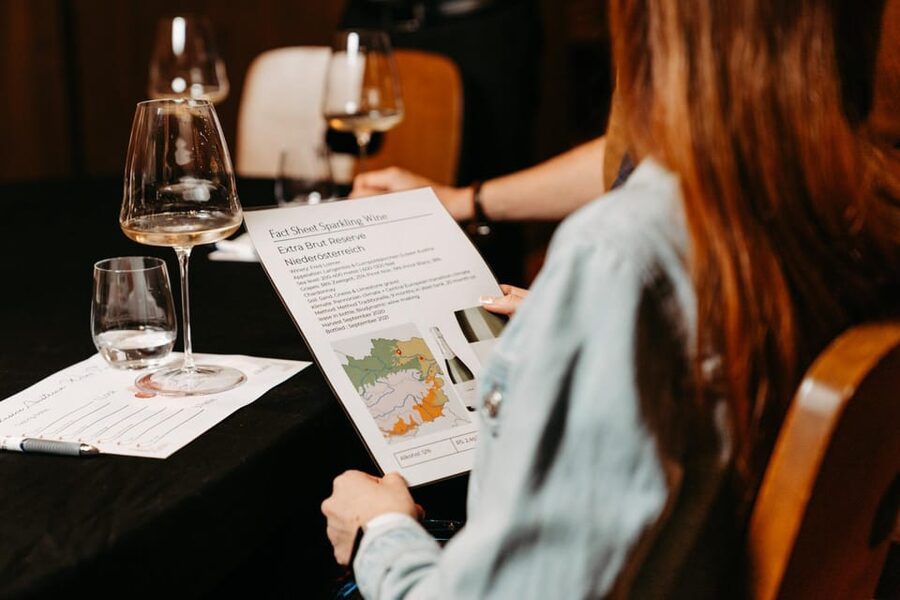
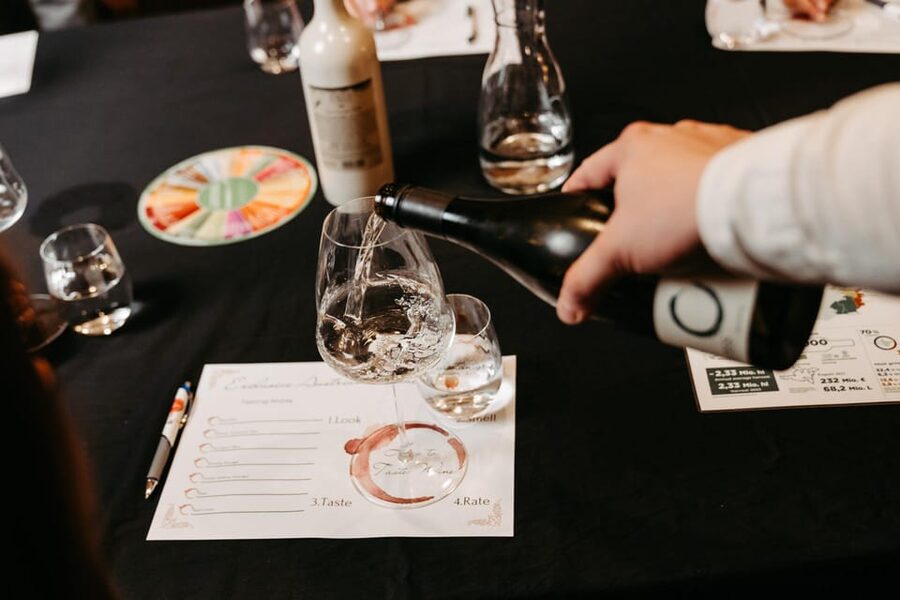
The evening runs for about 3 hours, and it’s paced like a guided class you can taste. It starts with a sparkling wine, meant to show you the building blocks of Austrian winemaking before you move into the more distinct flavors of the white grapes.
As the tasting progresses, you’ll work through multiple local wines—think both everyday favorites and region-specific picks. You’re not just drinking; you’re learning the why behind each bottle, including vinification methods and what the climate does to the grapes.
What I like best is the structure of the finale. The evening concludes with a selection of two glasses of premium red wines designed to shift you from “I like whites” into “I get Austrian reds, too.” That last segment is important because it prevents the common outcome where the tasting ends and you only remember one grape.
The Lineup: 7 Austrian Wines (and the Grapes You’ll Use Again)
You’ll taste 7 local wines during the evening, including Austria’s signature white grapes and a broader spread of styles. The standout grapes called out for this tasting include Grüner Veltliner and Riesling from the Wachau Valley. Those aren’t random names—they’re key to understanding Austrian wine.
Grüner Veltliner is a classic because it’s strongly tied to Austrian identity. The guide’s job here is to help you notice how different vineyard and climate choices change the same grape’s expression. That means you’re learning a grape plus the logic behind it.
Wachau Valley Riesling is there to sharpen your comparison skills. Riesling can feel tricky if you taste it like an all-purpose “sweet-or-dry” wine. In a guided lineup, you get cues for what to look for—acid balance, texture, and how the wine’s origin shows up in the glass.
You’ll also have chances for what the guide calls out as local surprises. For example, you might encounter a Vienna local wine, or you might try a Sauvignon Blanc from Styria—both of which help you see Austria beyond the two biggest white names. Either way, the goal is the same: expand your mental map so you can spot quality styles later.
Pairing Charcuterie: Snacks That Teach Your Palate
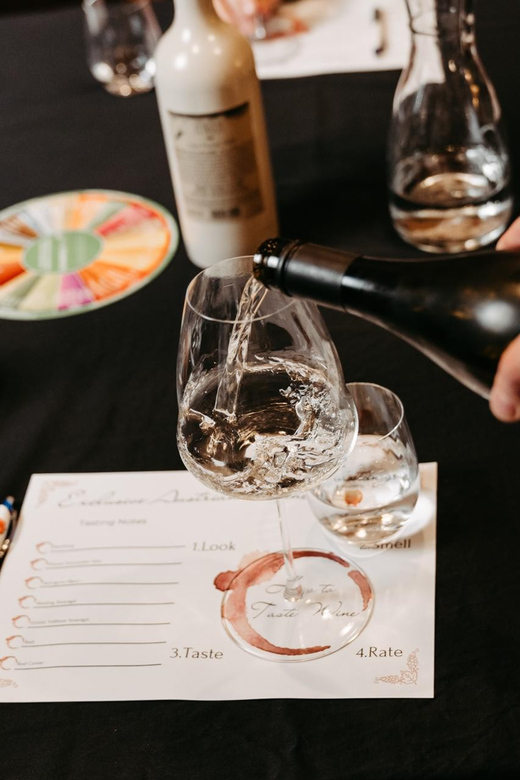
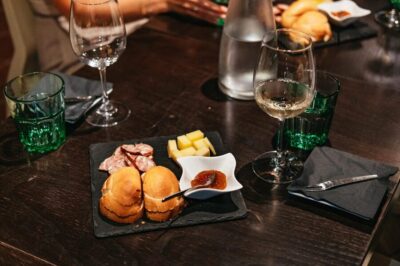
Charcuterie can be either helpful or just there to fill the time. In this case, it’s treated like part of the tasting program. You’ll pair the wines with charcuterie snacks while the guide talks you through production techniques and what to notice in aroma and taste.
This kind of pairing works because salt, fat, and cured meat flavors don’t just add satisfaction. They help you separate acidity from fruit, and they make certain tannin or bitterness cues easier to notice. In other words, the food prevents the tasting from becoming one long blur of wine flavors.
Also, you’re not expected to eat a full dinner. The snacks are described as properly sufficient for the length of the event, which matters if you’re planning a real meal later in the evening.
More Viennese plates and glasses to line up



What the Sommelier Teaches: Regions, Climate, and Vinification
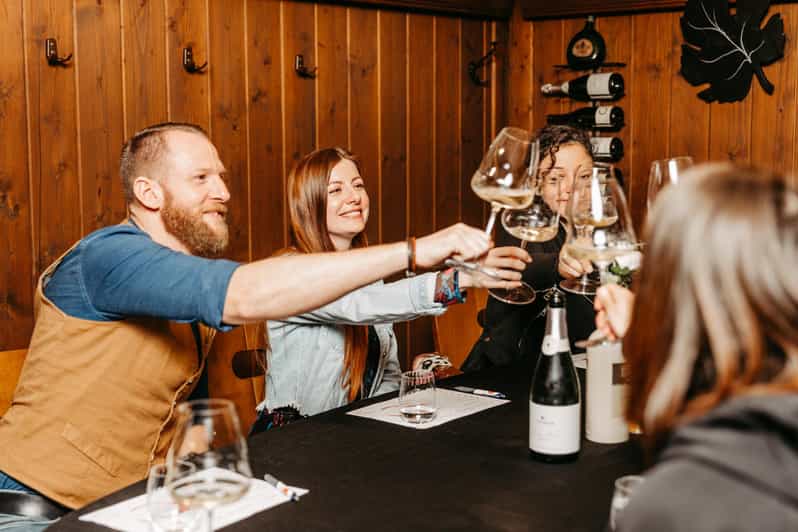
A good tasting guide makes you understand what you’re tasting, not just what it is. Here, you’ll learn about Austria’s diverse wine regions and the climate factors that shape grapes. You’ll also get practical viticulture facts and production basics tied to what’s in front of you.
This is one of the most valuable parts for me because Austria can feel confusing at first. You see bottle names that sound local and specific, and you might wonder if it’s all marketing. A guided explanation helps you connect geography to flavor logic—like why certain styles show up in certain areas, and how that affects typical wine profiles.
You’ll also hear about vinification, including how the sparkling wine is made and how the winemaking choices influence the final taste. That’s the kind of detail that makes the next bottle you buy feel less mysterious.
In a tasting like this, questions are part of the flow. The guide is there to answer, and the explanations are meant to match what you’re tasting right now—not a generic lecture that comes before your first sip.
The Wines That Anchor the Night: Grüner Veltliner and Wachau Riesling
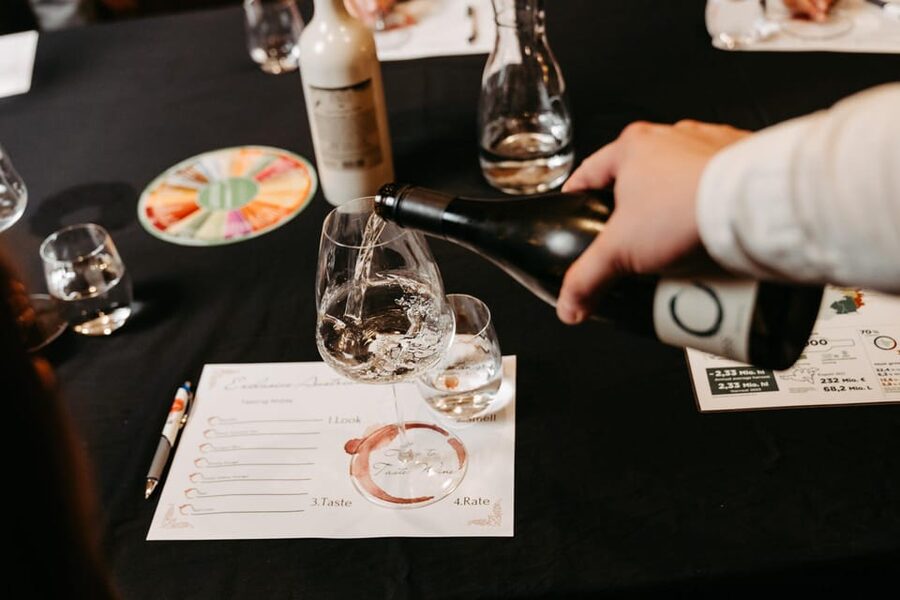
If you only remember two wines from the evening, make them these. Grüner Veltliner is the Austrian calling card, and it’s the grape that teaches you how Austria often balances freshness with character. You’ll taste it in a way that helps you understand what makes it Austrian beyond the label.
Then comes Riesling from the Wachau Valley, which helps you learn how Austrian whites can still feel precise and expressive while staying approachable. Riesling in a guided format is especially helpful if you’ve found it hit-or-miss before. You’ll get cues for what to taste for, and why.
Even if your personal favorites end up being other wines from the lineup, these two anchors give you language to describe what you like later.
The Red Finale: Why It Can Convert You
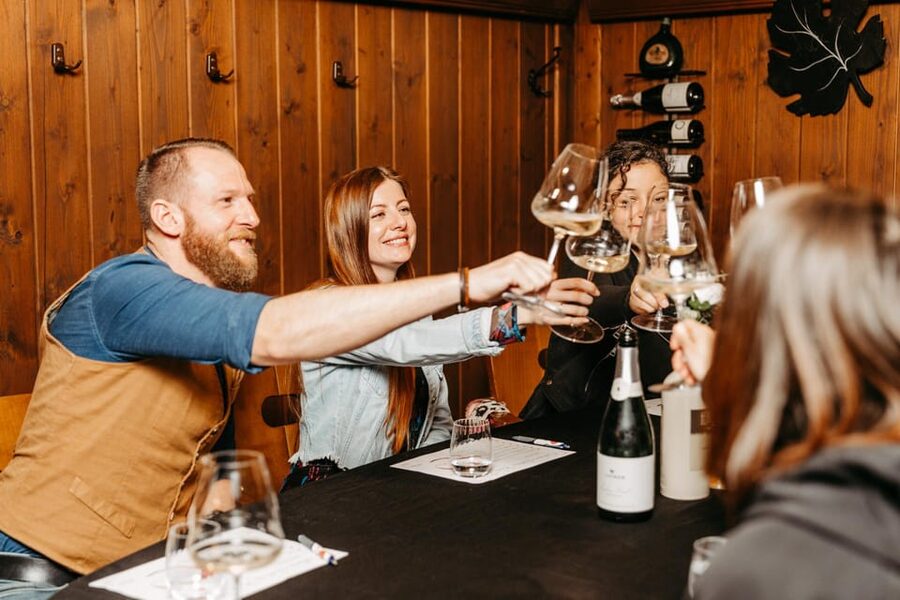
Most wine tastings lean hard into whites, and reds get treated like an afterthought. Here, you finish with two glasses of premium red wines, which is a smart move if you’re on the fence.
The conversion logic is simple: you taste enough to understand Austrian whites first, then you shift to reds at the end with a clear “this is the other side of the story” framing. By the time you reach the red selection, you’re warmed up and your palate is ready to compare acidity, structure, and flavor style.
The result—if you’re open to it—is that you stop thinking of Austria as only a white-wine destination. You’re left with a more complete picture of what Austrian winemaking can do across colors.
Logistics You Should Know Before You Go
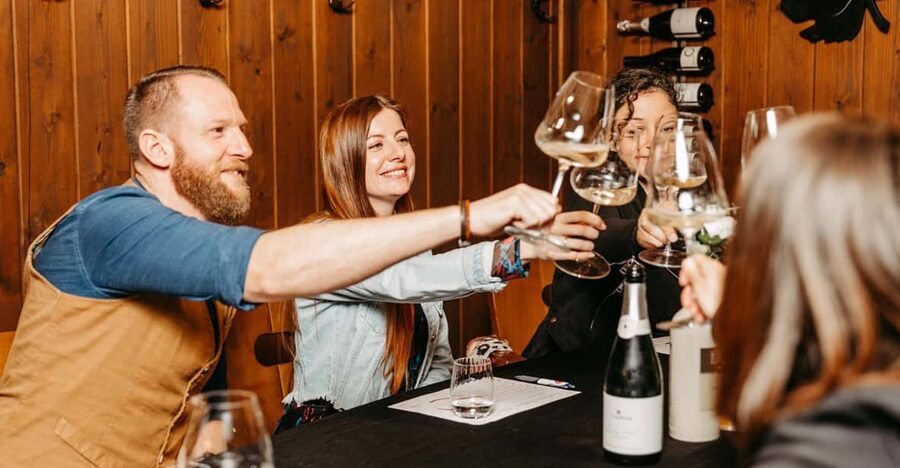
You’ll meet at Melker Stiftskeller on Schottengasse 3 in the city center. Transportation isn’t included, so plan to walk, take transit, or budget for a short taxi/ride share depending on where you’re staying.
The language options are English and German, and the tour runs with a live guide. Since it’s only 3 hours, build your evening schedule with buffer time afterward—especially if you want to keep exploring wine shops or have a proper dinner.
If you’re booking at peak times, it’s smart to check start times early so you don’t get stuck with a slot that clashes with dinner plans.
Price and Value: Is $176 Worth 3 Hours?
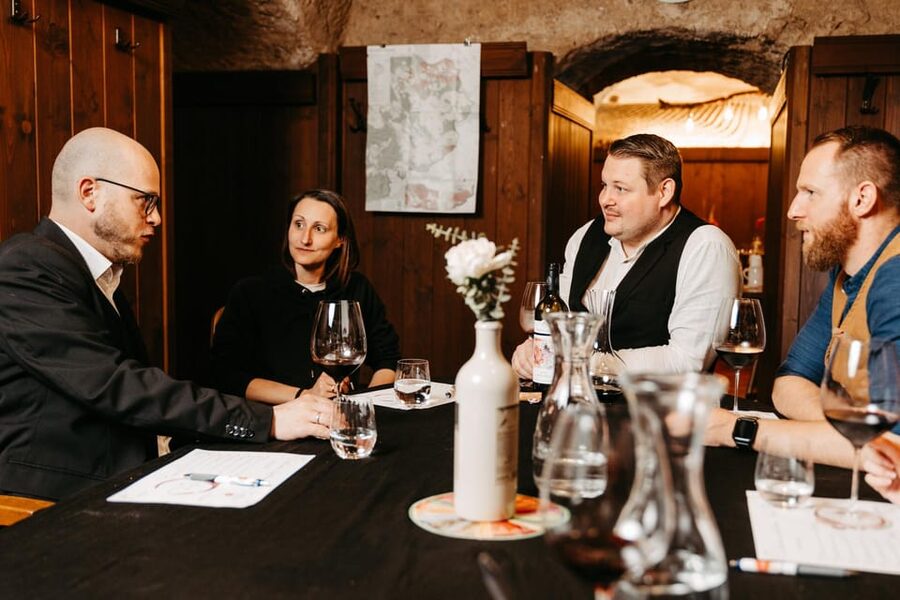
At $176 per person, you’re paying for more than seven pours. You’re paying for the structure: guided education, a sommelier-hosted explanation of production and regions, and a paired snack experience that keeps pace with the wines.
Here’s how I judge value for a tasting like this:
- You get 7 local wines, not just a couple of samples.
- You get pairing food, which makes the tasting more meaningful.
- You get region and vinification explanations you can carry into future purchases.
If you usually skip guided tastings because they feel like a quick souvenir drink, this one can be worth it because the night is designed to teach you. If you already know Austrian wine deeply and you’re only chasing novelty bottles, you might feel less wowed by the structured approach. But for most people, the guide-led comparisons are exactly what make this feel like a real experience.
Who Should Book This (and Who Might Skip It)
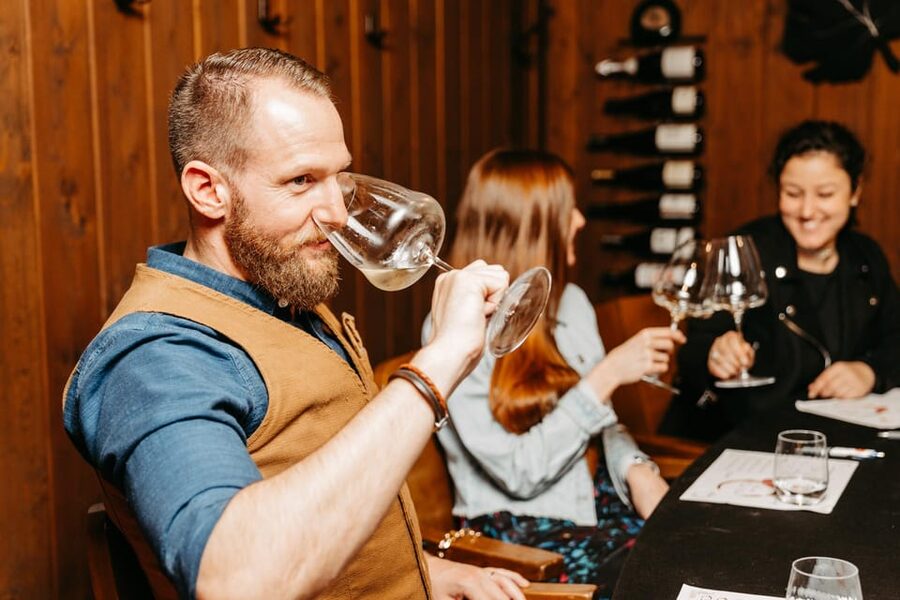
This wine tasting fits best if you:
- want a concentrated introduction to Austrian wine regions and grapes
- enjoy hands-on tastings with explanations you can ask about
- like pairing wine with food, not just drinking straight
It’s not suitable for children under 18, pregnant women, or people over 95. If any of those apply, don’t plan around it—choose a different activity that’s better matched to your needs.
Should You Book This Vienna Wine Tasting Evening?
Book it if you want an Austria-focused tasting that helps you understand what you’re drinking, not just sample it. The cellar setting, the guided lineup (including Grüner Veltliner and Wachau Riesling), and the red-finale conversion angle are all strong reasons to choose it—especially for your first or second night in Vienna.
Skip it if you’re looking for a long, full dinner-style wine night or if you prefer to freestyle with bottles on your own. With only 3 hours, you’ll get a smart overview and a few clear favorites, but you won’t get an all-night wine immersion.
FAQ
How long is the Vienna Austrian Wine Tasting Evening?
The tasting lasts 3 hours.
What wines are included in the tasting?
You’ll taste 7 local wines. The evening includes Austria’s Grüner Veltliner, and it also features Riesling from the Wachau Valley, plus other Austrian selections. It ends with 2 glasses of premium red wines.
Is food included?
Yes. Charcuterie snacks are included and paired with the wines.
Where do we meet?
You meet inside Melker Stiftskeller at Schottengasse 3.
What languages are the guide available in?
The live guide is available in English and German.
Is transportation included?
No. Transportation to and from the meeting point is not included.
Is there a cancellation option?
Yes. You can cancel up to 24 hours in advance for a full refund.
Who is this not suitable for?
It’s not suitable for pregnant women, children under 18, or people over 95.
Vienna, Plate and Glass
- Vienna for Food Lovers: Cafés, Markets & Austrian Cuisine
★ 5.0 · 1,063 reviews - Wachau Valley Wine Tasting Bike Tour from Vienna
★ 5.0 · 829 reviews - Vienna: Gerstner KuK Hofzuckerbäcker Baking Show & Tasting
★ 4.8 · 823 reviews - Authentic Vienna Food Tour inc. lunch, street food, 3 drinks
★ 5.0 · 749 reviews - Wachau Valley Small-Group Tour and Wine Tasting from Vienna
★ 5.0 · 540 reviews
More Tour Reviews in Vienna
- Vienna: Vivaldi’s Four Seasons Concert in Karlskirche
★ 4.7 · 14,951 reviews - Vienna: Schönbrunn Palace & Gardens Skip-the-Line Tour
★ 4.7 · 7,739 reviews - Vienna: Light of Creation Votive Church Immersive Light Show
★ 4.8 · 6,779 reviews - Vienna Spanish Riding School Guided Tour
★ 4.7 · 6,765 reviews - Vienna: Classical Concert in the World-Famous Musikverein
★ 4.6 · 6,673 reviews
Up to the Heurigen
- Wachau Valley Wine Tasting Bike Tour from Vienna
★ 5.0 · 829 reviews - Countryside Half Day Wine Tour near Vienna
★ 5.0 · 545 reviews - Wachau Valley Small-Group Tour and Wine Tasting from Vienna
★ 5.0 · 540 reviews - From Vienna: Half-day Countryside Wine Tour with Meal
★ 4.7 · 526 reviews - Vienna: Wine Tasting Experience in a Private Wine Cellar
★ 4.8 · 413 reviews
Just In: New Vienna Reviews



Wine Taverns & Heurigen, compared.
 ★ 5.0Wachau Valley Wine Tasting Bike Tour from ViennaFrom $163829 reviews
 ★ 5.0Countryside Half Day Wine Tour near ViennaFrom $145545 reviews
 ★ 5.0Wachau Valley Small-Group Tour and Wine Tasting from ViennaFrom $230540 reviews
 ★ 4.7From Vienna: Half-day Countryside Wine Tour with MealFrom $141526 reviews
 ★ 4.8Wine Tasting Experience in a Private Wine CellarFrom $22413 reviews
 ★ 4.8From Vienna: Wachau Valley Day Tour with Wine TastingFrom $234399 reviews
 ★ 4.2Heurigen Cruise with Viennese Songs and BuffetFrom $74320 reviews
 ★ 4.8Schlumberger Wine Cellar Guided or Self-Guided TourFrom $15285 reviews
Browse the lists this tour appears in