
Vienna can feel like a postcard, but this tour moves it. In just 2.5 hours, you roll past big-name sights and you also get a feel for how Vienna breathes day to day. I like the bike-first efficiency (you cover more than walking) and I like that your guide shares practical city know-how, not just facts. One consideration: it’s not suitable for wheelchairs or mobility impairments, so it’s built for active riders with comfortable shoes and clothes.
Your guide covers the classics plus the lively stuff—Ringstraße, City Park, State Opera, Heldenplatz, Parliament, Burgtheater, City Hall, and then the Prater area with the Ferris Wheel. I also like that you’re shown good bike routes and connections, plus where to park your bike. By the end, you’re not only tired in the best way—you have a mental map for the rest of your trip.
If you’re the type who wants landmarks and local rhythm, this is a smart use of a morning or early evening.
In This Review
- Key things I’d focus on before you book
- Why a guided bike date is such a smart way to see Vienna
- Price and what $44 really covers
- Ringstraße, City Park, and the grand “view line” of Vienna
- Ringstraße: the big-city spine
- City Park: pause, breathe, and see the city’s everyday side
- State Opera and Heldenplatz: culture plus civic power
- Vienna State Opera area
- Heldenplatz: the square that changes the temperature
- Parliament, Burgtheater, and City Hall: seeing Vienna’s institutions in motion
- Parliament: formality you can feel
- Burgtheater: art that sits beside politics
- City Hall: the visual anchor for the whole area
- Prater and the Ferris Wheel area: Vienna’s playful side
- How your guide helps you bike Vienna like you belong
- Timing tips: why an evening ride can feel better
- Who this Vienna bike date is best for
- What to bring so the ride feels easy
- Should you book this tour?
- FAQ
- How long is the bike tour?
- What sights are included on the tour?
- What languages does the live guide speak?
- What is included in the price?
- Is food or drinks included?
- Is the tour refundable if my plans change?
Key things I’d focus on before you book
- You get a clear overview of Vienna’s layout through a bike route, not a lecture
- Ringstraße + City Park give you the grand-neighborhood sweep in one ride
- State Opera, Heldenplatz, Parliament, Burgtheater, City Hall show Vienna’s political and cultural center
- Prater and the Ferris Wheel area bring a fun, less-stiff side of the city
- Your guide helps you move efficiently, including connections and where to park
- Bike rental and city map are included, so your day starts ready to roll
The Ring by wheel, other easy spins
- Wachau Valley Wine Tasting Bike Tour from Vienna★ 5.0 · 829 reviews
- Vienna City Segway Tour★ 4.8 · 638 reviews
- Vienna City Bike Tour★ 4.5 · 599 reviews
- Vienna: City Highlights Guided Bike Tour★ 4.6 · 496 reviews
Why a guided bike date is such a smart way to see Vienna
Vienna is a city of long boulevards, set-piece squares, and big buildings that look even better when you glide past them. Doing it by bike helps you keep your attention on what matters: scale, spacing, and the way the city connects.
I like that this tour doesn’t just point at famous spots. You get an overview of how Vienna “works”—where the attention goes, where people gather, and how the city’s energy shifts as you move from formal buildings to everyday public space.
The best part is that you still get freedom after the ride. The tour gives you a first pass at the sights and then you can return on your own the next day with way more confidence about where you are and what you want to linger at.
Price and what $44 really covers
At $44 per person for a 2.5-hour guided tour, the value comes from what’s included. You’re not paying extra for the bike or a city map. You get:
- A certified tour guide
- Bike rental for the tour period
- A city map
Food and drinks are not included, so you should treat this as a sightseeing window, not a meal plan. That’s actually good for flexibility—you can stop whenever you feel like it and choose what fits your budget and preferences.
Is it cheap? It’s not the lowest-cost sightseeing option in Vienna, but the total package is practical. In that time, a guide plus a bike saves you energy and decision-making. You’re buying time and direction, not just transportation.
Ringstraße, City Park, and the grand “view line” of Vienna
One of the reasons this tour works is that it targets the places that define Vienna’s visual identity. You’ll cover major highlights tied to the Ringstraße corridor and the surrounding green space.
Ringstraße: the big-city spine
The Ringstraße (with its iconic civic and cultural landmarks nearby) is where you really understand Vienna’s planning. On foot you can feel like you’re stuck between stops. By bike, the boulevard stays in view longer, and the scale makes more sense fast.
You also get a smoother sense of rhythm—where the streets open up, where pedestrians flow, and how different buildings relate to each other along the same axis.
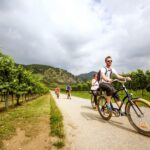
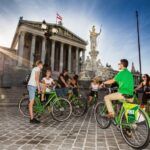
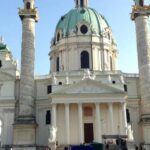
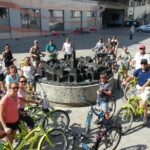
Worth a look before you book this Vienna tour:
City Park: pause, breathe, and see the city’s everyday side
City Park brings a different mood. Even if you don’t spend hours there, seeing it as part of the ride helps you connect the ceremonial architecture to the spaces people actually use. It’s a useful contrast after more formal sights.
If you’re photographing, this section is handy because you’re moving at a pace that lets you stop for pictures without killing the momentum of the tour.
State Opera and Heldenplatz: culture plus civic power
This is classic Vienna territory: buildings that signal culture, state identity, and national memory. You’ll pass by major landmarks including the State Opera and Heldenplatz, and you’ll also see other anchor sites tied to the same central area.
Vienna State Opera area
Seeing the State Opera from the street gives you a different perspective than a quick exterior glance. On a bike route, you get to observe the surroundings too—how the public space frames the building and how people move around it.
It’s a great stop for first-time visitors because it’s so recognizable, but it also helps you understand why the area is such a focal point.
Heldenplatz: the square that changes the temperature
Heldenplatz is one of those places where the mood can shift quickly. The setting is more open and civic, so your brain switches from individual landmarks to the bigger idea of national representation and public gathering.
A good guide makes this moment land. You’re not just looking at a building—you’re picking up context on what the area represents and how it ties into the rest of the city.
Parliament, Burgtheater, and City Hall: seeing Vienna’s institutions in motion
The tour’s middle-to-later parts are heavy on the city’s formal centers. You’ll experience a sweep through Parliament, Burgtheater, and City Hall—places that look different depending on where you’re standing, and even more so when you’re cycling past on a route designed for efficiency.
Parliament: formality you can feel
With Parliament, the value is the way the architecture communicates authority. On a bike tour, you catch the feeling without waiting around in one spot for too long.
You’ll also get your bearings. That matters because these buildings tend to sit inside a larger plan of streets and squares. Once you’ve mapped them once, it’s easier to come back later and feel oriented.
Burgtheater: art that sits beside politics
Burgtheater sits in that sweet spot where art and civic life overlap. It’s not just a theater stop. It’s a reminder that Vienna treats culture as part of public life, not an add-on.
If you’re the type who likes to connect dots, this section is helpful. You start seeing how Vienna’s major institutions cluster together and why that clustering shapes the streets around them.
City Hall: the visual anchor for the whole area
City Hall rounds out the institutional trio. On the ride, you can compare the different architectural languages—what feels more ceremonial, what feels more public-facing, and how the spaces guide crowds.
A bike route is great here because you can take in multiple landmarks without losing the thread.
Prater and the Ferris Wheel area: Vienna’s playful side
Then the tour shifts tone toward Prater, including the Ferris Wheel area. This is where Vienna stops feeling like pure formality and starts feeling like an actual place people hang out.
The Prater area is a reminder that Vienna isn’t only grand buildings and museum hours. It’s also leisure, public fun, and casual atmosphere in the open.
If you’re a photographer, you’ll appreciate that this change of mood gives your trip more variety. It also helps when you’re writing your own plan for the next day—because you’ll know where to go if you want something lighter.
How your guide helps you bike Vienna like you belong
A lot of bike tours are just transportation with talking. This one leans more toward guidance, and that’s the difference between seeing Vienna and understanding it.
Your guide shows you:
- The best bike routes and connections between popular places
- Where to park your bike
- Tips on how to get around efficiently
- Practical suggestions for restaurants and bars on your itinerary, so you can keep the momentum going
That last part matters more than it sounds. If you’re cycling, you want to spend your energy riding, not wandering around searching for the next good stop.
Also, guides here bring personal experience, and the tour can vary slightly day to day. So you’re not getting a rigid script. You get a living view of Vienna, guided by someone who knows the city beyond the brochure.
Timing tips: why an evening ride can feel better
Your tour duration is about 2.5 hours, and one of the standout impressions from people who did it around early evening is that the light is excellent and the temperature is kinder.
Even without obsessing over the clock, think about what you want from the experience:
- If you want classic views with softer light, aim for earlier evening.
- If you want more energy for the rest of the day after, a daytime slot works too.
Either way, the structure means you’re not stuck in any one area for too long. You’re moving through the city in a way that keeps your attention switched on.
Who this Vienna bike date is best for
This tour is a strong match if you:
- Want a first-pass overview of Vienna’s major sights in a single half-day block
- Prefer active sightseeing over long stretches of walking
- Like your guide to help you with logistics like bike routing and parking
- Enjoy the mix of big landmarks plus everyday city rhythm
It’s not a match if you need wheelchair access or mobility support—this tour is not suitable for people with mobility impairments, and it’s specifically not for wheelchair users.
If you’re traveling with kids, you’ll want to check age suitability with the operator before you assume it works. The data you provided doesn’t list age limits, so don’t guess.
What to bring so the ride feels easy
Keep it simple:
- Comfortable shoes
- Comfortable clothes
Also, wear clothes you can move in. This is a bike tour, not a museum sprint, but you’ll still want to feel comfortable when you stop and start.
And since food and drinks are not included, consider planning a snack or a nearby meal after the tour so you don’t end up making that decision while hungry.
Should you book this tour?
I think you should book it if you want a smart, efficient Vienna introduction with real practical value. The included bike rental and guide turn it into a productive 2.5 hours, and the route hits the big landmarks—Ringstraße, City Park, State Opera, Heldenplatz, Parliament, Burgtheater, City Hall, plus Prater with the Ferris Wheel area. Add the fact that your guide helps with bike routes, parking, and onward tips, and you end up with more than photos. You get direction for the rest of your trip.
I’d skip it if you can’t bike comfortably or need wheelchair access. And if you’re the kind of traveler who wants long stops in just one area, you might feel rushed by a half-day loop.
FAQ
How long is the bike tour?
The tour lasts 2.5 hours.
What sights are included on the tour?
The highlights listed include Prater and the Ferris Wheel area, Ringstraße, City Park, State Opera, Heldenplatz, Parliament, Burgtheater, City Hall, and more.
What languages does the live guide speak?
The live tour guide offers German and English.
What is included in the price?
The price includes a certified tour guide, bike rental for the tour period, and a city map.
Is food or drinks included?
No. Food and drinks are not included.
Is the tour refundable if my plans change?
Free cancellation is offered up to 24 hours in advance for a full refund.
Vienna from the Saddle
- Classic Vienna: 3-Hour Guided Bike Tour
★ 4.7 · 2,146 reviews - Wachau Valley Wine Tasting Bike Tour from Vienna
★ 5.0 · 829 reviews - Vienna City Bike Tour
★ 4.5 · 599 reviews - Vienna: City Highlights Guided Bike Tour
★ 4.6 · 496 reviews - Grape Grazing: Wachau Valley Winery Biking Tour
★ 4.8 · 468 reviews
More Tour Reviews in Vienna
- Vienna: Vivaldi’s Four Seasons Concert in Karlskirche
★ 4.7 · 14,951 reviews - Vienna: Schönbrunn Palace & Gardens Skip-the-Line Tour
★ 4.7 · 7,739 reviews - Vienna: Light of Creation Votive Church Immersive Light Show
★ 4.8 · 6,779 reviews - Vienna Spanish Riding School Guided Tour
★ 4.7 · 6,765 reviews - Vienna: Classical Concert in the World-Famous Musikverein
★ 4.6 · 6,673 reviews
Two Wheels Around the Ring
- Classic Vienna: 3-Hour Guided Bike Tour
★ 4.7 · 2,146 reviews - Wachau Valley Wine Tasting Bike Tour from Vienna
★ 5.0 · 829 reviews - Vienna City Segway Tour
★ 4.8 · 638 reviews - Vienna City Bike Tour
★ 4.5 · 599 reviews - Vienna: City Highlights Guided Bike Tour
★ 4.6 · 496 reviews
Just In: New Vienna Reviews
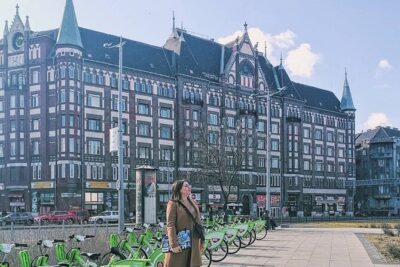

Vienna Bike & Segway Tours, compared.
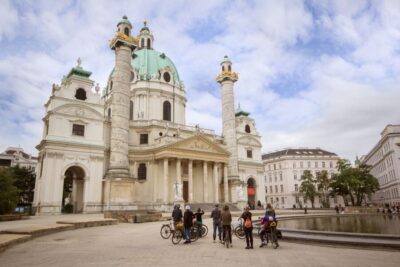 ★ 4.7Classic Vienna: 3-Hour Guided Bike TourFrom $572,146 reviews
 ★ 5.0Wachau Valley Wine Tasting Bike Tour from ViennaFrom $163829 reviews
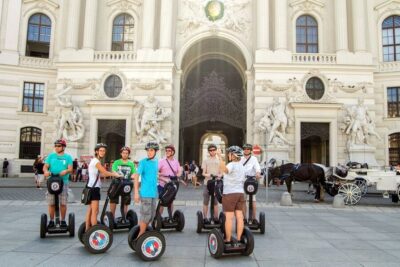 ★ 4.8Vienna City Segway TourFrom $116638 reviews
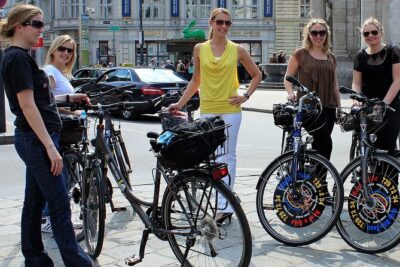 ★ 4.5Vienna City Bike TourFrom $59599 reviews
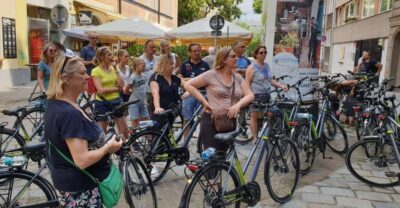 ★ 4.6City Highlights Guided Bike TourFrom $55496 reviews
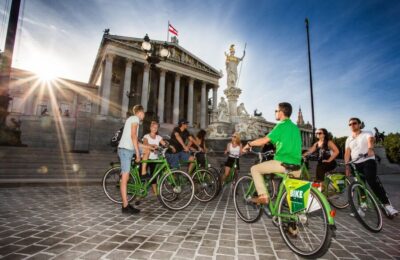 ★ 4.7Vienna by Bike 3-Hour All-In-One City Bike Tour in EnglishFrom $55438 reviews
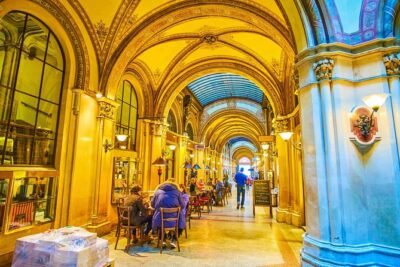 ★ 4.5Bicycle tour – Vienna CompleteFrom $56420 reviews
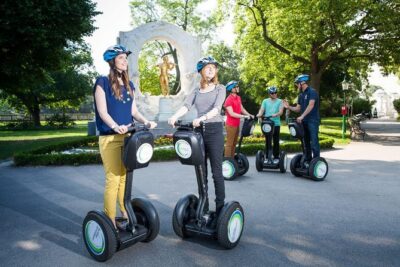 ★ 4.5Vienna City Segway Day TourFrom $119245 reviews
Browse the lists this tour appears in