
Reviewed · DINNER SHOWS & THEATRE
Vienna: Festive Season and New Year’s Eve Waltz Workshop
A waltz lesson can feel formal. This one ties the steps to the Viennese Festive Season and New Year’s ritual, then drills the original waltz movements in a relaxed, beginner-friendly setting. I like that it stays practical: etiquette, timing, and how to move with confidence, not just romantic posing.
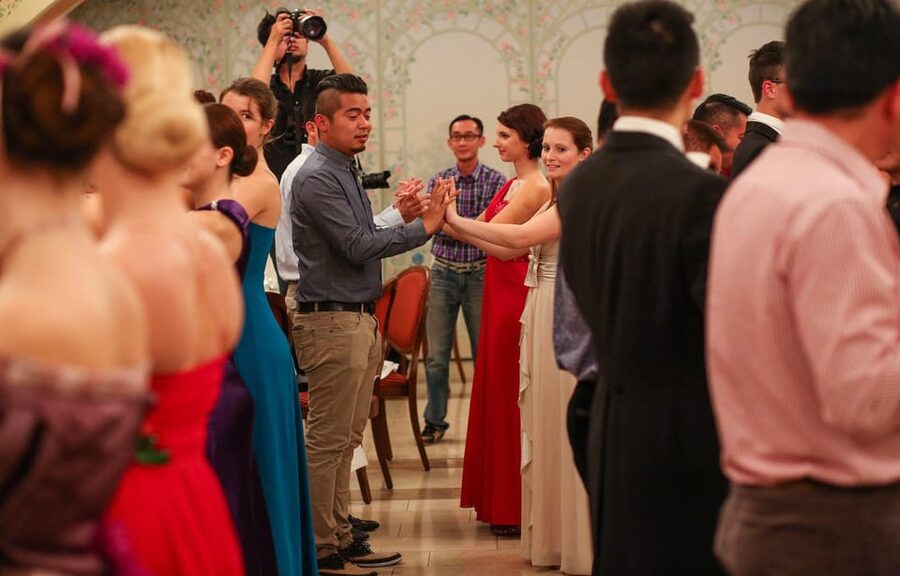
Two things stand out most. First, the instructor style gets high marks for being poised, clear, and patient, with step-by-step demonstration that feels easy to follow. Second, the space matters: you practice in an elegant, spacious private hall that keeps the experience comfortable and social.
One consideration: it’s only a 1-hour workshop. You’ll leave better than you arrived, but it won’t turn you into a confident ball dancer overnight.
In This Review
- Key things you’ll notice right away
- A One-Hour Taste of Viennese Ballroom Life
- Where You’ll Be the Moment the Music Starts
- Festive Season and the Blue Danube New Year Rhythm
- Viennese Ballroom Etiquette You’ll Actually Use
- Learning the Original Viennese Waltz Movements (Without the Stress)
- The Practice Hall, the Music, and Why It Feels Better Than a Studio Demo
- What You Can Expect to Learn by the End
- Price and Value: Is $45 for One Hour Worth It?
- What to Wear and Bring So You Can Actually Focus
- Who This Workshop Fits Best
- Timing Tip: Treat It Like a Real Appointment
- Should You Book This Vienna New Year Waltz Workshop?
- FAQ
- How long is the Viennese Waltz workshop?
- What does the workshop cost?
- What languages are used during the class?
- Is shoe rental included?
- What should I wear?
- Is this workshop suitable for children?
- Is food or drinks included?
Key things you’ll notice right away
- Festive context with the Blue Danube tradition so the waltz feels connected to Viennese New Year life
- Ballroom etiquette coaching so you know what to do beyond just step timing
- Small group practice in a private Waltz Hall that keeps you from feeling rushed
- Tailored waltz music for your group (so the pacing matches the class)
- English and German support with a certified instructor
Dinner and a show, other Vienna evenings
- Vienna: Johann Strauss Dinner Show at the Prater★ 4.5 · 730 reviews
- Strauss Dinner Show★ 4.5 · 395 reviews
- Vienna: Viennese Waltz Beginner Workshop for Couples★ 4.9 · 144 reviews
- Vienna: Musical Tickets THE PHANTOM OF THE OPERA★ 4.9 · 132 reviews
A One-Hour Taste of Viennese Ballroom Life
Vienna runs on rituals, and the festive season is a big one. Here, you’re not just learning a dance—you’re learning how Viennese social tradition shows up when the calendar flips toward New Year. The workshop frames the waltz as a shared moment between people of different ages, done with warm wishes for the year ahead.
What I like about this setup is that it gives you meaning. When you understand why a waltz matters in this city—especially the New Year custom of dancing the Blue Danube Waltz—the movements feel less like a chore and more like joining a local habit.
And yes, you can enjoy it even if your trip doesn’t line up with New Year’s Eve. It still works because the workshop focuses on the tradition and the most important waltz basics, not on a specific night.
Where You’ll Be the Moment the Music Starts
Your experience starts at the Waltz School. Check in at the reception, and be on time. Doors open 15 minutes before class and close on schedule, and late arrivals can be charged as no-show—so don’t treat this like a casual drop-in.
You’ll use a separate entrance to skip the line, then head into the private training space. The format is straightforward: it’s a guided session, not a “wander and watch” activity.
This kind of clean start matters. When the class begins promptly, you get uninterrupted practice time. For a one-hour lesson, that’s the difference between leaving with a real sense of rhythm and leaving with only half the steps.
Festive Season and the Blue Danube New Year Rhythm
The workshop explains local traditions tied to the festive season, New Year, and ball season. You’ll learn why the Blue Danube Viennese Waltz is treated as a welcome signal for the new year, danced with loved ones while wishing each other an amazing year to come.
Even if you don’t know the music by heart, you’ll understand the cultural logic fast. The waltz here functions like social glue: it gives people a shared structure for celebration, and it’s something families and friends can do together without needing years of formal training.
That context changes your focus during the lesson. Instead of asking, How do I not trip? you start thinking, How do I move with my partner in time with the season?
Viennese Ballroom Etiquette You’ll Actually Use
One of the best parts is that etiquette isn’t treated like an afterthought. You get an explanation of Viennese Ballroom Etiquette as part of the class, so you’re not just memorizing steps in a vacuum.
What “etiquette” means in a waltz class is basically this: how you behave and connect in a dance space. That includes things like how to approach the dance moment with the right mindset, how to follow the instructor’s guidance, and how to act so the class works smoothly for everyone.
I also like that the workshop teaches you in a “safe space” way. It’s designed for mostly beginners, so you’re less likely to feel embarrassed when you’re still figuring out timing and body position.
In short: you’ll learn to dance with other people in mind, not just with yourself.
Worth a look before you book this Vienna tour:


Learning the Original Viennese Waltz Movements (Without the Stress)
This is where the workshop earns its keep. You practice the most important movements of the Original Viennese Waltz, trained with a certified instructor who speaks both English and German.
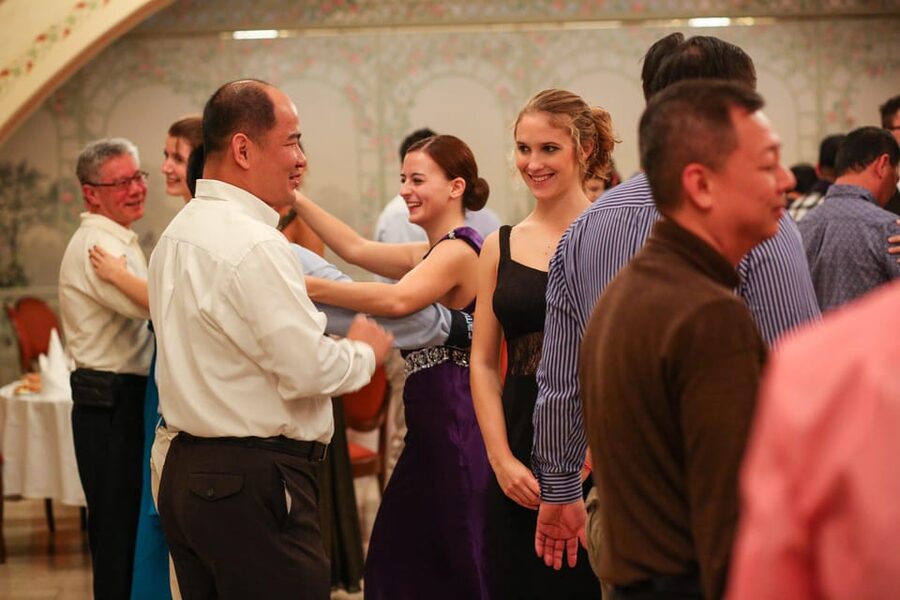
The class is structured to be relaxed and easy to understand. You’ll get a practical walkthrough and then time to apply it as a group. Because it’s a small group, your mistakes don’t get swallowed by the crowd—you get corrections and can actually feel progress within the hour.
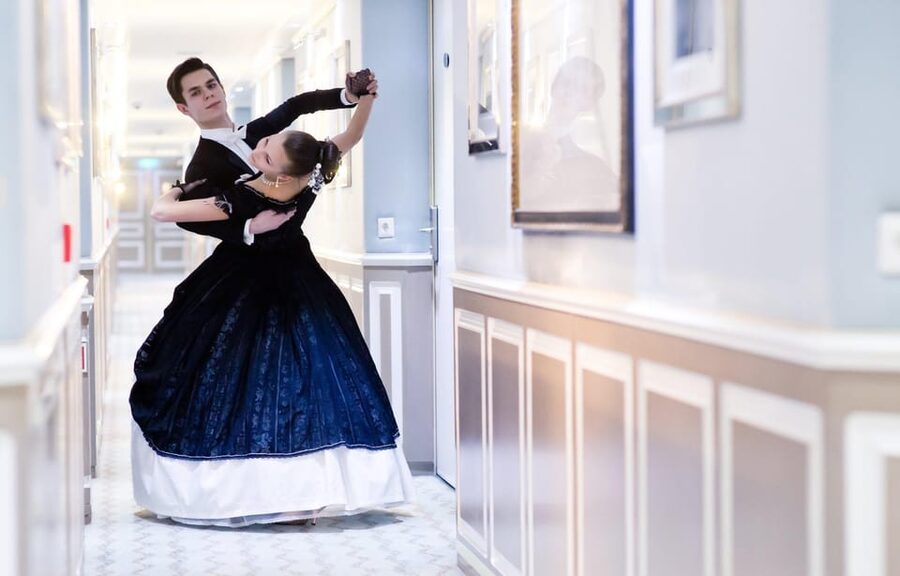
The teaching style is a standout based on feedback you can count on: the instructor is described as poised and clear with directions, answers questions with patience, and demonstrates each step with precision and grace. That combination is perfect for beginners. Clear demos reduce confusion, and patience keeps you from freezing when you’re learning something new.
If you happen to get an instructor named Aga, that name comes up specifically for clarity and attention—so you can feel confident about the learning vibe.
The Practice Hall, the Music, and Why It Feels Better Than a Studio Demo
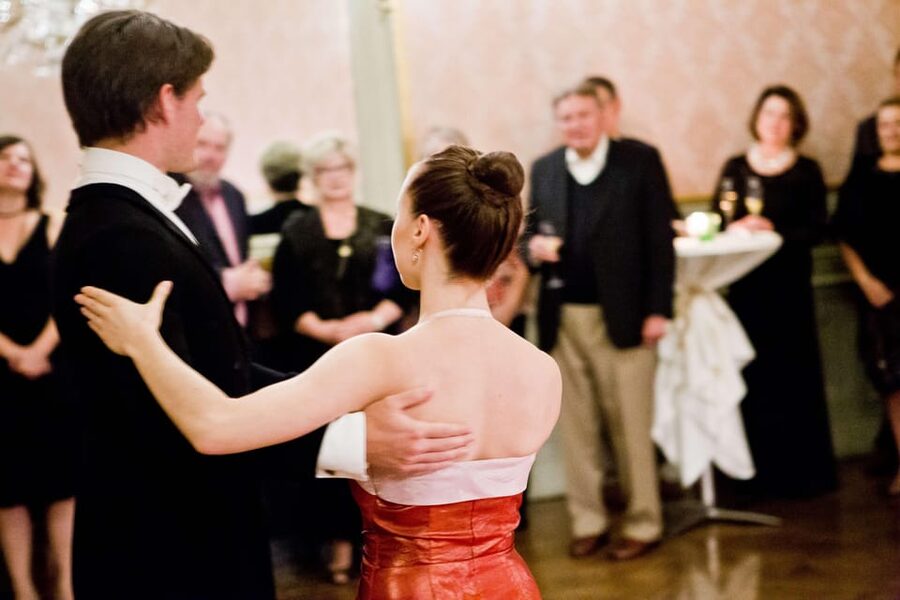
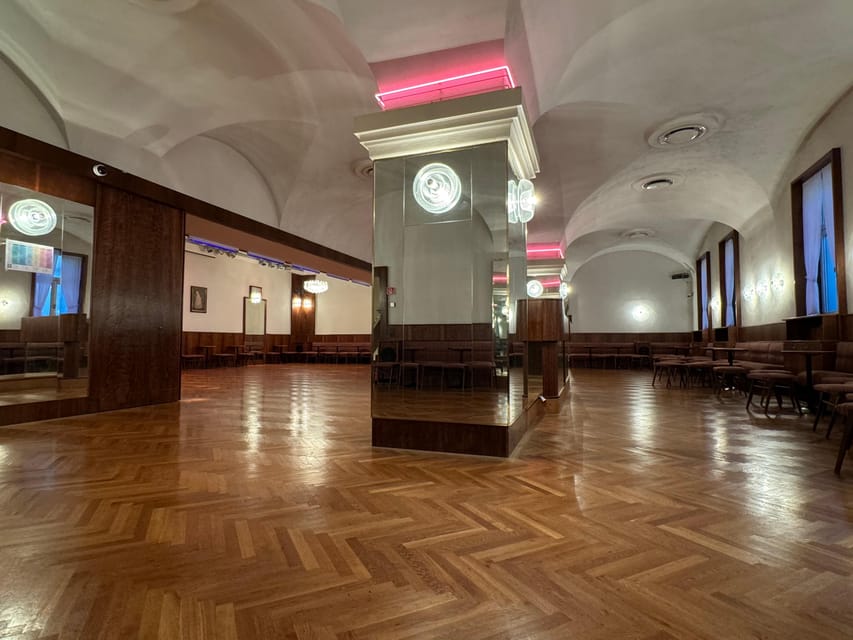
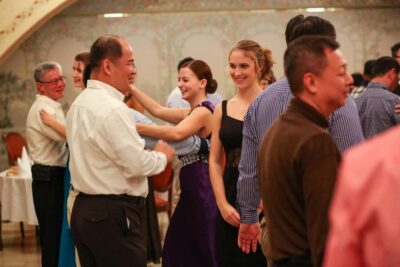
You train in a private Waltz Hall with an elegant, spacious dance floor. That’s not just nice aesthetics—it helps you. When you have space to move, you can focus on timing and connection instead of dodging other couples or worrying about bumping into the room.
Music also gets attention. You’ll use tailored waltz music to match the demand of your group. In other words, the pacing aims to work for your level, not to test you.
That matters for confidence. If the rhythm is too fast, you spend the whole hour scrambling. If it matches your class, you get to internalize the feeling of the waltz rather than only counting steps.
What You Can Expect to Learn by the End
By the end of this one-hour workshop, you should have a much clearer sense of how Viennese waltz social dancing is supposed to feel. You’ll have practiced the key movements that the class focuses on, and you’ll have picked up etiquette points that help you behave like a partner, not a soloist.
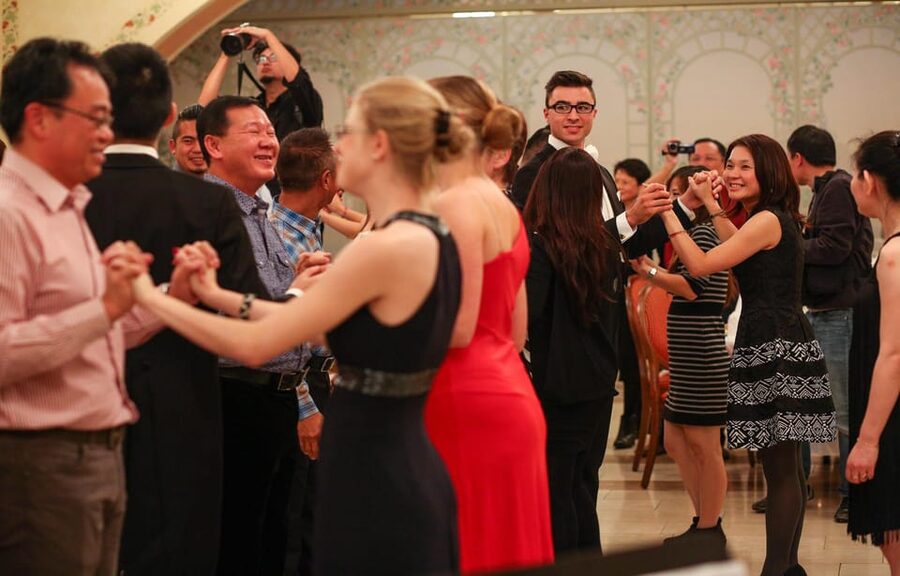
You also leave with something intangible but valuable: community. The workshop is built around an international crowd from around the world, with many beginners. That mix makes learning easier because everyone is in the same boat—nobody expects you to already be polished.
And because the session links dance skills to festive tradition, you’ll probably walk away humming the music and understanding why it’s tied to New Year in Vienna.
Price and Value: Is $45 for One Hour Worth It?
At $45 per person for a one-hour class, you’re paying for three things: expert instruction, a structured experience, and a social setting that helps you learn faster than you would alone.
If you’ve ever tried to teach yourself a waltz from videos, you know the gap: you can see steps but you can’t get feedback on timing, posture, or how to move with another person. Here, you’re guided by a certified English/German instructor, in a dedicated hall, with tailored music and small-group attention.
So the value isn’t in “hours of content.” It’s in the quality of learning time. One hour can be enough to give you a real baseline—especially when the teacher is clear and the space supports practice.
You also get more than dance steps. The lesson includes festive tradition and ballroom etiquette, which gives you context that most quick dance experiences skip.
What to Wear and Bring So You Can Actually Focus
Bring comfortable shoes and comfortable clothes. Shoes are your only real requirement; rental of shoes or outfits isn’t included, so don’t plan on borrowing something at the last minute.
I recommend shoes with a stable sole and enough comfort that you can hold a basic waltz posture without pain. If you’re between options, prioritize comfort over style. You’ll learn faster when your body feels relaxed.
Clothing-wise, choose something you can move in. You’re practicing turns and partner movement, so anything too restrictive makes the lesson harder than it needs to be.
Who This Workshop Fits Best
This is ideal if you’re:
- A beginner who wants to start in a supportive environment
- Interested in Viennese culture beyond sightseeing
- Traveling with a group or partner and want a shared, meaningful activity
- Curious about the New Year tradition of dancing the Blue Danube Waltz
It may not be the right fit if you want a long, deep training block. This is a short workshop designed for a starting point, not a full-course ballroom conversion.
Also note: the activity isn’t suitable for children under 10, wheelchair users, or people with pre-existing medical conditions. If any of those apply, you’ll want to look for alternatives that match your needs.
Timing Tip: Treat It Like a Real Appointment
A one-hour lesson rewards punctuality. The doors open 15 minutes prior and close on time, and late arrivals can be charged as no-show. So plan to arrive early enough to check in, settle, and focus.
Also, keep your expectations realistic. You’ll learn and practice, but you won’t master the waltz at full ball confidence in a single session. Think of it as a well-guided entry ticket into Viennese ballroom tradition.
Should You Book This Vienna New Year Waltz Workshop?
I think it’s a strong choice if you want an authentic-feeling Vienna moment that’s more than a museum visit. The combination of festive tradition (Blue Danube/New Year context), etiquette, and a clear, patient instructor makes it a practical activity for visitors who want to understand local social life.
Book it if you’re curious, beginner-level, and ready to learn in a small group. Skip it if you want a long technical course or if your comfort needs don’t match the activity’s stated suitability limits.
If you do book, show up on time with comfortable shoes, and you’ll leave with something better than a memory: a skill you can carry back home.
FAQ
How long is the Viennese Waltz workshop?
It runs for 1 hour.
What does the workshop cost?
The price is $45 per person.
What languages are used during the class?
The instructor provides instruction in English and German.
Is shoe rental included?
No. You should bring comfortable shoes since rental of shoes or outfits isn’t included.
What should I wear?
Wear comfortable clothes and comfortable shoes so you can move easily during practice.
Is this workshop suitable for children?
No, it isn’t suitable for children under 10 years old.
Is food or drinks included?
No. Drinks & snacks are not included.
Make a Little Vienna to Take Home
- Chocolate workshop in Chocolate Museum Vienna “BO-YO”
★ 4.5 · 352 reviews - Nabiel’s Vienna Cooking Class
★ 5.0 · 234 reviews - Vienna: Viennese Waltz Beginner Workshop for Couples
★ 4.9 · 144 reviews - Mozart Kugel Workshop
★ 4.7 · 129 reviews - Vienna: Wiener Schnitzel and Strudel Cooking Class
★ 4.9 · 126 reviews
More Tour Reviews in Vienna
- Vienna: Vivaldi’s Four Seasons Concert in Karlskirche
★ 4.7 · 14,951 reviews - Vienna: Schönbrunn Palace & Gardens Skip-the-Line Tour
★ 4.7 · 7,739 reviews - Vienna: Light of Creation Votive Church Immersive Light Show
★ 4.8 · 6,779 reviews - Vienna Spanish Riding School Guided Tour
★ 4.7 · 6,765 reviews - Vienna: Classical Concert in the World-Famous Musikverein
★ 4.6 · 6,673 reviews
Dinner and a Show in Vienna
- Vienna: Johann Strauss Dinner Show at the Prater
★ 4.5 · 730 reviews - Vienna: Traditional Dinner Show at the Wiener Rathauskeller
★ 4.4 · 590 reviews - Strauss Dinner Show
★ 4.5 · 395 reviews - Vienna: Viennese Waltz Beginner Workshop for Couples
★ 4.9 · 144 reviews - Vienna: Musical Tickets THE PHANTOM OF THE OPERA
★ 4.9 · 132 reviews
Just In: New Vienna Reviews




Dinner Shows & Theatre, compared.
 ★ 4.5Johann Strauss Dinner Show at the PraterFrom $93730 reviews
 ★ 4.4Traditional Dinner Show at the Wiener RathauskellerFrom $97590 reviews
 ★ 4.5Strauss Dinner ShowFrom $95395 reviews
 ★ 4.9Viennese Waltz Beginner Workshop for CouplesFrom $57144 reviews
 ★ 4.9Musical Tickets THE PHANTOM OF THE OPERAFrom $128132 reviews
 ★ 4.7Mirage Vienna: Burlesque Spectacular – Dinner ShowFrom $116127 reviews
 ★ 4.0Sound of Movies: Musical Tour to Salzburg from ViennaFrom $15581 reviews
 ★ 4.0Skip the Line: Austrian Dinner Show Ticket in ViennaFrom $9870 reviews
Browse the lists this tour appears in