
Reviewed · CITY TOURS
Vienna Guided City Tour in English
Vienna can feel like a lot at first. This tour makes it click fast, with big landmarks and free stops along a tight walking route. I love the small group size (max 15), because the guide keeps the pace friendly and you can actually hear the story. I also like that the schedule hits major sights without making you buy a stack of tickets. The main drawback: it’s a short-stop format, so you get great orientation, but not long, deep museum time.
You’ll be guided by Nicoleta, who’s clearly practiced at explaining what matters and making the drama make sense. The vibe is history plus fun, with practical suggestions built in—especially around Vienna’s famous coffee culture. You’ll also get a printed Vienna information package and a city map, which is handy on day one.
This is a smart choice if you want to understand the city’s “why” before you chase the “what.” You’ll start at Mozarthaus Vienna (Domgasse 5) and finish at the Hofburg on Heroes Square. Bring good walking shoes and plan to move at a steady clip.
In This Review
- Key things to know before you go
- Where the tour starts: Mozarthaus Vienna and a fast way to orient
- Mozart in Vienna: Mozarthaus and the Figaro House stop
- Stephansdom to Peterskirche: Gothic and Baroque, side by side
- The Pestsaule (Plague Column) and why Vienna marks memory in stone
- Julius Meinl Am Graben and Café Central: coffee culture, the Vienna way
- Schottenkirche at Freyung and Votivkirche: religious history with a twist
- Beethoven Museum and the University of Vienna: art and controversy in one line
- Burgtheater, Rathaus, and Parliament: the buildings that explain politics
- Volksgarten roses and the Hofburg finale on Heroes Square
- Price and value: what $46.96 buys you
- Who should book—and who might not love it
- Should you book this Vienna guided city tour?
- FAQ
- Is the Vienna guided city tour offered in English?
- How long is the tour?
- Where does the tour start and where does it end?
- Is the entrance fee to museums included?
- What group size should I expect?
- Is free cancellation available?
Key things to know before you go
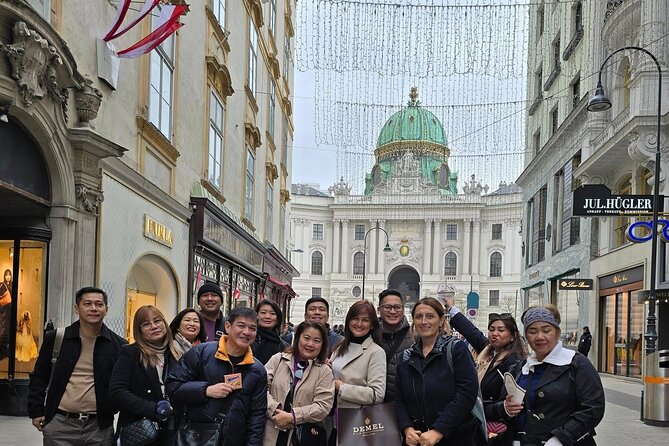
- Small group (up to 15): easier questions, better hearing, and less crowd chaos.
- English guided tour: a clear way to connect names, dates, and architecture.
- 90 minutes of guided time: plus short photo and orientation stops across key spots.
- Many stops are free: you spend money on the guide, not constant ticket fees.
- Coffee-house storytelling: Julius Meinl Am Graben and the Cafe Central connection make a great break from monuments.
- Ends at the Hofburg: you finish right where you can keep exploring the Ring and palace area.
A Vienna guide to carry the details
- Vienna Spanish Riding School Guided Tour★ 4.7 · 6,765 reviews
- Vienna: Guided Walking Tour of City Center Highlights★ 4.7 · 4,989 reviews
- Vienna: Vienna Central Cemetery Guided Walking Tour★ 4.8 · 3,307 reviews
- Vienna: Tickets for Mozarthaus Vienna with Audio Guide★ 4.2 · 2,344 reviews
Where the tour starts: Mozarthaus Vienna and a fast way to orient
You meet at Mozarthaus Vienna, also called Mozarthaus/Mozart apartment, at Domgasse 5. If you’re used to arriving in a new city and wandering without a plan, this is the fix. The first minutes matter here because the guide sets the route and explains how the different Vienna eras are layered on top of each other.
Think of it as a guided “map lesson” in real space. You’ll learn why certain buildings are repeated again and again in Vienna stories—churches, imperial power, theaters, and the big public institutions that show up on the Ring Street. And since the group is capped at 15, the route feels controlled rather than rushed.
You’ll also get a printed Vienna information package and a city map. That sounds simple, but it’s useful later when you’re deciding where to spend your afternoon. The tour is built to help you plan the rest of your stay, not just walk through it.
Mozart in Vienna: Mozarthaus and the Figaro House stop
The opening stop is Mozarthaus Vienna, tied to the time Mozart spent in the city—about two years. The focus is the Mozart house and museum area, including the so-called Figaro House.
This is a great first stop because it gives you a handle on Vienna beyond palaces and cathedrals. Instead of treating Mozart as a name on a poster, the guide frames him as part of everyday Vienna life—music, culture, and the neighborhoods that shaped artists.
Time is short—about five minutes—so don’t expect a full museum visit. Instead, use this stop to decide if you want to return later for a longer look. If you’re on a tight schedule, even a quick orientation at the start can make later museum choices feel easier.
Stephansdom to Peterskirche: Gothic and Baroque, side by side
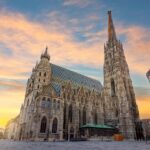
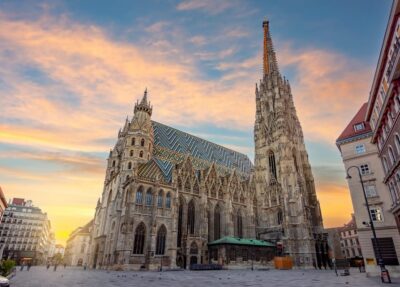
Next you’ll hit Stephansdom, St. Stephen’s Cathedral. It’s described as a landmark Gothic cathedral from the 12th century. Even if you only get a few minutes, seeing it as a “century marker” helps you understand why Vienna’s churches are such big story engines.
From there, the tour swings toward Peterskirche, highlighted as the most beautiful Baroque church of Vienna in this route. That jump—from Gothic to Baroque—does a lot of good work fast. You start noticing how Vienna’s religious architecture isn’t one style, one moment, or one mood. It changes over time, and the guide helps you connect those changes to the city’s broader history.
These stops are short (around five to ten minutes each), but they’re timed well. You’re not stuck reading plaques in the cold for an hour. You get the key visual takeaway: how different eras leave different kinds of drama in stone.
Practical tip: if you’re hoping for perfect photos, keep an eye on light and the street flow. Cathedral exteriors and church facades can look great one direction and less so the other, so glance at how the guide positions the group.
The Pestsaule (Plague Column) and why Vienna marks memory in stone
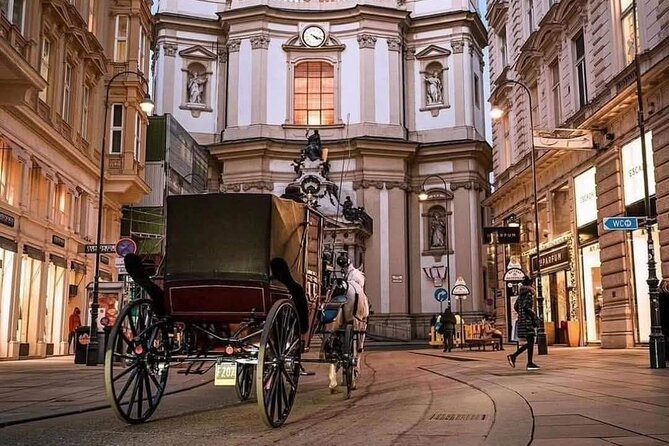
Colonna Della Peste—also called Pestsaule or plague column—comes next in the Graben area. This impressive Holy Trinity/Plague Column is framed here as a 17th-century Baroque landmark.
This is one of the stops that makes the walking tour more than sightseeing. Vienna doesn’t just build for power and art; it also builds to remember survival—periods of suffering and recovery. Seeing the column in its Graben setting helps you understand why these monuments aren’t random decorations. They’re part of how the city processed fear and faith at the time.
It’s about ten minutes, so again, it’s an orientation stop. But if you’re the type who likes to understand what you’re looking at, you’ll appreciate how the guide explains symbolism without turning it into a textbook.
Wider circles around the Ring and beyond


Julius Meinl Am Graben and Café Central: coffee culture, the Vienna way
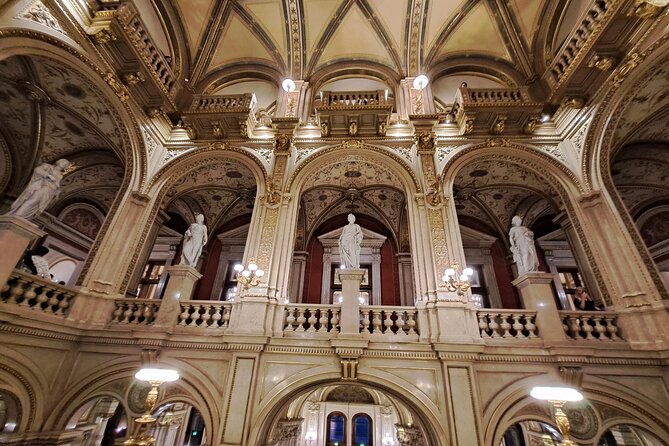
After monumental architecture, the tour takes a smart turn to Julius Meinl Am Graben. Here, the guide explains the story of the first coffee houses in Vienna and how that coffee-house culture became such an important part of the city.
This stop is short—around five minutes—but it’s fun in a practical way. Instead of only telling you Vienna is famous for coffee, the guide gives suggestions for coffee houses to visit during the tour. That matters because Vienna’s coffee scene can be confusing at first. You might want a classic sit-down place, or you might want something more casual. Having a few names in your pocket helps you choose.
Right after that, you’ll visit Palais Ferstel, connected to Cafe Central and an elegant passage you can walk through. In a city full of grand entrances, passages like this are where Vienna feels human—less ceremony, more everyday strolling. Even if you don’t go inside for a long break, walking through the space can change how you picture the area afterward.
Schottenkirche at Freyung and Votivkirche: religious history with a twist
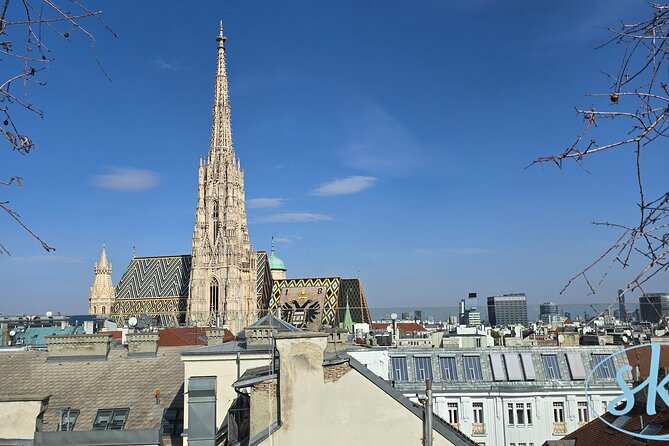
The tour then heads to Schottenkirche. You’ll learn why Vienna has a Scottish church and monastery at Freyung, and you’ll hear that Freyung is one of Vienna’s oldest areas. It also notes that seasonal markets draw visitors year-round.
This stop works especially well if you like the odd details that make cities feel real. The idea that a Scottish religious presence found a place here adds texture to Vienna. It’s not just “Vienna is Habsburg and grand.” Vienna is also migration, trade, and cross-cultural ties.
Next comes Votivkirche, described as a beautiful modern Gothic church from the 19th century. The quick stop (about five minutes) is enough to note the style shift again. Gothic doesn’t disappear—it returns in later centuries in different ways. The guide ties that together so it doesn’t feel like random architecture.
If you’re visiting in cooler months, these are also good “heat-check” stops. You can step into doorways for a moment and reset before the next stretch.
Beethoven Museum and the University of Vienna: art and controversy in one line
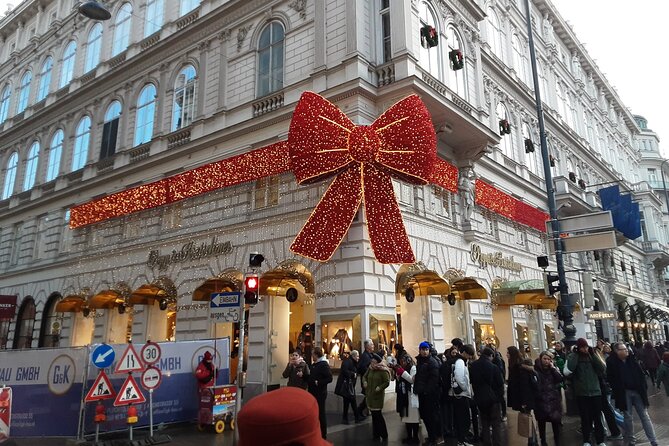
Beethoven Museum is the next highlight. This is the apartment and museum of Beethoven in Vienna, presented here as a quick stop (about five minutes). Even in a short time window, it helps to see where the composer’s story is anchored. You can then decide whether to book more time for a deeper museum visit later.
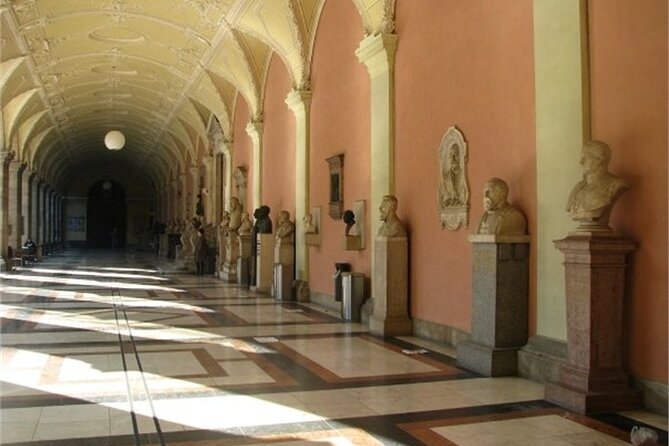
After that, the tour moves to Universitat Wien, the University of Vienna. Here, the tour focuses on who started it, why it began, and the scandal story you’ll remember. The key point you can take from this stop is that universities aren’t just about learning—they’re also political and social machines, tied to power, reputation, and conflict.
Because you’re only there briefly, don’t expect every detail. Instead, listen for the structure of the story: the “origin,” the “reason,” and the “messy part.” That gives you a memory hook you can chase later with your own reading.
Burgtheater, Rathaus, and Parliament: the buildings that explain politics
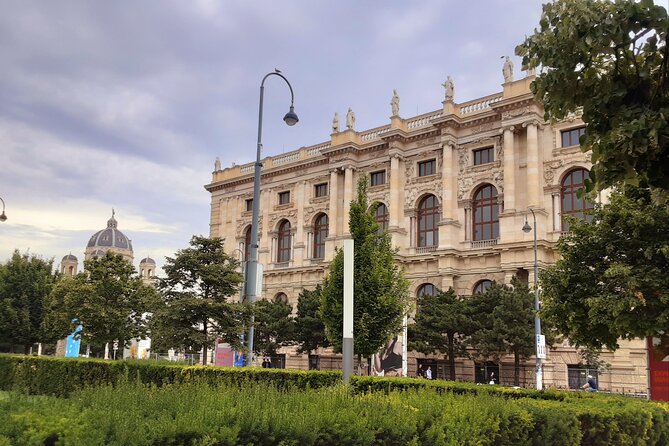
Burgtheater is next, described as the oldest theater of Vienna. The guide also explains how it used to be part of the Hofburg palace, then moved to its magnificent building in the 19th century. This is a good place to notice how culture and state power overlap in Vienna. The city doesn’t separate art from politics; it keeps them close.
Then you’ll see Rathaus, the Gothic city hall of Vienna on the historical Ring Street. Even without going inside, it helps to understand why city hall buildings matter. They’re the civic face of authority, designed to look permanent and impressive.
Right after that, the tour reaches the Austrian Parliament. The standout here is the Greek-style architecture, presented as one of the most charming buildings in the city. That detail is useful because it’s a clue to how Vienna borrowed classical ideas to project legitimacy and order.
These stops are quick (around five minutes each), but they’re placed in a logical sequence so you’re building a mental picture: culture (theater), civic authority (city hall), national power (parliament). It’s a clean trio.
Volksgarten roses and the Hofburg finale on Heroes Square
The last stretch is where the tour shifts from government buildings to atmosphere. Volksgarten is a garden with thousands of colorful roses from April to November. In other months, you can still enjoy the open space, but the rose season note is a strong planning tip if you’re flexible.
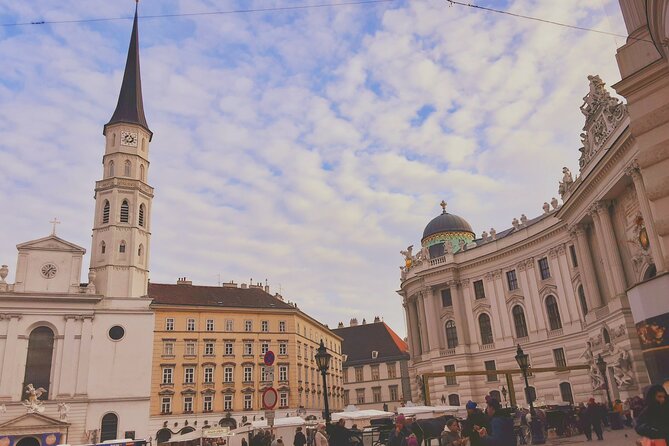
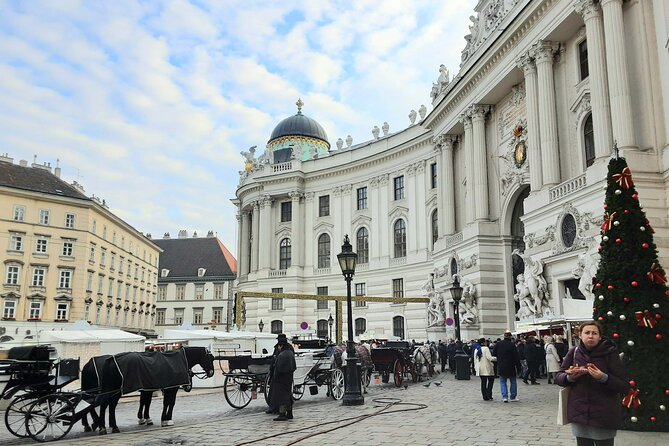
Then the big finish: the Hofburg. You’ll visit the Winter Palace of the Habsburgs, described as a complex of several buildings built across different centuries and styles. This is your grand closing image, because Hofburg isn’t one building. It’s a whole system of rooms, courtyards, and architectural eras—exactly the kind of layering the tour has been teaching you from the start.
The tour ends in front of the Hofburg Palace at Heroes Square. That ending location is practical. You’re not walking back across town feeling stuck. You can stay in the palace area, connect to nearby streets, or choose a next stop based on your interests.
Price and value: what $46.96 buys you
At $46.96 per person for a tour that runs about two hours (with 90 minutes guided), the price can feel either like a deal or like a splurge—depending on what you expect.
Here’s how I’d judge it: you’re paying for (1) an English-speaking guide who tells the stories that connect the sights, (2) a small group format that keeps it listenable, and (3) a route organized around major landmarks, many of which are marked as free in this plan. That means your money goes toward clarity and context, not toward constant entrances.
Also, it’s a smart “first day” investment because it reduces decision fatigue. If you can walk away with a sense of which areas and buildings fit your style, you’ll spend less time guessing later.
If you prefer long museum hours or you want to read every plaque, you might prefer paying for a standalone museum visit instead. But if you want your bearings fast and your day structured, the value is strong.
Who should book—and who might not love it
This tour fits you best if:
- You’re in Vienna for a short stay and want a high-impact orientation.
- You like stories that explain why places look the way they do.
- You want a practical coffee-house lead-in before choosing where to sit down.
You might skip it (or treat it as a warm-up) if:
- You want long indoor time at museums or churches.
- You dislike walking and prefer slow, stop-and-stare pacing.
The schedule is built for movement and quick understanding. It’s not a sit-and-lecture evening. If you like motion with meaning, you’ll probably enjoy it.
Should you book this Vienna guided city tour?
Yes—if you want a structured, English-speaking route that ties Mozart, churches, coffee culture, and the city’s power buildings into one readable day. I especially like it as a first-day plan because it gives you names, visuals, and a short list of places to revisit.
If you’re the type who plans to spend hours deep inside museums, think of this as your primer, not your whole Vienna plan. Book it early, wear comfortable shoes, and then use the rest of your trip to slow down where you want more time.
FAQ
Is the Vienna guided city tour offered in English?
Yes. The tour is offered in English and includes a guide for about 90 minutes within the roughly 2-hour tour time.
How long is the tour?
The duration is listed as about 2 hours. The included guided time is 90 minutes, with additional time for short stops.
Where does the tour start and where does it end?
It starts at Wien Museum Mozart apartment (Mozarthaus, Domgasse 5, 1010 Wien). It ends in front of Hofburg Palace at Heroes Square.
Is the entrance fee to museums included?
Entrance fees to museums are not included. The itinerary you follow includes stops marked as free admission, but museum entry fees are still listed as not included.
What group size should I expect?
The tour has a maximum of 15 travelers, making it a small-group experience.
Is free cancellation available?
Yes. You can cancel up to 24 hours in advance for a full refund. The tour also notes it requires good weather and may offer a different date or a full refund if canceled due to poor weather.
Let a Vienna Guide Lead
- Vienna Spanish Riding School Guided Tour
★ 4.7 · 6,765 reviews - Vienna: Guided Walking Tour of City Center Highlights
★ 4.7 · 4,989 reviews - Vienna: Vienna Central Cemetery Guided Walking Tour
★ 4.8 · 3,307 reviews - Vienna: Tickets for Mozarthaus Vienna with Audio Guide
★ 4.2 · 2,344 reviews - Day trips from Vienna: Hallstatt & Salzburg Guided Tour
★ 4.7 · 2,202 reviews
More Tours in Vienna
- Vienna: Schönbrunn Palace & Gardens Skip-the-Line Tour
★ 4.7 · 7,739 reviews - Vienna Spanish Riding School Guided Tour
★ 4.7 · 6,765 reviews - Vienna: Skip-the-Line Sisi Museum, Hofburg and Gardens Tour
★ 4.8 · 5,918 reviews - Vienna: Skip-the-Line Schönbrunn Palace & Gardens Tour
★ 4.8 · 5,411 reviews - Vienna: Guided Walking Tour of City Center Highlights
★ 4.7 · 4,989 reviews
More Tour Reviews in Vienna
- Vienna: Vivaldi’s Four Seasons Concert in Karlskirche
★ 4.7 · 14,951 reviews - Vienna: Schönbrunn Palace & Gardens Skip-the-Line Tour
★ 4.7 · 7,739 reviews - Vienna: Light of Creation Votive Church Immersive Light Show
★ 4.8 · 6,779 reviews - Vienna Spanish Riding School Guided Tour
★ 4.7 · 6,765 reviews - Vienna: Classical Concert in the World-Famous Musikverein
★ 4.6 · 6,673 reviews
Just In: New Vienna Reviews



City Tours, compared.
 ★ 4.9Guided Walking Tour of City Highlights & Hidden GemsFrom $272,180 reviews
 ★ 4.7City Sightseeing Tour in an Electro Vintage CarFrom $1161,085 reviews
 ★ 3.5Skip-the-Line Schonbrunn Palace Guided Tour and Vienna Historical City TourFrom $82940 reviews
 ★ 3.5Vienna Hop On Hop Off City TourFrom $42884 reviews
 ★ 4.5Vienna City Card: Public Transport incl. 200+ discountsFrom $22854 reviews
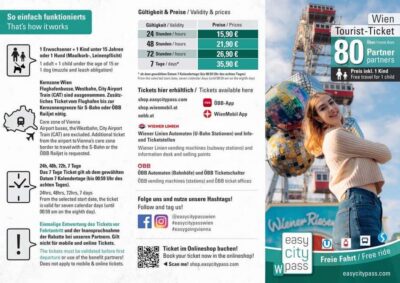 ★ 4.5EasyCityPass | City Card | Bus Metro Tram | SavingsFrom $21796 reviews
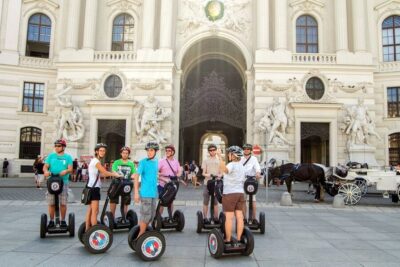 ★ 4.8Vienna City Segway TourFrom $116638 reviews
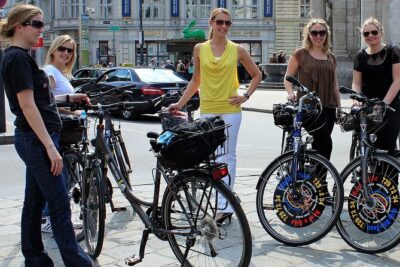 ★ 4.5Vienna City Bike TourFrom $59599 reviews
Browse the lists this tour appears in