
Reviewed · CHOCOLATE & PASTRY EXPERIENCES
Vienna: Italian-Austrian Pastry Class – Pasticciotto & Drink
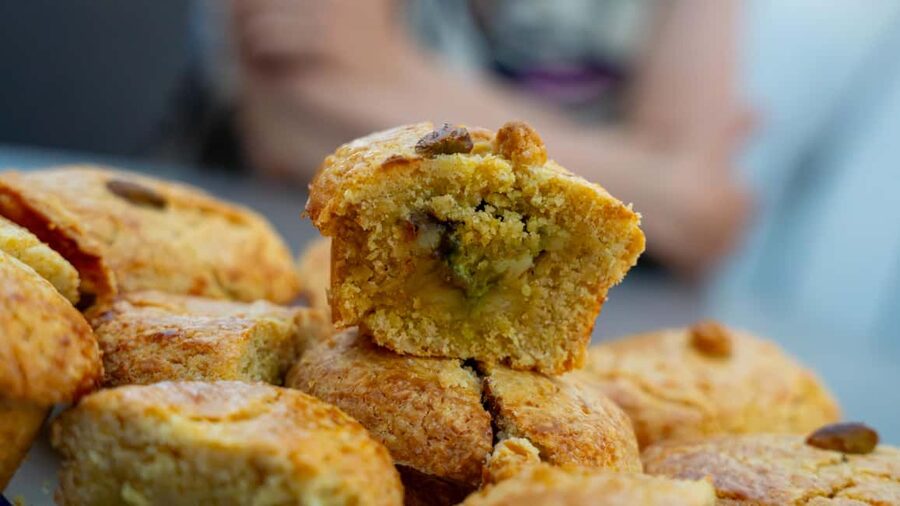
Vienna can do big things with small bites, and this class is proof. You’ll make pasticciotto dough from scratch, then fill and bake pastries that blend Italian Southern flavors with unmistakably Austrian ingredients. I especially like the cozy, home-style feel and the warm teaching from Patrik Montinari. One drawback to plan for: the top-floor space has no elevator, so it can be awkward with mobility issues.
You’ll start with a welcome drink, roll up your sleeves, and learn by doing, not watching. After baking, you’ll bring your pastries to a rooftop terrace tasting (weather permitting), paired with Italian coffee or tea. It’s adult-focused, but it’s also friendly for kids who can handle dough-level mess.
In This Review
- Key things to know before you go
- Pasticiotto meets Vienna: why this class is more than baking
- Your start: welcome drink, cozy home vibe, and Patrik Montinari
- Making shortcrust pastry dough from scratch (and getting it right)
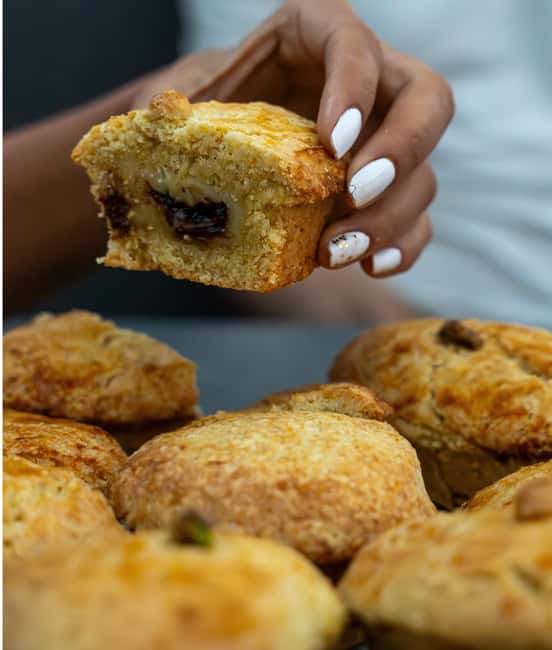
- Fillings: classic Italian flavors plus Austrian favorites
- The Italian-inspired side
- The Austrian-inspired side
- What you’ll understand as you cook
- Shaping, sealing, and baking your own pasticciotti
- Rooftop terrace tasting with coffee or tea (and what to expect)
- Take-home value: the printed recipe you’ll actually use
- Price and value: what you’re really paying for at $93
- Who this class suits best (and who should skip it)
- Watch-outs
- Practical tips before you go
- Should you book the Vienna Italian-Austrian Pastry Class?
- FAQ
- How long is the Vienna Italian-Austrian Pastry Class?
- What does the class include?
- What do I learn to make?
- What kind of welcome drink will I get?
- Are there vegetarian or vegan options?
- Is the class suitable for people with allergies?
- How big is the group?
- What languages is the class taught in?
- Where is the tasting, and is it always on a rooftop?
Key things to know before you go
- Small group (up to 6) keeps the pace calm and the instructions personal
- Welcome drink sets the tone fast: cocktail or Italian-style coffee, depending on the time
- Shortcrust pastry from scratch gives you a real skill you can repeat at home
- Italian + Austrian fillings include classics plus ingredients like apricot jam and apple-cinnamon
- Rooftop terrace tasting pairs your bakes with city views and coffee or tea
- Printed recipe to take home helps you recreate your favorites later
More strudel, chocolate and Viennese sweets
- Vienna: Wiener Schnitzel and Strudel Cooking Class★ 4.9 · 126 reviews
- Vienna: 2.5-Hour Viennese Coffee, Cake, and Chocolate Tour★ 4.6 · 44 reviews
- Vienna Coffee and Cake Tour: Sweets, Stories & Hidden Cafés★ 5.0 · 41 reviews
- Vienna; Cooking Class: Make Schnitzel & Apple Strudel★ 4.9 · 33 reviews
Pasticiotto meets Vienna: why this class is more than baking
This is not a generic cooking demo where you sit back and hope for the best. The whole point is that you’re making a specific pastry you won’t easily find in a standard Vienna bakery.
Pasticciotto is from Southern Italy, traditionally tied to comforting, custardy, filling-forward desserts. What makes this experience interesting is the way it’s reimagined with Austrian flavors that are familiar across the country’s pastry scene. You’ll see how food can travel, mix, and still feel like it belongs in the place you’re eating it.
And yes, it’s still delicious. You’ll make dough, seal pastries, bake them, and then eat what you made while everything is still fresh and warm—one of those small travel moments that feels oddly satisfying.
Your start: welcome drink, cozy home vibe, and Patrik Montinari
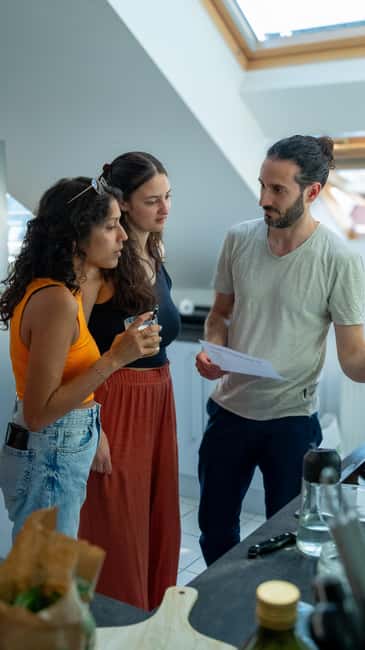
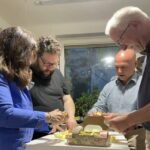
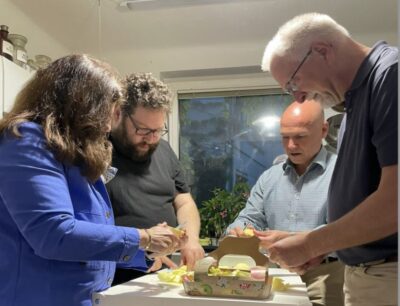
The class begins in a warm, welcoming home setting in central Vienna. Before you touch dough, you get a welcome drink—either a handcrafted cocktail or an Italian coffee, depending on the time of day and what you prefer. This is a smart move. It helps you get settled, meet the group, and shift into “let’s cook” mode without feeling rushed.
Instruction is led by Patrik Montinari, with the class taught in English, plus Italian and German if needed. With only up to six participants, you’re not fighting for attention, and you can ask questions when the dough behaves differently than you expected.
The vibe is friendly and practical. Based on how the experience is described, it’s the kind of setting where people feel comfortable, including families. That matters because pastry can be intimidating if you’re afraid of messing up.
Making shortcrust pastry dough from scratch (and getting it right)
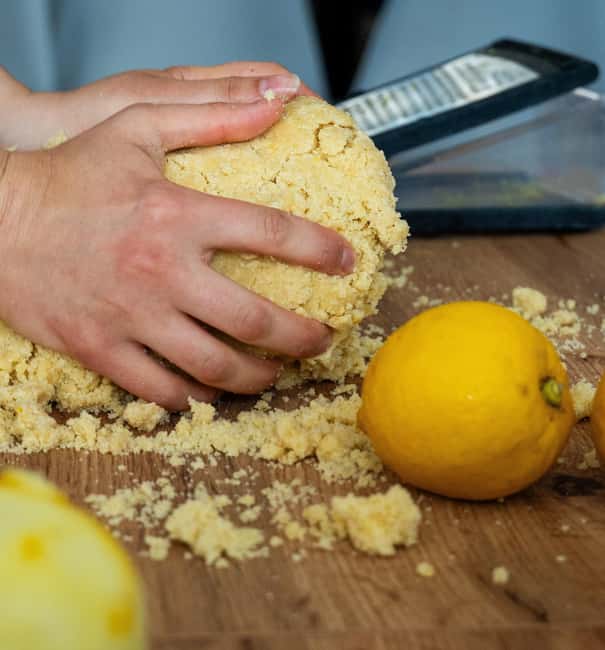
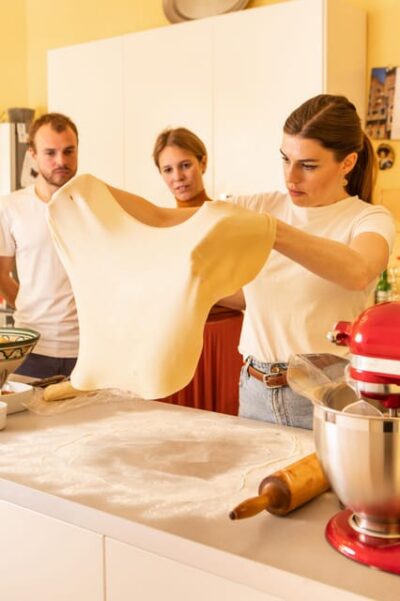
This is the core skill in the class: shortcrust pastry dough from scratch. You’ll work with the dough directly—hands-on, step-by-step, with guidance to help you understand what the dough should look and feel like as you go.
Why this matters for your real-life cooking: store-bought dough can get you close, but it doesn’t teach you the “why.” Here, you learn the process that makes the final pastry tender and workable—so next time, you can adjust and troubleshoot instead of starting over.
Expect to handle ingredients and tools, and expect some flour on your clothes. Bring comfortable clothes you don’t mind dirtying. Pastry classes are messy on purpose. If you’re expecting “perfect,” you’ll be disappointed. If you’re expecting “fun,” you’ll be right on target.
A small consideration: the space is wheelchair accessible, but it’s on the top floor with no elevator. If mobility is an issue for you, it’s worth checking what access will look like on the day.
Fillings: classic Italian flavors plus Austrian favorites
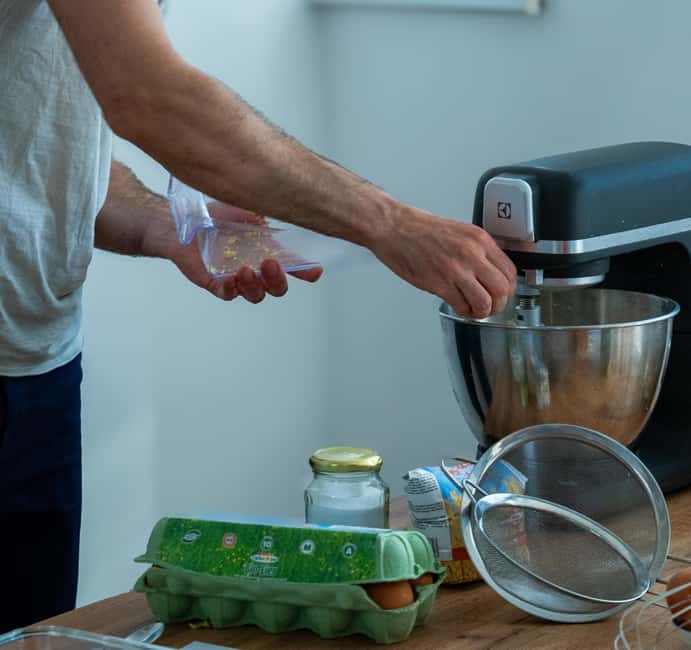
Once your dough is ready, you’ll create fillings that show the cultural handshake between Italy and Austria. The class doesn’t just throw ingredients at you. It frames what you’re making as a mix of traditions.
Worth a look before you book this Vienna tour:

The Italian-inspired side
You’ll work with familiar Southern Italian-style filling ideas such as:
- Lemon custard
- Ricotta cream
- Vanilla-leaning options
These fillings tend to be smooth, fragrant, and dessert-first. They’re designed to taste good even without heavy toppings.
The Austrian-inspired side
Then you’ll switch gears to fillings that are strongly Austrian in character, including:
- warm apple and cinnamon
- plum jam
- rich dark chocolate
- Marillenmarmelade (apricot jam), in the style of flavors you’d recognize from Sachertorte
This part is where the “fusion” stops being a buzzword. You’ll see how Austrian jam and spice flavors can reshape the pastry’s personality. Instead of a custard-only dessert feel, you get fruitiness, warmth, and deeper chocolate notes—more of that Austrian pastry structure.
What you’ll understand as you cook
You’ll also get insight into the cultural history of these ingredients—how local food traditions overlap, and how pastry becomes a medium for identity and exchange. Even if you don’t care about food history, this is useful because it helps you remember what flavor combinations make sense. It’s easier to repeat something you can explain to yourself.
Shaping, sealing, and baking your own pasticciotti
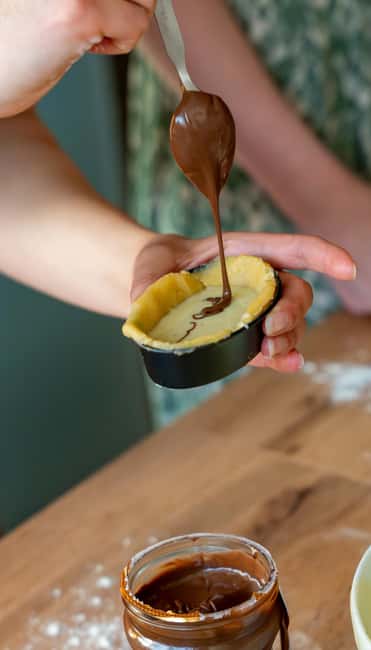
After filling, you’ll shape, seal, and bake your own pastries. This is where the experience turns from “learning” into something you actually produce.
Baking is also where you get the most immediate feedback. Dough behavior, seal integrity, and how the filling reacts in the oven all affect the final result. With the small group size and hands-on guidance, you’re not left to guess.
One practical tip: don’t rush the sealing step. If you don’t press and align properly, you might lose filling during baking. The class guidance is there to help, but your attention still matters.
When the pastries are done, you’ll move from the workbench to the tasting moment, with your creations ready to enjoy.
Rooftop terrace tasting with coffee or tea (and what to expect)
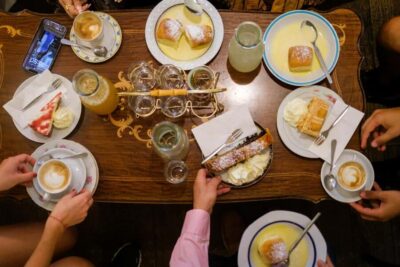
The reward comes after the baking: a rooftop terrace tasting with your pasticciotti. You’ll pair what you made with Italian coffee or tea.
This is also where the class feels like Vienna, not just a kitchen lesson. The rooftop setting gives you a breather. You can chat, compare what different fillings taste like, and take in city views while your pastries cool slightly into their best-eating texture.
Weather permitting matters. If the rooftop experience is affected by conditions, you might expect the tasting plan to change. It’s worth keeping an open mind when booking any terrace-based activity in Vienna.
Take-home value: the printed recipe you’ll actually use
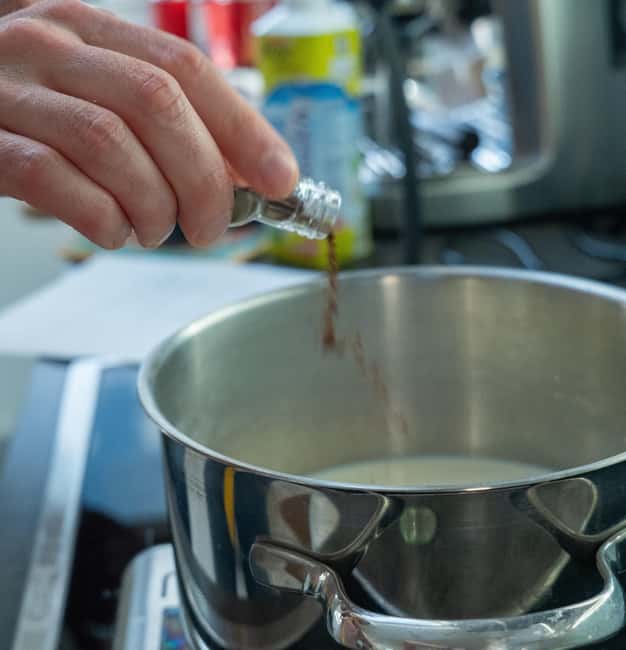
You get a printed recipe to take home. For me, that’s the difference between a good class and one you forget.
When you’re back in your kitchen, you’ll still remember the feeling of working the dough and the smell of baking pastries. The printed recipe helps you recreate the steps accurately—especially helpful for pastry techniques that don’t always translate perfectly from memory.
This also gives you a menu of options. You can make a batch using the Italian-style fillings you liked, then repeat with the Austrian-inspired ones for a new twist.
Price and value: what you’re really paying for at $93
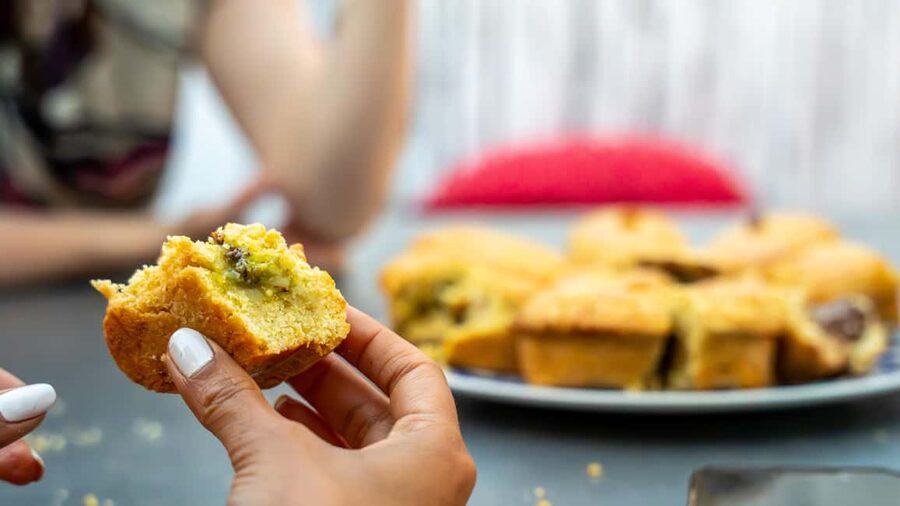
$93 per person is a clear “experience” price, not a cheap activity. So the value comes from what you get to do, not just what you get to taste.
For your money, you’re getting:
- Hands-on instruction while making dough from scratch
- Multiple fillings so you can taste the fusion idea
- Tools, ingredients, and step-by-step guidance
- A tasting moment with Italian coffee or tea
- A printed recipe to keep
If you like learning a technique you can repeat, this price starts to make sense fast. If your goal is mostly eating dessert without cooking, you might feel it’s more effort than you want.
My advice: consider this a “skills + enjoyment” purchase. You’re buying a new pastry-building approach, not only a snack.
Who this class suits best (and who should skip it)
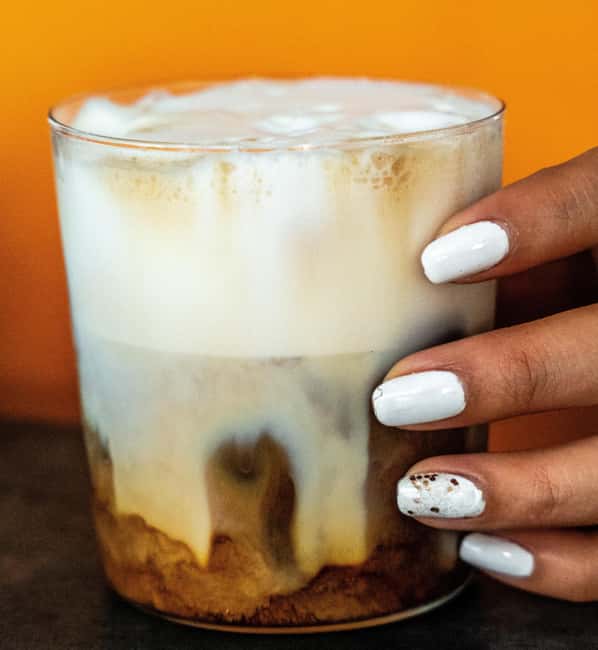
This workshop is small, friendly, and adult-focused, though it’s described as child-friendly. It’s a great fit if you enjoy hands-on activities and want something more local-feeling than a sit-down meal.
It’s also a good match for couples and friends because the group size stays manageable and the pace feels cooperative.
Watch-outs
- If you have food allergies, it’s not suitable. The information is clear that allergy needs can’t be supported.
- The top floor with no elevator is a real constraint for some mobility needs, even though the venue is listed as wheelchair accessible. Check what that means for your specific situation.
If you’re vegetarian or vegan, options are available. If you have dietary needs, inform the organizers in advance so they can handle it properly.
Practical tips before you go
- Wear clothes that can handle flour and dough. You’ll be happier if you expect mess.
- Bring your appetite for dessert. This is not just a “taste a little” situation.
- Ask about language preferences if you’d like extra support. Instruction is available in English, and Italian and German can be used if needed.
- If you’re sensitive to allergies, don’t book hoping for substitutions. The class isn’t set up for that.
- Since the tasting is on a terrace when weather allows, dress for Vienna conditions that day.
Also, this class is 150 minutes. That’s long enough to feel relaxed and actually finish your pastries. You’ll leave with both a sweet memory and something practical to repeat.
Should you book the Vienna Italian-Austrian Pastry Class?
I think you should book if you want a hands-on way to understand Vienna through food. You’ll leave knowing how shortcrust pastry works, how fillings change the personality of a dessert, and how Italian-Austrian flavor logic makes sense when you build it yourself.
Skip it if you need allergy accommodations, or if you can’t manage stairs well due to the no elevator top-floor setup. And if you hate getting a little messy, you might find a baking class annoyingly unpredictable.
If you’re somewhere in the middle, here’s the decision rule I’d use: if you’d rather learn one repeatable pastry skill than only eat a pastry, this class is a strong choice.
FAQ
How long is the Vienna Italian-Austrian Pastry Class?
The experience runs for 150 minutes.
What does the class include?
You get a welcome drink, all ingredients and tools, step-by-step baking guidance, Italian coffee or tea during tasting, a printed recipe to take home, and a rooftop terrace tasting when weather permits.
What do I learn to make?
You make shortcrust pastry dough from scratch, create both classic Italian and Austrian-inspired fillings, and shape, seal, and bake your own pasticciotti.
What kind of welcome drink will I get?
You’ll start with either a handcrafted cocktail or Italian-style coffee, depending on the time of day and your preference.
Are there vegetarian or vegan options?
Yes. Vegetarian or vegan options are available.
Is the class suitable for people with allergies?
No. It is not suitable for people with food allergies. If you have allergies, you should not book based on the information provided.
How big is the group?
It’s a small group with a maximum of 6 participants.
What languages is the class taught in?
The class is conducted in English, with Italian and German also spoken if needed.
Where is the tasting, and is it always on a rooftop?
After baking, you enjoy a rooftop terrace tasting with Italian coffee or tea. It’s weather dependent (weather permitting).
Make a Little Vienna to Take Home
- Chocolate workshop in Chocolate Museum Vienna “BO-YO”
★ 4.5 · 352 reviews - Nabiel’s Vienna Cooking Class
★ 5.0 · 234 reviews - Vienna: Viennese Waltz Beginner Workshop for Couples
★ 4.9 · 144 reviews - Mozart Kugel Workshop
★ 4.7 · 129 reviews - Vienna: Wiener Schnitzel and Strudel Cooking Class
★ 4.9 · 126 reviews
More Tour Reviews in Vienna
- Vienna: Vivaldi’s Four Seasons Concert in Karlskirche
★ 4.7 · 14,951 reviews - Vienna: Schönbrunn Palace & Gardens Skip-the-Line Tour
★ 4.7 · 7,739 reviews - Vienna: Light of Creation Votive Church Immersive Light Show
★ 4.8 · 6,779 reviews - Vienna Spanish Riding School Guided Tour
★ 4.7 · 6,765 reviews - Vienna: Classical Concert in the World-Famous Musikverein
★ 4.6 · 6,673 reviews
Strudel, Chocolate and Sweets
- Chocolate workshop in Chocolate Museum Vienna “BO-YO”
★ 4.5 · 352 reviews - Vienna: Wiener Schnitzel and Strudel Cooking Class
★ 4.9 · 126 reviews - Vienna: 2.5-Hour Viennese Coffee, Cake, and Chocolate Tour
★ 4.6 · 44 reviews - Vienna Coffee and Cake Tour: Sweets, Stories & Hidden Cafés
★ 5.0 · 41 reviews - Vienna; Cooking Class: Make Schnitzel & Apple Strudel
★ 4.9 · 33 reviews
Just In: New Vienna Reviews




Chocolate & Pastry Experiences, compared.
 ★ 4.5Chocolate workshop in Chocolate Museum Vienna “BO-YO”From $56352 reviews
 ★ 4.9Wiener Schnitzel and Strudel Cooking ClassFrom $176126 reviews
 ★ 4.62.5-Hour Viennese Coffee, Cake, and Chocolate TourFrom $8244 reviews
 ★ 5.0Vienna Coffee and Cake Tour: Sweets, Stories & Hidden CafésFrom $15641 reviews
 ★ 4.9Vienna; Cooking Class: Make Schnitzel & Apple StrudelFrom $15333 reviews
 ★ 4.5Schnitzel and Strudel: Shared Cooking ClassFrom $14417 reviews
 ★ 5.0Mozart Kugel Workshop in Chocolate Museum Vienna “BO-YO”From $849 reviews
Browse the lists this tour appears in