
Reviewed · MOZART & STRAUSS EVENINGS
Vienna: Mythos Mozart Experience
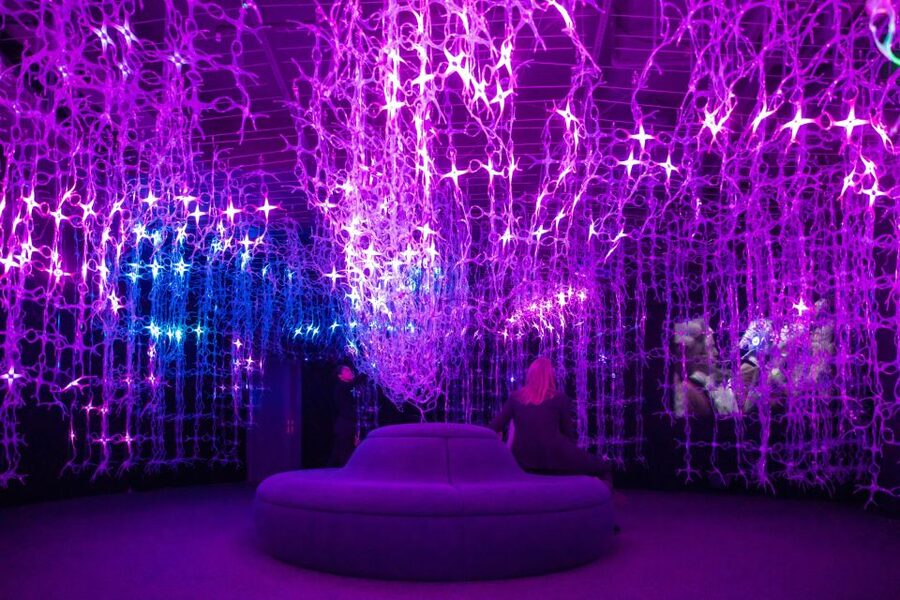
Mozart in Vienna, but with modern showmanship. This 1-hour, multimedia ticket takes you room by room through his final year, ending with big visual moments and hands-on music play. I especially like the REQUIEM candle room and the 360° historical Vienna views.
Two things that really work for me: the way the exhibit uses light and sound (not just text), and the fact that it’s still fun even if you don’t live for symphonies. The one thing to keep in mind is that this is more visual and experiential than a traditional museum with lots of deep biography details.
If you want a quick, high-impact Mozart stop in central Vienna, this fits. Just don’t expect a slow, scholarly pace, and plan to arrive on time so you don’t miss the start.
In This Review
- Key Things to Know Before You Go
- Entering the Mythos Mozart Welcome Desk (And Getting Oriented Fast)
- The Candle-Filled REQUIEM Room: Where Atmosphere Does the Teaching
- Vienna 1791 in 360°: Seeing Mozart’s City From the Inside
- The House Where Mozart Died: Why the Setting Matters
- Little Night Music: Hands-On Instruments From Around the World
- Sky & Roofgarden Time: Real Vienna Views, Not Just Screen Views
- The AI-Finished Moment: Modern Tools in Mozart’s World
- Price and Value: How $27 Works for One Hour
- Best Fit: Who This Works for (and Who Might Skip)
- Practical Tips So You Don’t Lose Time
- Should You Book Mythos Mozart in Vienna?
- FAQ
- How long is the Mythos Mozart experience?
- Where do I exchange my ticket?
- Is the experience available in English?
- Is it wheelchair accessible?
- What should I bring with me?
- Are pets allowed?
- Can I buy food and drinks there?
Key Things to Know Before You Go
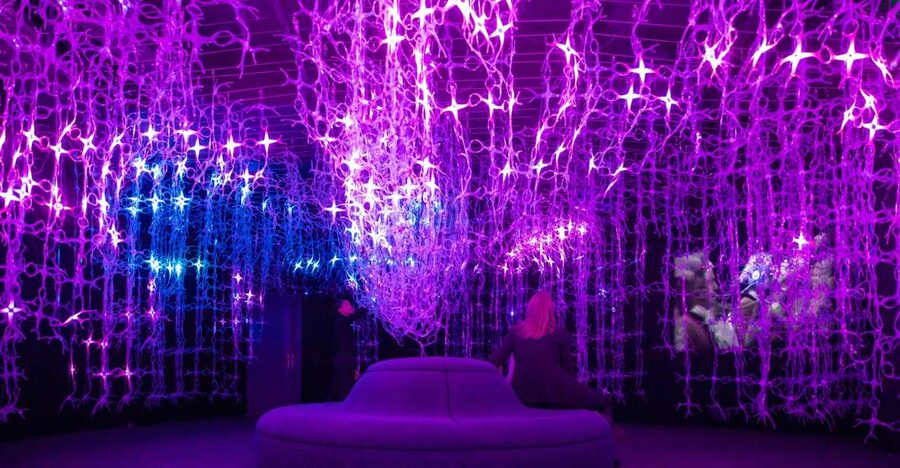
- REQUIEM – Mozart’s Death: 1,500 candles and a moody lighting design by Moritz Waldemeyer set the tone fast.
- Vienna 1791 – Mozart’s City: a 360° panoramic view that helps you picture what the streets felt like.
- Little Night Music room: you can play instruments from around the world, not just watch the screens.
- Sky & Roofgarden views: you get skyline angles over the First District, plus Karlskirche and St. Stephen’s Cathedral.
- Built around Mozart’s last year: the setting is the building where he spent his final year and where he died in 1791.
- A modern AI-finished moment: the last room includes AI integration, which some people love as a concept and others feel slightly different in tone.
More Mozart and Strauss after dark
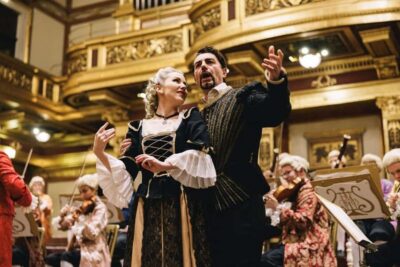
- Vienna: Mozart Concert at the Musikverein – Golden Hall★ 4.6 · 5,194 reviews
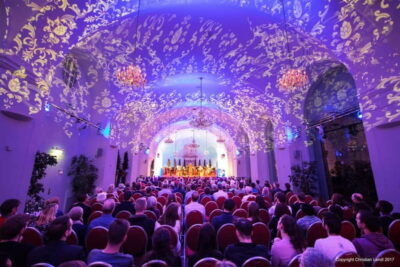
- Vienna: Mozart and Strauss Concert at Schönbrunn★ 4.5 · 2,967 reviews
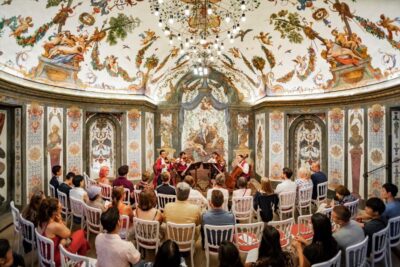
- Vienna: Classical Concert at Mozart’s First House2,423 reviews
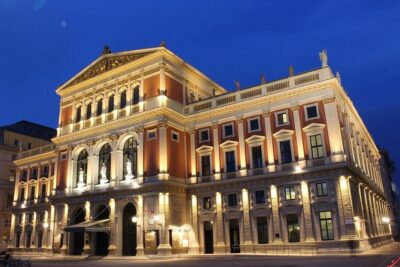
- Vienna Mozart Concert in Historical Costumes at the Musikverein★ 4.5 · 888 reviews
Entering the Mythos Mozart Welcome Desk (And Getting Oriented Fast)
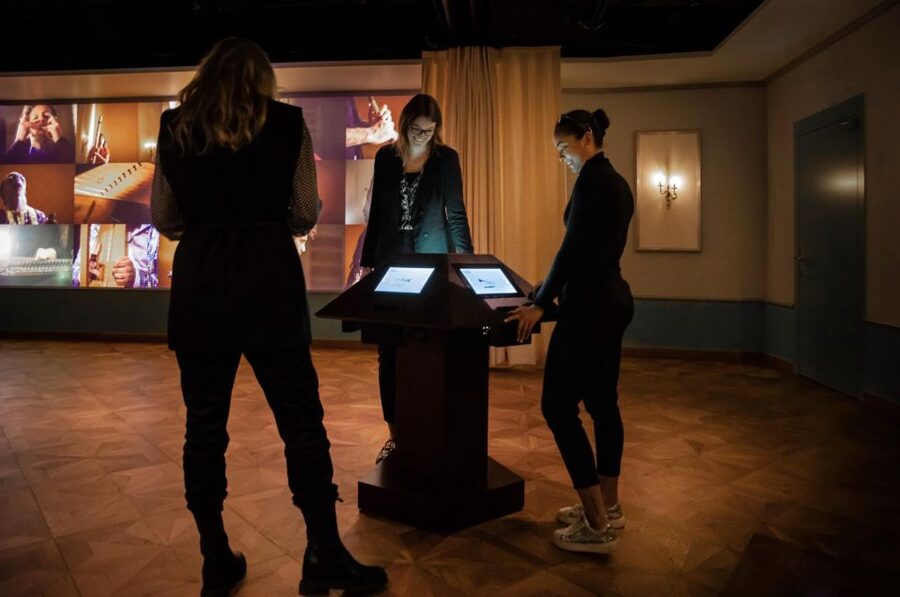
Start at the Mythos Mozart Welcome Desk and exchange your ticket. Do this like you would a theater check-in: quick, efficient, and early enough to settle in. You should aim to report up to 15 minutes before your time slot. There are time slots for visits, and you can also sometimes get in without pre-booking depending on how full things are.
The exhibit is hosted in English, with staff or greeters on hand, so you won’t be stuck guessing. One small practical win: multiple visitors talk about the building being clean and offering free lockers and toilets, which matters when you’re doing this alongside other Vienna stops.
Timing-wise, the whole experience is listed at 1 hour. In practice, you’ll likely spend short stretches in each room—enough to feel the mood shift from one stage of Mozart’s life to another, without the lag of a long museum.
The Candle-Filled REQUIEM Room: Where Atmosphere Does the Teaching
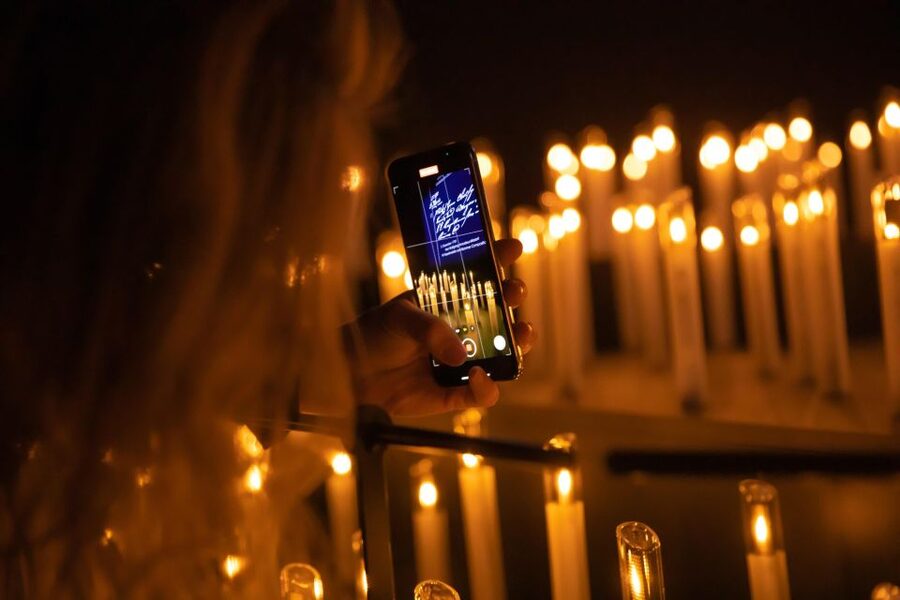
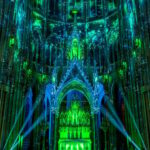
The journey opens in the REQUIEM – Mozart’s Death room. This is the big emotional anchor: 1,500 candles designed with lighting by British-German lighting designer Moritz Waldemeyer.
What I like about this kind of room is the way it teaches without lecturing. If you’re the type who gets impatient with long explanations, candles and sound do the work right away. The setting is quiet, dramatic, and purposely theatrical—so even if you don’t know the details of the Requiem story, you still catch the weight of the moment.
Possible drawback: if you’re hoping for a more traditional “here are facts, dates, and manuscripts” display, this room leans hard into mood rather than biography text. It’s not wrong—just different from what you might expect if you came for a scholarly deep dive.
Vienna 1791 in 360°: Seeing Mozart’s City From the Inside
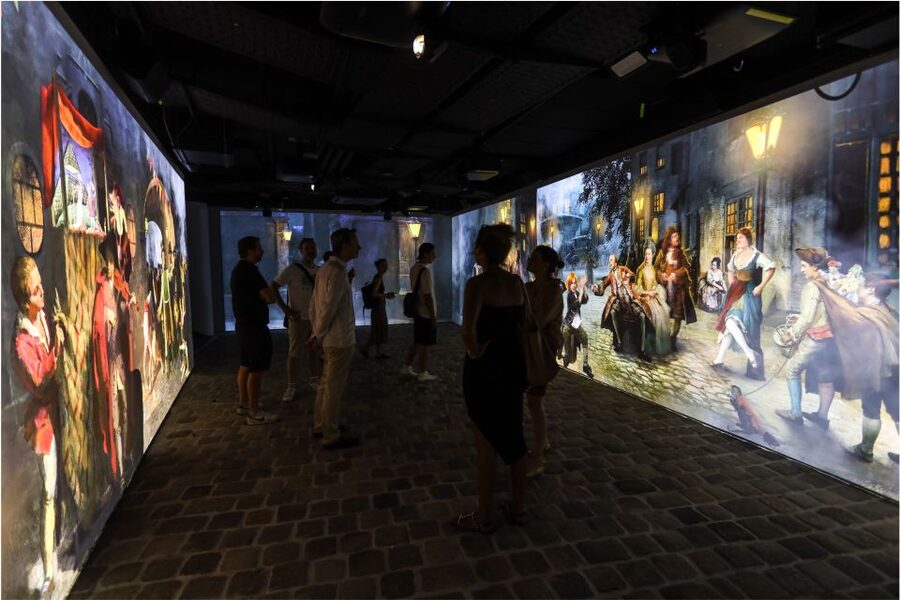
Next comes VIENNA – 1791 – Mozart’s City, built around a 360° panoramic view of eighteenth-century Vienna. The point here isn’t to give you a perfect map—it’s to help you visualize the city at the moment when Mozart’s life and work were reaching their last chapters.
This room can be surprisingly clarifying if you’ve been touring Vienna and collecting landmarks. After you’ve seen the panoramic streets and rooftops, it’s easier to mentally connect the dots between what you’re looking at outside and what you’re imagining from the period indoors.
A nice detail: the experience also includes you moving through scenes like busy streets and even a rooftop moment via balloon imagery. That makes the history feel less like a lecture and more like a guided walk through the era.
The House Where Mozart Died: Why the Setting Matters
The exhibit is staged in the building connected to Mozart’s final year of life. You’ll visit the house where he died in 1791, and it also references the works he composed in that time, including The Magic Flute and The Requiem.
Here’s why I think this matters: museums are often strongest when they connect the story to a real place. Even if you don’t know every composition, walking through a setting that’s tied to the final chapter of Mozart’s life adds a layer of meaning you can’t replicate with a screen alone.
Still, keep expectations realistic. This is an exhibition experience with multimedia elements, so you’re not touring a preserved historical interior the way you would in a traditional house museum. It’s about the story and the atmosphere, supported by visuals.


Little Night Music: Hands-On Instruments From Around the World
One of the most practical and fun parts is the Little Night Music room. Here, you can play different instruments from around the world.
This is valuable for two reasons:
- It turns passive listening into active participation.
- It helps you hear how music cultures vary, even within the same broader idea of “classical-era” sound.
If you’re traveling with kids, teenagers, or anyone who gets bored by “stand and read” museums, this is the section that breaks the pattern. Even adults who think they only like music if it’s played a certain way often find this room satisfying because you’re controlling the experience for a moment.
Sky & Roofgarden Time: Real Vienna Views, Not Just Screen Views
After the indoor rooms, head to the Sky & Roofgarden for views over the First District. From up there, you’ll get sights including Karlskirche and St. Stephen’s Cathedral, plus even a look at the ferris wheel area.
This matters because it gives your eyes a reset. The rest of the exhibit is built from lighting, projections, and sound. Then you step into daylight and look out over a living city. It’s a good way to end on something you can immediately connect to your Vienna day.
There’s also a Sky Café & Restaurant on-site. Food and drinks aren’t included with your ticket, but this is your on-premise option. The café also has a roof terrace with panoramic views, which is handy if you want to snack and linger a bit.
The AI-Finished Moment: Modern Tools in Mozart’s World
The last part of the experience includes a room with AI integration. One person specifically called it out as an AI element and framed it as a modern interpretation of what Mozart might do with today’s tools.
How to think about this section: it can feel like a bonus “what if” chapter, or it can feel like a tonal shift if you wanted the entire show to stay purely in eighteenth-century character. I’d treat it as the exhibit’s closing statement—part art idea, part tech flourish—then decide if it matches your taste.
If you’re sensitive to tech gimmicks, go in with a flexible mindset. If you’re the type who likes seeing art and technology mix, you may find the ending sticks with you.
Price and Value: How $27 Works for One Hour
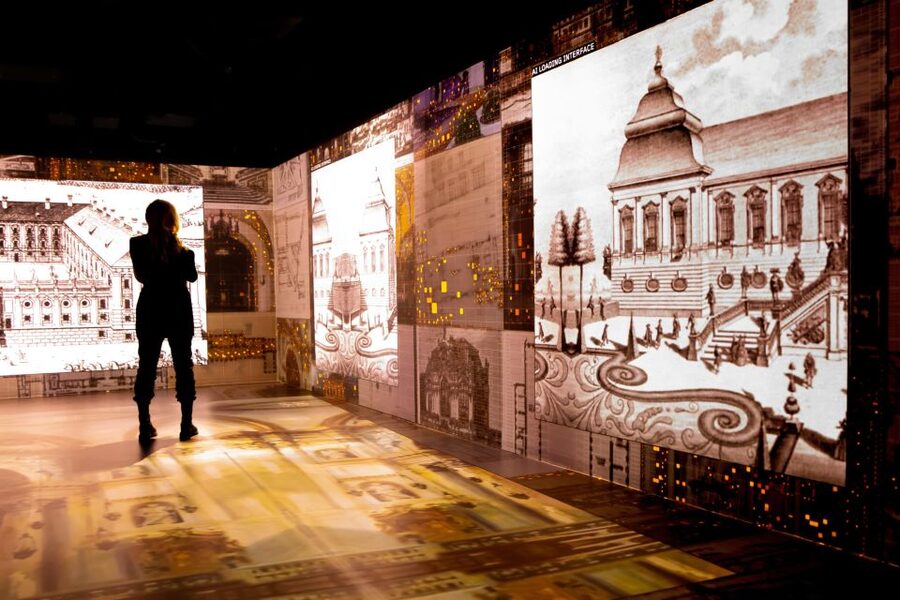
At $27 per person for a 1-hour experience, this sits in that sweet spot where you’re paying for production value. You’re not buying a long museum pass. You’re buying a fast, structured show in multiple rooms, with hands-on interaction and major set pieces like the 1,500-candle REQUIEM room and 360° Vienna views.
Is it worth it? For me, the value comes from variety:
- Audio-visual rooms that change quickly
- A participatory instrument section
- Real rooftop views at the end
- A setting tied to Mozart’s last year and his death in 1791
If you’re expecting lots of text, artifacts, and deep scholarly detail, you might feel it’s pricey for what you expected. But if you want a concentrated, highly designed experience you can fit into an evening, the pricing makes sense.
Best Fit: Who This Works for (and Who Might Skip)
This is a strong match if:
- You want a low-stress activity that fits into a packed Vienna schedule
- You like music, but you don’t want it to be only about memorizing names and dates
- You’re traveling with people who don’t all share the same taste in classical music
- You want something especially good for a rainy day (the show’s lighting and sound are built for indoor time)
You might consider something else if:
- You want a traditional Mozart history tour with extended commentary
- You strongly prefer subtitles or spoken guiding that you can follow step by step (some visitors mention needing more explanation or better support in that area)
- You’re very focused on pure musical analysis rather than mood, sound, and visuals
Practical Tips So You Don’t Lose Time
A few things will make your visit smoother:
- Bring an ID or passport. You should also bring a student card if that applies to you.
- Pets are not allowed, so plan accordingly if you’re traveling with animals.
- Arrive close to your time slot and check in at the Welcome Desk. Missing the start can mess with the pacing of a show this structured.
- If you’re sensitive to crowds, choose an earlier slot when possible.
- Consider storing extra items in the free lockers before you start the main rooms.
One more tip from how staff behavior shows up in real life: if your schedule changes, it’s worth speaking with the desk staff. People report that the team has been accommodating when plans slipped, including changes tied to travel delays. Nothing is guaranteed, but asking directly is smart.
Should You Book Mythos Mozart in Vienna?
Yes, if you want a one-hour Mozart experience that mixes music, light, and big visuals with real Vienna rooftop views—and you don’t need a textbook-style walkthrough. The candle room and 360° Vienna scenes are the kind of wow moments that work even when your group’s musical knowledge varies.
I’d skip or swap it if you’re mainly hunting for long, scholarly commentary, or you’re expecting a slower museum format with lots of artifacts and detailed biography displays. For most people choosing a short, memorable Vienna night, though, this is a solid pick.
FAQ
How long is the Mythos Mozart experience?
It’s listed as 1 hour.
Where do I exchange my ticket?
Exchange your ticket at the Mythos Mozart Welcome Desk.
Is the experience available in English?
Yes. The host/greeter is English, and the experience is listed with English language support.
Is it wheelchair accessible?
Yes, the attraction is wheelchair accessible.
What should I bring with me?
Bring your passport or ID card. If you’re a student, bring your student card.
Are pets allowed?
No, pets are not allowed.
Can I buy food and drinks there?
Food and drinks are not included, but you can buy them at Sky Café & Restaurant, which has roof-terrace and panoramic views.
More Tour Reviews in Vienna
- Vienna: Vivaldi’s Four Seasons Concert in Karlskirche
★ 4.7 · 14,951 reviews - Vienna: Schönbrunn Palace & Gardens Skip-the-Line Tour
★ 4.7 · 7,739 reviews - Vienna: Light of Creation Votive Church Immersive Light Show
★ 4.8 · 6,779 reviews - Vienna Spanish Riding School Guided Tour
★ 4.7 · 6,765 reviews - Vienna: Classical Concert in the World-Famous Musikverein
★ 4.6 · 6,673 reviews
More Mozart and Strauss Evenings
- Vienna: Mozart Concert at the Musikverein – Golden Hall
★ 4.6 · 5,194 reviews - Vienna: Mozart and Strauss Concert at Schönbrunn
★ 4.5 · 2,967 reviews - Vienna: Classical Concert at Mozart’s First House
2,423 reviews - Vienna Mozart Concert in Historical Costumes at the Musikverein
★ 4.5 · 888 reviews - Vienna: Johann Strauss Dinner Show at the Prater
★ 4.5 · 730 reviews
Just In: New Vienna Reviews



Mozart & Strauss Evenings, compared.
 ★ 4.6Mozart Concert at the Musikverein – Golden HallFrom $815,194 reviews
 ★ 4.5Mozart and Strauss Concert at SchönbrunnFrom $422,967 reviews
 Classical Concert at Mozart’s First House2,423 reviews
 ★ 4.5Vienna Mozart Concert in Historical Costumes at the MusikvereinFrom $83888 reviews
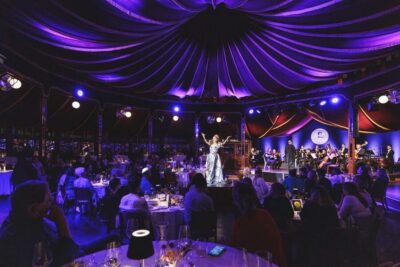 ★ 4.5Johann Strauss Dinner Show at the PraterFrom $93730 reviews
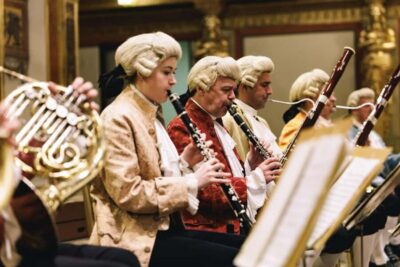 ★ 4.6Mozart Concert at the Vienna State OperaFrom $81461 reviews
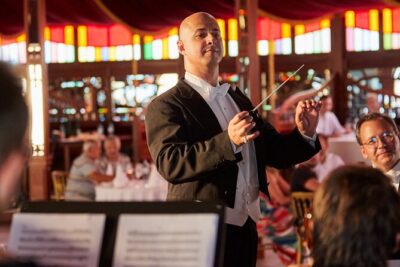 ★ 4.5Strauss Dinner ShowFrom $95395 reviews
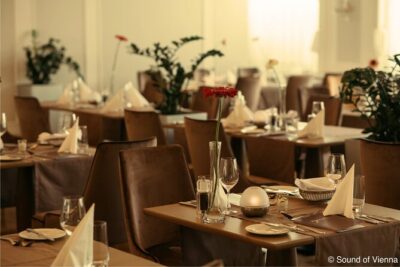 ★ 4.0Kursalon Vienna: Strauss and Mozart Concert With DinnerFrom $117310 reviews
Browse the lists this tour appears in