
Reviewed · VIENNA OPERA & CLASSICAL CONCERTS
Vienna: Romantic Classics Piano, Violin, and Cello Concert
Love arrives in a small room.
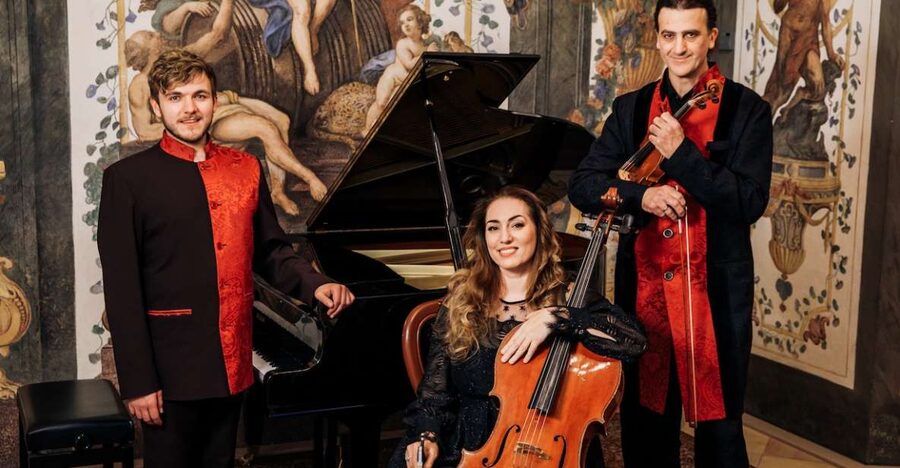
In Vienna’s Mozarthaus, this Romantic Classics concert turns famous composer hits into a close-up, full-emotion listening experience. I love the intimate seating—you’re near the musicians instead of stuck behind them—and I love how clear the acoustics are in the historic space with expressive frescoes in the Sala Terrena.
One thing to consider: because the venue is compact, your seat choice matters. If you end up toward the back, you may feel a little more distance than you’d hope, and the break area can be more practical than comfortable (including drink purchasing rules like cash-only noted on a recent visit).
Still, this is an easy, high-impact way to spend 90 minutes in Vienna: big names, real chamber performance energy, and a setting that feels made for Romantic music.
In This Review
- Key things to know before you go
- Romantic Classics at the Mozarthaus: why the setting matters
- The 90-minute musical arc: Beethoven, moonlight, and impromptus
- The opening: Haydn’s Trio all’ungarese energy
- Beethoven’s moonlit slow moment
- Mozart and piano brightness (with a twist)
- Beethoven again: motion and momentum
- Liszt and Chopin: romance with technique
- The cello colors: Bach and Paganini’s fireworks
- The swan and Thais: lyrical calm
- Schubert brings it home with an ensemble heart
- Performers and what their pieces demand of them
- Violin: Claudio Bentes
- Piano: Dushan Sretovic
- Solo voice-through-sound: Teodora Miteva
- Finding the Mozarthaus near St. Stephen’s Cathedral (without stress)
- Choosing your seat: student, back row, or closer to the performers
- Price and value: what $69 buys you in Vienna
- Practical tips that make the concert smoother
- Should you book this Vienna Romantic Classics concert?
- FAQ
- How long is the Vienna Romantic Classics concert?
- How much does it cost?
- Where should I meet and how far is it from St. Stephen’s Cathedral?
- What time should I arrive?
- Are there different ticket types?
- What languages are used?
- What’s included with the ticket?
- Is wheelchair access available?
- Can I cancel if my plans change?
- Is there a reserve-now option?
Key things to know before you go
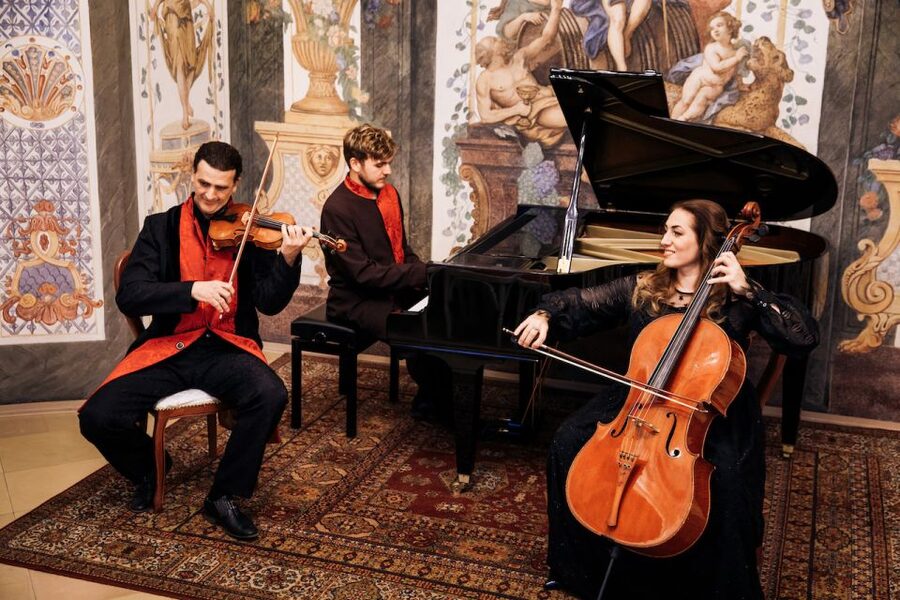
- Mozarthaus Sala Terrena frescoes make the room feel like part of the performance
- 90 minutes keeps it focused, with no time-wasting between highlights
- A violin-led program with piano and cello delivers variety you can actually hear clearly
- Close seating options (including closer-to-performers tickets) change the whole feel
- Beethoven through Brahms means you’ll recognize melodies fast, even between movements
Another night under the chandeliers
- Vienna: Classical Concert in the World-Famous Musikverein★ 4.6 · 6,673 reviews
- Vienna: Mozart Concert at the Musikverein – Golden Hall★ 4.6 · 5,194 reviews
- Vienna: Classical Concert in St. Anne’s Church (Annakirche)★ 4.6 · 3,414 reviews
- Vienna: Mozart and Strauss Concert at Schönbrunn★ 4.5 · 2,967 reviews
Romantic Classics at the Mozarthaus: why the setting matters
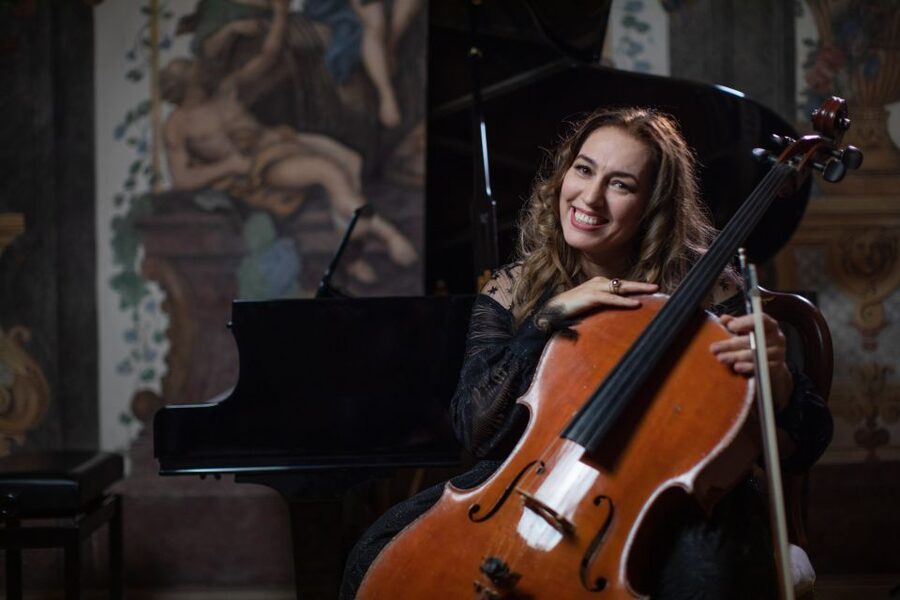
If you want the Vienna sound without the big-tour-trap feel, this is the kind of ticket that does the job. The Mozarthaus concert space is small enough to feel personal. That matters with Romantic music because so much of it lives in nuance: soft phrasing, quick shifts in mood, and those little rhythmic sparks that can get lost in a large hall.
The Sala Terrena frescoes add another layer. Even if you’re not a museum person, you’ll notice the room looks expressive and theatrical in a quiet way—like the walls are quietly helping the musicians tell the story. The effect is simple: you’re not only listening; you’re watching the atmosphere.
And the performers benefit from the acoustics. In a room like this, you can follow details: a clean start to a phrase, the way a bow changes pressure, or how a piano line stays crisp even when the music turns dramatic. If you’ve ever heard classical music where it all blurs into one wall of sound, you’ll appreciate how separated and clear the notes are here.
The 90-minute musical arc: Beethoven, moonlight, and impromptus
The program flows like a set of emotional scenes. You don’t just get a random pile of famous works—you get a path. It starts with chamber energy and rhythmic character, then moves through Romantic longing and virtuoso showpieces, and lands with a more intimate, blended ensemble sound.
Here’s how it tends to land in your ears:
The opening: Haydn’s Trio all’ungarese energy
You begin with J. Haydn’s Trio all’ungarese (Hob XV:25). Even if you don’t know Haydn deeply, this movement set gives you a foundation: Andante – Poco Adagio – Finale, Rondo. Expect a blend of elegance and playfulness. It’s the kind of start that makes you settle in fast, because the phrasing feels clear and the transitions are audible.
Beethoven’s moonlit slow moment
Then comes the Moonlight Sonata (Beethoven, Adagio). This is the piece that turns attention into focus. In a smaller concert space, slow music can feel almost physical: you hear breath-like pacing, and the emotional weight sits right in front of you instead of floating far away.
Even if you’ve heard it before, hearing it live in this format tends to bring out the pacing between phrases—how the performer shapes tension without rushing.
More music, other Vienna nights
Mozart and piano brightness (with a twist)
You’ll also hear a Mozart keyboard-themed selection: La tartine de beurre / Das Butterbrot. For many people, this is the moment where the concert stops feeling only solemn and starts feeling fun-smart. It’s a reminder that classical music isn’t required to be heavy to be serious.
Beethoven again: motion and momentum
Next is Beethoven’s Sonate op. 2 (Allegro con brio). This is where energy ramps up. Con brio means with spirit, and in a live performance you’ll feel how the piano drives forward while the strings add shape. If you like clean articulation and momentum, this part of the concert is made for you.
Liszt and Chopin: romance with technique
Liszt appears with Un sospiro. It’s short, but it’s the kind of piece that tests control and sensitivity—how quietly and deliberately the musician can shape a musical thought.
Then the program moves into Chopin territory with:
- Nocturne in C minor op. 48/1
- Étude op. 10/1 in C Major
That pairing is smart for listeners. The nocturne slows your pulse and draws you into the melodic line. Then the étude snaps you back into technique and clarity. You’ll likely notice how the fingers (and the musical idea) stay sharp even when the music gets busy.
The cello colors: Bach and Paganini’s fireworks
A cello segment brings a different kind of richness: J. S. Bach’s Cello Suite in G Major BWV 1007 (Allegro) followed by N. Paganini’s Caprice 13. This is a classic combination for a reason. Bach gives structure and tone, while Paganini rewards attention—fast, demanding, and a little mischievous in spirit.
In a close venue, you can really appreciate how the players manage bow control at speed. You’ll hear when a run is clean versus just fast.
The swan and Thais: lyrical calm
Then you get Camille Saint-Saëns’s The Swan—often chosen because it’s so melodic you can relax into it. After that, Massenet’s Thais – Meditation feels like a warm pause. This is where the concert becomes more about atmosphere than showmanship.
If you like music that sounds like a story being told slowly, these sections are where you’ll exhale.
Schubert brings it home with an ensemble heart
The final stretch includes Franz Schubert’s Trio in E♭ Major op. 100 (Andante con moto). In many concerts, the ending is just a finale. Here, it ends with something grounded and human. You’ll likely feel the ensemble playing as one idea rather than separate parts trying to shine individually.
Performers and what their pieces demand of them
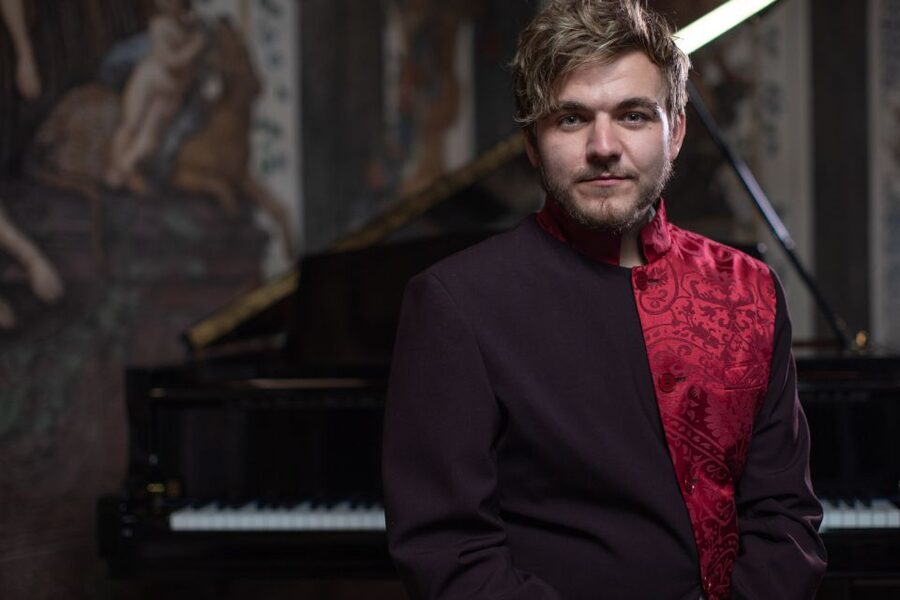
This concert doesn’t rely on names alone. The works selected demand strong musicianship, and the lineup reflects that.
Violin: Claudio Bentes
Claudio Bentes leads a lot of the emotional color. With violin music, the difference between good and great is often in the bow’s “speech.” In slower passages, you hear whether the performer can sing the line. In fast sections, you hear whether the tone stays stable.
This series leans into that strength by mixing lyric pieces with virtuoso ones, so Bentes has room to show both control and expression.
Piano: Dushan Sretovic
Dushan Sretovic is a multiple award-winning piano virtuoso, and the program leans into his strength with Chopin interpretations in particular. Chopin on piano is never just notes; it’s touch. The way dynamics are shaped—soft becomes expressive instead of timid, loud becomes forceful instead of harsh—shows in live performance more than on recordings.
You’re likely to hear that Chopin phrasing has personality here, not just correct rhythm.
Solo voice-through-sound: Teodora Miteva
Teodora Miteva is listed as an outstanding soloist who has won numerous international competitions. In concerts like this, a soloist’s role tends to be about clarity: carrying melodic lines, shaping transitions, and keeping the overall sound balanced so the ensemble doesn’t turn into a competition.
This is the part of the experience where you’ll feel the concert moving between sweetness and intensity without losing coherence.
Finding the Mozarthaus near St. Stephen’s Cathedral (without stress)
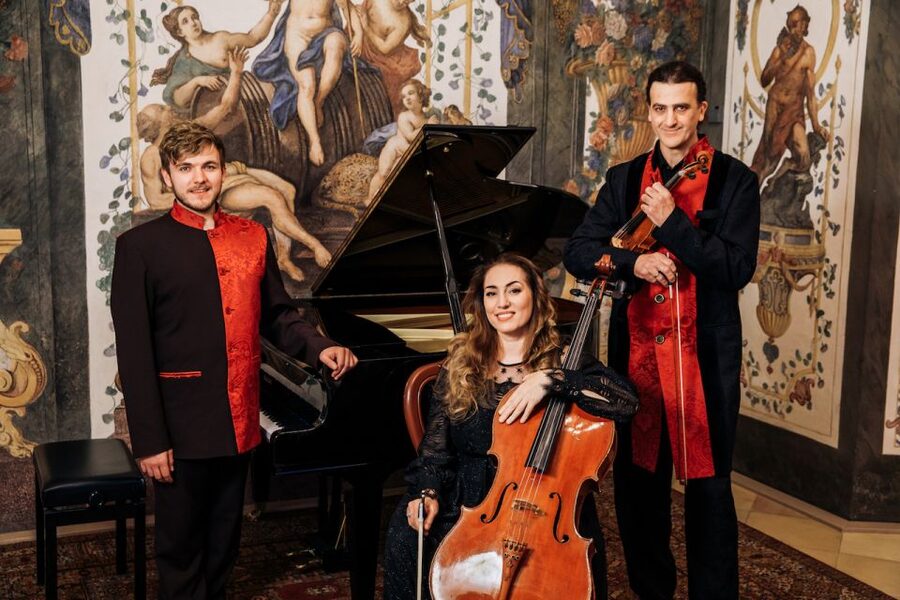
The location is central, and that’s a big deal in Vienna. You’re about 150 meters from St. Stephen’s Cathedral, so you can combine this with an earlier stroll or dinner nearby without feeling rushed.
Your best move: arrive 15 minutes early. The concert meeting point uses a specific entrance detail—enter through the gate at Deutschordenskirche. You’ll also find a poster stand for concerts at Mozarthaus there, which makes the last step simple.
If you’re the kind of person who hates wandering with a timetable anxiety face, this is worth taking seriously. Small venues mean you can’t afford to be late, and early arrival helps you get settled, check in, and find your seat without squeezing through other people.
Also note: there’s a cloakroom, which is practical in Vienna if you show up with a jacket, scarf, or tote bag.
Choosing your seat: student, back row, or closer to the performers
Ticket categories typically come down to one question: do you want proximity or savings?
- Student tickets are the value move if you’re okay with a less close view. In a small venue, you can still hear well, but you may not “see” as much of the bowing and hands.
- Back row tickets can be fine if your goal is pure listening. Just keep in mind the room’s compact nature means the distance difference can feel more noticeable than in a huge hall.
- Closer-to-performers tickets are where this concert starts to feel magical. You’ll catch details: synchronized phrasing, body language, and that micro-moment when one musician signals the next.
If you’re celebrating a date night, or you just love the craft of performance, I’d go for closer seats. If you’re budget-minded and music-first, student or back row still makes sense.
Price and value: what $69 buys you in Vienna
At $69 per person for 90 minutes, you’re paying for three things: a high-quality program of major composers, a small-scale concert experience, and a venue that enhances listening.
The key value point is not only the composers (Beethoven, Chopin, Mozart, Liszt, Schubert, Brahms), but the way the program is paced. You’re not stuck listening to one mood for the whole time. You get slow Romantic emotion, keyboard technique, violin character, and cello resonance, all in one sitting.
Also, you’re not buying a ticket for a faceless performance. The intimate setting helps the music land with more clarity and personal impact than the same pieces might in a large anonymous hall.
One practical note: the experience includes the concert and a cloakroom. Refreshments appear to be separate and may involve local purchasing habits. On a recent visit, drinks were bought outside with cash-only noted during the break, and restrooms signage could be better. So I’d show up with a little cash as a safety net, and don’t rely on finding an obvious snack counter if you’re arriving at the last minute.
Practical tips that make the concert smoother
- Arrive early and go straight in. In a venue this close to St. Stephen’s, it’s easy to feel you have time, but 15 minutes disappears fast.
- If you’re sensitive to small-room acoustics, choose your seat category carefully. Close seats are amazing for sound detail, but they also put you right in the performance area.
- Bring a light layer. Vienna evenings can shift, and having your jacket checked at the cloakroom keeps you comfortable.
- Use the break to reset, not to multitask. The space for getting drinks or finding the restroom can feel more “work mode” than “vacation mode.”
This is the kind of concert where your attention pays off. The pieces are famous enough that you’ll recognize the themes, but the live details are what make it worth your time.
Should you book this Vienna Romantic Classics concert?
If you want a short, high-impact classical evening with real musicianship, I think it’s a strong yes. The biggest reasons: excellent acoustics, an intimate setting, and a program built around Romantic favorites with variety—Moonlight calm, Chopin touch, cello resonance, and Schubert heart.
Book it if:
- You like Beethoven, Mozart, Chopin, Liszt, Schubert, and Brahms and want a single night that covers many emotional styles.
- You prefer chamber-concert closeness over large-hall anonymity.
- You’re visiting Vienna for a few days and want one straightforward cultural anchor that doesn’t eat your whole evening.
Skip it (or choose seats carefully) if:
- You get uncomfortable in compact venues and want extra personal space.
- You’re counting on easy, card-only drinks during the break and clear signage for everything.
Overall: for the time and money, this is the kind of Vienna evening that feels personal. The music is the main event, and the room helps it land.
FAQ
How long is the Vienna Romantic Classics concert?
It runs for 90 minutes.
How much does it cost?
The price is listed as $69 per person.
Where should I meet and how far is it from St. Stephen’s Cathedral?
The venue is about 150 meters from St. Stephen’s Cathedral. Enter the gate at Deutschordenskirche, where there is also a poster stand for concerts at Mozarthaus.
What time should I arrive?
Please arrive 15 minutes before the concert starts.
Are there different ticket types?
Yes. You can choose from student tickets, back row tickets, or tickets closer to the performers.
What languages are used?
The host or greeter offers English and German.
What’s included with the ticket?
The ticket includes the concert and a cloakroom.
Is wheelchair access available?
Yes, the venue is wheelchair accessible.
Can I cancel if my plans change?
Free cancellation is available up to 24 hours in advance for a full refund.
Is there a reserve-now option?
Yes. You can reserve now and pay later.
More Vienna Music Nights
- Vienna: Vivaldi’s Four Seasons Concert in Karlskirche
★ 4.7 · 14,951 reviews - Vienna: Classical Concert in the World-Famous Musikverein
★ 4.6 · 6,673 reviews - Vienna: Mozart Concert at the Musikverein – Golden Hall
★ 4.6 · 5,194 reviews - Vienna: Classical Concert in St. Anne’s Church (Annakirche)
★ 4.6 · 3,414 reviews - Vienna: Mozart and Strauss Concert at Schönbrunn
★ 4.5 · 2,967 reviews
More Tour Reviews in Vienna
- Vienna: Vivaldi’s Four Seasons Concert in Karlskirche
★ 4.7 · 14,951 reviews - Vienna: Schönbrunn Palace & Gardens Skip-the-Line Tour
★ 4.7 · 7,739 reviews - Vienna: Light of Creation Votive Church Immersive Light Show
★ 4.8 · 6,779 reviews - Vienna Spanish Riding School Guided Tour
★ 4.7 · 6,765 reviews - Vienna: Classical Concert in the World-Famous Musikverein
★ 4.6 · 6,673 reviews
Another Night at the Opera
- Vienna: Vivaldi’s Four Seasons Concert in Karlskirche
★ 4.7 · 14,951 reviews - Vienna: Classical Concert in the World-Famous Musikverein
★ 4.6 · 6,673 reviews - Vienna: Mozart Concert at the Musikverein – Golden Hall
★ 4.6 · 5,194 reviews - Vienna: Classical Concert in St. Anne’s Church (Annakirche)
★ 4.6 · 3,414 reviews - Vienna: Mozart and Strauss Concert at Schönbrunn
★ 4.5 · 2,967 reviews
Just In: New Vienna Reviews


Vienna Opera & Classical Concerts, compared.
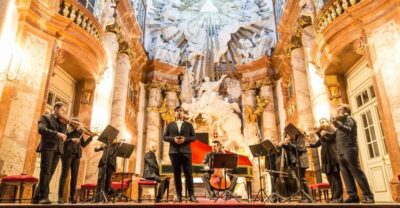 ★ 4.7Vivaldi’s Four Seasons Concert in KarlskircheFrom $4014,951 reviews
 ★ 4.6Classical Concert in the World-Famous MusikvereinFrom $176,673 reviews
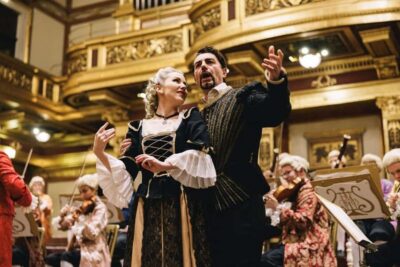 ★ 4.6Mozart Concert at the Musikverein – Golden HallFrom $815,194 reviews
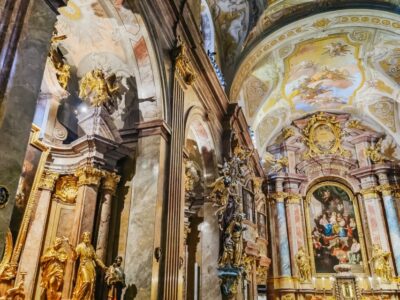 ★ 4.6Classical Concert in St. Anne’s Church (Annakirche)From $383,414 reviews
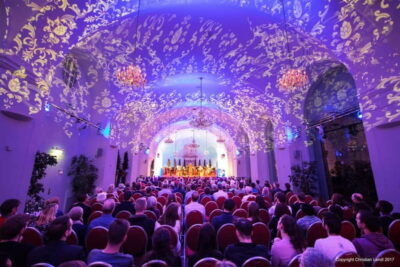 ★ 4.5Mozart and Strauss Concert at SchönbrunnFrom $422,967 reviews
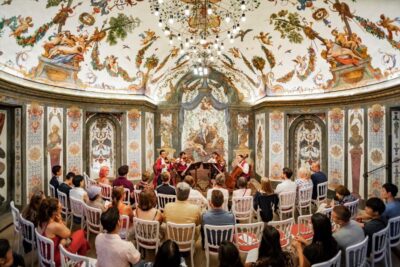 Classical Concert at Mozart’s First House2,423 reviews
 ★ 4.5Vienna Classical Concert at St. Peter’s ChurchFrom $472,039 reviews
 ★ 4.4Karlskirche Entry Ticket with Panoramic Terrace AccessFrom $111,177 reviews
Browse the lists this tour appears in