
Schönbrunn saves you time at the door, and that matters. You get skip-the-line timed entrance and access across the piano nobile, including private apartments and reception rooms tied to the Habsburg court. I also like that the tour leans on an official audio guide (or printed descriptions), so you can slow down when a room catches your eye.
One thing to keep in mind: on very busy days, your posted entry time may not be your actual entry time, so build in a little patience (and arrive a bit early so you are not stuck waiting).
In This Review
- Key highlights you will feel right away
- Schönbrunn Palace with skip-the-line timed entry: what it really buys you
- Entering smoothly: how timed access affects your plan
- Inside the palace: the piano nobile and Maria Theresa’s world
- A quick reality check on interiors
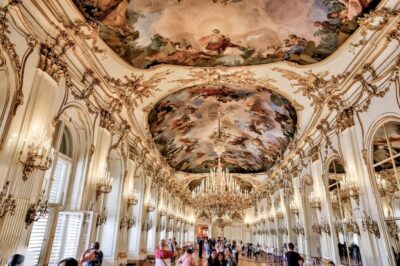
- Carousel Room and Hall of Ceremonies: where the art does the talking
- The Habsburg dynasty, Sisi, and Maria Theresa: making sense of the people
- The imperial gardens: statues, fountains, and the Gloriette walk
- Audio guide and printed descriptions: how to make it work inside
- Timing, crowds, and what to do if your entry is delayed
- Price and value in Vienna: what $65.01 is paying for
- Who should book this Schönbrunn skip-the-line audio experience
- Should you book this tour or go DIY?
- FAQ
- What is included with this Schönbrunn experience?
- Is there a live tour guide?
- What parts of the palace can I access?
- How long should I plan for the visit?
- Can I adjust or cancel the booking for a refund?
- What should I do with my ticket when I arrive?
- Is it easy to reach and suitable for most travelers?
Key highlights you will feel right away
- Full piano nobile access through the rooms most visitors actually want to see
- Maria Theresa apartments with gold-adorned ceilings and an opulent, lived-in feel
- Carousel Room and Hall of Ceremonies for big, memorable art moments
- Imperial park stroll with statues, fountains, and the Gloriette
- Audio guide support that lets you move at your pace inside the palace
More ways through Schönbrunn's gilded rooms and gardens
- Vienna: Schönbrunn Palace & Gardens Skip-the-Line Tour★ 4.7 · 7,739 reviews
- Vienna: Skip-the-Line Schönbrunn Palace & Gardens Tour★ 4.8 · 5,411 reviews
- Vienna: Mozart and Strauss Concert at Schönbrunn★ 4.5 · 2,967 reviews
- Vienna: Skip the Line Schönbrunn Palace and Gardens Guided Tour★ 4.5 · 1,540 reviews
Schönbrunn Palace with skip-the-line timed entry: what it really buys you
Schönbrunn is one of those Vienna sights where the line and the timing can make or break your day. This experience is built around timed entry plus skip-the-line access, which means you spend less time standing around and more time actually looking at the rooms and gardens.
You can treat it like a self-guided visit with a gentle framework. The ticket gets you into the palace at a planned time, and the audio guide (or printed descriptions) helps you connect the dots: who lived here, what you are seeing, and why the Habsburg dynasty cared so much about rooms, artwork, and ceremony.
The duration is about 2 to 3 hours. That is a practical window for Schönbrunn. It is long enough to enjoy the highlights without turning the palace into a sprint, especially if you pause for photos and let the audio do some of the heavy explaining.
Entering smoothly: how timed access affects your plan
Timed tickets sound simple. In practice, crowds can shift flow. In my experience with this kind of setup, the value is biggest when you show up ready to move.
Here is the practical way to handle it:
- Aim to be at the palace entrance before your chosen time, not exactly at it.
- Keep your expectations flexible on peak days.
One specific thing that shows up in feedback is that the entrance time you select can differ from when you are actually allowed in, and waiting can happen. That is not unique to one provider; Schönbrunn’s popularity forces real crowd management. So your best move is to arrive early, stay calm, and think of the waiting as part of the day’s schedule.
Inside the palace: the piano nobile and Maria Theresa’s world
The biggest selling point here is that you are not limited to a couple of rooms. You get exclusive access to the entire piano nobile. For visitors, that means you are seeing the heart of the palace: the areas associated with status, hosting, and power.
This includes:
- private apartments
- reception rooms
- the State Apartments
- rooms once occupied by Maria Theresa
Maria Theresa’s presence is the thread you will feel through the visit. You are guided toward her opulent apartments, including spaces with gold-adorned ceilings. Even if you are not an architecture person, gold ceilings do the work instantly. They signal wealth, taste, and an era that wanted permanence. In other words, it is not just pretty. It is propaganda in plaster and paint.
As you move room to room, pay attention to how the palace shifts from living spaces toward ceremonial spaces. Reception rooms and State Apartments feel more staged. Private apartments feel more human. The contrast makes the story clearer than a quick walk-through ever could.
A quick reality check on interiors
Schönbrunn is big, and you will probably want to spend longer in the rooms that match your interests. With an audio-first experience, you can do that without feeling like you are breaking a rigid tour script. If you like art, you will linger. If you prefer political history and symbolism, you will focus on the ceremonial spaces.
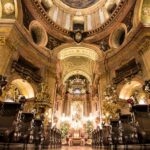
Worth a look before you book this Vienna tour:

Carousel Room and Hall of Ceremonies: where the art does the talking
Two highlight stops are worth planning for: the Carousel Room and the Hall of Ceremonies.
Why I think these matter:
- They are the moments where Schönbrunn stops being just ornate and becomes visually dramatic.
- They help you understand the Habsburg focus on public image. This palace was meant to impress.
The Carousel Room draws you in because the name points to a special kind of storytelling through art. The Hall of Ceremonies is more about scale and atmosphere—how the space supports performance, formality, and power. When you pair those rooms with the audio guide, you get context fast: who is tied to what you are seeing and what the rooms were meant for.
If you have ever visited a palace where you can tell it is important but you cannot explain why, this is the fix. The audio helps you stay oriented in each room so you are not just staring at details you can’t place.
The Habsburg dynasty, Sisi, and Maria Theresa: making sense of the people
Schönbrunn is not only about furniture and frescoes. It is about the Habsburg dynasty and how they lived in public.
You will learn about:
- the dynasty itself
- Maria Theresa
- Sisi
That trio is useful because it gives you two lenses. Maria Theresa helps you understand governance and state identity. Sisi helps you understand glamour and personal legend. Even if you only know Sisi from pop culture, seeing her in the context of this palace environment gives her story something physical to rest on.
The best way to use the audio guide here is to treat it like a mini timeline. Listen for transitions: when the story changes from court life to state ceremony, you are moving through spaces that were built for those shifts.
The imperial gardens: statues, fountains, and the Gloriette walk
After the palace, you get time to stroll Schönbrunn’s imperial park and gardens. This is where the whole visit becomes more than indoor decoration.
Expect:
- majestic statues
- cascading fountains
- architectural highlights, including remnants of ancient Rome
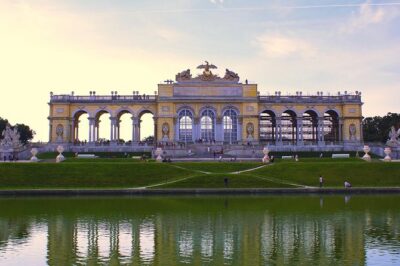
- the Gloriette
The Gloriette is a strong capstone because it turns the garden walk into a goal. You do not just wander; you have a landmark that gives shape to the route. And if the palace feels heavy with ceremony, the gardens feel like the owners wanted balance—power expressed through symmetry, water features, and controlled nature.
One practical note: gardens are your decompression time. If you want photos, do them after you have finished the rooms so you are not splitting attention.
Audio guide and printed descriptions: how to make it work inside
You will receive an official audio guide or printed descriptions. Since the exact format can vary, your strategy stays the same: you need the guide materials ready before you enter.
A useful tip that came up in feedback: connectivity can be spotty until you connect to free WiFi, so take a screenshot of your ticket barcode ahead of time. Then go straight to the palace entrance for staff to scan it.
That matters because it reduces friction at the door. And once you are inside, you can focus on the rooms rather than troubleshooting your phone.
Also plan for bag rules. Backpacks are not allowed inside, so you will likely need to check or store them before entering. That small hassle is worth planning around if you travel with a larger daypack.
Timing, crowds, and what to do if your entry is delayed
Schönbrunn is popular. On busy days, you may not get into the palace exactly when your ticket suggests, and waiting can happen. One set of feedback described a wait of about 45 minutes due to the difference between scheduled and actual entrance times.
So here is my practical advice:
- Arrive early enough to handle a buffer.
- Treat the timed ticket as an approximate window, not an ironclad minute.
- Keep your day structure flexible, especially if you are connecting to another Vienna stop later.
If you are the type who needs an exact schedule, you might find this part annoying. If you are okay with padding your timeline by 30 to 60 minutes, the experience stays smooth.
Price and value in Vienna: what $65.01 is paying for
The price for this experience is $65.01 per person, and the value comes from two things: skip-the-line access and the bundled entry to key interior areas plus the audio support.
Here is how I think about it:
- If you were planning to visit anyway, you are paying for time savings and guidance.
- If you hate waiting and you want a structured path through the rooms, the cost makes sense.
- If you are comfortable navigating independently and do not care about audio context, you may decide it is smarter to book directly elsewhere.
One piece of feedback suggests the official palace booking can cost less, with this kind of third-party pricing including additional service fees. I can’t confirm the exact math without seeing both options side by side, but it is a fair warning. The question is simple: do you want to pay to avoid line stress and get the guide bundled, or do you prefer saving money and booking directly?
Who should book this Schönbrunn skip-the-line audio experience
This works best for:
- first-time visitors who want the main palace areas without hunting
- people who like self-paced touring with an audio script to follow
- travelers short on time who want 2 to 3 hours to cover highlights
- anyone interested in Maria Theresa and the Habsburg court
It may be less ideal if:
- you absolutely need an exact entry minute (crowd shifts can affect timing)
- you are traveling with a larger backpack (you will need to deal with storage rules)
- you plan to visit very early or very late when crowds are already low and you do not need skip-the-line protection
Should you book this tour or go DIY?
I would book it if you value convenience and structure. The combination of timed entry, access to the entire piano nobile, and an audio guide is a strong way to make sure you see the rooms that matter without wasting time inside figuring out what to prioritize.
I would hesitate if budget is your top priority. Based on feedback, you may find cheaper options through official channels once you compare total costs after service fees. In that case, DIY can be worth it if you are okay with lines and with managing the audio/history yourself.
If you do book, go in with the right mindset: arrive a little early, keep your ticket barcode ready (a screenshot helps), and plan for backpack storage. Do that, and this is a confident way to experience Schönbrunn’s palace interiors and gardens in one clean visit.
FAQ
What is included with this Schönbrunn experience?
You get a timed entrance ticket to Schönbrunn Palace and an audio guide or printed descriptions. Admission is included for the palace visit.
Is there a live tour guide?
No. This experience includes an official audio guide (or printed descriptions), not a live tour guide.
What parts of the palace can I access?
The ticket includes exclusive access to the entire piano nobile, including private apartments, reception rooms, State Apartments, and rooms associated with Maria Theresa.
How long should I plan for the visit?
Plan for about 2 to 3 hours.
Can I adjust or cancel the booking for a refund?
No. This experience is non-refundable and cannot be changed for any reason.
What should I do with my ticket when I arrive?
Make sure you have your ticket barcode available. A screenshot can help, and staff will scan it at the palace entrance.
Is it easy to reach and suitable for most travelers?
It’s near public transportation and most travelers can participate.
More Tickets in Vienna
- Vienna: Classic Ensemble Vienna in St. Peter’s Church Ticket
★ 4.7 · 4,819 reviews - Vienna Kunsthistorisches Museum Day Admission Ticket
★ 4.6 · 3,690 reviews - Vienna: Tickets for Mozarthaus Vienna with Audio Guide
★ 4.2 · 2,344 reviews - Vienna: Skip-the-Line Entrance Ticket to the Danube Tower
★ 4.5 · 2,303 reviews - Tickets for the Albertina Exhibitions
★ 4.7 · 2,126 reviews
More Tour Reviews in Vienna
- Vienna: Vivaldi’s Four Seasons Concert in Karlskirche
★ 4.7 · 14,951 reviews - Vienna: Schönbrunn Palace & Gardens Skip-the-Line Tour
★ 4.7 · 7,739 reviews - Vienna: Light of Creation Votive Church Immersive Light Show
★ 4.8 · 6,779 reviews - Vienna Spanish Riding School Guided Tour
★ 4.7 · 6,765 reviews - Vienna: Classical Concert in the World-Famous Musikverein
★ 4.6 · 6,673 reviews
Schönbrunn, a Few More Ways In
- Vienna: Schönbrunn Palace & Gardens Skip-the-Line Tour
★ 4.7 · 7,739 reviews - Vienna: Skip-the-Line Schönbrunn Palace & Gardens Tour
★ 4.8 · 5,411 reviews - Vienna: Mozart and Strauss Concert at Schönbrunn
★ 4.5 · 2,967 reviews - Vienna: Skip the Line Schönbrunn Palace and Gardens Guided Tour
★ 4.5 · 1,540 reviews - Vienna: Schönbrunn Palace & Garden Skip-the-Line Guided Tour
★ 4.1 · 1,240 reviews
Just In: New Vienna Reviews



Schönbrunn Palace Tours, compared.
 ★ 4.7Schönbrunn Palace & Gardens Skip-the-Line TourFrom $637,739 reviews
 ★ 4.8Skip-the-Line Schönbrunn Palace & Gardens TourFrom $765,411 reviews
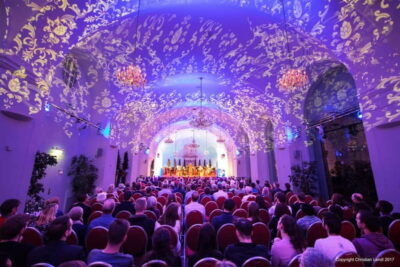 ★ 4.5Mozart and Strauss Concert at SchönbrunnFrom $422,967 reviews
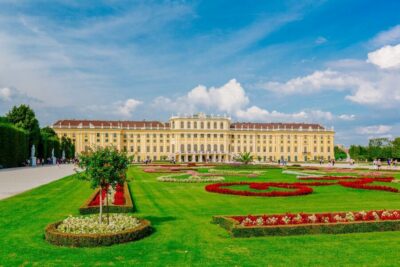 ★ 4.3Bus & Schönbrunn Palace Skip-the-Line Guided TourFrom $812,802 reviews
 ★ 4.5Skip the Line Schönbrunn Palace and Gardens Guided TourFrom $651,540 reviews
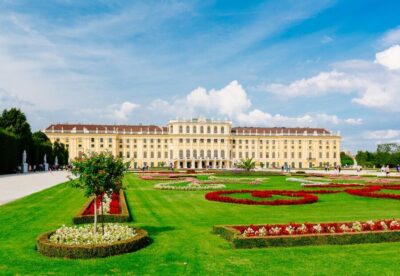 ★ 4.1Schönbrunn Palace & Garden Skip-the-Line Guided TourFrom $571,240 reviews
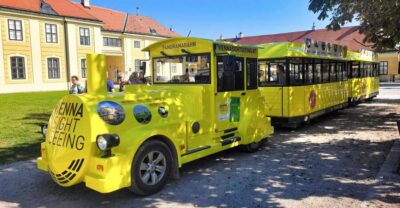 ★ 4.3Panorama Train Tickets to explore Schönbrunn PalaceFrom $181,164 reviews
 ★ 4.8Skip-the-Line Schönbrunn Palace and Gardens TourFrom $601,089 reviews
Browse the lists this tour appears in