Reviewed · WINE TAVERNS & HEURIGEN
Vienna: Taste Austria the ABCs of Wine
Vienna wine gets an easy ABC lesson. In a small shop in Vienna, Weinrudi guides you through Austria’s top wine regions, from crisp Wiener Gemischter Satz to sweet Neusiedler See styles, all in a 2-hour tasting session.
What I like most is how the flight teaches you the logic behind Austrian wine, not just the names. I especially love learning the labels Steinfeder, Federspiel, and Smaragd and how they connect to the Danube and soil structures.
One thing to consider is fit. This experience is for adults 18+, and it lists limits if you are pregnant, have a cold, or need support for mobility issues, even though wheelchair accessibility is mentioned.
In This Review
- Quick hits: what makes this tasting worth your time
- In the Weinrudi shop: small-group wine, 2 hours, no fuss
- Wiener Gemischter Satz: Vienna’s own fresh-and-complex starter
- Steinfeder, Federspiel, Smaragd: how Austrian labels actually guide what you taste
- South Styria Sauvignon Blanc: cool climate and steep slopes in the aromas
- Neusiedler See: from sweet paradise to structured reds
- Blaufränkisch’s mineral angle: iron-rich soils and that spicy structure
- Tasting with your senses: the method you’ll use after the tour
- Your host and the small-group conversation: how you get your questions answered
- Price and value: is $81 a good deal in Vienna?
- Who should book this tasting (and who should skip it)
- Should you book Vienna: Taste Austria the ABCs of Wine?
- FAQ
- How long is the wine tasting in Vienna?
- Where do we meet for the tour?
- What is the price per person?
- What’s included in the experience?
- Is transportation to and from the venue included?
- What languages is the guide available in?
- Is there an age requirement?
- Is it wheelchair accessible?
- Can I smoke during the tasting?
- FAQ
- What should I bring to the tasting?
- Is there a refund if I cancel?
Quick hits: what makes this tasting worth your time
- Wiener Gemischter Satz first: learn why this Vienna style tastes so fresh and complex
- Steinfeder, Federspiel, Smaragd explained: see how Austrian classification changes the glass
- South Styria Sauvignon Blanc: cool climate and steep slopes come through in the aromas
- Neusiedler See sweet wines: go from fruity Blaufränkisch to noble Trockenbeerenauslese
- Mineral Blaufränkisch: iron-rich soils bring spice and structure
- Senses-first tasting plus pairing: visual check, aroma analysis, then taste with food tips
Up to the Heurigen for another glass
- Wachau Valley Wine Tasting Bike Tour from Vienna★ 5.0 · 829 reviews
- Countryside Half Day Wine Tour near Vienna★ 5.0 · 545 reviews
- Wachau Valley Small-Group Tour and Wine Tasting from Vienna★ 5.0 · 540 reviews
- From Vienna: Half-day Countryside Wine Tour with Meal★ 4.7 · 526 reviews
In the Weinrudi shop: small-group wine, 2 hours, no fuss
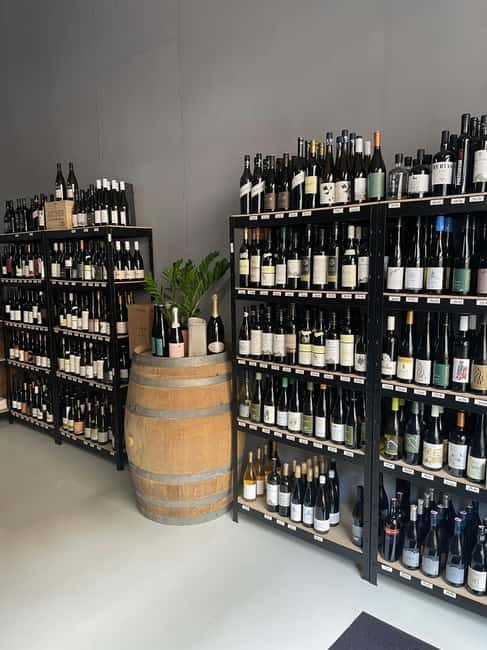
This is a straightforward tasting in a local wine shop atmosphere. You’re not bouncing around Vienna for long stretches, and that matters if you want a focused experience without spending the whole day commuting. The session runs about 2 hours, and the group stays small, limited to 8 participants, so questions do not get swallowed by the room noise.
The meeting point is simply the Weinrudi shop, where the host is waiting in the shop area. If you come with comfortable shoes and a bottle of water, you’ll be happier during the slower, more sensory parts of the tasting (you’re standing and tasting more than you might expect).
You’ll taste a selection that covers multiple Austrian regions and styles, and you’ll also get guidance on how to evaluate wine with all your senses. That is the real value here: you leave with a mental checklist, not just a few happy memories.
Wiener Gemischter Satz: Vienna’s own fresh-and-complex starter
Your tasting starts with Vienna’s signature grape-and-blend story: Wiener Gemischter Satz. The point is not just that it is from Vienna, but why it tastes lively and layered. You’ll learn what makes this style feel crisp and multi-dimensional, even when you are still figuring out your own personal wine preferences.
This is a smart opener because it gives you a baseline. If Wiener Gemischter Satz feels too sharp or too soft for your taste, you immediately know what direction the rest of the flight should take. And when you later compare it to Danube-area whites and other regional styles, the difference shows up faster.
Also, Vienna-style wine education is practical here. You’re not handed a dense textbook. You’re taught to notice what’s in the glass—freshness, complexity, and how those qualities can signal the place and the method behind the wine.
Steinfeder, Federspiel, Smaragd: how Austrian labels actually guide what you taste
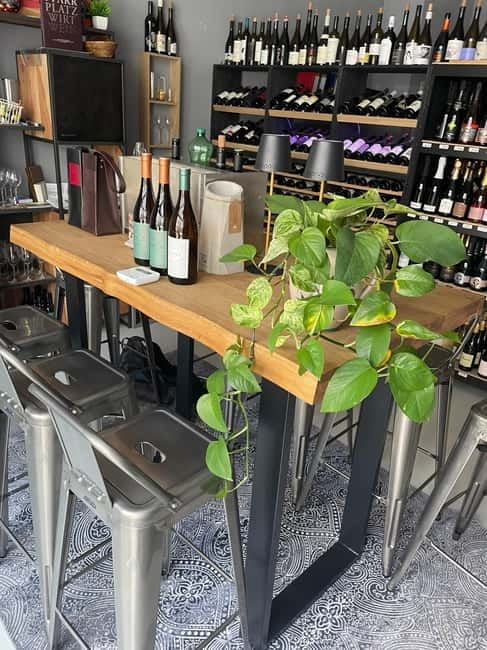
A big reason to do this tasting is the explanation of Austrian classification terms: Steinfeder, Federspiel, and Smaragd. These names can look like jargon until you connect them to real differences in the glass. The lesson ties the wine’s character to the Danube and soil structures, so you start tasting with geography in mind.
When this clicks, it changes how you shop later. Instead of grabbing bottles based only on grape names or pretty labels, you’ll have a sense of what the classification tends to signal. That makes restaurant ordering easier too, since you’ll know what kind of style is likely to arrive.
In a short 2-hour session, this is the kind of information you can actually remember later. It’s not abstract. It’s trained to help your next decision.
South Styria Sauvignon Blanc: cool climate and steep slopes in the aromas
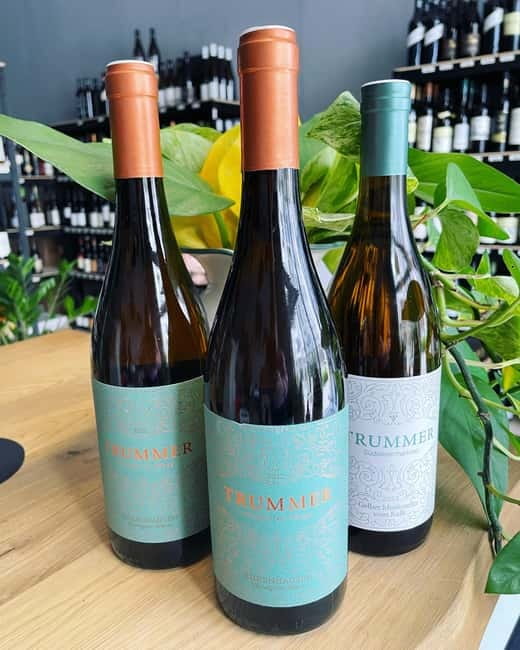
Next comes South Styria, where you focus on aromatic Sauvignon Blancs. The key idea you learn is the role of climate and terrain: a cool setting plus steep slopes influences what you smell and how the wine feels.
This is a great tasting segment because Sauvignon Blanc can be wildly different depending on place. In this lesson, you get a framework for why one bottle can smell sharper, another more herbal, and another more rounded. The tasting is designed so you connect those aromatics to the conditions that produced them.
If you tend to think of Sauvignon Blanc as just a single style, this part nudges you to think in terms of origin. That alone can make your next wine purchase feel less like guessing.
More Austrian labels to try

Neusiedler See: from sweet paradise to structured reds
Then you shift to Neusiedler See, which is where things start getting fun if you like variety. You taste sweet wine styles alongside red-wine region character, so you can feel how the Pannonian climate shapes flavors across very different categories.
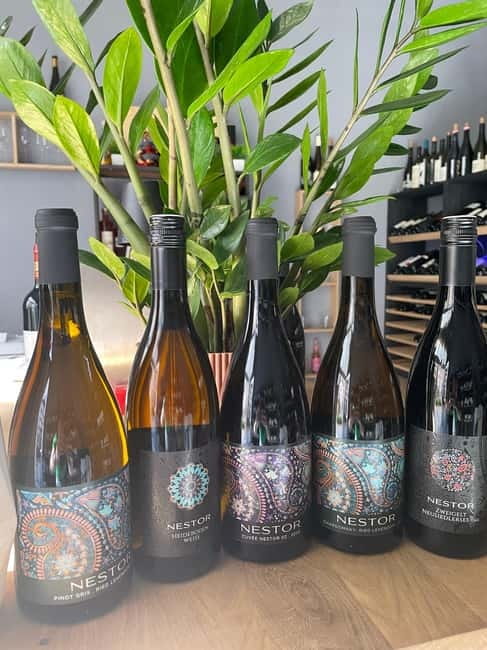
You’ll hear about the region as a sweet wine paradise, including Trockenbeerenauslesen. At the other end of the spectrum, you also taste reds like Blaufränkisch, from fruity expression to more structured outcomes.
Two things make this segment valuable:
- You learn that sweetness can come with finesse, not just sugar.
- You see how a single region can deliver both red and sweet styles without feeling random.
Blaufränkisch’s mineral angle: iron-rich soils and that spicy structure
One of the most memorable moments in the tasting is the focus on the “secret” behind Blaufränkisch. You’re told why it has that distinctive mineral, iron-rich feel, with spiciness and structure showing up in the wine.
This is not a vague claim. You’re guided to connect the mouthfeel and flavor impressions back to soil and site. And once you’ve heard that explanation, you start tasting for structure: how the wine holds together, how it finishes, and how much it grips your palate.
If you usually stick to the safest red choices—Zinfandel, Cabernet, Pinot—you might be surprised at how Blaufränkisch can feel both vibrant and serious. This segment helps you understand why people seek it out.
Tasting with your senses: the method you’ll use after the tour
This experience spends time on the art of tasting, and that is where the flight becomes a real lesson. You learn how to go step-by-step: you look first, you assess aroma next, and then you analyze taste. It sounds obvious, but most people skip this in everyday life. Here, you get the structure.
Food pairing is part of the training too. You get tips on which foods work with the wines you taste. In practice, this often means salty, savory bites that let the wine’s acidity, fruit, and texture show up clearly.
You may also find yourself pairing with items like salami, olives, and cheese during the session. That combination matters because it mirrors how wine is actually consumed: not alone at home in silence, but with real flavors that compete and cooperate.
I like that the guide doesn’t treat pairing as a trick. It’s about matching intensity and balancing salt, fat, and acidity. You walk away knowing what to look for when you pair on your own.
Your host and the small-group conversation: how you get your questions answered
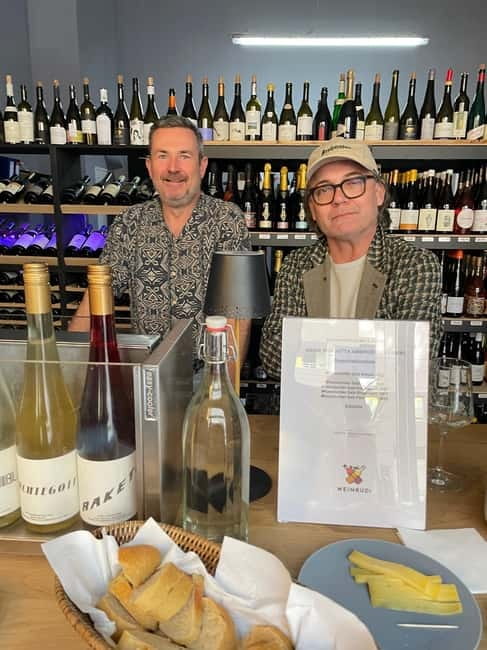
The host for this experience is Rudi at Weinrudi. The vibe is welcoming and relaxed, but the instruction stays focused. You’re encouraged to ask questions, and the guide takes the time to answer them clearly.
I also like that the session can feel tailored. In one case, the host adjusted what was offered to match what people were enjoying, and the experience even includes some sampling from other countries for comparison. That is helpful because it turns Austrian styles into something you can place globally.
Because the group is limited to 8, you’re more likely to get real back-and-forth rather than one-way lecturing. If you like the idea of learning wine while still staying social, this format fits.
Price and value: is $81 a good deal in Vienna?
At $81 per person for a 2-hour guided tasting, the value comes from what’s included: the tasting itself, an introduction to Austrian regions and grape varieties, food pairing tips, and expert wine knowledge sharing. You also taste a spread of styles across multiple regions, including Vienna, Danube-linked classification concepts, South Styria Sauvignon Blanc, Neusiedler See sweet wines, and Blaufränkisch.
What you pay for here is not only the wine samples. It is the translation of Austrian wine culture into something you can actually use when ordering or shopping later. That kind of coaching is what makes a tasting worth repeating with friends.
What is not included: transportation to and from the venue, and personal wine purchases. So if you’re planning a busy day in Vienna, build in time to get to the shop and back. If you want to buy bottles, you can do that, but it is optional.
Who should book this tasting (and who should skip it)
This is a strong fit if you:
- Want a quick, structured education in Austrian wine regions
- Like tasting multiple styles in one short session
- Enjoy pairing wine with simple food
- Prefer small-group attention over big group tours
It may be less suitable if you:
- Are under 18
- Are pregnant (listed as not suitable)
- Have a cold (listed as not suitable)
- Have specific mobility needs. The activity is marked wheelchair accessible, but it is also listed as not suitable for wheelchair users and people with mobility impairments. Confirm directly before booking.
Should you book Vienna: Taste Austria the ABCs of Wine?
If you want an efficient, friendly way to understand Austrian wine beyond the basics, I think this one earns its spot. The focus on how to taste plus the regional lessons—Vienna styles, Austrian classification terms, South Styria Sauvignon Blanc, and Neusiedler See—gives you tools you can reuse on your next meal.
Book it if you like learning by tasting in a cozy shop setting, with a guide you can ask questions of. Skip or confirm first if you fall into the health or mobility limits listed for this activity.
FAQ
How long is the wine tasting in Vienna?
The tasting session lasts approximately 2 hours.
Where do we meet for the tour?
You meet at the Weinrudi shop, where the host waits in the shop.
What is the price per person?
The price is $81 per person.
What’s included in the experience?
It includes a guided wine tasting session, an introduction to Austrian wine regions and varieties, food pairing tips, and expert wine knowledge sharing.
Is transportation to and from the venue included?
No. Transportation is not included.
What languages is the guide available in?
The live tour guide speaks English, Portuguese, and German.
Is there an age requirement?
Yes. Participants must be at least 18 years old.
Is it wheelchair accessible?
The activity is marked wheelchair accessible, but it is also listed as not suitable for wheelchair users and people with mobility impairments. It’s best to confirm before booking.
Can I smoke during the tasting?
No. Smoking is not allowed.
FAQ
What should I bring to the tasting?
Bring comfortable shoes, a camera, and water.
Is there a refund if I cancel?
Cancellation is free up to 24 hours in advance for a full refund.
More Austrian Wine to Taste
- Vienna: Swarovski House Tour with Champagne & Gift
★ 4.6 · 1,132 reviews - Wachau Valley Wine Tasting Bike Tour from Vienna
★ 5.0 · 829 reviews - Countryside Half Day Wine Tour near Vienna
★ 5.0 · 545 reviews - Wachau Valley Small-Group Tour and Wine Tasting from Vienna
★ 5.0 · 540 reviews - From Vienna: Half-day Countryside Wine Tour with Meal
★ 4.7 · 526 reviews
More Tour Reviews in Vienna
- Vienna: Vivaldi’s Four Seasons Concert in Karlskirche
★ 4.7 · 14,951 reviews - Vienna: Schönbrunn Palace & Gardens Skip-the-Line Tour
★ 4.7 · 7,739 reviews - Vienna: Light of Creation Votive Church Immersive Light Show
★ 4.8 · 6,779 reviews - Vienna Spanish Riding School Guided Tour
★ 4.7 · 6,765 reviews - Vienna: Classical Concert in the World-Famous Musikverein
★ 4.6 · 6,673 reviews
Up to the Heurigen
- Wachau Valley Wine Tasting Bike Tour from Vienna
★ 5.0 · 829 reviews - Countryside Half Day Wine Tour near Vienna
★ 5.0 · 545 reviews - Wachau Valley Small-Group Tour and Wine Tasting from Vienna
★ 5.0 · 540 reviews - From Vienna: Half-day Countryside Wine Tour with Meal
★ 4.7 · 526 reviews - Vienna: Wine Tasting Experience in a Private Wine Cellar
★ 4.8 · 413 reviews
Just In: New Vienna Reviews




Wine Taverns & Heurigen, compared.
 ★ 5.0Wachau Valley Wine Tasting Bike Tour from ViennaFrom $163829 reviews
 ★ 5.0Countryside Half Day Wine Tour near ViennaFrom $145545 reviews
 ★ 5.0Wachau Valley Small-Group Tour and Wine Tasting from ViennaFrom $230540 reviews
 ★ 4.7From Vienna: Half-day Countryside Wine Tour with MealFrom $141526 reviews
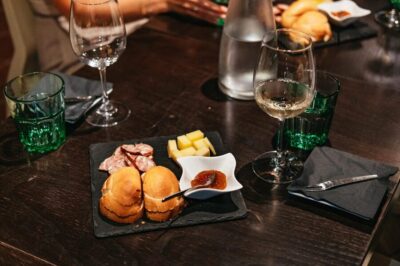 ★ 4.8Wine Tasting Experience in a Private Wine CellarFrom $22413 reviews
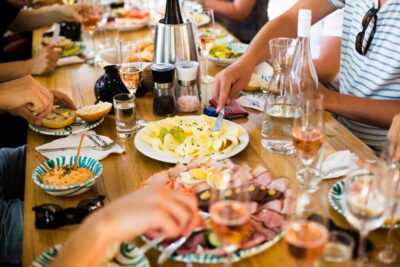 ★ 4.8From Vienna: Wachau Valley Day Tour with Wine TastingFrom $234399 reviews
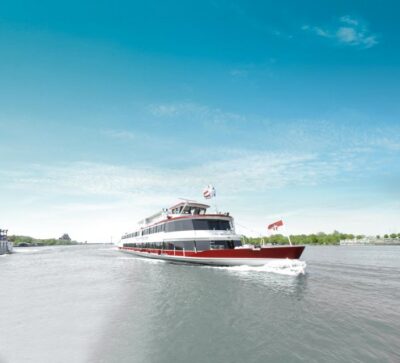 ★ 4.2Heurigen Cruise with Viennese Songs and BuffetFrom $74320 reviews
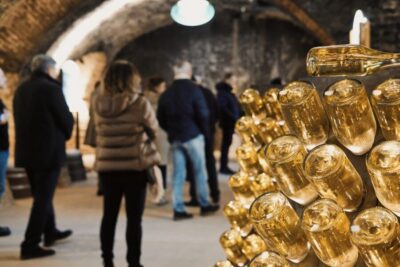 ★ 4.8Schlumberger Wine Cellar Guided or Self-Guided TourFrom $15285 reviews
Browse the lists this tour appears in