
Reviewed · GUIDED
Vienna – the making of a Weltstadt – guided Citytour
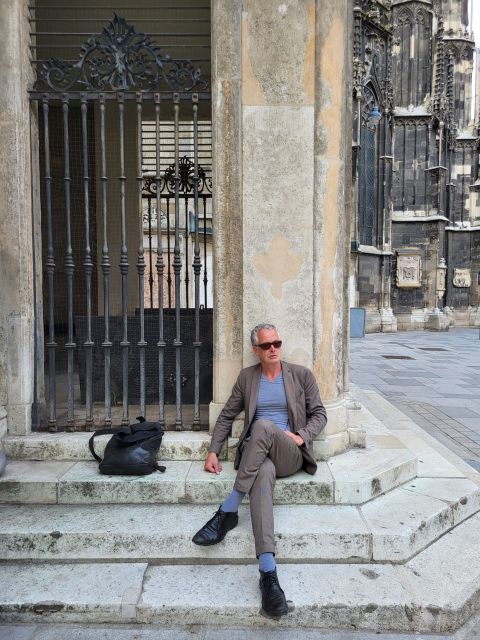
Vienna makes sense when someone points it out. I love how the Hofburg and St. Stephen’s Cathedral get used like anchors, so you can connect big eras to real streets and buildings. I also like the human angle: Christian Grausam, a Viennese guide, keeps the story grounded with practical context around rulers, art, and music.
One potential drawback: the tour is in German. If you’re not comfortable following spoken German for two hours, you may miss some of the details.
In This Review
- Key things you’ll get from this tour
- A 2-Hour Weltstadt Walk: How the “2 Millennia” Format Works
- Starting Where the City Began: Roman Roots to the 19th-Century Metropole
- Schottenkirche, Freyung, and Am Hof: The Early Stops That Set the Mood
- Kohlmarkt and Michaelerplatz: When the Street Becomes the Timeline
- Hofburg and Heldenplatz: Why Vienna Became a Residential Power
- Burggarten, Josefsplatz, and the Albertina Stop for Art and Music
- Capuchin Crypt and Franziskanerplatz: Memory in Plain Sight
- Domgasse to St. Stephen’s Cathedral: The City’s Emotional Center
- Price and Timing: Is $35 for Two Hours Good Value?
- Logistics That Affect Your Comfort (Without Making It a Fuss)
- Who This Tour Suits Best
- Should You Book This Vienna Citytour?
- FAQ
- How long is the Vienna guided city tour?
- How much does the tour cost?
- What language is the live tour guide?
- Where is the meeting point?
- Does the tour run if it rains?
- What time should I arrive at the meeting point?
- Is luggage allowed during the tour?
- Is the tour suitable for people with mobility impairments?
Key things you’ll get from this tour
- A 2,000-year storyline on foot that connects a Roman start to the 19th-century metropole
- Central-city sights with purpose, not random photo stops
- Hofburg context that explains why Vienna became a residential power center
- St. Stephen’s Cathedral as the city’s compass, both emotional and geographic
- A real Viennese voice, with history tied to what you see right now
- Tips for next moves, not just a walk-and-leave experience
A Vienna guide to carry the details
- Vienna Spanish Riding School Guided Tour★ 4.7 · 6,765 reviews
- Vienna: Guided Walking Tour of City Center Highlights★ 4.7 · 4,989 reviews
- Vienna: Vienna Central Cemetery Guided Walking Tour★ 4.8 · 3,307 reviews
- Vienna: Tickets for Mozarthaus Vienna with Audio Guide★ 4.2 · 2,344 reviews
A 2-Hour Weltstadt Walk: How the “2 Millennia” Format Works
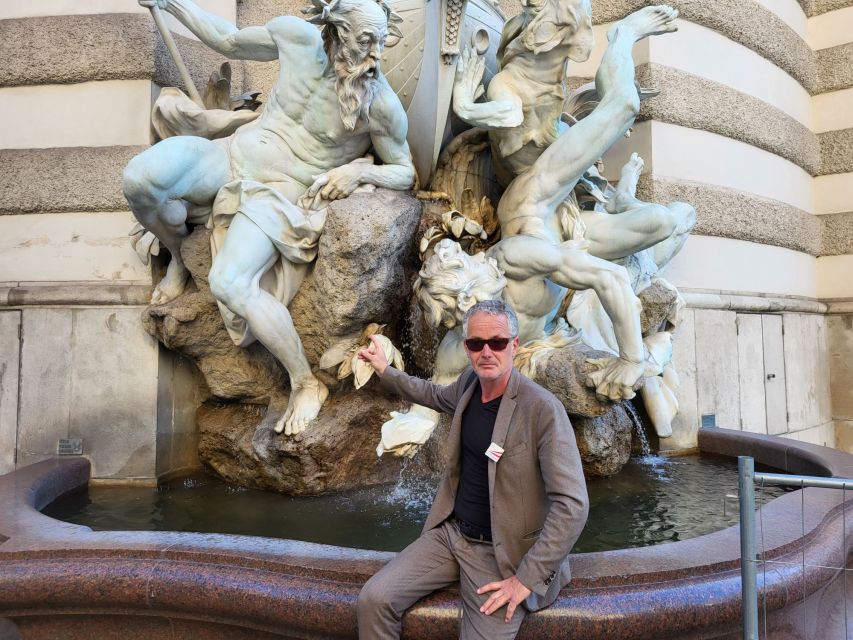
This is a city tour built like a guided story walk. You’re not just ticking off landmarks. You’re learning how Vienna’s layers stack up—busy squares, quieter corners, and the architectural shifts that mark different time periods.
The whole point of the experience is understanding. The route is designed to take you from an early Roman beginning to Vienna as a major Central European city in the 19th century. Along the way, your guide ties questions like these together: What architectural styles define Vienna? Do you still feel traces of the Middle Ages? And why do art and music feel so tied to the city’s identity?
Because it’s only 2 hours, the pacing matters. You’ll cover a lot of ground, but you’ll do it with explanations that help you remember what you saw rather than forgetting it five minutes later.
Practical note: it runs rain or shine, so plan for weather. Comfortable shoes matter more than style here. And since it’s an in-city walk, you’ll want to keep your phone charged for quick reference photos.
Starting Where the City Began: Roman Roots to the 19th-Century Metropole
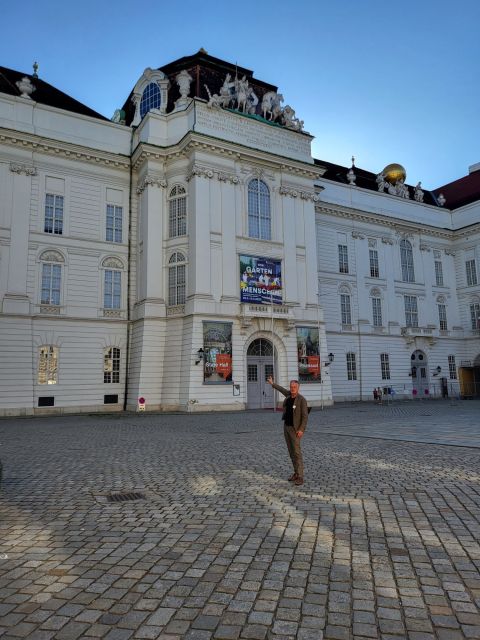
The tour frames Vienna as a place that grew in layers, not a place that simply got new buildings. You start at the area connected with a small Roman fort, and the guide uses that beginning to set up the big theme: Vienna changed shape over centuries, but it never lost the thread of being a power and a home.
As the story moves forward, you’ll hear how Vienna developed into one of Central Europe’s key metropolises in the 19th century. The best part is that you don’t just hear dates. You learn what to look for: how streets, civic spaces, and monumental buildings reflect the city’s role at different moments.
This kind of context is gold if you’re the type who hates looking at a sight with no clue what you’re actually seeing. By the end, you should be able to point at a building and say, in your own words, what era it belongs to and why it matters.
Schottenkirche, Freyung, and Am Hof: The Early Stops That Set the Mood
Your exact starting point can vary by option. If you book the route that meets at Freyung, the early stretch includes Schottenkirche, Freyung, and Am Hof.
These stops are useful because they put you into “old Vienna” quickly. You get the feeling of walking through a city center that has been in use for a very long time. The guide’s job is to help you notice what’s still there, even when later architecture reshaped the look.
A good way to think about this first segment: you’re training your eyes. You start noticing how squares and church-adjacent areas create natural gathering points. You start connecting the city’s layout to its history instead of treating it like a maze you’re just surviving.
If you’re hoping for a purely scenic stroll, this part still delivers. It’s more than views, though. It’s where the tour teaches you how to read Vienna.
Kohlmarkt and Michaelerplatz: When the Street Becomes the Timeline
After the earlier center, the route moves through Kohlmarkt and Michaelerplatz. This is the kind of Vienna segment that helps you understand how grandeur and everyday life overlap.
The tour uses these spots to connect you to the city’s evolution in a physical way. You see how important routes and open spaces form a spine through the center. Then you hear the story behind why those places were worth building up and maintaining.
This is also where the guide’s style matters. Christian Grausam is good at linking eras to what you’re looking at, rather than bouncing between facts like they’re independent trivia. That’s why the tour feels less like a lecture and more like you’re being shown a pattern.
For you, the practical win is orientation. After these stops, you’ll understand how the core sights relate to each other, so the later big monuments don’t feel random.

Hofburg and Heldenplatz: Why Vienna Became a Residential Power
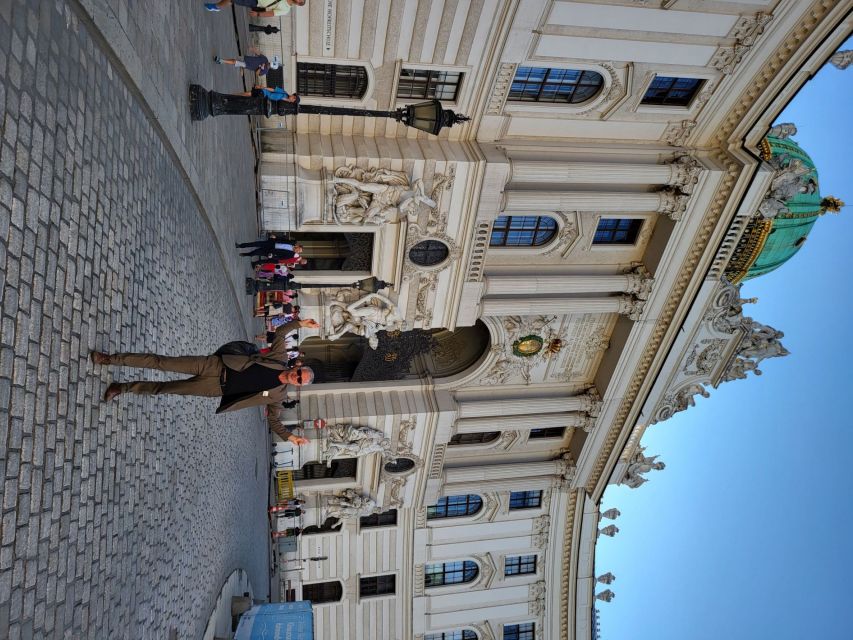
One highlight is the Vienna Hofburg, and the tour doesn’t treat it like just another palace complex. The emphasis is on importance: how Vienna became a residential city, tied to rulers and long-term power.
This is where the tour’s “understanding” goal really shows. You’re guided to think beyond the idea of a palace as a single building. Instead, you’re learning how the Hofburg functioned as part of a living center of authority.
The story thread includes major figures you’ll hear about often in Vienna: rulers from Charles V to Franz Josef and his Elisabeth. Rather than throwing names at you, the guide frames them as part of the city’s ongoing identity—who lived where, who governed from where, and why the center mattered.
Next comes Heldenplatz. Even without going too far into details not covered by the tour’s theme, the takeaway is clear: this is a stage-like civic space. You’re seeing how Vienna uses grand open areas to project importance.
If you love history but hate reading long captions, this is the sweet spot. The buildings give the facts a home.
Burggarten, Josefsplatz, and the Albertina Stop for Art and Music
From the grand power spaces, the walk shifts to Burggarten, Josefsplatz, and then Albertina.
This segment matters because it connects Vienna to its creative side—art and music as core parts of identity. The tour explicitly brings up the idea that Vienna has always been more than politics and palaces. Names like Mozart and Beethoven connect to the city, and the story also includes Josef Haydn, tied to a melody important for Germany today.
Here’s what I think makes this part work for you: it doesn’t treat music as a separate topic. It treats Vienna as a place where culture and power share the same streets. So when you stand in central spaces, you can understand why musicians and composers are linked to the city’s reputation.
The Albertina stop gives you a physical point in the route where the guide can connect the art side to what you see. Even if you don’t have time for museum entry during the tour, you leave with a clearer sense of why art matters here.
Capuchin Crypt and Franziskanerplatz: Memory in Plain Sight
The route continues with Capuchin Crypt and Franziskanerplatz.
This part of the walk is about contrast and memory. A crypt is not a typical “fun” sightseeing stop, but it fits the tour’s main theme: Vienna remembers. The guide’s job here is to help you place what you’re seeing in the larger story of rulers and long influence—especially the Habsburg-era thread the tour highlights through figures like Franz Josef and Elisabeth.
Then Franziskanerplatz brings you back to everyday city rhythm—open space, walking paths, and the sense that history exists where people still move and meet.
If you like tours that treat Vienna as a living city with layers, this stretch will click. If you only want cheerful monuments, you may feel a little shift in tone. That said, it’s part of what makes the overall story feel complete.
Domgasse to St. Stephen’s Cathedral: The City’s Emotional Center
The closing segment leads you through Domgasse to St. Stephen’s Cathedral, which the tour frames as the geographical and emotional center of Vienna.
This is a smart way to finish. You get the city’s “heart” right at the end after learning the larger timeline. When you stand near the cathedral now, you’re not just looking. You’re understanding how the city organizes itself around its symbolic center.
The emotional center part matters more than you might expect. After hearing about rulers, music, and the way Vienna became a residential power city, the cathedral stops being only architecture. It becomes an anchor point for how Vienna imagines itself.
If you’re the kind of person who likes to end a day with the most meaningful place rather than the most convenient, this order helps.
Price and Timing: Is $35 for Two Hours Good Value?
For about $35 per person and 2 hours, this tour is good value if you’re aiming for perspective rather than souvenirs. The key is that you’re paying for interpretation—history tied to what you see, plus pointers for what to do next.
The tour also includes a local certified tourist guide, and the route is built around central stops you can’t easily connect on your own without a plan. If you’ve spent time in European cities before, you know the common trap: you walk past major sights but only learn half of what they mean. This tour tries to prevent that.
You should factor in one cost beyond money: attention. It’s in German, so you’re paying with focus. If you understand German well, the $35 feels like a bargain. If you don’t, it may still be enjoyable, but you’ll likely rely on body language and visuals more than the spoken story.
Also: you’re walking. The best use of your time is to wear shoes that won’t hate you by minute 20.
Logistics That Affect Your Comfort (Without Making It a Fuss)
A few things to know so your experience stays smooth:
- Arrive 10 minutes early so you don’t feel rushed right when the story begins.
- The tour happens rain or shine, so bring a light rain layer.
- Luggage or large bags aren’t allowed, so travel light for this one.
- Mobility impairments: the tour is not suitable for this activity as stated.
These aren’t tiny details. They shape how relaxed you’ll feel. On a two-hour walk, discomfort compounds fast.
Who This Tour Suits Best
I’d point this tour at you if you want:
- a clear overview of major historical anchor points in central Vienna
- a guide who ties epochs to buildings instead of listing facts
- a way to connect Vienna to art and music names you already know
- a sensible first or mid-stay tour to help you plan what’s next
It’s less ideal if you need step-by-step accessibility accommodations. And if you only want English commentary, this one is tricky because the live guide is German.
Should You Book This Vienna Citytour?
If you’re in Vienna for a short time and you want your visit to make sense fast, I think this is a smart booking. The route focuses on the core story beats—Roman beginnings, the Hofburg as a residential power symbol, and St. Stephen’s Cathedral as the city’s center—while keeping the walk practical and story-driven.
Book it if you’re okay with German, and if you like learning while you walk. Skip it if you need full accessibility support or you expect long explanations in English.
If you do book, do yourself a favor: read your meeting point option carefully, arrive early, and bring shoes that can handle the pace. Then let Christian Grausam’s style do the heavy lifting—because the goal isn’t just seeing Vienna. It’s understanding why it feels the way it does.
FAQ
How long is the Vienna guided city tour?
The tour lasts 2 hours.
How much does the tour cost?
It costs $35 per person.
What language is the live tour guide?
The live tour guide provides the tour in German.
Where is the meeting point?
The meeting point may vary depending on the option booked.
Does the tour run if it rains?
Yes. The tour takes place rain or shine.
What time should I arrive at the meeting point?
Please arrive at the meeting point 10 minutes prior to the start of the tour.
Is luggage allowed during the tour?
No. Luggage or large bags are not allowed.
Is the tour suitable for people with mobility impairments?
No. It is not suitable for people with mobility impairments.
Let a Vienna Guide Lead
- Vienna Spanish Riding School Guided Tour
★ 4.7 · 6,765 reviews - Vienna: Guided Walking Tour of City Center Highlights
★ 4.7 · 4,989 reviews - Vienna: Vienna Central Cemetery Guided Walking Tour
★ 4.8 · 3,307 reviews - Vienna: Tickets for Mozarthaus Vienna with Audio Guide
★ 4.2 · 2,344 reviews - Day trips from Vienna: Hallstatt & Salzburg Guided Tour
★ 4.7 · 2,202 reviews
More Tour Reviews in Vienna
- Vienna: Vivaldi’s Four Seasons Concert in Karlskirche
★ 4.7 · 14,951 reviews - Vienna: Schönbrunn Palace & Gardens Skip-the-Line Tour
★ 4.7 · 7,739 reviews - Vienna: Light of Creation Votive Church Immersive Light Show
★ 4.8 · 6,779 reviews - Vienna Spanish Riding School Guided Tour
★ 4.7 · 6,765 reviews - Vienna: Classical Concert in the World-Famous Musikverein
★ 4.6 · 6,673 reviews
Just In: New Vienna Reviews



Guided, compared.
 ★ 4.7Vienna Spanish Riding School Guided TourFrom $286,765 reviews
 ★ 4.8Vienna Central Cemetery Guided Walking TourFrom $3353,307 reviews
 ★ 4.3Bus & Schönbrunn Palace Skip-the-Line Guided TourFrom $812,802 reviews
 ★ 4.2Tickets for Mozarthaus Vienna with Audio GuideFrom $182,344 reviews
 ★ 4.7Day trips from Vienna: Hallstatt & Salzburg Guided TourFrom $1242,202 reviews
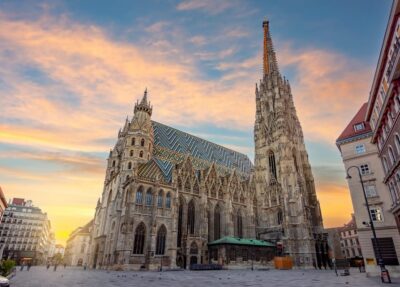 ★ 4.9Guided Walking Tour of City Highlights & Hidden GemsFrom $272,180 reviews
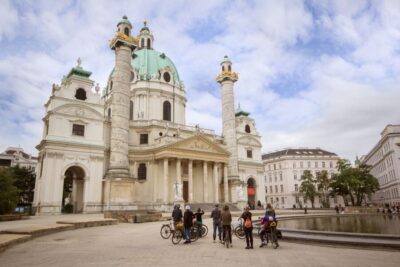 ★ 4.7Classic Vienna: 3-Hour Guided Bike TourFrom $572,146 reviews
 ★ 4.7Viennese Underworld Guided Walking TourFrom $371,865 reviews