Reviewed · WINE TAVERNS & HEURIGEN
Vienna: Wine Tasting Tour
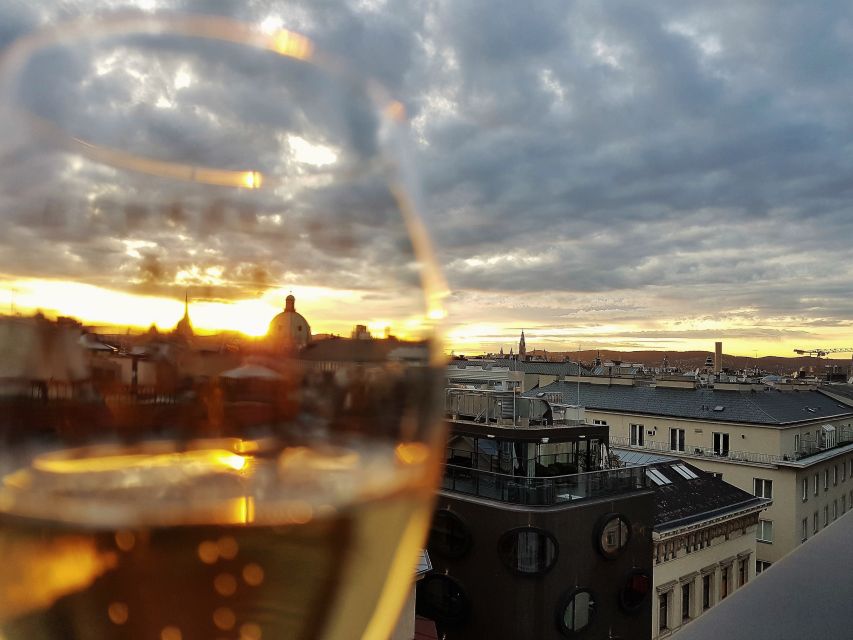
A great wine tour feels like good conversation, not a lecture. This one turns Vienna’s center into a paced evening of private cellar tastings and quick stories from a wine sommelier. I especially liked the five-glass lineup and the way food shows up at the right moments, so each pour makes sense right away.
The other big win is that you’re walking between different kinds of wine spaces—secret stops, classic cellar restaurants, and a local bar—so the evening never feels repetitive. One possible drawback: the whole tour is built around drinking wine (minimum age is 16), so if you want a non-alcohol-heavy night, this isn’t really your format.
In This Review
- Key Points You’ll Care About Before You Go
- Why This Vienna Wine Walk Works in 150 Minutes
- Lugeck 6 Start Point: Easy to Find and Easy to Settle In
- The First Cellar Stop: Your Vienna Starter and a Quick Wine Story
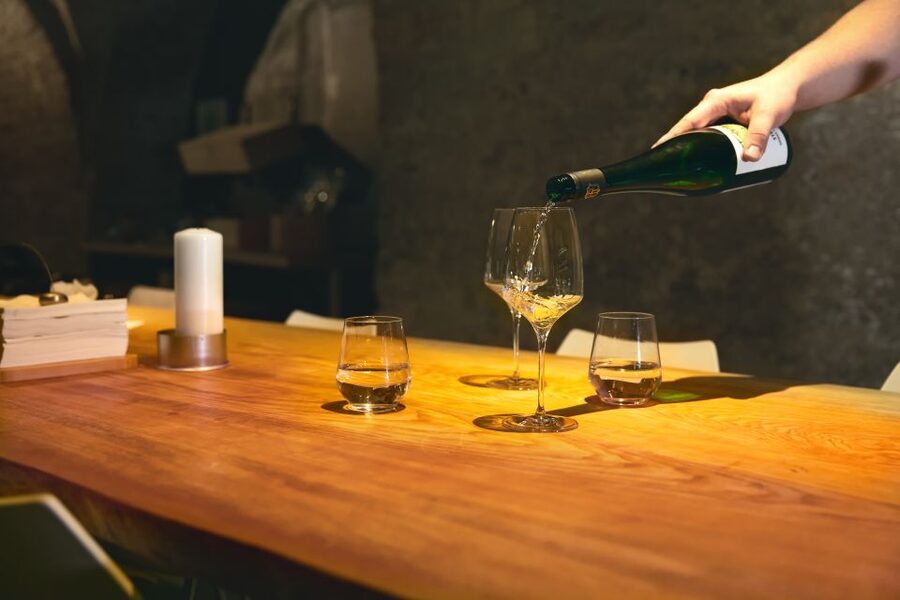
- Private Riesling in a Cellar Restaurant Setting
- The Wine Bar Stop: Ham Pairing Plus a More International Style
- Wachau Grüner Veltliner With Austrian Spreads (Then the Burgenland Finale)
- The Wines You’ll Taste (And How to Order Your Own Next Glass)
- Food Pairings That Make the Wine Easier to Understand
- Guide Style: Sommelier Energy Without the Stuffiness
- Price and Value: Is $159 Actually Fair?
- Who Should Book This Tour (And Who Might Skip It)
- Should You Book This Vienna Wine Tasting Tour?
- FAQ
- How long is the Vienna Wine Tasting Tour?
- How much does the tour cost?
- What’s included in the tasting?
- Where does the tour start and finish?
- What wines will I taste?
- Is there a minimum drinking age?
- What languages are offered for the guide?
- Can I cancel and get a full refund?
- Is there an option to reserve now and pay later?
- Is it suitable for people who are pregnant or use wheelchairs?
Key Points You’ll Care About Before You Go
- Five glasses total plus ham and typical Austrian spreads, so it’s more than just sampling
- Four tasting locations with short walks that keep the evening moving at a comfortable pace
- A guide-led format (English and German), and guides like Lukas have a knack for making it feel friendly
- Classic Austrian grapes on the menu, including Grüner Veltliner, Riesling, and a Burgenland red (often connected with Blaufränkisch)
- Food pairing is part of the plan, not an afterthought—ham, bread, and spread help you taste better
Still hungry? More Vienna plates to try
- Authentic Vienna Food Tour inc. lunch, street food, 3 drinks★ 5.0 · 749 reviews
- Vienna: Culinary Experience at Restaurant Stefanie★ 4.7 · 526 reviews
- Vienna: Culinary Horse-Drawn Carriage Experience★ 4.7 · 291 reviews
- Hungry in Vienna? A Food Lover’s Coffee & Market Walk★ 4.9 · 276 reviews
Why This Vienna Wine Walk Works in 150 Minutes
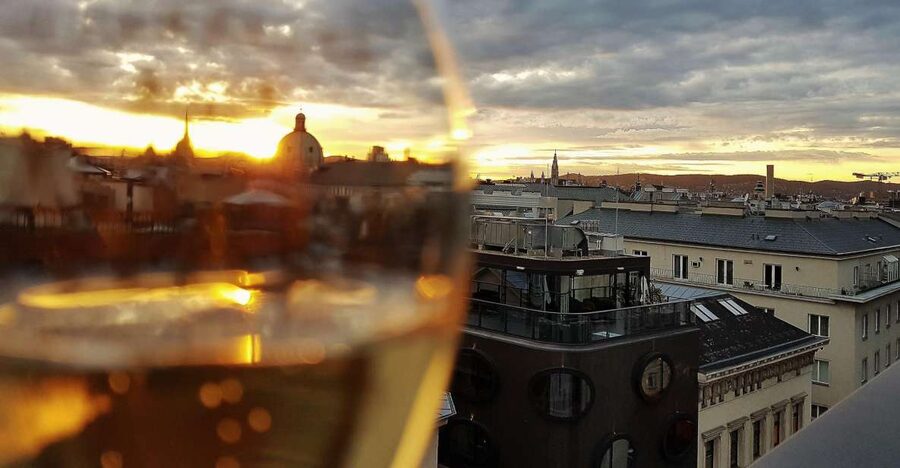
Vienna can be a lot: palaces, museums, coffee houses, long lines, and then another long day. This tour gives you a clean, timed reason to slow down and focus—tasting and learning in a 150-minute block. You get enough variety to understand Austrian wine styles, without feeling like you’re dragging your feet between stops.
At $159 per person, the value comes from what’s included: five wine glasses, ham, and typical spreads across four locations, guided by a wine lover and sommelier. In other words, you’re paying for access and context, not just the price of the drink.
The walking is short and practical, too. Between tastings you’ll cover only brief stretches (think about minutes, not miles), which helps if you’re also trying to see Vienna’s sights on other nights.
Lugeck 6 Start Point: Easy to Find and Easy to Settle In
You meet at Lugeck 6 (1010 Vienna), in front of the Johannes-Gutenberg-Monument. It’s a helpful choice because it’s in the city center, not out in some far-flung side street where you’d need an extra transit plan.
Once you begin, the tour settles into a rhythm: walk a short distance, taste for about 25 to 30 minutes, then move again. That structure is great if you like a plan but still want a relaxed evening.
One practical note: because you’re tasting multiple wines, you’ll want to keep your pace steady. Wear comfortable shoes, and don’t plan a hard museum sprint right before the tour.
The First Cellar Stop: Your Vienna Starter and a Quick Wine Story
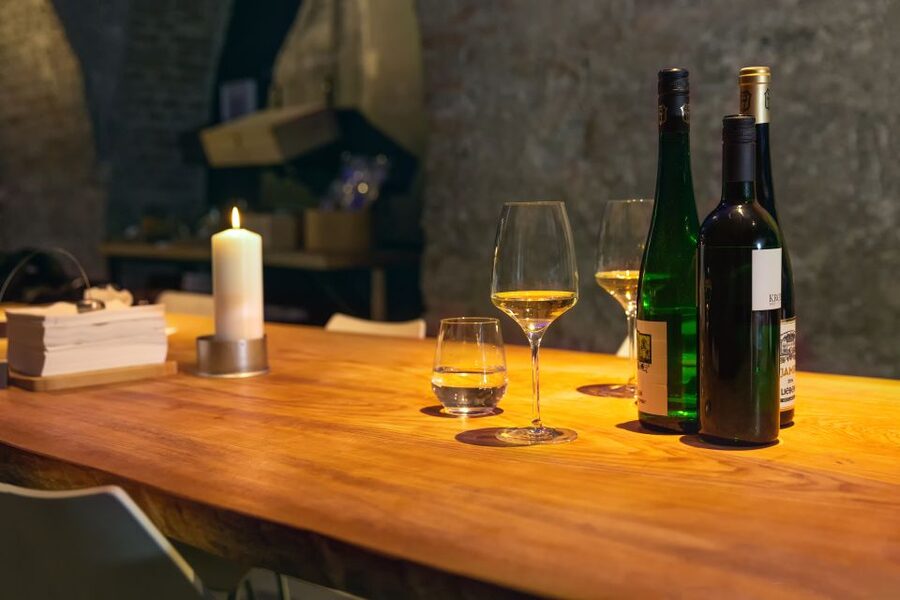
The first tasting stop is the one the tour calls a secret stop—so the vibe tends to feel more special than a standard tasting room. You’ll start the evening with a wine that’s described as iconic for Vienna, followed by history and context tied to local viticulture.
This early segment matters because it sets your tasting lens. Instead of just naming grapes, the guide frames what to notice—style, acidity, and how Austrian winemaking traditions shape flavor.
You’ll also get a feel for how the guide handles questions and group energy. In guides like Lukas’s style (seen in recent bookings), the pacing stays conversational, not stiff.
Private Riesling in a Cellar Restaurant Setting
Next comes a private wine cellar experience, where you taste an Austrian Riesling and talk about what makes it distinctive. Riesling in Austria can surprise people who only know the German version, because the balance and expression can feel different depending on the site and approach.
This stop is one of the most valuable parts of the evening for me because it turns tasting into recognition. You’re not just sipping; you’re learning what to look for—how Riesling’s crisp character works with food, and why “dry vs. off-dry” can be an important part of the story in Austria.
Cellar settings also add something practical: your tasting gets calmer. It’s easier to focus when the space feels intentionally built for wine, not just a counter with a line out the door.
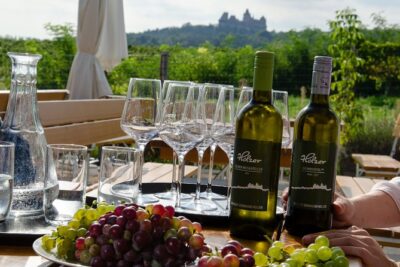
Up to the Heurigen for another glass

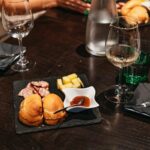
The Wine Bar Stop: Ham Pairing Plus a More International Style
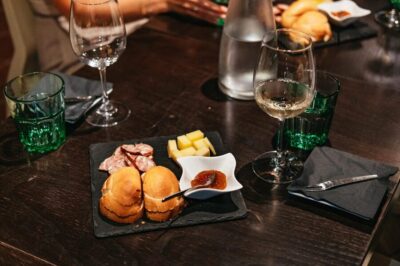
At the next stop, the tour shifts into a more casual local bar atmosphere. Here, you’ll do another tasting paired with Austrian ham, and the wine is described as another variety with an international angle.
Why this matters: ham is one of those foods that can either flatter wine or make it taste flat, depending on what you’re drinking. Pairing it mid-tour helps you understand structure—salinity, fat, and how they change your perception of the wine.
This is also where you’ll feel the pacing hit its stride. You’re not only learning about grapes; you’re learning what pairings do to those grapes in real time.
If you’re someone who gets overwhelmed by wine terms, this ham moment is a cheat code. You can taste the difference without needing a full vocabulary lesson.
Wachau Grüner Veltliner With Austrian Spreads (Then the Burgenland Finale)
The last stretch is built around the wines people often come to Austria to taste: Grüner Veltliner from the Wachau Valley, served with traditional Austrian spreads and bread. You’ll get a proper tasting feel here—more than a quick sip—because the food is part of the tasting logic.
Wachau Grüner Veltliner is a great choice because it’s expressive. It gives you a clear picture of the style—freshness, minerality notes, and that signature peppery lift many people associate with Grüner Veltliner.
Then the tour closes with a glass of Burgenland red wine, paired with discussion about the region’s character. The tour also highlights Blaufränkisch as part of the overall experience, and Blaufränkisch is strongly associated with Burgenland red wines—so this ending often lands right in that neighborhood.
Think of this stop as the “put it together” moment. You’ve already tasted whites and learned how Austrian flavors behave; now you end on a red that shifts your palate and your understanding of regions.
The Wines You’ll Taste (And How to Order Your Own Next Glass)
You’ll taste from Grüner Veltliner to Blaufränkisch, with the itinerary specifically calling out Riesling and a Burgenland red. The lineup is also described as including an additional wine paired with ham, plus the classic Austrian pours that anchor the evening.
Here’s how I’d use the tour’s variety to your advantage after you’re done. When you’re back in a wine shop or restaurant, you’ll be able to ask for what you actually noticed, not just what sounds fancy. If your favorite moment was the crispness of Riesling, you’ll know what to look for. If you liked the Grüner Veltliner with spreads, you’ll know how to pair it with your next meal.
If you’re a total beginner, don’t worry about getting every grape name perfect. The tour is designed to give you a clear sense of style, not a chemistry exam.
Food Pairings That Make the Wine Easier to Understand
Wine tasting often fails for a simple reason: people taste wine, then they wait too long for food. This tour avoids that problem by pairing wine with ham and typical Austrian spreads and bringing in bread at the right time.
Ham can handle bolder flavors than you might expect, but it also makes you pay attention to structure. Spreads and bread give you a neutral base, letting the wine’s freshness (especially in whites) show up clearly.
Practically, it also keeps the evening comfortable. Even if you don’t love wine, you’re still getting a real snack-and-pairing experience.
Guide Style: Sommelier Energy Without the Stuffiness
This tour is guided by an enthusiastic wine lover and sommelier, and recent experiences highlight a consistent pattern: the guide brings passion, but the tone stays friendly. Guides such as Lukas are described as personable, deeply informed about Austrian wine, and willing to adjust tastings based on the group.
That flexibility is a big deal on a wine tour. Different people react to wine differently—some want more grape detail, others want pairing tips or just a relaxed pace. A guide who can adapt makes the difference between a fun evening and a long one.
You’ll also get recommendations after the tour. Several recent bookings mention getting practical Vienna suggestions—restaurants, cafes, and shopping—so you can turn your wine night into a smarter overall trip.
Price and Value: Is $159 Actually Fair?
Let’s break down what you’re getting. For $159, you get:
- Five glasses of wine
- Four tasting locations
- Ham tasting and typical Austrian spreads
- A live guide in English or German
- About 150 minutes of guided city-time
If you’ve ever tried to do tastings on your own in Vienna, you know costs add up fast. Even when you find cheaper tastings, you often don’t get the guided pairing logic, and you don’t get access to the private cellar-style stops.
So yes, it’s not a low-cost activity. But the price feels tied to experience design: multiple venues, pairing, and an explanation of what you’re tasting—plus the convenience of having the route planned for you.
Who Should Book This Tour (And Who Might Skip It)
This is a great match if you:
- Like wine enough to want a structured tasting night
- Want to understand Austrian wine through grapes and regions, not just names
- Enjoy meeting people in a small, guided setting while walking around Vienna’s center
It’s also ideal if you’re early in your Vienna trip and want useful pointers—food spots, cafes, and where to go next.
Skip it (or reconsider) if:
- You’re under the minimum drinking age of 16
- You’re pregnant (the tour notes this as not suitable)
- You use a wheelchair or need full wheelchair suitability. The provided info says both wheelchair accessible and not suitable for wheelchair users, so you should confirm details directly before booking.
Should You Book This Vienna Wine Tasting Tour?
I’d book it if you want an evening that’s equal parts Austrian wine education and city atmosphere, with real food and a guide who keeps the tone relaxed. The variety—from Riesling to Grüner Veltliner to a Burgenland red—gives you enough range to figure out what you actually like.
But if your main goal is sightseeing only, this might feel too wine-focused. The best strategy is to pair it with lighter days: do big attractions in the afternoon, then let this be your calm, flavorful night.
FAQ
How long is the Vienna Wine Tasting Tour?
The tour lasts 150 minutes.
How much does the tour cost?
The price is $159 per person.
What’s included in the tasting?
You’ll have five glasses of wine across four different locations, plus ham tasting and typical Austrian spreads (and bread as part of the spreads stop).
Where does the tour start and finish?
You meet at Lugeck 6, 1010 Vienna, in front of the Johannes-Gutenberg-Monument, and the tour finishes at Schottengasse 3.
What wines will I taste?
The tour includes Austrian wine varieties such as Riesling and Grüner Veltliner from the Wachau Valley, plus a Burgenland red. The experience also highlights tasting from Grüner Veltliner to Blaufränkisch, and there is another variety paired with Austrian ham.
Is there a minimum drinking age?
Yes. The minimum drinking age is 16.
What languages are offered for the guide?
The tour guide speaks English and German.
Can I cancel and get a full refund?
Yes. You can cancel up to 24 hours in advance for a full refund.
Is there an option to reserve now and pay later?
Yes. The tour offers a reserve now & pay later option.
Is it suitable for people who are pregnant or use wheelchairs?
The tour notes it is not suitable for pregnant women. For wheelchair users, the information provided includes both wheelchair accessible and not suitable for wheelchair users, so it’s important to confirm suitability directly before booking.
More Tour Reviews in Vienna
- Vienna: Vivaldi’s Four Seasons Concert in Karlskirche
★ 4.7 · 14,951 reviews - Vienna: Schönbrunn Palace & Gardens Skip-the-Line Tour
★ 4.7 · 7,739 reviews - Vienna: Light of Creation Votive Church Immersive Light Show
★ 4.8 · 6,779 reviews - Vienna Spanish Riding School Guided Tour
★ 4.7 · 6,765 reviews - Vienna: Classical Concert in the World-Famous Musikverein
★ 4.6 · 6,673 reviews
Up to the Heurigen
- Wachau Valley Wine Tasting Bike Tour from Vienna
★ 5.0 · 829 reviews - Countryside Half Day Wine Tour near Vienna
★ 5.0 · 545 reviews - Wachau Valley Small-Group Tour and Wine Tasting from Vienna
★ 5.0 · 540 reviews - From Vienna: Half-day Countryside Wine Tour with Meal
★ 4.7 · 526 reviews - Vienna: Wine Tasting Experience in a Private Wine Cellar
★ 4.8 · 413 reviews
Eat Vienna: More Food Walks
- Vienna for Food Lovers: Cafés, Markets & Austrian Cuisine
★ 5.0 · 1,063 reviews - Authentic Vienna Food Tour inc. lunch, street food, 3 drinks
★ 5.0 · 749 reviews - Vienna: Culinary Experience at Restaurant Stefanie
★ 4.7 · 526 reviews - Vienna: Culinary Horse-Drawn Carriage Experience
★ 4.7 · 291 reviews - Hungry in Vienna? A Food Lover’s Coffee & Market Walk
★ 4.9 · 276 reviews
Just In: New Vienna Reviews



Wine Taverns & Heurigen, compared.
 ★ 5.0Wachau Valley Wine Tasting Bike Tour from ViennaFrom $163829 reviews
 ★ 5.0Countryside Half Day Wine Tour near ViennaFrom $145545 reviews
 ★ 5.0Wachau Valley Small-Group Tour and Wine Tasting from ViennaFrom $230540 reviews
 ★ 4.7From Vienna: Half-day Countryside Wine Tour with MealFrom $141526 reviews
 ★ 4.8Wine Tasting Experience in a Private Wine CellarFrom $22413 reviews
 ★ 4.8From Vienna: Wachau Valley Day Tour with Wine TastingFrom $234399 reviews
 ★ 4.2Heurigen Cruise with Viennese Songs and BuffetFrom $74320 reviews
 ★ 4.8Schlumberger Wine Cellar Guided or Self-Guided TourFrom $15285 reviews
Browse the lists this tour appears in