
Reviewed · TOURS
Alternative Tour in Vienna Off the tourist track
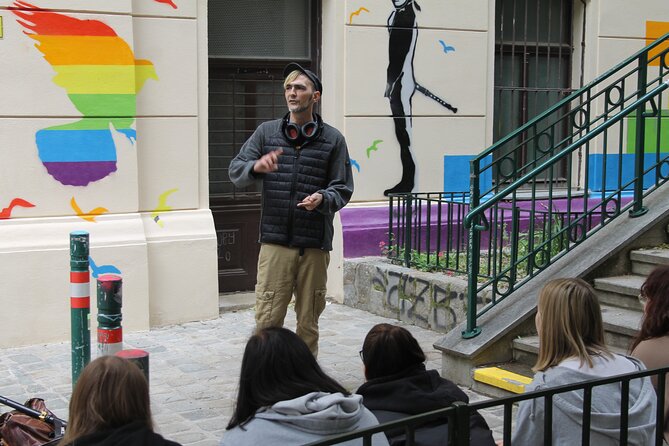
Street-level Vienna has a lesson in every corner. This off the beaten path tour focuses on homelessness, addiction, and squatting through the life of Martin, who lived it himself. You’ll walk past recognizable places like Karlsplatz and the Secession, then step into quieter spots where the stories actually land.
I especially love how personal and human the storytelling is, not preachy. Two moments stick with me: Martin’s explanation of why Alfred-Grünwald-Park became his sleeping place, and his on-the-ground insights about punk and squats during the stop at Ilse-Pisk-Stiege and the Capistr Ascent stairs.
A key consideration: this tour deals with heavy real-world topics. If you want only scenic sightseeing and light banter, the emotional content may feel like too much, especially with the tight passages and stair stop.
In This Review
- Key things that make this Vienna tour worth your time
- Street Vienna starts at Karlsplatz, not the Ring
- Meeting at the Police Inspectorate and the Karlsplatz to Secession walk
- Stop 1 in Alfred-Grünwald-Park: why Martin chose it, and why you shouldn’t
- Stop 2 at Ilse-Pisk-Stiege: squats, punks, and the Anarchia evacuation
- What you actually learn about homelessness and squats (beyond stereotypes)
- The route ends near Haus des Meeres: a sensible finish point
- Price, group size, and why $46 can make sense here
- Who should book this Vienna Neverland style tour—and who shouldn’t
- A practical way to enjoy it without getting overwhelmed
- Should you book Wiener Nimmerland’s Off the Tourist Track tour?
- FAQ
- How long is the tour?
- What does the tour cost?
- Where do I meet and where does the tour end?
- What’s the group size limit?
- Are tickets free at the stops?
- Is a mobile ticket used?
- Can I cancel for a full refund?
- Are service animals or dogs allowed?
Key things that make this Vienna tour worth your time
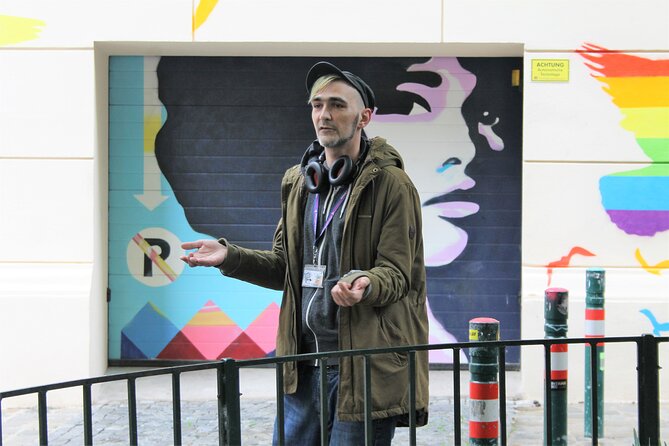
- Martin’s firsthand perspective on street life, addiction, and how squats function in Vienna
- Karlsplatz to Secession routing that keeps you moving while you get context fast
- Alfred-Grünwald-Park stop explained as a real “what not to do” sleeping lesson
- Ilse-Pisk-Stiege + Capistr Ascent stairs for a strong, story-driven break
- The Anarchia pizzeria evacuation story with vivid numbers and local anarchist history
- Small group size (max 20) so you can listen closely and ask questions
Still weighing this one? Line it up against a few Vienna favourites first.
- Vienna: Vivaldi’s Four Seasons Concert in Karlskirche★ 4.7 · 14,951 reviews
- Vienna: Schönbrunn Palace & Gardens Skip-the-Line Tour★ 4.7 · 7,739 reviews
- Vienna: Light of Creation Votive Church Immersive Light Show★ 4.8 · 6,779 reviews
- Vienna Spanish Riding School Guided Tour★ 4.7 · 6,765 reviews
Street Vienna starts at Karlsplatz, not the Ring
This tour is built for people who feel a little bored by the usual Vienna circuit. You still get central landmarks—starting near the Police Inspectorate Vienna – Kärntnertorpassage at Karlsplatz—but the route quickly shifts into a different way of seeing the city.
You’ll spend about two hours with Martin. It’s not one of those long walking marathons where you tune out by minute 40. The pacing is set around a couple of short stops where you can sit, stand, or catch your breath—then move on with a new piece of context.
And yes, you’ll hear real stories, including homelessness and drug addiction. The point isn’t shock value. It’s understanding, tolerance, and how quickly life can change.
Meeting at the Police Inspectorate and the Karlsplatz to Secession walk
Your start point is Kärntnertorpassage, 1010 Wien, right by Karlsplatz. The route uses the subway passage at Karlsplatz, then you exit near the Secession. Along the way, you pass the Secession building on your way to the next station.
Why this opening works: Karlsplatz is visually “central Vienna,” but the passage and exit make it feel lived-in and practical. You’re not dropped into a lecture hall. You’re learning while moving through the kind of spaces people actually use every day.
Also, if you’re the type who likes efficient logistics, this is friendly. It’s close to public transportation, and the start point is easy to locate once you’re near Karlsplatz.
Stop 1 in Alfred-Grünwald-Park: why Martin chose it, and why you shouldn’t
The first real stop is at Alfred-Grünwald-Park (the tour’s 3rd station). Here, the park offers comfortable seating for everyone in the group, which matters. In a tour like this, sitting helps you absorb the heavier parts without your feet or posture fighting you.
Martin talks about why this park became his sleeping place. The most useful part isn’t just the story—it’s the advice that comes with it. He explains why it’s not advisable to sleep on the meadow, framing it as a real-world safety and practical lesson rather than a moral lecture.
That distinction is what makes the stop feel grounding. You’re not being asked to “judge less.” You’re being shown how people end up making desperate choices—and how those choices can bring consequences. Even if you don’t agree with every decision someone makes, the logic becomes clearer.
Tip for you: bring your listening ears. This stop is around 20 minutes, and it’s the kind where it’s easy to miss details if you’re multitasking with your phone.
Stop 2 at Ilse-Pisk-Stiege: squats, punks, and the Anarchia evacuation
The tour’s next key station is Ilse-Pisk-Stiege (the 4th station, also described as the penultimate stop). The break happens on the stairs of the Capistr Ascent—a “last breather” spot where Martin gives more of the local context.
This is where the tour moves from personal survival into the wider ecosystem around it: squats, punk scenes, and how communities form in spaces that don’t fit mainstream categories. Martin shares insights into that world, and the story includes anarchist history in Vienna that many visitors never hear.
One of the standout details is the evacuation of the pizzeria Anarchia. The story includes numbers that make the event feel suddenly real: a house occupied by 19 people was evacuated by 1,700 police officers.
That contrast is the point. You come away seeing how authorities respond to squatting and how quickly “alternative” spaces can become sites of intense pressure. It’s not just history. It’s a reminder that policy, enforcement, and public attitudes shape what options people have.
Practical note: there are stairs here. If you’re traveling with mobility limits, you’ll want comfortable shoes and the willingness to pause and step carefully. The tour says most people can participate, but you’ll still be using stair access as part of the experience.

What you actually learn about homelessness and squats (beyond stereotypes)
This isn’t a tour about famous palaces. It’s a tour about how a city works when parts of it are pushed out of sight. Martin’s background matters because he’s not speaking as an outsider analyzing poverty from a distance.
You’ll hear about homelessness and addiction in a way that feels grounded in lived experience. The goal is to challenge easy assumptions—how people end up on the street, how systems respond, and why labeling someone as “other” helps nobody.
Martin also brings in the punk and squatter angle, which adds a layer most classic tours skip. You learn that squats aren’t only about disruption. They’re also about space, survival networks, and identity for some people in some moments. And yes, it can also connect to humor and local culture, not just grim facts.
What I like most here is the balance. The stories don’t try to turn you into a charity poster. They aim for something harder: seeing people as people, understanding tradeoffs, and thinking longer than a passing headline.
The route ends near Haus des Meeres: a sensible finish point
The tour ends at Esterhazypark G, right next to the Haus des Meeres (the aquarium building area). This is a smart end location because it’s still central enough to keep your day easy.
From there, you can continue exploring without feeling stranded across town. It also works well if you’re pairing your tour with another stop nearby, like a museum or a casual meal.
And because the tour is about two hours, you’re not sacrificing your whole afternoon to learn a different side of Vienna.
Price, group size, and why $46 can make sense here
The price is listed at $46 for a tour of about two hours. That might sound like a lot until you think about what you’re paying for: not just walking from point A to B, but a guided account rooted in real life, plus local context that you won’t easily find on your own.
This is also a small group tour, with a maximum of 20 travelers. Smaller groups matter more on emotionally heavy tours. You’re more likely to hear every detail, and the dynamic stays closer to a conversation than a lecture.
You’ll also use a mobile ticket, and group discounts may apply. If you’re traveling with friends or family, check whether multiple bookings create a better per-person rate.
For value: you’re getting central logistics (close to public transport) plus two story stops with built-in breaks. It’s not a “pay for transportation” kind of price. It’s mostly paying for the perspective and the structure.
Who should book this Vienna Neverland style tour—and who shouldn’t
If you like your Vienna human-scale, book it. This tour is a good fit for adults and teens. It’s also a strong option for school groups and students because it’s memorable and discussion-friendly.
You’ll get the most from it if you’re curious and calm. Ask questions if you want, but keep in mind the subject matter is real and personal. Martin’s approach is open, and the humor shows up when it fits, not to erase the seriousness.
Who might skip it? If you’re seeking only light entertainment or you get uncomfortable with topics like homelessness and addiction, this tour could feel too heavy.
Good to know for comfort: the tour notes that service animals are allowed and dogs are allowed. It also says near public transportation and that most travelers can participate. Still, remember there’s a subway passage and stairs at the Capistr Ascent stop.
A practical way to enjoy it without getting overwhelmed
I’d treat this like a museum visit where the exhibit talks back. Give yourself permission to feel. At the same time, keep yourself anchored in the present: listen closely during the 20-minute stops, then reset during walking segments.
A simple strategy: decide ahead of time what you want to take away. For example:
- how Vienna’s enforcement and public attitudes shape street life
- how squats fit into the local story of identity and survival
- how one person’s choices and circumstances can change over time
That focus keeps the tour from feeling like random tragedy. It becomes structured understanding.
And bring practical stuff you’ll wish you had later: water if it’s warm, and shoes that handle stairs.
Should you book Wiener Nimmerland’s Off the Tourist Track tour?
If you’re in Vienna for the big sights, this won’t replace that. But if you want the city with context—the Vienna that lives alongside the postcard version—this tour is one of the best ways to get it quickly.
I’d book it if you:
- want a short, focused experience (about two hours)
- prefer a guide with firsthand experience rather than secondhand opinions
- are okay with serious topics and want a thoughtful, human perspective
I would not book it if you’re trying to keep your day strictly light and pretty. This is honest storytelling, not background entertainment.
If your goal is to see Vienna like a local who notices what most people walk past, then Wiener Nimmerland and Martin’s route from Karlsplatz to Esterhazypark is exactly your kind of detour.
FAQ
How long is the tour?
It’s listed as approximately 2 hours.
What does the tour cost?
The price is $46.
Where do I meet and where does the tour end?
You meet at Police Inspectorate Vienna – Kärntnertorpassage (Karlsplatz), and the tour ends at Esterhazypark G next to Haus des Meeres.
What’s the group size limit?
The tour has a maximum of 20 travelers.
Are tickets free at the stops?
The tour notes free admission tickets at the park stops.
Is a mobile ticket used?
Yes, it uses a mobile ticket, and you should receive confirmation at the time of booking.
Can I cancel for a full refund?
Yes. Free cancellation is available if you cancel up to 24 hours in advance.
Are service animals or dogs allowed?
Service animals are allowed, and dogs are allowed as well.
If you tell me your travel dates and whether you’ll be with teens or mobility limits, I can help you decide if the pace and stair stop will feel comfortable for your group.
More Tours in Vienna
- Vienna: Schönbrunn Palace & Gardens Skip-the-Line Tour
★ 4.7 · 7,739 reviews - Vienna Spanish Riding School Guided Tour
★ 4.7 · 6,765 reviews - Vienna: Skip-the-Line Sisi Museum, Hofburg and Gardens Tour
★ 4.8 · 5,918 reviews - Vienna: Skip-the-Line Schönbrunn Palace & Gardens Tour
★ 4.8 · 5,411 reviews - Vienna: Guided Walking Tour of City Center Highlights
★ 4.7 · 4,989 reviews
More Tour Reviews in Vienna
- Vienna: Vivaldi’s Four Seasons Concert in Karlskirche
★ 4.7 · 14,951 reviews - Vienna: Schönbrunn Palace & Gardens Skip-the-Line Tour
★ 4.7 · 7,739 reviews - Vienna: Light of Creation Votive Church Immersive Light Show
★ 4.8 · 6,779 reviews - Vienna Spanish Riding School Guided Tour
★ 4.7 · 6,765 reviews - Vienna: Classical Concert in the World-Famous Musikverein
★ 4.6 · 6,673 reviews
Just In: New Vienna Reviews




Tours, compared.
 ★ 4.7Schönbrunn Palace & Gardens Skip-the-Line TourFrom $637,739 reviews
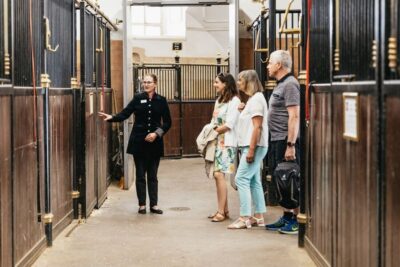 ★ 4.7Vienna Spanish Riding School Guided TourFrom $286,765 reviews
 ★ 4.8Skip-the-Line Schönbrunn Palace & Gardens TourFrom $765,411 reviews
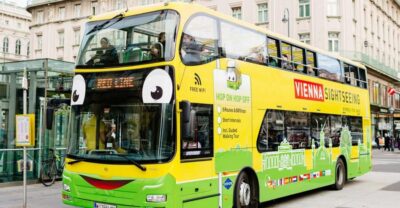 ★ 4.2Hop-On Hop-Off Sightseeing Bus Tour in 19 LanguagesFrom $414,518 reviews
 ★ 4.6Time Travel and Magic Vienna History TourFrom $273,879 reviews
 ★ 4.4Big Bus Hop-On, Hop-Off Tour by Open-Top BusFrom $363,529 reviews
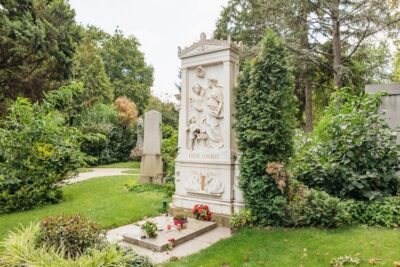 ★ 4.8Vienna Central Cemetery Guided Walking TourFrom $3353,307 reviews
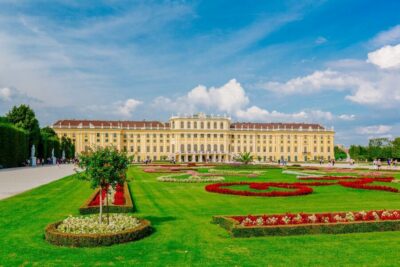 ★ 4.3Bus & Schönbrunn Palace Skip-the-Line Guided TourFrom $812,802 reviews