
Reviewed · TOURS
Fall in Love with Vienna in 4h: Hidden Gems- Group Tour
Vienna, but with your feet on fast-forward. This 4-hour group walk threads together Mozart spots, old-world lanes, baroque churches, major memorials, and ends at the State Opera, so you leave with a clean mental map instead of random photos. Guides like Nicoleta are known for making the stories easy to follow, and the tour’s pace keeps moving without feeling like a sprint.
I love the coffee-house break built into the route (30 minutes, with coffee and apple strudel), because it stops the cold-sweat question of when you’ll finally get a sit-down. I also like how the itinerary mixes famous names—like Stephansdom—with quick hits at quieter corners such as Freyung Passage and small churches that give you a different angle on the city. One drawback: this is a stop-and-go orientation walk, so if you want long time inside any single landmark, plan a follow-up visit.
In This Review
- Key highlights I’d build my plans around
- Pacing, group size, and the coffee-house reset
- Mozarthaus and the Figaro connection: starting with Mozart on purpose
- Early stops in the historic center: Blood Alley to a Mozart performance setting
- A quick sprint through passages and baroque churches
- Older than the map: Ruprechtskirche, Ankeruhr, and walking time itself
- Judenplatz and Am Hof: where the walk turns reflective
- Freyung Passage, Minoritenkirche, and Volksgarten: Vienna’s small theater stops
- Justizpalast to MuseumsQuartier: architecture and culture in the same corridor
- Hofburg and Burggarten: Habsburg power and a Mozart statue moment
- Ending at the Wiener Staatsoper: finishing where the city performs
- Price and value: why $84.29 can make sense here
- The best match for your travel style
- Should you book this Vienna 4-hour walk?
- FAQ
- How long is the Fall in Love with Vienna in 4h tour?
- What’s the starting point and ending point?
- What time does the tour start?
- Is the tour offered in English?
- What’s included in the price?
- Are museum entrance fees included?
- Is there a coffee break during the tour?
- How big is the group?
- Does the tour run in any weather?
- Is it easy to cancel if plans change?
Key highlights I’d build my plans around
- Mozart to Staatsoper in one logical loop: you start at Mozarthaus and finish at Vienna’s opera house.
- 30 minutes for coffee and apple strudel: a built-in break that makes the walking tour feel human.
- A tightly timed sequence of memorable neighborhoods: medieval passages, baroque churches, and Habsburg-era power sights.
- Meaningful stops, not just pretty ones: like the Judenplatz Holocaust Memorial and Jewish square.
- Free entry for the listed sights: most stops are set up so you can enjoy them without paying for ticketed museum time.
- Small-group conversations: the format is designed for questions and engagement, not a silent line.
Still weighing this one? Line it up against a few Vienna favourites first.
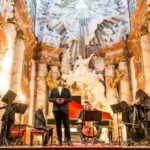
- Vienna: Vivaldi’s Four Seasons Concert in Karlskirche★ 4.7 · 14,951 reviews
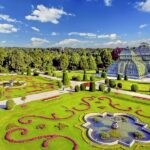
- Vienna: Schönbrunn Palace & Gardens Skip-the-Line Tour★ 4.7 · 7,739 reviews
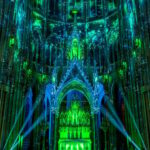
- Vienna: Light of Creation Votive Church Immersive Light Show★ 4.8 · 6,779 reviews
- Vienna Spanish Riding School Guided Tour★ 4.7 · 6,765 reviews
Pacing, group size, and the coffee-house reset
This is a 4-hour walking tour through Vienna’s historical center, designed to help you get your bearings fast. You meet at Mozarthaus (Mozart’s apartment building) and the route winds across the core before it drops you at the Vienna State Opera. Start time is 1:00 pm, so it works nicely when you don’t want to burn your whole day on logistics.
The group is kept small for conversation. The tour info notes up to 15 travelers (and also describes groups of 4 up to 18 people), so either way, you’re not stuck with a big herd. In the feedback, people praised how easy it was to talk with others and ask questions—partly because the guide keeps stopping often enough for explanations to land.
Here’s the practical win: there’s a 30-minute break in a traditional Viennese coffee house. Coffee and apple strudel are part of that break. That matters more than it sounds. Vienna walking can turn slow when everyone’s tired or chilly. This stop gives you a reset button halfway through, so you can re-focus for the later stretch of churches, memorial spaces, and palaces.
One more detail that helps: you get a Vienna City Map plus a printed information package with suggestions for places beyond the city center. That means you can use the tour as your launchpad, then go explore on your own with fewer guesswork moments.
Mozarthaus and the Figaro connection: starting with Mozart on purpose
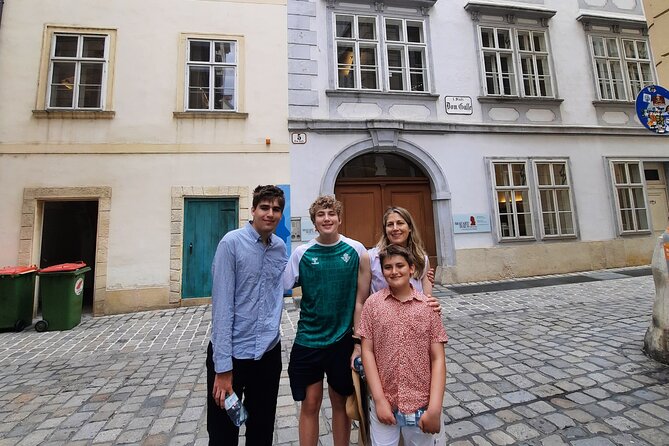
The tour starts at Mozarthaus Vienna at Domgasse 5. This is Mozart’s house and apartment, and it’s also called the Figaro house. Even if you’re not a deep classical-music person, starting here gives you an anchor: the guide can connect Vienna’s streets to its creative identity right away.
What I like about this kind of opener is how it sets up the logic of the day. Instead of bouncing from landmark to landmark with no theme, you get a clear thread: Vienna isn’t only architecture. It’s also composers, performance spaces, and stories attached to real buildings.
From a practical angle, it also puts you in the right physical area for the rest of the walk. You’re already in the center, with lots of short segments ahead. That’s ideal for a 4-hour tour, where long transit time would be a waste.
Early stops in the historic center: Blood Alley to a Mozart performance setting
After Mozarthaus, the route moves to Blutgassenviertel (Blood Alley Quarter). The description calls out old traditional Czech-style houses. This is the kind of stop that helps you recognize Vienna’s textures. You start noticing how the city isn’t just grand facades; it’s also narrow lanes, older building styles, and street corners that feel like they’ve been waiting centuries for visitors.
Next is Sala Terrena im Deutschordenshaus, described as one of the first concert houses in Vienna where Mozart performed. That’s a big deal because it ties back to the morning anchor. You’re not only seeing a Mozart house—you’re learning where performance culture lived in the city.
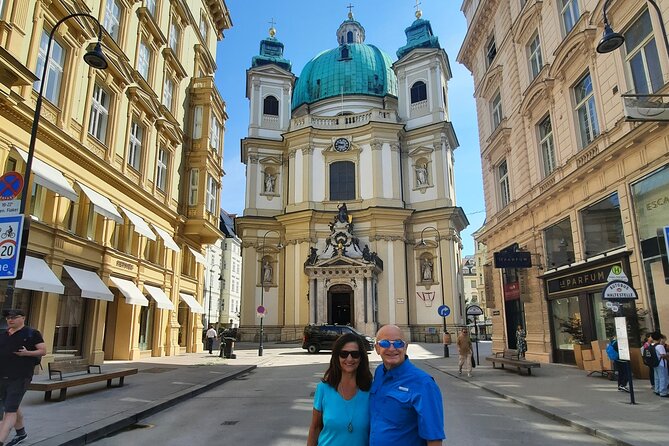
Then the tour swings to Stephansdom, the cathedral of Saint Stephen. This is the landmark everyone knows, but the value here is timing and framing. In a guided format, Stephansdom becomes more than a sight you pose in front of. It becomes the “main character” the guide uses to orient you for what comes next: medieval lanes, baroque churches, and later Habsburg power.
A quick sprint through passages and baroque churches
After Stephansdom, you’ll walk into a stretch that’s all about Vienna’s in-between spaces—the kind of areas you’d miss if you only followed big-name attractions.
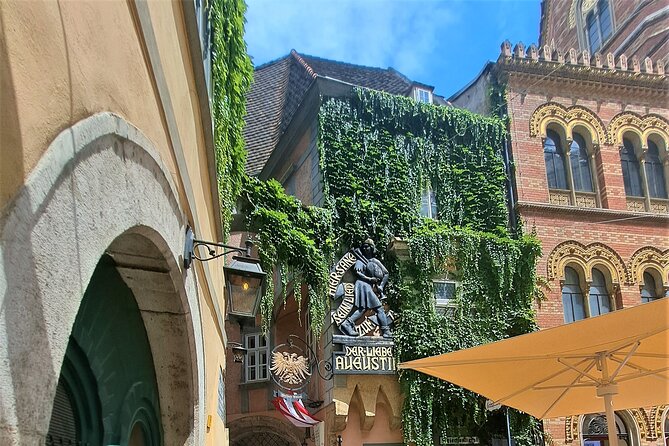
One stop is Figlmüller at Wollzeile, described as the most historical schnitzel restaurant of Vienna, in a wonderful passage. Even if you don’t eat during the tour (you might save your appetite for later), it’s a great cultural contrast point. You’re learning the city’s everyday tradition alongside its grand architecture.
Then you hit the Church of the Jesuits, described as one of Vienna’s most impressive baroque churches. This is a good example of how a short stop can still feel meaningful. You only spend about five minutes here, but a good guide can use those minutes to point out the baroque vibe through the church’s role in the city’s story.
The itinerary keeps moving to Heiligenkreuzerhof Market. This stop is tied to a dramatic story: the suicide of the son of the last emperor and its relation to the abbey of the Holy Cross. If you like history that has emotion, not just dates, this is one of the stops that can stick.
Next up: Griechenkirche zur heiligen Dreifaltigkeit. It’s described as the medieval part of the city with old pedestrian streets, passages, and lots of tales. In other words, it’s the part of the day that makes you slow down for a minute, because the streets feel older than the plans you made today.

Older than the map: Ruprechtskirche, Ankeruhr, and walking time itself
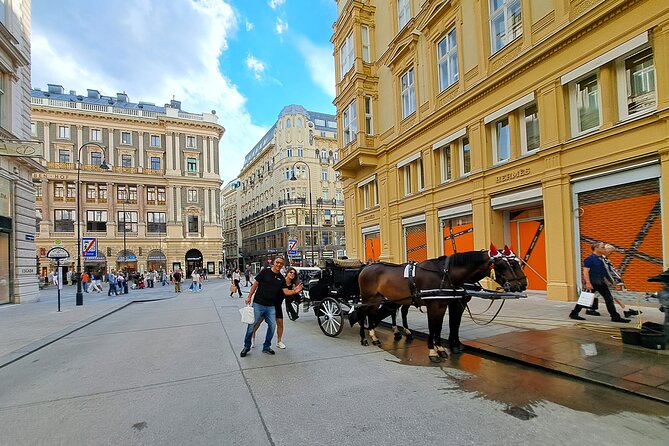
The tour continues to St. Rupert’s Church (Ruprechtskirche), noted as the oldest church of Vienna. That’s a powerful label for a quick stop. It helps you understand that Vienna’s “famous center” has deep roots, not just ornamental vibes.
Then comes Ankeruhr Clock, described as one of the most beautiful clocks of the city. A clock sounds trivial until you realize Vienna is full of objects that function like time capsules. A guided stop here is a reminder to pay attention to details you might otherwise treat as background.
After that, the route reaches Hoher Markt, where you can see the Roman museum and history of Vienna. Even if you don’t go into museum spaces during this tour, the stop points you toward the fact that the city’s story isn’t only medieval and Habsburg-era. You’re standing at a spot associated with Roman-era history, and the guide uses it to widen your perspective.
Judenplatz and Am Hof: where the walk turns reflective
Not every stop is about aesthetics. Judenplatz Holocaust Memorial is described as the Jewish square and the impact of World War II on the Jewish community of Vienna. In a short tour, you need someone to frame these spaces with care, and the value here is that the itinerary doesn’t skip hard parts of the story.
This stop also changes the tone of the walk. After seeing clocks, passages, and churches, you suddenly slow down for meaning. Even if your time here is brief, it helps you remember that “a beautiful city” also has responsibility attached to it.
Then you move to Am Hof, described as one of the oldest parts of the city. That return to age and continuity helps the day feel complete. You’re not only absorbing a tragedy; you’re also learning how the city’s layers overlap—where old neighborhood identity sits beside modern remembrance.
Freyung Passage, Minoritenkirche, and Volksgarten: Vienna’s small theater stops
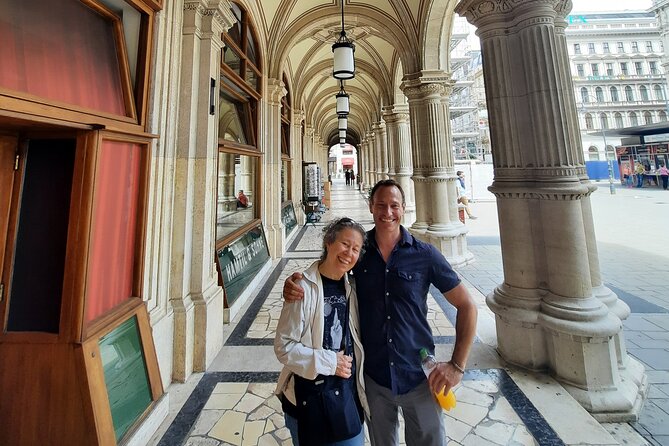
Two of the most enjoyable “wander” moments in the itinerary are passage-based.
Freyung Passage is described as wonderful, with buildings that enhance the experience. Passages are often where Vienna feels most human—like the city is trading big monuments for small discoveries.
Then there’s Minoritenkirche, noted for having a copy of Leonardo da Vinci’s Last Supper. That’s a fascinating quick-stop for anyone who likes art crossovers. Even though it’s not a full museum visit, it gives you a concrete reason to look at the church space through an art-history lens.
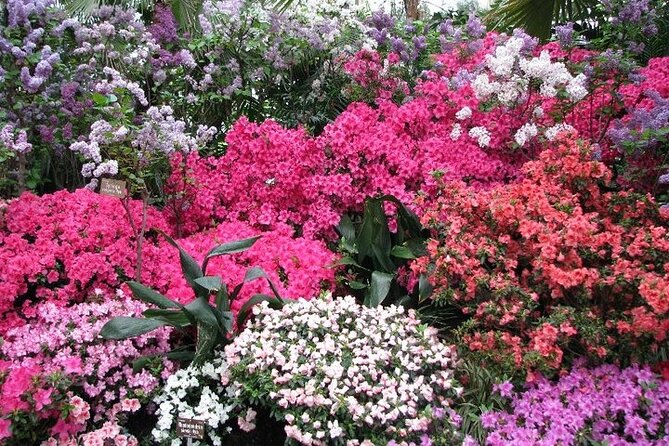
From there, the tour goes to Volksgarten, described as the garden of thousands of roses. This is a breather stop in the best sense. When you’ve spent hours on streets and buildings, a garden stop makes the walk feel less like work and more like a day in motion.
Justizpalast to MuseumsQuartier: architecture and culture in the same corridor
Next is Justizpalast, called one of the most impressive buildings in Vienna. Even with short time, this kind of stop works because it gives you a “big frame” view. You can’t ignore the scale of a major civic building, and your guide can tie it into how Vienna organizes power and public life.
Then you reach MuseumsQuartier Wien, described as an inner yard with several interesting museums. This isn’t the day for deep museum-ticket marathons, but it helps you spot the area if you want to plan a longer cultural visit later.
The key for you: this tour gives you the cultural map. It doesn’t try to replace it with ticketed museum hours.
Hofburg and Burggarten: Habsburg power and a Mozart statue moment
A highlight sequence for many people is the pivot from general historic streets into Habsburg-era symbolism.
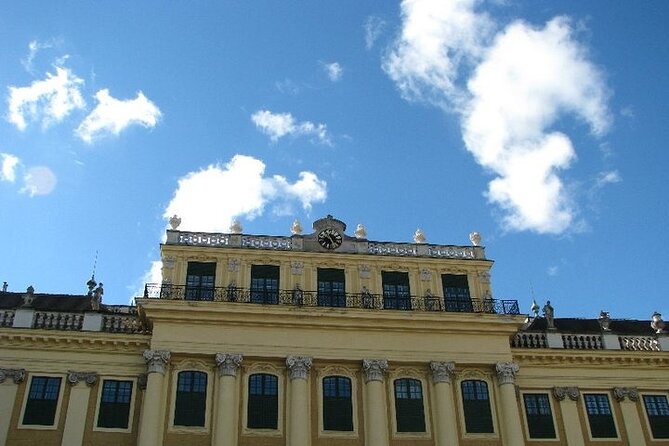
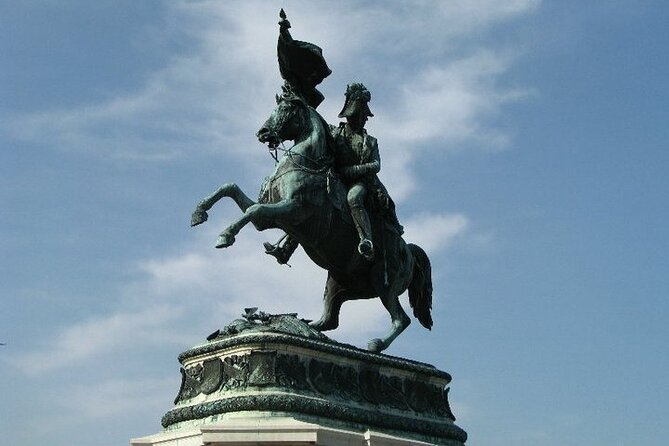
The tour visits The Hofburg, described as the palace of the Habsburgs. This stop matters because it shifts Vienna from “old streets and church stories” into “how the city was governed and staged.” You start to see why Vienna feels so formal in its centers.
Near the next portion of the walk is Burggarten, described as the place to discover the most photographed statue of Mozart in Vienna and also the Butterfly Museum. That pairing is very Vienna. It’s a city that puts famous art/culture next to strange, playful side interests. Even if you don’t go into a museum, the stop helps you understand how the city keeps mixing serious and whimsical themes.
Ending at the Wiener Staatsoper: finishing where the city performs
The final stop is Vienna State Opera (Wiener Staatsoper). The tour ends at Opernring 2. This closing matters because it echoes the Mozart theme from the opening. You start at the composer’s house context, and you end in one of the city’s big performance venues.
It’s also a smart placement for practical travel. The center area around the State Opera is easy to continue from, whether you’re heading to dinner, a nighttime music plan, or a casual stroll to cap the day.
Price and value: why $84.29 can make sense here
At $84.29 per person for about 4 hours, the math works best if you want structure more than free-roaming freedom. You’re paying for:
- a group guide for the full walk
- a 30-minute coffee-house break with coffee and apple strudel
- a printed Vienna information package plus a city map
- the benefit of quick context at many stops, so you don’t need to guess what you’re looking at
Also important: the tour descriptions for the listed stops say admission ticket free, and the included guide stops are designed for viewing without making you buy museum tickets at every corner. Still, the tour explicitly says entrance fees to museums are not included, so if you decide to add a ticketed museum stop outside the basic sights, that’s on you.
In plain terms: you’re not buying a museum ticket day. You’re buying a guided city orientation with a built-in snack break and enough stops to give your brain a map.
The best match for your travel style
This tour suits you if you want:
- a fast orientation to Vienna’s old center
- a mix of music, architecture, and meaningful history
- a guide who keeps walking tours from becoming an endless grind (especially in colder seasons)
- a structured half day that still leaves time later
It’s especially helpful for first-time Vienna visits. You’ll see a lot, but the tour is paced so the experience feels manageable.
If you’re the type who wants to linger inside churches or spend real time in museums at each stop, I’d treat this as your Part 1. Use it to decide what you want to return to.
Should you book this Vienna 4-hour walk?
Yes, I think you should book it if you want a guided way to understand Vienna quickly, with a coffee and apple strudel break and a route that covers both “famous Vienna” and the smaller lanes that make it feel real. People consistently rate the experience highly, and the feedback repeatedly praises the guide’s storytelling and the way the route feels to move fast.
Skip it only if your top priority is long museum time inside specific places. This tour is built for short, well-timed stops and forward motion, ending at the State Opera so you can keep exploring afterward.
FAQ
How long is the Fall in Love with Vienna in 4h tour?
The tour lasts about 4 hours.
What’s the starting point and ending point?
It starts at Mozarthaus Vienna, Domgasse 5, 1010 Wien, and ends at the Vienna State Opera, Opernring 2, 1010 Wien.
What time does the tour start?
The listed start time is 1:00 pm.
Is the tour offered in English?
Yes, it’s offered in English.
What’s included in the price?
Included are a knowledgeable and friendly tour guide, a small group setting, a 30-minute coffee-house break with coffee and apple strudel, a printed Vienna information package, and a Vienna city map.
Are museum entrance fees included?
No. Entrance fees to museums are not included.
Is there a coffee break during the tour?
Yes. You get a 30-minute break in a traditional Viennese coffee house.
How big is the group?
It’s described as a small group (4 up to 18 persons for engaging conversation), and it also lists a maximum of 15 travelers.
Does the tour run in any weather?
It requires good weather. If canceled due to poor weather, you’ll be offered a different date or a full refund.
Is it easy to cancel if plans change?
You can cancel for a full refund up to 24 hours before the start time. If you cancel less than 24 hours before, the amount paid will not be refunded.
More Tours in Vienna
- Vienna: Schönbrunn Palace & Gardens Skip-the-Line Tour
★ 4.7 · 7,739 reviews - Vienna Spanish Riding School Guided Tour
★ 4.7 · 6,765 reviews - Vienna: Skip-the-Line Sisi Museum, Hofburg and Gardens Tour
★ 4.8 · 5,918 reviews - Vienna: Skip-the-Line Schönbrunn Palace & Gardens Tour
★ 4.8 · 5,411 reviews - Vienna: Guided Walking Tour of City Center Highlights
★ 4.7 · 4,989 reviews
More Tour Reviews in Vienna
- Vienna: Vivaldi’s Four Seasons Concert in Karlskirche
★ 4.7 · 14,951 reviews - Vienna: Schönbrunn Palace & Gardens Skip-the-Line Tour
★ 4.7 · 7,739 reviews - Vienna: Light of Creation Votive Church Immersive Light Show
★ 4.8 · 6,779 reviews - Vienna Spanish Riding School Guided Tour
★ 4.7 · 6,765 reviews - Vienna: Classical Concert in the World-Famous Musikverein
★ 4.6 · 6,673 reviews
Just In: New Vienna Reviews



Tours, compared.
 ★ 4.7Schönbrunn Palace & Gardens Skip-the-Line TourFrom $637,739 reviews
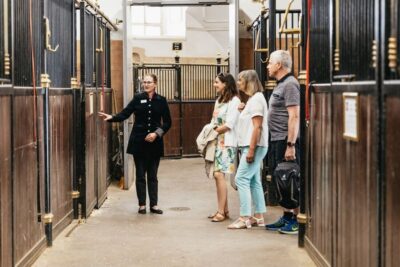 ★ 4.7Vienna Spanish Riding School Guided TourFrom $286,765 reviews
 ★ 4.8Skip-the-Line Schönbrunn Palace & Gardens TourFrom $765,411 reviews
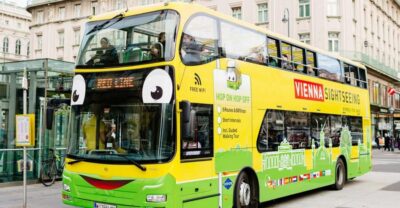 ★ 4.2Hop-On Hop-Off Sightseeing Bus Tour in 19 LanguagesFrom $414,518 reviews
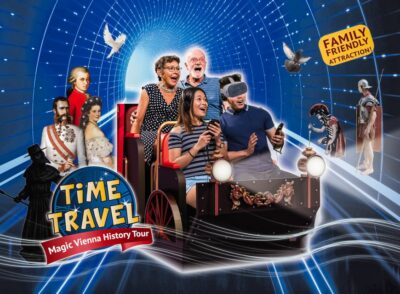 ★ 4.6Time Travel and Magic Vienna History TourFrom $273,879 reviews
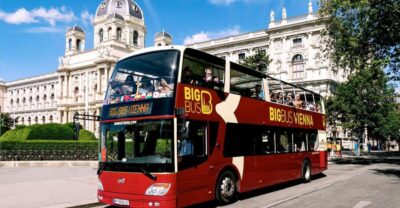 ★ 4.4Big Bus Hop-On, Hop-Off Tour by Open-Top BusFrom $363,529 reviews
 ★ 4.8Vienna Central Cemetery Guided Walking TourFrom $3353,307 reviews
 ★ 4.3Bus & Schönbrunn Palace Skip-the-Line Guided TourFrom $812,802 reviews