Reviewed · VIENNA
Performance Of The Lipizzans At Spanish Riding School
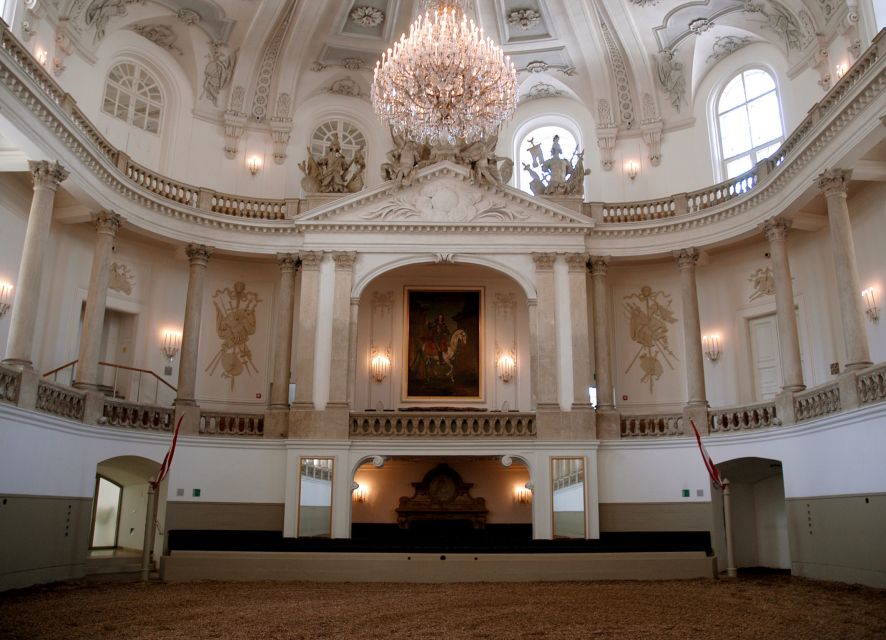
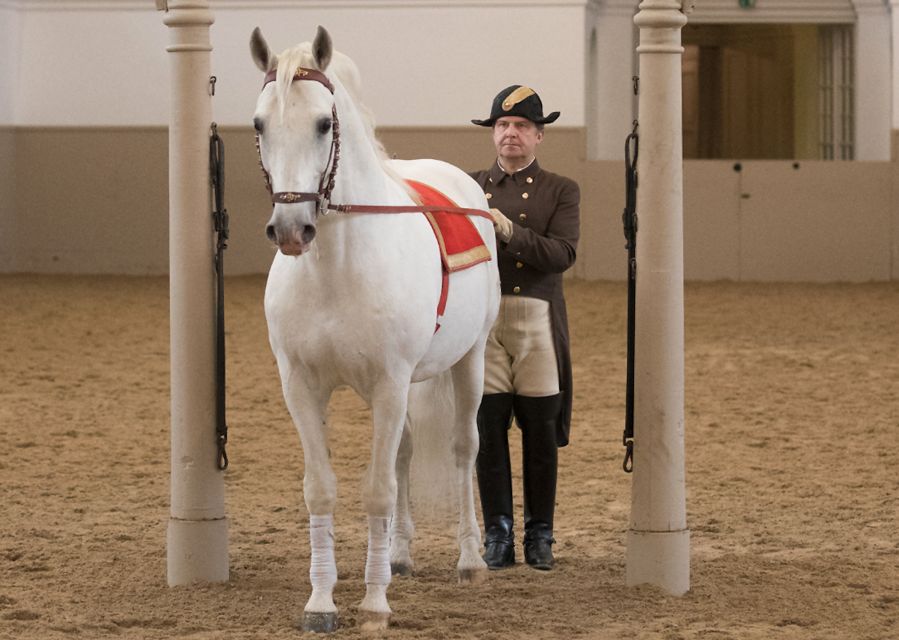
There’s nothing ordinary about watching Lipizzans move. In Vienna’s baroque Winter Riding School at Hofburg Palace, you’ll see the High School of Classical Horsemanship—old-school precision that’s been practiced for centuries. I particularly love the sight of White Stallions in full training range, from spirited young stallions to fully prepared School Stallions. The only real drawback: you’re there for the performance, not a behind-the-scenes building tour.
What makes this stand out is the atmosphere. A recognized multimedia artist, André Heller, designed the lighting, and the show is paired with classical Viennese music—so the hall feels like a stage, not a museum room. I also like that the program is moderated live on the longer Gala option, so the pacing stays clear even if you’re new to terms like caprioles and Levade. The main consideration is timing and duration: choose carefully so you get the experience length that fits your day.
Here’s the good part: you don’t need to be a horse expert. The Spanish Riding School has one job—preserve and practice this Renaissance tradition of Haute Ecole equitation—and your seat lets you see how discipline looks when it’s been trained and refined for years.
In This Review
- Key things I’d circle before you go
- The Hofburg Winter Riding School: where “classical” actually feels physical
- Lipizzans and the 450-year Haute Ecole tradition
- What you’ll see: caprioles, Levade, and the “school” exercises
- André Heller’s lighting and the classical Viennese music effect
- Performance length choices: standard, Gala, and Tribute to Vienna
- Ticket value: what’s included, what’s not, and why that matters
- Comfort and timing tips once you’re at the Spanish Riding School
- Who should book this Lipizzan performance?
- Should you book this experience?
- FAQ
- FAQ
- Where is the Spanish Riding School performance held?
- How long are the performances?
- Does the Gala Performance include live moderation?
- What exercises are featured?
- Do I get a tour of the building with my ticket?
- When and where do I redeem my voucher?
- Where can I get a souvenir shop discount?
- Can I store luggage or use a wardrobe service?
- Are pets or dogs allowed?
- Are young children allowed?
Key things I’d circle before you go
- The Hofburg Winter Riding School setting: baroque, indoor, and built under Charles VI, designed for classical equitation viewing
- A centuries-old discipline: classical equitation in the Renaissance Haute Ecole tradition, practiced for over 450 years
- Lipizzans across training levels: from young, boisterous stallions to School Stallions
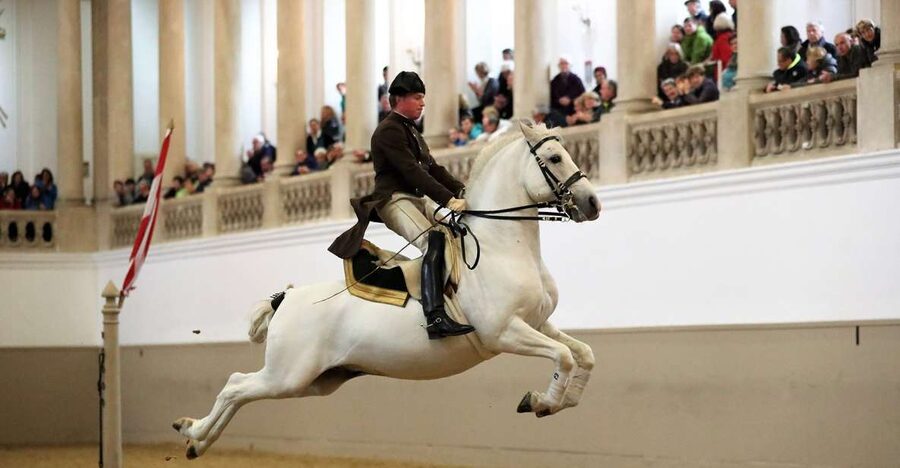
- Signature moves on display: caprioles, Levade, and more exercises that showcase balance and control
- Atmosphere engineered for the show: André Heller’s lighting concept plus classical Viennese music
- Pick your time slot: standard (70 minutes), Gala (1.5 hours), or Tribute to Vienna (2 hours)
The white Lipizzaners, a few more ways in
- Performance Of The Lipizzans At Spanish Riding School4,190 reviews
- Vienna: Spanish Riding School Guided Architectural Tour★ 4.8 · 333 reviews
The Hofburg Winter Riding School: where “classical” actually feels physical
The Spanish Riding School performance takes place in the Winter Riding School at Hofburg Palace—an indoor arena with a baroque style that makes the whole thing feel theatrical and exact. When you sit down, you’re not just watching horses; you’re watching a centuries-old method of training carried into a carefully designed room.
I love how that space supports the movement. Classical horsemanship is all about balance, timing, and controlled energy, and the arena gives you a clear view of those mechanics. The show is staged so that both rider and horse read clearly as a pair: the rider’s posture and aids, the horse’s collection and response.
You also get an added layer that matters in Vienna: the program is paired with classical Viennese music, so the pace feels intentional. It’s one reason this isn’t like watching a general equestrian event. The performance is built around the idea of precision as art.
Practical note: this entry is about the show. A tour of the building isn’t included, so if your goal is architecture and museum-style wandering, you’ll want to plan that separately.
Lipizzans and the 450-year Haute Ecole tradition
If the horses are the heart, Lipizzans are the reason the heart matters here. They’re Europe’s oldest horse breed, and the Spanish Riding School focuses on keeping the High School of Classical Horsemanship alive as a living practice—not just a reenactment.
The Spanish Riding School is described as the only institution in the world that has practiced classical equitation in the Renaissance tradition of the Haute Ecole for more than 450 years. That’s a bold claim, and it changes how you should think about what you’re watching. This isn’t casual horse training. It’s preservation of technique, repeated and maintained over generations of riders and horses.
There’s also a cultural angle that’s more than marketing: the exercise and preservation of the High School of Classical Horsemanship are listed on UNESCO’s Representative List of the Intangible Cultural Heritage of Humanity. That wording matters. It signals a practice that’s meant to continue, not just be admired.
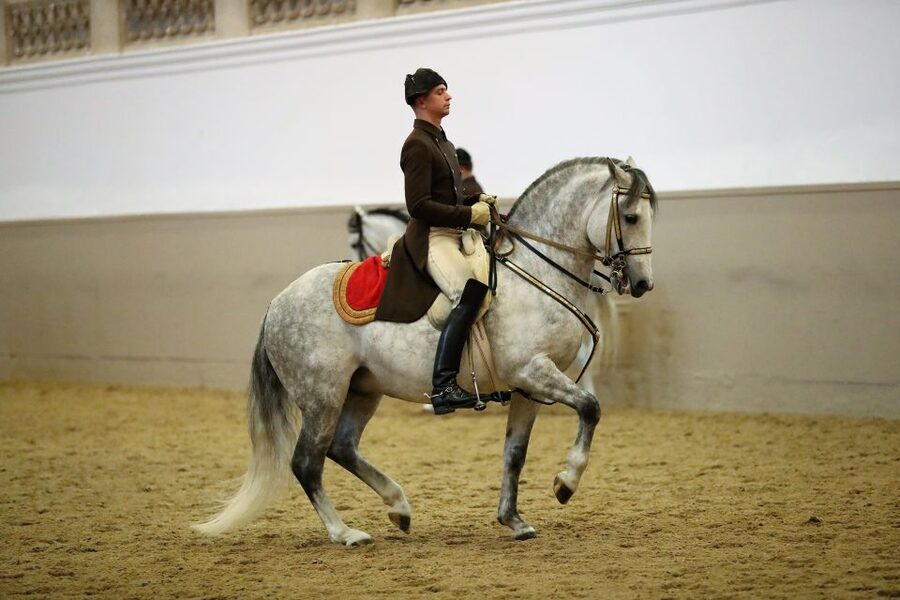
So what does that mean for you, sitting in the stands? It means the show is built to demonstrate training stages and the result of discipline over time. When you see the range—from young, boisterous stallions to fully trained School Stallions—it’s a visual explanation of what “classical” means: patience, repetition, and control.
What you’ll see: caprioles, Levade, and the “school” exercises
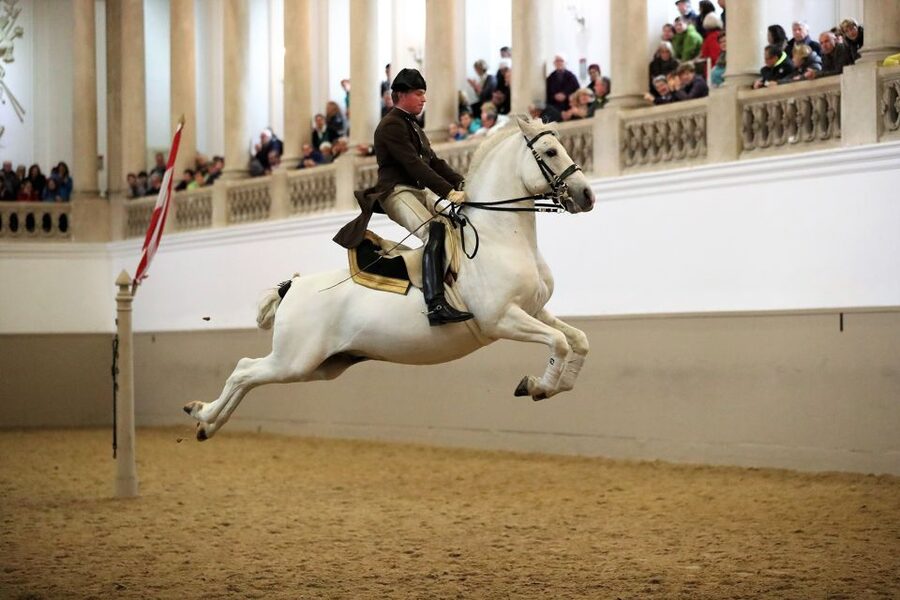
The program is built as a sequence of breathtaking exercises, with highlights like caprioles and Levade. Those aren’t random tricks. They’re part of the classical vocabulary designed to show the horse’s balance, strength, and responsiveness in collected movement.
I like that the show doesn’t just show the end product. You’re able to see the contrast between less predictable energy (the young stallions, described as boisterous) and the composure of the fully trained School Stallions. That contrast helps you understand why this training takes years. You’re watching refinement happen through discipline.
A few things to keep in mind while you watch:
- Look for the pairing: the horse’s movement reads as a response to the rider’s control.
- Watch for collection and balance more than speed or spectacle. The show rewards attention to form.
- Expect the show to name and demonstrate multiple exercises; the data confirms caprioles and Levade as examples, plus many more.
If you’re new to equestrian terminology, don’t panic. You don’t need to study ahead of time. The live moderation on the Gala performance helps connect what you’re seeing to what it means in the classical system.
André Heller’s lighting and the classical Viennese music effect
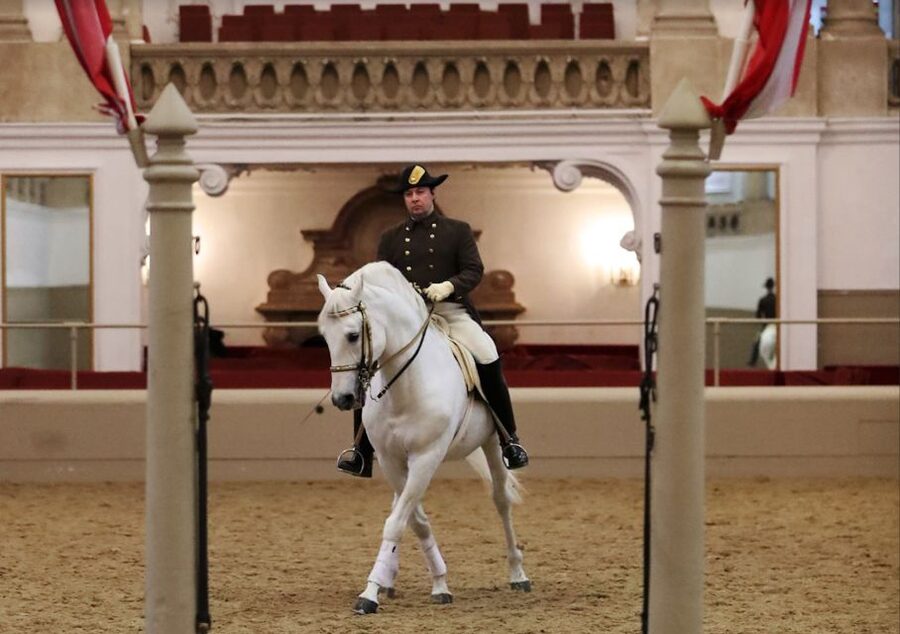
Lighting can sound like a minor detail, until you sit in a hall where the atmosphere is part of the choreography. For these performances, a multimedia artist named André Heller developed a lighting concept, and the program is paired with classical Viennese music.
Why this is worth caring about: classical horsemanship already depends on subtle cues—posture, line, collection. When lighting is designed for the show, you see those cues more clearly and the entire presentation feels more intentional. Instead of bright, generic illumination, you get a mood that supports the performance’s rhythm.
Also, classical Viennese music isn’t just background noise here. It’s part of the pacing you experience from start to finish. The combined effect is that the show feels like a staged performance in a purpose-built hall.
If you’re the type who plans your day around “the main event,” this is a big part of the value. You’re not simply buying entry to see famous horses. You’re getting a production designed to heighten what makes the training special.
Performance length choices: standard, Gala, and Tribute to Vienna
Your ticket choice affects how long you sit and how much spoken context you get. Here’s how the performance options are described:
- Standard Performance: 70 minutes
- Gala Performance: about 1.5 hours and includes live moderation
- Tribute to Vienna: lasts about 2 hours
So how should you choose? Think about how you like to spend your Vienna time.
If you want the core experience without eating your whole evening, the 70-minute standard option is the cleanest fit. It’s long enough to feel like a complete show but short enough to keep your schedule flexible.
If you enjoy context while you watch, the Gala version is the one to consider because it includes live moderation. That means you’re more likely to follow along with the classical terms and the logic of what comes next.
If you’re willing to commit more time—especially if you’re fascinated by the idea of training as an evolving story—the 2-hour Tribute to Vienna performance gives you more runway for the full presentation.
No matter which option you pick, remember the experience is centered on the Winter Riding School performance itself. A building tour and transfers aren’t included, so plan the rest of your day around arriving, enjoying the show, and heading out.
Ticket value: what’s included, what’s not, and why that matters
This experience includes your entrance ticket for a performance. It also includes an online booking fee and a 5% discount in the souvenir shop.
What’s not included is just as important for value. A tour of the building isn’t part of your ticket, and transfers aren’t provided. That means you’re paying specifically for the performance, in the riding school arena, with the production elements like lighting and music.
Is it good value? For me, it comes down to one question: do you want to see the Spanish Riding School’s classical horsemanship demonstrated live in their historic setting? If yes, the ticket is the main spend that directly buys you that.
If your ideal day is more about wandering and discovering lots of different spots inside an attraction, you’ll likely feel like you’re missing something, because you won’t get a guided walkthrough of the building as part of this entry. In that case, pair it with another activity in the area.
One small perk you can use immediately: you can apply your GetYourGuide mobile voucher for a 5% discount at the souvenir shop at the main entrance on Michaelerplatz 1.
Comfort and timing tips once you’re at the Spanish Riding School
A few practical details will help you avoid small hassles.
First, you need to redeem your ticket before the show. You present your voucher at the Spanish Riding School Visitor Center. You can pick up your tickets as early as 1 hour before the activity. Plan to arrive with enough cushion so you’re not rushing.
Second, plan around the fact that luggage and wardrobe storage isn’t available. If you’re carrying a big daypack, you might prefer to keep it minimal or store it elsewhere in Vienna before you head over. This one’s worth taking seriously because it can affect how relaxed you feel once you sit down.
Third, pets and dogs aren’t allowed at the Spanish Riding School. If you’re traveling with a dog, you’ll need alternative arrangements.
Finally, children under 3 years aren’t allowed to attend the performance. If you’re traveling as a family, double-check ages so you don’t run into unpleasant surprises at the door.
Who should book this Lipizzan performance?
This is a strong match for you if:
- You like live performances with serious craft, not casual sightseeing-only stops
- You want to see a specific training tradition—Haute Ecole classical equitation—carried forward
- You enjoy atmosphere-driven venues where lighting and music shape what you experience
It’s also a good pick for people who are curious about culture and practice. The UNESCO intangible heritage angle means you’re seeing something treated as living heritage, not only entertainment.
On the other hand, if you’re only looking for a quick photo stop or a general horse show with broad variety, you might feel this is too focused. The value is in the classical horsemanship presentation and the historical setting, not in a wide-ranging exhibition.
Should you book this experience?
I think you should book it if you want a Vienna experience that’s both artistic and disciplined. The combination of Hofburg’s baroque Winter Riding School setting, Lipizzans trained for classical exercises, and André Heller’s lighting + classical Viennese music makes this more than a standard show ticket.
Choose your length based on how you like to watch:
- Standard for a tight schedule
- Gala if you want live moderation
- Tribute to Vienna if you want the longest, most expanded evening
One last decision tip: commit to it as the main event of your time at the Spanish Riding School. Since the ticket doesn’t include a building tour or transfers, you’ll enjoy it most if you give it the attention it deserves and then build the rest of your day around getting there calmly.
FAQ
FAQ
Where is the Spanish Riding School performance held?
It’s held at the Baroque Winter Riding School at Hofburg Palace in Vienna, Austria.
How long are the performances?
The Standard Performance is 70 minutes. The Gala Performance lasts about 1.5 hours. Tribute to Vienna lasts about 2 hours.
Does the Gala Performance include live moderation?
Yes. The Gala Performance includes live moderation.
What exercises are featured?
The performances include classical exercises such as caprioles and Levade, plus many more.
Do I get a tour of the building with my ticket?
No. A tour of the building is not included.
When and where do I redeem my voucher?
You redeem your voucher at the Spanish Riding School Visitor Center. Tickets can be picked up as early as 1 hour before the activity.
Where can I get a souvenir shop discount?
You present your GetYourGuide mobile voucher in the souvenir shop at the Spanish Riding School main entrance on Michaelerplatz 1 to receive a 5% discount.
Can I store luggage or use a wardrobe service?
No. Wardrobe or luggage storage isn’t available.
Are pets or dogs allowed?
No. Pets aren’t allowed, and dogs cannot be taken to the Spanish Riding School.
Are young children allowed?
Children under 3 years are not allowed to attend the performance.
More Tour Reviews in Vienna
- Vienna: Vivaldi’s Four Seasons Concert in Karlskirche
★ 4.7 · 14,951 reviews - Vienna: Schönbrunn Palace & Gardens Skip-the-Line Tour
★ 4.7 · 7,739 reviews - Vienna: Light of Creation Votive Church Immersive Light Show
★ 4.8 · 6,779 reviews - Vienna Spanish Riding School Guided Tour
★ 4.7 · 6,765 reviews - Vienna: Classical Concert in the World-Famous Musikverein
★ 4.6 · 6,673 reviews
More of the Spanish Riding School
- Vienna Spanish Riding School Guided Tour
★ 4.7 · 6,765 reviews - Vienna: Spanish Riding School Guided Architectural Tour
★ 4.8 · 333 reviews