
Reviewed · VIENNA PRIVATE TOURS
Private tour of historical Vienna with Jan
Vienna makes sense on foot with Jan. This private 2–3 hour walk through historic central Vienna feels more personal than big-group tours, with skip-the-impersonal momentum and local-style storytelling.
I especially liked two things: Jan Kepinski’s Habsburg-to-modern-Vienna connections (not just dates), and the way the route naturally includes food-and-coffee stops so the history doesn’t turn into a lecture. You’ll also cover major sights like the Hofburg outer courtyards and St. Stephen’s Cathedral, then finish at the lively Naschmarkt.
One consideration: it’s a walking route through the old center, so if you’re sensitive to time-on-your-feet, plan for comfort boots and a slower pace.
In This Review
- Key highlights you’ll actually feel
- Entering Historic Vienna: why this route works
- Price and value: $432.53 per group up to 10
- Meet at Stephansplatz, end at Naschmarkt: the built-in pacing
- Stop 1: Historic Center of Vienna and the stories that connect it all
- Stop 2: The Hofburg—courtyards, power, and the Habsburg patchwork
- Stop 3: Heldenplatz and the “big architecture” photo moment
- Stop 4: Maria Theresien Square—why modernization came from power
- Stop 5: Conditorei SLUKA—cake, coffee, and Art Nouveau mood
- Stop 6: St. Stephen’s Cathedral—spiritual heart and the post-war rebuild story
- Stop 7: The Church of the Jesuits—baroque drama without the crowds
- Stop 8: Stadtpark—Ringstrasse edge, then green breathing room
- Stop 9: Graben and Kohlmarkt—shopping streets plus the plague column story
- Who this tour is for (and who should pick something else)
- The biggest reasons to book Historical Vienna with Jan
- Should you book this private tour?
- FAQ
- How much does the private Historical Vienna with Jan tour cost?
- How long is the tour?
- Is the tour private or shared?
- Where does the tour start and end?
- Is pickup available?
- What language is the tour in?
- What’s included in the tour?
- Are there admission tickets included?
- What about cancellation and tips?
Key highlights you’ll actually feel
- Small-group flexibility: This is private for your group (up to 10), not a crowded herd.
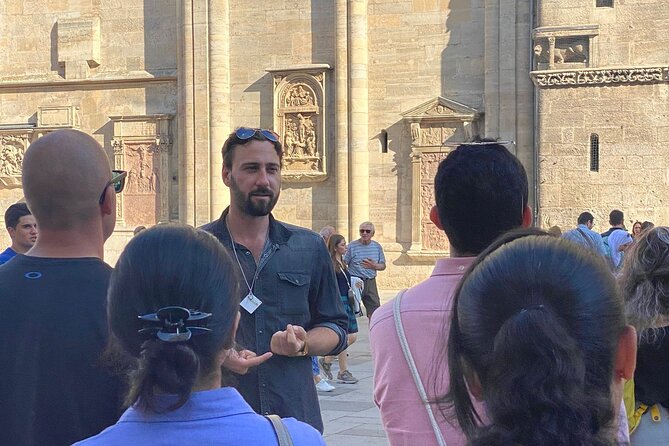
- Jan Kepinski’s storytelling style: Clear, engaging narration that keeps questions coming.
- Courtyard views of Hofburg: Learn the Habsburg story without spending your whole time inside.
- A proper Viennese break: Conditorei SLUKA for cake and coffee with an Art Nouveau interior.
- Photo-worthy classics in short bites: Heldenplatz, Maria Theresien Square, and St. Stephen’s Cathedral.
- Easy ending with dinner potential: Tour finishes at Naschmarkt, so you can keep eating nearby.
Only your group, at your own tempo
- Vienna: Private Walking Tour with a Local★ 4.6 · 1,446 reviews
- Vienna: Private Walking Tour with a Guide★ 4.7 · 962 reviews
- Vienna: Wine Tasting Experience in a Private Wine Cellar★ 4.8 · 413 reviews
- Private Day Tour Trip Salzburg Hallstatt and Melk from Vienna★ 5.0 · 388 reviews
Entering Historic Vienna: why this route works
If you’re the type who likes to understand a city instead of just ticking off postcards, this tour has a strong advantage: it’s designed to give you orientation fast. The morning/afternoon tempo links one landmark to the next in a way that makes Vienna’s layout feel logical.
Starting at Stephansplatz puts you right by the symbolic core of the city. From there, you move through central streets and major public spaces, so you get both the architecture and the “why” behind it. And because it’s private, you can ask follow-ups without waiting for a microphone or competing with 40 other voices.
Also, the tour includes time for the quieter parts of Vienna culture—not only big monuments. You’ll stop for coffee and cake at Conditorei SLUKA, and you’ll get a green pause at Stadtpark, which is exactly the kind of reset that keeps a history walk from wearing you down.
Price and value: $432.53 per group up to 10
Pricing here is per group, not per person. At $432.53 for up to 10 people, the math can be surprisingly friendly if you’re traveling with family or friends. For example:
- 2 people: about $216 each
- 4 people: about $108 each
- 6 people: about $72 each
- 8–10 people: roughly $43–$54 each
What you’re buying is time with a state-licensed guide plus a focused route. You’re not paying for a bunch of time sitting in a bus. And because the tour is private, you can tailor pacing to your group. That matters if you’ve got kids, mobility limits (within reason), or just want your questions answered in plain English.
One more practical point: this experience is offered in English, and a mobile ticket is included. That reduces friction on the day you want to just show up and walk.
Meet at Stephansplatz, end at Naschmarkt: the built-in pacing
This starts at Stephansplatz (1010 Wien) and ends at Naschmarkt (1060 Wien). That “end location” detail matters more than it sounds.
Stephansplatz is a natural launch pad for Vienna’s historic center, and Naschmarkt is a fun place to land when you’re hungry. If you’d like a seamless day plan, this pairing helps: you learn the city on one side, then eat and browse on the other without a complicated commute.
The duration is listed as about 2–3 hours, so it works well as:
- a first-day orientation walk (especially if you’re jet-lagged),
- a half-day history dose before a museum,
- or a “get the lay of the land” tour before you go exploring on your own.
In fact, I like the idea of booking this after a long travel day. Jan has helped people with practical stuff like finding the subway and getting passes for the week, which can make the rest of your trip feel easier.
Stop 1: Historic Center of Vienna and the stories that connect it all
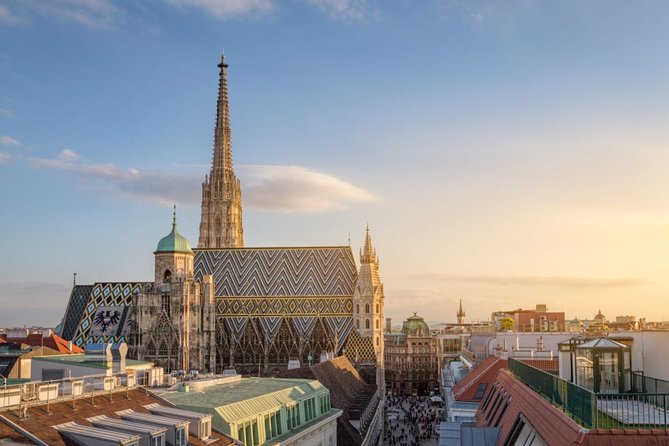
The first stretch is about orientation and context—how Vienna and Austria got shaped by the monuments you see around you. You’ll also hear about what makes Vienna “livable,” plus practical notes on eating and shopping in the area.
The best part of starting here is that it sets the lens. When you reach later sites like the Hofburg, you’re not just looking at impressive buildings—you understand the role they played. That makes the whole walk feel less like a scavenger hunt and more like a guided explanation of how the city became itself.
Because this is a short opening block (about 45 minutes), you should show up ready to absorb, but not overwhelmed. If you like your tours with a steady flow rather than marathon pacing, this first segment hits a nice sweet spot.
More private days, your group only
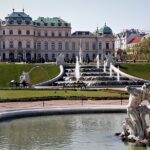
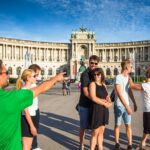
Stop 2: The Hofburg—courtyards, power, and the Habsburg patchwork
Then you shift to the Hofburg. This isn’t presented as one single palace moment. It’s described as a patchwork of wings and palace buildings from different periods, built by different rulers. That detail is important because it explains why the Hofburg feels like a “city within a city.”
You explore the outer courtyards, and the focus stays on the story of the Habsburg dynasty—an essential part of Austrian heritage. You’re not only looking at walls; you’re learning how power operated and how the empire’s legacy left marks you can still see.
One drawback to consider: courtyards are different from full interior touring. If your dream is to spend hours in palace rooms, this may feel more exterior-focused. Still, for most visitors, the court-and-street view gives you the right amount of history without bogging down your schedule.
Stop 3: Heldenplatz and the “big architecture” photo moment
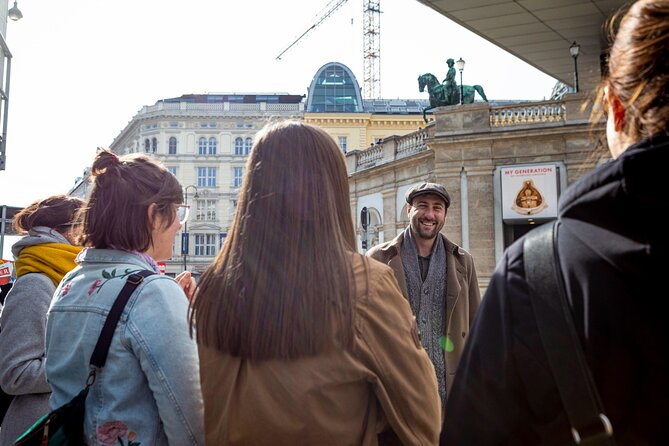
Next up is Heldenplatz (Hero’s Square). This is one of the best spots to catch the grandeur of Vienna’s historic architecture. Short stop, big payoff.
You’ll also hear stories about heroes of the Austrian Empire, and you’ll get your first strong impression of the monumental presence of the National Library palace—its scale is hard to grasp until you see it from the square.
Tip for your camera: Heldenplatz is all about lines and scale, so move a few steps and you’ll usually find a cleaner perspective without needing long lens tricks.
Stop 4: Maria Theresien Square—why modernization came from power
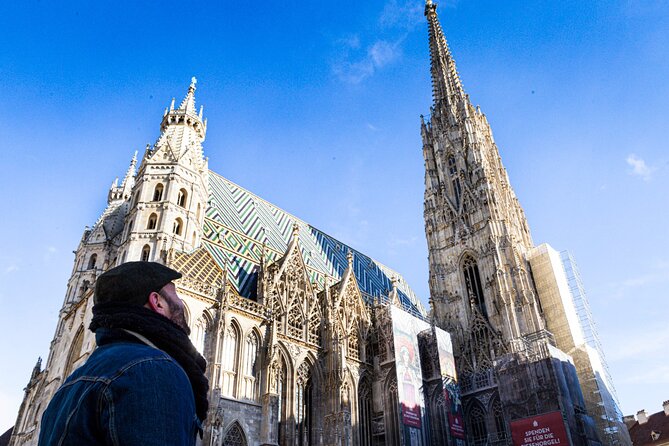
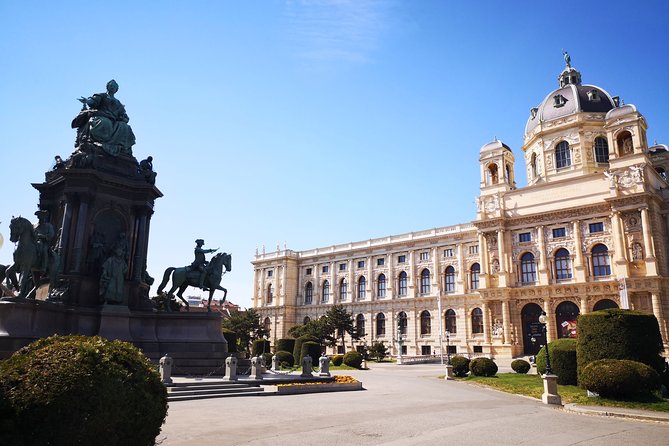
At Maria Theresien Square, the big theme is Maria Theresia and what her reign changed. You’ll stand with the two twin museums flanking the square (Natural and Art History), and you’ll hear how her rule began a long modernization process.
The focus isn’t just abstract politics. You’ll connect the dots to how Austria strengthened central state power and how it contributed to the rise of a new middle class of bureaucrats. That’s a specific lens that helps you understand why Vienna became what it became: institutions, education, and administration.
This is a compact stop (about 15 minutes), so it’s great if you want major historical meaning without losing the energy you’ll need for the cathedral and coffee-house break.
Stop 5: Conditorei SLUKA—cake, coffee, and Art Nouveau mood
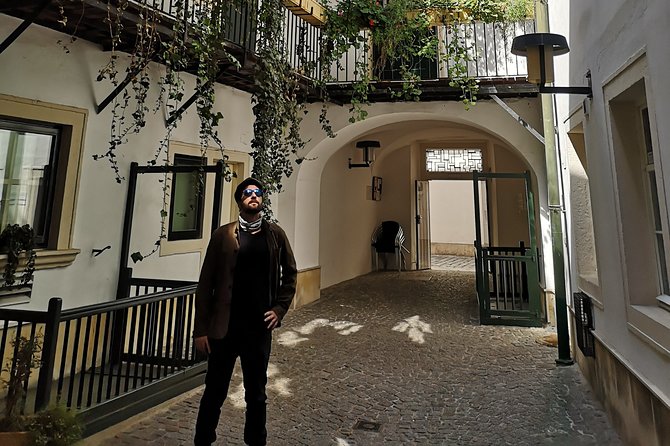
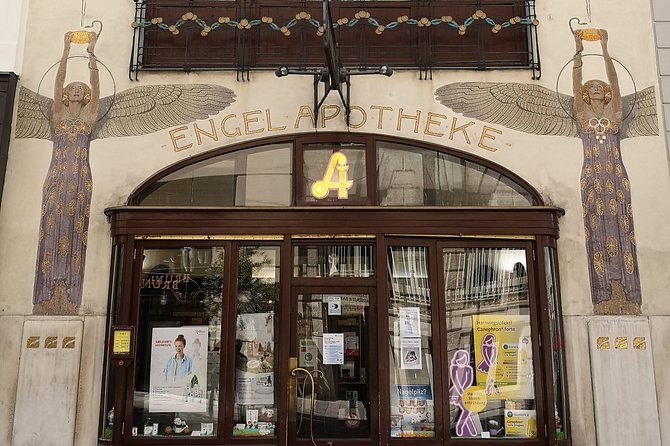
Now for the break you’ll be grateful for. Conditorei SLUKA is a traditional Viennese coffee house, famous here for its end-of-century Art Nouveau interior.
This stop is about the “immaterial” side of Vienna culture—how everyday rituals like coffee and cake are part of the city’s identity. You’ll get time to reset, and it also helps keep attention levels up for the rest of the route.
One bonus: in addition to standard cafe stops, Jan has also helped people find local spots to satisfy cravings mid-walk. If you’re traveling with kids or just need a snack at the right moment, this is the kind of planning that makes a tour feel human.
Stop 6: St. Stephen’s Cathedral—spiritual heart and the post-war rebuild story
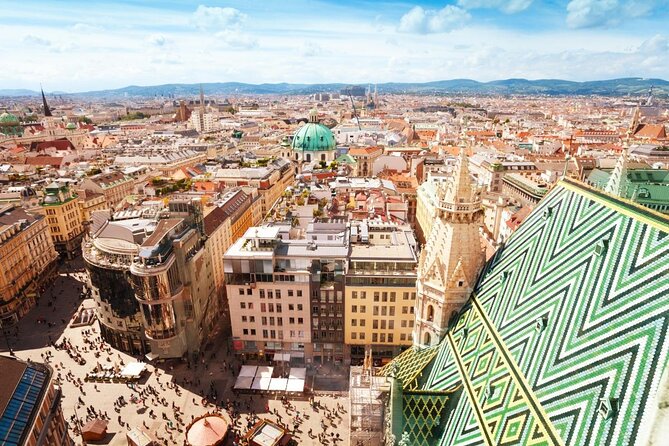
Then you reach St. Stephen’s Cathedral, described as the spiritual and geographical heart of Vienna. It’s also a “time-layers” site: construction spans many decades and different styles.
What I like about how this stop is framed is the emphasis on reconstruction after war. You’ll hear a story of post-war rebuilding and a positive spirit of cooperation—reflecting a people who were torn by war but eager to come together for a successful future.
This stop is short (about 10 minutes), so don’t expect a long cathedral tour here. But you will leave with the sense of what the building symbolizes beyond the postcard view.
Stop 7: The Church of the Jesuits—baroque drama without the crowds
Next is the Church of the Jesuits. It’s described as one of the finest but least visited baroque churches in Vienna. That’s exactly why it’s worth putting on your itinerary.
The point of this stop is to see (and hear) how flamboyant Austrian baroque can be—without having to fight for space in the most famous places. It’s also a nice contrast to St. Stephen’s: same city, totally different vibe.
If you love baroque details and want something slightly off the usual beaten path, this is a great payoff stop.
Stop 8: Stadtpark—Ringstrasse edge, then green breathing room
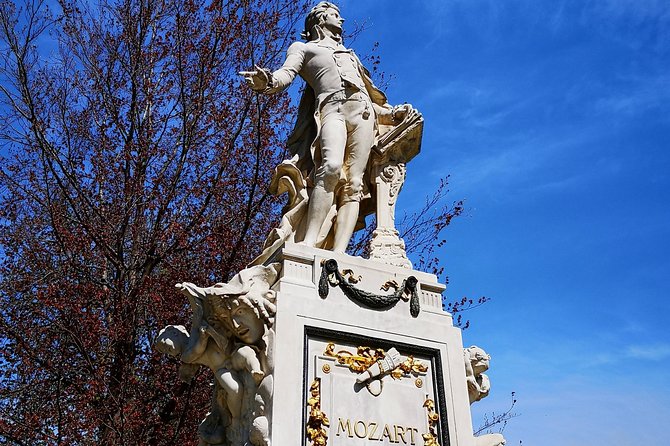
After the older streets and architecture-heavy sights, you get a breather at Stadtpark. It sits along the southern part of the Ringstrasse boulevard, and it’s dedicated to painters, musicians, and politicians of Vienna’s golden age.
In practical terms, this is where you stop walking through stone and step into space. In human terms, it helps your brain reset so the last stretch doesn’t feel like you’re just clocking monuments.
This stop is about 15 minutes, so it’s not a long picnic, but it gives you a moment to look around and enjoy Vienna’s landscaped rhythm.
Stop 9: Graben and Kohlmarkt—shopping streets plus the plague column story
Finally, you head into the classic luxury shopping zone: Graben and Kohlmarkt. These streets are known for famous brands and coffee houses, so the atmosphere shifts from “history lecture” to “Vienna lifestyle.”
But the tour doesn’t let this end up as just window-shopping. Graben is highlighted for a baroque plague column that commemorates surviving a devastating plague at the end of the 17th century. That detail turns an otherwise ordinary stop into a story with real historical weight.
From here, you’re set up for the best kind of ending: you finish at Naschmarkt, where you can keep wandering, eat, and use what you learned to spot the bigger picture in the city around you.
Who this tour is for (and who should pick something else)
This tour is a strong fit if:
- you want a focused Vienna overview without a large-group script,
- you care about Habsburg history and how it connects to the city’s shape,
- you enjoy architecture explanations that include context, not just descriptions,
- you like a real break built into the walk (coffee and cake matter),
- you want a guide who can answer questions and suggest practical next steps.
It may not be ideal if:
- you’re looking for a heavily indoor, ticket-driven museum day (this route emphasizes key outdoor/central sights plus specific church stops),
- you have very limited mobility and can’t handle a city-center walking pace,
- or you want a deeply long-form palace interior experience rather than exterior courtyards and surrounding storytelling.
That said, the tour description notes that most travelers can participate, and the route is in central areas near public transportation—so it’s generally set up for regular visitors.
The biggest reasons to book Historical Vienna with Jan
If I had to boil it down, the value comes from how the tour connects dots for you.
You don’t just see Hofburg courtyards and major squares. You learn how the Habsburg dynasty fits into broader changes in Austria. You also get a pacing approach that respects the fact that history walks need rhythm: you get the architecture, the stories, and then you get to eat and reset.
And Jan’s style has stood out in the details people talk about: engaging conversation, smart answers to questions, and the ability to keep things light even when touching on heavier moments. That’s exactly what you want when you’re trying to enjoy Vienna, not endure it.
Should you book this private tour?
Yes, if you want a smooth first taste of Vienna that mixes major landmarks with culture stops like a traditional coffee house and a baroque church detour. For couples and small groups, the private price can feel fair, especially when you split it and use the guide time to get practical advice for the rest of your trip.
If you’re the kind of traveler who learns best when someone explains the why behind the walls, this tour is a good match. And since it starts at Stephansplatz and ends at Naschmarkt, it also plays nicely with real-world plans—walk, learn, then eat.
FAQ
How much does the private Historical Vienna with Jan tour cost?
It costs $432.53 per group, up to 10 people.
How long is the tour?
The tour lasts about 2 to 3 hours.
Is the tour private or shared?
It’s private. Only your group participates.
Where does the tour start and end?
It starts at Stephansplatz, 1010 Wien, Austria, and ends at Naschmarkt, 1060 Wien, Austria.
Is pickup available?
Pickup is offered.
What language is the tour in?
The tour is offered in English.
What’s included in the tour?
The tour is guided by a qualified and state licensed guide. Mobile ticket is also included.
Are there admission tickets included?
Admission is listed as free for the tour stops.
What about cancellation and tips?
Gratuity is not included. Free cancellation is available up to 24 hours in advance for a full refund.
More Tours in Vienna
- Vienna: Schönbrunn Palace & Gardens Skip-the-Line Tour
★ 4.7 · 7,739 reviews - Vienna Spanish Riding School Guided Tour
★ 4.7 · 6,765 reviews - Vienna: Skip-the-Line Sisi Museum, Hofburg and Gardens Tour
★ 4.8 · 5,918 reviews - Vienna: Skip-the-Line Schönbrunn Palace & Gardens Tour
★ 4.8 · 5,411 reviews - Vienna: Guided Walking Tour of City Center Highlights
★ 4.7 · 4,989 reviews
More Tour Reviews in Vienna
- Vienna: Vivaldi’s Four Seasons Concert in Karlskirche
★ 4.7 · 14,951 reviews - Vienna: Schönbrunn Palace & Gardens Skip-the-Line Tour
★ 4.7 · 7,739 reviews - Vienna: Light of Creation Votive Church Immersive Light Show
★ 4.8 · 6,779 reviews - Vienna Spanish Riding School Guided Tour
★ 4.7 · 6,765 reviews - Vienna: Classical Concert in the World-Famous Musikverein
★ 4.6 · 6,673 reviews
Yours Alone Across Vienna
- Vienna: Private Walking Tour with a Local
★ 4.6 · 1,446 reviews - Vienna: Private Walking Tour with a Guide
★ 4.7 · 962 reviews - Vienna: Wine Tasting Experience in a Private Wine Cellar
★ 4.8 · 413 reviews - Private Day Tour Trip Salzburg Hallstatt and Melk from Vienna
★ 5.0 · 388 reviews - Private Day Tour of Hallstatt and Salzburg from Vienna
★ 5.0 · 263 reviews
Just In: New Vienna Reviews



Vienna Private Tours, compared.
 ★ 4.6Private Walking Tour with a LocalFrom $561,446 reviews
 ★ 4.7Private Walking Tour with a GuideFrom $55962 reviews
 ★ 4.8Wine Tasting Experience in a Private Wine CellarFrom $22413 reviews
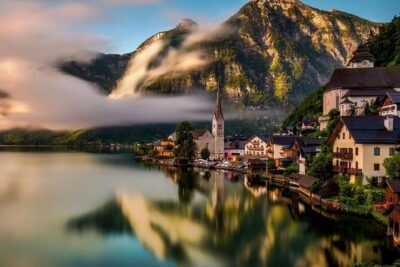 ★ 5.0Private Day Tour Trip Salzburg Hallstatt and Melk from ViennaFrom $930388 reviews
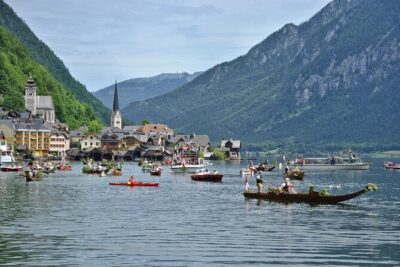 ★ 5.0Private Day Tour of Hallstatt and Salzburg from ViennaFrom $919263 reviews
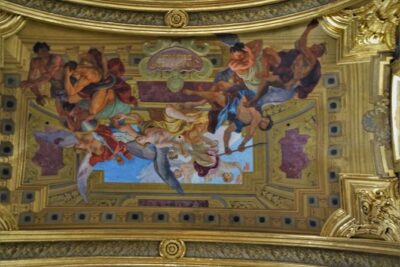 ★ 5.0Private Hidden Vienna Walk — Stories Behind Quiet CornersFrom $344137 reviews
★ 4.5Vienna Private Walking Tour with a LocalFrom $58131 reviews
★ 5.0Private Hidden Vienna Walk — Stories Behind Quiet CornersFrom $344137 reviews
★ 4.5Vienna Private Walking Tour with a LocalFrom $58131 reviews
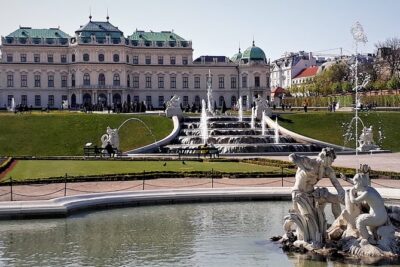 ★ 5.0Vienna at First Glance a Private Walking Tour for First TimersFrom $344131 reviews
Browse the lists this tour appears in