
Reviewed · VIENNA PRIVATE TOURS
Private Hidden Vienna Walk — Stories Behind Quiet Corners
Vienna hides its best stories in plain sight. This private 3-hour walk is built for people who want quiet-corner details without missing the big hits. I especially like the private setup, where the guide can steer the pace and focus as your group asks questions. You’ll also get a high reward moment with a stop for rooftop views that put you above the rooftops and back into the city’s rhythms.
My main caution: you’re signing up for a real walking tour. Expect around 8,000 steps for a typical 3-hour route, plus uneven old-street surfaces and stairs in places, so plan for that up front.
In This Review
- Key highlights I’d block time for
- A private route that trades crowds for meaning
- Starting at Stubentor: Vienna’s walls in human scale
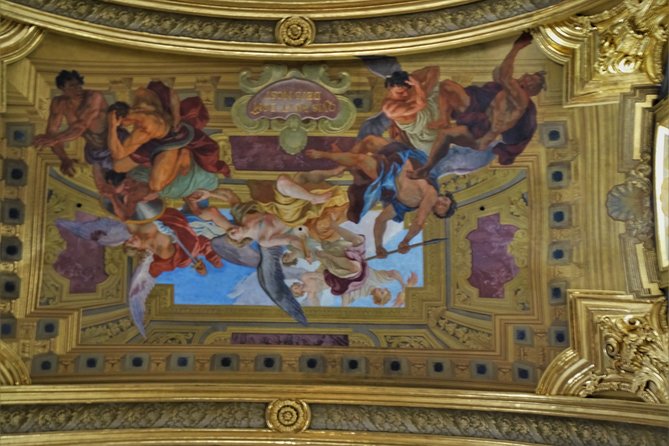
- The Church of the Jesuits: architecture you can actually read
- Schönlaterngasse stories: basilisk mural and the 1905 schnitzel link
- Teutonic Order setting: Sala Terrena at Deutschordenshaus
- St Stephen’s Cathedral: why outside details matter, then go inside
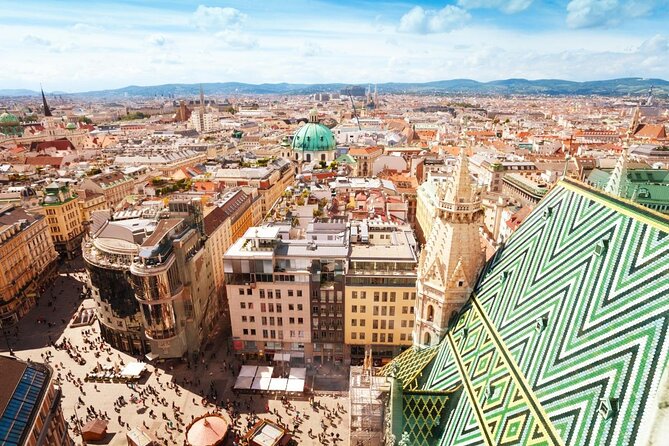
- A secret rooftop view: the pause that makes the whole walk stick
- Judenplatz Holocaust Memorial: seven centuries in an atmospheric square
- Café Central, Ferstel Passage, and the Trotsky–Stalin footnote
- Palais Daun-Kinsky: baroque ambition and a birthplace detail
- Rathausplatz and Café Landtmann: Freud’s favorite
- Guide quality and what to expect from the experience
- Price value: what $344.80 per group buys you
- Where to meet and how to plan your timing
- Who should book this walk, and who should choose another option
- Should you book this Private Hidden Vienna Walk?
- FAQ
- How long is the Private Hidden Vienna Walk in Vienna?
- How many people can join the private group?
- Is the tour only for our group or shared with strangers?
- Is pickup offered, and where can we meet?
- Can we choose a morning or afternoon departure?
- What language is the tour conducted in?
- Are admission tickets included for the stops?
- Is transportation to and from attractions included?
- What are the cancellation rules, and can we bring pets?
Key highlights I’d block time for
- East-gate start at Stubentor gives you the wall scale and the sense of how the city used to hold itself together
- Jesuit Church + Schönlaterngasse mural stories turn architecture and street art into actual context
- St Stephen’s Cathedral, inside and out with enough time to look up and not just glance past
- Judenplatz Holocaust Memorial sits in a lived-in square, so the lesson lands where history happened
- Café culture stops like Café Central and Ferstel Passage with the Trotsky–Stalin footnote
- Secret rooftop for a view that feels like a reward, not just a photo stop
Only your group, at your own tempo
- Vienna: Private Walking Tour with a Local★ 4.6 · 1,446 reviews
- Vienna: Private Walking Tour with a Guide★ 4.7 · 962 reviews
- Vienna: Wine Tasting Experience in a Private Wine Cellar★ 4.8 · 413 reviews
- Private Day Tour Trip Salzburg Hallstatt and Melk from Vienna★ 5.0 · 388 reviews
A private route that trades crowds for meaning
This is a private walking tour for up to 10 people, led by a licensed Austria guide. You choose a morning or afternoon departure, and you get a mobile ticket. The promise here is simple: you’ll hit major landmarks, but you’ll understand what you’re seeing, and you’ll spend time in the parts of Vienna that don’t automatically show up in every selfie spree.
I like the structure because it’s not just a checklist. You start at Stubentor, the east gate area, then work through church architecture, old street legends, and central squares. The pacing tends to be steady, which helps you cover ground in 3 hours, but it also means you should speak up early if your group wants slower church time or extra sitting.
At $344.80 per group, the value depends on how many people you bring. With the cap at 10, this can work out very reasonably compared with paying for multiple separate tours or trying to “DIY” your way through on foot with no local story thread.
Starting at Stubentor: Vienna’s walls in human scale
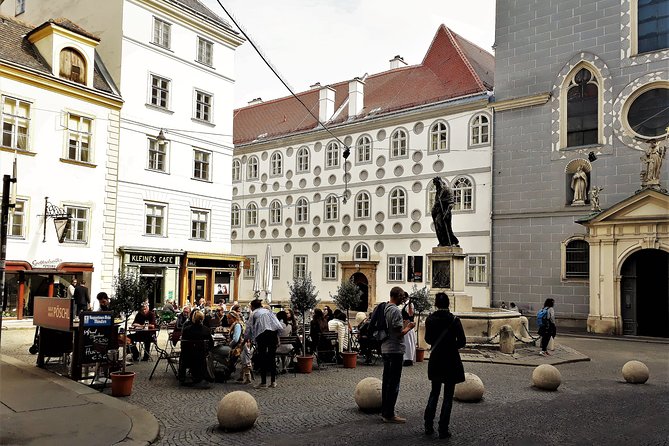
The tour begins at Stubentor U, at one of Vienna’s eastern gates. Even though you’re in the modern city, the guide uses this starting point to help you understand how massive Vienna’s walls were—and how that once-shaped boundary still affects how the old city feels today.
This stop is short, but it’s a smart way to set context. Without it, churches and palaces can blur together. With it, you start noticing where the city thickened and where it opened up.
If you’re someone who likes your sightseeing anchored to “why here,” this opening will feel efficient rather than rushed.
The Church of the Jesuits: architecture you can actually read
Next comes the Church of the Jesuits, where the tour focuses on the spiritual idea behind the building—how the architecture and decoration work together. This is one of those stops where a local guide can change the experience completely, because you’re not just looking at pretty surfaces.
The practical side is that the stop is brief, so you’ll want to listen for the cues the guide gives. When you’re told what to look for, you can spot patterns faster and feel like you’re learning, not just being escorted.
And because it’s a walking tour with multiple quick stops, the best way to enjoy this kind of church time is to commit to short bursts of attention rather than expecting a long, slow visit.
Schönlaterngasse stories: basilisk mural and the 1905 schnitzel link
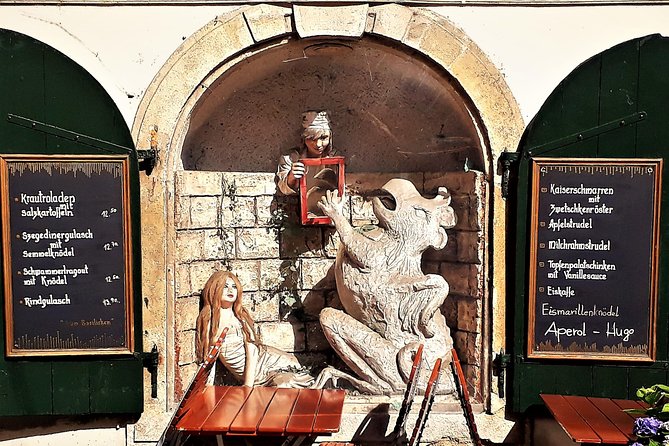
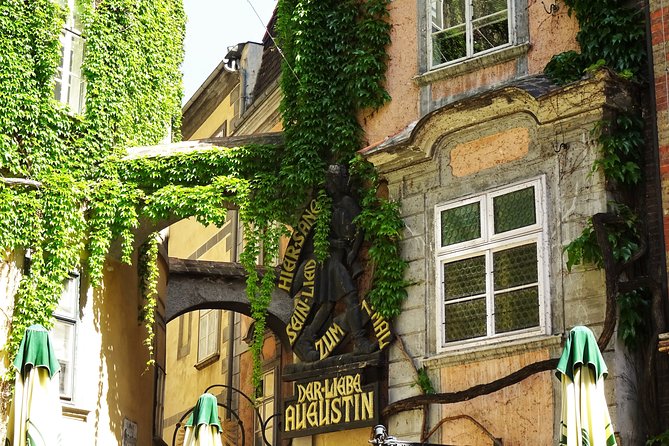
On Schönlaterngasse, you’ll get the legend of the Vienna basilisk illustrated by a mural. It’s the kind of street storytelling that makes the city feel older than the day you’re standing in it.
Then the route pivots to a very Vienna-style claim: since 1905, this is home to the most famous schnitzel. Whether you’re a first-time visitor or a returner, this stop gives you a delicious anchor for understanding how food culture and local legends sit side-by-side in the center.
This is also one of the “quiet-corner” moments the title promises. Instead of pushing through the most crowded streets, you get a small, character-packed slice of daily Vienna that feels like the city is whispering rather than shouting.
Vienna at walking pace, more routes
Teutonic Order setting: Sala Terrena at Deutschordenshaus
Later you’ll step into the atmosphere of the Sala Terrena im Deutschordenshaus. The guide ties this space to the Teutonic Order and to music—there’s mention of something played while he lived in the house of the Teutonic Order in 1781.
The value here is twofold. First, you’re learning how institutions shaped the city’s physical layout. Second, you start noticing that Vienna’s culture isn’t separate from its buildings; it’s built into them.
You’ll only spend around 10 minutes at this stop, so treat it like a “spotlight” visit. You’re learning enough to know what you’re seeing before you walk on.
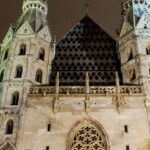
St Stephen’s Cathedral: why outside details matter, then go inside

St Stephen’s Cathedral is the big landmark stop, and the tour takes the right approach: you get help with the outside details first, then time inside. The schedule gives you about 15 minutes, which means you won’t have a full cathedral marathon, but you should be able to see key elements if you follow the guide’s directions.
This is also a good moment for listening for the Mozart and Beethoven threads. The tour is explicitly designed to connect what you see in the city with their lives in Vienna, and major church and civic landmarks are where those musical stories often get tied in.
If you care about interior details, pick a spot that’s comfortable for you to look from. With limited time, the best strategy is to choose your viewpoint and really use it.
A secret rooftop view: the pause that makes the whole walk stick
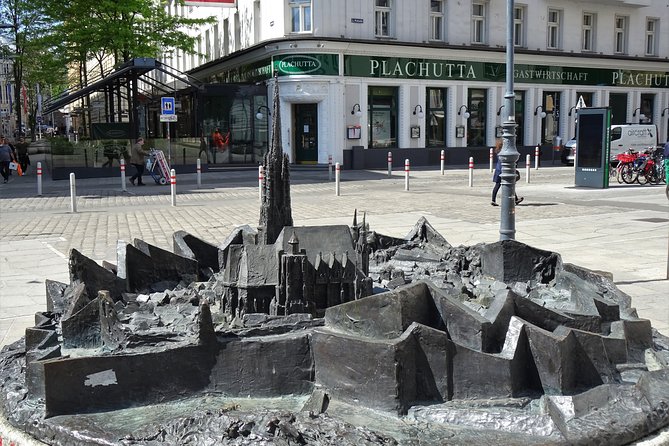
One of the highlights is a rooftop stop described as secret, with great views. This is not just for photos. A view like this helps your brain map the city in a new way after hours of close-up streets and façades.
It also changes the pace without stopping the tour completely. After churches and memorials, the rooftop works as a reset—fresh air, skyline, and a chance to notice how different areas connect.
If your group tends to get tired, this is the kind of moment that can keep energy up through the final stretch.
Judenplatz Holocaust Memorial: seven centuries in an atmospheric square
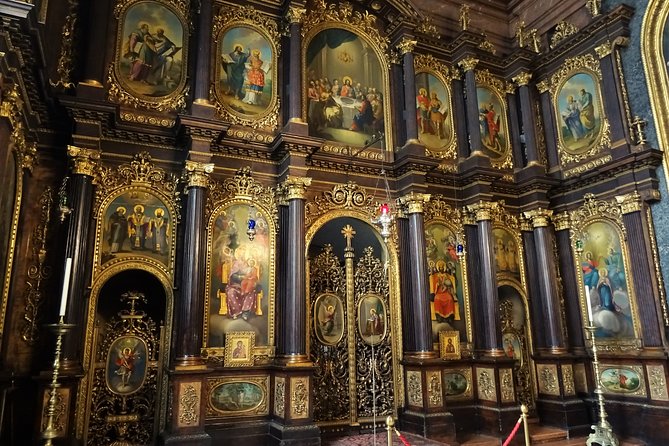
Judenplatz is where the tour becomes heavier and more human. You’ll visit the Holocaust Memorial embedded in one of Vienna’s most atmospheric neighborhood squares, and you’ll get framing about the story spanning seven hundred years.
Because it’s in a public square, this stop lands differently than a museum-only experience. You’re learning in the same kind of open space where people once moved daily—then realizing how that normal flow intersected with terrible history.
Time here is about 10 minutes. Don’t try to cram deep reflection into a short window. Instead, use the guide’s context to get the timeline in your head, then let the square’s feeling do the rest.
Café Central, Ferstel Passage, and the Trotsky–Stalin footnote
Not far from the memorial area, the tour turns toward café life and passageways. You’ll see Café Central and the Ferstel Passage, and there’s a story about where Trotsky and Stalin did not become friends.
This is a clever cultural pivot. Vienna’s central cafés aren’t only for cake and espresso; they’re part of how ideas circulated, how people met, and how politics and culture mixed in daily life.
Also, if you like architecture that you can walk through, passages like Ferstel Passage are a great break from open streets. You get shelter, detail, and a sense of how the city’s built environment shapes conversation.
Palais Daun-Kinsky: baroque ambition and a birthplace detail
Next comes Palais Daun-Kinsky, with a connection to Count Wirich Philipp von Daun and construction starting in 1713 under architect Johann Lucas von Hildebrandt. You’ll also hear about Prince Józef Poniatowski being born there on 7 May 1763.
Even with only about 10 minutes, this stop helps you understand why Vienna’s center looks the way it does: power, wealth, and status were turned into building projects that still guide the city’s sightlines.
If you’re the type who wants to know what’s behind the façades, this is a strong stop. If you prefer only the highest-profile interiors, you might wish you had more time here, but the tour balances palaces with spiritual and memorial stops on purpose.
Rathausplatz and Café Landtmann: Freud’s favorite
The tour finishes near Rathausplatz, with a specific mention of Café Landtmann, Freud’s favorite. This is another great “Vienna link” moment: the city’s intellectual history isn’t abstract. It attaches to real addresses, real cafés, and real places people returned to.
This final part matters because it gives you a sense of continuity. You go from gates and churches to memorials and political café stories, then end with a place tied to psychology and 19th-century thought.
If you’re staying in Vienna a few days, this is also a helpful launching point. You’ll know where to go back for a coffee without guessing.
Guide quality and what to expect from the experience
One reason the rating is so high is consistency around two things: humor and question-friendly explanations. Guides in past tours—including Walter and Brigitte—are described as responsive, personable, and willing to tailor the walk to your interests. That flexibility shows up most for people who like architecture, history, and also practical advice after the tour.
Still, I want to be honest about the one main risk: the tour is built around a 3-hour theme walk, and that means there isn’t unlimited time at each stop. One unhappy experience in the feedback came from a mismatch around pace and mobility, including frustration when a group needed more stopping time and the route ended early.
So here’s the practical move: before you start, tell your guide how you want the tour to feel. If you need frequent rests, say so early. If you want extra time in a church or want the rooftop moment, ask for it at the start rather than waiting until you’re already behind.
Price value: what $344.80 per group buys you
At $344.80 per group (up to 10), you’re paying for a licensed guide and a private route that’s designed to connect sights with stories. It’s priced like a premium private walk, but it can work out well if you’re splitting with friends or family.
What makes it feel worth it is the mix:
- You see the major anchors like St Stephen’s Cathedral and Judenplatz.
- You also get the smaller, street-level storytelling on Schönlaterngasse.
- You get the rooftop view, which most people skip.
- You don’t need to pay for admissions for the listed stops, since they’re marked free in the schedule you’re following.
The one thing not included is transportation to and from attractions. That’s normal for walking tours in dense centers. But it means you should plan a sensible meeting point near where you’re already staying.
Where to meet and how to plan your timing
Pickup is offered, and other meeting points can be arranged within Vienna. If you’re an A’Rosa guest, there’s a specific pier meeting point at Pier Handelskai 265, 1020 Wien.
This matters because Vienna’s center is compact, but ship piers and hotel areas can still require a bit of walking before your tour begins. Get your meeting point squared away so you’re not arriving rushed.
Also, since it’s near public transportation, you’ll usually have options if you’d rather make your own way there. Just remember: once you start, the tour is about steady walking for 3 hours.
Who should book this walk, and who should choose another option
You’ll like this tour if:
- You want a private guide and you enjoy asking questions.
- You care about the stories behind churches, squares, and street legends.
- You want a route that connects Vienna to major music names like Mozart and Beethoven.
- You’d rather move off the busiest lanes and still see the important stuff.
I’d think twice if:
- Your group struggles with stairs or long walking. The tour lists moderate physical fitness and past feedback mentions a typical total around 8,000 steps.
- You need a highly flexible stop-and-start schedule at every landmark. The tour is themed and time-boxed for 3 hours.
Should you book this Private Hidden Vienna Walk?
If you can do the walking and you want the city explained like a friend with a good sense of humor, I think this is an easy yes. The mix is strong: walls at Stubentor, church symbolism, a basilisk mural, schnitzel lore, cathedral time, Judenplatz context, café-passage stories, and a rooftop view that gives the day a payoff.
Book it with confidence if your goal is a clear Vienna orientation plus extra quiet-corner context. Skip it or look for a shorter alternative if your group needs lots of seating time or very slow pacing.
FAQ
How long is the Private Hidden Vienna Walk in Vienna?
It lasts about 3 hours.
How many people can join the private group?
The tour is priced per group of up to 10 people.
Is the tour only for our group or shared with strangers?
It’s a private tour/activity, so only your group participates.
Is pickup offered, and where can we meet?
Pickup is offered. Other meeting points can be arranged within Vienna, and A’Rosa guests meet at Pier Handelskai 265, 1020 Wien.
Can we choose a morning or afternoon departure?
Yes. You can choose a tour that departs in the morning or afternoon.
What language is the tour conducted in?
The tour is offered in English.
Are admission tickets included for the stops?
The listed stops are marked as free admission in the itinerary, and the tour does not list paid admissions as part of the experience.
Is transportation to and from attractions included?
No. Transport to and from attractions is not included.
What are the cancellation rules, and can we bring pets?
You can cancel for a full refund up to 24 hours in advance. Pets are not permitted in certain areas visited, so you should plan for that based on where you’ll be walking.
More Vienna Walks, Step by Step
- Vienna: Guided Walking Tour of City Center Highlights
★ 4.7 · 4,989 reviews - Vienna: Vienna Central Cemetery Guided Walking Tour
★ 4.8 · 3,307 reviews - Vienna: Guided Walking Tour of City Highlights & Hidden Gems
★ 4.9 · 2,180 reviews - Vienna: Viennese Underworld Guided Walking Tour
★ 4.7 · 1,865 reviews - Vienna: World War II Historical Walking Tour
★ 4.8 · 1,772 reviews
More Tour Reviews in Vienna
- Vienna: Vivaldi’s Four Seasons Concert in Karlskirche
★ 4.7 · 14,951 reviews - Vienna: Schönbrunn Palace & Gardens Skip-the-Line Tour
★ 4.7 · 7,739 reviews - Vienna: Light of Creation Votive Church Immersive Light Show
★ 4.8 · 6,779 reviews - Vienna Spanish Riding School Guided Tour
★ 4.7 · 6,765 reviews - Vienna: Classical Concert in the World-Famous Musikverein
★ 4.6 · 6,673 reviews
Yours Alone Across Vienna
- Vienna: Private Walking Tour with a Local
★ 4.6 · 1,446 reviews - Vienna: Private Walking Tour with a Guide
★ 4.7 · 962 reviews - Vienna: Wine Tasting Experience in a Private Wine Cellar
★ 4.8 · 413 reviews - Private Day Tour Trip Salzburg Hallstatt and Melk from Vienna
★ 5.0 · 388 reviews - Private Day Tour of Hallstatt and Salzburg from Vienna
★ 5.0 · 263 reviews
Just In: New Vienna Reviews



Vienna Private Tours, compared.
 ★ 4.6Private Walking Tour with a LocalFrom $561,446 reviews
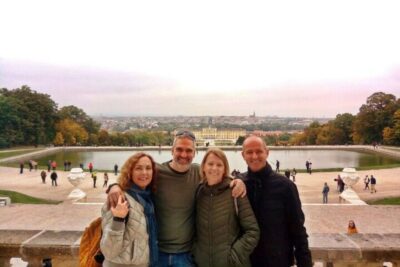 ★ 4.7Private Walking Tour with a GuideFrom $55962 reviews
 ★ 4.8Wine Tasting Experience in a Private Wine CellarFrom $22413 reviews
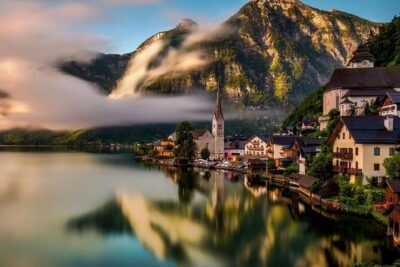 ★ 5.0Private Day Tour Trip Salzburg Hallstatt and Melk from ViennaFrom $930388 reviews
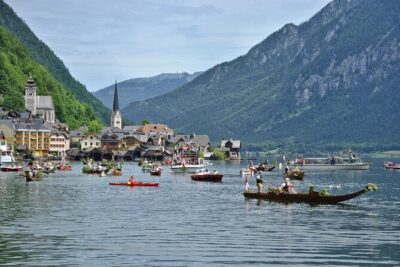 ★ 5.0Private Day Tour of Hallstatt and Salzburg from ViennaFrom $919263 reviews
★ 4.5Vienna Private Walking Tour with a LocalFrom $58131 reviews
★ 5.0Private Day Tour of Hallstatt and Salzburg from ViennaFrom $919263 reviews
★ 4.5Vienna Private Walking Tour with a LocalFrom $58131 reviews
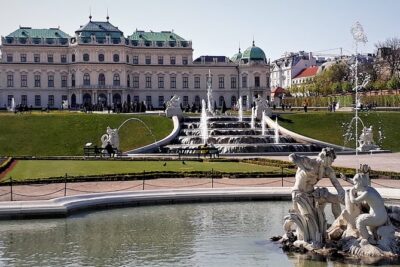 ★ 5.0Vienna at First Glance a Private Walking Tour for First TimersFrom $344131 reviews
 ★ 4.5Vienna City Highlights Private TourFrom $458122 reviews
Browse the lists this tour appears in