
Reviewed · VIENNA WALKING TOURS
Vienna: World War II Historical Walking Tour
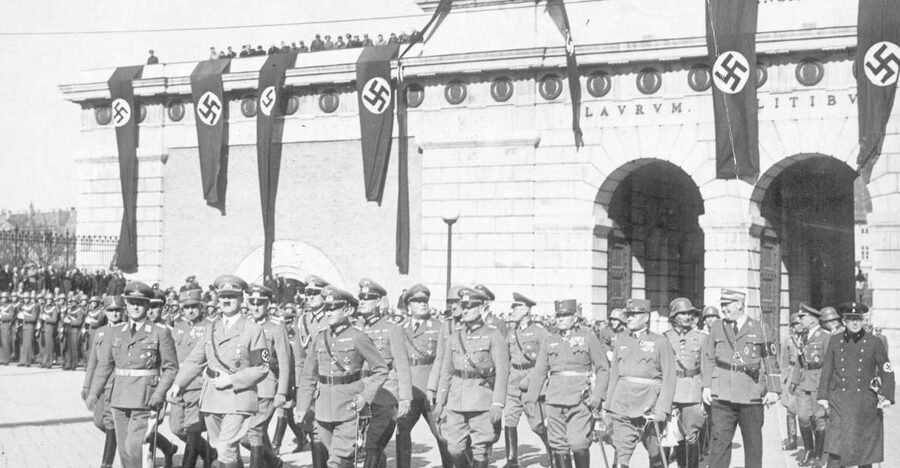
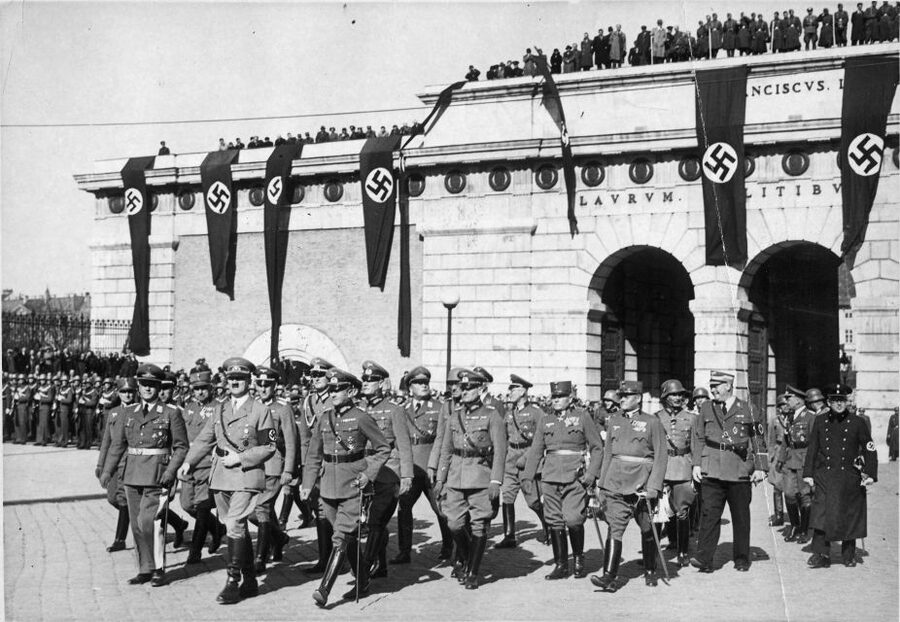
Hitler’s Vienna walks through today. This 2.5-hour guided walk connects street corners near the Albertina and Vienna’s Opera House area to the choices that shaped WWII and its aftermath. You’ll move at a human pace while your guide explains why the young art student’s ideas took hold.
I especially love how the tour makes history feel specific to place, not just dates. You’ll see Vienna’s only synagogue to survive the Nazi regime and visit a Holocaust memorial, two stops that anchor the whole story in a real, hard-to-forget way.
One consideration: this is a walking tour, and entrances to sights aren’t included, so bring comfy shoes and expect to rely on the guide’s storytelling for the full experience.
In This Review
- Key points before you go
- Why this WWII walk starts at the Albertina–Opera corner
- Hearing Hitler’s story where it matters: the rise of ideology in Vienna
- Bomb scars you can still read: what 100,000 bombs changed
- The Jewish community story: fear, rivalry, and what changed
- The only surviving synagogue and why this stop hits hard
- The Holocaust memorial: a quiet anchor on a busy city street
- Vienna after the war: scars of division and the Allied zones
- Pacing, walking distance, and the value of headsets
- Price and value: what $31 buys you in real terms
- Who should book this tour, and who might skip it
- Should you book this Vienna WWII historical walking tour?
- FAQ
- FAQ
- How much does the Vienna WWII historical walking tour cost?
- How long is the tour?
- Where do I meet the guide?
- Is the tour available in English?
- What is included, and what is not included?
- What are the main highlights of the walking tour?
- Can I cancel or pay later?
Key points before you go
- Meeting at the Albertina fountain area: look for the green umbrella in front of Albrechtsbrunnen by the Opera House.
- Hitler’s Vienna context: you’ll trace how his early years and ideology formed.
- 100,000-plus bombs’ impact: the tour explains how bombing changed city life.
- Jewish community and fear: you’ll hear what happened when fear and ethnic rivalry took over.
- Real-world listening help: ear pieces/headsets can make it easier to hear the guide even in busier groups.
Vienna on foot, a couple more routes
- Vienna: Guided Walking Tour of City Center Highlights★ 4.7 · 4,989 reviews
- Vienna: Vienna Central Cemetery Guided Walking Tour★ 4.8 · 3,307 reviews
- Vienna: Viennese Underworld Guided Walking Tour★ 4.7 · 1,865 reviews
- Vienna: World War II Historical Walking Tour★ 4.8 · 1,772 reviews
Why this WWII walk starts at the Albertina–Opera corner
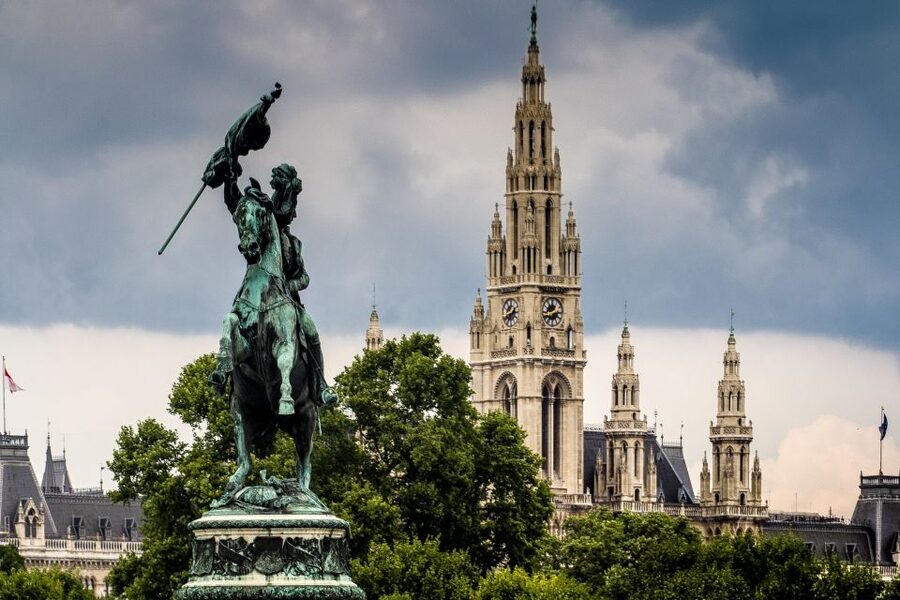
This tour begins right in the Vienna center of gravity: outside the Albertina Museum area, by the Opera House. It’s a smart start because it puts you next to the city’s famous cultural face while your guide prepares you to look at the darker layer underneath.
The meeting point is easy to miss if you’re not paying attention: find the green umbrella in front of Albrechtsbrunnen, at the fountain downstairs at the Albertina Museum, next to the Opera House (Karlsplatz/Oper on the subway). Once you spot it, you’re set for a 150-minute route that stays focused and story-driven.
The biggest value for me is the way the guide uses these landmarks like signposts. You’re not just passing buildings. You’re learning how people lived, blamed, feared, and chose—right where you’re standing.
Hearing Hitler’s story where it matters: the rise of ideology in Vienna
A lot of WWII tours toss out facts about Hitler and move on. This one slows down the earlier chapter: the Vienna years and the environment that helped his thinking harden.
Your guide walks you through how a young man’s ideas developed and why they could take hold in the social and political climate of Vienna at the time. You’ll hear the arc from art student to feared dictator, with the emphasis placed on how ideology doesn’t appear out of thin air. It grows where resentment, instability, and propaganda have fertile ground.
The practical win here is that you’ll be able to connect the dots as you keep touring Vienna afterward. When you see other historical sites later, you’ll recognize the patterns your guide explains—social pressure, scapegoating, and the way fear spreads through ordinary life.
Bomb scars you can still read: what 100,000 bombs changed
One of the tour’s most sobering parts is the discussion of bombing. You’ll learn about the effect of over 100,000 bombs on Vienna and what that meant for daily life, buildings, and the city’s sense of safety.
This isn’t delivered like a history lecture from a museum podium. You’re outside, looking at the city itself, which makes the numbers feel more real. When your guide points out damage scars and wartime results you can still sense in the urban fabric, it’s harder to treat the war as something that happened somewhere else.
It also helps you understand why the postwar story was so tense. When a city has been repeatedly attacked, people don’t simply go back to normal. They rebuild while memories stay raw—and politics follows that emotional reality.
The Jewish community story: fear, rivalry, and what changed
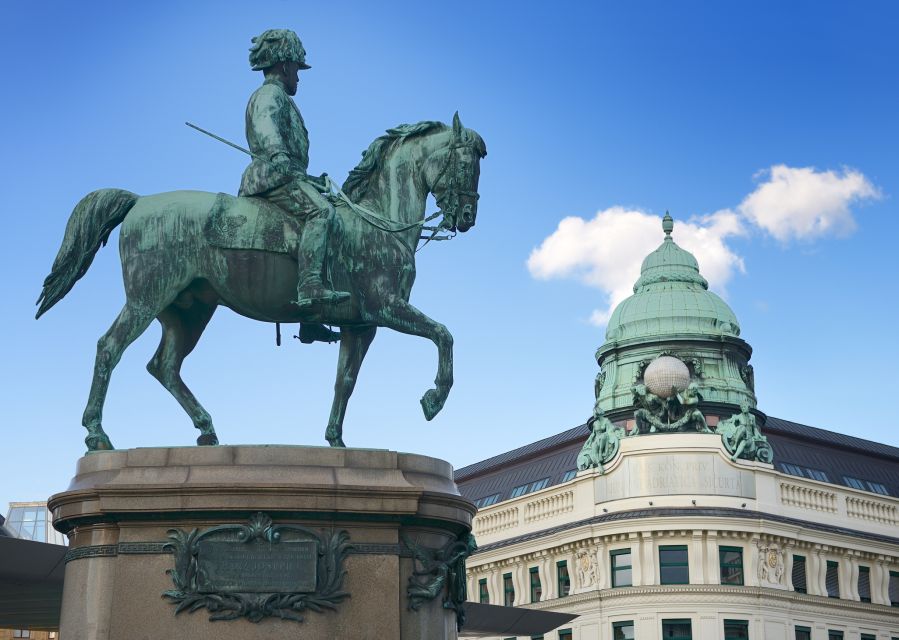
A key theme is what happened to Vienna’s large Jewish community when ethnic rivalry and fear took hold. Your guide ties these dynamics to the broader political climate that shaped how individuals and institutions responded during the Nazi period.
This matters because it gives you more than a generic tragedy summary. You start to see the mechanisms: fear narrows people’s choices, and rivalry makes cruelty easier to justify. It’s the kind of context that turns history from distant tragedy into a warning about how societies can fracture.
Also, because you’re walking, the pacing stays human. You get stops that let you process what you’re hearing—especially around the memorial-related moments later in the route.
Vienna at walking pace, more routes
The only surviving synagogue and why this stop hits hard
One of the tour’s top highlights is the stop at the only synagogue that survived the Nazi regime. That detail alone makes this an unusual experience, because so much of European Jewish life was targeted, destroyed, or erased.
When you stand near a place that physically endured when so much else didn’t, the story becomes less abstract. Your guide frames the synagogue in the wider context of Nazi persecution and what it meant for Vienna’s Jewish community.
Practical tip: treat this stop as one of your main “absorb it” moments. Don’t rush your eyes over it. Pause, listen, and let the guide finish the explanation before you move on to the next corner.
The Holocaust memorial: a quiet anchor on a busy city street
After the surviving synagogue stop, the tour moves to Vienna’s somber Holocaust memorial. If you came to Vienna expecting imperial palaces and concert halls, this is the point where the tone of the whole trip changes.
The guide uses the memorial as a moral anchor for the walking story. You’ll connect earlier explanations—bombing, fear, persecution—with the aftermath of genocide. It’s a heavy stop, but it’s also one that prevents the tour from becoming purely analytical.
I like that the tour doesn’t treat this as a box-checking moment. Your guide’s approach is serious, and the pacing gives you a chance to sit with what you’re learning.
Vienna after the war: scars of division and the Allied zones
WWII didn’t just end with liberation; it reshaped the city. You’ll see how Vienna was divided after the war, and you’ll learn that it was one of the rare cases where the Allied powers managed a zone together.
Your guide points out how these postwar arrangements changed daily life and how the city carried those divisions in its structure and mindset. It’s a reminder that even when fighting stops, politics keeps running—and cities keep reflecting it.
One reason this part works well is that it broadens your understanding of WWII’s timeline. You start to see that the war’s “end” still took years to settle, and for Vienna, that meant living with division as part of the landscape.
Pacing, walking distance, and the value of headsets
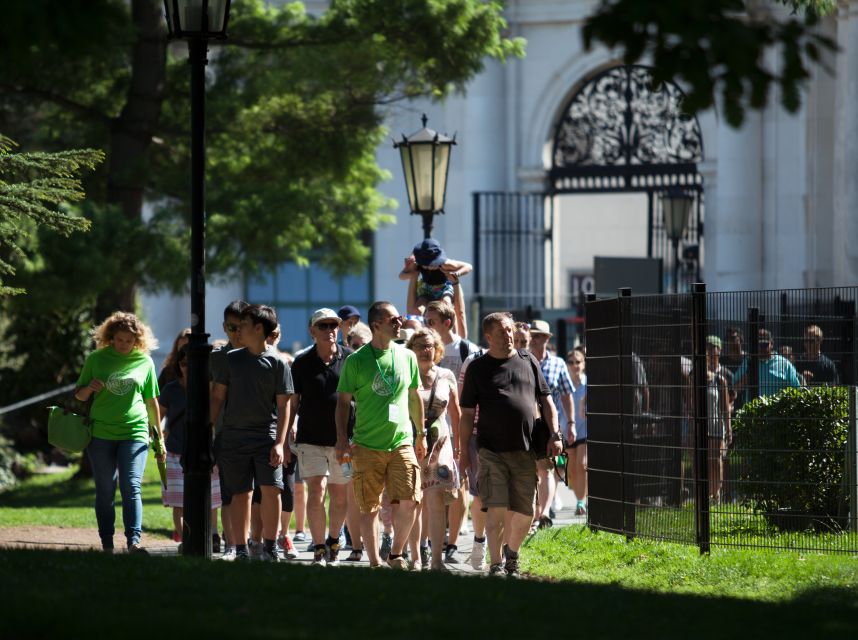
The duration is 150 minutes, and the route includes enough stops and pauses to keep it from feeling like a nonstop march. In practice, it’s a manageable walk for most people with decent mobility, though you’ll still want comfortable shoes because you’re outdoors and moving between points.
A common practical detail in the guide experience: for larger groups, you may use headsets so you can hear clearly without crowding close to the guide. That small piece of tech makes a real difference in a city setting where background noise can be loud.
You’ll also notice that guides build in warm spots or shelter when weather turns nasty, which matters in Vienna winters. One review detail that stood out in my mind: guides have been careful about pausing when rain hits hardest, instead of pushing through with poor timing.
One more thing to know: the walk doesn’t necessarily bring you right back to the starting point. You’ll likely finish near a nearby metro stop, so you can continue your day easily.
Price and value: what $31 buys you in real terms
At $31 per person for a 150-minute guided walking tour, you’re paying mostly for interpretation: someone puts the story together while you see the sites. You’re not paying for museum entrances, since entrances to attractions aren’t included.
So what are you really getting? A live guide who connects:
- Hitler’s early years and ideology to Vienna’s social climate
- the scale and impact of bombing
- the persecution of Vienna’s Jewish community
- the unusual survival of one synagogue
- the Holocaust memorial
- the postwar division of the city and Allied zoning
That’s a lot of narrative packed into just over two hours. For my money, the best part is that the guide helps you understand cause-and-effect. If you already know some WWII basics, this tour still adds value by giving you a Vienna-specific lens you can carry to the rest of your trip.
Also, the tour format is built for focus: it’s not a long bus ride with scenery guilt. It’s short walks with stops that let you absorb what you’re hearing.
Who should book this tour, and who might skip it
This is ideal if you want Vienna history that’s grounded in moral reality, not just architectural beauty. If you care about how political conditions shape extremist ideologies, you’ll appreciate the emphasis on Hitler’s early years and how the environment helped his thinking take hold.
You’ll also like it if you want a guided route that hits key WWII and Holocaust markers without turning into a rushed checklist.
You might consider skipping if you’re looking for a lighter, entertainment-heavy tour. This is serious subject matter, and the Holocaust memorial stop is not there for atmosphere.
Should you book this Vienna WWII historical walking tour?
If you want the WWII story in Vienna told through actual streets, real survivors’ context, and memorial stops, I’d book it. The price-to-time ratio is solid, and the standout stops—the only surviving synagogue and the Holocaust memorial—make it more than a general history walk.
Just go in prepared for a sober tone. Bring good shoes, keep your questions ready, and treat the stops as moments to listen, not just photos to collect.
FAQ
FAQ
How much does the Vienna WWII historical walking tour cost?
The price is $31 per person.
How long is the tour?
The tour lasts 150 minutes (about 2.5 hours).
Where do I meet the guide?
Meet in front of Albrechtsbrunnen, the fountain downstairs at the Albertina Museum next to the Opera House. Look for the green umbrella (subway: Karlsplatz/Oper).
Is the tour available in English?
Yes, the live tour guide speaks English.
What is included, and what is not included?
Included: a live guide and a walking tour. Not included: entrances to attractions and trip-related items.
What are the main highlights of the walking tour?
You’ll visit the only synagogue that survived the Nazi regime, see Vienna’s Holocaust memorial, learn about the bombing impact on the city, and understand how Vienna was divided after World War II.
Can I cancel or pay later?
You can cancel up to 24 hours in advance for a full refund. You can also reserve now and pay later.
More Tours in Vienna
- Vienna: Schönbrunn Palace & Gardens Skip-the-Line Tour
★ 4.7 · 7,739 reviews - Vienna Spanish Riding School Guided Tour
★ 4.7 · 6,765 reviews - Vienna: Skip-the-Line Sisi Museum, Hofburg and Gardens Tour
★ 4.8 · 5,918 reviews - Vienna: Skip-the-Line Schönbrunn Palace & Gardens Tour
★ 4.8 · 5,411 reviews - Vienna: Guided Walking Tour of City Center Highlights
★ 4.7 · 4,989 reviews
More Tour Reviews in Vienna
- Vienna: Vivaldi’s Four Seasons Concert in Karlskirche
★ 4.7 · 14,951 reviews - Vienna: Schönbrunn Palace & Gardens Skip-the-Line Tour
★ 4.7 · 7,739 reviews - Vienna: Light of Creation Votive Church Immersive Light Show
★ 4.8 · 6,779 reviews - Vienna Spanish Riding School Guided Tour
★ 4.7 · 6,765 reviews - Vienna: Classical Concert in the World-Famous Musikverein
★ 4.6 · 6,673 reviews
Vienna on Foot, Continued
- Vienna: Guided Walking Tour of City Center Highlights
★ 4.7 · 4,989 reviews - Vienna: Vienna Central Cemetery Guided Walking Tour
★ 4.8 · 3,307 reviews - Vienna: Guided Walking Tour of City Highlights & Hidden Gems
★ 4.9 · 2,180 reviews - Vienna: Viennese Underworld Guided Walking Tour
★ 4.7 · 1,865 reviews - Vienna Historic Center Small Group Walking Tour
★ 5.0 · 1,746 reviews
Just In: New Vienna Reviews



Vienna Walking Tours, compared.
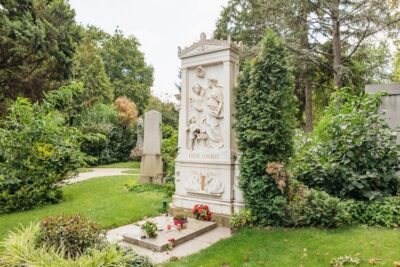 ★ 4.8Vienna Central Cemetery Guided Walking TourFrom $3353,307 reviews
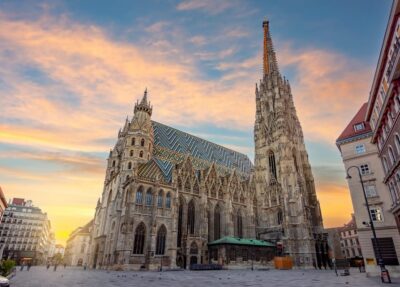 ★ 4.9Guided Walking Tour of City Highlights & Hidden GemsFrom $272,180 reviews
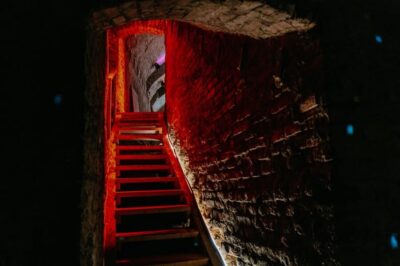 ★ 4.7Viennese Underworld Guided Walking TourFrom $371,865 reviews
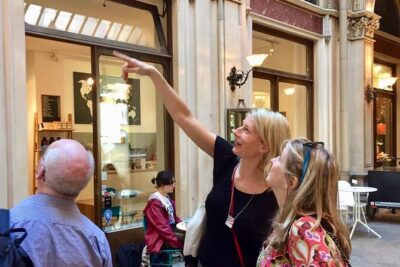 ★ 5.0Vienna Historic Center Small Group Walking TourFrom $721,746 reviews
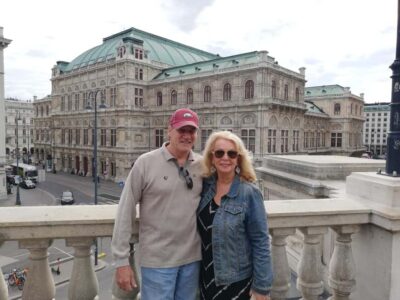 ★ 4.6Private Walking Tour with a LocalFrom $561,446 reviews
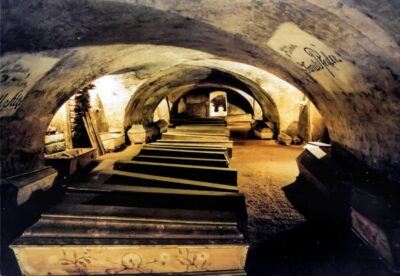 ★ 4.91.5-Hour Underground Walking TourFrom $321,146 reviews
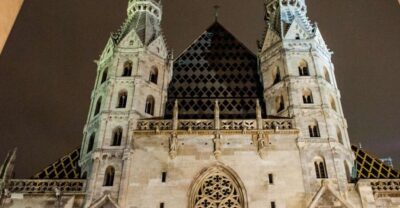 ★ 4.4Ghosts and Legends Guided Nighttime Walking TourFrom $201,088 reviews
 ★ 4.7Private Walking Tour with a GuideFrom $55962 reviews
Browse the lists this tour appears in