

Reviewed · VIENNA PRIVATE TOURS
Semi-Private Tour: Central Europe &Balkans from Vienna to Athens
21 days. One guide. Many borders. What makes this trip work is the small-group feel and the food-and-wine focus that shows up again and again, from Austrian vineyards to Albanian raki and olive oil. My two favorite parts are the hands-on tastings plus the way a real guide keeps the day organized, not just bused along. The main drawback to plan for: you cover a lot of ground, so you’ll want a packable tolerance for long drives and early starts.
I’m also drawn to how smoothly the trip connects major cities with slower countryside moments, with hotel pickup/drop-off and a private vehicle doing the heavy lifting. Reviews specifically praise guides by name, like Sokol, and that fits what you get here: a professional leader who’s there to keep timing and comfort under control. The big decision for you is value: at $7,315.17 per person, you’re paying for the convenience of private transport, included site entries (for selected stops), and a small maximum group—so this is best if you want structure and won’t want to piece things together yourself.
In This Review
- Key highlights to pay attention to
- Price and logistics for a Vienna-to-Athens route that actually moves
- Small-group pacing (max 10) and why the guide matters more than you think
- Vienna pickup to Rust’s wine lanes: Day 1’s Danube-to-vineyard momentum
- Bratislava Old Town, Michael’s Gate, and a castle view that earns the climb
- Budapest in one big day: St. Stephen’s, castles, and a night to wander
- Serbia’s Danube arc: Subotica style and the wine town lesson in Karlovci
- Sarajevo and Mostar: uneven terrain, big stories, and UNESCO Old Bridge time
- Kotor’s medieval maze and Budva’s old-and-new split before Albania
- Mrizi i Zanave slow-food farm and Prizren’s fortress views
- Kosovo and monasteries: Gjakovë bazaar, Deçan frescoes, and wine in Rahovec
- Krujë bazaar and castle cooking lesson: Albania’s resistance story in walking form
- Tirana by food: Byrek, Albanian coffee, raki, and Bunk’Art 2
- Ohrid Lake to St. Naum: UNESCO scenery with some quiet time built in
- Berat’s 1001 windows and Gjirokastër’s Stone City feeling
- Greece’s build-up: Ioannina’s Ottoman-Byzantine feel and Meteora at sunset
- Athens drop-off and the optional ferry to Corfu port
- Should you book this Vienna-to-Athens tour?
- FAQ
- How many days is the tour?
- Is hotel pickup available?
- How many people are on the semi-private tour?
- What’s included in the price?
- Are lunches and dinners included?
- What about admission tickets at specific stops?
- Is the tour physically demanding?
- Where does the tour end?
- Is the tour refundable if you cancel?
Key highlights to pay attention to
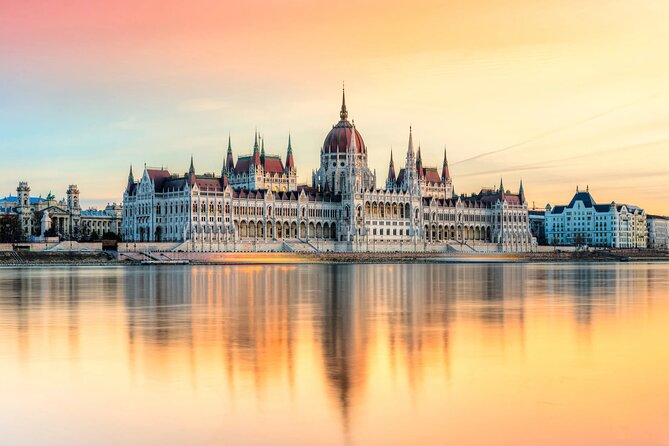
- Rust wine region start with Lake Neusiedl views and free time to taste locally
- Castle cooking lesson energy tied to Krujë, not just sightseeing
- UNESCO hits stacked across Kotor, Ohrid, Berat, Gjirokastër, and Meteora
- Albanian food in real neighborhoods in Tirana, including Byrek, Gjizë, Qofte, and raki
- Small group size (max 10) so the guide can actually give context on the fly
- End options with hotel drop-off in Athens or a ferry included to Corfu port
Only your group, at your own tempo
- Vienna: Private Walking Tour with a Local★ 4.6 · 1,446 reviews
- Vienna: Private Walking Tour with a Guide★ 4.7 · 962 reviews
- Vienna: Wine Tasting Experience in a Private Wine Cellar★ 4.8 · 413 reviews
- Private Day Tour Trip Salzburg Hallstatt and Melk from Vienna★ 5.0 · 388 reviews
Price and logistics for a Vienna-to-Athens route that actually moves
This tour is priced at $7,315.17 per person for about 21 days, which is a serious number. The upside is you’re not paying for “just transportation.” You’re paying for private transport throughout, a professional tour leader, hotel drop-off in Athens (or port drop-off for Corfu), and tourist taxes plus insurance-related coverage that’s listed as included.
Also included: entry tickets for the specific sites that are marked as included, and breakfast (20) across the days. Lunches, dinners, drinks, and snacks are listed as not included, so you should budget for food beyond breakfast. If you like to eat lightly or you’re the kind of person who snacks all day, plan your spending style early.
Two practical notes you’ll feel quickly:
- The schedule is busy and you’ll repeat the pattern of drive → short walking/visiting → drive again.
- You get a small-group setup (maximum 10 people), but you’re still traveling across several countries, so long-ride days are part of the deal.
Small-group pacing (max 10) and why the guide matters more than you think
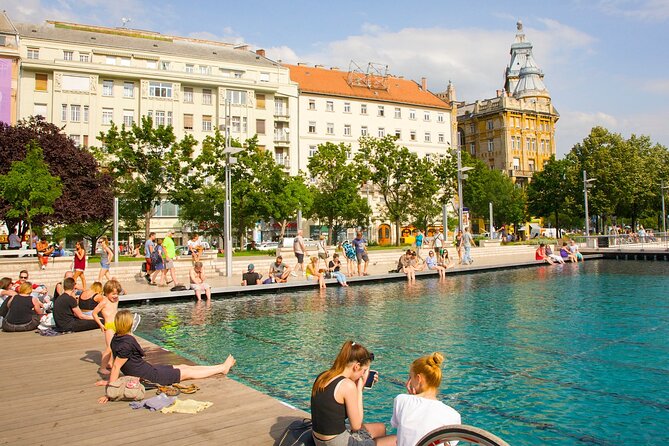
When you’re crossing borders and changing languages, the guide becomes your translator, organizer, and “what matters today” filter. This is where the semi-private nature really helps. The trip is designed for focused attention rather than a giant group shuffle.
In the feedback, the guide gets named as Sokol, and that’s not a small detail. It signals that the company’s service isn’t anonymous. In practice, that kind of leadership usually means fewer surprises: you know what time you’re leaving, what’s included, and what’s worth your energy once you’re out of the van.
You should still come with the right mindset: if you need slow travel every day, this isn’t that. If you like a guided route with room to wander on your own in the afternoons, this setup tends to fit well.
Vienna pickup to Rust’s wine lanes: Day 1’s Danube-to-vineyard momentum
Day 1 starts with Vienna on your own, then you get picked up at your hotel. The timing is listed with a start time of 11:00 am, so you won’t be waiting around all morning. From there, the first real travel payoff is the stop in Rust, in Austria’s wine region near Lake Neusiedl (a UNESCO World Heritage area).
Rust is charming in a practical way: a preserved historic center, colorful houses with flower boxes, and an easy walk that doesn’t require map skills. You also get time to explore local shops and then head toward vineyard viewpoints. This is one of those days where you can choose your pace—wander the old town, then relax by the lake with a meal and local wines.
After Rust, you drive toward Bratislava, stopping briefly so you can get oriented. The overnight is in Bratislava, which makes the next day feel less rushed.
Bratislava Old Town, Michael’s Gate, and a castle view that earns the climb
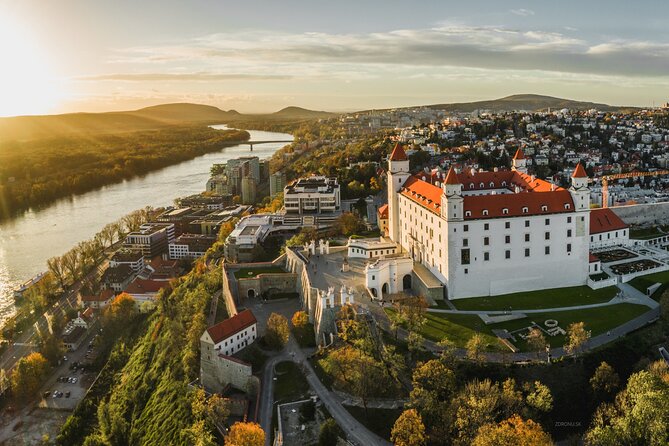
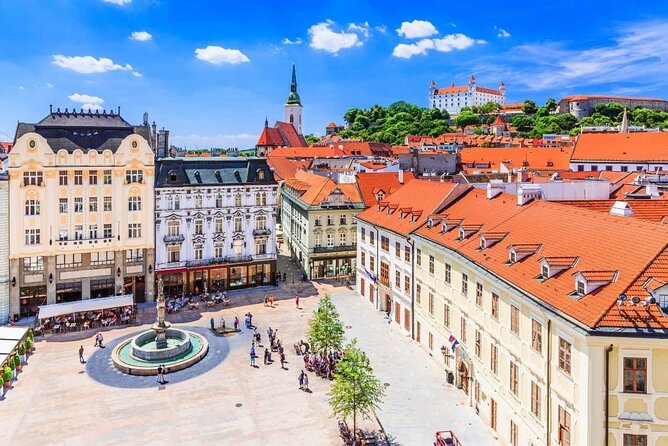
Bratislava is a good “warm-up” city: compact, scenic, and easy to understand even if you’ve never been. The tour takes you through the Old Town, then past Michael’s Gate, the only preserved medieval gate from the fortifications. After that, you head up to Bratislava Castle, where you’re rewarded with the hilltop view over the Danube.
One consideration: some sights are marked as admission not included (like certain churches/areas), while Bratislava Castle is included. That mix is normal on multi-country tours, but it means you should keep a little flexibility in your budget and don’t assume every single stop has the same entry cost.
The rest of the day is your time—there’s also a built-in pause for café culture, and it’s a nice break after the walking. If you want coffee and people-watching, Bratislava is the type of city where that plan works.
More private days, your group only
Budapest in one big day: St. Stephen’s, castles, and a night to wander
Budapest is set up as the “big city” spotlight. You get time to see both sides of the Danube—the traditional Buda and the more cosmopolitan Pest—plus a route that passes major highlights like Heroes’ Square, the Fisherman’s Bastion, and the Parliament area.
One key included stop is St. Stephen’s Basilica (Szent István Bazilika), marked as admission included. Even if you’re not a church person, the basilica is a classic Budapest moment: it’s central, visually striking, and it gives you an easy landmark to meet back at.
The afternoon includes Buda Castle and multiple bridges, plus the guide fills in context as you go. Then you get free evening time to explore at your own pace. That’s important here. Budapest is the kind of place where you’ll want to decide: do you want a sunset viewpoint, a riverside walk, or just a long dinner out?
Serbia’s Danube arc: Subotica style and the wine town lesson in Karlovci
From Hungary you head into Serbia, starting with Subotica. This city works especially well on a guided route because the atmosphere is different: Austro-Hungarian influence shows up in architecture and layout, and it’s known for relaxed energy, good food, and quality wines.
You’ll walk central areas around the City Hall, then see other highlights, including stops like the Cathedral of St. Teresa of Avila and a synagogue visit. Subotica gives you a “different Serbia” feeling—less fortress, more streetscape.
Then comes Novi Sad, described as the cultural capital of northern Serbia, with Austro-Hungarian and Ottoman influences mixed through centuries. You’ll also visit Petrovaradin Fortress, often called the Gibraltar on the Danube, and enjoy pedestrian streets through the center.
After that, you pivot into wine country with Sremski Karlovci, a Baroque “museum town” feel and a place where wine tradition is the point. The tour includes free time to taste different wine specialties with vineyard views. If your idea of a perfect day includes a little walking plus a lot of tasting, this is a strong sequence.
Sarajevo and Mostar: uneven terrain, big stories, and UNESCO Old Bridge time
Sarajevo is one of those stops where you don’t just look—you listen. The tour includes time in the Ottoman and Austro-Hungarian parts of the city and notes visible reminders from the Yugoslav War, including bullet holes and cannon marks. You also do walking on uneven terrain, so comfortable shoes matter.
You’ll cover key Sarajevo highlights like Latin Bridge, tied to the story of how WWI was triggered, and you’ll also visit markets and bazaars in different quarters. Then the trip moves to Mostar, where the centerpiece is the Old Bridge (Stari Most), part of UNESCO.
Mostar’s charm is in its mix: old mosques, Turkish bazaars, and cobbled alleys that feel like they lead you somewhere new every turn. The tour also gives time to wander on your own afterward. If you want to linger for photos and snack breaks, Mostar is generous with that kind of freedom.
Kotor’s medieval maze and Budva’s old-and-new split before Albania

Montenegro is handled in a pair of days that highlight two sides of the country. In Kotor, you get the UNESCO Old Town experience: narrow cobblestone streets with a planned “chaotic” layout meant to confuse intruders. You also visit Saint Luke’s church and get afternoon free time to explore more.
Then Budva appears with its old town and newer areas separated out. You visit Old Budva highlights, including churches like St. Ivan and St. Mary, plus time in the medieval core.
On the way toward Albania, there’s a viewpoint stop for Sveti Stefan, now an exclusive residential resort area. You won’t be stepping onto the island, but the coastal sight is worth a picture.
Then you cross into Shkodër (Albania). The focus here is historical layering and the setting: a visit to Rozafa Castle for the lake-and-river panorama, plus time to explore the city’s Venetian-influenced architecture.
Mrizi i Zanave slow-food farm and Prizren’s fortress views
This part of the trip slows down in a good way. You visit Mrizi i Zanave – Restorant Agroturizëm, described as some of the best slow food agro-tourism in the Balkans. You’ll tour the farm, learn how it supports hundreds of jobs in the region, and see how it collects, preserves, and works with bio fresh local products.
You also get free time for a traditional lunch or to buy fresh produce. That’s one of the few moments in this long route where you’re not rushing through a town to check off sights. It’s also a chance to reset your brain and focus on how food connects to land and people.
Then you head to Prizren. The tour includes the Sinan Pasha Mosque visit and a Kalaja Fortress panorama. After that, you get a free afternoon in Prizren, which is helpful because the old town is the kind of place where you’ll naturally want time to wander by yourself.
Kosovo and monasteries: Gjakovë bazaar, Deçan frescoes, and wine in Rahovec
The trip continues across Kosovo with stops that feel like different flavors of the same region. In Gjakovë, you visit the bazaar area, described as the oldest and largest in Kosovo, rebuilt after wars. It’s a practical stop for handmade crafts and a solid place to eat.
Then you go to Deçan Monastery, known for its white exterior and frescoes. It’s UNESCO-listed, and the key point here is that Orthodox monks still inhabit the monastery and produce organic food like cheeses. That’s a very “day-to-day” kind of cultural contact, not just photo time.
Next comes Rahovec Valley, highlighted as a viticulture capital of the area, with grape cultivation traced back to Illyrian times. The tour notes vineyard altitudes and gives you a sense of why the wine tradition here has staying power. If you’re the sort of person who likes to connect geography to taste, this is a smart stop.
Krujë bazaar and castle cooking lesson: Albania’s resistance story in walking form
Now you’re into Albania’s central historical core with Krujë. The town is tied to the Albanian resistance against the Ottoman expansion in the 15th century. The layout matters: it’s rocky, mountainous, and it sits above the sea around 560 meters—so you’re walking with views in your peripheral vision.
You’ll browse the Krujë Medieval Old Bazaar, one of the oldest in the Balkans. This is where souvenir shopping feels more honest. You’re in the maze of wooden houses and narrow streets, and you can look for handmade crafts like carpets and jewelry.
Then comes Krujë Castle, strategically placed for defense. The tour includes the castle visit and notes hidden paths used by locals during sieges. This is also where the experience includes cooking lessons at Krujë Castle (from the tour’s description). That combination is powerful: you learn about food alongside a place built for endurance.
Expect this day to feel more participatory than the big-city days. You’ll likely come away with a stronger sense of what Albanian food means beyond what it tastes like.
Tirana by food: Byrek, Albanian coffee, raki, and Bunk’Art 2
Tirana is handled with a local-food lens, and that’s a highlight. You meet a local companion and start with breakfast-style tasting at a small local spot for Byrek—dough filled with things like cheese, meat, or spinach.
Then you move through the Çam Bazaar, founded by the Çam community, where you can buy goods and bargain. The tour also includes coffee culture, with time to join locals for Albanian coffee in a cozy café and spend time walking through neighborhoods and street markets.
There’s a shopping-and-snacking mix too:
- Pazari i Ri, including a bicycle bazaar with second-hand items
- A stop at the New Bazaar for a traditional lunch with Qofte (meatballs) and bread, plus a vegetarian option with bread and Gjizë
- Albanian raki tasting to close out the food loop
Finally, you end with Bunk’Art 2, a museum converted from a nuclear bunker associated with Enver Hoxha and the communist regime. This last stop changes the tone of the day, which is a good balance: food and daily life earlier, then the harder historical layer near the end.
Ohrid Lake to St. Naum: UNESCO scenery with some quiet time built in
In North Macedonia, you stop first in Struga, with a quick drink near the Drini River. Then you head to Ohrid, a UNESCO World Heritage site where the city and lake are connected to ancient settlement history.
The tour includes viewpoints and visits such as the churches of St. John and St. Nicolas, plus the Halveti Hayati Tekke mosque. Ohrid is described as having 365 Orthodox churches, and that’s the kind of detail that makes you understand why the area stayed important through different empires.
The next day includes St. Naum Monastery, located near the source of the Crni Drim River, in a protected natural area. There’s also a stop at Tushemisht and time at Driloni National Park for the small lake and willow-lined shoreline. This segment gives you the chance to slow down compared to the urban stretches.
Berat’s 1001 windows and Gjirokastër’s Stone City feeling
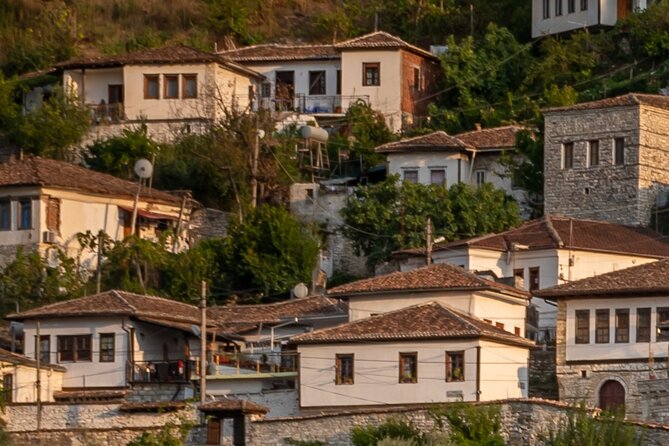
Berat is called the city of 1001 windows and is another UNESCO stop. The tour emphasizes the medieval castle city feel and the stacked-window look from hillside stone streets. It also notes that residents still live inside the castle walls, which helps you picture the place as lived-in, not frozen in time.
Later comes Gjirokastër, also UNESCO-listed, with its nickname “The Stone City.” The defining character here is that each house feels fortified, and you’ll visit the castle area, the bazaar cascading down the hillside, and Skenduli House, a well-preserved original home.
This is one of the best “architecture-through-walking” parts of the trip. If you like places where the streets themselves are the attraction, these two days reward you.
Greece’s build-up: Ioannina’s Ottoman-Byzantine feel and Meteora at sunset
Crossing into Greece includes Ioannina, with a mix of Byzantine and Ottoman architecture visible in walls and houses. You’ll wander the old town and visit Ioannina Castle for the warren of narrow streets inside.
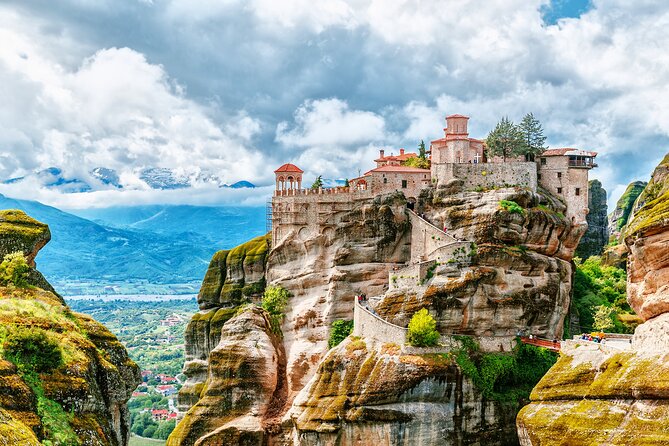
Then you drive to Meteora, another UNESCO site where monasteries sit atop dramatic rock formations. The tour builds toward the visual payoff, with advice about watching around sunset time. Even if you’re not religious, Meteora is one of those spots where the setting does half the work for you.
If you hate crowds and hate heights, you might not love Meteora. If you’re okay with climbing stairs and sharing viewpoints, it’s one of the most memorable ways to end a long Balkan run.
Athens drop-off and the optional ferry to Corfu port
The last day ends in Athens, with hotel drop-off included. The tour also offers an alternative ending via Igoumenitsa Port with ferry tickets included to Corfu port.
That flexibility matters on a long trip. Some people want the Greek city energy at the very end. Others prefer a smaller island reset.
Either way, your final goal is simple: give yourself one last long walk where you don’t have to check a list.
Should you book this Vienna-to-Athens tour?
Book it if you want:
- Small-group structure with a named guide and smooth transport between countries
- A heavy schedule that still includes real culture through food, tastings, and focused walking stops
- Strong UNESCO stacking plus a memorable Albania section focused on local bites and castles
Skip it if:
- You need lots of downtime every day
- You expect every meal to be included (breakfast is included; lunches/dinners/drinks aren’t)
- You’re sensitive to long drives between cities and borders
For the price, this tour only makes sense if you value convenience and guided pacing more than building your own route. If you do, it’s the kind of trip that leaves you with more than photos: you’ll remember how the food connected to land, and how the stories connected across borders.
FAQ
How many days is the tour?
The duration is listed as about 21 days.
Is hotel pickup available?
Yes. Pickup is offered, including hotel pickup in Vienna at the start of the tour.
How many people are on the semi-private tour?
The tour has a maximum of 10 travelers (small-group size).
What’s included in the price?
Included items listed are private transport, a professional tour leader, hotel drop-off in Athens (or port drop-off for the Corfu ferry), entry tickets for the sites that are marked as included, tourist taxes, insurance/road taxes/petrol, and breakfast (20).
Are lunches and dinners included?
No. Lunches, dinners, drinks, and snacks are listed as not included.
What about admission tickets at specific stops?
Some sights are marked admission included, and others are marked admission not included. You’ll want to keep a little extra budget for sites that aren’t covered.
Is the tour physically demanding?
It’s described as suitable for moderate physical fitness, but there is walking on uneven terrain during the Sarajevo day.
Where does the tour end?
It ends in Athens with hotel drop-off, or with port drop-off in Igoumenitsa including ferry tickets to Corfu port.
Is the tour refundable if you cancel?
No. It’s non-refundable and cannot be changed for any reason.
More Tours in Vienna
- Vienna: Schönbrunn Palace & Gardens Skip-the-Line Tour
★ 4.7 · 7,739 reviews - Vienna Spanish Riding School Guided Tour
★ 4.7 · 6,765 reviews - Vienna: Skip-the-Line Sisi Museum, Hofburg and Gardens Tour
★ 4.8 · 5,918 reviews - Vienna: Skip-the-Line Schönbrunn Palace & Gardens Tour
★ 4.8 · 5,411 reviews - Vienna: Guided Walking Tour of City Center Highlights
★ 4.7 · 4,989 reviews
More Tour Reviews in Vienna
- Vienna: Vivaldi’s Four Seasons Concert in Karlskirche
★ 4.7 · 14,951 reviews - Vienna: Schönbrunn Palace & Gardens Skip-the-Line Tour
★ 4.7 · 7,739 reviews - Vienna: Light of Creation Votive Church Immersive Light Show
★ 4.8 · 6,779 reviews - Vienna Spanish Riding School Guided Tour
★ 4.7 · 6,765 reviews - Vienna: Classical Concert in the World-Famous Musikverein
★ 4.6 · 6,673 reviews
Yours Alone Across Vienna
- Vienna: Private Walking Tour with a Local
★ 4.6 · 1,446 reviews - Vienna: Private Walking Tour with a Guide
★ 4.7 · 962 reviews - Vienna: Wine Tasting Experience in a Private Wine Cellar
★ 4.8 · 413 reviews - Private Day Tour Trip Salzburg Hallstatt and Melk from Vienna
★ 5.0 · 388 reviews - Private Day Tour of Hallstatt and Salzburg from Vienna
★ 5.0 · 263 reviews
Just In: New Vienna Reviews



Vienna Private Tours, compared.
 ★ 4.6Private Walking Tour with a LocalFrom $561,446 reviews
 ★ 4.7Private Walking Tour with a GuideFrom $55962 reviews
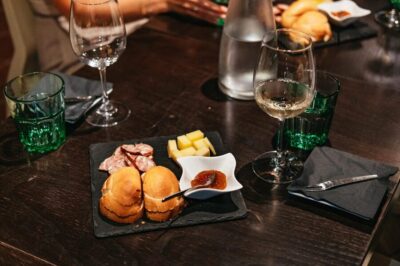 ★ 4.8Wine Tasting Experience in a Private Wine CellarFrom $22413 reviews
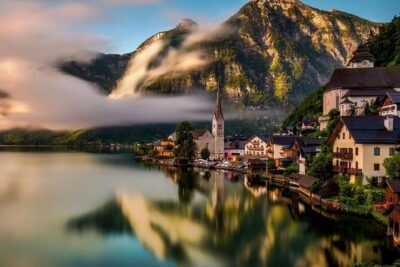 ★ 5.0Private Day Tour Trip Salzburg Hallstatt and Melk from ViennaFrom $930388 reviews
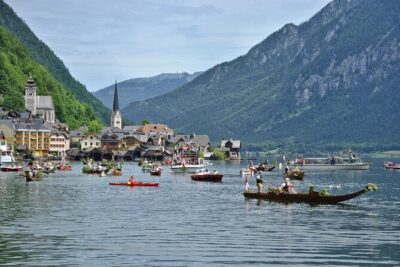 ★ 5.0Private Day Tour of Hallstatt and Salzburg from ViennaFrom $919263 reviews
 ★ 5.0Private Hidden Vienna Walk — Stories Behind Quiet CornersFrom $344137 reviews
★ 4.5Vienna Private Walking Tour with a LocalFrom $58131 reviews
★ 5.0Private Hidden Vienna Walk — Stories Behind Quiet CornersFrom $344137 reviews
★ 4.5Vienna Private Walking Tour with a LocalFrom $58131 reviews
 ★ 5.0Vienna at First Glance a Private Walking Tour for First TimersFrom $344131 reviews
Browse the lists this tour appears in