
Reviewed · TOURS
Small Group Tour; Europe &The Balkans – Vienna to Dubrovnik/Split
A trip like this works because it mixes big-city icons with off-the-map water time. You get a small group pace through the Danube corridor, then swing into the Balkans with centuries of empire layers, markets, churches, and fortresses. The Albania nature highlight adds boat views and real outdoor effort, not just photos.
I especially like the low-friction logistics: hotel pickup in Vienna and a professional tour leader keep the days moving. I also like that you don’t just sit in a coach all day—this route builds in walking time in historic centers, café stops for local life, and (in the Albania portion) kayaking with provided equipment plus an overnight in a local bed and breakfast.
One thing to consider: this is a lot of driving and some uneven walking. In Sarajevo you’ll be on uneven terrain, and the overall schedule can shift with conditions, so if you hate early starts and long road days, this may feel like hard work.
In This Review
- Key points worth knowing
- A small-group Vienna-to-the-Balkans route that actually feels like a trip
- Day 1: Vienna’s handoff, then Lake Neusiedl and Rust’s wine-town charm
- Bratislava essentials: medieval center, fortress views, and real café time
- Hungary’s best hits: Győr’s architecture, then Budapest’s biggest signals
- Subotica, Novi Sad, and Sremski Karlovci: where empires leave signatures
- Belgrade, Zvornik, Sarajevo, and Mostar: the route gets heavier
- The finish line: border crossing, then Dubrovnik or Split
- Albania’s Koman Lake and Shala River: the outdoor “wow” portion
- What $3,450.94 covers—and where value really shows up
- Who this is best for (and who should think twice)
- Should you book?
- FAQ
- How long is the tour?
- Where does the tour start and where does it end?
- What time does the tour start?
- How large is the group?
- What’s included in the price?
- What is not included?
- Is pickup and drop-off provided from hotels?
- Do I need good physical fitness?
- Does the tour depend on weather?
- Are tips required?
Key points worth knowing
- Small group (max 10) means a more human pace and easier questions for your tour leader.
- Hotel pickup/drop-off reduces stress across multiple countries.
- Danube cities + fortresses keep themes clear: power, trade, and migration lines.
- Café culture breaks make the route feel like everyday life, not just sightseeing.
- Albania’s Koman/Shala adds a boat ride, kayaking, and a nature overnight.
- Some admissions vary (most are free/included, but not every site is covered).
Still weighing this one? Line it up against a few Vienna favourites first.
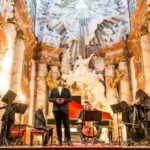
- Vienna: Vivaldi’s Four Seasons Concert in Karlskirche★ 4.7 · 14,951 reviews
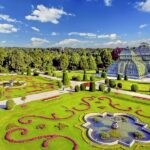
- Vienna: Schönbrunn Palace & Gardens Skip-the-Line Tour★ 4.7 · 7,739 reviews
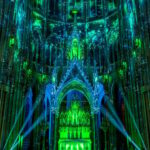
- Vienna: Light of Creation Votive Church Immersive Light Show★ 4.8 · 6,779 reviews
- Vienna Spanish Riding School Guided Tour★ 4.7 · 6,765 reviews
A small-group Vienna-to-the-Balkans route that actually feels like a trip
This is the kind of multi-country itinerary that can go either way: it can feel rushed, or it can feel like you’re traveling with a plan and room to breathe. The “small group, max 10” part is what helps. With fewer people, you get smoother timing for short walks, more flexibility when streets get crowded, and less waiting around when you’re changing cities.
You’ll also spend a lot of time in a comfortable vehicle. That matters because parts of the route run over roads that can be challenging—so you’re not just trading sightseeing for discomfort. Your tour leader’s job is more than “point and shoot.” They guide the context: why a castle sits where it does, what an empire left behind, and what to notice as you move from one city’s style to another.
There’s a second layer too: this itinerary pairs urban icons with quieter moments. You’ll have free time to wander (and eat) on your own in places like Bratislava and Belgrade, and you’ll get outside in a big way during the Albania highlight.
Day 1: Vienna’s handoff, then Lake Neusiedl and Rust’s wine-town charm
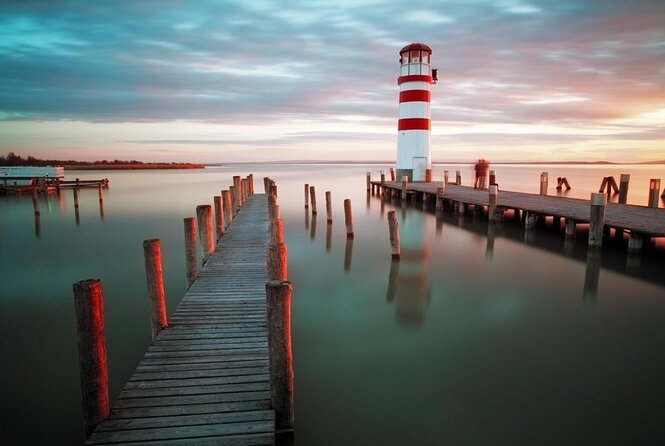
Your day starts with a Vienna hotel pickup, timed for a calm departure (start time listed as 11:00 am). After that, you’re already out of the city and into Lake Neusiedl views—a UNESCO World Heritage area. Even if you know nothing about the lake, you can read the region quickly: flat horizons, water glints, and vineyards climbing into rolling hills.
Stop 1 is Lake Neusiedl. Admission is listed as free, and that makes it a good “stretch your legs and look around” moment. The value here isn’t a single monument. It’s the sense of place—this is what northern Austria’s wine country feels like.
Stop 2 is Rust, famous for its well-preserved historic center. What makes Rust fun is the small-scale beauty: colorful houses with flower boxes, relaxed street energy, and that “you could spend hours here” feel. There’s also time to browse small shops for natural-material souvenirs (things made from wood or even from wine-barrel traditions are mentioned), which is a nice change from mass-market stores.
Rust has another ace up its sleeve: a chance to look toward the vineyards and enjoy a meal there. You can sample local wines in the region—so you’re not only tasting with your eyes.
Stop 3 is a quick pass by Bratislava (30 minutes). That’s not enough to “do” the city, but it’s enough to make the next day feel connected rather than totally new.
Watch-out for expectations: day 1 is more about setting the route’s mood than hitting a checklist of major sights. If you’re okay with that, you’ll relax into the trip.
Bratislava essentials: medieval center, fortress views, and real café time
Bratislava gets a full, well-paced day. The Old Town visit is structured around landmarks that help you understand how the city has functioned historically—medieval civic life, churches and institutions, and embassies sitting in the same frame.
The stops you’ll hit include:
- Old Town Hall and the medieval core (with a tour focus on ancient history and the city’s church-and-institution density).
- Michael’s Gate, the only preserved medieval gate from the fortifications.
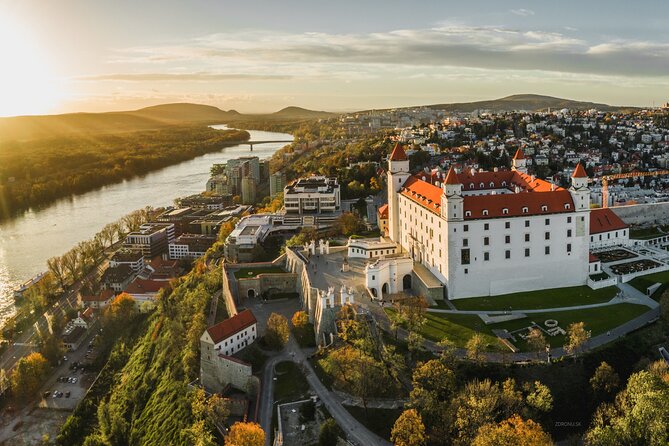
- Bratislava Castle, with time to walk up, then enjoy the view over the Danube.
The castle part is where your photos usually improve, because you’re looking down across rooftops and the river. The view time is also included (castle admission listed as included).
In the afternoon you return to the city center and get free time for something Bratislava does well: café culture. This is practical. You’ll want a break after days of walking—so use the time for a coffee and a slow wander rather than trying to squeeze in another attraction before dinner.
Small practical tip: plan for uneven stairs and short climbs when you do the castle walk. Comfortable shoes matter more here than in many flat cities.
Hungary’s best hits: Győr’s architecture, then Budapest’s biggest signals
Day 3 takes you toward Hungary with Győr, a city known for baroque architecture and the feeling of a place where rivers and streets matter. The center is described as surrounded by multi-color homes and churches, which is a quick visual signal that you’re in a different architectural world than Vienna.
The guided focus includes the Town Hall and its 59-meter tower with a green top. That tower is a handy navigation landmark. When you’re walking, you’ll often be able to re-orient yourself by it.
You also visit the Cathedral of The Virgin Mary (Roman style, built in the 11th century) and then walk along a pedestrian-only street called Baross Gábor Way, lined with cafes and shops. You even get a mention of blueberry beer. That kind of detail is useful because it tells you you’re not expected to “eat only what’s convenient.” This is a meal-and-drink friendly stop.
Day 4 is Budapest, and the route gives you the highlights without trying to turn it into a museum sprint. You’ll pass major signals like Saint Stephen’s Basilica, the Opera, Parliament, Heroes’ Square, and Fisherman’s Bastion. You also get the Danube “two-part city” concept—Buda and Pest—which helps you make sense of why viewpoints matter so much.
Buda Castle is included and is a UNESCO World Heritage Site. The castle time helps you understand Budapest as a layered city, not just a pretty skyline.
That night there’s free evening time to explore on your own. This is valuable for two reasons:
- You can choose the vibe—quiet streets, a dinner stop, or a night viewpoint.
- You don’t feel “behind” because the tour isn’t trying to keep you moving every minute.

Subotica, Novi Sad, and Sremski Karlovci: where empires leave signatures
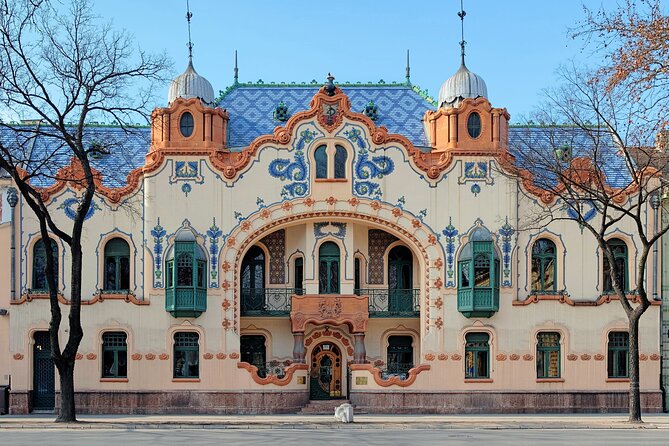
This middle stretch is where the route feels most distinct. You move from Austria-Hungary style influences to a more complex mix of cultures and architectural echoes.
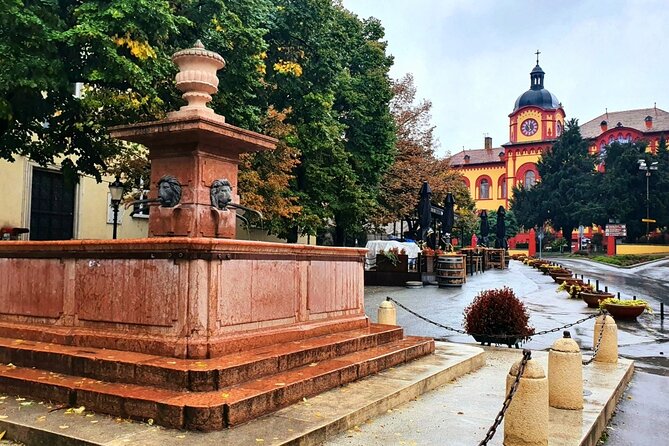
Subotica (Day 5) is built around multicultural spirit and Austro-Hungarian-era wealth. You’ll focus on the city center without it being dominated by a single cathedral. Instead, the City Hall anchors the area, surrounded by park space, fountains, and a large square. That layout creates a pleasant walking rhythm: look up at the building, then drift into open space and back into street life.
There’s also synagogue time. The Subotica synagogue stop is listed as not included for admission, and that’s important. Most other “admission/free” items here are listed as free or included, but not everything is. If you care about religious architecture, plan for the possibility of a separate ticket.
Then Day 6 gives you Novi Sad, described as the cultural capital of northern Serbia. The city tour frames it as a borderland legacy—Austro-Hungarian and Ottoman influences shaped the streets over centuries. The key stop is Petrovaradin Fortress, also called the Gibraltar on the Danube. That fortress is the kind of place that makes the geography feel strategic, not decorative.
You’ll explore the pedestrian streets and pass places like Zmaj Jovina and Dunavska. There’s free time too, and the day ends with an overnight in Novi Sad. That’s a smart choice for a long route because it breaks the travel rhythm—one less coach day.
Day 7 focuses on Sremski Karlovci, a wine-producing area and a “museum town” feel in baroque form. You’ll learn about the tradition of winemaking and visit the Four Lions fountain legend—drink from it and the story says you’ll return and get married there. Legends are fun, but the practical value is this: you’ll be in an area built for slow walks and long tastings, not just quick photo stops.
Belgrade, Zvornik, Sarajevo, and Mostar: the route gets heavier
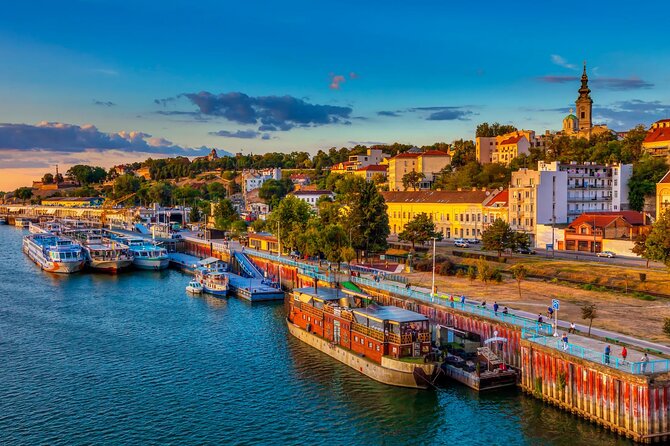
Day 8 begins with Belgrade, and the city tour is anchored by the Belgrade Fortress and Kalemegdan Park. The confluence of the Sava and Danube is one of those “you get it instantly” places—wide water, big sky, and a view that makes the city feel like it grew around its rivers for a reason.
Inside the fortress area, you’ll see the Pobednik monument (history dating to 1913). Then you walk down Knez Mihailova toward Republic square. That route matters because it’s the living city spine, not just isolated landmarks.
After Belgrade, you drive toward Bosnia and Herzegovina and reach Zvornik on the Drina River. You get a free-time lunch window and time to walk around. The itinerary focuses less on major monuments here and more on a breather—especially helpful when you’re heading toward Sarajevo and Mostar, which carry a different emotional weight.
Day 9 is Sarajevo, with walking on uneven terrain and reminders of the Yugoslav War, including bullet holes and cannon marks visible around town. This is where the tour becomes more than scenic travel. You’re guided through stories of Sarajevo’s origins, then the Ottoman and Austro-Hungarian parts of the city—markets, bazaars, mosques, churches, and synagogues are part of the route. The itinerary describes it as a kind of European Jerusalem, and the point is clear: Sarajevo’s religious and cultural variety is not theoretical; it’s visible street by street.
You also visit Latin Bridge, tied directly to the events that triggered World War I. That stop gives you a clearer timeline for why this city sits at such a painful crossroads in 20th-century history.
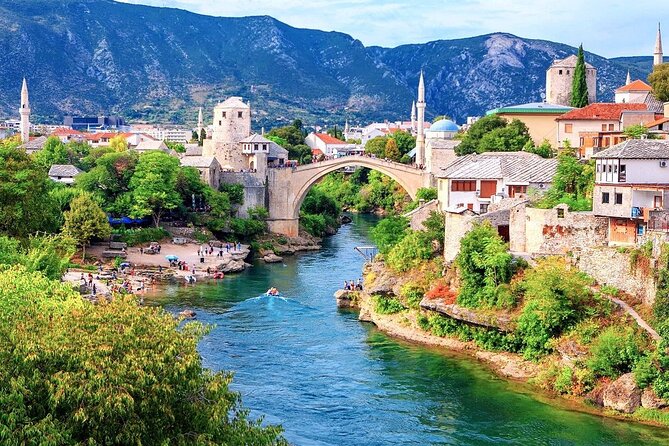
In the afternoon the trip continues to Mostar. You’ll see Old Bridge (Stari Most), part of UNESCO World Heritage, built in typical Islamic architectural style in the 16th century. The Old Bridge area tour includes the Old Bazaar and lively cobbled alleys, plus stones with Don’t Forget markings around town.
Mostar’s structure helps you understand why it’s so photographed and so real at the same time: old and new sit side by side, and the city’s layout makes wandering feel natural.
The finish line: border crossing, then Dubrovnik or Split
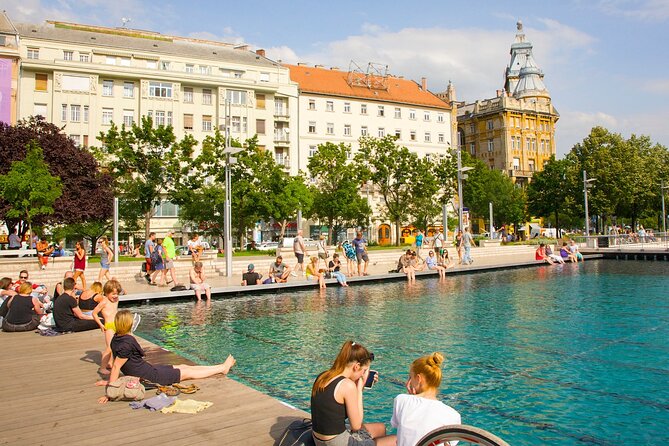
Day 10 is the end of the central Europe and Balkans run. Your tour leader takes you to the Croatian border, and then a local representative/shuttle drives you onward to your final city—Dubrovnik or Split, depending on your departure.
This matters because both endings change what you do next. Dubrovnik tends to pull you into fortress-wall vibes and sea views; Split tends to feel more like a working coastal city with big history in the middle of daily life. Since your tour ends with a shuttle to your hotel, you can transition quickly into a free days mode.
Albania’s Koman Lake and Shala River: the outdoor “wow” portion
Even though the big itinerary road trip runs through Vienna and the Balkans, the signature adventure described for this program is a two-day Albania experience north of Tirana: Lake Koman and Shala River.
Here’s what you can expect from that part of the trip:
- Pickup from your Tirana hotel to start the adventure with less stress.
- A drive toward the Koman area, including boat travel across Lake Koman with big water views.
- A stop at Shala River and kayaking with provided equipment for you and your small group.
- Overnight in a local bed and breakfast, so you’re sleeping like the trip is yours, not like you’re just passing through.
The kayaking isn’t described as a “sit and paddle around.” It’s framed as an adventure, and the group setup matters because it’s part of the fun. You’ll likely feel more comfortable with the equipment and instructions with a smaller group than with a large crowd.
From real experience described in the available notes, there’s also a hike component after the boat landing—walking up the mountain for a couple of hours with astonishing views, to reach a very remote village area called Merturi i Gurit. That’s the kind of effort that turns the trip from scenic to memorable.
Fitness note: this portion pairs well with moderate physical fitness. If you’re good with uneven paths and short-to-medium hikes, you’ll be happier. If you’re not, you might still enjoy the boat and water views, but plan for a workout day.
What $3,450.94 covers—and where value really shows up
The price listed is $3,450.94 per person, and the value comes from the “packaging” of a very long route, not from individual ticket prices.
Included items that add up in practice:
- 3-star accommodation with breakfast for all overnights (BB for the whole trip; breakfast listed as 9).
- Professional tour leader throughout.
- Vienna hotel pickup and drop-off at Dubrovnik or Split.
- Entry tickets for the sites that are listed as visited (not everything is guaranteed—some stops note admission not included).
- Tourist and road taxes, international car insurance, and petrol.
Not included is also clear: lunches, dinners, drinks, snacks, souvenirs, and personal spending. That’s normal. It also gives you freedom to choose your meals based on the day’s mood.
A small-group trip like this tends to be worth more than a budget coach tour because it reduces your mental load. You’re not constantly figuring out transport between countries, sorting tickets while juggling language barriers, and timing check-in windows alone. That’s real value when you’re covering a lot of ground.
Who this is best for (and who should think twice)
This works best for you if:
- You want a structured route through major Danube cities and the Balkans without planning every day yourself.
- You like guided context—why each city looks the way it does, not just what you’re looking at.
- You’re okay with moderate activity: walking, some uneven terrain (especially in Sarajevo), and outdoor effort in Albania if you choose that highlight.
You should think twice if:
- You dislike long days on the road. This itinerary has big-distance energy.
- You want totally free independent travel with minimal group structure. This is still a tour, with a schedule and group timing.
If you’re the type who enjoys “history you can see” plus a serious nature day, this format will likely click.
Should you book?
If your dream trip is a mix of UNESCO-level city sights, fortress views, and a real outdoors escape to Lake Koman and Shala River, I’d seriously consider booking. The small-group cap (10 travelers) and the hotel pickup/drop-off plan are the two pieces that make a long multi-country trip feel manageable.
Just go in with the right expectations: you’re signing up for movement and some uneven walking, not a slow cruise through one city.
FAQ
How long is the tour?
The duration is listed as 10 days approximately.
Where does the tour start and where does it end?
It starts in Vienna, Austria, and ends in a different location with shuttle transfer to either Dubrovnik or Split.
What time does the tour start?
The start time is listed as 11:00 am.
How large is the group?
The maximum group size is 10 travelers.
What’s included in the price?
The included items list covers 3-star accommodation with breakfast for overnights, a professional tour leader, Vienna hotel pickup, hotel drop-off in Dubrovnik or Split, entry tickets for sites visited, tourist and road taxes, international car insurance, petrol, and breakfast (9).
What is not included?
Lunches, dinners, drinks, snacks, souvenirs, and personal spending are not included, along with anything not mentioned in the included list.
Is pickup and drop-off provided from hotels?
Yes. Vienna hotel pickup is included, and pickup is also offered from your Tirana hotel for the Albania Lake Koman and Shala River highlight.
Do I need good physical fitness?
The tour lists moderate physical fitness as the requirement. The Sarajevo day includes walking on uneven terrain, and the Albania part includes an outdoor kayaking experience and time outdoors.
Does the tour depend on weather?
Yes. The experience requires good weather. If it’s canceled due to poor weather, you’ll be offered a different date or a full refund.
Are tips required?
Tips are not a must in the Balkans, but the recommendation is to tip the tour leader/driver as good international practice.
More Tours in Vienna
- Vienna: Schönbrunn Palace & Gardens Skip-the-Line Tour
★ 4.7 · 7,739 reviews - Vienna Spanish Riding School Guided Tour
★ 4.7 · 6,765 reviews - Vienna: Skip-the-Line Sisi Museum, Hofburg and Gardens Tour
★ 4.8 · 5,918 reviews - Vienna: Skip-the-Line Schönbrunn Palace & Gardens Tour
★ 4.8 · 5,411 reviews - Vienna: Guided Walking Tour of City Center Highlights
★ 4.7 · 4,989 reviews
More Tour Reviews in Vienna
- Vienna: Vivaldi’s Four Seasons Concert in Karlskirche
★ 4.7 · 14,951 reviews - Vienna: Schönbrunn Palace & Gardens Skip-the-Line Tour
★ 4.7 · 7,739 reviews - Vienna: Light of Creation Votive Church Immersive Light Show
★ 4.8 · 6,779 reviews - Vienna Spanish Riding School Guided Tour
★ 4.7 · 6,765 reviews - Vienna: Classical Concert in the World-Famous Musikverein
★ 4.6 · 6,673 reviews
Just In: New Vienna Reviews



Tours, compared.
 ★ 4.7Schönbrunn Palace & Gardens Skip-the-Line TourFrom $637,739 reviews
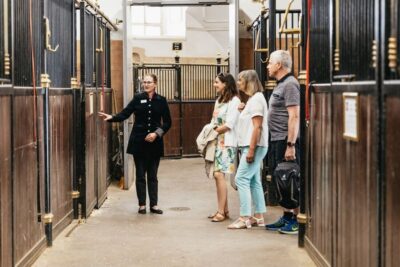 ★ 4.7Vienna Spanish Riding School Guided TourFrom $286,765 reviews
 ★ 4.8Skip-the-Line Schönbrunn Palace & Gardens TourFrom $765,411 reviews
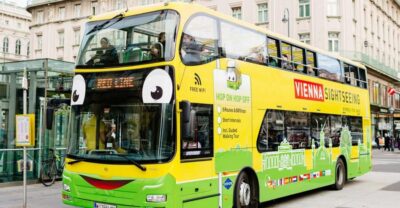 ★ 4.2Hop-On Hop-Off Sightseeing Bus Tour in 19 LanguagesFrom $414,518 reviews
 ★ 4.6Time Travel and Magic Vienna History TourFrom $273,879 reviews
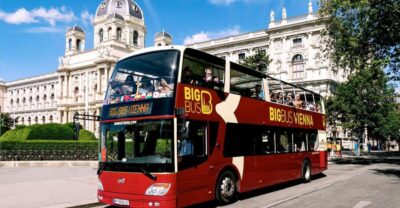 ★ 4.4Big Bus Hop-On, Hop-Off Tour by Open-Top BusFrom $363,529 reviews
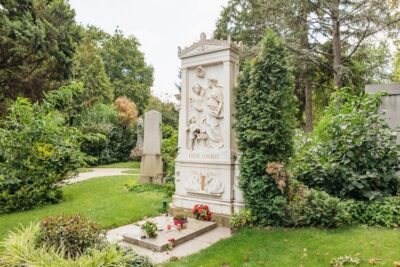 ★ 4.8Vienna Central Cemetery Guided Walking TourFrom $3353,307 reviews
 ★ 4.3Bus & Schönbrunn Palace Skip-the-Line Guided TourFrom $812,802 reviews