
Reviewed · VIENNA OPERA & CLASSICAL CONCERTS
Vienna Classical Concert – Strauss in Historic 1837 Hall
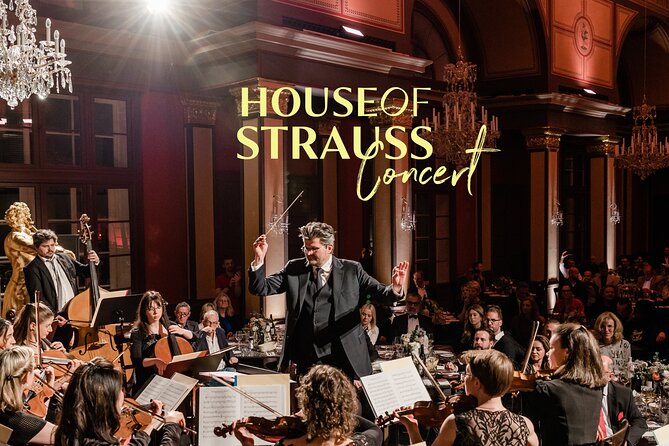
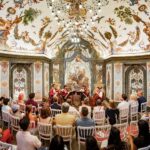
Vienna sounds best when you hear it in the right room. This evening pairs access to the House of Strauss Museum with a classical program performed by the House of Strauss Orchestra in the historic Strauss Hall.
Two things I like: first, you get more than a concert. The museum visit (from 18:00) lets you connect the music to the people and the dynasty behind it. Second, the performance focus feels sharp—when the orchestra and solo voice go to work, you feel the style of Vienna’s golden era right away.
One practical drawback to plan around: timing can be confusing. Some tickets and web info have shown different start times (and the museum takes longer for some people than expected), so I’d double-check the exact times printed on your ticket before you head out.
In This Review
- Key Things to Know Before You Go
- How the Evening Is Set Up (Museum to Strauss Hall to Concert)
- The House of Strauss Museum: Best Use of Your Pre-Concert Time
- Entering Strauss Hall: The Value of the Right Room
- The Orchestra and Solo Voice: What You’ll Actually Hear
- Timing Confusion: The Most Important Practical Tip
- English-Friendly, But Still Cultural
- Price and Value: What $78.61 Buys You in Real Terms
- Location and Getting There: Avoid the Taxi Surprise
- Who This Is Best For (And Who Might Skip It)
- What a Perfect Planning Day Looks Like
- Should You Book This Strauss Concert?
- FAQ
- What times does the museum and concert run?
- Is the concert ticket separate from the museum ticket?
- Is this experience offered in English?
- How long is the whole experience?
- Do I need a printed ticket?
- Is the venue near public transportation?
- Are service animals allowed?
- What if my plans change?
Key Things to Know Before You Go
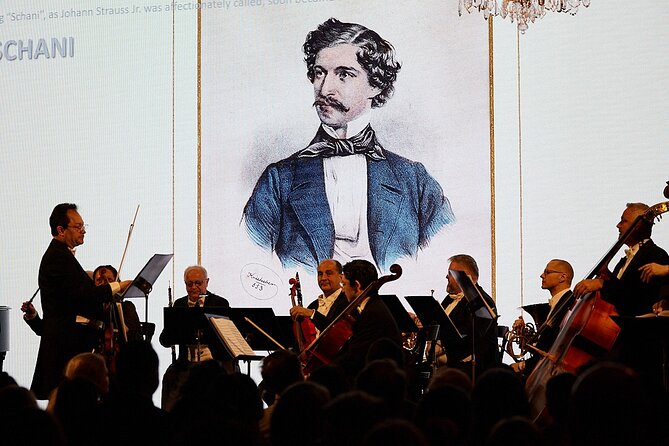
- 1837 Strauss Hall setting gives the concert a period-correct feel, not just another music venue
- Museum access from 18:00 adds context so the program lands with more meaning
- Concert runs 20:30–21:30 for a full hour of music after the hall doors open
- English available makes the evening easier to follow
- Transport-friendly area means you’re not stuck if you skip a taxi
- Timing mismatches happen—build in buffer time and verify your ticket
Another night under the chandeliers
- Vienna: Classical Concert in the World-Famous Musikverein★ 4.6 · 6,673 reviews
- Vienna: Mozart Concert at the Musikverein – Golden Hall★ 4.6 · 5,194 reviews
- Vienna: Classical Concert in St. Anne’s Church (Annakirche)★ 4.6 · 3,414 reviews
- Vienna: Mozart and Strauss Concert at Schönbrunn★ 4.5 · 2,967 reviews
How the Evening Is Set Up (Museum to Strauss Hall to Concert)
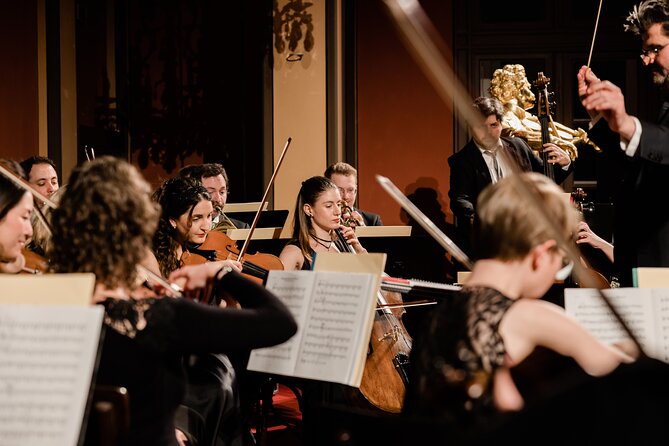
This is an evening with a clear flow: museum first, then hall, then concert. You’re not wandering in and out all night—you’re guided through the arc of the Strauss story.
The day’s rhythm looks like this: the museum is open starting 18:00, hall entry is scheduled for 19:30, and the concert itself runs 20:30–21:30. There’s also a stated start time of 8:00 pm for the experience, which is where confusion can start if you’re not careful. In practice, the safest approach is simple: show up with time to do the museum calmly and still be seated well before the hall doors open.
You’ll also see that this is sold as a packaged admission ticket. That matters, because it reduces decision fatigue. You’re not choosing between museum or concert at the last minute—you’re doing both, on schedule, in one evening.
The House of Strauss Museum: Best Use of Your Pre-Concert Time
The museum is included with your ticket, and it’s your warm-up for what you’ll hear later. Instead of treating Strauss music like something floating in a vacuum, you get the family story and the setting that helped shape the repertoire.
Here’s the thing: the museum experience can feel short or long depending on how you move. Some people find it quick to walk through, while others like pausing and reading enough to connect names and themes to the music that follows. Either way, it helps to go in expecting that you’re building context, not racing.
A good planning target is to arrive with enough margin that you’re not stressed about the clock. One useful rule of thumb is: if you want to have a relaxed museum visit, aim to be there earlier rather than right at the transition time. That way, if you linger in a display or get briefly sidetracked by a detail, you won’t feel rushed.
Also, keep your expectations balanced. If you’re hoping for a huge museum with endless rooms, you might find it lighter than you imagined. But if you want the Strauss context and then a strong concert payoff, the museum works as a meaningful lead-in.
Entering Strauss Hall: The Value of the Right Room
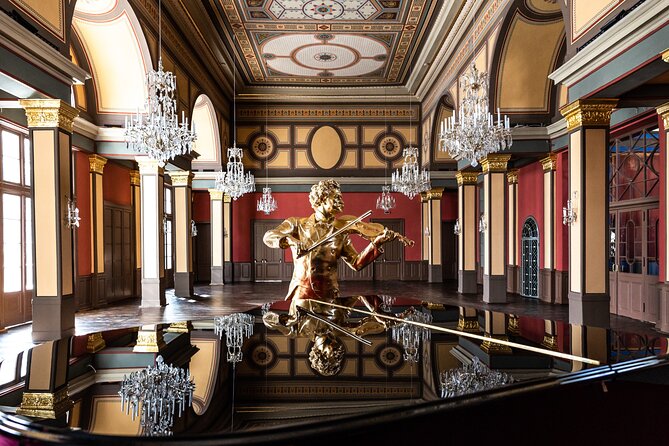
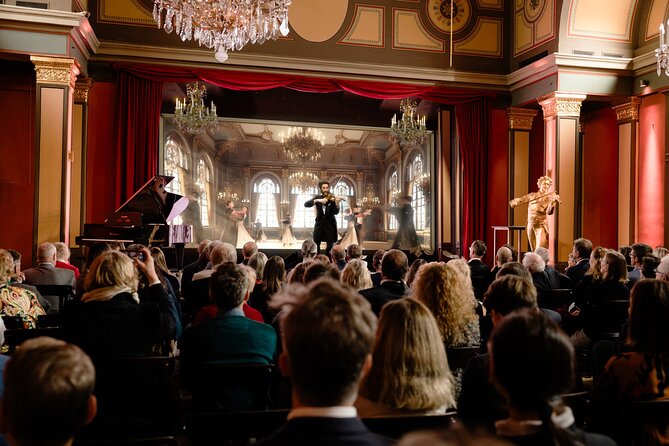
The concert happens in the historic Strauss Hall, and the building matters more than people think. Music written for a particular style often lands differently when the room supports the sound the way it was intended.
The hall timing is scheduled so you can get settled. Doors are set for 19:30, and that buffer is there for a reason: it gives you a chance to find your spot, get comfortable, and avoid arriving breathless while the best moments are already underway.
From a “value for your money” angle, this is an important point. A concert can be excellent and still feel flat if the setup is awkward. Here, the venue’s identity as a Strauss-focused space is part of the product you’re paying for. You’re not just buying tickets to music—you’re paying for the atmosphere to match the theme.
The Orchestra and Solo Voice: What You’ll Actually Hear
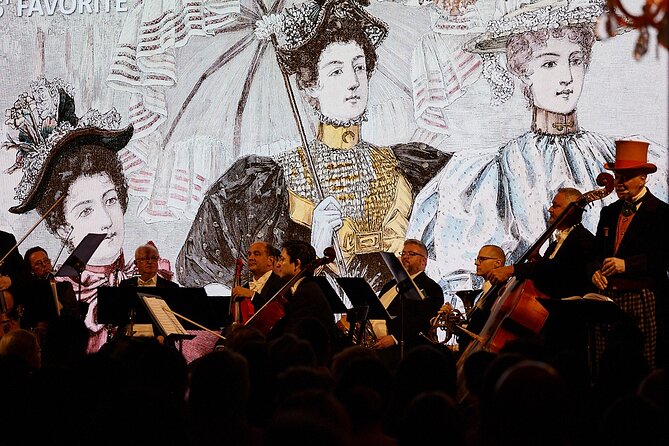
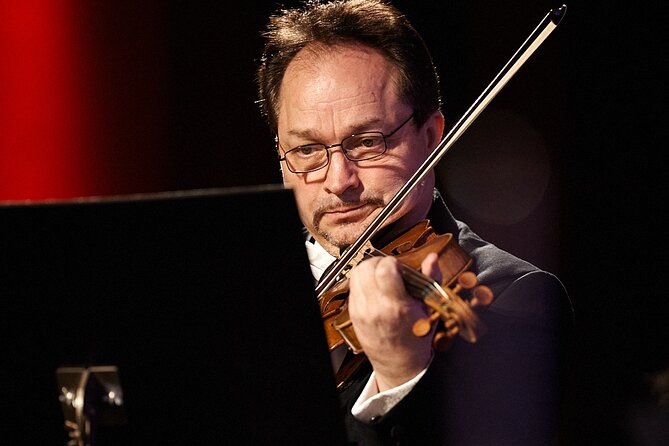
The core of the evening is the performance by the House of Strauss Orchestra, and what elevates it is the balance between ensemble playing and standout vocal moments. Multiple highlights point toward strong execution, with particular praise for the solo opera singer’s delivery.
If you’re the type who likes Vienna classical music but sometimes finds it hard to follow without context, this is one of the reasons the museum add-on is a smart move. You’re hearing more than notes—you’re hearing a period style with personality. The solo voice also adds variety. It changes the emotional temperature and makes the program feel more like a complete stage evening than a nonstop instrumental recital.
Expect a traditional concert structure, but with theatrical polish. If your ideal night is elegant music plus a voice that can fill the room, you’re likely to enjoy this format.
More Mozart and Strauss after dark
Timing Confusion: The Most Important Practical Tip
The most repeated problem isn’t the music. It’s the schedule information. Some printed details can be unclear, with one seen mismatch being a start time listed earlier than the actual concert start.
Here’s how you handle it like a pro:
- Check the exact times on your mobile ticket right before you leave.
- Plan to arrive with buffer time even if the day’s schedule looks straightforward.
- If you’re doing the museum first, don’t assume you’ll do it instantly. The museum is the pre-concert anchor, so your pace matters.
If you’ve ever shown up early to a museum timed for a later concert, you know the feeling: you’d like the extra time, but you don’t want it to turn into a wasted wait. The sweet spot is to arrive early enough to enjoy the museum without losing track of when the hall opens.
One practical suggestion that works well in real life: if you want a calm museum visit without cutting it too close, plan to be at the start window that gives you time to see what’s there and still walk in relaxed for the hall entry.
English-Friendly, But Still Cultural
This experience is offered in English, which helps a lot if you don’t read German or you’re not fluent in classical-music shorthand. It means you can follow what’s happening without constantly guessing.
Still, treat it as cultural immersion in a practical way—not a crash course. The music and the hall setting do most of the heavy lifting. English just keeps you oriented so you can enjoy the evening without frustration.
If you’re traveling with someone who’s curious about Vienna’s musical identity (Strauss music, the dynasty, the vibe), this format supports conversation. You’re not just listening—you’re watching and learning in short segments.
Price and Value: What $78.61 Buys You in Real Terms
At $78.61 per person, you’re paying for a packaged evening: museum access plus a one-hour concert in a historic setting. That’s the value math you should use when deciding.
If you compare it to the cost of a standalone concert ticket, the museum portion can tip the scales. The museum doesn’t have to be huge to be useful—it’s included context, and context often improves the concert for many people. It also gives you something worthwhile to do if you arrive early or if the evening feels like a full activity, not just a ticket at a specific hour.
On the other hand, if you don’t care about museum content and you’re mainly paying for the concert, then you’ll want to know this: the museum experience can feel brief or not all that eventful for some visitors. So the value depends on your interest in Strauss background.
If you love the idea of connecting music to story and you enjoy stage performance (especially when vocals are involved), the price starts to feel fair.
Location and Getting There: Avoid the Taxi Surprise
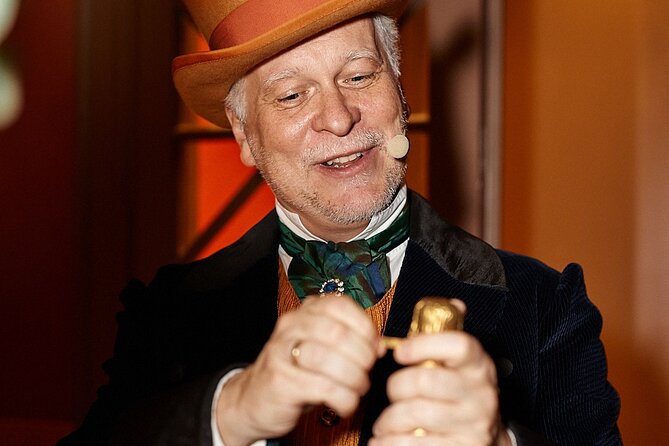
The venue is close to public transportation, which is good news. But it can still be tricky to reach if your hotel is deep in the inner-city area and you’re short on time.
Some visitors report extra costs from taxis between central hotels and the venue area. That tells me this: if you’re trying to keep your budget under control, use transit when you can and give yourself enough time to walk the last stretch.
If you’re driving or parking, keep it simple and don’t cut your schedule too tight. When timing info is confusing, parking costs become an unnecessary stressor. The concert is worth planning for, so plan for your arrival too.
Who This Is Best For (And Who Might Skip It)
This is a great match if you want:
- a Vienna evening that feels themed and period-correct
- museum context before you hear the music
- an English-friendly explanation so you’re not lost
- a strong focus on orchestral performance plus vocal highlights
It may not be your best fit if you:
- dislike museum-style add-ons and prefer purely musical evenings
- hate schedule ambiguity and want a very rigid, no-questions timeline
- arrive late and then rush through everything
One more note: the program is scheduled for a late evening window, and you should treat it as a full evening plan, not something you squeeze in between other late-night stops.
What a Perfect Planning Day Looks Like
Think of the night in three chunks: museum time, hall time, concert time.
For museum time, aim to arrive early enough that you can see what’s there without rushing. For hall time, get there before 19:30 so you settle in calmly. For concert time, treat 20:30–21:30 as your anchor and try not to build your entire evening around external plans that might run late.
This matters because the concert experience is a one-hour commitment. If you miss the start, you lose momentum. If you’re late, you’ll also feel it—both emotionally and acoustically—because those early pieces set the tone for the rest of the program.
If your travel days are packed, build a bit of breathing room into this one. It’s a relaxed elegance kind of night, and you’ll enjoy it more when you’re not sprinting between stops.
Should You Book This Strauss Concert?
I’d book it if you want a Vienna night that connects music to place and story, and you like the idea of a themed experience in a historic Strauss Hall. The museum inclusion adds real value if you enjoy context, and the performance quality—especially the solo vocal moments—makes it feel like more than just background music.
I’d think twice if you’re extremely sensitive to timing confusion, or if you mainly want a no-frills concert with no extra stop. In that case, your decision hinges on whether you’re willing to double-check the exact times on your ticket and arrive early enough to avoid stress.
Bottom line: this is a strong choice for people who want an elegant, structured evening in Vienna’s Strauss world. Just plan your arrival carefully, and you’ll get the best of both parts: the story first, then the sound.
FAQ
What times does the museum and concert run?
The museum is scheduled to start at 18:00, Strauss Hall entrance is scheduled for 19:30, and the concert runs from 20:30 to 21:30.
Is the concert ticket separate from the museum ticket?
No. Admission to the museum is included with your concert ticket, so you can do both in the same evening.
Is this experience offered in English?
Yes. The experience is offered in English.
How long is the whole experience?
It runs about 1 to 2 hours, depending on how you pace the museum visit before the concert.
Do I need a printed ticket?
You get a mobile ticket.
Is the venue near public transportation?
Yes, it’s described as near public transportation.
Are service animals allowed?
Yes, service animals are allowed.
What if my plans change?
You can cancel for a full refund if you cancel up to 24 hours in advance of the experience’s start time (local time).
More Tour Reviews in Vienna
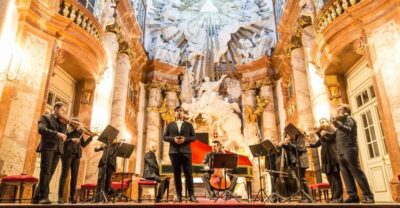
- Vienna: Vivaldi’s Four Seasons Concert in Karlskirche
★ 4.7 · 14,951 reviews - Vienna: Schönbrunn Palace & Gardens Skip-the-Line Tour
★ 4.7 · 7,739 reviews - Vienna: Light of Creation Votive Church Immersive Light Show
★ 4.8 · 6,779 reviews - Vienna Spanish Riding School Guided Tour
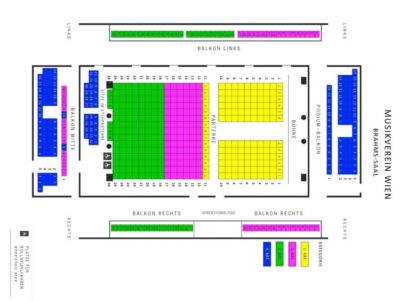
★ 4.7 · 6,765 reviews - Vienna: Classical Concert in the World-Famous Musikverein
★ 4.6 · 6,673 reviews
More Mozart and Strauss Evenings
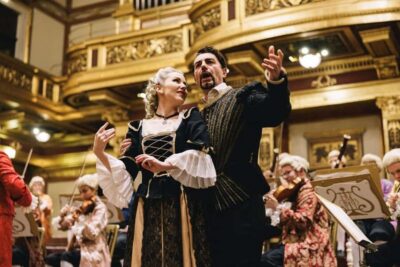
- Vienna: Mozart Concert at the Musikverein – Golden Hall
★ 4.6 · 5,194 reviews - Vienna: Mozart and Strauss Concert at Schönbrunn
★ 4.5 · 2,967 reviews - Vienna: Classical Concert at Mozart’s First House
2,423 reviews - Vienna: Mythos Mozart Experience
★ 4.5 · 895 reviews - Vienna Mozart Concert in Historical Costumes at the Musikverein
★ 4.5 · 888 reviews
Another Night at the Opera
- Vienna: Vivaldi’s Four Seasons Concert in Karlskirche
★ 4.7 · 14,951 reviews - Vienna: Classical Concert in the World-Famous Musikverein
★ 4.6 · 6,673 reviews - Vienna: Mozart Concert at the Musikverein – Golden Hall
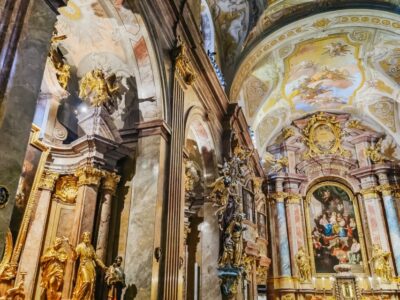
★ 4.6 · 5,194 reviews - Vienna: Classical Concert in St. Anne’s Church (Annakirche)
★ 4.6 · 3,414 reviews - Vienna: Mozart and Strauss Concert at Schönbrunn
★ 4.5 · 2,967 reviews
Just In: New Vienna Reviews



Vienna Opera & Classical Concerts, compared.
 ★ 4.7Vivaldi’s Four Seasons Concert in KarlskircheFrom $4014,951 reviews
 ★ 4.6Classical Concert in the World-Famous MusikvereinFrom $176,673 reviews
 ★ 4.6Mozart Concert at the Musikverein – Golden HallFrom $815,194 reviews
 ★ 4.6Classical Concert in St. Anne’s Church (Annakirche)From $383,414 reviews
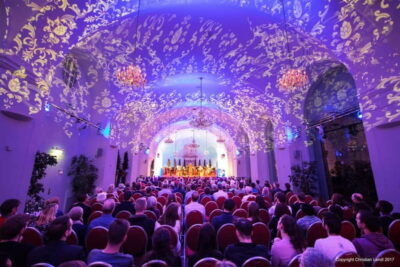 ★ 4.5Mozart and Strauss Concert at SchönbrunnFrom $422,967 reviews
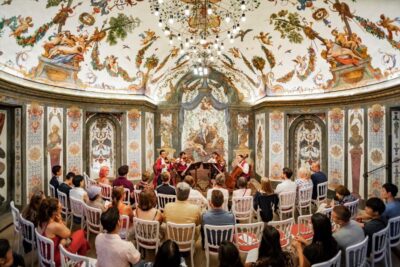 Classical Concert at Mozart’s First House2,423 reviews
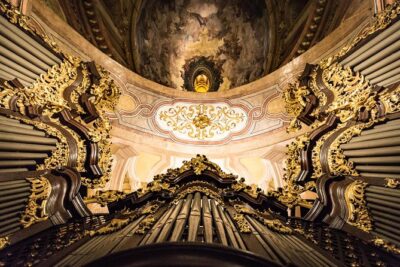 ★ 4.5Vienna Classical Concert at St. Peter’s ChurchFrom $472,039 reviews
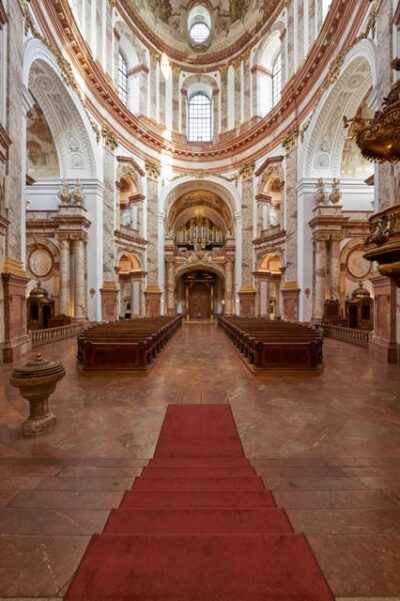 ★ 4.4Karlskirche Entry Ticket with Panoramic Terrace AccessFrom $111,177 reviews
Browse the lists this tour appears in