
Reviewed · MOZART & STRAUSS EVENINGS
Vienna: Johann Strauss 200th birthday anniversary exhibition
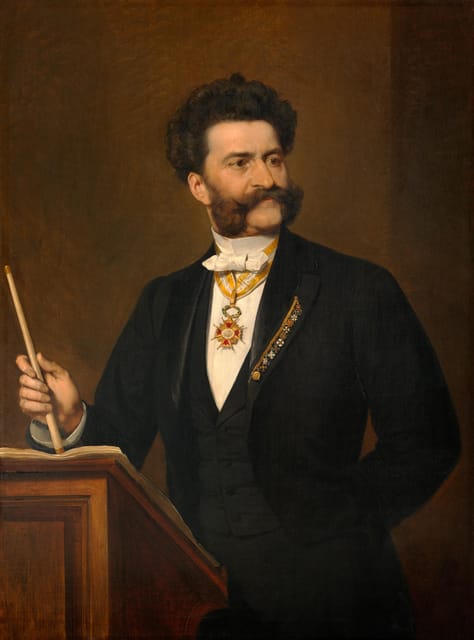
A Waltz with real paper and ink. This Johann Strauss 200th birthday exhibition is a smart mix of objects and music moments, set in Vienna’s Theatermuseum at Palais Lobkowitz. I especially liked seeing the original score of Die Fledermaus and the way the exhibition tracks Strauss’s global reach, including a thread to Boston. One thing to keep in mind: the music examples aren’t synchronized with the films, which can feel distracting if you are sensitive to that.
You also get the life story angle, not just the tunes. The show (a joint effort involving the Theatermuseum and the Vienna Library in City Hall) walks you through Strauss’s eventful life, including relationships with his parents, brothers, his three wives, and love affairs in Russia. It also frames his work in the historical and political context using original materials.
Practically, you can do it in a single day with a one-day ticket, and the venue is wheelchair accessible. The audio guide is not included, so plan on reading the exhibit text and labels as you go, especially if you want more detail than the highlights panels provide.
In This Review
- Key things to know before you go
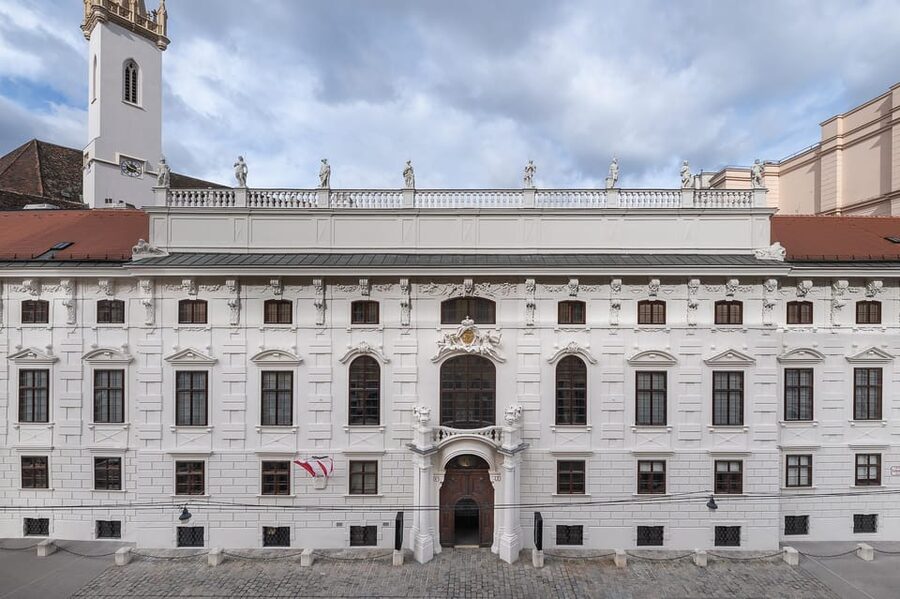
- Palais Lobkowitz is the perfect stage for Strauss
- What you’ll see: objects, originals, and performance artifacts
- The show’s music story: dance, concert, and music theater
- Following Strauss beyond Vienna, including Boston
- The life story layer: family, marriages, and Russia
- How to plan your one-day visit
- Price and value: is $18 fair for this museum time?
- Who this experience suits (and who should reconsider)
- Should you book the Johann Strauss 200th exhibition?
Key things to know before you go
- Original Die Fledermaus score you can actually see, not just hear about
- Strauss’s world tour thread to Boston, a nice reminder that Viennese music traveled fast
- His relationships and family life, including three wives and Russia connections
- Mix of dance, concert, and music-theater works, so it feels broader than one famous melody
- Music/film timing mismatch can be annoying if you expect perfect syncing
More Mozart and Strauss after dark
- Vienna: Mozart Concert at the Musikverein – Golden Hall★ 4.6 · 5,194 reviews
- Vienna: Mozart and Strauss Concert at Schönbrunn★ 4.5 · 2,967 reviews
- Vienna: Classical Concert at Mozart’s First House2,423 reviews
- Vienna Mozart Concert in Historical Costumes at the Musikverein★ 4.5 · 888 reviews
Palais Lobkowitz is the perfect stage for Strauss
Vienna loves to wrap big stories in pretty buildings, and Palais Lobkowitz does that job well. Walking into the Theatermuseum for this anniversary show feels like stepping into the same setting where Strauss’s world would have made sense. You’re not just standing in a room with photos. You’re surrounded by the theatrical atmosphere the subject is built on.
I like that the exhibit stays focused on why Strauss mattered. The setting reinforces the theme: this composer wasn’t only a name. He was part of Vienna’s public life, its performance culture, and its export to the rest of the world.
Also, since this is the Theatermuseum, the vibe is naturally performance-linked. Even when you are reading, the whole layout nudges you to connect the dots between a score, a staged work, and how audiences would have experienced it.
What you’ll see: objects, originals, and performance artifacts
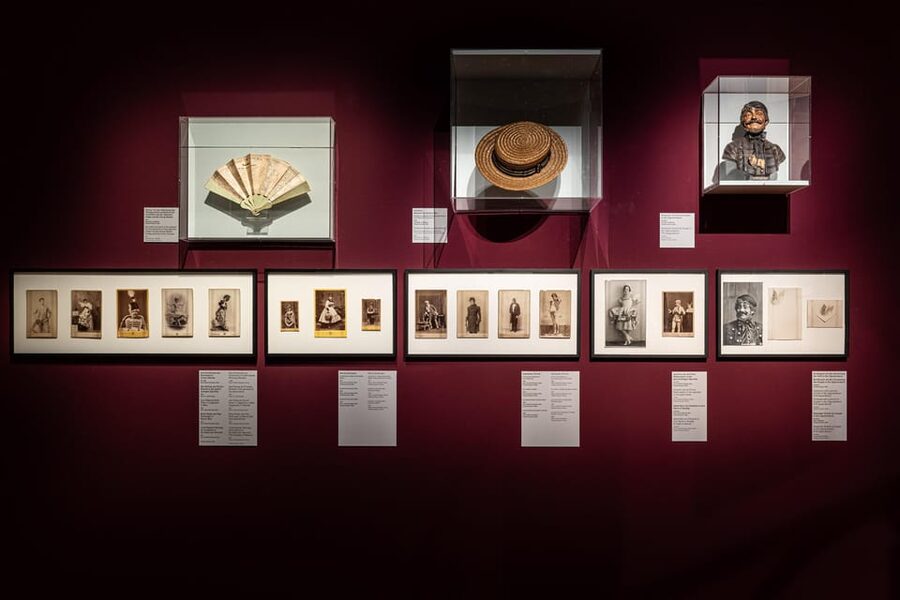
This is an exhibition built around tangible things. You’re meant to discover impressive objects that celebrate Johann Strauss Sohn’s life and work, and that “real artifact” approach makes the music history feel concrete. If you enjoy exhibitions where you can point to something specific and say, that came from the world of performance, you’ll probably have a good time here.
The headline item is the original score of Die Fledermaus. Seeing a primary document like that changes the feel of the whole composer story. It stops being abstract and turns into craft: notes, structure, and the way sheet music carries the personality of a composer.
Beyond that, there are original objects from performances and exhibits tied to Strauss’s written legacy. That matters because it connects his output to the era that produced it. The show isn’t only about art for art’s sake. It also uses those materials to help you understand the historical and political background surrounding the works.
If you like museums that teach through objects, this one is a strong fit. If you only want audio and big showy moments, you might find you spend more time reading than expected. That’s not a flaw, just a preference check.
The show’s music story: dance, concert, and music theater
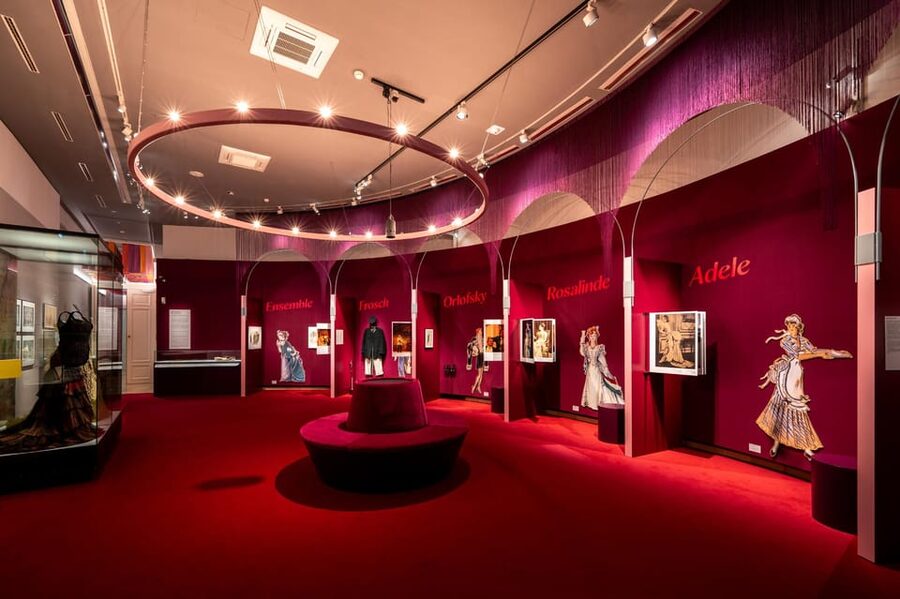
One reason I find the exhibition appealing is that it treats Strauss as more than a “waltz guy.” The focus covers his artistic production, his dance and concert music, and his music theater works. That breadth is useful because it prevents the story from shrinking into one genre.
Strauss wrote for the dance floor, for the concert hall, and for staged drama with musical storytelling. The exhibition’s structure reflects that. Instead of treating each area like a separate topic, it keeps pointing back to how the different types of music belong to the same performer-and-composer career.
The highlights also mention lively sounds of Strauss. You’ll get moments meant to carry you along with the music side of the story, not only the paper side. Just remember the one caveat from the reviews: music examples aren’t synchronized with the films. So treat film segments as atmosphere or support, and let the soundtrack serve as the main takeaway.
Following Strauss beyond Vienna, including Boston
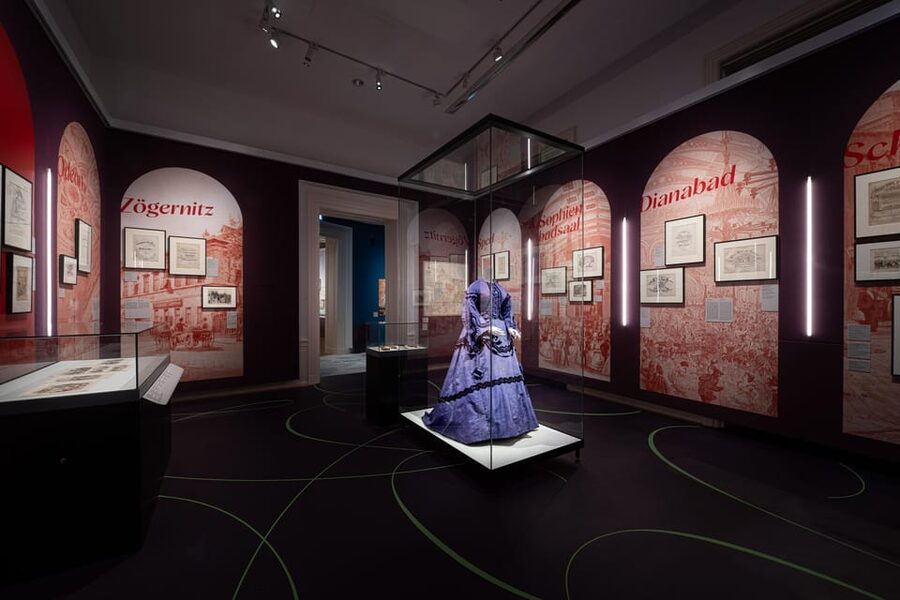
I like exhibitions that don’t trap you in one city forever. This one follows Strauss’s world tour idea, with a specific thread to Boston. It’s a small detail, but it does a big job: it reminds you that Vienna’s music culture didn’t stay local.
That Boston connection helps you see why Strauss became a global sensation. You can almost imagine the route his reputation would travel: score, performance, press, word-of-mouth, then repeat. The exhibition doesn’t just say he went places. It uses objects to suggest how the work moved.
Even if Boston is only one point in that larger story, it’s a helpful way to frame the composer. You get the sense that his music was built to travel well, and that audiences far from Vienna were ready for what he offered.
More museum hours out of the weather



The life story layer: family, marriages, and Russia
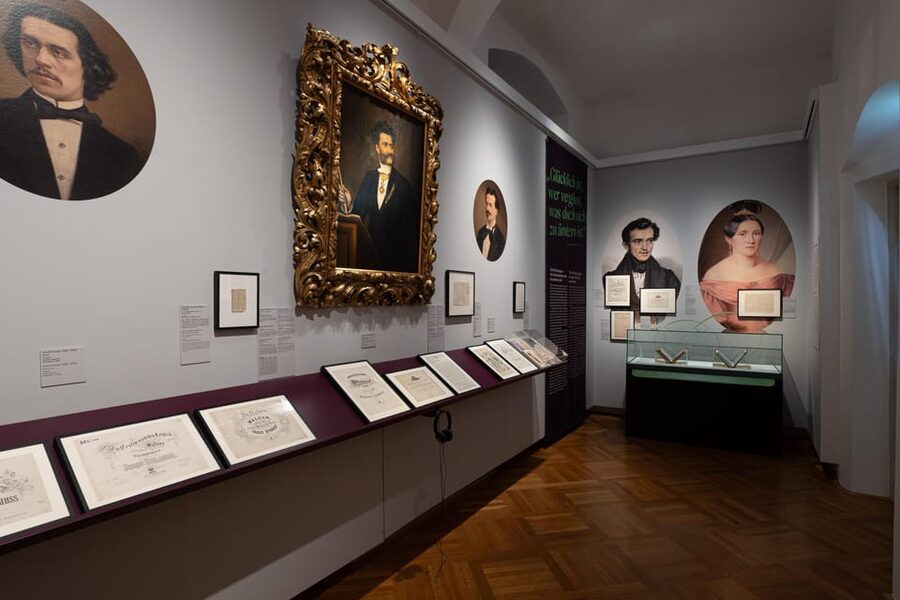
This exhibit doesn’t ignore the human side. It guides you through Strauss’s eventful life, including his relationships with his parents and brothers, plus details about his three wives and love affairs in Russia. That mix of family and romance gives the composer a timeline you can follow, not just a set of compositions.
Why this is valuable: personal context helps you understand how a busy performer navigated pressure, creativity, and public attention. Strauss’s career would have had real stakes in how he was viewed, who supported him, and how his world worked.
The exhibition also uses original materials to illustrate historical and political contexts. That matters because it keeps the biography from floating in a bubble. Instead, you sense that art and public life were intertwined, and that performances happened in a bigger social structure.
If you’re the type of visitor who likes biography tied to works, this part will likely feel satisfying. If you prefer only music mechanics and instruments, the life sections might feel heavier than you want.
How to plan your one-day visit
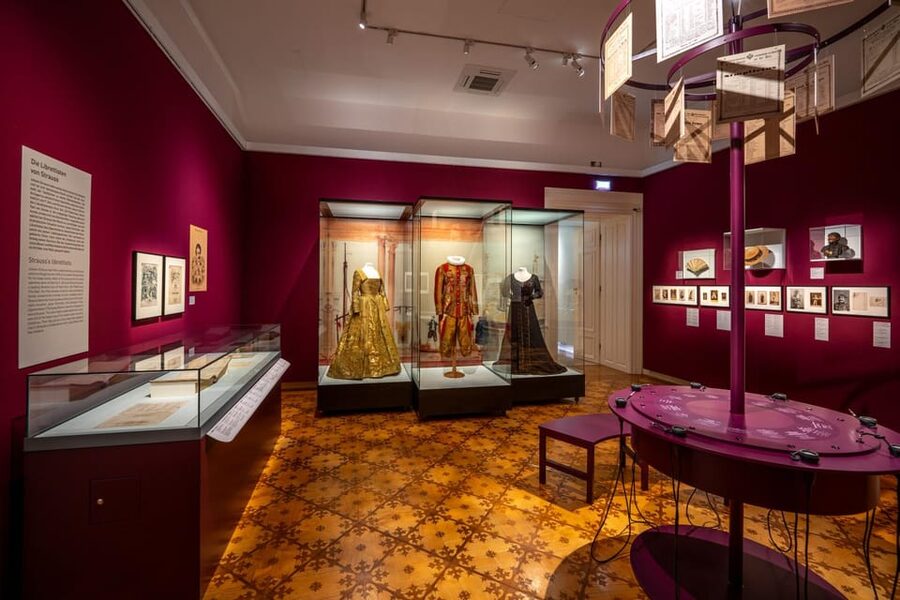
The ticket is valid for 1 day, and you’ll want to check available starting times. That’s practical, because it lets you match the exhibit to your day in Vienna rather than forcing you into a specific fixed schedule.
Aim to give yourself enough time to do two passes at a comfortable pace. First pass: move through and identify the big anchors, like the Die Fledermaus score and the world tour thread. Second pass: go back to the sections that connect biography to works—especially the relationship and Russia components.
A small tip for the music/film issue: if a film clip starts and the audio feels “off,” don’t fight it. Focus on the nearby text and objects while the film runs, and let the music be the mood rather than the perfectly timed companion track. You’ll get more out of the exhibit that way.
Also note: an audio guide is not included. So if you were planning to rely on handheld commentary for extra context, you’ll need to read the panels instead. That can work well. Just go in knowing you’ll be your own guide.
Price and value: is $18 fair for this museum time?
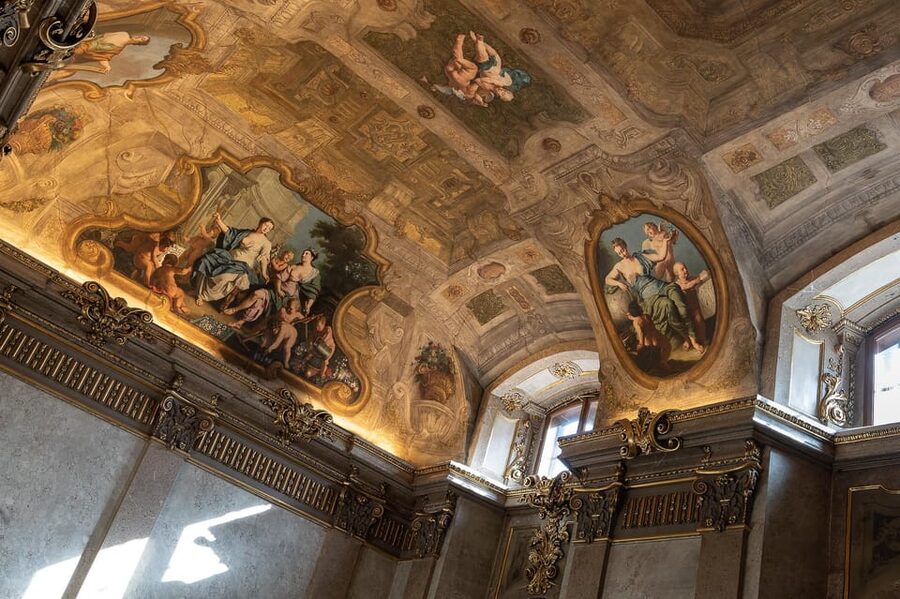
At $18 per person, this is priced like an accessible museum specialty visit. For that, you get admission to the Theatermuseum in Palais Lobkowitz and the Johann Strauss anniversary exhibition. In other words, your ticket isn’t just paying for one small room. It’s tied to the museum experience and the exhibit itself.
The best value signals for me are the items that are hard to fake: an original score of Die Fledermaus, plus other original objects linked to performances and exhibits. Exhibitions that rely only on printed material feel cheaper because you can find similar content online. This one leans on physical originals, which is a big part of why it feels worth the entry price.
The main reason you might hesitate is if you strongly want guided audio. Since an audio guide isn’t included, you’ll be reading your way through more than you might expect. If you love reading museum panels and connecting biography to music, $18 looks like a fair deal. If you prefer a hands-free format, plan to spend more attention time in the galleries.
Who this experience suits (and who should reconsider)
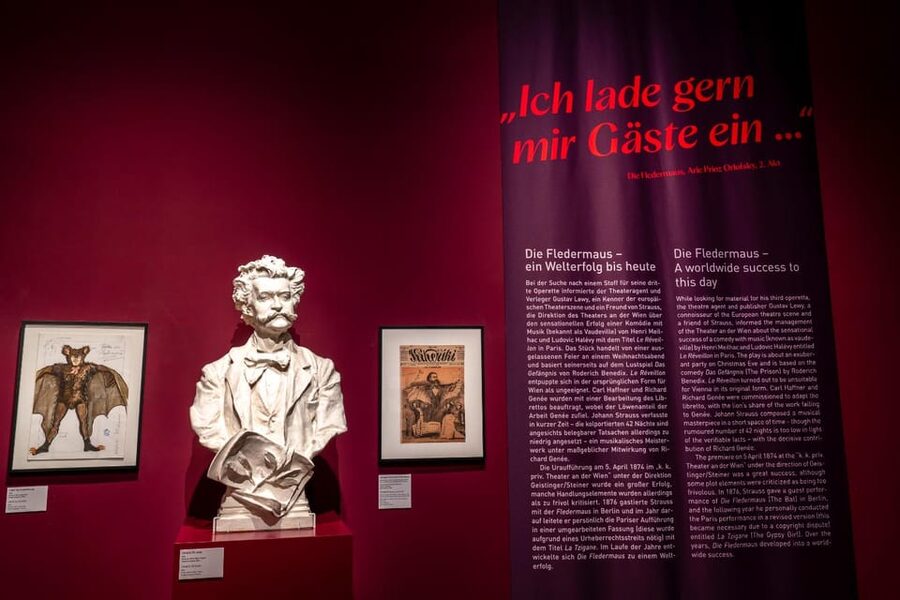
You’ll likely enjoy this if you:
- Love classical music history with real objects rather than only posters and timelines
- Want a clear picture of Strauss beyond the most famous waltz name
- Like biographical exhibitions that connect relationships and career life to artistic output
- Enjoy museum days where you can take your time in a beautiful setting like Palais Lobkowitz
You might reconsider if you:
- Need an audio guide to make museum text usable for you (it’s not included here)
- Expect perfect synchronization between music and films in multimedia sections
- Want only a fast, entertainment-heavy experience with minimal reading
There’s no wrong choice. It just comes down to what kind of museum visitor you are.
Should you book the Johann Strauss 200th exhibition?
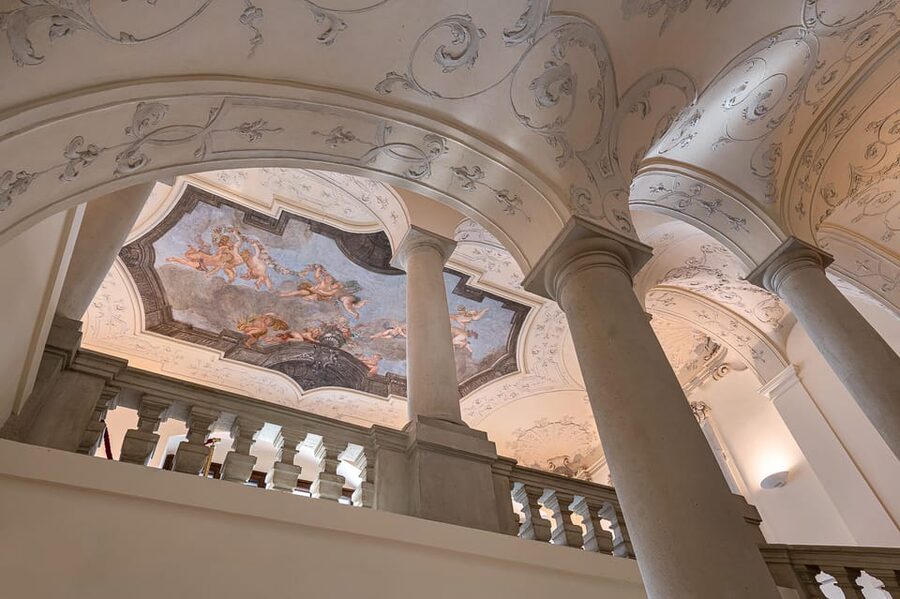
If your Vienna trip has room for one focused museum day, I’d book this. The combination of the Theatermuseum setting, the original Die Fledermaus score, and the broader Strauss story—dance, concert, and music theater—makes it feel like more than a themed poster exhibit. At $18, the value is also reasonable, especially because you’re not just buying background context; you’re seeing primary materials.
My one “wait, think” point is the audio/film timing mismatch. If that kind of detail will irritate you, you can still enjoy the show by shifting your attention to the score and object-based sections. If you go in expecting something more like atmospheric multimedia than a perfectly matched experience, you’ll get the most out of it.
Overall: this is a smart, music-informed way to spend a day in Vienna, especially if Strauss is on your list.
Vienna Under a Roof: More Museums
- Vienna: Skip-the-Line Sisi Museum, Hofburg and Gardens Tour
★ 4.8 · 5,918 reviews - Vienna Kunsthistorisches Museum Day Admission Ticket
★ 4.6 · 3,690 reviews - Tickets for the Albertina Exhibitions
★ 4.7 · 2,126 reviews - Sigmund Freud Museum Ticket
★ 4.6 · 1,668 reviews - Vienna: St. Stephen’s Cathedral & Dom Museum Wien Tickets
★ 4.5 · 1,652 reviews
More Tour Reviews in Vienna
- Vienna: Vivaldi’s Four Seasons Concert in Karlskirche
★ 4.7 · 14,951 reviews - Vienna: Schönbrunn Palace & Gardens Skip-the-Line Tour
★ 4.7 · 7,739 reviews - Vienna: Light of Creation Votive Church Immersive Light Show
★ 4.8 · 6,779 reviews - Vienna Spanish Riding School Guided Tour
★ 4.7 · 6,765 reviews - Vienna: Classical Concert in the World-Famous Musikverein
★ 4.6 · 6,673 reviews
More Mozart and Strauss Evenings
- Vienna: Mozart Concert at the Musikverein – Golden Hall
★ 4.6 · 5,194 reviews - Vienna: Mozart and Strauss Concert at Schönbrunn
★ 4.5 · 2,967 reviews - Vienna: Classical Concert at Mozart’s First House
2,423 reviews - Vienna: Mythos Mozart Experience
★ 4.5 · 895 reviews - Vienna Mozart Concert in Historical Costumes at the Musikverein
★ 4.5 · 888 reviews
Just In: New Vienna Reviews



Mozart & Strauss Evenings, compared.
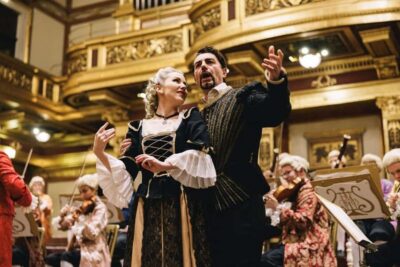 ★ 4.6Mozart Concert at the Musikverein – Golden HallFrom $815,194 reviews
 ★ 4.5Mozart and Strauss Concert at SchönbrunnFrom $422,967 reviews
 Classical Concert at Mozart’s First House2,423 reviews
 ★ 4.5Mythos Mozart ExperienceFrom $27895 reviews
 ★ 4.5Vienna Mozart Concert in Historical Costumes at the MusikvereinFrom $83888 reviews
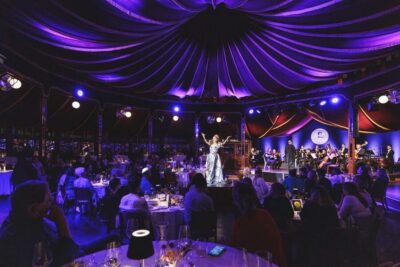 ★ 4.5Johann Strauss Dinner Show at the PraterFrom $93730 reviews
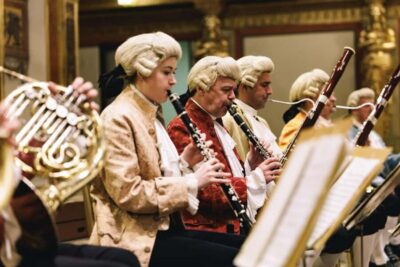 ★ 4.6Mozart Concert at the Vienna State OperaFrom $81461 reviews
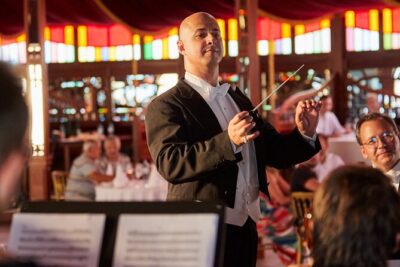 ★ 4.5Strauss Dinner ShowFrom $95395 reviews
Browse the lists this tour appears in