
Reviewed · TOURS
Vienna: Sightseeing Tour in a 1920s Classic Style Car
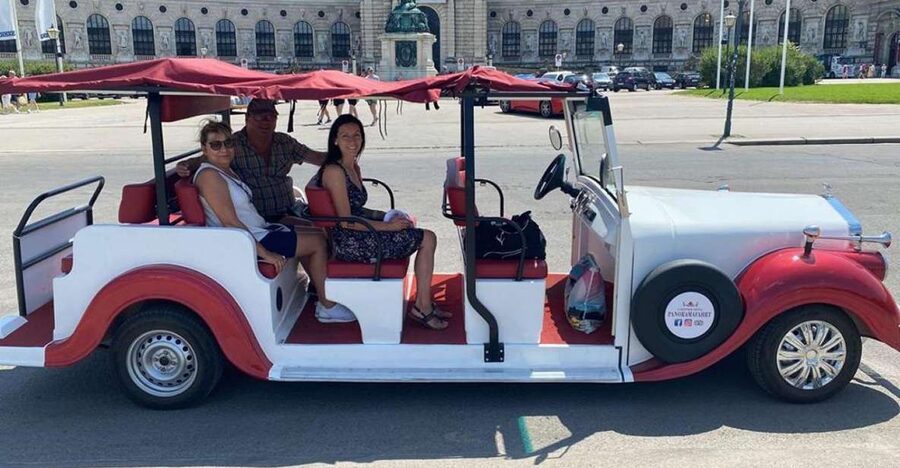
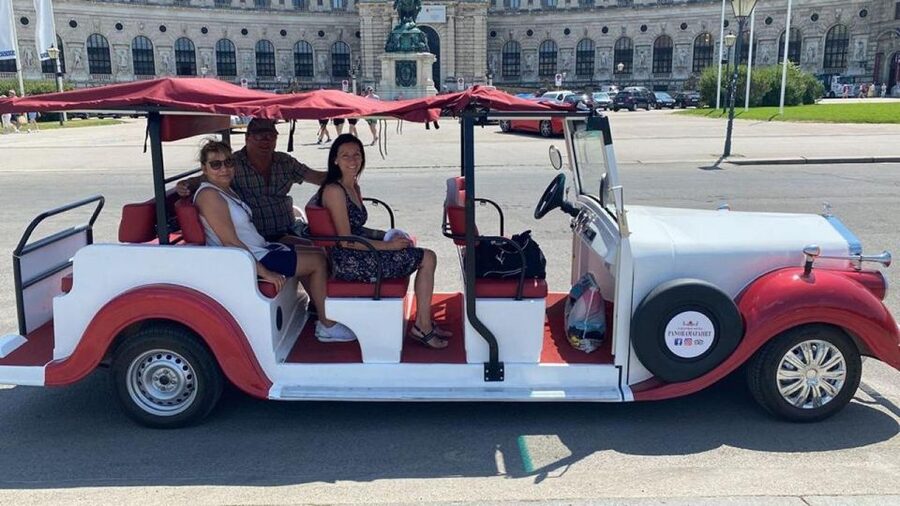
Vienna’s skyline looks better from a classic car. This 60-minute ride lets you see a big slice of the city without hiking, with an electric old-timer that keeps things comfortable and emission-free. I especially liked the driver-led commentary that stays focused on the places you’re actually passing, and I also liked how easy it is to keep the whole group together in one private vehicle (up to 10).
The main thing to consider is simple: it’s a short tour in a car, so you won’t have time to go inside attractions, and admission fees aren’t included. If you want deep museum time, you’ll need a separate plan.
In This Review
- Key highlights at a glance
- A 1920s-Style Electric Car That Makes Vienna Feel Manageable
- Price and Value: A Private Car for Up to 10
- Where You Start: Café Mozart to Albertinaplatz and Back Again
- Albertina, Ringstraße, and the Classic Vienna Set Piece Tour
- Burggarten to Heldenplatz: Gardens, Palaces, and a Lot of Statues
- Parliament to Stephansdom: From Civic Power to Vienna’s Living Center
- Stadtpark, Music Venues, and Grand Hotels Near the Finish
- The Driver Makes or Breaks This Kind of Tour
- Weather-Proof Sightseeing That Still Feels Like You’re Doing Something
- Who This Tour Fits Best
- Should You Book This Vienna Electric Old-Timer Tour?
- FAQ
- How long is the Vienna sightseeing tour in the classic electric car?
- What is the group size for this private tour?
- Where does the tour start and end?
- What language is the live guide available in?
- What’s included in the price?
- Are admission fees included?
- Is the tour available in bad weather?
- What is the cancellation policy?
Key highlights at a glance
- Electric old-timer comfort: classic-style cruising with a calm pace for photo stops you can actually enjoy
- Private group of up to 10: family-friendly format without splitting up
- Big-name Vienna in one hour: Ringstraße showpieces, grand squares, and the area around Stephansdom
- Live English or German guidance: the driver keeps the story matched to what you see
- Rain or shine sightseeing: you stay in the vehicle and keep moving
Still weighing this one? Line it up against a few Vienna favourites first.
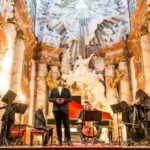
- Vienna: Vivaldi’s Four Seasons Concert in Karlskirche★ 4.7 · 14,951 reviews
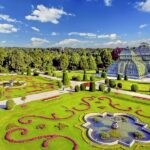
- Vienna: Schönbrunn Palace & Gardens Skip-the-Line Tour★ 4.7 · 7,739 reviews
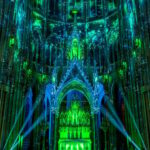
- Vienna: Light of Creation Votive Church Immersive Light Show★ 4.8 · 6,779 reviews
- Vienna Spanish Riding School Guided Tour★ 4.7 · 6,765 reviews
A 1920s-Style Electric Car That Makes Vienna Feel Manageable
Vienna can feel like a lot—wide avenues, grand buildings, and a dozen landmarks all competing for your attention. This tour solves that problem with a classic car vibe and an easy pace. You’re not stuck walking long distances, and the drive keeps you close to the action around the Ringstraße and central sights.
The electric part matters more than you might think. It keeps the experience comfortable and clean, so you spend your energy on looking, listening, and taking photos instead of dealing with fumes or traffic stress.
What really works is the timing. In one hour, you get a high-impact “first look” at Vienna’s main shapes: the grandeur of the Ringstraße, the ceremonial scale around Heldenplatz and the Hofburg area, and the denser old-city streets near Stephansdom.
Price and Value: A Private Car for Up to 10
$282 per group up to 10 people sounds like a group deal—because it is. The value shows up in the math: if you fill the car with the maximum group size, you’re looking at roughly $28 per person for a full, guided city loop. Even if you don’t max out the group, the big advantage is still the format: you’re not paying per head, and you’re not sharing the vehicle with strangers.
This also tends to be a smart choice when you have a mix of ages. Kids often do better when the plan doesn’t require long walking. And adults get a guided overview without the stress of trying to coordinate transit and multiple start points.
The tradeoff is that the tour is priced for sightseeing by vehicle. It’s great for orientation and highlights, not for paid entry experiences inside museums or churches.
Where You Start: Café Mozart to Albertinaplatz and Back Again
The tour starts and ends in Vienna’s 1010 district area at Cafe Mozart, Albertinaplatz 2, 1010 Vienna. The meeting point listed is 1010 Vienna Herrengasse 12 (Hotel Radisson Blu), so I’d use your booking details to confirm the exact curb where the car will gather. It’s the kind of tour where arriving a few minutes early is worth it.
You’ll spend the ride moving through central Vienna rather than stopping for long breaks. That’s good news if your day is tight. It’s also why you’ll want to have comfortable shoes for the rest of your trip—because after the tour, you’ll likely want to walk closer to at least a couple of the buildings you saw from the road.
Albertina, Ringstraße, and the Classic Vienna Set Piece Tour
The first stretch focuses on Vienna’s grand “public face,” and it starts right away around the Albertina area. From there, you roll into the Ringstraße zone, passing the sites that define postcard Vienna.
You’ll see Albertina, then continue toward the Staatsoper (Vienna State Opera) and the Ringstraße, described here as the längste Boulevard Straße der Welt. That label is doing a lot of work: it hints at the scale of the avenue and why it’s such an efficient way to preview how Vienna arranges power, art, and civic life along one long corridor.
Along the way, you pass Palais Schy, then encounter the Goethe Denkmal and Schiller Denkmal. These monuments are perfect “quick context” stops: they help you notice that Vienna’s major streets aren’t just traffic—they’re also a curated walk through literature and ideas.
You also pass by the Akademie der bildenden Künste, then move toward the transition from the monumental boulevard world into garden and palace spaces. That change of setting is one of my favorite parts of this route because it breaks up the big-facade effect.

Burggarten to Heldenplatz: Gardens, Palaces, and a Lot of Statues
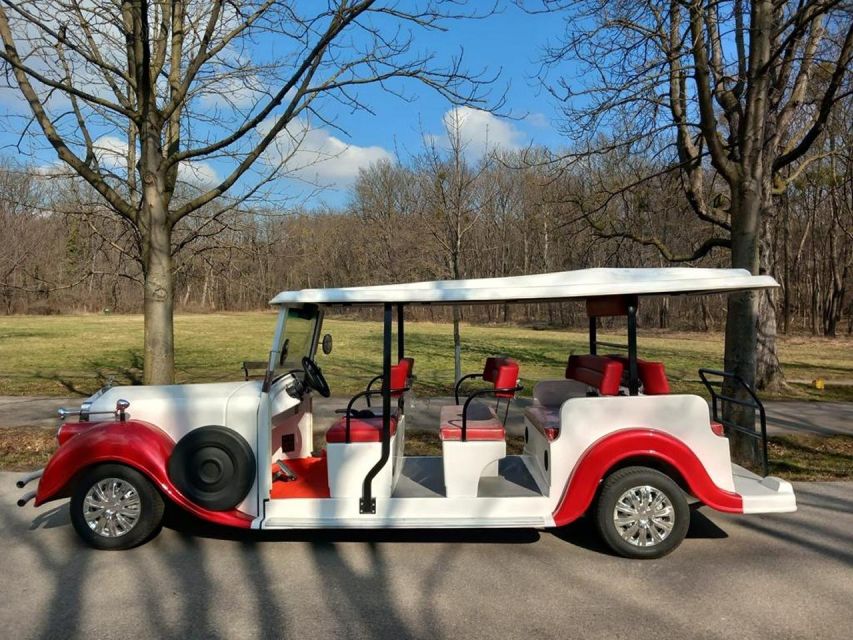
Once you get past the Ringstraße atmosphere, the tour aims you toward the Hofburg complex vibe. You’ll pass Burggarten, and it’s worth paying attention to how the city uses green areas to soften the scale of the imperial buildings.
The route includes Palmenhaus and the Schmetterlingshaus as well. Even if you don’t go inside (admission isn’t included), it’s still helpful to see where Vienna places these kinds of spaces right next to major government and museum blocks. It’s a reminder that the city’s “big” architecture doesn’t erase daily comfort.
Then comes the ceremonial center. You’ll pass the Mozart Denkmal, followed by neues Burgtor and then into Heldenplatz. This is where Vienna feels most orchestrated—wide sightlines, formal plazas, and a strong sense of history translated into stone.
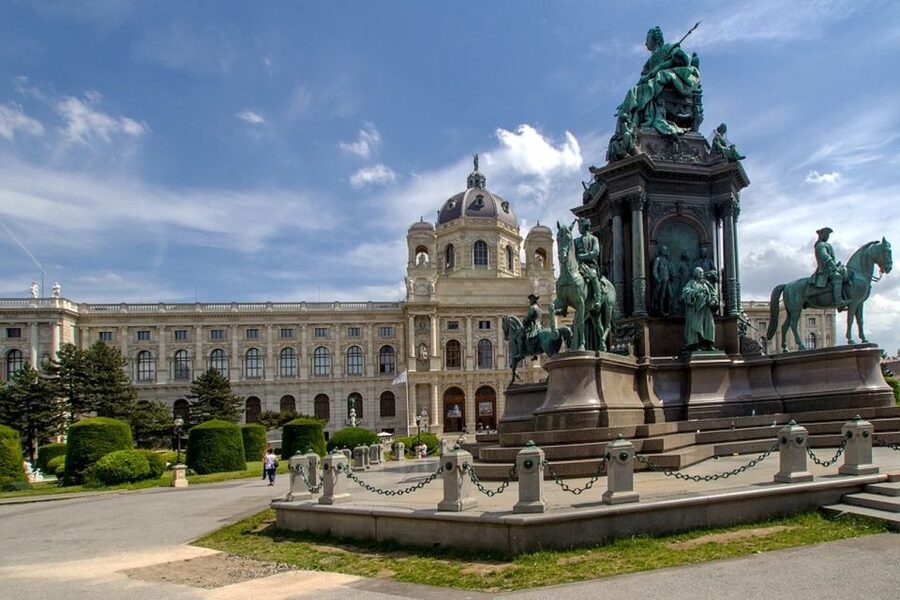
From Heldenplatz, you glide past the Hofburg and the Nationalbibliothek, then on to the Welt Museum and Präsidentenpalast. You’ll also encounter multiple statues along this stretch: Prinz Eugen Statue, Erzherzog Karl Statue, and Maria Theresia Statue. The value here is the variety: the city doesn’t tell one story only through buildings; it uses sculpture to keep different eras and figures visible in the flow of traffic.
The route continues past Natur und kunsthistorisches Museum, then moves toward Palais Epostein. With a short tour like this, I like routes that give you both museum-area sightlines and palace-area sightlines, because it helps you decide later what kind of follow-up you want.
Parliament to Stephansdom: From Civic Power to Vienna’s Living Center
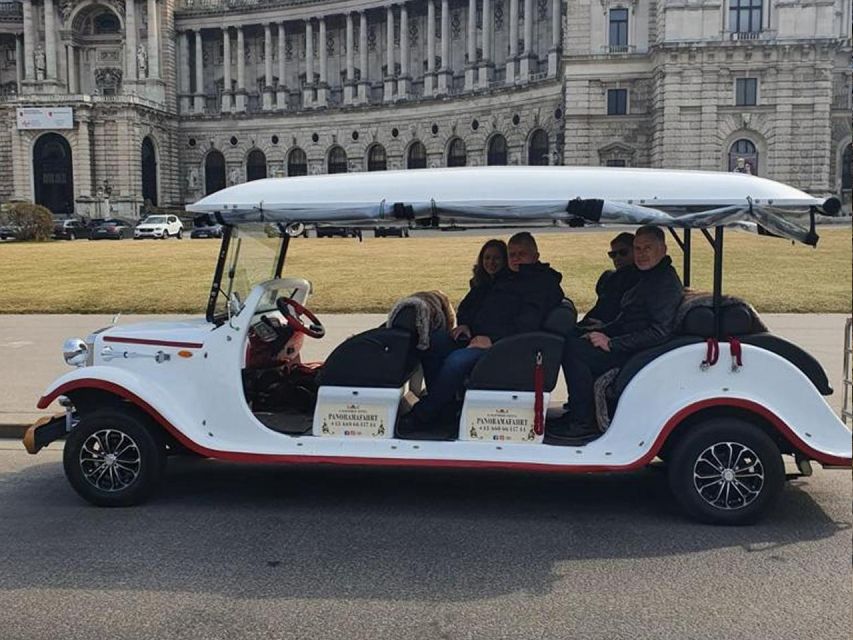
After the Hofburg zone, the ride shifts back toward the political and civic street view: you pass Parlament, then Burgtheater and Rathaus. These aren’t random stops. They show how Vienna places culture and governance close to each other—one avenue can feel like theater lobby, city hall, and legislative hall all in one motion.
Next you’ll pass Universität and the Liebenberg Denkmal. Then the tour cycles toward older layers of the city, including alte Stadt Mauer (listed more than once on the route). City walls in Vienna are not just background—they’re a clue that the modern grandeur sits on earlier boundaries.
You also pass the drei Mädel Haus and Eines der Beethovenhäuser. The names matter here because they point you toward Vienna’s music storytelling in a way that a pure architecture tour might not. If you’re planning a second day, this is the kind of hint that helps you pick which music connection you want to pursue.
From there, you roll past several palaces: Palais Daum Kinski, Palais Harrach, and Palais Ferstl mit Café Zentral. Even if you don’t stop for a coffee, seeing these buildings as a cluster is useful. It helps you understand that Vienna’s “fancy” doesn’t come from one landmark; it comes from repeating styles and wealth signals across blocks.
Then you head through the older streetscape around Am Hof, cross near Hohe Brücke, and continue toward areas labeled Salz Gries and Marc Aurel Straße. As you approach the more everyday parts of the center, you also pass through spots like hoher Markt and Hochzeitsbrunnen, and then you see Ankeruhr.
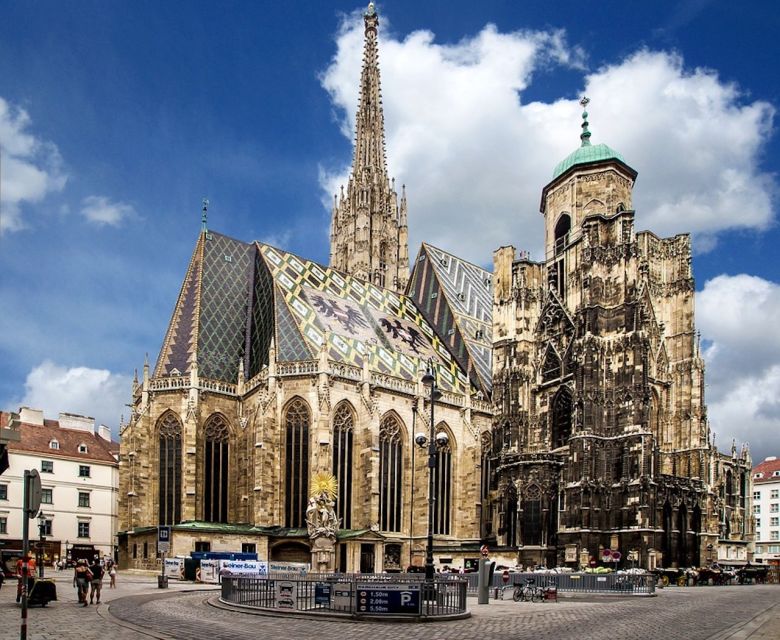
That’s where the route becomes fun for first-time visitors. It’s not only about grand architecture; it’s about finding the small landmarks that feel like locals’ reference points. After that, the tour reaches the big one: Stephansdom.
You also pass Wollzeile and then head toward Stadtpark. I like this sequence because it turns the day’s story from monumental Vienna (wide, formal) into a more lived-in Vienna (streets, shopping lanes, and a public park rhythm).
Stadtpark, Music Venues, and Grand Hotels Near the Finish
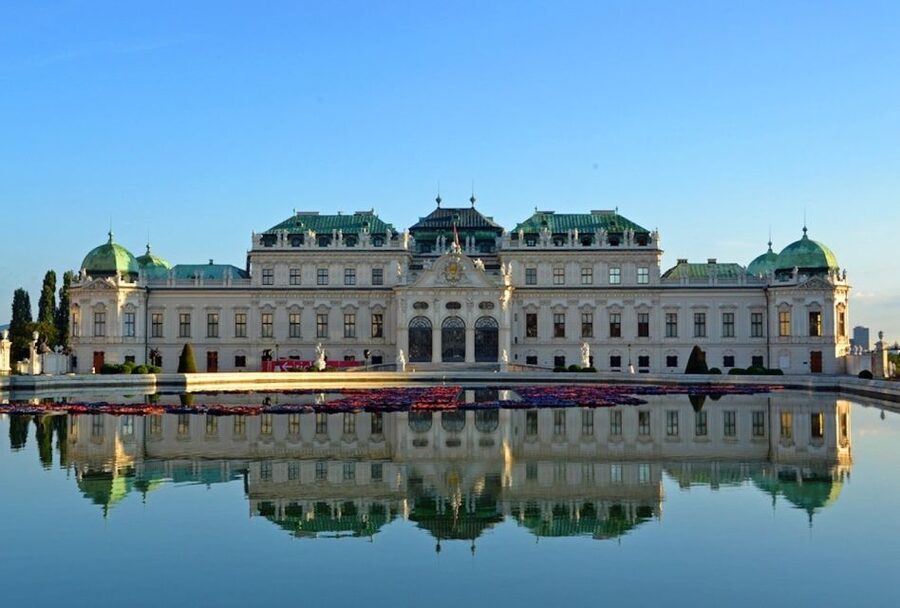
In the last stretch, the route leans into Vienna’s music and classic hotel history. You pass Johann Strauss Denkmal, then Kursalon Hübner, and continue to Schwarzenberg Platz and Café Schwarzenberg.
If you’re trying to picture Vienna as a music city, this is the part that makes it click. These names cluster around performance culture and social life, and the car window view helps you connect them in your mind.
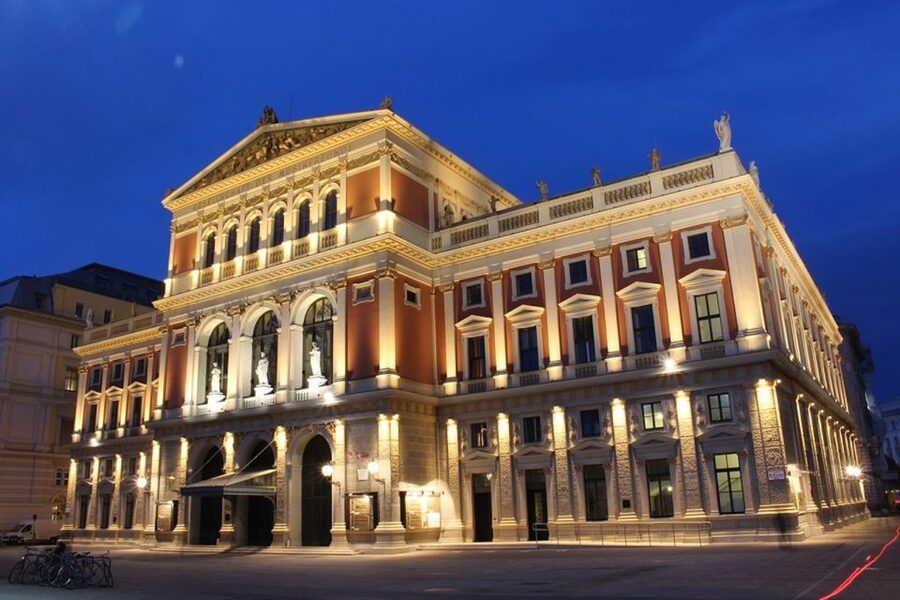
Next comes Musikverein, a serious anchor point for anyone who knows Vienna through concerts and composers. Then the tour moves past major landmarks in the grand-hotel category: Hotel Imperial, Grand Hotel, and Hotel Bristol.
You’ll keep circling back toward the opera and luxury area with Staatsoper and then Hotel Sacher. Seeing these from the road gives you a fast mental map for where these famous addresses live relative to everything else you’ve just seen.
Finally, you return toward Albertina, completing the loop at the start/end point.
The Driver Makes or Breaks This Kind of Tour
This style of tour lives and dies by the guide. The best part here is that the driver provides tour and audio commentary, and it’s delivered with a pace that matches what you’re seeing—not a constant stream of facts with no breathing room.
In the feedback I saw, guides like Manuel stood out for making the tour feel light and human. One highlight: when a passenger shared it was their birthday, Manuel played Happy Birthday near the end and encouraged everyone to sing along. That kind of moment turns a routine sightseeing drive into an actual memory, not just a checklist.
Another theme from the experiences shared is that the information hits the sweet spot: not so much that your head spins, not so little that the ride feels like a random drive. You’ll also get enough narrative to spot patterns yourself afterward—why certain streets feel ceremonial, why gardens show up near major institutions, and how the city’s symbols repeat along the route.
One consideration: because admission fees aren’t included and the time is short, you’re getting a guided pass-by view, not an in-depth inside-the-building experience. So if you love museums, plan to follow up after the tour.
Weather-Proof Sightseeing That Still Feels Like You’re Doing Something
A big practical plus is the promise of sightseeing no matter the weather. Since you’re in an electric old-timer vehicle, you can keep the plan intact even when it’s rainy or gray. You’re not losing half your day to changing clothes, waiting for transit, or guessing whether sidewalks are pleasant.
Still, it helps to be realistic. If it’s pouring, window views may be less clear for photos. A quick wipe, a hooded jacket, and patience with lighting will go a long way. But the core value stays the same: you keep moving and you cover a lot of ground.
Who This Tour Fits Best
This is a strong match for you if:
- You want a fast Vienna overview before choosing what to do next
- You’re traveling with a group that wants to stay together (up to 10 people)
- You like history and culture, but you prefer it delivered through real-world context as you pass landmarks
- You don’t want to spend your limited time on long walking routes
It may be less ideal if:
- You’re hoping for lots of interior visits and tickets
- You already know Vienna well and want specialized expertise at a deeper level than a one-hour highlight drive
Should You Book This Vienna Electric Old-Timer Tour?
Yes, I’d book it if you want a smart, weather-friendly way to get your bearings fast. It’s good value for a private car, and the route covers major Vienna anchors: Albertina, Ringstraße, Staatsoper, Heldenplatz and the Hofburg area, Stephansdom, and the music-and-hotel zone with Musikverein and places like Hotel Sacher.
My advice: treat this as your orientation engine. After the ride, pick 1–2 follow-up stops you want to see up close on foot or with tickets. That way, you get the best of both worlds—overview from the car, then depth on your own schedule.
FAQ
How long is the Vienna sightseeing tour in the classic electric car?
It lasts 60 minutes.
What is the group size for this private tour?
It’s a private group that can include up to 10 persons.
Where does the tour start and end?
The tour starts and ends at Cafe Mozart, Albertinaplatz 2, 1010 Vienna. The meeting point listed is 1010 Vienna Herrengasse 12 (Hotel Radisson Blu).
What language is the live guide available in?
The live tour guide is available in English and German.
What’s included in the price?
You get the tour and audio commentary by the driver.
Are admission fees included?
No, admission fees are not included.
Is the tour available in bad weather?
Yes, the tour is designed for sightseeing no matter the weather.
What is the cancellation policy?
There is free cancellation up to 24 hours in advance for a full refund.
More Tours in Vienna
- Vienna: Schönbrunn Palace & Gardens Skip-the-Line Tour
★ 4.7 · 7,739 reviews - Vienna Spanish Riding School Guided Tour
★ 4.7 · 6,765 reviews - Vienna: Skip-the-Line Sisi Museum, Hofburg and Gardens Tour
★ 4.8 · 5,918 reviews - Vienna: Skip-the-Line Schönbrunn Palace & Gardens Tour
★ 4.8 · 5,411 reviews - Vienna: Guided Walking Tour of City Center Highlights
★ 4.7 · 4,989 reviews
More Tour Reviews in Vienna
- Vienna: Vivaldi’s Four Seasons Concert in Karlskirche
★ 4.7 · 14,951 reviews - Vienna: Schönbrunn Palace & Gardens Skip-the-Line Tour
★ 4.7 · 7,739 reviews - Vienna: Light of Creation Votive Church Immersive Light Show
★ 4.8 · 6,779 reviews - Vienna Spanish Riding School Guided Tour
★ 4.7 · 6,765 reviews - Vienna: Classical Concert in the World-Famous Musikverein
★ 4.6 · 6,673 reviews
Just In: New Vienna Reviews

Tours, compared.
 ★ 4.7Schönbrunn Palace & Gardens Skip-the-Line TourFrom $637,739 reviews
 ★ 4.7Vienna Spanish Riding School Guided TourFrom $286,765 reviews
 ★ 4.8Skip-the-Line Schönbrunn Palace & Gardens TourFrom $765,411 reviews
 ★ 4.2Hop-On Hop-Off Sightseeing Bus Tour in 19 LanguagesFrom $414,518 reviews
 ★ 4.6Time Travel and Magic Vienna History TourFrom $273,879 reviews
 ★ 4.4Big Bus Hop-On, Hop-Off Tour by Open-Top BusFrom $363,529 reviews
 ★ 4.8Vienna Central Cemetery Guided Walking TourFrom $3353,307 reviews
 ★ 4.3Bus & Schönbrunn Palace Skip-the-Line Guided TourFrom $812,802 reviews