
Reviewed · TOURS
Vienna tours for you with locals
Legends start around a tiny monument.
This 2-hour Vienna walk with local guide Nicol turns the rarely-visited Greek Quarter into a storybook you can actually walk through, with Augustin and the basilisk woven into real streets and real buildings. I love the way the tour connects medieval ideas like plague-era hope and alchemists to the Vienna you see today.
I also love the architectural payoff: Art Nouveau façades at Fleischmarkt and nearby streets, plus a look at the oldest residential tower in Vienna. The guide doesn’t treat these as random pretty details; she links them to printing houses, patrons, and the early spread of ideas in the first district.
One thing to plan around: it’s an easy walk, but it’s not wheelchair friendly, and it’s not an underground tour. If you need step-free access, this won’t be the right fit.
In This Review
- Key things I’d watch for on this Vienna Greek Quarter tour
- Vienna’s Greek Quarter: where stories stick to the street
- Meeting by Stubentor: how the tour starts and stays easy
- Fleischmarkt: Art Nouveau façades and the early printing connection
- Griechengasse: a border-on-the-Danube feeling in today’s streets
- Schönlaterngasse legends: where you watch myth become local lore
- Lugeck and the printing press: legend meets early Habsburg facts
- Augustin’s legend: why it matters beyond the spooky details
- What you get in 2 hours (and what you won’t)
- Price and value: $23 for a story-led local walk
- Tips to make the most of it
- Should you book Vienna Tours for You with Locals?
- FAQ
- How long is the tour?
- Where is the meeting point?
- Is this tour private?
- What languages does the guide speak?
- Is pickup included?
- Does the tour run in bad weather?
- Is it an underground tour?
- Is recording the guide allowed?
- Is the tour wheelchair accessible?
- What will I see and learn during the walk?
Key things I’d watch for on this Vienna Greek Quarter tour
- Augustin’s legend tied to plague-era hope and survival
- Basilisk saga used as a lens for how myths lived in the city
- Fleischmarkt Art Nouveau that most tourists miss
- Oldest residential tower in Vienna—you’ll see it as a landmark, not a fact
- First printing houses connections showing how ideas moved through streets
- Lugeck linking printing-press history with early Habsburg facts
Still weighing this one? Line it up against a few Vienna favourites first.
- Vienna: Vivaldi’s Four Seasons Concert in Karlskirche★ 4.7 · 14,951 reviews
- Vienna: Schönbrunn Palace & Gardens Skip-the-Line Tour★ 4.7 · 7,739 reviews
- Vienna: Light of Creation Votive Church Immersive Light Show★ 4.8 · 6,779 reviews
- Vienna Spanish Riding School Guided Tour★ 4.7 · 6,765 reviews
Vienna’s Greek Quarter: where stories stick to the street
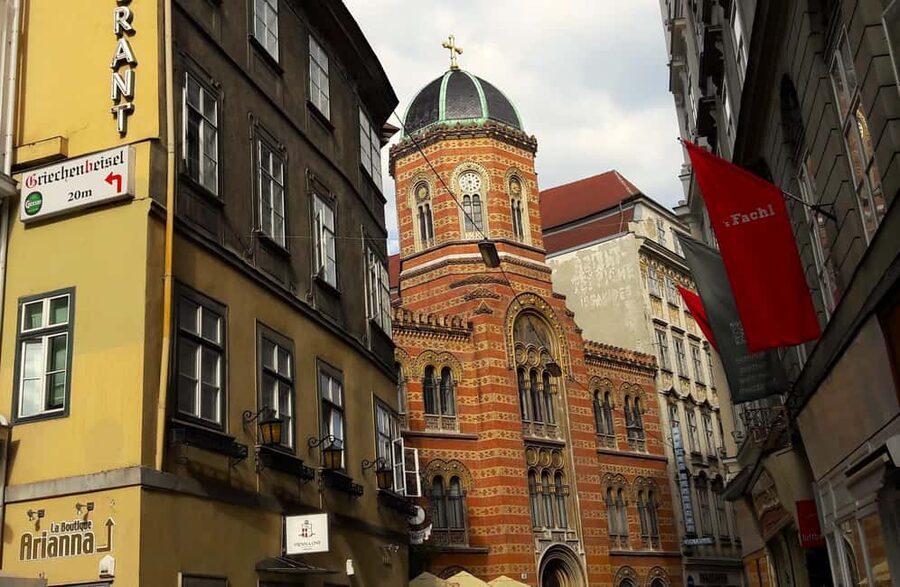
The Greek Quarter in Vienna doesn’t feel like a museum. It feels like a working neighborhood where old and new share the same sidewalk. That’s why this tour works: you’re not just looking at buildings. You’re learning how the area became a meeting point for merchants, scholars, and legends.
This part of the city shows up again and again in bigger Vienna stories. Here, people discussed survival during plague times and carried the idea of hope through tough years. Here, the groundwork was also prepared that later fed into Greek independence. And in between those huge historical arcs, you get smaller details that make the city human: churches, everyday streets, and the kind of community that still leaves traces.
Meeting by Stubentor: how the tour starts and stays easy
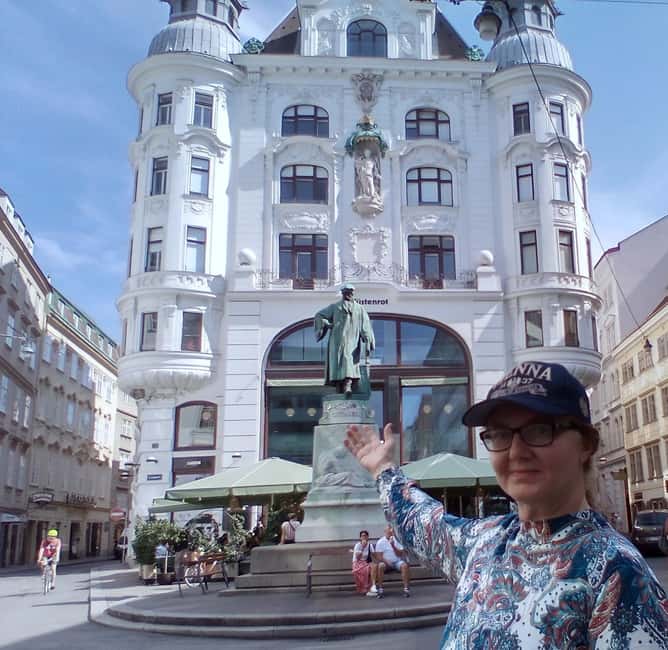
You’ll meet around the Dr. Karl Lueger monument near Stubentor subway station. From there, you move at a relaxed pace. The tour is described as easy, and it’s designed so you don’t end up walking yourself into grumpy mode in the first district.
One practical bonus: the tour uses a silent-guide setup with headsets. That means the guide can speak clearly while you’re walking through the city noise. For a 2-hour tour, it’s an efficient way to keep your attention on what matters without constantly playing the What did she say? game.
It’s also rain or shine. Vienna weather loves surprises, so bring a jacket you actually like. The good news is the route is planned as a surface walk, not an underground slog.
Fleischmarkt: Art Nouveau façades and the early printing connection
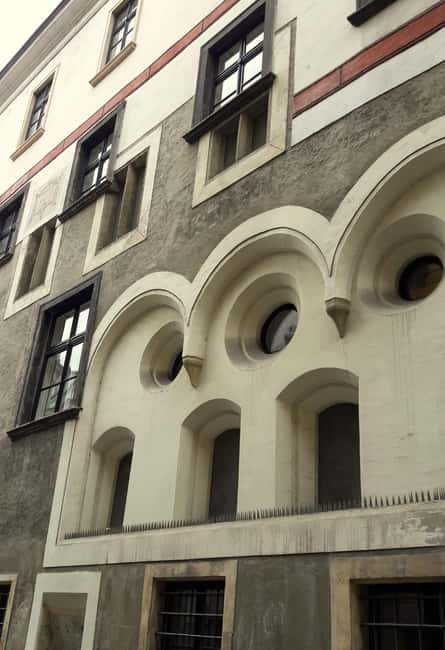
Fleischmarkt is where the tour starts doing something clever. It takes Art Nouveau architecture—much of it mostly unknown to typical tourist routes—and pairs it with a history you can’t see from a postcard.
You’ll admire the building fronts and then get the backstory: links to Vienna’s first printing houses, and the way early publishing shaped what people believed, discussed, and argued about. This is a big deal in this neighborhood. Printing wasn’t just business. It was the engine behind ideas spreading across Europe.
Here’s the thing I like for your planning: when you see a façade with the right guide, it stops being decoration. It becomes evidence. You start noticing craftsmanship, materials, and design choices that hint at wealth, patrons, and the cultural importance of the area.
If you enjoy architecture tours, this stop is a highlight. If you prefer history, it still delivers because you learn how printing and architecture are tied to the same street-level ecosystem.
Griechengasse: a border-on-the-Danube feeling in today’s streets
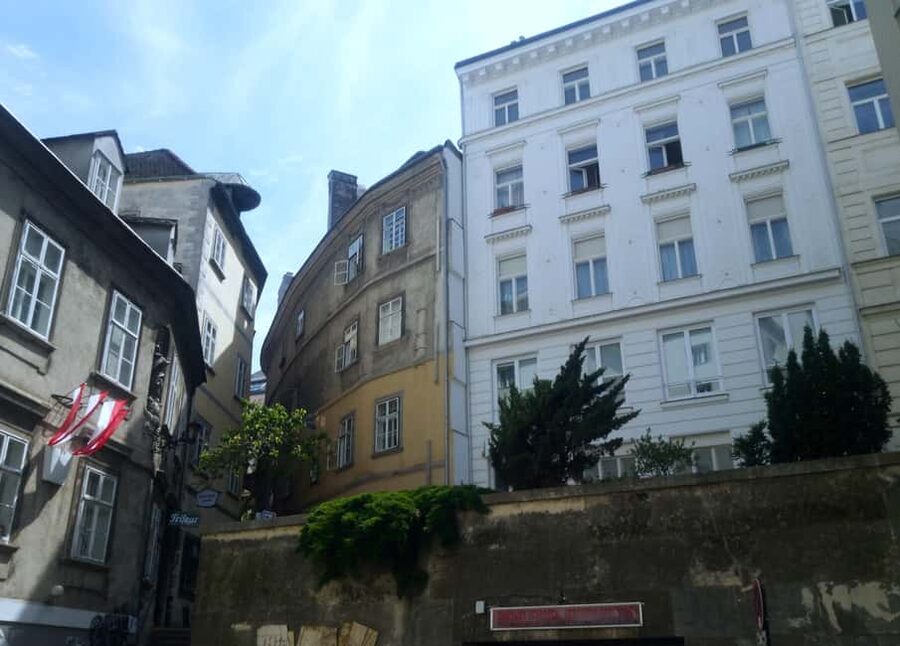
Next comes Griechengasse, and the tour uses it to explain how geography shaped identity. The street is treated as part of a border area on the Danube, which changes the story from cultural flavor to political reality.
In plain terms: border zones make people practical. They connect different groups, encourage trade, and create a constant sense of change. That fits what this neighborhood did historically—hosting merchants and thinkers, while myths and legends also took root because stories travel easily in places where cultures meet.
This is one of the stops where you’ll likely slow your pace on purpose. The guide frames what you’re seeing so it feels less random. You stop thinking, This is just another street in Vienna, and start thinking, This street helped shape how the city evolved.



Schönlaterngasse legends: where you watch myth become local lore
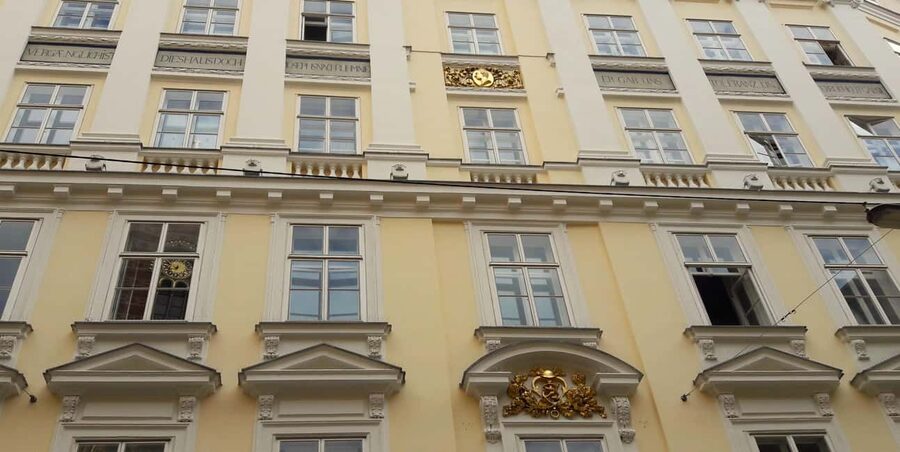
At Schönlaterngasse, the tour leans harder into legends. You’re not just hearing made-up stories for fun. You’re learning how legends and real-world places can share the same space in the public imagination—especially in a city where people have been telling tales for centuries.
This is where the basilisk saga enters the conversation, and the guide makes it feel relevant to why the quarter became myth-friendly. Vienna has always had a taste for the strange—alchemists, medieval scientists, and rumor as a kind of social glue. The tour connects those threads to the specific streets you’re walking.
For your expectations: you’ll get a clear narrative arc, not a lecture dump. The guide keeps steering you back to the physical surroundings so the stories land where you stand.
Lugeck and the printing press: legend meets early Habsburg facts
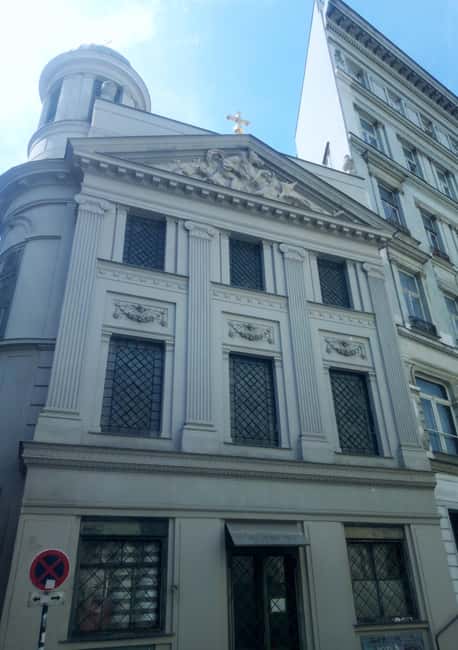
Lugeck is another anchor stop. Here, the tour ties the history of Vienna’s printing press to early Habsburg monarchy facts, and then blends that with legends to show how “official” history and local storytelling can share the same page.
This part of the walk can feel especially satisfying if you like cause-and-effect. You start seeing how publishing power supported influence. You also see how patrons and money lived in the same city space as ideas and printing work.
And yes, the oldest residential tower in Vienna is also in this neighborhood. The guide uses it as a landmark to help you orient mentally. Instead of memorizing a date, you remember a shape and a place—and that’s how the quarter stays in your head long after the tour ends.
Augustin’s legend: why it matters beyond the spooky details
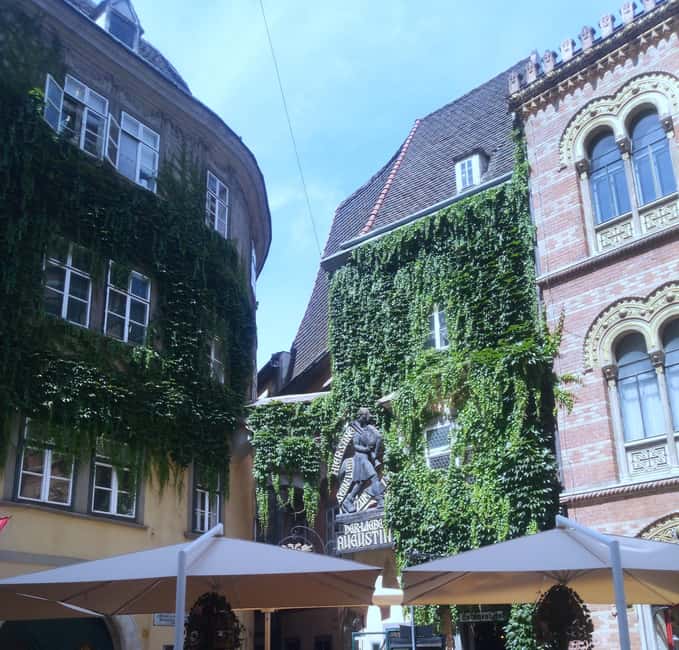
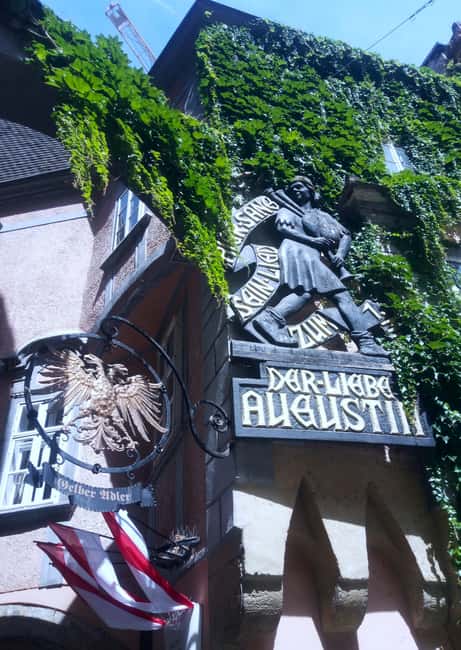
One of the tour’s signature highlights is the legend of Augustin—tied to hope and survival through plague times. The guide treats this not as a vague bedtime tale, but as a window into how people coped when they couldn’t control the outcome.
That theme—hope as a practical tool—fits perfectly with why this quarter mattered historically. Merchants and scholars weren’t just living in pretty buildings. They were building networks. They were supporting each other through hard years, and they were also sharing knowledge through early printing and learning circles.
The tour’s best trick here is balance. It includes the legend side, but it also grounds you with architectural and historical context. You don’t come away thinking Vienna was only myths. You come away thinking myths were part of how people organized meaning.
What you get in 2 hours (and what you won’t)
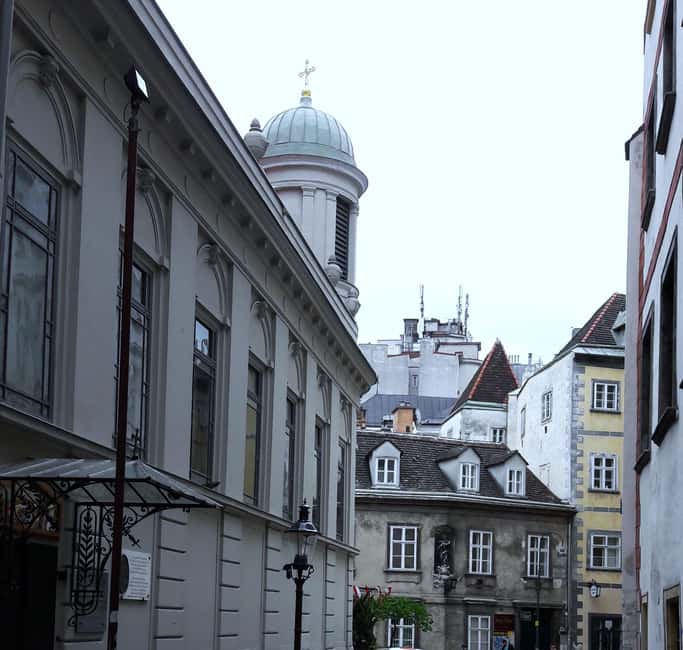
This is a short walk, and it’s meant to be doable without turning your day into an endurance event. You won’t be doing an underground route. You also won’t need specialized gear.
Instead, the value is in how much the guide can connect in a limited window: streets, buildings, legends, and the printing/history angle all tied together. Because it’s focused on the first district, you can pair it with other sightseeing afterward without losing half your afternoon.
Private group option is available, which can be a big advantage if you’re traveling as a couple or small circle. It usually means you get more attention for questions. In fact, the experience description emphasizes Q&A-style engagement, and the tour is set up for clear listening with headsets.
Price and value: $23 for a story-led local walk
At $23 per person for a 2-hour guided tour, this looks like strong value on paper—especially because it includes headsets and a private group option. Even if you’re not usually a “tour person,” this isn’t one of those long, generic city walks where you mostly repeat what you already read online.
The real value is the tour’s angle. Many Vienna walking tours focus on big names and famous monuments. This one focuses on the Greek Quarter’s lesser-known connections—Art Nouveau details, early printing networks, and legends that explain why certain streets carry stories.
If you like architecture and history, you’re in the right place. If you love legends, you also get payoff because they’re explained as living city lore tied to geography and community.
Tips to make the most of it
A few small things will help you enjoy the tour more:
- Bring a charged phone only for maps. The tour prohibits recording the guide’s explanations, so don’t plan on filming.
- Wear comfortable shoes. The walk is described as easy, but you’ll still be on city pavement for two hours.
- Pay attention when the guide connects legends to a specific street. That’s where the “lightbulb moments” tend to happen.
- If you get a printed map, use it the same day. One guide detail in the experience notes that a map of the historic center with the featured buildings can be provided, and it’s useful right after the tour when everything is fresh.
Should you book Vienna Tours for You with Locals?
Book it if you want a compact, high-story Vienna walk that doesn’t only chase the famous highlights. This is a great choice for first-time Vienna visitors who want something different from the usual big-sight checklist, and it’s also a smart pick if you already know the classics and want to see the first district with new eyes.
Skip it if you need wheelchair access, or if you expect an underground or high-energy “see everything” tour. Also skip if legends feel like filler for you. This one clearly treats legends as part of the historical fabric.
If you go in ready to listen—to architecture, printing history, and the way stories travel—you’ll come away with a Vienna that feels more specific and more human than the one you get from headlines.
FAQ
How long is the tour?
The tour lasts 2 hours.
Where is the meeting point?
You meet around the Dr. Karl Lueger monument near Stubentor subway station.
Is this tour private?
Yes, it’s your private tour. Private group options are available.
What languages does the guide speak?
The live tour guide is available in German and English.
Is pickup included?
Pickup is optional. It uses public transport only. You can meet in the hotel lobby or at a nearby public transport station you agree on by email.
Does the tour run in bad weather?
The tour takes place rain or shine.
Is it an underground tour?
No. It’s not an underground tour.
Is recording the guide allowed?
No. Any recording of the guide’s explanations during the tour is strictly prohibited.
Is the tour wheelchair accessible?
No. It is not suitable for wheelchair users.
What will I see and learn during the walk?
You’ll discover legends like Augustin and the basilisk, admire Art Nouveau buildings (especially around Fleischmarkt), learn about the oldest residential tower in Vienna, and connect the area’s printing history with broader historical facts.
More Tours in Vienna
- Vienna: Schönbrunn Palace & Gardens Skip-the-Line Tour
★ 4.7 · 7,739 reviews - Vienna Spanish Riding School Guided Tour
★ 4.7 · 6,765 reviews - Vienna: Skip-the-Line Sisi Museum, Hofburg and Gardens Tour
★ 4.8 · 5,918 reviews - Vienna: Skip-the-Line Schönbrunn Palace & Gardens Tour
★ 4.8 · 5,411 reviews - Vienna: Guided Walking Tour of City Center Highlights
★ 4.7 · 4,989 reviews
More Tour Reviews in Vienna
- Vienna: Vivaldi’s Four Seasons Concert in Karlskirche
★ 4.7 · 14,951 reviews - Vienna: Schönbrunn Palace & Gardens Skip-the-Line Tour
★ 4.7 · 7,739 reviews - Vienna: Light of Creation Votive Church Immersive Light Show
★ 4.8 · 6,779 reviews - Vienna Spanish Riding School Guided Tour
★ 4.7 · 6,765 reviews - Vienna: Classical Concert in the World-Famous Musikverein
★ 4.6 · 6,673 reviews
Just In: New Vienna Reviews



Tours, compared.
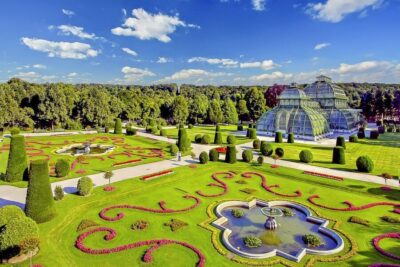 ★ 4.7Schönbrunn Palace & Gardens Skip-the-Line TourFrom $637,739 reviews
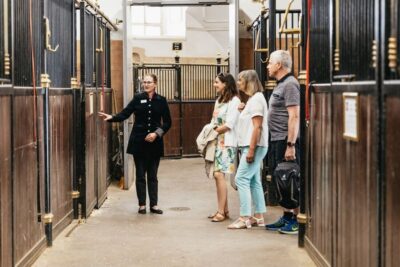 ★ 4.7Vienna Spanish Riding School Guided TourFrom $286,765 reviews
 ★ 4.8Skip-the-Line Schönbrunn Palace & Gardens TourFrom $765,411 reviews
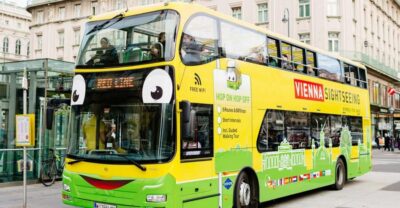 ★ 4.2Hop-On Hop-Off Sightseeing Bus Tour in 19 LanguagesFrom $414,518 reviews
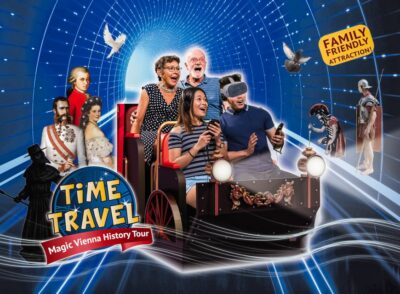 ★ 4.6Time Travel and Magic Vienna History TourFrom $273,879 reviews
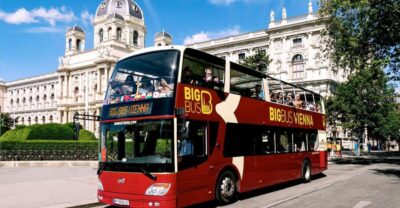 ★ 4.4Big Bus Hop-On, Hop-Off Tour by Open-Top BusFrom $363,529 reviews
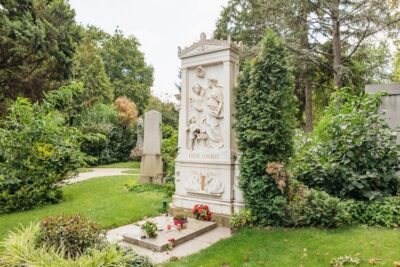 ★ 4.8Vienna Central Cemetery Guided Walking TourFrom $3353,307 reviews
 ★ 4.3Bus & Schönbrunn Palace Skip-the-Line Guided TourFrom $812,802 reviews