
Reviewed · VIENNA WALKING TOURS
An Introduction to Vienna Walking Tour
Vienna makes sense when you walk it. This small-group tour threads art, empire, and everyday food life into one smart route, led by an historian guide who explains what you’re seeing as you pass it. You’ll hit major landmarks like the Hofburg and Stephansdom, but you’ll also get the why behind the buildings, from fin-de-siècle ambition to Habsburg power.
Two things I really like: the personal pace (often up to 6, and the tour can run with very few people), and the way the guide turns stones-and-streets into stories you can actually remember. On one booking, that storytelling even included music cues like Mozart and Haydn and small local treats tied to Vienna traditions.
One drawback to think about: this is a walking tour with a premium price, so if you’re chasing every big-ticket sight on a single route, you may feel the route skips some things you hoped for (like city hall or parliament, depending on the day).
In This Review
- Key things to know before you go
- Price and what you’re really paying for
- Where you start: Café Hawelka to Hofburg’s doorstep
- The Secession building and the art beat of Klimt-era Vienna
- Stephansdom: the icon, explained beyond postcard angles
- Hofburg: why Habsburg power shaped everything nearby
- Naschmarkt: the market stop that gives Vienna a pulse
- Kohlmarkt and the Graben: shopping streets with a darker side
- Ringstraße: the grand boulevard where the city organizes itself
- Loos House: where Vienna’s modernism gets physical
- Maria-Theresien-Platz: museums concentration and a smart end point
- Guides make or break this tour, and here you can feel the difference
- It’s best early in your Vienna trip
- Who this tour suits (and who might skip it)
- Should you book this Vienna walking tour?
- FAQ
- How long is the Vienna walking tour?
- How much does it cost per person?
- Is the tour offered in English, and how big is the group?
- Where do we meet, and where does the tour end?
- Is food included?
- What’s the walking and participation level?
Key things to know before you go
- Small-group format (up to 6 per booking) keeps questions welcome and the pacing comfortable.
- Historian-led walk means you’re not just collecting photos; you’re getting context for Austria’s shifts in power and culture.
- Route hits both icons and textures: Secession and Stephansdom, plus markets and shopping streets.
- Ringstraße orientation helps you understand where Vienna’s grand boulevards and luxury hotels fit in the city plan.
- You’ll leave with “where to next” ideas for food, coffee house time, and what areas to explore on your own.
Vienna on foot, a couple more routes
- Vienna: Guided Walking Tour of City Center Highlights★ 4.7 · 4,989 reviews
- Vienna: Vienna Central Cemetery Guided Walking Tour★ 4.8 · 3,307 reviews
- Vienna: Viennese Underworld Guided Walking Tour★ 4.7 · 1,865 reviews
- Vienna: World War II Historical Walking Tour★ 4.8 · 1,772 reviews
Price and what you’re really paying for
At $181.02 per person for about 2 hours 30 minutes, this isn’t the cheapest way to see Vienna on foot. But you’re paying for a guide who’s working like an on-the-street lecturer: historian background, English narration, and a route designed to make the city feel logical fast.
The value case gets stronger because the group stays small. You’re told the maximum is 8 travelers, and the booking size is up to 6. In practice, some slots can run tiny, which is when the tour becomes less like a “route” and more like a guided walk with a local who can tailor answers in real time.
If you’re budget-tight and you only want the skyline version of Vienna, a larger group tour may cost less. But if you want real orientation, plus stories that connect buildings to history, this is priced like you’re buying thinking time and expert commentary, not just sightseeing minutes.
Where you start: Café Hawelka to Hofburg’s doorstep

You meet at Café Hawelka on Dorotheergasse (1010 Wien). That matters more than it sounds. Meeting at a real Viennese café area gets you into the old-city vibe right away, and you’re starting near major sights instead of crossing town.
From there, the walk brings you to Michaelerplatz, where the Hofburg dominates the square. This is one of the best “orientation” moves you can make early in a visit: you see the seat of power at the start, then you spend the rest of the tour understanding how Vienna’s different eras left their marks nearby.
Practical note: this is a walking tour, and you’ll be on foot for the full 2.5 hours. Wear shoes you trust. Vienna can be charming and also wet, windy, and cold, depending on the season.
The Secession building and the art beat of Klimt-era Vienna
One of the first stops is the Secession building, tied to Vienna’s turn-of-century avant-gardism and connected to figures like Klimt and Mahler. This is a helpful stop because it explains why Vienna’s art world became so influential without needing a museum ticket right at the start.
What I like here is the framing. Instead of treating architecture as decoration, you learn how new ideas showed up on buildings, not just on canvas or in concert halls. If your Vienna trip includes art museums later, this stop gives your eyes a quick upgrade.
A small caution: this part can be brief compared to a full art-focused day. If you’re an art history super-specialist, use it as a strong primer, then plan your deeper museum time separately.
Stephansdom: the icon, explained beyond postcard angles
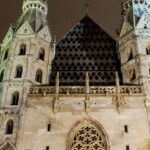
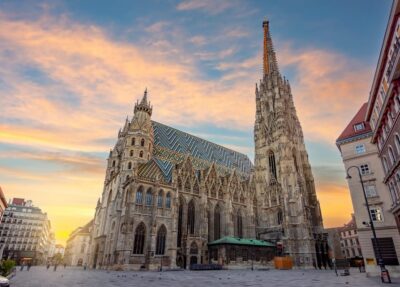
Next comes Stephansdom, Austria’s major cathedral. If you’ve seen it in photos, you already know how it looks. The tour’s value is that you get a sense of what made it important and how to read the building as part of the city’s long story.
This is also a good “reset point” in the walk. The route moves from artistic rebellion at the Secession to imperial power and then to the church centerpiece of Vienna. Your brain gets a clean timeline structure instead of a blur of sights.
If you’re trying to photograph: do it quickly, then listen. The best details often happen while you’re standing close enough to notice the architecture.
Vienna at walking pace, more routes
Hofburg: why Habsburg power shaped everything nearby
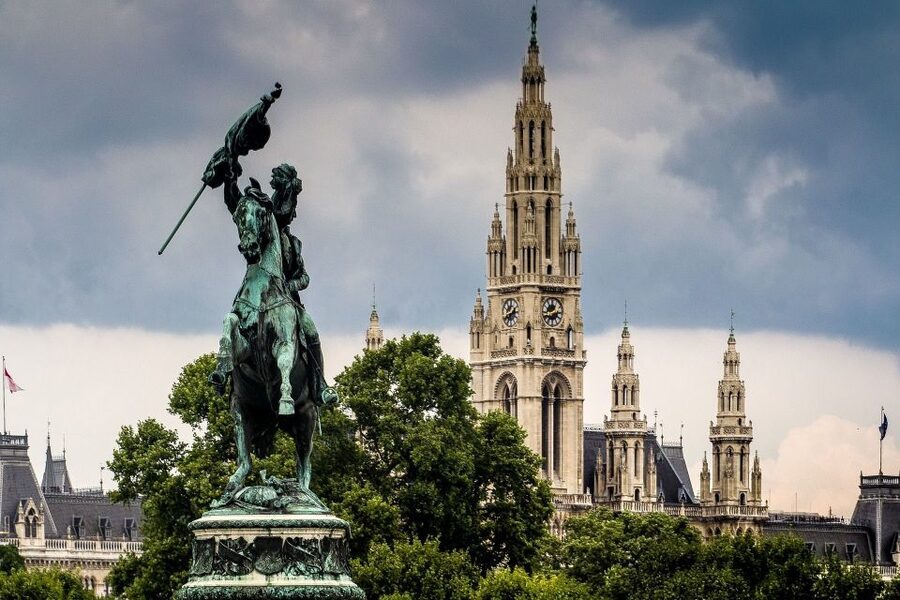
Seeing the Hofburg (Habsburg imperial palace) is the heart of the tour’s logic. You learn it’s been a seat of power since the 13th century, which changes how you view every nearby street. Suddenly the city plan doesn’t feel random.
The Hofburg stop also connects history to the way Vienna still functions today. Even if you never step into the palace, you understand why this area feels like the administrative and ceremonial center.
One reason I’d recommend doing this early: once you’ve got the Hofburg in your mental map, the rest of Vienna snaps into place.
Naschmarkt: the market stop that gives Vienna a pulse
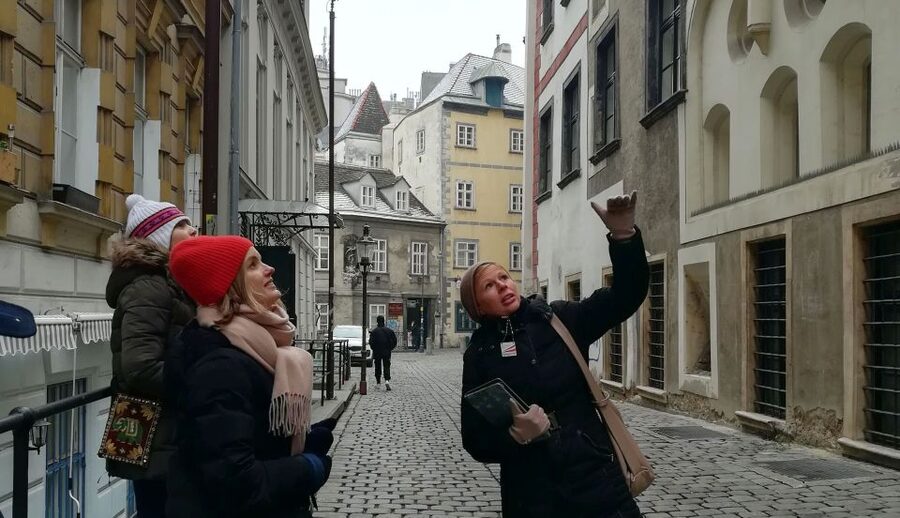
You pass by the Naschmarkt, Vienna’s colorful traditional food market. You don’t need it to be your one market stop in the whole trip, but it’s a smart addition because it shifts the theme from “power and art” to “daily life.”
This is where you get a feel for how Viennese culture mixes tradition and social time. Think of the market as a texture stop, not a full meal stop. If you want to snack later, this gives you ideas about flavors and where people actually go.
If you have dietary needs, keep your expectations flexible. The tour doesn’t include food by default unless specified, so treat the market as inspiration and plan your own lunch nearby.
Kohlmarkt and the Graben: shopping streets with a darker side
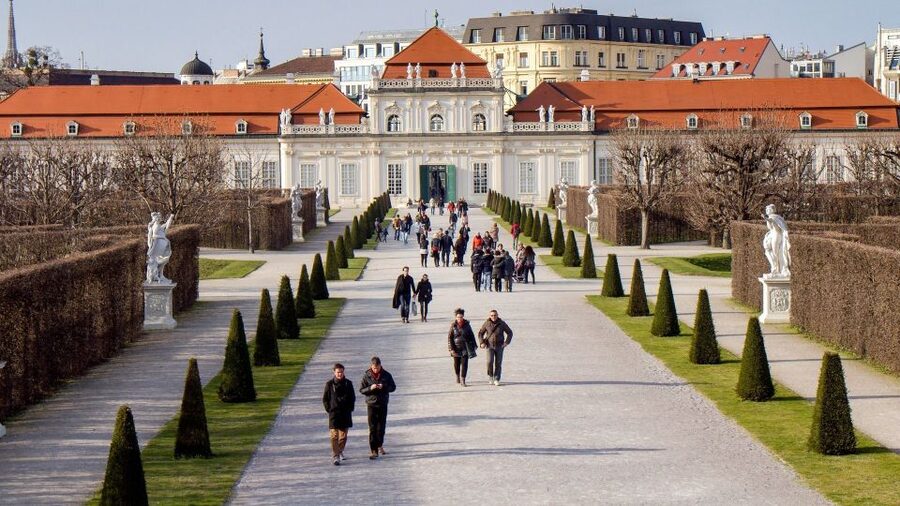
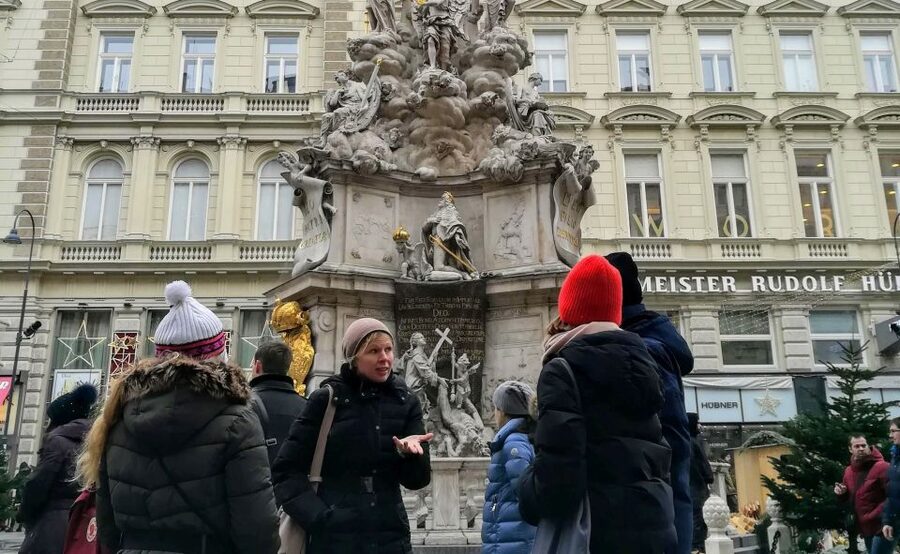
After Naschmarkt, you walk through Kohlmarkt and the Graben, a fashionable shopping area. This stop is useful because it shows that luxury streets can carry heavy historical memory.
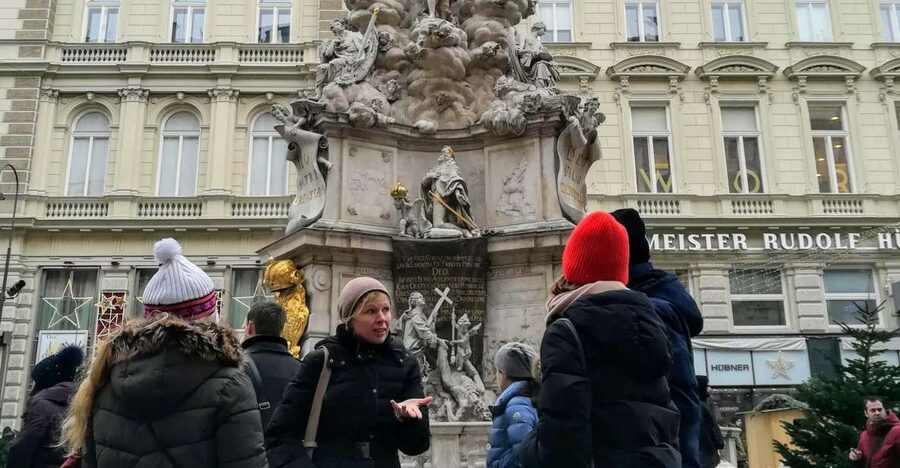
You also learn about a plague column commemorating the 17th-century bubonic plague outbreak. That detail is one of the tour’s “Vienna is complicated” moments. The city can look elegant and still remember suffering. That’s not something you always get from shopping-street wandering.
If you like history that touches real human events, you’ll appreciate the way the guide doesn’t skip the unpleasant chapters.
Ringstraße: the grand boulevard where the city organizes itself
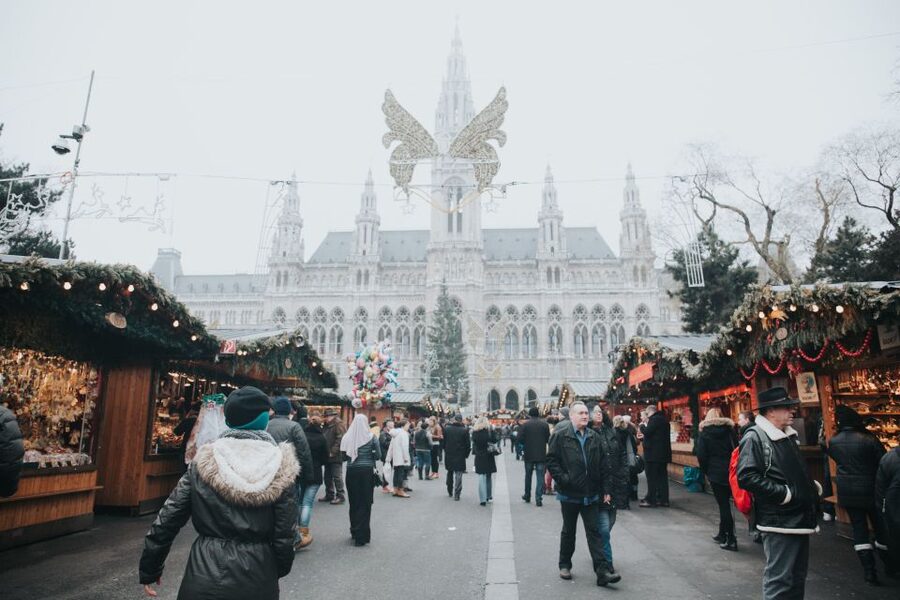
The walk then moves along Ringstraße, the grand boulevard built in the middle of the 19th century. This section is a map made of architecture. You’ll see how Vienna’s luxury hotels sit within walls of older palaces, which helps you connect “today” to the city’s earlier forms.
This is also where the tour becomes a practical navigation tool. After Ringstraße, you tend to understand the city’s layout faster. It’s easier to decide where to go next because you know what connects to what.
If you hate long straight walks, you’ll still likely enjoy this segment because the guide’s explanations keep the scenery from turning into just pavement.
Loos House: where Vienna’s modernism gets physical
You’ll pass the Loos House, designed by Austrian architect Adolf Loos, identified in the tour as the green and gray building you spot from the Ringstraße side. This stop brings a different kind of architecture story: not empire, not cathedral, but modernist thinking and the debate about what buildings should show on the outside.
Why this matters: Loos House reminds you that Vienna didn’t just preserve history. It argued about the future.
If you’re into design, this is a quick taste of a bigger conversation. If you’re not, the guide’s framing usually helps it land without you needing a design degree.
Maria-Theresien-Platz: museums concentration and a smart end point
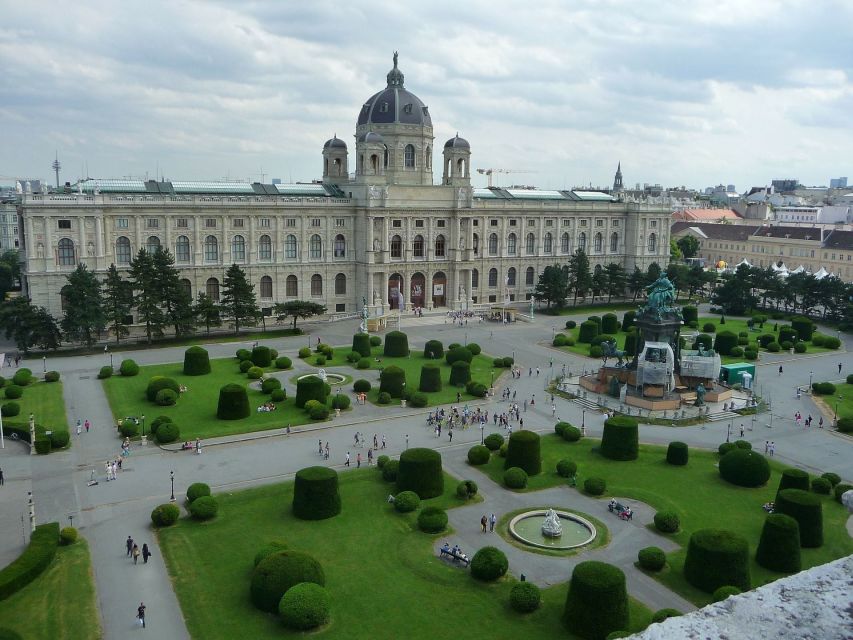
The tour heads to Maria-Theresien-Platz, described as home to the city’s largest concentration of museums. Even if you don’t plan to tour museums on the same day, ending here is smart because it positions you in a museum district where you can choose your next step instantly.
This is also a calm landing area after the earlier stretches of landmarks and boulevard walking. It’s a natural place to pause for a coffee, plan a museum hit, or simply explore the surrounding streets with better direction.
A note on pacing: since the tour is a single continuous walk, you’ll want to arrive with energy. Bring a bottle of water if you’re sensitive to walking in heat, cold, or sudden rain.
Guides make or break this tour, and here you can feel the difference
What keeps this tour near the top of Vienna lists is the human factor. Names you may be assigned include Elisabeth, Christina, Annelie, Wolfgang, Katarina, Ilse/Ilisa, Ilse, Angelika, and Walter. People highlight guides who:
- keep answers coming when you ask questions
- connect buildings to big shifts in Austrian life
- adjust the route to what the group wants that day
The small group size helps here. If it’s just you and one other person, the tour often becomes more conversational and flexible. If it’s a fuller group, you still get time to ask and get actual responses, not one-size-fits-all headlines.
A couple of tour “extras” show up in the experience style: one guide used music like Mozart and Haydn as part of the storytelling, and another shared tips around Sisi-related candies and where to get Sacher torte without waiting in line at the famous Sacher Hotel. Those aren’t the official core of the tour, but they reflect the guide approach: small local knowledge that you can use that same day.
It’s best early in your Vienna trip
If you’re doing Vienna for the first time, I’d schedule this walk near the start. The reason is simple: the tour gives you a mental city map tied to history. After the walk, you’ll move around on your own with less second-guessing.
You’ll also get ideas for next stops, often including coffee house time and places to eat for classic Austrian comfort food. And because you’ve already learned what’s important here, your museum and self-guided explorations tend to feel less random.
Who this tour suits (and who might skip it)
This tour fits you if:
- you want a historian guide and not just a quick photo loop
- you like seeing how art, politics, and everyday life connect
- you want strong orientation without doing a full-day museum marathon
You might consider a different option if:
- you’re trying to stack every major sight into one route and you dislike the idea of missing things like city hall, parliament, or other specific landmarks (which may not be included depending on the day)
- you only want the lowest price and don’t care about context
For most people, the sweet spot is a “get my bearings plus meaningful stories” day. Then use the rest of your trip to go deeper on what you liked most.
Should you book this Vienna walking tour?
I’d book it if you want Vienna with reasoning, not just sightseeing. The route is built to show you the city’s big themes—Habsburg power at the Hofburg, the cathedral’s central role, turn-of-the-century art energy at the Secession, and later the museum concentration at Maria-Theresien-Platz—while also touching daily life through Naschmarkt.
The best reason to choose this tour is the combination of small-group feel and an historian-led story style that keeps history from turning into dry lectures. If price is your only constraint, compare it to big-group options. But if you care about how the city works and you like asking questions, this one is easy to recommend.
FAQ
How long is the Vienna walking tour?
It lasts about 2 hours 30 minutes.
How much does it cost per person?
The price is $181.02 per person.
Is the tour offered in English, and how big is the group?
Yes, it’s offered in English. The maximum is 6 people per booking, and the tour/activity can have a maximum of 8 travelers.
Where do we meet, and where does the tour end?
You meet at Café Hawelka, Dorotheergasse 6, 1010 Wien, Austria. The tour ends in Vienna, Austria.
Is food included?
Food and drinks are not included unless specified.
What’s the walking and participation level?
Most travelers can participate, and it’s a guided walk with no hotel pickup or drop-off included.
More Tours in Vienna
- Vienna: Schönbrunn Palace & Gardens Skip-the-Line Tour
★ 4.7 · 7,739 reviews - Vienna Spanish Riding School Guided Tour
★ 4.7 · 6,765 reviews - Vienna: Skip-the-Line Sisi Museum, Hofburg and Gardens Tour
★ 4.8 · 5,918 reviews - Vienna: Skip-the-Line Schönbrunn Palace & Gardens Tour
★ 4.8 · 5,411 reviews - Vienna: Guided Walking Tour of City Center Highlights
★ 4.7 · 4,989 reviews
More Tour Reviews in Vienna
- Vienna: Vivaldi’s Four Seasons Concert in Karlskirche
★ 4.7 · 14,951 reviews - Vienna: Schönbrunn Palace & Gardens Skip-the-Line Tour
★ 4.7 · 7,739 reviews - Vienna: Light of Creation Votive Church Immersive Light Show
★ 4.8 · 6,779 reviews - Vienna Spanish Riding School Guided Tour
★ 4.7 · 6,765 reviews - Vienna: Classical Concert in the World-Famous Musikverein
★ 4.6 · 6,673 reviews
Vienna on Foot, Continued
- Vienna: Guided Walking Tour of City Center Highlights
★ 4.7 · 4,989 reviews - Vienna: Vienna Central Cemetery Guided Walking Tour
★ 4.8 · 3,307 reviews - Vienna: Guided Walking Tour of City Highlights & Hidden Gems
★ 4.9 · 2,180 reviews - Vienna: Viennese Underworld Guided Walking Tour
★ 4.7 · 1,865 reviews - Vienna: World War II Historical Walking Tour
★ 4.8 · 1,772 reviews
Just In: New Vienna Reviews



Vienna Walking Tours, compared.
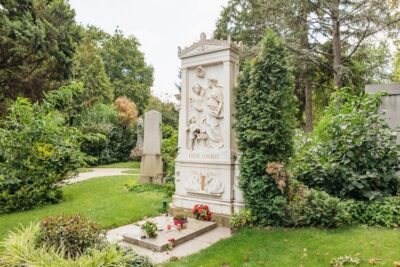 ★ 4.8Vienna Central Cemetery Guided Walking TourFrom $3353,307 reviews
 ★ 4.9Guided Walking Tour of City Highlights & Hidden GemsFrom $272,180 reviews
 ★ 4.7Viennese Underworld Guided Walking TourFrom $371,865 reviews
 ★ 4.8World War II Historical Walking TourFrom $311,772 reviews
 ★ 5.0Vienna Historic Center Small Group Walking TourFrom $721,746 reviews
 ★ 4.6Private Walking Tour with a LocalFrom $561,446 reviews
 ★ 4.91.5-Hour Underground Walking TourFrom $321,146 reviews
 ★ 4.4Ghosts and Legends Guided Nighttime Walking TourFrom $201,088 reviews
Browse the lists this tour appears in