
Reviewed · VIENNA WALKING TOURS
Fall in Love with Vienna Tour- the best of Vienna on foot!
Three hours, and Vienna starts clicking.
This half-day tour links the city’s biggest highlights with stories you can actually use, from Mozart’s Vienna to the grand finale at the Wiener Staatsoper. It’s on foot, paced for questions, and the guide is set up to help you spot what to do next.
I especially like two things: the Mozarthaus Vienna start gives you instant context, and the tour keeps one foot in real everyday Vienna with a 30-minute coffee-house break (Jan to Nov) plus solid local recommendations. It also comes with a printed info package and city map, so you leave with a plan, not just photos.
One caution: you will walk a lot, and in busier periods the group can run close to the maximum. In crowds, it can be harder to hear the guide clearly, so good shoes and a spot near the front matter.
In This Review
- Key things to know before you go
- From Mozarthaus Vienna to Saint Stephen: get your bearings fast
- Stephansdom, Pestsäule, and Peterskirche: Vienna’s faith and survival stories
- Hofburg and the Sisi Museum: palace life beyond the postcards
- Heldenplatz, Volksgarten, and Parliament fountain views
- Coffee-house routes: Meinl to Landtmann, Central, Demel, and Sacher
- Beethoven, churches, passages, horses, and the Opera finish
- Price, pace, and group size: what you really get for $72.59
- FAQ
- How long is the Vienna walking tour?
- What language is the tour offered in?
- Where does the tour start and end?
- Are museum entrance fees included?
- Is there a coffee break during the tour?
- How big is the group?
- Do I need a ticket before arriving?
- What kind of walking/fitness level should I expect?
- Should you book this best-of-Vienna walking tour?
Key things to know before you go
- Choose morning or afternoon departures so the tour fits your energy and the city’s crowd level.
- A dense, walkable loop through the core keeps you seeing more without spending half your day in transit.
- Lots of stops are quick and outside-focused which helps keep the tour light on museum-ticket stress.
- A traditional coffee break is built in (Jan to Nov), not just a suggestion.
- It ends right at the Opera on Ringstraße, so you finish in the most convenient central zone.
Vienna on foot, a couple more routes
- Vienna: Guided Walking Tour of City Center Highlights★ 4.7 · 4,989 reviews
- Vienna: Vienna Central Cemetery Guided Walking Tour★ 4.8 · 3,307 reviews
- Vienna: Viennese Underworld Guided Walking Tour★ 4.7 · 1,865 reviews
- Vienna: World War II Historical Walking Tour★ 4.8 · 1,772 reviews
From Mozarthaus Vienna to Saint Stephen: get your bearings fast
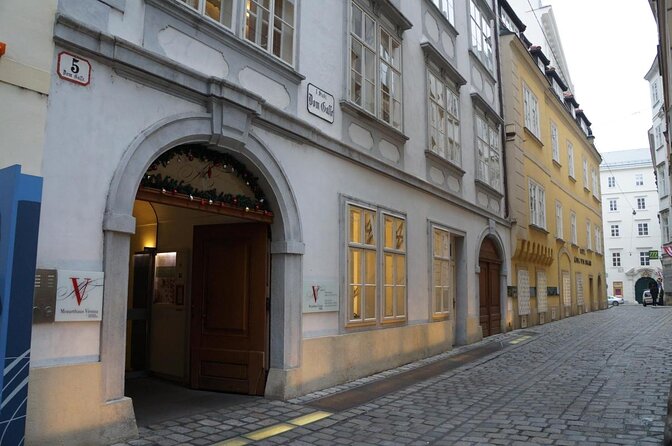
The tour starts at Mozarthaus Vienna (Domgasse 5), right where you can feel how Vienna became a music capital instead of just a museum city. If you like classical music, you get a clean entry point early: Mozart’s presence here is more than a name on a wall. And even if you’re not a deep-music person, it sets a mood for the rest of the day.
From there, you move into the old-city core. One stop is at a wafer-and-candy shop that’s extremely central, right next to St. Stephen’s area. It’s not a sightseeing monument, but it is very Vienna: a quick taste of how locals snack and graze through the day.
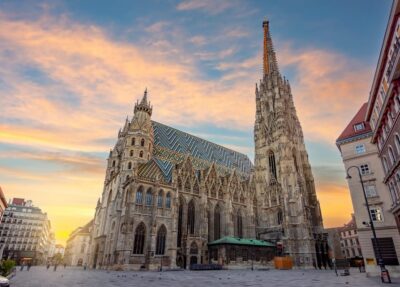
Then you hit Stephansdom, Saint Stephen’s Cathedral. This isn’t a quick drive-by. You get a sense of why this 11th-century church is treated like the city’s spiritual and visual anchor. It’s one of those places where a guide’s explanations make the stonework easier to read from street level.
You’re also getting a “navigation layer” as you go. By the time you reach the next cluster of sights, you’ll understand how the city’s power and culture fan out from the core—exactly what you want on day one or day two.
Stephansdom, Pestsäule, and Peterskirche: Vienna’s faith and survival stories
After Stephansdom, the walk turns to memorial Vienna. One highlight is the Colonna della Peste, also known as Pestsäule, ordered by Emperor Leopold II as a public act of gratitude after the plague epidemic. It’s a striking example of how Vienna used art, architecture, and public space to mark fear, loss, and recovery—without turning the city into a single bleak museum exhibit.
Nearby, you spend time at Peterskirche. The key story here is resilience: the present church was built from scratch after the original building was destroyed in the 16th century. The guide’s take on its baroque look helps you see it less as a generic church stop and more as a snapshot of how Vienna rebuilt itself.
You also get a pass by St. Michael’s, a church that dates back to the 12th century. That’s another way the tour works for you: it quietly stacks time periods so you don’t feel like you’re bouncing around randomly.
Then comes a very practical pivot—food and coffee culture. You stop at a central Julius Meinl coffee spot on Kohlmarkt street, known as one of the pricier shopping streets right in the heart of things. It’s a useful moment because it helps you understand how Viennese coffeehouses aren’t just for pastries; they’re part of the city’s social rhythm.
Hofburg and the Sisi Museum: palace life beyond the postcards
Hofburg is where Vienna’s imperial identity goes from “big buildings” to actual storytelling. The tour brings you into the orbit of the palace lived-in by Elisabeth (Sisi), Franz, Maria-Theresa, and others. The best part isn’t only the names—it’s the focus on daily life around power: who worked in the palace, how the place functioned, and what it must have felt like to live in a capital shaped by a family for centuries.
You then connect with the Sisi Museum, dedicated to Elisabeth, with the emphasis on story-driven interpretation. If you’ve only seen Sisi as a silhouette or a figure on postcards, this kind of stop helps you grasp why she became such a lasting symbol. It’s the difference between recognizing a character and understanding how people made meaning out of royalty in everyday life.
From the palace area, you walk to Heldenplatz (Square of the Heroes). This spot matters because it’s framed as a former entrance area for the Winter Palace and a hub with museums around it. Even if you don’t go deep into those interiors on this tour, you get the orientation. And you learn about why the square connects to major palace spaces, including the idea of the biggest ballroom of the palace.
This is also a natural break-point for your brain. You’ve covered Mozart, plague memorials, and church rebuilding. Now your guide reframes Vienna as a place where culture and authority were always tied together.
Heldenplatz, Volksgarten, and Parliament fountain views
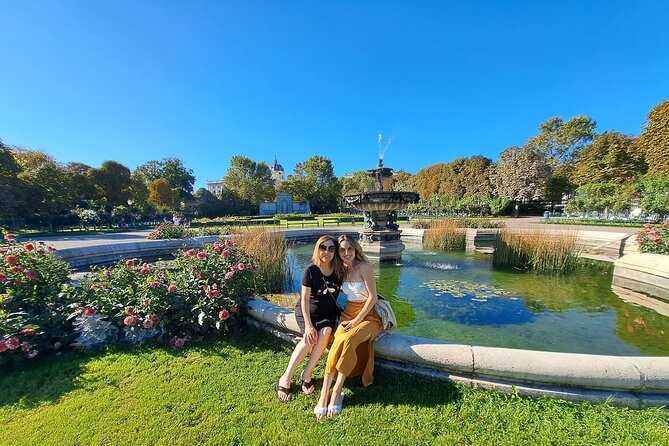
Next, you move into greener, calmer Vienna: Volksgarten. The garden was made in 1821 and is described as one of the best-preserved parks in the center, also known as the Garden of the 1000 roses. For me, the value of this stop is that it changes the pace and gives you a moment to see Vienna as lived-in space, not only grand architecture.
You also get a Greek-style temple reference inside the People’s Garden. It works as a story shortcut: you learn that the Habsburgs’ tastes weren’t locked only to Vienna’s own history. Their interests had international influences, and that shows up in the city’s public spaces.
Then the tour points you toward the Pallas-Athene-Brunnen, the fountain in front of the Austrian Parliament. Even though you’re stopping briefly, you get the meaning behind what the goddess holds and represents. If you’ve ever looked at statues and wondered why they matter, this is that useful translation from art form to symbol.
You also see the City Hall (Rathaus) and new-gothic architecture, plus the idea that it hosts major seasonal moments like the largest Christmas market in Vienna. That’s a smart kind of tip to receive while you’re still orienting yourself—you can plan your calendar with real anchors, not vague suggestions.
Finally in this stretch, you pass by Burgtheater, the royal theater associated with Maria Theresa’s era. It’s another example of how Vienna keeps culture in the public eye. Even if you’re not planning to attend an opera or theater performance, this helps you understand why Ringstraße and its surroundings feel like a cultural corridor.
Coffee-house routes: Meinl to Landtmann, Central, Demel, and Sacher
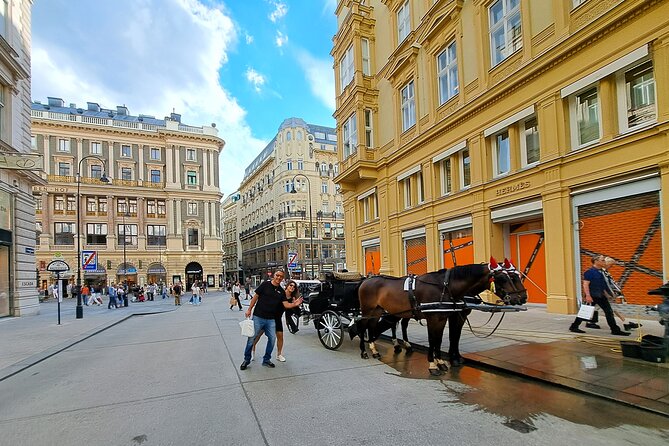
If Vienna has a secret weapon, it’s coffeehouse culture. This tour doesn’t treat coffee as an afterthought. It treats it as a lens.
You stop at Café Landtmann, famous as the favorite coffee house of psychologist Sigmund Freud. That pairing is exactly why the tour format works. You’re not only looking at a building; you’re learning how ideas and debates played out in social spaces.
Then you reach Café Central, often treated as the most famous coffee house in Vienna, in a historic Palais. This is where you start to feel the city’s rhythm: coffeehouses weren’t just for comfort, they were where people met, worked, and talked.
Demel is next, the cake and chocolate stop linked with Empress Elisabeth, located just outside the Winter Palace. The tour frames it as a place for sweets lovers, with an emphasis on the kinds of treats you can expect—chocolates, pancakes, and cakes. It’s the kind of stop that helps you decide what to order later, because you’ll have names and context when you walk back in on your own.
And then the tour closes the sweets story at Hotel Sacher Vienna, birthplace of the Sacher cake. This is one of those iconic items where the guide’s explanation makes the ritual feel less like mass marketing and more like Viennese tradition.
The big bonus here: you get an extra 30-minute break in a traditional coffee house, included from January to November. In practice, that break is what turns a walking tour into a day you can actually enjoy rather than just survive.
Beethoven, churches, passages, horses, and the Opera finish
After the coffee stretch, the tour moves into art-and-music Vienna with quick, high-signal stops.
You pass Beethoven Pasqualatihaus, a residence connected to Beethoven that has become a museum. You also visit Schottenkirche, a 13th-century church, monastery, and museum, which gives you a feel for how the earliest layers of Vienna’s religious life are still visible in the center.
Palais Ferstel is another architectural pause. The guide frames it as a beautiful palace with coffee shops, restaurants, shops, and an impressive passage you can walk through. There’s also a fountain element tied to the building. If you’ve ever felt like Vienna’s best parts are “between” the major landmarks, this is the stop that helps.
Then you reach the Spanish Riding School. The story here matters: tradition tied to Emperor Maximilian, and the idea that building a powerful military presence was part of the broader national image. Even if you’re not a horse person, you’ll get why the school became such a lasting symbol—and why the training and horses are treated with respect.
Next comes Augustinerkirche. Inside a small chapel, you can find 50 hearts of emperors and empresses of Austria, preserved since the 17th century. It’s a strange-sounding stop in the best way: memorable because it’s specific, not because it’s vague.
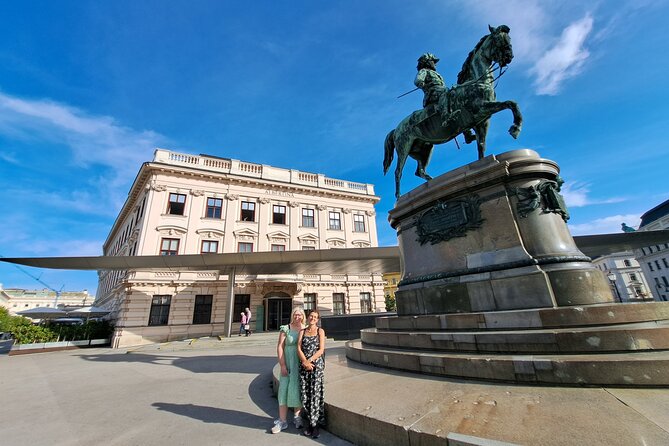
You’ll also see Albertinaplatz, marking the last part of the Winter Palace with the Albertina museum and the central tourist information office. It’s a good orientation checkpoint before the final performance spaces.
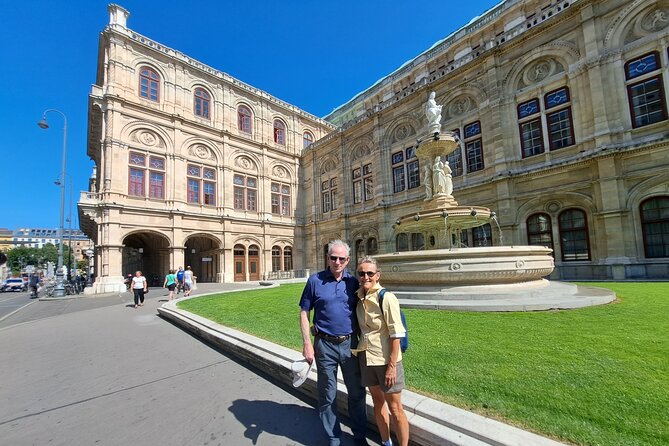
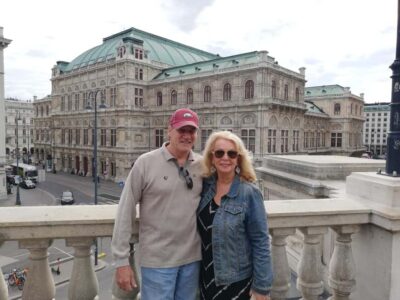
And then: Hotel Sacher’s neighborhood finishes into the Ringstraße theater zone. You end at Wiener Staatsoper (Vienna State Opera), built in 1869 and sitting on Ringstraße. This is a perfect landing point because you’re done right where the city’s big-classical energy lives.
Price, pace, and group size: what you really get for $72.59
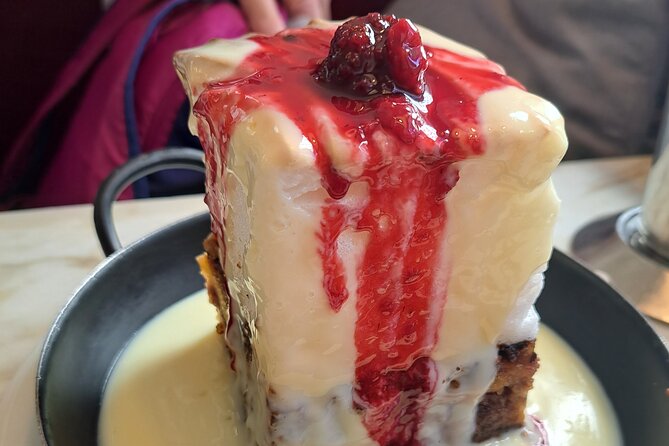
At $72.59 per person for about 3 hours, you’re paying for a guide’s time plus the structure that keeps you from wasting your first day wandering. The best value angle is that many stops are listed as free admission, or at least focused so you’re not being shoved into paid museum corridors nonstop.
Entrance fees to museums are not included, so if you want to go inside major sites in depth, you’ll pay separately. But the tour helps you decide what’s worth your money by giving context at the moment you’re standing in the right place.
Pace-wise, the tour is designed for moderate physical fitness and a lot of walking in a single loop. One review described it as about a 5k walk, and even with short stops, you’ll want comfortable shoes—especially because cobblestones can be a little unforgiving.
Group size is capped at a maximum of 18. That’s small enough for conversation, but not so tiny that you can ignore crowd noise. If you’re sensitive to hearing in busy places, I’d pick an earlier departure when possible, and try to stay near the guide.
FAQ
How long is the Vienna walking tour?
It’s about 3 hours.
What language is the tour offered in?
The tour is offered in English.
Where does the tour start and end?
It starts at Mozarthaus Vienna, Domgasse 5, 1010 Wien, and ends at Herbert-von-Karajan-Platz in front of the Vienna State Opera on Ringstraße.
Are museum entrance fees included?
No. Entrance fees to museums are not included.
Is there a coffee break during the tour?
Yes. There is an extra 30-minute break in a traditional Viennese coffee house, and it runs January to November only.
How big is the group?
It has a maximum of 18 travelers.
Do I need a ticket before arriving?
You receive a mobile ticket.
What kind of walking/fitness level should I expect?
It’s listed for travelers with a moderate physical fitness level, and you should plan on steady walking around the city center.
Should you book this best-of-Vienna walking tour?
Book it if you want a fast, high-meaning overview: Mozart, emperors, churches, coffeehouse culture, and the Opera zone, all tied together in one 3-hour loop. It’s also a smart first-day choice because it gives you names, locations, and practical recommendations so you can explore on your own without guessing.
Skip it (or pair it with other plans) if you want long museum time, or if you really prefer quiet, spacious sightseeing. This tour is compact and walks you through a crowded central area, so bring good shoes and accept that you’ll be in the city’s main lanes.
If you like structure and local guidance more than “winging it,” this is a strong way to get your bearings fast and fall for Vienna in a very doable way.
More Tours in Vienna
- Vienna: Schönbrunn Palace & Gardens Skip-the-Line Tour
★ 4.7 · 7,739 reviews - Vienna Spanish Riding School Guided Tour
★ 4.7 · 6,765 reviews - Vienna: Skip-the-Line Sisi Museum, Hofburg and Gardens Tour
★ 4.8 · 5,918 reviews - Vienna: Skip-the-Line Schönbrunn Palace & Gardens Tour
★ 4.8 · 5,411 reviews - Vienna: Guided Walking Tour of City Center Highlights
★ 4.7 · 4,989 reviews
More Tour Reviews in Vienna
- Vienna: Vivaldi’s Four Seasons Concert in Karlskirche
★ 4.7 · 14,951 reviews - Vienna: Schönbrunn Palace & Gardens Skip-the-Line Tour
★ 4.7 · 7,739 reviews - Vienna: Light of Creation Votive Church Immersive Light Show
★ 4.8 · 6,779 reviews - Vienna Spanish Riding School Guided Tour
★ 4.7 · 6,765 reviews - Vienna: Classical Concert in the World-Famous Musikverein
★ 4.6 · 6,673 reviews
Vienna on Foot, Continued
- Vienna: Guided Walking Tour of City Center Highlights
★ 4.7 · 4,989 reviews - Vienna: Vienna Central Cemetery Guided Walking Tour
★ 4.8 · 3,307 reviews - Vienna: Guided Walking Tour of City Highlights & Hidden Gems
★ 4.9 · 2,180 reviews - Vienna: Viennese Underworld Guided Walking Tour
★ 4.7 · 1,865 reviews - Vienna: World War II Historical Walking Tour
★ 4.8 · 1,772 reviews
Just In: New Vienna Reviews



Vienna Walking Tours, compared.
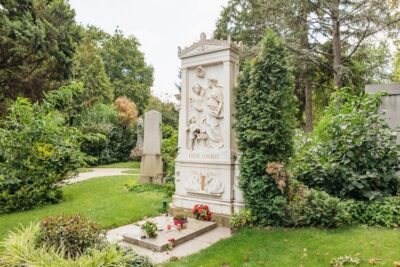 ★ 4.8Vienna Central Cemetery Guided Walking TourFrom $3353,307 reviews
 ★ 4.9Guided Walking Tour of City Highlights & Hidden GemsFrom $272,180 reviews
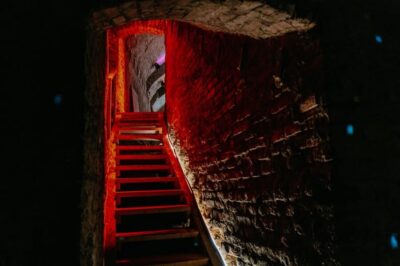 ★ 4.7Viennese Underworld Guided Walking TourFrom $371,865 reviews
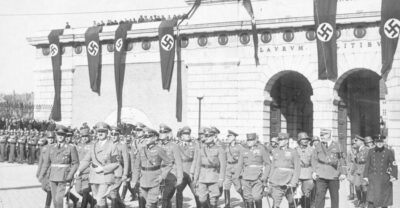 ★ 4.8World War II Historical Walking TourFrom $311,772 reviews
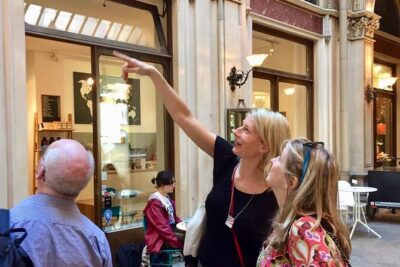 ★ 5.0Vienna Historic Center Small Group Walking TourFrom $721,746 reviews
 ★ 4.6Private Walking Tour with a LocalFrom $561,446 reviews
 ★ 4.91.5-Hour Underground Walking TourFrom $321,146 reviews
 ★ 4.4Ghosts and Legends Guided Nighttime Walking TourFrom $201,088 reviews
Browse the lists this tour appears in