
Reviewed · VIENNA WALKING TOURS
Historical Hitler Walking Tour of Vienna
Vienna hides Nazi history in plain sight. This 2.5-hour, English-language walk turns major city landmarks into a clear timeline of how politics crushed artists, reshaped public life, and left scars that still show. I particularly love the way the route connects the cultural boom of Vienna with what changed after 1938, then lands on Holocaust memory right in the center.
The second thing I like is the guide factor: when I see top guides like Dieter, Wolfgang, or Stephan, the storytelling comes with context and a steady pace. You also get practical help for cold weather, with occasional indoor stops to warm up. The main drawback to consider is that the name can make it feel like an Hitler-only tour, but it’s really about Vienna’s social environment around his rise, plus Nazi-era consequences—so some people want more direct Hitler biography and less Vienna-wide context.
In This Review
- Key Things I’d Mark Before You Go
- From Opera Grandeur to a 1938 Turning Point
- The Albertina Area: Where Vienna’s Arts Got Politicized
- Albertinaplatz’s Memorial Against War and Fascism
- An Art School Rejection That Echoes Through the Story
- Heldenplatz: The 1938 Speech Moment in a Real Square
- Judenplatz Holocaust Memorial: Paying Respect in the City Center
- Morzinplatz: The Former Metropole and the Gestapo Footprint
- The Hidden Seitenstettentempel Synagogue Behind Tenements
- Price, Pace, and What You Actually Get for $32.65
- Choosing the Right Mood: Who This Walk Fits
- Practical Tips So You Don’t Have a Miserable Walk
- Should You Book This Historical Hitler Walking Tour of Vienna?
- FAQ
- How long is the tour, and what time does it start?
- Where do I meet the guide, and where does the tour end?
- Is the tour in English, and do I receive a ticket?
- What’s included in the price, and what should I budget separately?
- What should I bring for Vienna weather?
- Is there free cancellation?
Key Things I’d Mark Before You Go
- Start at Albertinaplatz and end at Schwedenplatz, easy links to the U-Bahn lines 1 and 4
- A focused, historical city walk tied to Hitler’s rise, the 1938 takeover moment, and what followed for Austrian culture and Jewish life
- Multiple free memorial stops that help you understand how Austria remembers war and fascism in public space
- Jewish Vienna sites with real-world context, including why one synagogue is hidden behind tenements
- A small group cap (max 25) and a licensed guide, so you can ask questions and stay together
- Weather matters, and the tour moves through winter-grade sidewalks
Vienna on foot, a couple more routes
- Vienna: Guided Walking Tour of City Center Highlights★ 4.7 · 4,989 reviews
- Vienna: Vienna Central Cemetery Guided Walking Tour★ 4.8 · 3,307 reviews
- Vienna: Viennese Underworld Guided Walking Tour★ 4.7 · 1,865 reviews
- Vienna: World War II Historical Walking Tour★ 4.8 · 1,772 reviews
From Opera Grandeur to a 1938 Turning Point
This tour works because it doesn’t treat Vienna like a museum. It treats it like a living map. You start with a place famous for music and spectacle, then you watch how quickly that same world changes once National Socialism takes hold.
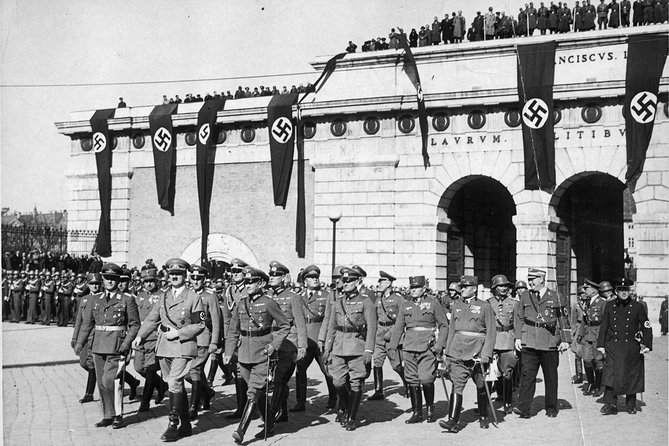
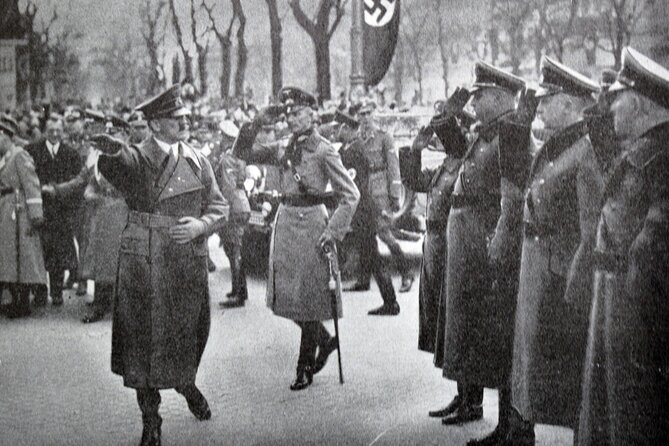
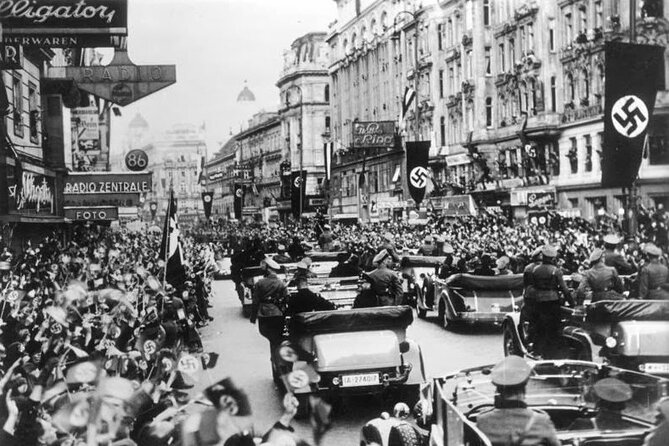
The big theme is cause and effect. Hitler’s connection to Vienna isn’t presented as a standalone curiosity. Instead, you see how Vienna’s arts scene, public institutions, and Jewish community life were affected by the political shift after the Anschluss. The guide keeps it grounded in street-level reality while still connecting dots back to the broader events of the period.
And yes, the walk includes some heavy topics. The memorials aren’t decorative. They are there because war and fascism did real damage to people—plus the air-raid destruction across the country, including devastation from more than 100,000 WWII bombs, shaped what Vienna became afterward.
The Albertina Area: Where Vienna’s Arts Got Politicized
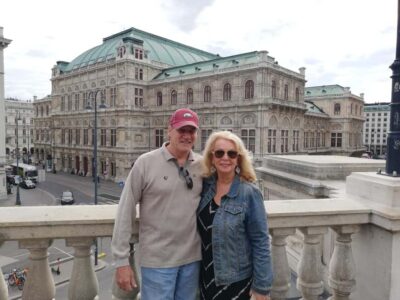
You meet outside the Albertina Museum at Albertinaplatz, then head toward the Vienna State Opera area to set the stage. This is a smart opening because Vienna’s arts identity is one of the key threads in the story.
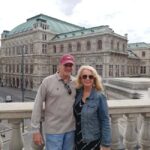
At the Vienna State Opera, the tour looks at the contrast between celebrated cultural life and the disruption that came after 1938. You’ll hear how, after the Anschluss, Hitler visited the opera in 1938—then what followed for artists and opera employees: persecution, forced departures, and bans on performances for certain works. That’s the kind of detail that makes “history” feel less abstract. It’s not just politics in theory; it hits the people who create music, design sets, teach, rehearse, and perform.
Practical note: even if you love opera, don’t expect this stop to be a “look at the building” moment. The point here is how cultural institutions were pressured by Nazi power.
Albertinaplatz’s Memorial Against War and Fascism
Right near the start, you move to the Memorial Against War & Fascism on Albertinaplatz. This isn’t a small side stop. It’s a reset button for your brain.
The memorial, created by Austrian sculptor Alfred Hrdlicka, has been in place since 1988, dedicated to victims of war and fascism. It’s a good place to pause and absorb the tone of the tour: Vienna doesn’t just mention the past; it has installed reminders in public space. That changes how you walk the city. You stop seeing just architecture, and start seeing memory carved into the same streets you’ll eat your strudel on later.
Time on site is brief, but it gives you a framework before the route turns toward specific 1938 and Holocaust connections.
An Art School Rejection That Echoes Through the Story
One stop centers on the Akademie der bildenden Kunste, the art school that rejected Hitler. You’ll get the significance in context: rejection as a personal turning point is part of the story, but the bigger value is what Vienna represents here—opportunity, ambition, cultural status, and then the sharp edges of exclusion.
This stop helps explain why the tour’s focus isn’t only “what happened in 1938,” but also how early life, attempts to enter institutions, and the atmosphere around him mattered. It’s a reminder that political violence often grows out of personal stories mixed with wider social currents—not just out of one speech.
If you want a strict Hitler “facts-only” biography, this section may feel more like context than narrative. If you like understanding how people get pulled into ideology, it lands well.
Vienna at walking pace, more routes
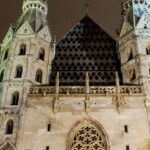
Heldenplatz: The 1938 Speech Moment in a Real Square
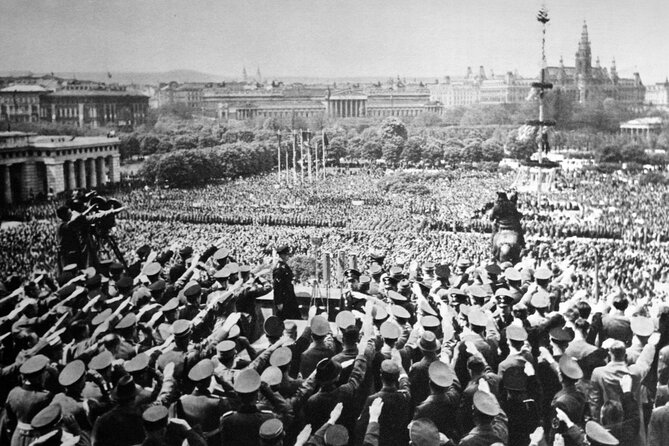
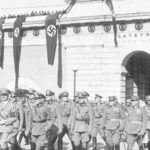
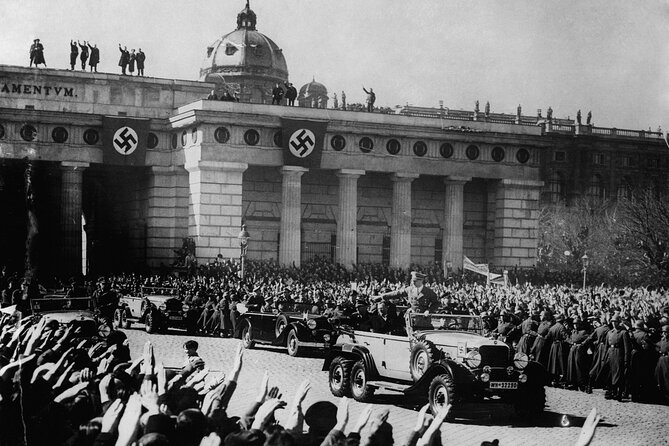
Next you reach Heldenplatz, tied to the March 15, 1938 speech from the balcony of the Neue Hofburg. This is one of the emotional anchor points of the whole walk.
The guide frames it as a public moment that became symbolic: the seizure of power and the broad approval that surrounded it at the time. The name Heldenplatz also carries trauma into the Second Republic era, and you’ll feel that weight more in person than on a page.
What I like about this stop is how it uses location to teach meaning. A square like this isn’t neutral. It’s a stage. When you learn what was said there, you stop looking at it like a postcard and start seeing it like a historical instrument.
Judenplatz Holocaust Memorial: Paying Respect in the City Center
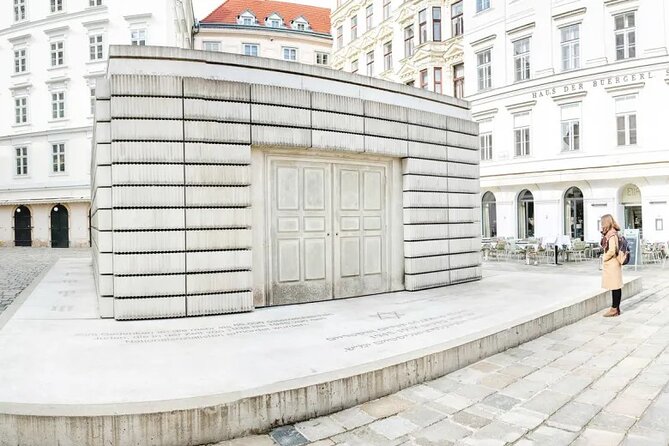
At Judenplatz, you visit the Holocaust memorial for Austrian Jewish victims of the Shoah. This is where the tour turns from political history into direct commemoration.
The memorial remembers more than 65,000 Austrian Jews murdered by National Socialists between 1938 and 1945. Even with a short stop, the experience can land hard because it’s placed where daily city life continues. That mix—everyday Vienna beside remembrance—makes the subject impossible to treat as distant.
I also like that the tour doesn’t just say “Holocaust happened.” It ties the remembrance to Austrian victims specifically, which helps you keep the geography and responsibility clear.
Morzinplatz: The Former Metropole and the Gestapo Footprint
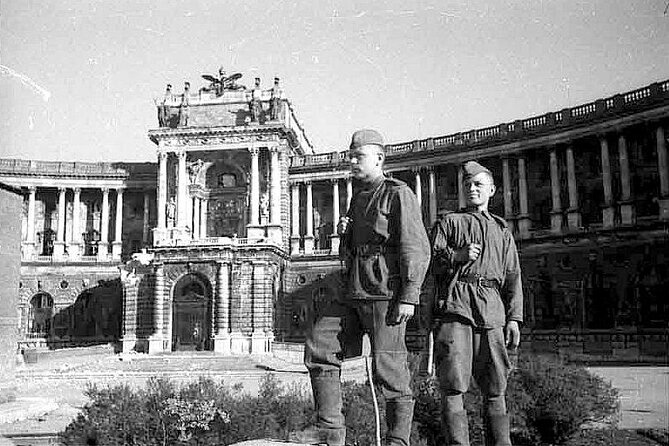
Then you head to Morzinplatz, a key reminder of how brutal the Nazi system became when it took over institutions. The tour points out that the former luxury hotel Metropole became one of the most brutal Gestapo headquarters in the Third Reich.
This is a tough one because the building type is familiar—hotel, everyday exterior—while the function was monstrous. You get a reminder that the machinery of persecution didn’t just operate in distant camps. It operated through offices, checkpoints, and local power centers in Austrian cities.
If you’re trying to understand how ordinary space can become an instrument of terror, this stop is one of the clearest lessons on the route.
The Hidden Seitenstettentempel Synagogue Behind Tenements
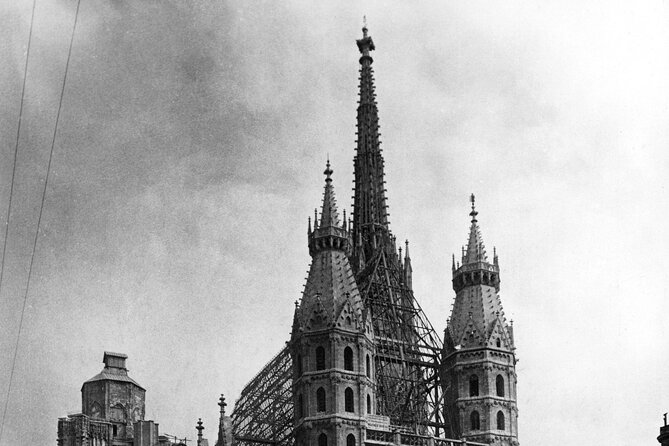
The final major thematic stop focuses on Jewish Vienna architecture, including the Stadttempel Synagogue (Seitenstettentempel). Here’s the detail that makes it click: the synagogue is hidden from street view behind a five-story apartment building.
You’ll learn why. At the time, non-Catholic places of worship had to be hidden and not visible from the street. That regulation shaped the physical city—religion, law, and urban planning forced into one sightline. The entrance gate has an inscription encouraging visitors to approach with thanksgiving and praise, which adds a human note to a story that is otherwise about restriction.
It’s also a practical kind of lesson. You don’t always see history the way you expect. Sometimes it’s literally blocked by buildings. Watching the guide point this out helps you walk away with better observation skills for the rest of Vienna.
Price, Pace, and What You Actually Get for $32.65
At $32.65 per person for about 2 hours 30 minutes, this is priced like a solid guided walking experience in Vienna. The value comes from the number of meaningful stops packed into the walk, plus the licensed guide.
You’ll also notice what’s included and what isn’t. The tour includes the guide; it does not include hotel pickup/drop-off, food, or drinks. That’s normal for this kind of city walking tour. I’d plan to do a proper lunch or snack earlier and keep a water bottle on hand.
Group size is capped at 25, which matters because the tour is info-heavy. With a smaller group, you’re less likely to get lost at tight intersections and memorial entrances, and you can ask questions without a bottleneck of bodies.
Choosing the Right Mood: Who This Walk Fits
This tour is best for people who want history tied to real places. If you like understanding how political shifts change arts institutions, public memory, and daily life, you’ll enjoy it.
It’s also a good match if you’re the type who likes asking questions. The guides in the very high-rated accounts—Dieter, Wolfgang, Stephan, and others—show up as people who handle questions and keep the group moving at a calm pace. Some guides use tablet or iPad visuals, which helps when you’re standing in front of a modern building trying to imagine what happened in 1938.
One consideration: the tour isn’t only about Hitler’s personal biography. It’s more about the historical and social environment in Vienna around him, plus how the city and its people were affected. If you want a straight Hitler timeline with minimal Austria context, you might feel the title oversells what’s really a Vienna-centered story.
Practical Tips So You Don’t Have a Miserable Walk
This is a walking tour with a moderate physical fitness level, and you’ll be on sidewalks through Vienna’s unpredictable weather. Wear comfortable shoes. Bring a raincoat or umbrella and water, and add sunblock if the day turns bright—Vienna can do that to you.
A few other things I’d plan for:
- You’ll want a device-independent way to hear. Some people noted that audio through the device can be hard at times, so stand where you can hear clearly.
- Dress for cold. Even when guides add occasional indoor stops to warm up, you’ll still do outdoor time.
Finally, pick a meeting spot strategy. Albertinaplatz can be busy. Make it easy for yourself to find the guide quickly so you don’t get separated before you start walking.
Should You Book This Historical Hitler Walking Tour of Vienna?
Yes—if you want Vienna history in a practical, street-level format. This walk connects arts, institutions, and Jewish memorial sites in a way that’s hard to replicate solo. It also does something important: it keeps the focus on Austrian and Jewish victims while showing how political power hijacked everyday cultural life.
Skip it only if you want a narrow Hitler-only script with no Vienna context, or if long cold outdoor walking ruins your energy. If you can handle the tone and the walking, this is a strong value afternoon that helps you see Vienna with better eyes afterward.
FAQ
How long is the tour, and what time does it start?
The tour lasts about 2 hours 30 minutes and it starts at 2:30 pm.
Where do I meet the guide, and where does the tour end?
You meet at Albertinaplatz, 1010 Wien, Austria. The tour ends at Schwedenpl., 1010 Wien, near Schwedenplatz, with easy access to U-Bahn lines 1 and 4.
Is the tour in English, and do I receive a ticket?
Yes, it’s offered in English, and you’ll get a mobile ticket.
What’s included in the price, and what should I budget separately?
Included is a licensed guide. Not included are hotel pickup and drop-off, gratuities for the guide (optional), and food and drinks.
What should I bring for Vienna weather?
Bring comfortable walking shoes and clothes. Vienna weather can be unpredictable, so pack water, sunblock, and a raincoat or umbrella.
Is there free cancellation?
Yes. You can cancel up to 24 hours in advance for a full refund. Cancellation within 24 hours of the start time is not refunded.
More Tours in Vienna
- Vienna: Schönbrunn Palace & Gardens Skip-the-Line Tour
★ 4.7 · 7,739 reviews - Vienna Spanish Riding School Guided Tour
★ 4.7 · 6,765 reviews - Vienna: Skip-the-Line Sisi Museum, Hofburg and Gardens Tour
★ 4.8 · 5,918 reviews - Vienna: Skip-the-Line Schönbrunn Palace & Gardens Tour
★ 4.8 · 5,411 reviews - Vienna: Guided Walking Tour of City Center Highlights
★ 4.7 · 4,989 reviews
More Tour Reviews in Vienna
- Vienna: Vivaldi’s Four Seasons Concert in Karlskirche
★ 4.7 · 14,951 reviews - Vienna: Schönbrunn Palace & Gardens Skip-the-Line Tour
★ 4.7 · 7,739 reviews - Vienna: Light of Creation Votive Church Immersive Light Show
★ 4.8 · 6,779 reviews - Vienna Spanish Riding School Guided Tour
★ 4.7 · 6,765 reviews - Vienna: Classical Concert in the World-Famous Musikverein
★ 4.6 · 6,673 reviews
Vienna on Foot, Continued
- Vienna: Guided Walking Tour of City Center Highlights
★ 4.7 · 4,989 reviews - Vienna: Vienna Central Cemetery Guided Walking Tour
★ 4.8 · 3,307 reviews - Vienna: Guided Walking Tour of City Highlights & Hidden Gems
★ 4.9 · 2,180 reviews - Vienna: Viennese Underworld Guided Walking Tour
★ 4.7 · 1,865 reviews - Vienna: World War II Historical Walking Tour
★ 4.8 · 1,772 reviews
Just In: New Vienna Reviews



Vienna Walking Tours, compared.
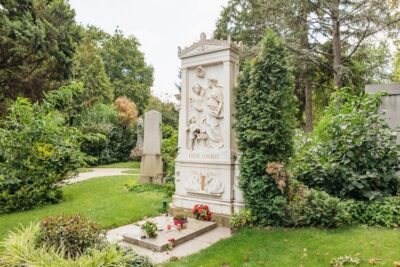 ★ 4.8Vienna Central Cemetery Guided Walking TourFrom $3353,307 reviews
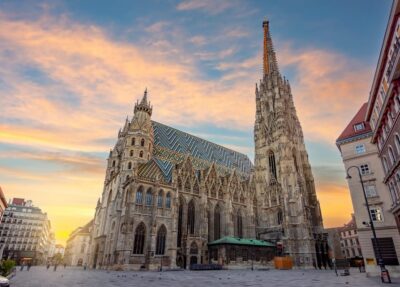 ★ 4.9Guided Walking Tour of City Highlights & Hidden GemsFrom $272,180 reviews
 ★ 4.7Viennese Underworld Guided Walking TourFrom $371,865 reviews
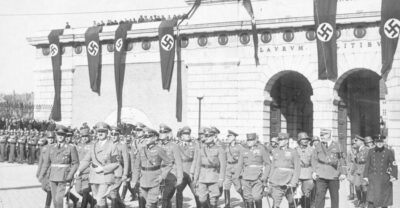 ★ 4.8World War II Historical Walking TourFrom $311,772 reviews
 ★ 5.0Vienna Historic Center Small Group Walking TourFrom $721,746 reviews
 ★ 4.6Private Walking Tour with a LocalFrom $561,446 reviews
 ★ 4.91.5-Hour Underground Walking TourFrom $321,146 reviews
 ★ 4.4Ghosts and Legends Guided Nighttime Walking TourFrom $201,088 reviews
Browse the lists this tour appears in