
Vienna has secrets just off the main squares. This 2-hour Secrets of Vienna walking tour starts around Stephansplatz and keeps you away from the busiest tourist tracks, swapping crowds for narrow lanes, small courtyards, and story-driven stops.
What I like most is how the walk turns familiar landmarks into context you can actually feel as you move through the city.
I also love that the guide doesn’t just recite facts. You’ll get long, well-told stories tied to specific corners, including the Jesuits church, the notoriety of Blutgasse, and the Mozart House area, plus little passages most people never notice. (In real life, I’ve seen how guides like Wolfgang and Kathi can answer unexpected questions and adjust to a small group’s interests.)
One thing to consider: the tour is built for street walking in tight, old-city streets, and entrances aren’t included, so don’t plan on this being a museum visit.
In This Review
- Key points before you go
- Where You Meet: Schwedenplatz Meets Hafnersteig
- Why This Tour Feels Different from the Usual Vienna Circuit
- The Jesuits Church Stop: A Landmark with Layers
- Blutgasse: Turning a Notorious Name into Real Street Context
- Mozart House Area: Big Fame, Small Streets
- Hidden Courtyards: Seeing Vienna From Behind the Facades
- Narrow Streets, Long Stories: How the Tour Actually Moves
- Guides Matter: Wolfgang and Kathi’s Adaptable Storytelling
- Time and Pace: What a 2-Hour Tour Can (and Can’t) Do
- Price and Value: Is $57 Worth 2 Hours?
- Who Should Book This Tour (and Who Might Skip It)
- Should You Book the Secrets of Vienna Walking Tour?
- FAQ
- How long is the Secrets of Vienna walking tour?
- Where is the meeting point?
- What is included in the price?
- Are entrances included?
- What areas does the tour focus on?
- What language options are available?
- Is there a private group option?
- How many reviews does the tour have, and what rating?
- What is the cancellation policy?
- Are there multiple start times?
Key points before you go
- Stephansplatz as a launchpad: You’ll explore the area beyond the postcard views and into quieter back streets.
- Blutgasse stop: A chance to hear why this street has a notorious reputation and how that fits Vienna’s story.
- Courtyards and alleyways: Expect small, tucked-away spaces you can’t appreciate from the main sidewalks.
- Jesuits Church visit: A strong stop that links faith, power, and local life without turning into a lecture.
- Mozart House area: Big-name culture explained through everyday streets around it.
- Small, flexible feel: Guides can adapt, and you can often ask questions and steer the conversation a bit.
Vienna on foot, a couple more routes
- Vienna: Guided Walking Tour of City Center Highlights★ 4.7 · 4,989 reviews
- Vienna: Vienna Central Cemetery Guided Walking Tour★ 4.8 · 3,307 reviews
- Vienna: Viennese Underworld Guided Walking Tour★ 4.7 · 1,865 reviews
- Vienna: World War II Historical Walking Tour★ 4.8 · 1,772 reviews
Where You Meet: Schwedenplatz Meets Hafnersteig
The meeting point is at the corner of Schwedenplatz and Hafnersteig, near the ice-cream shop Eissalon am Schwedenplatz. It’s an easy spot to find if you’re using transit, and it puts you right on the edge of the older parts of the city center.
Arrive a few minutes early. In a short tour like this, being late can shrink the best parts—especially the street-walking sections where the stories line up with what you’re seeing.
Why This Tour Feels Different from the Usual Vienna Circuit
Vienna’s famous sights can be wonderful, but they also come with lines and predictable routes. This tour’s core idea is simple: you start from the major hub around Stephansplatz, then you peel off into a calmer pocket where the city feels more human and less stage-managed.
You’ll move through ancient, narrow streets and you’ll spot spots that feel almost private—hidden courtyards, tucked passages, and small-scale views. That shift matters because Vienna isn’t only grand facades. The charm often lives in the in-between spaces.
The tour also leans into the idea that you can learn things even locals might not have heard about. You’re not just collecting trivia. You’re getting a different way to read the city’s layout—how streets, buildings, and names carry meaning over time.
The Jesuits Church Stop: A Landmark with Layers
One of the first anchor points is the Jesuits church area. This isn’t just a “look at the building” moment. You’ll be guided through what makes this part of Vienna significant, including how religious orders left visible marks on city life and architecture.
The value here is practical. If you’ve already seen a lot of churches in Europe, it’s easy to lump them together. This stop helps you separate them—by connecting what you see to why the city built and used spaces like this in the first place.
Also, the tour is designed so you’re not rushing. You’ll be walking at a pace that lets the explanation land while the street scene is still in front of you.
Blutgasse: Turning a Notorious Name into Real Street Context
Then there’s Blutgasse, the street that comes with a notorious reputation. It’s the kind of place where a name alone can sound sensational, but the guide’s job is to give you the context behind that reputation.
What makes this stop work is the contrast. You’re standing in the real setting of a very old, narrow street while you hear the story tied to it. That’s how Vienna becomes more than postcard imagery—you understand how rumors, history, and urban life intersect at street level.
Even if you’re not the type to chase dark history, you’ll likely enjoy this stop because it’s tied to the city’s structure. Narrow lanes don’t just happen by accident; they shape how neighborhoods functioned and how people moved through the city.
Vienna at walking pace, more routes


Mozart House Area: Big Fame, Small Streets
The tour also includes the Mozart House area. This is a good reminder that cultural icons aren’t locked inside museums. They’re connected to real neighborhoods—places where daily life continued around the fame.
What I like about this kind of stop is how it balances scale. You’re not only hearing the major-name story. You’re also picking up why the surrounding streets matter, how the area fits into the broader city, and what it tells you about Vienna’s culture.
If you’re a first-time visitor, you’ll probably appreciate how the tour ties Mozart into a walkable web of streets rather than treating it like a single photo spot. And if you’re a repeat visitor, you’ll still likely catch something new because the route emphasizes the in-between streets people skip.
Hidden Courtyards: Seeing Vienna From Behind the Facades
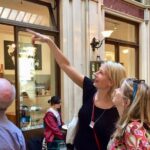
This is where the tour earns its name. As you head away from the busiest blocks, you’ll be shown hidden courtyards and smaller alleyways that you might miss even with a good map.
Courtyards in Vienna can feel like time machines: you’ll look up at windows, see unusual angles of old buildings, and notice how the street and the interior spaces relate. It’s not just pretty. It’s informative, because it shows you how buildings were arranged for daily life—light, access, privacy, and flow.
This part is especially valuable if you’ve already spent time on Vienna’s main streets. After a while, the city can start to look like one long parade of major landmarks. Courtyards reset your perspective fast.
Narrow Streets, Long Stories: How the Tour Actually Moves
The walking style is built around a simple truth: Vienna is a city you understand by walking. The route uses narrow streets to carry you from one story to the next, so you’re not stuck in one open square with everything feeling disconnected.
At its best, the tour feels like someone is guiding you through a side of Vienna that’s not trying to sell you anything. You’re learning in a relaxed atmosphere, with explanations that are meant to stick because you’ve just seen the setting.
One bonus: because the tour is off the common routes, you’re more likely to feel like you discovered things on your own. You still get the guidance, but the city doesn’t feel filtered through the usual crowd script.
Guides Matter: Wolfgang and Kathi’s Adaptable Storytelling
A huge part of this experience is the person holding the thread. Names that show up in guided experiences include Wolfgang and Kathi, and what stands out is how responsive they can be.
In particular, Wolfgang comes up as a guide with strong depth who can handle unexpected questions, and Kathi is described as a top guide who keeps the tour interesting and helps people notice details that otherwise stay invisible. In one smaller group setting, the guide also adjusted to what the group wanted, which is exactly what you want on a short 2-hour walk.
So here’s the practical takeaway: if you’re the type who asks questions, this tour can be a great fit. You’re not stuck getting one-way lecturing. You can often steer the conversation a bit, which makes the city feel more personal.
Time and Pace: What a 2-Hour Tour Can (and Can’t) Do
Two hours sounds short, but it’s a sweet spot for this format. You’ll get enough time to move beyond Stephansplatz and hit several themed stops, without burning your whole day on walking.
What it can’t do is replace a full museum day. And that’s where you should plan expectations: entrances aren’t included, so some stops may be viewed from the street or the exterior context rather than treated like a paid-entry attraction.
If you want a quick, story-packed orientation to Vienna’s inner streets, this works well. If you want lots of indoor time, you’ll likely need to pair it with something else on your schedule.
Price and Value: Is $57 Worth 2 Hours?
At $57 per person for a 2-hour guided walk, you’re paying for more than sightseeing. You’re buying context, pacing, and access to stories tied to streets you might otherwise walk past.
The best value shows up in two ways:
- You get off the standard route and into places that feel quieter and more local.
- You get a guide who can turn names—like Blutgasse—into meaning and help you connect buildings to how Vienna worked.
If you’re the kind of traveler who likes to understand a city instead of just photographing it, this price tends to feel fair. If you’re only chasing interiors and paid attractions, you may feel it’s pricey because entrances aren’t part of the deal.
Who Should Book This Tour (and Who Might Skip It)
This tour is a strong match if you:
- Want a first-timer intro that feels relaxed instead of crowded.
- Prefer side streets and atmosphere over checklists.
- Like history that’s tied to real corners and real street layouts.
- Are a local who thinks they know Vienna but still want a fresh route.
It might not be the best fit if you:
- Want mostly indoor museum time.
- Dislike walking through tight, narrow old-city streets.
- Expect paid entry tickets to be included.
Also, there’s a private group option, which can be nice if you want a quieter vibe or more room for questions.
Should You Book the Secrets of Vienna Walking Tour?
I’d book it if your goal is to understand Vienna as a city you can read while you walk. The combination of Stephansplatz, Jesuits church, Blutgasse, Mozart House, and the hidden courtyards creates a route that feels like Vienna’s quieter mind at work.
Book it with the right expectations: entrances aren’t included, and it’s a walking tour built for streets and stories. If that sounds like your kind of morning or afternoon, you’ll probably leave with Vienna feeling less like a postcard set and more like a place with a pulse.
FAQ
How long is the Secrets of Vienna walking tour?
It lasts 2 hours.
Where is the meeting point?
Meet at the corner of Schwedenplatz and Hafnersteig, near the ice-cream shop Eissalon am Schwedenplatz.
What is included in the price?
You get an English-speaking tour guide.
Are entrances included?
No, entrances are not included.
What areas does the tour focus on?
It stays around the Stephansplatz area and explores narrow streets, hidden courtyards, and specific stops including the Jesuits church, Blutgasse, and the Mozart House area.
What language options are available?
The live guide is available in English, German, and Hebrew.
Is there a private group option?
Yes, private group availability is listed.
How many reviews does the tour have, and what rating?
The rating is 5, based on 8 reviews.
What is the cancellation policy?
You can cancel up to 24 hours in advance for a full refund.
Are there multiple start times?
Yes, you can check availability to see starting times.
More Tours in Vienna
- Vienna: Schönbrunn Palace & Gardens Skip-the-Line Tour
★ 4.7 · 7,739 reviews - Vienna Spanish Riding School Guided Tour
★ 4.7 · 6,765 reviews - Vienna: Skip-the-Line Sisi Museum, Hofburg and Gardens Tour
★ 4.8 · 5,918 reviews - Vienna: Skip-the-Line Schönbrunn Palace & Gardens Tour
★ 4.8 · 5,411 reviews - Vienna: Guided Walking Tour of City Center Highlights
★ 4.7 · 4,989 reviews
More Tour Reviews in Vienna
- Vienna: Vivaldi’s Four Seasons Concert in Karlskirche
★ 4.7 · 14,951 reviews - Vienna: Schönbrunn Palace & Gardens Skip-the-Line Tour
★ 4.7 · 7,739 reviews - Vienna: Light of Creation Votive Church Immersive Light Show
★ 4.8 · 6,779 reviews - Vienna Spanish Riding School Guided Tour
★ 4.7 · 6,765 reviews - Vienna: Classical Concert in the World-Famous Musikverein
★ 4.6 · 6,673 reviews
Vienna on Foot, Continued
- Vienna: Guided Walking Tour of City Center Highlights
★ 4.7 · 4,989 reviews - Vienna: Vienna Central Cemetery Guided Walking Tour
★ 4.8 · 3,307 reviews - Vienna: Guided Walking Tour of City Highlights & Hidden Gems
★ 4.9 · 2,180 reviews - Vienna: Viennese Underworld Guided Walking Tour
★ 4.7 · 1,865 reviews - Vienna: World War II Historical Walking Tour
★ 4.8 · 1,772 reviews
Just In: New Vienna Reviews



Vienna Walking Tours, compared.
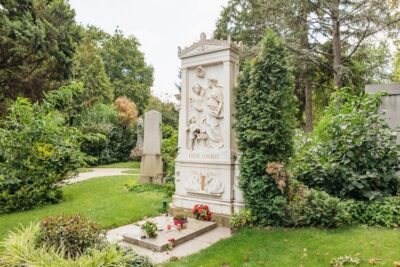 ★ 4.8Vienna Central Cemetery Guided Walking TourFrom $3353,307 reviews
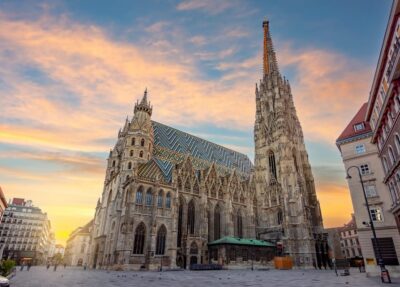 ★ 4.9Guided Walking Tour of City Highlights & Hidden GemsFrom $272,180 reviews
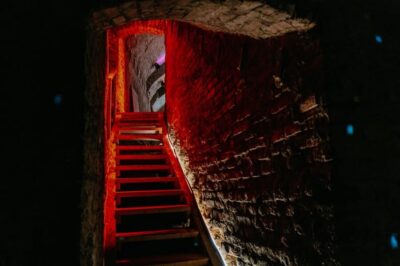 ★ 4.7Viennese Underworld Guided Walking TourFrom $371,865 reviews
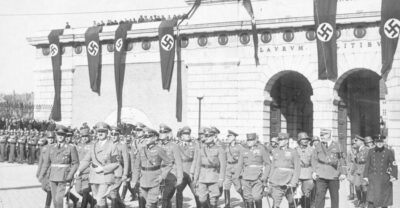 ★ 4.8World War II Historical Walking TourFrom $311,772 reviews
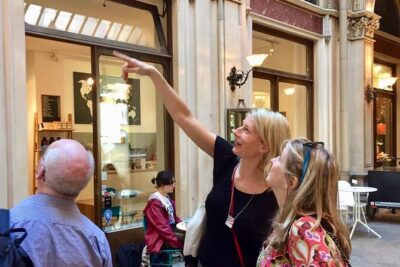 ★ 5.0Vienna Historic Center Small Group Walking TourFrom $721,746 reviews
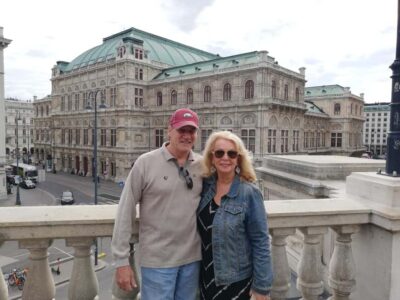 ★ 4.6Private Walking Tour with a LocalFrom $561,446 reviews
 ★ 4.91.5-Hour Underground Walking TourFrom $321,146 reviews
 ★ 4.4Ghosts and Legends Guided Nighttime Walking TourFrom $201,088 reviews
Browse the lists this tour appears in