
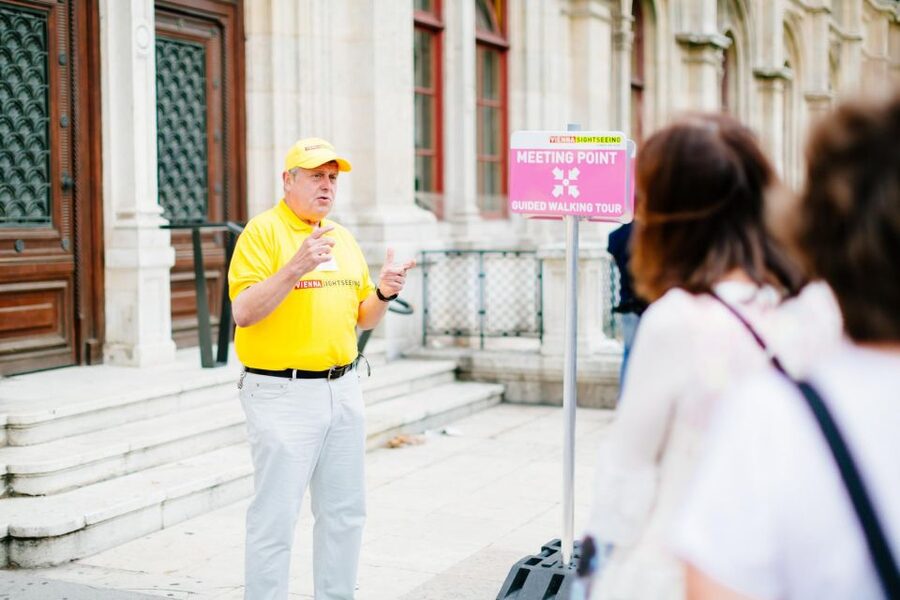
Reviewed · VIENNA WALKING TOURS
Vienna: Courtyards & Hidden Places Walking Tour
Vienna has secret courtyards you can actually find. This tour mixes hidden courtyards with big-name sights like St. Stephen’s Cathedral, plus story-heavy stops around Mozart and the old center. I really liked the Mozart-focused storytelling and how the guide connects architecture to real life in the city. One watch-out: it’s not a fit if you’re bringing kids under 12 or need step-free routes, since this is a walking tour through tight historic streets.
You’ll also appreciate that it’s a small-group format with a certified Vienna guide (German or English), and it runs in all weather. The main practical downside is that large bags aren’t allowed and audio recording isn’t permitted, so keep things light and be ready to rely on your ears and your notes.
In This Review
- Key highlights worth your time
- Walking into Vienna’s courtyards and the stories behind them
- The best part: those inner courts that change how you see the center
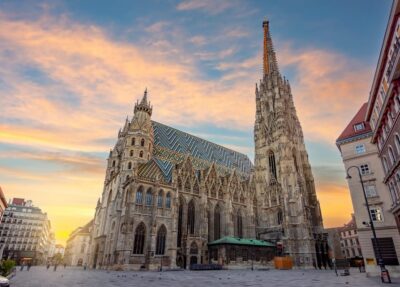
- St. Stephen’s Cathedral and Stephansplatz: the loud landmark with quiet context
- Courtyards and alleys: Blutgasse, Domgasse, Ballgasse, and the city’s hidden “movement”
- Palais Neupauer-Breuner and Deutsches Haus: Vienna’s “in-between” power buildings
- Mozart’s final residence: separating myth from the last chapter
- “Where the cow plays on the board”: a small sign with big meaning
- The Franciscan Church and Monastery: a calmer stop with purpose
- University of Vienna, old university district, and the Jesuit Church
- The old city wall traces: seeing what’s left of the boundaries
- Traditional Viennese cuisine talk: what to order after the walk
- Who this tour suits (and who should skip it)
- Price and value: why $34 can feel like a bargain
- One note on Part 1 continuity
- Should you book Vienna: Courtyards & Hidden Places Walking Tour?
- FAQ
- How long is the Vienna Courtyards & Hidden Places Walking Tour?
- How much does it cost?
- Where does the tour meet?
- What are the drop-off locations?
- Is pickup or drop-off included?
- What languages is the guide available in?
- Does the tour run in bad weather?
- Is this a small-group tour?
- What items are not allowed during the tour?
- Who is this tour not suitable for?
- What is the cancellation policy?
Key highlights worth your time
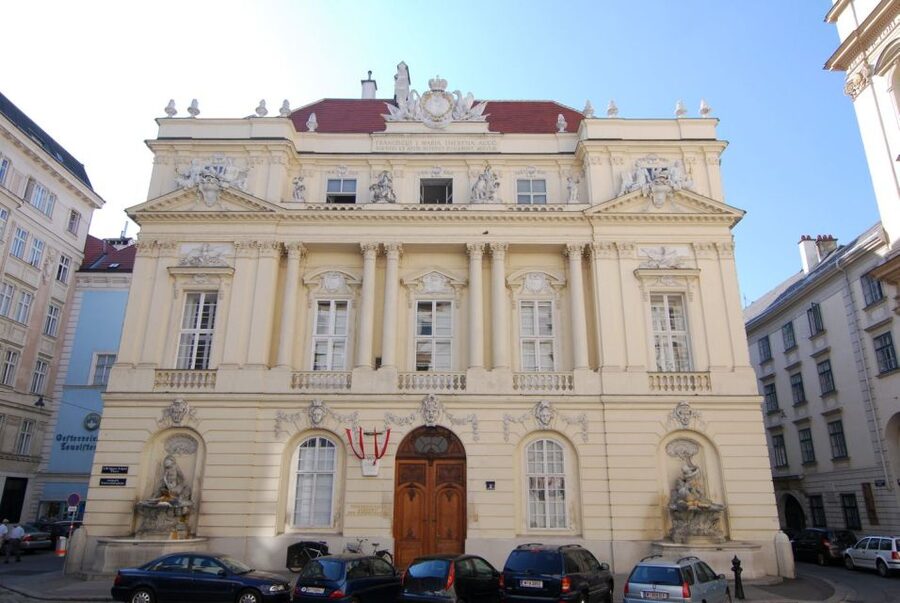
- Courtyard legends: You’ll see the inside spaces people usually miss, with stories tied to how Vienna grew.
- St. Stephen’s Cathedral area: A guided look at one of the city’s most recognizable landmarks from the perspective of the neighborhood.
- Mozart’s final residence: The guide reframes the usual myths by focusing on what his last chapter really means.
- Old university district + Jesuit Church: School-and-church influence on Vienna’s streets, not just buildings on postcards.
- Franciscan Church and Monastery: A calmer, historical pause amid the lively center streets.
- After-WWII city traces: You’ll hear how the bombing era changed parts of Vienna, including what you can still recognize today.
Vienna on foot, a couple more routes
- Vienna: Guided Walking Tour of City Center Highlights★ 4.7 · 4,989 reviews
- Vienna: Vienna Central Cemetery Guided Walking Tour★ 4.8 · 3,307 reviews
- Vienna: Viennese Underworld Guided Walking Tour★ 4.7 · 1,865 reviews
- Vienna: World War II Historical Walking Tour★ 4.8 · 1,772 reviews
Walking into Vienna’s courtyards and the stories behind them
If you like Vienna at street level, this is a smart choice. You start near the historic heart, then move through narrow lanes and courtyards where life happens behind facades. The payoff is that you’re not just collecting sights. You’re learning why those places look the way they do.
A lot of Vienna tours can feel either too general or too museum-like. This one stays outdoors and human-sized. In about two hours, you get a guided circuit that includes famous stops (including St. Stephen’s Cathedral) and also the quieter in-between spaces—those semi-secret passages and inner courtyards that make the city feel layered.
The best part: those inner courts that change how you see the center
Vienna’s historic buildings weren’t designed just to face the street. A big chunk of everyday life happens inside courtyards—workrooms, staircases, and shared spaces that don’t show up in your first glance at a grand square. On this tour, the guide uses those courtyards to explain how Vienna’s center functioned over time.
What I like is the way the tour treats courtyards as story machines. Instead of saying the building is old, you get a reason people lived there, what trades or institutions were connected to the area, and which legends became part of local memory. That’s the kind of detail that makes a walk feel more like a conversation than a checklist.
Also, you’ll likely pick up a visual habit you can use later. After this, you start spotting courtyard gates, passageways, and odd little signage much faster when you wander on your own.
St. Stephen’s Cathedral and Stephansplatz: the loud landmark with quiet context
The tour begins with a guided stop at St. Stephen’s Cathedral, right by Stephansplatz. Even if you’ve seen the cathedral from the outside before, a guide can help you notice details you’d skip—different architectural styles, why it became the symbolic center, and how the neighborhood grew around it.
Here’s the important nuance: this is still a short tour. One potential drawback is that you shouldn’t expect a super long, cathedral-only experience. Some people prefer more time on the main landmark, and this route spends real energy on courtyards and nearby streets too.
Still, the cathedral stop works well because it sets the tone. Once you understand what Stephansplatz means, the smaller lanes like Blutgasse and Domgasse stop looking random. They start looking like paths people used for daily life, commerce, and movement through the old city center.
Courtyards and alleys: Blutgasse, Domgasse, Ballgasse, and the city’s hidden “movement”
After the cathedral area, the walk turns into a study of connections. You’ll move through streets and alleys including Blutgasse and Domgasse, and the tour also mentions Ballgasse. These names aren’t just labels; they’re tied to the way the city formed and to local legends.
The best part is how you see the contrast between street-facing grandeur and inner-city practicality. Vienna’s historic center can feel dramatic on the outside, but these lanes show the human scale. You’re walking the same kind of paths residents used for errands and routes between institutions.
If you’re the type who enjoys architecture but hates being bored, this section tends to deliver. The guide keeps the pace moving while still telling you what to look for.
Vienna at walking pace, more routes



Palais Neupauer-Breuner and Deutsches Haus: Vienna’s “in-between” power buildings
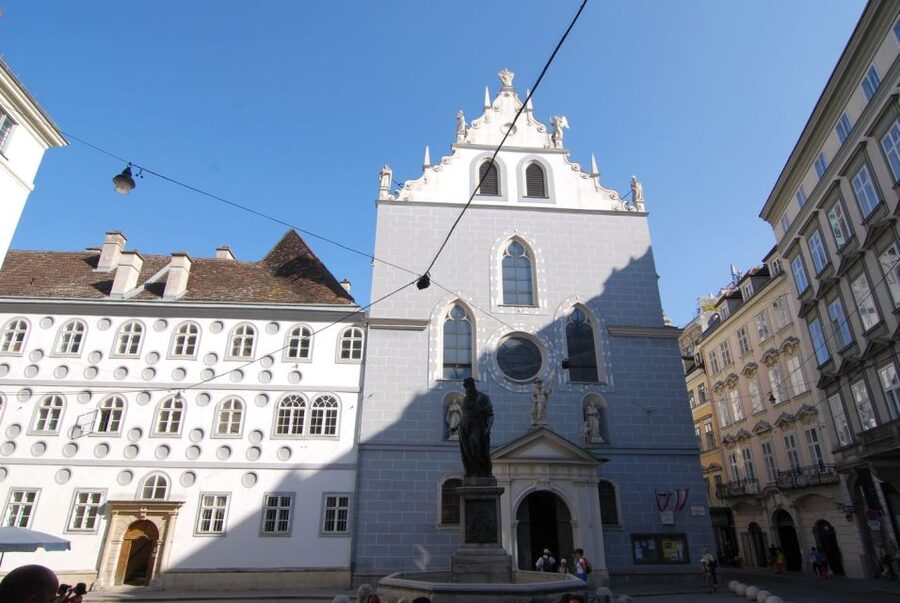
The tour includes Palais Neupauer-Breuner and the Deutsches Haus. These stops help explain a key Vienna theme: official culture and private life often share the same streets.
A palace in Vienna isn’t just a single building. It’s a relationship to surrounding blocks, trade, and social structure. The same goes for houses with institutional reputations—some were tied to organizations, some to communities, and some to the city’s evolving identity.
Even without going inside a museum, you learn to read what you see. After stops like these, you start noticing how much of Vienna’s history is written into the way façades face (or don’t face) public space.
Mozart’s final residence: separating myth from the last chapter
One of the standout themes here is Mozart’s final residence. The tour doesn’t just point to a place and move on. It’s built around learning the truth of his life, especially as it relates to his final period.
What you gain is context. Mozart in Vienna can get turned into a neat story in school textbooks. This tour nudges you toward the lived reality—how the city shaped the final chapter, and how some common assumptions don’t hold up when you focus on the timeline and the circumstances.
If you’re a classical music fan, you’ll likely enjoy this more than you expect, because it’s not a concert lecture. It’s a city walk tied to a person you can point to on a real street.
“Where the cow plays on the board”: a small sign with big meaning
Yes, Vienna really has a place known as the house where the cow plays on the board. That kind of detail is exactly why this tour is worth doing instead of relying on selfies and quick glances.
Small quirky landmarks like this often reflect older traditions: how Vienna identified buildings, how signs acted like street-level navigation, and how humor and identity stuck around through changing centuries. Even if you’re not a history nerd, these oddities make the walk more memorable.
I love when a tour makes you pause for something strange. It gives your brain a hook, and then everything around it becomes easier to remember later.
The Franciscan Church and Monastery: a calmer stop with purpose
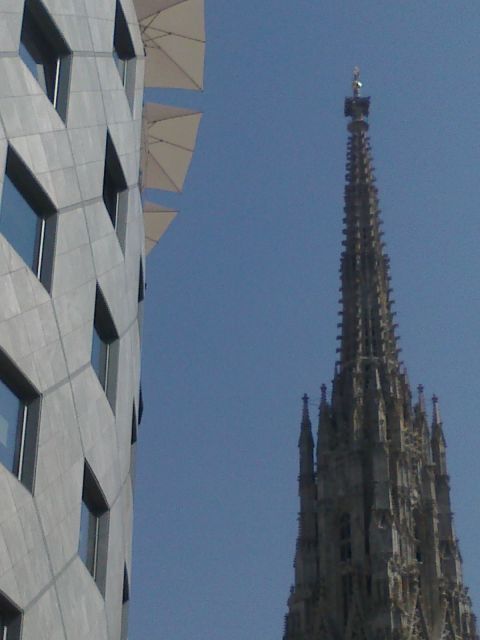
The walk continues to the Franciscan Church and Monastery area. Compared with the busier street corners, this kind of stop offers a different rhythm: quieter, more reflective, and better for absorbing details without constant motion.
This is also a useful moment for perspective. Vienna’s center is crowded with power, wealth, and famous names, but religious orders helped shape daily life and the city’s institutions over a long time. A guided stop here helps you connect Vienna’s architecture to real roles people played in the community.
If you want a break from constant street narration, this monastery stop tends to do the job.
University of Vienna, old university district, and the Jesuit Church
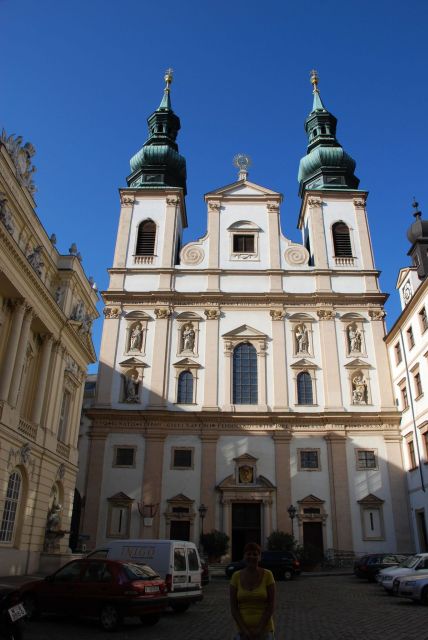
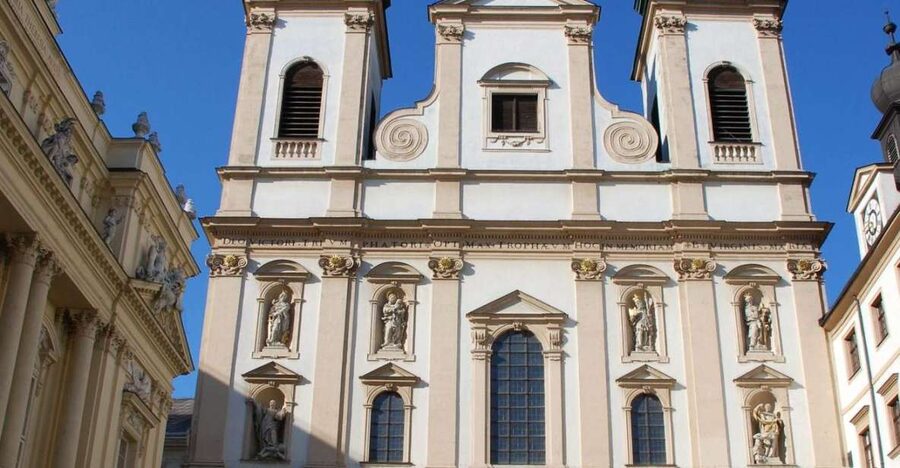
The tour includes the University of Vienna and references the old university district, plus the Jesuit Church. This part matters because education and religious institutions were major forces in old Vienna—drawing people in, shaping ideas, and influencing where you’d find services and residents.
In a short two-hour tour, the goal isn’t to teach you everything. It’s to give you a mental map. After you see these areas, you’ll understand why certain streets feel like they’re organized around schools and church influence.
And practical bonus: if you plan to spend more time in Vienna after the tour, these stops help you choose where to return. You’ll know which blocks connect, and you’ll be less likely to wander in circles.
The old city wall traces: seeing what’s left of the boundaries
You’ll also learn about parts of the old city wall. Even when you can’t tell where the wall ended with perfect accuracy, guided context helps you see the street plan differently. Old walls shaped neighborhoods by restricting movement and controlling access.
This is one of those segments that can quietly transform your entire understanding of the center. Once you think in terms of boundaries and gates, many turns and street shapes make more sense, even if you didn’t know they had a purpose.
If you like architecture but feel overwhelmed by too many facts, this is the kind of story that stays readable.
Traditional Viennese cuisine talk: what to order after the walk
The tour also covers traditional Viennese cuisine. There’s no guarantee you’ll be eating during the walk, but you should come away with a better sense of what locals treat as classics and how food fits into Vienna’s culture.
I like these cuisine segments because they don’t feel like a lecture. They function like a cheat sheet for later meals. After the tour, you’ll know what to look for when you’re standing in front of menus trying to translate what sounds good.
If you’re short on time, this is a nice way to get culinary guidance without committing to a full food tour.
Who this tour suits (and who should skip it)
This walking tour is best for adults and teens comfortable with streets and sightseeing on foot. It’s described as not suitable for children under 12 and not suitable for people with mobility impairments or wheelchair users, so don’t gamble on it if you need step-free routes.
You’ll also want to be able to keep your load light. Large bags aren’t allowed, and audio recording isn’t permitted, so plan for a small daypack, a charged phone for regular photos, and space to take notes.
If you’re doing Vienna for the first time, this is a strong way to get oriented fast. If you’ve been before, the courtyard focus and the specific addresses around Mozart and local landmarks can still feel fresh.
Price and value: why $34 can feel like a bargain
At $34 per person for about 2 hours with a certified Vienna guide, this is good value for what you get: famous sights, plus a lot of small-scale streetscape storytelling. The center of Vienna is packed with paywalled attractions and long museum lines, so paying for guide time that unlocks street-level context can make sense.
Two things to keep in mind. First, there’s no pickup or drop-off service included, so you should plan to meet near the starting point and end near Dr.-Karl-Lueger-Platz 3. Second, since it runs in all weather, the value assumes you’ll show up ready for a walk.
If you want a guided sprint through the real fabric of the old city—not just photos—this price is reasonable.
One note on Part 1 continuity
This walk continues from Part 1 by the same operator, but it’s not a problem if you haven’t taken that first segment. Practically, it means you shouldn’t feel lost. The guide keeps you connected to the main threads of the historic center rather than assuming you already know everything.
Should you book Vienna: Courtyards & Hidden Places Walking Tour?
Book it if you want Vienna with personality: courtyards, narrow lanes, and guided context around landmarks like St. Stephen’s Cathedral and Mozart’s final residence. The tour’s short length is a plus for busy schedules, and the small-group style is a real quality upgrade when you like asking follow-up questions.
Skip it if you need a slow, cathedral-heavy itinerary or if your mobility needs step-free access. Also, if you’re hoping for big museum-style interiors and long indoor time, this walk is more about streets, architecture, and stories than ticketed sights.
If you want one practical strategy: do this early in your trip. You’ll leave with a map in your head, not just a memory of buildings—and that makes everything you do next in Vienna easier.
FAQ
How long is the Vienna Courtyards & Hidden Places Walking Tour?
The tour lasts 2 hours.
How much does it cost?
It costs $34 per person.
Where does the tour meet?
The meeting point may vary depending on the option booked. There are two starting location options listed as Bankomat.
What are the drop-off locations?
The tour ends at Dr.-Karl-Lueger-Platz 3, 1010 Wien, Österreich (listed twice).
Is pickup or drop-off included?
No. Pick-up and drop-off are not included.
What languages is the guide available in?
The live guide is available in German and English.
Does the tour run in bad weather?
Yes. The tour takes place in all weather conditions.
Is this a small-group tour?
Yes. It is conducted in a small group.
What items are not allowed during the tour?
Luggage or large bags are not allowed, and audio recording is not allowed.
Who is this tour not suitable for?
It is not suitable for children under 12, people with mobility impairments, or wheelchair users.
What is the cancellation policy?
You can cancel up to 24 hours in advance for a full refund.
More Tours in Vienna
- Vienna: Schönbrunn Palace & Gardens Skip-the-Line Tour
★ 4.7 · 7,739 reviews - Vienna Spanish Riding School Guided Tour
★ 4.7 · 6,765 reviews - Vienna: Skip-the-Line Sisi Museum, Hofburg and Gardens Tour
★ 4.8 · 5,918 reviews - Vienna: Skip-the-Line Schönbrunn Palace & Gardens Tour
★ 4.8 · 5,411 reviews - Vienna: Guided Walking Tour of City Center Highlights
★ 4.7 · 4,989 reviews
More Tour Reviews in Vienna
- Vienna: Vivaldi’s Four Seasons Concert in Karlskirche
★ 4.7 · 14,951 reviews - Vienna: Schönbrunn Palace & Gardens Skip-the-Line Tour
★ 4.7 · 7,739 reviews - Vienna: Light of Creation Votive Church Immersive Light Show
★ 4.8 · 6,779 reviews - Vienna Spanish Riding School Guided Tour
★ 4.7 · 6,765 reviews - Vienna: Classical Concert in the World-Famous Musikverein
★ 4.6 · 6,673 reviews
Vienna on Foot, Continued
- Vienna: Guided Walking Tour of City Center Highlights
★ 4.7 · 4,989 reviews - Vienna: Vienna Central Cemetery Guided Walking Tour
★ 4.8 · 3,307 reviews - Vienna: Guided Walking Tour of City Highlights & Hidden Gems
★ 4.9 · 2,180 reviews - Vienna: Viennese Underworld Guided Walking Tour
★ 4.7 · 1,865 reviews - Vienna: World War II Historical Walking Tour
★ 4.8 · 1,772 reviews
Just In: New Vienna Reviews



Vienna Walking Tours, compared.
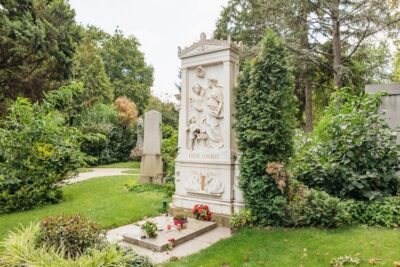 ★ 4.8Vienna Central Cemetery Guided Walking TourFrom $3353,307 reviews
 ★ 4.9Guided Walking Tour of City Highlights & Hidden GemsFrom $272,180 reviews
 ★ 4.7Viennese Underworld Guided Walking TourFrom $371,865 reviews
 ★ 4.8World War II Historical Walking TourFrom $311,772 reviews
 ★ 5.0Vienna Historic Center Small Group Walking TourFrom $721,746 reviews
 ★ 4.6Private Walking Tour with a LocalFrom $561,446 reviews
 ★ 4.91.5-Hour Underground Walking TourFrom $321,146 reviews
 ★ 4.4Ghosts and Legends Guided Nighttime Walking TourFrom $201,088 reviews
Browse the lists this tour appears in