
Reviewed · VIENNA WALKING TOURS
Vienna: Essential History Walking Tour
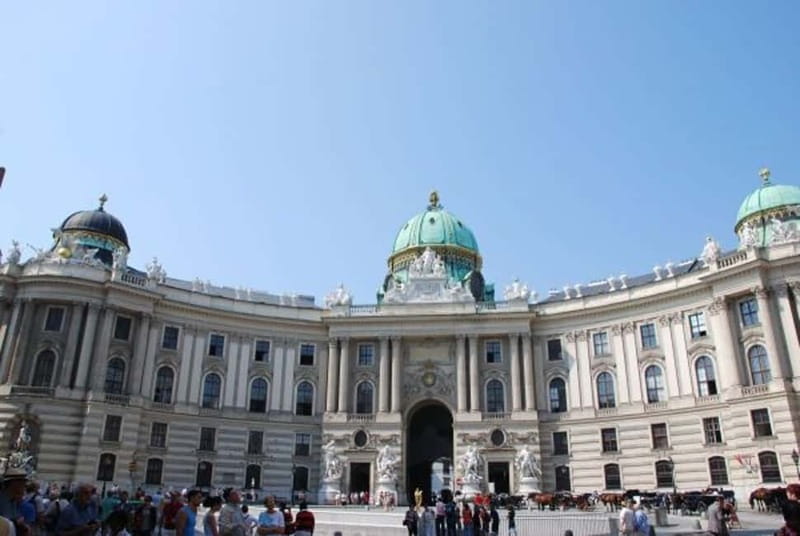
Vienna changes when you know the backstory. This 2-hour Essential History Walking Tour strings together the city’s biggest turning points in a tight radius, with memorable stops like the Hofburg and Albertina. I love the way the guide, including Herbert Stojaspal and guides like Herbert or Dorothy, brings the streets to life with humor and photo-based storytelling. Another big plus: it’s small-group by design, so you can actually ask questions and get practical ideas for the rest of your trip.
My only real caution is that entrance fees are not included, so a few moments are more about what you can see from the outside than stepping fully inside every stop.
You start in the Imperial heart of town and end near St. Stephen’s Cathedral, with a storyline that moves from Roman Vienna to Habsburg power, then lands hard on the Second World War. Along the way, you’ll hit landmarks that look “obvious” on a map but mean something specific once a guide explains the why.
In This Review
- Key things I’d watch for
- Starting at Michaelerplatz: your orientation in 10 minutes
- Michaelerplatz Excavations: Roman Vienna, under your feet
- Hofburg Palace and Heldenplatz: where rule meets theater
- Imperial Treasury: the point where Vienna flexes
- Austrian National Library: roof symbols and Joseph II
- Albertina: the art that teaches you how to see
- Monument Against War and Fascism: not just another statue
- Stopping near the State Opera: Sacher replaces a gate
- Neuer Markt and Providentia Fountain: anecdotes that make it stick
- Church of Habsburg weddings: rituals, rules, and exceptions
- Imperial Crypt: the burial ritual that explains the politics
- St. Stephen’s Cathedral (Stephansplatz): what WWII changed
- Small-group pacing: quick walk, big clarity
- Price and value: why $34 can feel fair
- Who should book, and who might skip
- Should you book this Vienna history walk?
- FAQ
- How long is the Vienna Essential History Walking Tour?
- How much does the tour cost?
- Where do I meet the guide?
- Where does the tour end?
- Is the tour guided, and what languages are offered?
- Are entrance fees included?
- Is the tour canceled if the weather is bad?
- Are there restrictions on recording or bags?
- Is the Habsburg wedding church open every day?
- Is this tour suitable for children or mobility needs?
Key things I’d watch for
- Roman Vienna to Habsburg power: You get the castle question early, then watch the city’s rule-by-rulers story take shape.
- Hofburg’s scale: The palace grounds covering 555,000 m² makes the Imperial complex feel real, not just grand.
- National Library roof symbol: You’ll learn what the symbol means and why the square is named after Emperor Joseph II.
- Wedding traditions at the Habsburg church: You’ll hear why the church mattered and how some weddings worked without the groom present.
- WWII markers, not just pretty facades: Monument Against War and Fascism and other reminders give context, not vibes.
Vienna on foot, a couple more routes
- Vienna: Guided Walking Tour of City Center Highlights★ 4.7 · 4,989 reviews
- Vienna: Vienna Central Cemetery Guided Walking Tour★ 4.8 · 3,307 reviews
- Vienna: Viennese Underworld Guided Walking Tour★ 4.7 · 1,865 reviews
- Vienna: World War II Historical Walking Tour★ 4.8 · 1,772 reviews
Starting at Michaelerplatz: your orientation in 10 minutes
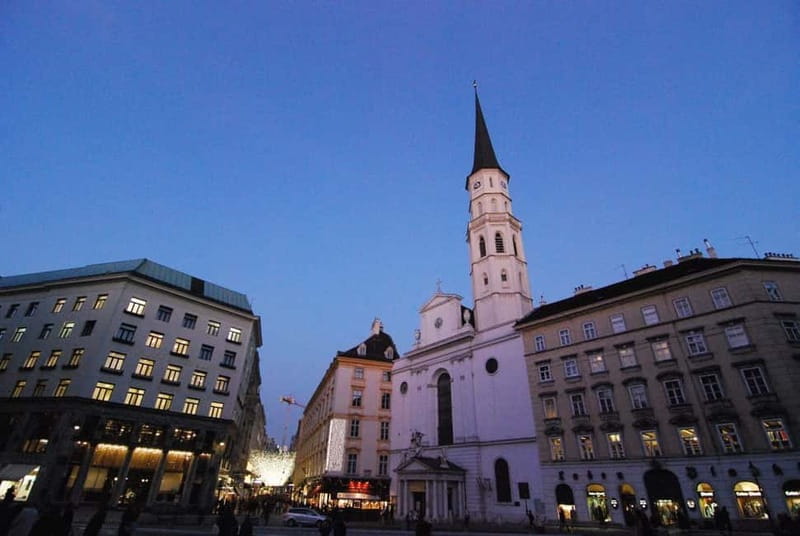
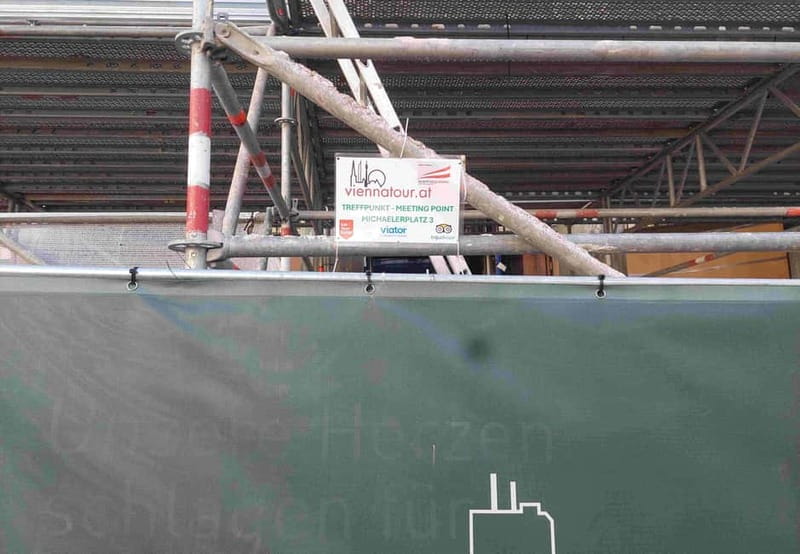
The meeting point is practical and easy to spot: in front of Loos Haus at Michaelerplatz 3, right by the U3 metro line (Herrengasse). The facade has the name Raiffeisenbank, and the building sits between Kohlmarkt and Herrengasse. Even before you begin, you can already feel the tour’s focus: this is Vienna’s core, where politics, religion, and art all share the same sidewalk.
If you’re a first-time visitor, this tour’s big value is orientation. Vienna’s center can look like one continuous parade of imperial stone. The guide helps you break it into eras and themes so you stop getting lost in decoration and start recognizing stories.
Michaelerplatz Excavations: Roman Vienna, under your feet
One of the most interesting early moments happens at the Michaelerplatz excavations. Roman Vienna sounds like a textbook phrase until someone ties it to why a castle was built in this particular place. The key idea you’ll take away here is that Vienna’s geography mattered long before the Habsburgs set the tone.
This stop is also a nice “on-ramp.” You’re warming up your eyes for what comes next: the Imperial district’s careful layout, where power is staged in space. Even if you don’t spend long here, the explanation sets up everything else you’ll see in the next two hours.
Hofburg Palace and Heldenplatz: where rule meets theater
From the excavations you move into the atmosphere of the Hofburg Palace and then on to Heldenplatz (Heroes’ Square). What I like about this section is that it doesn’t just list rulers. It explains why these places were designed the way they were—so your photos capture more than costumes and arches.
The Hofburg stop is where scale lands. The 555,000 m² grounds help you understand that this isn’t one palace. It’s an Imperial complex that could manage ceremonies, administration, and public messaging for generations.
Then Heldenplatz gives you the next layer: the size and importance of the square, plus what lies behind the facades. In other words, Vienna doesn’t only impress with buildings—it impresses with what those buildings signaled to people at the time.
If you like history that has a backbone (and occasional dry humor), you’re in the right place. Guides on this route have a knack for explaining symbols and political “signals” in plain language, not academic-sounding speeches.
Imperial Treasury: the point where Vienna flexes
Next you’ll visit the Imperial Treasury area. You get the sense that this is where Vienna collects evidence of its own authority—objects that are meant to be seen, admired, and remembered.
Even though entrance fees are not included, the stop still matters because you’ll get context: what you’re looking at, and why it was worth protecting and displaying. For first-timers, this is a smart “investment moment” because it helps you decide later whether you want to go inside on your own (and what to prioritize if you do).
Vienna at walking pace, more routes
Austrian National Library: roof symbols and Joseph II
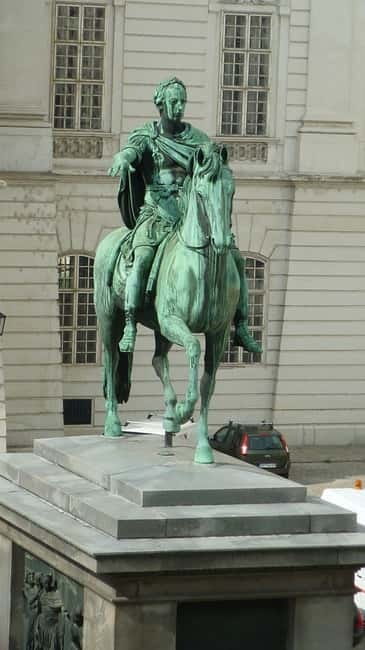
Walking past the Austrian National Library is a highlight, because it’s one of those buildings where details hide in plain sight. The guide points out what the symbol on the roof means, and explains why the square is named after Emperor Joseph II.
This is the kind of stop I love because it changes how you see the rest of the city. Once you learn that Vienna’s names and symbols aren’t random, the streets start to feel like a map with clues. You’ll look up more than you planned to.
Albertina: the art that teaches you how to see
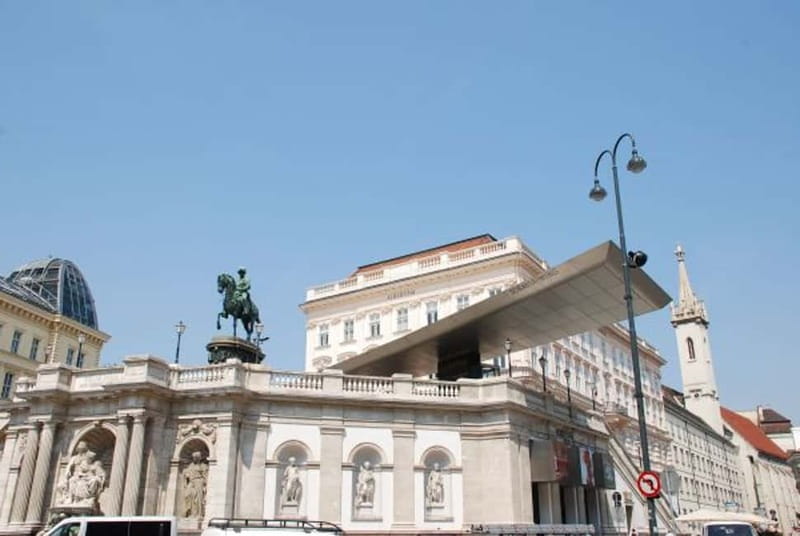
Then comes the Albertina, known here for having the largest graphical collection in the world. The tour uses that claim as more than a bragging-rights fact. It nudges you to think about the difference between seeing art and understanding how a collection shapes the way you see.
If you’re the type who enjoys art museums but hates when tours only give big names, this stop can still click. You don’t need a full museum day to gain something. A good guide helps you know what the Albertina is best at, so you can choose the right day (or the right galleries) later.
Monument Against War and Fascism: not just another statue
Next you walk by the Monument Against War and Fascism and confront the darker side of 20th-century Vienna. This section is important because Vienna can be easy to romanticize. The guide doesn’t let you stay in postcard mode.
What helps is how the tour balances things: you see the Imperial district’s grand style, and then you’re reminded that history didn’t just politely evolve. You also get a sense of how the city carries memory in its public spaces.
If you want Vienna’s story told with honesty—without turning it into doom—this stop delivers.
Stopping near the State Opera: Sacher replaces a gate
You also pause at the State Opera area and hear why the Hotel Sacher stands where the Carinthian Gate Theatre once was. This is a great reminder that cities are always rebuilding. What replaces what becomes part of the story too.
This is one of those moments where architecture becomes a living timeline. Even if you’ve heard of the Sacher Hotel, you might not connect it to urban history. On this tour, you will.
And if you do plan to treat yourself later, this is the point where I’d start thinking about dessert and a warm drink break.
Neuer Markt and Providentia Fountain: anecdotes that make it stick
At Neuer Markt, you’ll learn interesting anecdotes connected to the Providentia Fountain. This type of detail is small in size but big in memory. A fountain with a name becomes a landmark you can actually recall later.
I like this stop because it gives your brain a breather. The tour moves through impressive institutions and heavy topics, then you get a lighter moment that still feels connected to the city’s character.
Church of Habsburg weddings: rituals, rules, and exceptions
One of the most distinctive stops is the church where all Habsburg weddings took place. There’s a practical scheduling note: it’s closed on Sundays and public holidays. So if you’re traveling during a weekend, you might want to adjust your expectations for what you’ll see there during your walk.
The guide also covers why some weddings were arranged without the groom present. That detail matters because it shows how marriage wasn’t only romance—it was politics, alliances, and timing.
If you’re into court life, ceremonial power, or you just want the “how did this actually work?” side of history, you’ll probably lean in during this part.
Imperial Crypt: the burial ritual that explains the politics
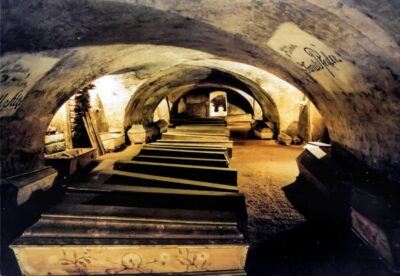
Then you head to the Imperial Crypt, where you’ll learn about the Habsburg burial ritual. This isn’t meant to be creepy for the sake of it. It’s explained as a system—how dynasties maintained identity across generations.
This stop helps connect the dots between what you saw at Hofburg and what you’ll hear about at St. Stephen’s. It’s a reminder that Viennese power wasn’t only public. It also lived in ritual and memory.
St. Stephen’s Cathedral (Stephansplatz): what WWII changed
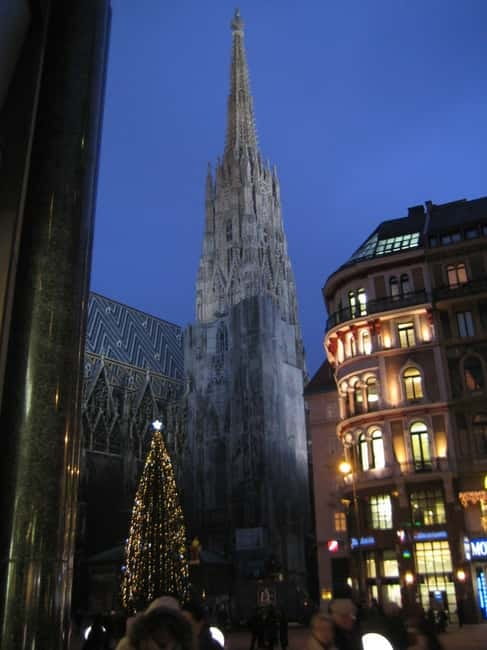
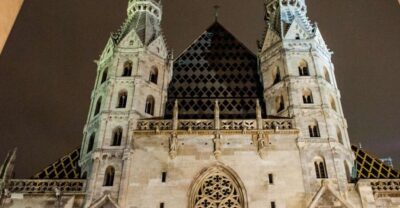
The tour ends near St. Stephen’s Cathedral, the landmark of Vienna. What I appreciate here is how the guide frames the cathedral’s partial destruction during the Second World War and then points out why not everything taught in school is correct.
That last phrase can sound risky, but the practical effect is good: you leave with better questions and more accurate context. You’ll stand in front of the cathedral and feel like you understand why the rebuilding mattered.
And since the drop-off is around Stephansplatz 8A, you’re placed in a perfect area to continue exploring on foot right after the tour ends.
Small-group pacing: quick walk, big clarity
This tour is 2 hours with a small group, which is ideal if you’re short on time but want more than a highlight-brochure approach. You’re walking through a compact area, so you’re not burning your vacation day on transit between far-flung neighborhoods.
From the experience reports, guides often use an iPad with photos at each stop. That helps you connect what you see on the street to what the buildings looked like in earlier periods. It’s especially useful when the tour discusses changes brought by war, replacements, and rebuilding.
Also, the route is said to run in all weather. So bring weather gear. Vienna can look calm and then rain sideways.
Price and value: why $34 can feel fair
At $34 per person for a 2-hour walking tour, you’re paying for more than a stroll. You’re paying for guided interpretation of major sites that are only a few minutes apart on foot.
Entrance fees are not included, which matters. If you were expecting every major stop to become a paid museum entry, you’ll need to budget extra for what you choose to do later.
But even without entrances, the tour’s structure is strong:
- you get context that makes future visits smarter
- you learn what to notice (symbols, names, architectural clues)
- you get practical suggestions that can shape the rest of your day
That combination often makes the tour feel like a shortcut to understanding. You spend less time wandering confused and more time wandering with purpose.
Who should book, and who might skip
I’d book this if:
- it’s your first trip to Vienna and you want a fast way to understand the center
- you like Imperial history with specific stories (weddings, crypt rituals, rulers)
- you want WWII context in a way that still fits a 2-hour walk
- you enjoy guides who tell jokes but still connect facts to what you’re seeing
I’d think twice if:
- you need step-friendly or fully accessible options, since it’s not suitable for people with mobility impairments (and no children under 12)
- you want a museum-heavy day with lots of ticketed entry
- you’re traveling with luggage or large bags (those aren’t allowed)
Should you book this Vienna history walk?
Yes, if you want the best kind of history orientation: focused, story-driven, and timed to keep your legs fresh. The route packs major landmarks into a short window and explains what makes them more than pretty scenery—Hofburg’s scale, the National Library’s meaning, Habsburg wedding rituals, and the way Vienna remembers WWII.
Skip it only if you know you’ll only be happy with ticketed museum time and private, slow pacing. For everyone else, this is a strong start you can build on the rest of your stay.
FAQ
How long is the Vienna Essential History Walking Tour?
It lasts 2 hours.
How much does the tour cost?
The price is $34 per person.
Where do I meet the guide?
Meet in front of Loos Haus, Michaelerplatz 3, 1010 Vienna. It’s a 3-minute walk from the Herrengasse (U3) metro station.
Where does the tour end?
The tour finishes with drop-off around Stephansplatz 8A, 1010 Wien and ends near St. Stephen’s Cathedral.
Is the tour guided, and what languages are offered?
Yes. You’ll have a live guide. Languages offered are English and German.
Are entrance fees included?
No. Entrance fees are not included.
Is the tour canceled if the weather is bad?
No. It runs in all weather conditions.
Are there restrictions on recording or bags?
Yes. Luggage or large bags are not allowed, and video/audio recording isn’t allowed.
Is the Habsburg wedding church open every day?
It’s closed on Sundays and public holidays.
Is this tour suitable for children or mobility needs?
It’s not suitable for children under 12 and not suitable for people with mobility impairments.
More Tours in Vienna
- Vienna: Schönbrunn Palace & Gardens Skip-the-Line Tour
★ 4.7 · 7,739 reviews - Vienna Spanish Riding School Guided Tour
★ 4.7 · 6,765 reviews - Vienna: Skip-the-Line Sisi Museum, Hofburg and Gardens Tour
★ 4.8 · 5,918 reviews - Vienna: Skip-the-Line Schönbrunn Palace & Gardens Tour
★ 4.8 · 5,411 reviews - Vienna: Guided Walking Tour of City Center Highlights
★ 4.7 · 4,989 reviews
More Tour Reviews in Vienna
- Vienna: Vivaldi’s Four Seasons Concert in Karlskirche
★ 4.7 · 14,951 reviews - Vienna: Schönbrunn Palace & Gardens Skip-the-Line Tour
★ 4.7 · 7,739 reviews - Vienna: Light of Creation Votive Church Immersive Light Show
★ 4.8 · 6,779 reviews - Vienna Spanish Riding School Guided Tour
★ 4.7 · 6,765 reviews - Vienna: Classical Concert in the World-Famous Musikverein
★ 4.6 · 6,673 reviews
Vienna on Foot, Continued
- Vienna: Guided Walking Tour of City Center Highlights
★ 4.7 · 4,989 reviews - Vienna: Vienna Central Cemetery Guided Walking Tour
★ 4.8 · 3,307 reviews - Vienna: Guided Walking Tour of City Highlights & Hidden Gems
★ 4.9 · 2,180 reviews - Vienna: Viennese Underworld Guided Walking Tour
★ 4.7 · 1,865 reviews - Vienna: World War II Historical Walking Tour
★ 4.8 · 1,772 reviews
Just In: New Vienna Reviews



Vienna Walking Tours, compared.
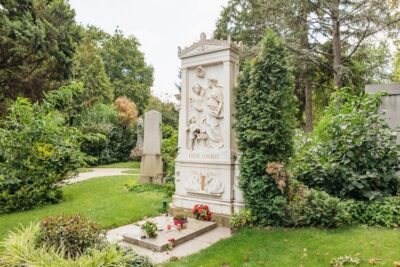 ★ 4.8Vienna Central Cemetery Guided Walking TourFrom $3353,307 reviews
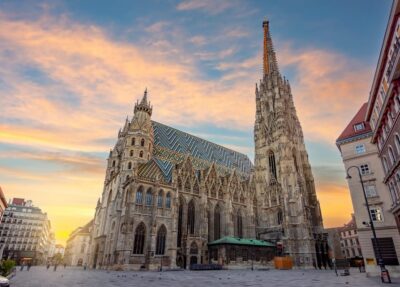 ★ 4.9Guided Walking Tour of City Highlights & Hidden GemsFrom $272,180 reviews
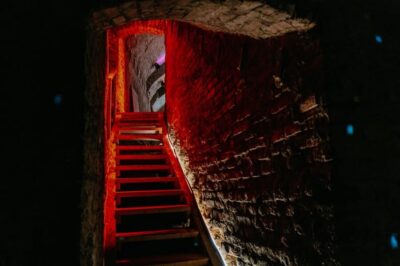 ★ 4.7Viennese Underworld Guided Walking TourFrom $371,865 reviews
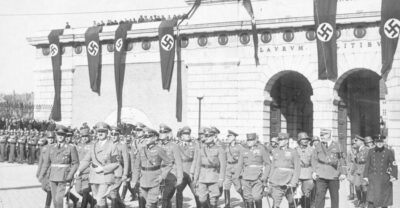 ★ 4.8World War II Historical Walking TourFrom $311,772 reviews
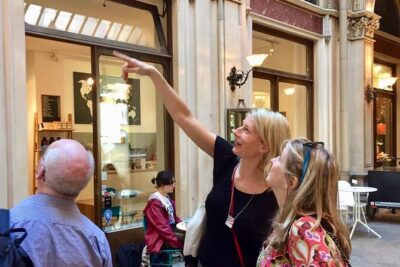 ★ 5.0Vienna Historic Center Small Group Walking TourFrom $721,746 reviews
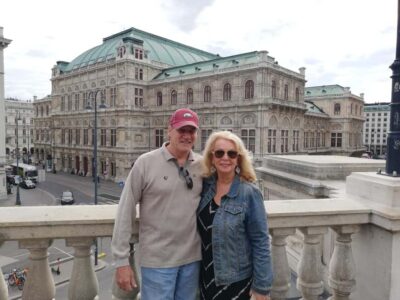 ★ 4.6Private Walking Tour with a LocalFrom $561,446 reviews
 ★ 4.91.5-Hour Underground Walking TourFrom $321,146 reviews
 ★ 4.4Ghosts and Legends Guided Nighttime Walking TourFrom $201,088 reviews
Browse the lists this tour appears in