
Reviewed · VIENNA WALKING TOURS
Vienna: Guided Walking Tour of City Highlights in a Small Group
Two hours later, Vienna clicks into place.
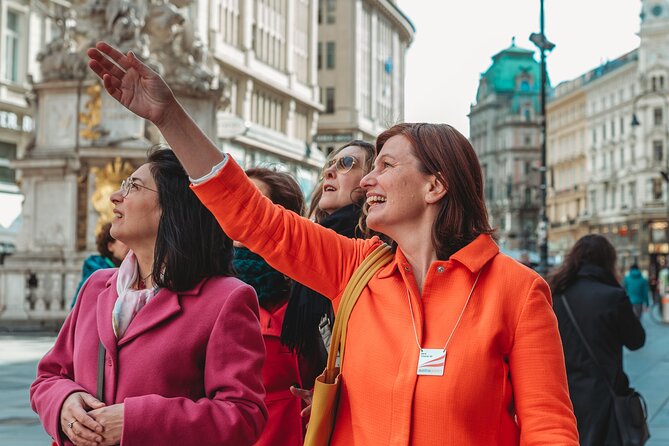
This guided stroll is built around the big sights and the stories that connect them, with a small group cap of 10 and the guide’s direct, no-fluff approach. I especially love Maria’s practical advice, from where to eat like a local to which Christmas markets to plan for, and I like that you get context as you walk, not a lecture you can’t use. One watch-out: the tour is exterior-only (no museum entry), so if your goal is to spend time inside big-ticket interiors, you’ll need a separate plan.
You’ll start at the Maria Theresia Memorial and end at St. Stephen’s Cathedral, threading through Vienna’s imperial core, grand boulevards, and the shopping streets that make the old center feel alive. The pace is active but manageable for most people with moderate fitness, and Maria keeps things moving without rushing past the details.
If it’s your first time in Vienna, or you want a fast, well-guided map of what matters most, this is an efficient way to get your bearings and start exploring with confidence.
In This Review
- Quick highlights you’ll feel on the street
- Meeting Maria at the Maria Theresia Monument
- Ringstraße to Burgtor: Vienna’s grand boulevard in plain language
- Heldenplatz and the Hofburg: the imperial center from the outside
- Burggarten and the Palm House: palace gardens you can actually picture
- Albertina art context without museum entry
- Vienna State Opera and the National Library’s baroque face
- Spanish Riding School and St. Michael’s Church
- Graben, Kohlmarkt, and the concert church stop
- Stephansdom finish: ending at the heart of Vienna
- Price and what $42.05 gets you (and what it doesn’t)
- Who this Vienna highlights walk suits best
- My call: should you book?
- FAQ
- Is this tour inside museums?
- How many people are in the group?
- What language is the tour in?
- Do I need admission tickets for the sights?
- Where does the tour start and end?
- Is the tour suitable for strollers or large luggage?
Quick highlights you’ll feel on the street
- Max 10 people means you can actually hear the guide and ask questions without shouting over the group
- Start at Maria Theresia Memorial with an orange sign, then walk straight into Vienna’s historic center
- Exterior-only approach still covers palaces, churches, and major cultural landmarks with clear context
- Photos + maps provided help you track what you’re seeing as you move stop to stop
- Practical local tips shared by Maria include where to eat and what to do beyond the tour
- Weather-ready walking with quick stops for shade or cover when conditions change
Vienna on foot, a couple more routes
- Vienna: Guided Walking Tour of City Center Highlights★ 4.7 · 4,989 reviews
- Vienna: Vienna Central Cemetery Guided Walking Tour★ 4.8 · 3,307 reviews
- Vienna: Viennese Underworld Guided Walking Tour★ 4.7 · 1,865 reviews
- Vienna: World War II Historical Walking Tour★ 4.8 · 1,772 reviews
Meeting Maria at the Maria Theresia Monument
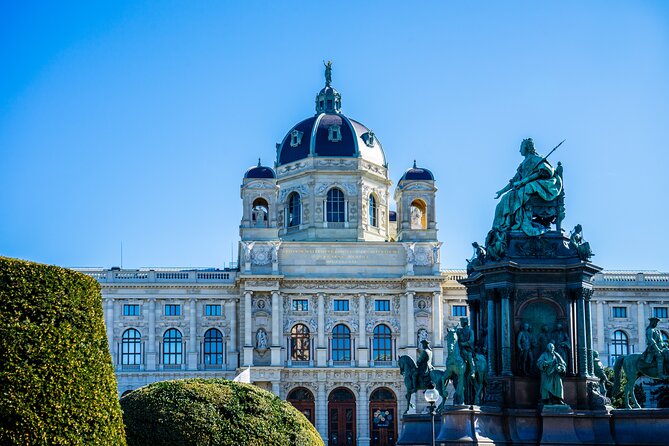
The tour begins at the Maria Theresa Memorial on Maria-Theresien-Platz (1010 Wien). Look for Maria holding an orange sign right in front of the large Maria Theresia monument, and arrive a few minutes early so you’re not scrambling when the group is forming.
One small practical note: there aren’t bathrooms right at the start. The closest public restrooms are about a five-minute walk away, so if you need to plan ahead, do it before you meet up.
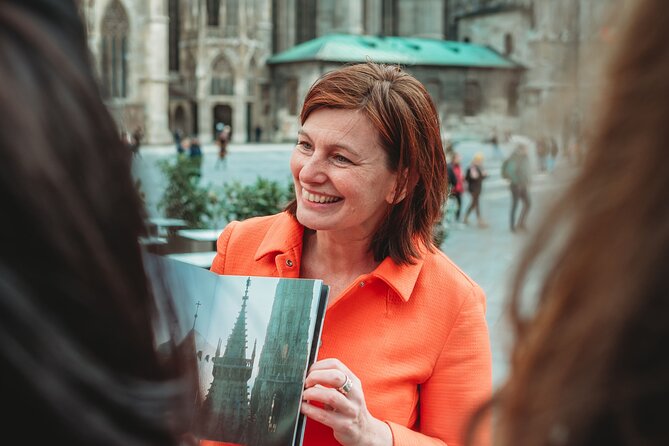
You’re also given pictures and maps along the way. That matters more than it sounds. Vienna’s grandeur can feel like one long blur until someone points out what you’re looking at—who built what, why it changed, and how the whole city layout ties together.
Ringstraße to Burgtor: Vienna’s grand boulevard in plain language
Your first big city structure lesson lands quickly with the Ringstraße. This circular boulevard wraps the historic core, and crossing it gives you a clean sense of Vienna as a planned capital, not just a collection of pretty buildings.
After that, you head toward the Hofburg area via a key remnant: the Burgtor. This gate was rebuilt after Napoleon caused serious damage to Vienna’s city walls in 1809. If you’ve ever wondered how empires leave scars on streets and stone, this is the kind of detail that turns architecture into history you can see.
The tone here is practical. Maria doesn’t just name buildings—she gives you the why. You start noticing the patterns: corridors of power, the way the city’s major sites face each other, and how public space supports imperial image.
Heldenplatz and the Hofburg: the imperial center from the outside
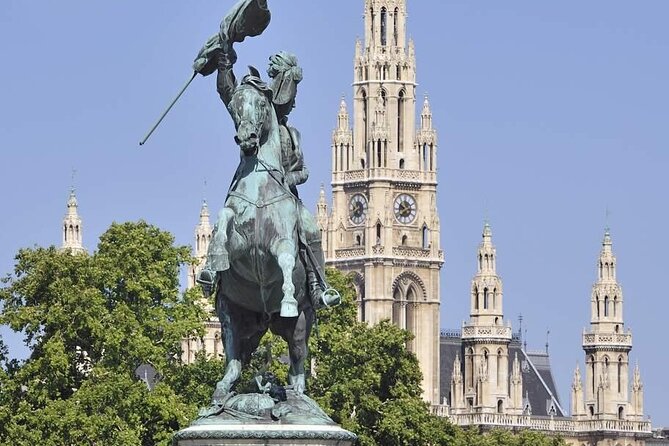
Heldenplatz (Heros Place) is dominated by monumental equestrian statues of Prince Eugen and Archduke Karl. Even standing just outside the complex, you can feel why this square was meant to project authority: it’s designed for scale, sightlines, and spectacle.
Maria also points out the best view angles—especially toward the Imperial Palace and the adjacent Volksgarten. This is one of those stops where you’ll take photos, but the real value is learning how the space is laid out so you don’t leave thinking it was just “big and impressive.”
Then you move into the Hofburg story. The Hofburg started as a castle in the 13th century and grew into the sprawling imperial residence as the Habsburgs expanded their realm. You get the sense of gradual expansion instead of one neat building—Vienna’s power grew over time, like an empire that keeps adding rooms because it never really plans to stop.
A standout detail is the Gothic Imperial Chapel, linked to the Vienna Boys’ Choir performances during High Mass on Sundays. You’re not going inside on this tour, but you are given enough context to understand what kind of tradition this place holds.
Burggarten and the Palm House: palace gardens you can actually picture
The walk shifts from palace walls to green space at the Burggarten (formerly the Emperor’s Garden). It was created in 1819, built on the foundations of an older fortified compound. That combination—garden calm sitting on military remains—is the kind of contrast Vienna does so well.
You’ll also stop at the Palm House in the middle of the Burggarten, often called the Butterfly House. Even if you don’t go in, it’s a useful pause. After dense architecture and major landmarks, the garden reset gives your eyes a place to rest—and it keeps the tour from feeling like nonstop stone.
This part of the route also helps you understand that Vienna isn’t only monuments. It’s a working city where official power and public leisure share the same map.
Vienna at walking pace, more routes
Albertina art context without museum entry
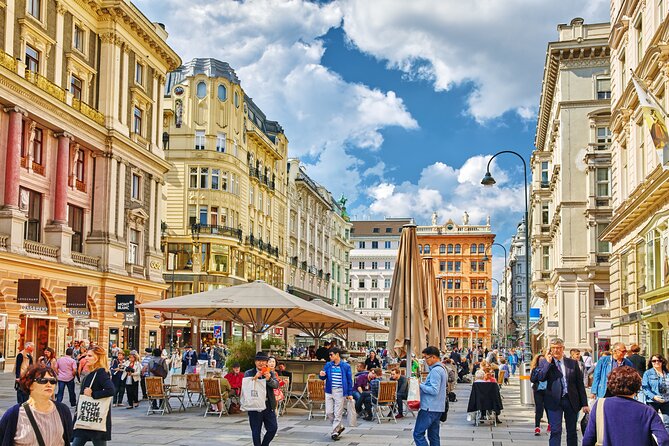
Next comes a stop connected to the Albertina Museum and its graphic art collection. Maria explains the collection as a major survey of art history, spanning late Gothic to present, with over one million drawings and prints in the holdings.
The key detail you’ll hear here is conservation reality: because drawings and prints are light-sensitive, the museum’s masterpieces aren’t shown as permanent displays in the same way a painting collection might be. Instead, they appear through special exhibitions under strict conservation standards.
Since this tour is external-only and does not include museum entries, you’re not buying tickets or stepping into galleries. But you are learning how the institution works and why that affects what you can expect to see if you return later.
If your travel style is “first get oriented, then choose what to pay for,” this stop fits perfectly.
Vienna State Opera and the National Library’s baroque face
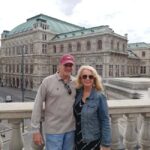
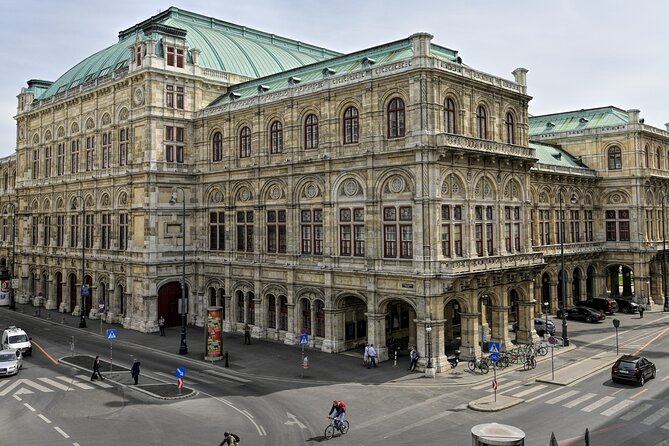
You then reach one of Vienna’s most famous buildings: the Vienna Staatsoper. From outside, it’s still enough to make you understand why opera is such a big deal here. It’s a landmark you can’t ignore, and seeing it on foot keeps you from arriving already tired from another bus or tram ride.
After that, you head to the Austrian National Library area, with stops connected to the Augustinerkirche and the baroque State Hall, plus the Redoutensäle at Joseph Square. The tour stays outside, but Maria frames what you’re seeing so it doesn’t feel like random impressive walls.
This is a good moment for photos and a quiet breath. If you’ve been chasing details, the library area rewards you with scale and symmetry. And if you love architecture, this stretch gives you that “okay, I get it” feeling that makes a city snap into focus.
Spanish Riding School and St. Michael’s Church
The route continues to the Spanish Riding School at the Stallburg, home to the elegant white Lipizzaners. You get the stable exterior and the historical context that makes the place more than a tourist name. Even without entry, this stop helps you understand why the Riding School is treated as tradition you can schedule your visit around—Vienna doesn’t casually drop these classics into the city; it protects them.
Then you move by St. Michael’s Church, dating back to the year 1220. It’s one of those anchor points that adds depth to the timeline. Vienna’s imperial era is flashy, but places like this are what remind you the city has layers going far beyond the Habsburg headlines.
Graben, Kohlmarkt, and the concert church stop
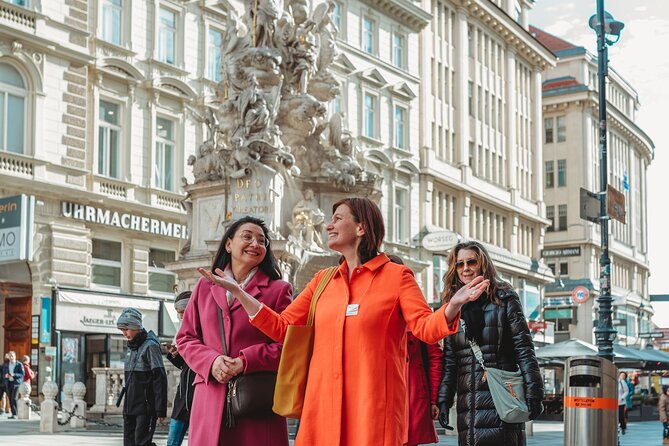
As you work your way toward the historic shopping lanes, you’ll cross Kohlmarkt and Graben, which are among Vienna’s most exclusive shopping miles. These streets can feel like they exist for more than buying things—they’re part of Vienna’s public stage. Walking through them gives the city a lively pulse, even on days when you’re not shopping.
The tour also includes a stop at a 300-year-old Catholic church known for classical concerts. The exterior and the setting matter here. Even if you’re not stepping inside, Maria’s context can help you appreciate why this church is a draw for musicians and why Vienna treats concerts as part of everyday culture, not just a special night out.
Stephansdom finish: ending at the heart of Vienna
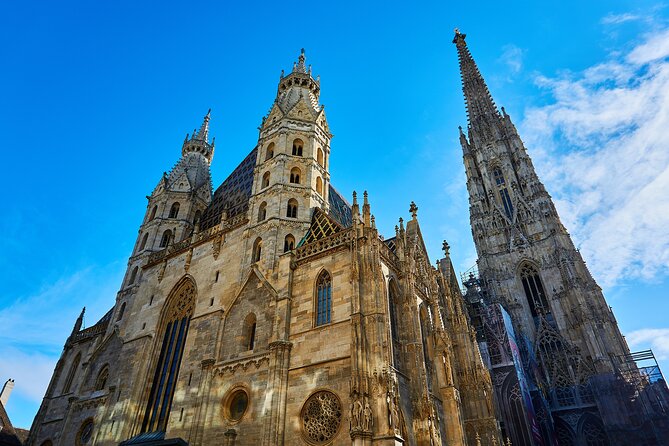
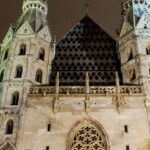
You wrap up at St. Stephen’s Cathedral (Stephansdom), finishing right by the cathedral in the center of the old city. This is the perfect ending point: it’s iconic, it’s central, and it gives you immediate next-step options.
After the tour, I like that you’re not dumped back at a random hotel area. You’re dropped exactly where Vienna’s tourist and local life overlap—an easy starting point for a post-walk wander, a coffee stop, or a longer look at the cathedral area while the light is still good.
If you want a practical next move, Maria is the type of guide who gives real recommendations. In the past, she’s shared specific eating ideas like a Beisl for Wiener schnitzel, Figolettas for Italian food, and Bitzinger Wurstelstand for brats. She’s also shared coffee house recommendations and helped people think through Christmas market planning with maps.
Price and what $42.05 gets you (and what it doesn’t)
At about $42.05 per person for roughly 2 hours, the value here comes from two things: the small group size and the guide’s ability to connect the dots while you walk.
You’re paying for:
- A professional English-speaking guide (Maria Tours Live)
- Pictures and maps for visual help
- A tight route built around major highlights
- Time to ask questions without the group snowballing past earshot
You’re not paying for:
- Food and drink
- Any museum entry
- Inside visits of ticketed sites (the tour stays external)
- Opera house, library, Riding School, or cathedral entry fees (even if those are nearby)
So ask yourself one simple question: do you want a guided orientation walk, or do you want guided museum time? If you want orientation, this tour is strong. If you want interiors and tickets, it will feel a bit “skinny” unless you layer it with a separate museum plan.
Who this Vienna highlights walk suits best
This is a great match if:
- It’s your first visit and you want a clean overview of the center fast
- You like architecture, city planning, and readable history
- You prefer small groups where you can actually interact
- You want practical local suggestions for food and what to do next
It’s not a great match if:
- You rely on a stroller or need step-free routes (there are stairs/steps and it’s not suitable for baby strollers)
- You’re limited by walking disorders or low mobility (the tour calls out moderate fitness level)
- You have luggage or large bags (not allowed)
- You want audio guidance (audio recording isn’t allowed)
I also like that the tour runs in all weather conditions. Vienna weather can swing, so you’ll want a rain layer and shoes that don’t hate cobblestones.
My call: should you book?
If you want a smart first pass through central Vienna without spending half your trip in lines or tickets, I’d book this. The small group setup, the exterior-only format that still gives you meaning at every stop, and Maria’s habit of sharing real, usable local tips make it feel like a guided day you can build on.
I’d skip it only if your priority is interior museum time or if walking stairs and steps will be a problem for you. Otherwise, this is exactly the kind of tour that helps you stop guessing and start enjoying.
FAQ
Is this tour inside museums?
No. The tour does not include museum entries. You’ll do external visits only.
How many people are in the group?
The tour is limited to a small group, with a maximum of 10 people. It’s also listed with a maximum of 6 travelers.
What language is the tour in?
The tour is offered in English, with a local certified professional English-speaking guide.
Do I need admission tickets for the sights?
Museum entry is not included, and the tour is external-only. Some stops note admission tickets not included, so if you want to enter specific places, you may need separate tickets.
Where does the tour start and end?
It starts at Maria Theresa Memorial, Maria-Theresien-Platz 1010 Wien (near the large Maria Theresia monument) and ends at St. Stephen’s Cathedral, Stephansplatz 3, right by Stephansdom.
Is the tour suitable for strollers or large luggage?
No. It is not suitable for baby strollers, and luggage or large bags are not allowed. The tour also includes stairs/steps.
More Tours in Vienna
- Vienna: Schönbrunn Palace & Gardens Skip-the-Line Tour
★ 4.7 · 7,739 reviews - Vienna Spanish Riding School Guided Tour
★ 4.7 · 6,765 reviews - Vienna: Skip-the-Line Sisi Museum, Hofburg and Gardens Tour
★ 4.8 · 5,918 reviews - Vienna: Skip-the-Line Schönbrunn Palace & Gardens Tour
★ 4.8 · 5,411 reviews - Vienna: Guided Walking Tour of City Center Highlights
★ 4.7 · 4,989 reviews
More Tour Reviews in Vienna
- Vienna: Vivaldi’s Four Seasons Concert in Karlskirche
★ 4.7 · 14,951 reviews - Vienna: Schönbrunn Palace & Gardens Skip-the-Line Tour
★ 4.7 · 7,739 reviews - Vienna: Light of Creation Votive Church Immersive Light Show
★ 4.8 · 6,779 reviews - Vienna Spanish Riding School Guided Tour
★ 4.7 · 6,765 reviews - Vienna: Classical Concert in the World-Famous Musikverein
★ 4.6 · 6,673 reviews
Vienna on Foot, Continued
- Vienna: Guided Walking Tour of City Center Highlights
★ 4.7 · 4,989 reviews - Vienna: Vienna Central Cemetery Guided Walking Tour
★ 4.8 · 3,307 reviews - Vienna: Guided Walking Tour of City Highlights & Hidden Gems
★ 4.9 · 2,180 reviews - Vienna: Viennese Underworld Guided Walking Tour
★ 4.7 · 1,865 reviews - Vienna: World War II Historical Walking Tour
★ 4.8 · 1,772 reviews
Just In: New Vienna Reviews



Vienna Walking Tours, compared.
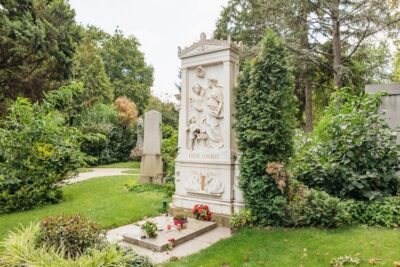 ★ 4.8Vienna Central Cemetery Guided Walking TourFrom $3353,307 reviews
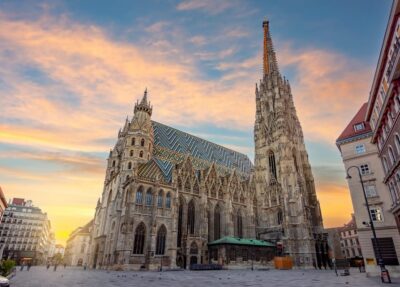 ★ 4.9Guided Walking Tour of City Highlights & Hidden GemsFrom $272,180 reviews
 ★ 4.7Viennese Underworld Guided Walking TourFrom $371,865 reviews
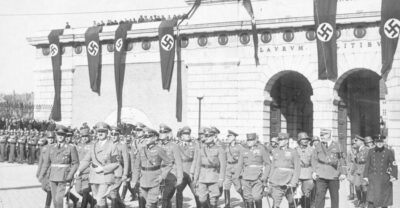 ★ 4.8World War II Historical Walking TourFrom $311,772 reviews
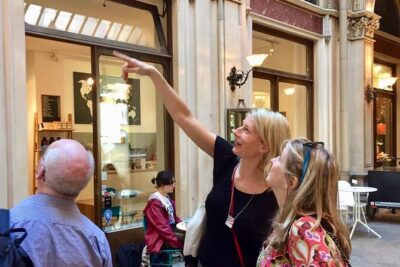 ★ 5.0Vienna Historic Center Small Group Walking TourFrom $721,746 reviews
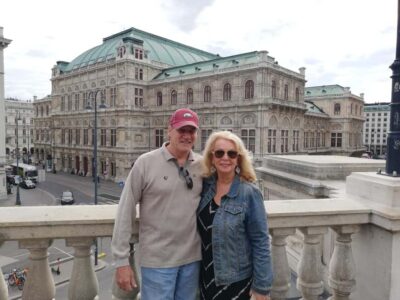 ★ 4.6Private Walking Tour with a LocalFrom $561,446 reviews
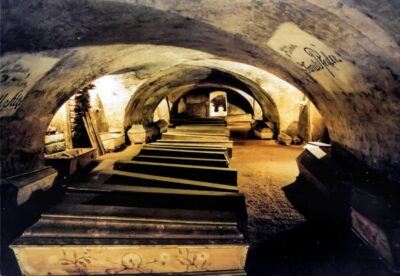 ★ 4.91.5-Hour Underground Walking TourFrom $321,146 reviews
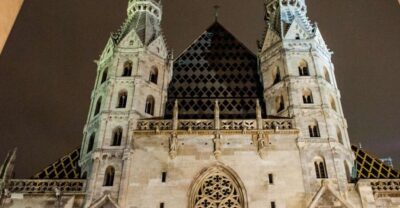 ★ 4.4Ghosts and Legends Guided Nighttime Walking TourFrom $201,088 reviews
Browse the lists this tour appears in