
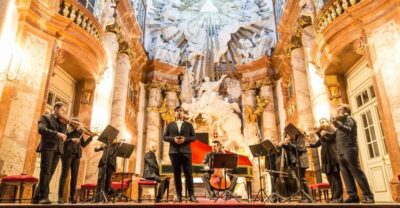
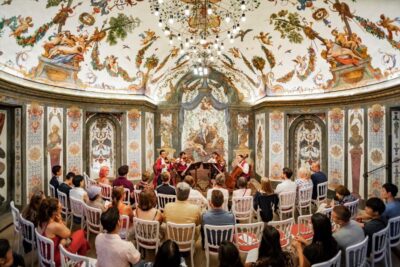
A string quartet in Vienna hits different. The Haydn Quartet bring Vienna-style playing to the Brahms Hall at the Musikverein, and the programs make a fun story out of classic composers. I especially like that you’re not just hearing well-worn favorites; the group also shines on works from Haydn’s era that don’t always get their due. One thing to plan for: some concert tickets may involve standing room, so if you need to sit a lot, it’s worth checking seating details before you book.
This is also a good way to get closer to the Vienna composers who actually worked here. The quartet has a track record in Austria, shows up in Austrian radio and TV, and even performs regularly at the Esterházys’ castle setting tied to Haydn’s life. The potential drawback is simple: the venue experience isn’t set up for wheelchair users, and the no-camera rule means you’ll want to enjoy the concert without trying to document it.
If you love classical music and want a genuinely Vienna-centered evening, this concert is a strong pick—just make sure you’re set up comfortably for the hall setup.
In This Review
- Key points to know before you go
- Brahms Hall at the Musikverein: the setting for a full concert moment
- The Haydn Quartet: Vienna specialists with a wider mission
- The programs: Haydn with Beethoven, Smetana, Mozart, or Dvořák
- What makes this feel like a complete artwork
- Price and value: is $34 reasonable for Vienna?
- Comfort and rules that can affect your night
- Practical plan: how to make the evening run smoothly
- Who should book this concert, and who should skip it
- Should you book the Haydn Quartet at the Musikverein?
- FAQ
- How long is the concert?
- Where do I meet for this experience?
- What does the ticket include?
- Is there a specific concert date with different composer programs?
- Are cameras or video recordings allowed?
- Is it refundable if my plans change?
Key points to know before you go
- Vienna-in-the-spotlight programming: expect Haydn paired with major names like Beethoven, Smetana, Mozart, and Dvořák on specific dates
- A quartet focused on Vienna classics: the Haydn Quartet is known for specializing in the Vienna string-quartet tradition
- More than Haydn: their repertoire also includes neglected masters from Haydn’s time plus modern and contemporary composers
- A venue with big-concert energy: the Brahms Hall setting gives you a classic concert-hall context for the full program
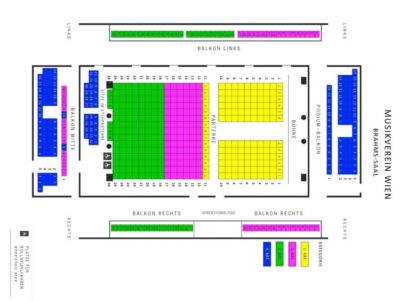
- Comfort matters: cameras are not allowed, and seating may not be guaranteed for everyone, so check if you need to sit
Another night under the chandeliers
- Vienna: Classical Concert in the World-Famous Musikverein★ 4.6 · 6,673 reviews
- Vienna: Mozart Concert at the Musikverein – Golden Hall★ 4.6 · 5,194 reviews
- Vienna: Classical Concert in St. Anne’s Church (Annakirche)★ 4.6 · 3,414 reviews
- Vienna: Mozart and Strauss Concert at Schönbrunn★ 4.5 · 2,967 reviews
Brahms Hall at the Musikverein: the setting for a full concert moment
The Musikverein is where Vienna puts on its clearest, most formal concert identity. This experience takes place specifically in the Brahms Hall, which matters because a string quartet deserves a hall that’s built for focused listening. You’re not catching background music. You’re walking into an intentional space designed for the kind of sound where details in the strings actually matter.
The event is scheduled for 2 hours, so it’s a complete evening segment rather than a short snippet. That length is a good match for a quartet program: it gives the music room to build, shift pace, and land its emotional punches. If you’ve ever felt “I wish this concert lasted a bit longer,” this one usually solves that.
The practical side is also straightforward. Your meeting point is at the Musikverein itself: Musikvereinsplatz 1, 1010 Wien. That’s helpful because you don’t need a separate tour route or a complicated transfer plan. You can also decide how early to arrive based on your comfort level and how quickly you like to get settled before the music starts.
The Haydn Quartet: Vienna specialists with a wider mission
What makes the quartet more interesting than just another string group is its clear connection to Vienna music life. The musicians have carved out an important role as specialists in the Vienna classics, and they show up as festival guests internationally. That matters because it usually means their approach isn’t a one-off performance. It’s the way they think and practice.
I like that their repertoire doesn’t stop at the most famous quartet composers. Yes, you’ll hear Haydn. But their program concept also includes:
- classical quartet literature beyond Haydn,
- masters from Haydn’s time who haven’t been performed as often as they should be,
- and works by modern and contemporary composers.
That mixture gives you two benefits. First, you get the “Vienna classic” foundation. Second, you can hear how the quartet medium keeps evolving instead of staying frozen in one era.
They also have strong Austria ties. They perform and record regularly in Austria and appear on Austrian radio and television. You don’t just get a performance happening in Vienna; you’re seeing an ensemble that has a real presence in the local music ecosystem.
And then there’s the particularly Vienna detail: the quartet is connected to the Esterházys’ world. They regularly perform in the Esterházys’ castle setting where Haydn composed much of his music. Even if you don’t know the background on arrival, that fact helps you listen differently. You’re hearing the quartet form as something rooted in lived musical culture, not just as museum pieces.
The programs: Haydn with Beethoven, Smetana, Mozart, or Dvořák
On the evening of March 19th, the concert pairs Haydn with Beethoven and Smetana. This is a smart combination because it lets you compare approaches across time. Haydn shows you the architecture of the quartet form in a way that feels logical and conversational. Beethoven brings dramatic momentum and punch. Then Smetana helps bring the tone back toward a more distinctly Slavic identity tied to Czech musical life.
On June 26th, the lineup is Haydn with Mozart and Dvořák. This one can feel more lyrical. Mozart tends to bring clarity and elegance to the way phrases move. Dvořák often gives you more warmth and rhythmic lift—especially in string writing. With Haydn as the anchor, you’ll hear how each composer builds on quartet tradition while steering it in their own direction.
If you’re choosing between dates, think about what kind of mood you want:
- Want contrast and dramatic shifts? Go for the March 19th pairing.
- Want classic polish and melodic sweep? The June 26th program may suit you better.
Either way, you’re getting the kind of evening where Haydn isn’t just a headline name. He’s the thread that ties the program together.
What makes this feel like a complete artwork
The highlight here is the idea of experiencing a complete artwork in the Musikverein. Practically, that means you’re attending a full concert program, not a quick stop or a partial set. With 2 hours, you get enough time for the music to unfold in meaningful sections—quiet-to-loud moments, tension-and-release patterns, and the kind of musical conversation quartet writing does best.
There’s also an extra layer of meaning tied to how this ensemble connects to Haydn’s life. The quartet once marked the Haydn centenary in a big way: during a unique series, it performed all 69 of Haydn’s quartets in St Michael’s in central Vienna, where Haydn lived for some time. You don’t need to have been there to benefit from the knowledge behind the performance. It often shows up as confidence in how they shape phrasing, balance voices, and keep the quartet texture vivid rather than “academic.”
In other words, you’re not just buying a seat. You’re stepping into a musical approach built from repetition, study, and serious familiarity with quartet repertoire.
On the trail of Beethoven and Haydn



Price and value: is $34 reasonable for Vienna?
At $34 per person, you’re paying for admission to the concert with a single 2-hour time block. That matters for value because your cost is tied to one clearly defined experience: one venue, one evening, one program.
The big question in Vienna is always “Am I paying for the name, or am I paying for the music?” In this case, the price feels more like the ticket price for a serious classical event than a souvenir-level markup. The inclusion is also clean: the admission ticket is the main cost. You’re not told to budget for extras that aren’t part of the experience.
Value also depends on your expectations. If you’re a casual listener who mostly wants background music while you wander, you might be happier with a cheaper casual concert. But if you actively enjoy hearing how strings trade lines and how composers build structure, then this feels like a fair way to spend a well-defined evening.
Comfort and rules that can affect your night
There are a few items that can change how the experience feels in real life.
First: no cameras and no video recording. That’s pretty common in serious classical venues, but it’s worth noting because it changes how you experience the moment. You’ll want to look, listen, and remember with your brain instead of your phone.
Second: accessibility is limited. The experience is not suitable for wheelchair users. If mobility access is a concern, you should treat this as a firm limitation, not a guess.
Third—and this is the one comfort issue I’d take seriously—some ticket setups may involve standing room. In one booking, it wasn’t clearly indicated that the ticket involved standing places, and someone with back problems couldn’t manage it. That tells me you should do one simple thing before you buy: verify whether your ticket includes seating or standing. If you need to sit frequently, ask the provider or check booking details carefully.
A quartet concert is only enjoyable if your body can relax enough to hear. So plan your comfort the same way you’d plan a long museum visit: smart shoes, a check on standing time, and a willingness to skip the impulse purchase if the setup won’t work for you.
Practical plan: how to make the evening run smoothly
You can keep your planning simple, because the experience doesn’t require a complex itinerary.
- Start with the location: Musikvereinsplatz 1, 1010 Wien.
- Plan on a 2-hour commitment. If you like to arrive early, build that into your schedule.
- Bring your expectations for a focused listening evening. This is classical music in a formal hall, with no recording allowed.
Also, pick the right date for your listening mood. March 19th leans into Haydn, Beethoven, and Smetana. June 26th leans into Haydn, Mozart, and Dvořák. If you’re trying to “taste Vienna through a single night,” those are two solid paths.
Who should book this concert, and who should skip it
This experience fits best if you:
- love classical music and want a clean, serious concert night,
- like hearing Haydn as a foundation rather than a quick cameo,
- enjoy the quartet form and want to hear it in a Vienna-focused context,
- want a program that pairs Haydn with major composers on specific dates.
You should think twice if:
- you need wheelchair access (this one isn’t suitable),
- you have back or mobility issues and are unsure whether your ticket includes standing room.
Should you book the Haydn Quartet at the Musikverein?
Yes, if you want a real Vienna concert evening centered on the quartet form, this is a strong option. The price is reasonable, the venue is a major Vienna concert hall setting, and the Haydn Quartet’s Vienna specialization plus broader repertoire makes the program feel intentional rather than routine.
Book it if you can settle comfortably and you’re okay with the no-camera rules. Pass or check seating carefully if you know you’ll struggle with standing room.
If you’re the kind of visitor who likes to hear a composer’s world through careful performance, you’ll leave satisfied—and with a better sense of how Haydn’s Vienna connects to Beethoven, Mozart, and beyond.
FAQ
How long is the concert?
The concert lasts 2 hours.
Where do I meet for this experience?
You meet at Musikverein: Musikvereinsplatz 1, 1010 Wien.
What does the ticket include?
Your purchase includes admission ticket to the concert.
Is there a specific concert date with different composer programs?
Yes. The available dates listed are March 19th (Haydn, Beethoven, Smetana) and June 26th (Haydn, Mozart, Dvořák).
Are cameras or video recordings allowed?
No. Cameras and video recording are not allowed.
Is it refundable if my plans change?
The experience offers free cancellation up to 24 hours in advance for a full refund. It also offers a reserve now & pay later option.
More Tour Reviews in Vienna
- Vienna: Vivaldi’s Four Seasons Concert in Karlskirche
★ 4.7 · 14,951 reviews - Vienna: Schönbrunn Palace & Gardens Skip-the-Line Tour
★ 4.7 · 7,739 reviews - Vienna: Light of Creation Votive Church Immersive Light Show
★ 4.8 · 6,779 reviews - Vienna Spanish Riding School Guided Tour
★ 4.7 · 6,765 reviews - Vienna: Classical Concert in the World-Famous Musikverein
★ 4.6 · 6,673 reviews
On the Composers' Trail
- Vienna: Freud, Mozart & Beethoven Exploration Game
★ 4.0 · 14 reviews - Haydn Quartett in the Musikverein (Brahms Hall)
★ 5.0 · 11 reviews - Vienna: Meet Beethoven Life Private Guided Walking Tour
★ 5.0 · 5 reviews - Vienna: Mozart, Beethoven, & Strauss Private Tour
★ 5.0 · 4 reviews
Another Night at the Opera
- Vienna: Vivaldi’s Four Seasons Concert in Karlskirche
★ 4.7 · 14,951 reviews - Vienna: Classical Concert in the World-Famous Musikverein
★ 4.6 · 6,673 reviews - Vienna: Mozart Concert at the Musikverein – Golden Hall
★ 4.6 · 5,194 reviews - Vienna: Classical Concert in St. Anne’s Church (Annakirche)
★ 4.6 · 3,414 reviews - Vienna: Mozart and Strauss Concert at Schönbrunn
★ 4.5 · 2,967 reviews
Just In: New Vienna Reviews



Vienna Opera & Classical Concerts, compared.
 ★ 4.7Vivaldi’s Four Seasons Concert in KarlskircheFrom $4014,951 reviews
 ★ 4.6Classical Concert in the World-Famous MusikvereinFrom $176,673 reviews
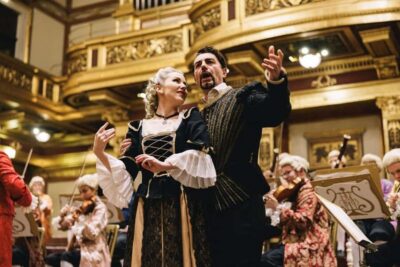 ★ 4.6Mozart Concert at the Musikverein – Golden HallFrom $815,194 reviews
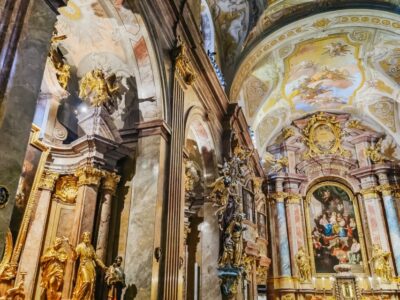 ★ 4.6Classical Concert in St. Anne’s Church (Annakirche)From $383,414 reviews
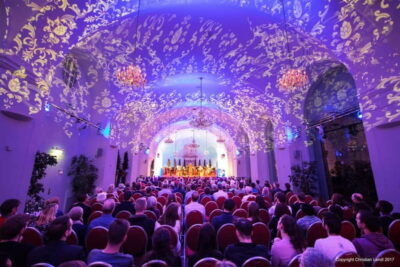 ★ 4.5Mozart and Strauss Concert at SchönbrunnFrom $422,967 reviews
 Classical Concert at Mozart’s First House2,423 reviews
 ★ 4.5Vienna Classical Concert at St. Peter’s ChurchFrom $472,039 reviews
 ★ 4.4Karlskirche Entry Ticket with Panoramic Terrace AccessFrom $111,177 reviews
Browse the lists this tour appears in