
Reviewed · VIENNA WALKING TOURS
Vienna: Hidden Secrets and Local Stories Walking Tour
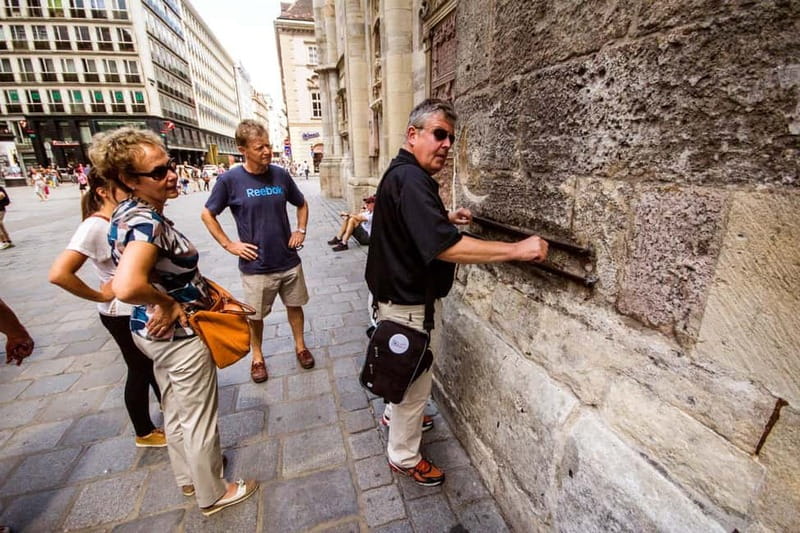
Vienna hides stories in plain sight. On this 2-hour walk, a certified guide pulls those stories from hidden courtyards and narrow lanes, with small-group pacing that feels personal. I love how the guide slows down at major landmarks like St. Stephen’s Cathedral to explain the meaning behind symbols most people rush past. I also love the way the tour ties famous places to local street life, from Ballgasse to Blutgasse. One consideration: this tour is not suitable for wheelchair users or for people with mobility impairments.
The route mixes big-name stops with quieter corners. You’ll see St. Stephen’s Cathedral area, Mozart’s final residence, the Franciscan Church and Monastery, and streets like Ballgasse, Blutgasse, and Domgasse, plus stops around the old university district and the Jesuit Church. In the guide rotation, Herbert, Dorothy, and Wolfgang are names that come up often, and they tend to keep things lively with humor and quick checks for understanding.
Plan on steady walking. The tour runs in all weather, so bring what you need for rain or chill, and wear shoes you trust. It’s offered in German or English, and you should expect the guide to keep the story going even if clouds show up—no one waits around.
In This Review
- Key moments I’d plan around
- Why this Vienna walk feels different than the usual checklist
- Getting started near St. Stephen’s: easy to find, quick to orient
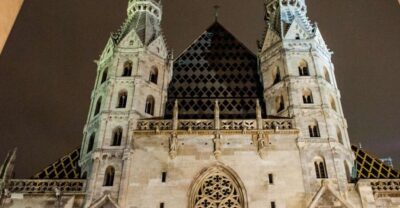
- St. Stephen’s Cathedral: not just a stop, a symbol decoder
- From Stephansplatz into courtyards and legends
- Mozart’s final residence: the truth you can actually use
- Palais Neupauer-Breuner and the Deutsches Haus: reading the facades
- Blutgasse and Domgasse: when street names carry a message
- The Franciscan Church and Monastery: a calmer counterweight
- The old university district: where Vienna’s learning shows up in streets
- Staying comfortable: small group energy and weather reality
- Part 1 link: should you do it first?
- Price and value: what $34 buys in real terms
- Who this tour is best for
- Should you book Vienna Hidden Secrets and Local Stories?
- FAQ
- How long is the Vienna Hidden Secrets and Local Stories walking tour?
- Is it okay if I did not take Part 1 of this tour?
- What languages are the guides?
- What major sights does the tour include?
- Does the tour run in bad weather?
- Are large bags or luggage allowed?
- Is this tour suitable for wheelchair users or limited mobility?
Key moments I’d plan around
- St. Stephen’s Cathedral symbols: you’ll learn what to look for instead of just looking at stone.
- Mozart’s final residence and the real story: separate what sounds true from what actually matters.
- Courtyards and legend lore: the center becomes a puzzle you can solve on the walk.
- Franciscan Church and Monastery: a quieter spiritual stop that adds balance to all the street energy.
- Street-name storytelling: Ballgasse, Blutgasse, and Domgasse get explained in human terms.
- University district + Jesuit Church: history isn’t just buildings here; it’s how people used the city.
Vienna on foot, a couple more routes
- Vienna: Guided Walking Tour of City Center Highlights★ 4.7 · 4,989 reviews
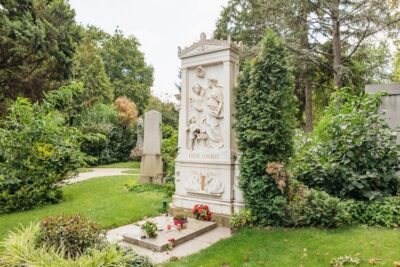
- Vienna: Vienna Central Cemetery Guided Walking Tour★ 4.8 · 3,307 reviews
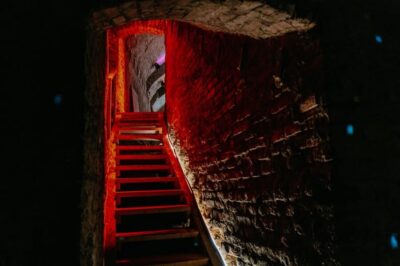
- Vienna: Viennese Underworld Guided Walking Tour★ 4.7 · 1,865 reviews
- Vienna: World War II Historical Walking Tour★ 4.8 · 1,772 reviews
Why this Vienna walk feels different than the usual checklist
This tour works when you want Vienna in layers, not in single photo stops. The focus is the historical center, but the real pay-off is how the guide connects landmarks to small, local details—courtyards, legends, and street corners you’d normally walk right by.
And that makes a difference for your trip planning. If you only do the big sites, Vienna can start to feel like a museum of facades. Here, you get explanations for why things are where they are and what locals used to notice. It’s the kind of walk that helps you see the city after the tour as well, not just during it.
Getting started near St. Stephen’s: easy to find, quick to orient
You begin with one of two starting options, both listed as Bankomat, and the exact meeting point can vary by option. The drop-off is at Dr.-Karl-Lueger-Platz 3 (1010 Wien), so by the end you’re already positioned in a convenient central area.
Even if you’re arriving from another part of town, this is a smart launch point. You get oriented fast because the walk connects the highest-profile landmark area (Stephansplatz / St. Stephen’s Cathedral) to the smaller lanes that branch off from there. It’s not a long travel day at the start—you’re stepping into the historic core right away.
St. Stephen’s Cathedral: not just a stop, a symbol decoder
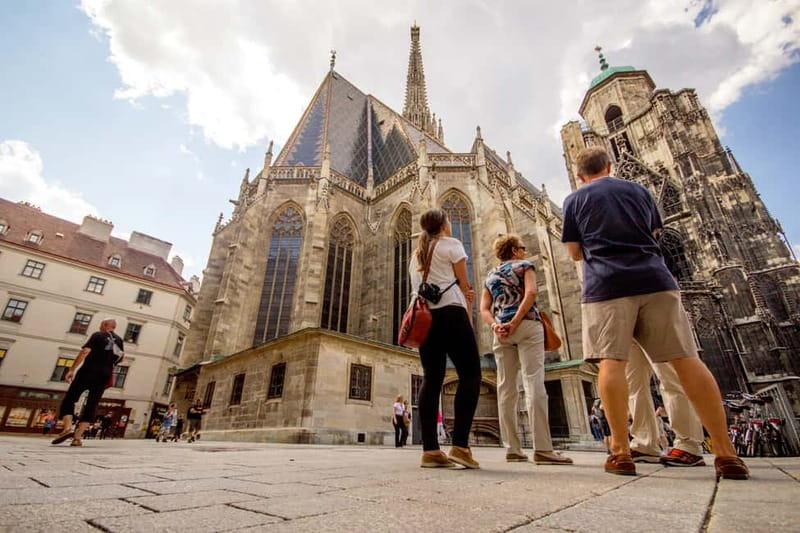
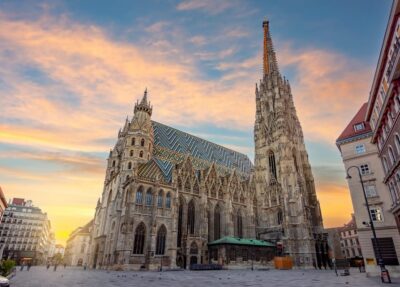
St. Stephen’s Cathedral is the big anchor, and the guide treats it like more than scenery. You’ll learn about the cathedral area and what to notice, which is the whole point of doing this with a local guide. When you understand the meanings behind symbols, the building stops being a backdrop and becomes a story you can read.
This is also where the humor and engagement matter. Guides who keep people awake and listening tend to work best at a place like this, because it can turn into a lecture if the pace drags. In the guide group you might encounter names like Herbert, Dorothy, or Wolfgang, and the common thread is an entertaining style with explanations that stick.
From Stephansplatz into courtyards and legends
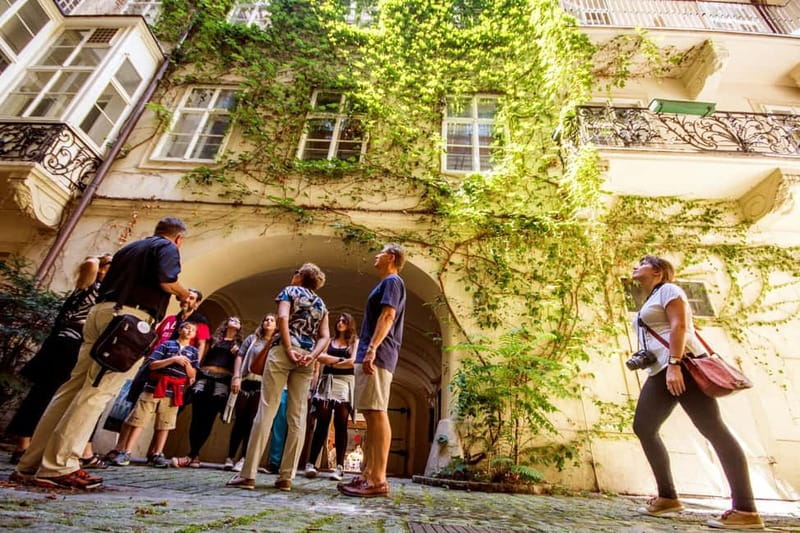
After the cathedral area, the tour shifts into the parts of the center that feel more lived-in. You’ll walk narrow streets and reach less obvious places, including courtyards and the legends attached to them. These are the sorts of spots where Vienna’s history often hides in plain sight—small gates, quiet passages, and building details you’d never think to investigate alone.
What I like about this approach is that it changes your mental map of the city. You start noticing how the city is organized: streets are one layer, but courtyards and side access create another Vienna entirely. It’s also a relief for pacing. Even when you’re seeing famous landmarks, you’re also getting variation—open spaces, tight lanes, and quieter corners.
Vienna at walking pace, more routes

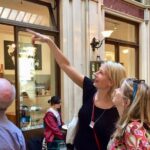
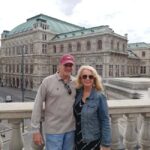
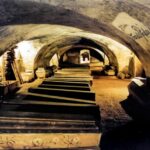
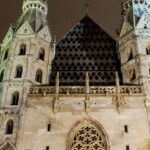
Mozart’s final residence: the truth you can actually use
The tour includes Mozart’s final residence, and the guide focuses on the truth of his life rather than just the tourist sound bites. That matters because Mozart is one of those famous names where it’s easy to repeat half-remembered facts. With a guide, you get a clearer sense of what’s known and what’s more legend than reality.
This stop also helps you understand why “final residence” is a phrase worth attention. It ties the music into the actual city spaces where life happened, not just where people pose for pictures. Even if you already know a bit about Mozart, you’ll likely leave with a tighter, more grounded understanding of the story.
Palais Neupauer-Breuner and the Deutsches Haus: reading the facades
You’ll also pass by Palais Neupauer-Breuner and the Deutsches Haus. These stops are the kind that can feel like just another grand building unless someone explains what you should be looking for—purpose, style cues, and how the place fits into the surrounding streets.
This is a good moment to slow down mentally. Vienna has a habit of repeating motifs: stonework, window rhythms, and ornamental details. A guide’s framing helps you see pattern versus personality, so you come away with more than a vague impression of beauty.
Blutgasse and Domgasse: when street names carry a message
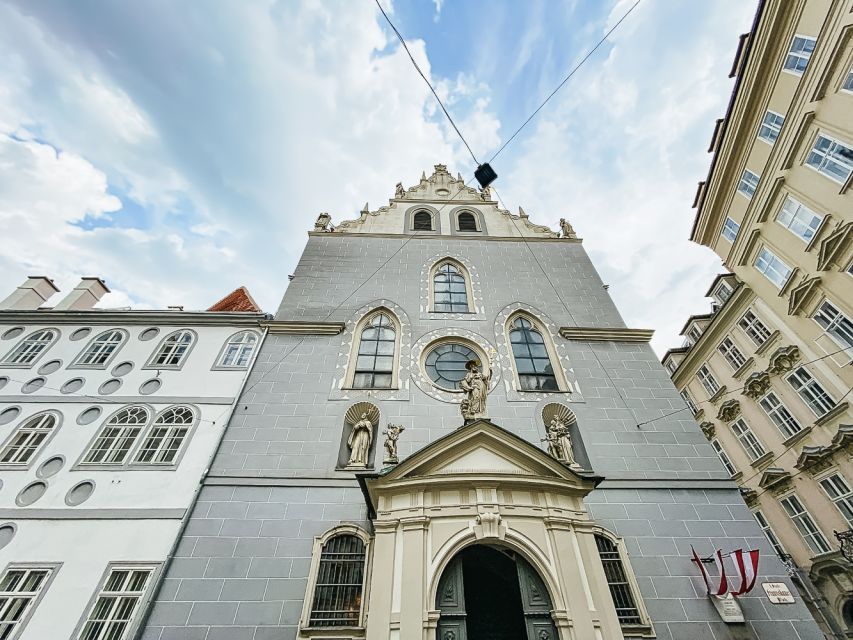
The walk includes Blutgasse and Domgasse, with Ballgasse also on the route. Street names in older European cities are often a shortcut to local history, and here you’ll hear those explanations in story form. It’s the kind of detail that makes Vienna feel like a place with memory, not just a postcard.
This is also where the humor and engagement can really pay off. If the guide turns street lore into something you can remember, you’ll spot these lanes again later and feel like you’re returning to a character you met in a good book.
The Franciscan Church and Monastery: a calmer counterweight
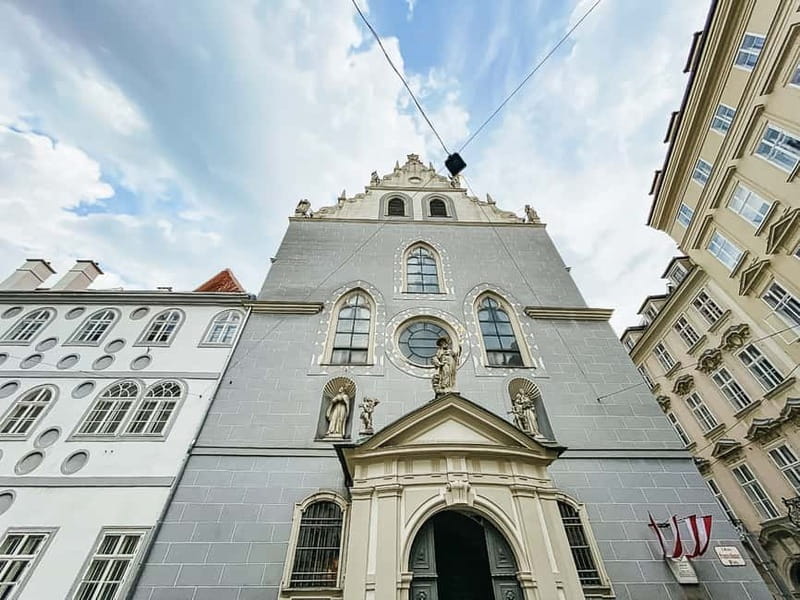
The Franciscan Church and Monastery is one of the tour highlights, and it works as a counterbalance. After street-lore and cathedral-sized attention, this stop gives the walk a steadier tone. You get the sense that Vienna’s historic center isn’t only about big monuments—it’s also about religious spaces that shaped daily rhythms.
I like this mix because it prevents “architectural overload.” If all you do are the loudest sites, your brain starts to blur details. A calmer church-and-monastery stop helps you reset, absorb what you’ve already learned, and then continue with better focus.
The old university district: where Vienna’s learning shows up in streets
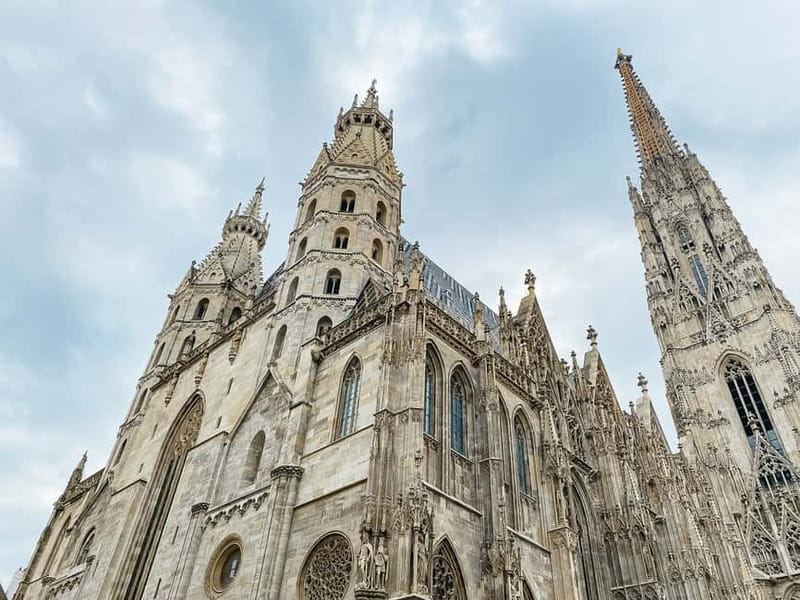
You’ll spend time around the old university district and also see the Jesuit Church. This part of the walk adds a different layer to the city’s identity: Vienna as a place where ideas, education, and belief shaped the streets people walked every day.
A fun named detail included here is the house called Where the cow plays on the board. Stops like this are exactly why a guided walk is worth it. They give you permission to notice the quirky, symbolic things locals embedded into everyday architecture.
Staying comfortable: small group energy and weather reality
The tour is conducted in a small group. That matters more than it sounds. You get enough attention to ask questions and enough flexibility for the guide to manage pacing at stops, rather than rushing everyone like a factory line.
Also, this tour happens in all weather conditions. That means you should dress for rain and wind, even if the morning looks fine. One smart move: plan footwear that handles wet pavement and uneven stone, because you’ll be on foot throughout.
Part 1 link: should you do it first?
This tour continues from Part 1 by the same operator. But it is not a problem if you have not taken Part 1 beforehand. So you can treat this as a standalone walk focused on the historical center, famous sites, and the smaller stories that connect them.
If you did do Part 1, you’ll probably feel a natural continuation—like the guide is building a bigger city puzzle. If you didn’t, you still get a coherent route built around St. Stephen’s, Mozart’s final residence, the Franciscan sites, and the street-lore lanes.
Price and value: what $34 buys in real terms
At $34 per person for about 2 hours, this is the kind of walking tour that gives you value if your goal is understanding, not just seeing. You’re not paying for transport or a vehicle; you’re paying for a certified local guide, explanations in German or English, and insider recommendations tied to the city’s details.
In plain terms: if you’re the type of person who reads plaques for context, this price is reasonable. If you only want quick photos and don’t care about why buildings and street names matter, you might feel the time is better spent exploring solo.
Who this tour is best for
This works especially well for:
- Adults and teens 12 and up who like stories, symbolism, and city details
- People who want the center of Vienna explained in clear, entertaining language
- Anyone who enjoys walking tours and is comfortable keeping a steady pace for 2 hours
It’s not designed for wheelchair users or people with mobility impairments. And it’s not a good fit if you travel with lots of luggage, since large bags aren’t allowed.
Should you book Vienna Hidden Secrets and Local Stories?
I’d book this if your Vienna goal is to understand the center like a local, not just collect landmark photos. The strongest reason to choose it is the mix: St. Stephen’s Cathedral and the Franciscan Church and Monastery, plus Mozart’s final residence, plus the side streets and courtyards where Vienna’s legends actually make sense.
I’d skip it only if you need step-free access, or if you want a relaxed sit-down tour. This is a walking experience. If you can handle that—and you’re curious about street-name stories, courtyard legends, and what symbols mean—it’s a smart use of a couple of hours in Vienna.
FAQ
How long is the Vienna Hidden Secrets and Local Stories walking tour?
It lasts about 2 hours.
Is it okay if I did not take Part 1 of this tour?
Yes. This tour continues from Part 1, but it is not a problem if you did not take it beforehand.
What languages are the guides?
The tour is offered with live guides in German and English.
What major sights does the tour include?
You’ll see places including St. Stephen’s Cathedral, Mozart’s final residence, the Franciscan Church and Monastery, and areas around Ballgasse, Blutgasse, and Domgasse.
Does the tour run in bad weather?
Yes. The tour takes place in all weather conditions.
Are large bags or luggage allowed?
No. Luggage or large bags are not allowed.
Is this tour suitable for wheelchair users or limited mobility?
No. It is not suitable for people with mobility impairments or wheelchair users.
More Tours in Vienna
- Vienna: Schönbrunn Palace & Gardens Skip-the-Line Tour
★ 4.7 · 7,739 reviews - Vienna Spanish Riding School Guided Tour
★ 4.7 · 6,765 reviews - Vienna: Skip-the-Line Sisi Museum, Hofburg and Gardens Tour
★ 4.8 · 5,918 reviews - Vienna: Skip-the-Line Schönbrunn Palace & Gardens Tour
★ 4.8 · 5,411 reviews - Vienna: Guided Walking Tour of City Center Highlights
★ 4.7 · 4,989 reviews
More Tour Reviews in Vienna
- Vienna: Vivaldi’s Four Seasons Concert in Karlskirche
★ 4.7 · 14,951 reviews - Vienna: Schönbrunn Palace & Gardens Skip-the-Line Tour
★ 4.7 · 7,739 reviews - Vienna: Light of Creation Votive Church Immersive Light Show
★ 4.8 · 6,779 reviews - Vienna Spanish Riding School Guided Tour
★ 4.7 · 6,765 reviews - Vienna: Classical Concert in the World-Famous Musikverein
★ 4.6 · 6,673 reviews
Vienna on Foot, Continued
- Vienna: Guided Walking Tour of City Center Highlights
★ 4.7 · 4,989 reviews - Vienna: Vienna Central Cemetery Guided Walking Tour
★ 4.8 · 3,307 reviews - Vienna: Guided Walking Tour of City Highlights & Hidden Gems
★ 4.9 · 2,180 reviews - Vienna: Viennese Underworld Guided Walking Tour
★ 4.7 · 1,865 reviews - Vienna: World War II Historical Walking Tour
★ 4.8 · 1,772 reviews
Just In: New Vienna Reviews



Vienna Walking Tours, compared.
 ★ 4.8Vienna Central Cemetery Guided Walking TourFrom $3353,307 reviews
 ★ 4.9Guided Walking Tour of City Highlights & Hidden GemsFrom $272,180 reviews
 ★ 4.7Viennese Underworld Guided Walking TourFrom $371,865 reviews
 ★ 4.8World War II Historical Walking TourFrom $311,772 reviews
 ★ 5.0Vienna Historic Center Small Group Walking TourFrom $721,746 reviews
 ★ 4.6Private Walking Tour with a LocalFrom $561,446 reviews
 ★ 4.91.5-Hour Underground Walking TourFrom $321,146 reviews
 ★ 4.4Ghosts and Legends Guided Nighttime Walking TourFrom $201,088 reviews
Browse the lists this tour appears in