
Reviewed · VIENNA WALKING TOURS
Vienna: Historical Walking Tour – Hitler and the 1900’s
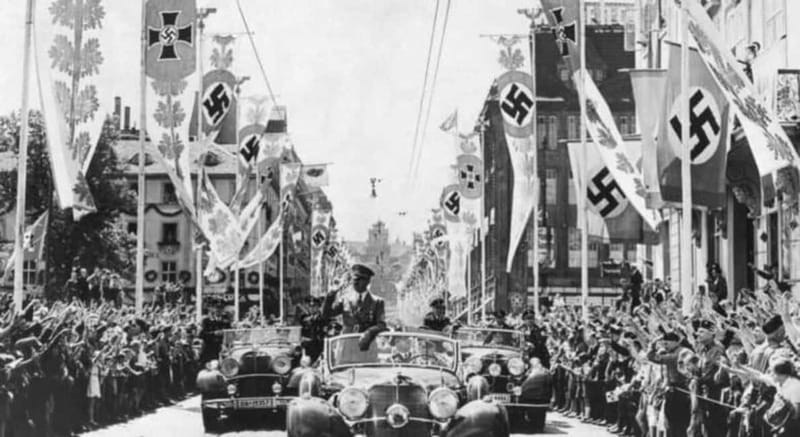
Vienna turns darker when you walk its streets. This 2-hour historical walking tour traces Hitler’s early years in Vienna while also showing how the city changed through the early 1900s. What I like most is that the route connects big themes—politics, culture, architecture—to places you can actually point to as you walk.
I also like the fact that you get an English-speaking local guide who keeps the story moving with practical context and answers as you go. One possible drawback: the subject matter is heavy, and even if the guide keeps the tone respectful (and sometimes light), it’s still not a casual stroll for very sensitive audiences.
In This Review
- Key things I’d circle before you go
- How the Tour Frames Vienna’s Early 1900s Changes
- Following Hitler’s Early Vienna Years Through Real Streets
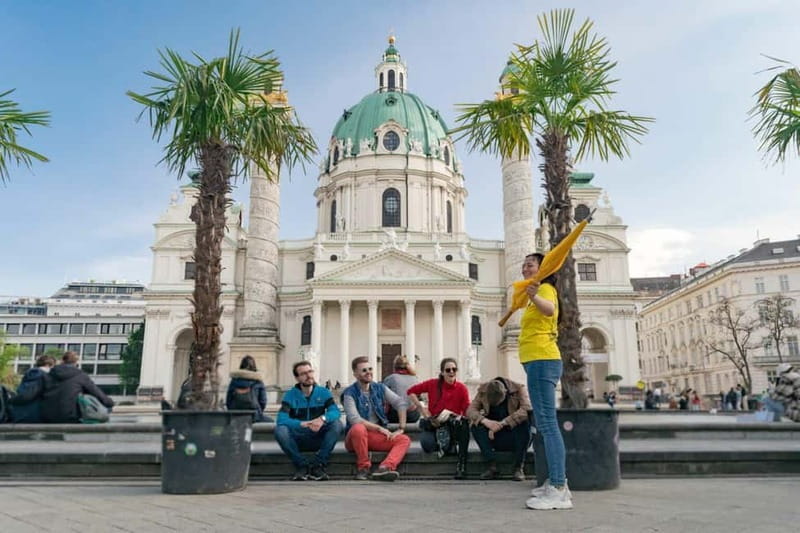
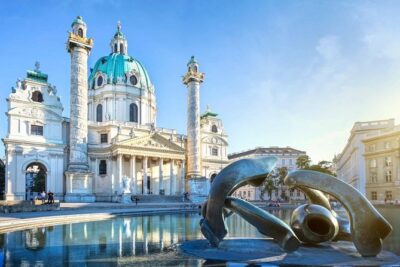
- Karlsplatz: Where Central Vienna Shows Its Public Face
- MuseumsQuartier: Reading the Shift Toward a Modern Metropolis
- Other Iconic Stops: The Story Connects Architecture and Politics
- The Guides: Storytelling That Keeps the Group With You
- Duration, Price, and What $22 Gets You in Vienna
- Meeting Point and Logistics That Actually Matter
- Is This Tour a Good Fit for You?
- Should You Book This Vienna Historical Walking Tour?
- FAQ
- How long is the Vienna Historical Walking Tour?
- How much does the tour cost?
- Where do I meet the guide?
- Is the tour offered in English?
- Is it wheelchair accessible?
- Is food or drinks included?
- Are museum entrance fees included?
- Do I need to arrange transportation to the meeting point?
- What’s the cancellation policy?
Key things I’d circle before you go
- Hitler’s early Vienna years are covered in the places tied to his formative time
- Karlsplatz and MuseumsQuartier help show how Vienna shifted from imperial to modern
- You’ll hear political and cultural change explained in plain language, not lecture-style
- Many guides use humor to keep pace, while staying respectful about a dark topic
- You get insider tips for what to see next after the walk
- The tour is wheelchair accessible and runs about 2 hours
Vienna on foot, a couple more routes
- Vienna: Guided Walking Tour of City Center Highlights★ 4.7 · 4,989 reviews
- Vienna: Vienna Central Cemetery Guided Walking Tour★ 4.8 · 3,307 reviews
- Vienna: Viennese Underworld Guided Walking Tour★ 4.7 · 1,865 reviews
- Vienna: World War II Historical Walking Tour★ 4.8 · 1,772 reviews
How the Tour Frames Vienna’s Early 1900s Changes
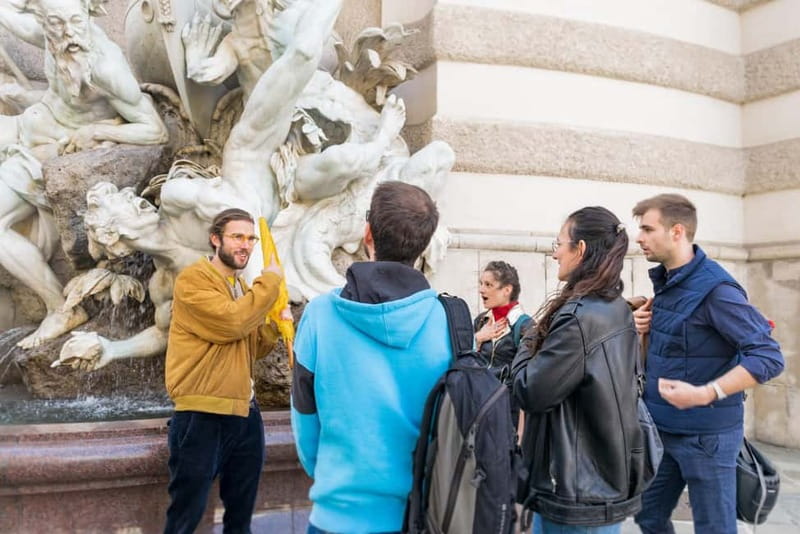
This Vienna Historical Walking Tour is built around one idea: the story of a city is easier to understand when you follow it step by step on foot. In about two hours, you’re not just looking at famous facades—you’re getting a guided timeline that links what was happening in society to what you see in the streets.
I like that the tour treats Vienna as a moving target. The guide connects Vienna’s Habsburg-era roots to the modern metropolis it was becoming in the early 1900s, so the “why” sits right next to the “what.” That makes the walk feel like interpretation, not sightseeing checkboxes.
The tour also uses the specific lens of Adolf Hitler’s early years. That doesn’t replace the broader city story—it sets a focus. As the walk progresses, you see how political ideas, cultural life, and architecture are all part of the same larger system.
Following Hitler’s Early Vienna Years Through Real Streets
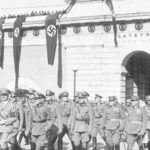
If you come to Vienna expecting only glossy imperial postcards, this tour changes your angle fast. You spend the walk tracing how Hitler’s early life in Vienna fits into what came later, without turning the experience into sensationalism.
What tends to work well is the way the guide keeps the narrative grounded. Instead of floating through dates, the explanation is tied to locations and the city’s shifting mood—especially in the early 1900s. The theme isn’t only “who he was,” but also “what Vienna was,” and how that environment shaped the era.
It’s a sensitive topic, so the best version of this tour is the one that keeps respect front-and-center. In the guide style praised in the tour feedback, you’ll often find a careful mix: clear facts, timeline clarity, and a respectful tone. Even when humor shows up, it’s used to keep the group engaged, not to cheapen the subject.
Karlsplatz: Where Central Vienna Shows Its Public Face
One of the named stops is Karlsplatz, which matters because it’s the kind of place where Vienna’s city life becomes visible. You get a chance to look at how the area functions as a public stage—where ideas, institutions, and everyday movement overlap.
On this tour, Karlsplatz isn’t treated as a photo-op. The guide uses stops like this to support the bigger argument: Vienna was changing socially and politically, and the architecture and planning around key areas helped reflect that. You’re essentially training your eye. After this, you’ll notice how central spaces in Vienna aren’t neutral—they’re part of the city’s story.
If you want to understand Vienna beyond palaces, this is the kind of stop that gives you traction. It’s also a good moment to ask questions, since you’re in the middle of a guided flow and the guide can connect what you see to the timeline they’ve already set up.
MuseumsQuartier: Reading the Shift Toward a Modern Metropolis
Another named stop is MuseumsQuartier, and it’s a smart choice for this tour’s theme. Even if you’re not going inside any museum during the walk, the area signals a key shift: Vienna reinventing itself over time and using culture as a public anchor.
Here’s why it helps your understanding. The tour’s theme is Vienna evolving from imperial roots to a modern city. MuseumsQuartier is the kind of place that visually supports that theme—different “eras” feel layered, and the guide can explain how the city’s relationship to culture and institutions evolved.
Just know the practical tradeoff: entrance fees to museums or attractions after the tour are not included. So you may get exterior context during the walk, then decide later if you want to continue into indoor exhibits on your own.
Vienna at walking pace, more routes
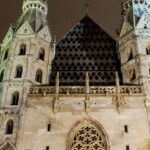
Other Iconic Stops: The Story Connects Architecture and Politics
Between the two named anchors—Karlsplatz and MuseumsQuartier—you’ll cover other iconic locations that help tie the era together. The guide focuses on architecture and historical events, which is exactly what makes a walking tour valuable in Vienna.
Vienna has a lot of “look at this beautiful building” tours. This one is different because it pushes you to ask what those buildings and neighborhoods were doing socially. The way the guide explains political and cultural change makes the city feel like a system, not a collection of monuments.
You’ll also likely get direction on what to keep your attention on after the walk. The tour includes insider recommendations from the guide, and that matters in a city where you could easily get lost in options. If you’re planning just a short stay, that “what next” guidance is often the most useful part.
The Guides: Storytelling That Keeps the Group With You
The reviews you provided point to a consistent strength: the guides know how to teach through story. Names that came up include Joseph/Josef, Christine/Christina, Kristina, and Catherine. The common thread is not only historical detail, but also the ability to make the timeline feel clear and the pacing feel fast.
A lot of people mention how the two hours felt like they flew by. That usually happens when the guide avoids long monologues and instead builds a rhythm—fact, explanation, then a reason you should care about what you’re seeing next.
There’s also a theme of respect. Since the subject is dark, the better guide approach is to keep the mood controlled: clear, not sensational; human context, not propaganda. Several notes highlight that guides worked to keep the tone light at times without losing seriousness.
Duration, Price, and What $22 Gets You in Vienna
This tour costs $22 per person and runs about 2 hours. For Vienna, that’s a “short commitment” price, especially because you’re getting an expert local guide, a walking route through historic sites, and insider recommendations—not just general information on a device.
The value comes from compression. Instead of spending half a day stitching together your own understanding of early 1900s Vienna, the guide gives you a guided sequence. And because the topic ties Hitler’s early life to the era’s political and cultural shifts, you’re getting a focused narrative you can’t easily replicate by walking alone.
What’s not included matters too. Food and drinks are not part of the tour, and entrance fees to museums or attractions after the tour are also not included. That’s normal for a walking format, but it affects how you plan your day. You may want to schedule this before a museum visit or later in the evening with a nearby meal spot.
Meeting Point and Logistics That Actually Matter
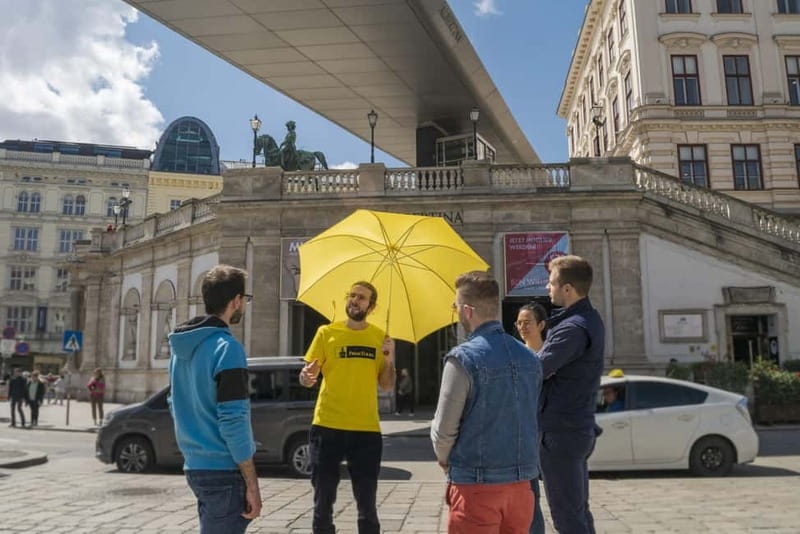
You meet at the YELLOW PRIME TOURS UMBRELLA. That’s the kind of detail that saves time, especially in central Vienna where meeting points can blend together.
The tour also includes a reserved spot with your booking and an instant booking confirmation. If your itinerary is tight, that reduces the back-and-forth. The tour is listed as English with a live guide, which is important here because the value is in the explanation, not just the route.
One more practical note: transportation to and from the meeting point is not included. So you’ll want to factor in how you’ll reach the starting area on your own.
Is This Tour a Good Fit for You?
This is best for you if you want to understand Vienna’s early 1900s through places, not just names and dates. It’s also a good choice if you like history with a storyline—following Hitler’s early Vienna years while seeing how the city itself was changing.
It may be less ideal if you want only light entertainment or you prefer museums over street-level context. Also, because the subject is inherently grim, it’s worth thinking about who in your group can handle that tone.
On the bright side, the guide approach described in the tour feedback suggests the tour works even when teenagers are in the mix, as long as they’re willing to listen. The key is that the guide style keeps it understandable, and the two-hour structure prevents it from dragging.
Should You Book This Vienna Historical Walking Tour?
I’d recommend booking if you want a guided, story-driven walk that connects Hitler’s early Vienna years to the city’s transformation from the Habsburg era toward modern life. The $22 price for a live guide and a focused route is good value, especially if you’re short on time and want a clearer frame for what you’ll see later.
I’d pause before booking if you know your group struggles with heavy historical topics, even when presented respectfully. And if you’re the type who wants to spend most of your time indoors, you’ll likely end up using this as a “street context” primer and then adding museum time on your own.
If you do book, go in prepared to walk and listen for the full two hours. The tour’s payoff is in how the guide connects the story to what you’re standing in front of, step by step.
FAQ
How long is the Vienna Historical Walking Tour?
It lasts 2 hours.
How much does the tour cost?
The price is $22 per person.
Where do I meet the guide?
Look out for the YELLOW PRIME TOURS UMBRELLA.
Is the tour offered in English?
Yes, the tour has a live English speaking guide.
Is it wheelchair accessible?
Yes, the tour is wheelchair accessible.
Is food or drinks included?
No. Food and drinks are not included.
Are museum entrance fees included?
No. Entrance fees to museums or attractions after the tour are not included.
Do I need to arrange transportation to the meeting point?
Yes. Transportation to and from the meeting point is not included.
What’s the cancellation policy?
You can cancel up to 24 hours in advance for a full refund.
More Tours in Vienna
- Vienna: Schönbrunn Palace & Gardens Skip-the-Line Tour
★ 4.7 · 7,739 reviews - Vienna Spanish Riding School Guided Tour
★ 4.7 · 6,765 reviews - Vienna: Skip-the-Line Sisi Museum, Hofburg and Gardens Tour
★ 4.8 · 5,918 reviews - Vienna: Skip-the-Line Schönbrunn Palace & Gardens Tour
★ 4.8 · 5,411 reviews - Vienna: Guided Walking Tour of City Center Highlights
★ 4.7 · 4,989 reviews
More Tour Reviews in Vienna
- Vienna: Vivaldi’s Four Seasons Concert in Karlskirche
★ 4.7 · 14,951 reviews - Vienna: Schönbrunn Palace & Gardens Skip-the-Line Tour
★ 4.7 · 7,739 reviews - Vienna: Light of Creation Votive Church Immersive Light Show
★ 4.8 · 6,779 reviews - Vienna Spanish Riding School Guided Tour
★ 4.7 · 6,765 reviews - Vienna: Classical Concert in the World-Famous Musikverein
★ 4.6 · 6,673 reviews
Vienna on Foot, Continued
- Vienna: Guided Walking Tour of City Center Highlights
★ 4.7 · 4,989 reviews - Vienna: Vienna Central Cemetery Guided Walking Tour
★ 4.8 · 3,307 reviews - Vienna: Guided Walking Tour of City Highlights & Hidden Gems
★ 4.9 · 2,180 reviews - Vienna: Viennese Underworld Guided Walking Tour
★ 4.7 · 1,865 reviews - Vienna: World War II Historical Walking Tour
★ 4.8 · 1,772 reviews
Just In: New Vienna Reviews



Vienna Walking Tours, compared.
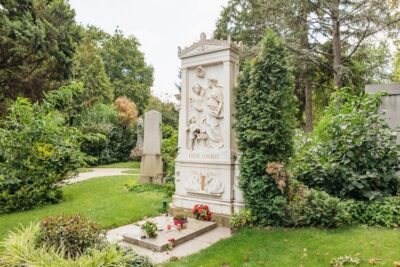 ★ 4.8Vienna Central Cemetery Guided Walking TourFrom $3353,307 reviews
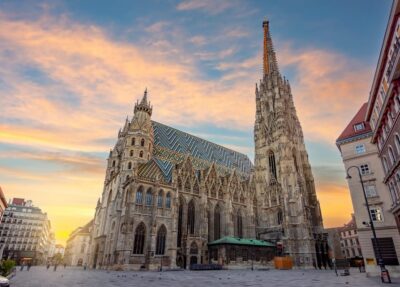 ★ 4.9Guided Walking Tour of City Highlights & Hidden GemsFrom $272,180 reviews
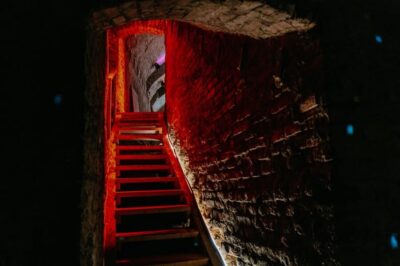 ★ 4.7Viennese Underworld Guided Walking TourFrom $371,865 reviews
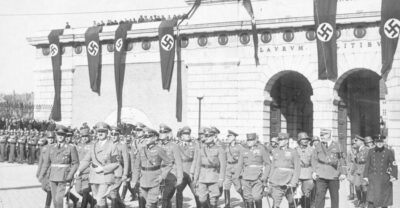 ★ 4.8World War II Historical Walking TourFrom $311,772 reviews
 ★ 5.0Vienna Historic Center Small Group Walking TourFrom $721,746 reviews
 ★ 4.6Private Walking Tour with a LocalFrom $561,446 reviews
 ★ 4.91.5-Hour Underground Walking TourFrom $321,146 reviews
 ★ 4.4Ghosts and Legends Guided Nighttime Walking TourFrom $201,088 reviews
Browse the lists this tour appears in