
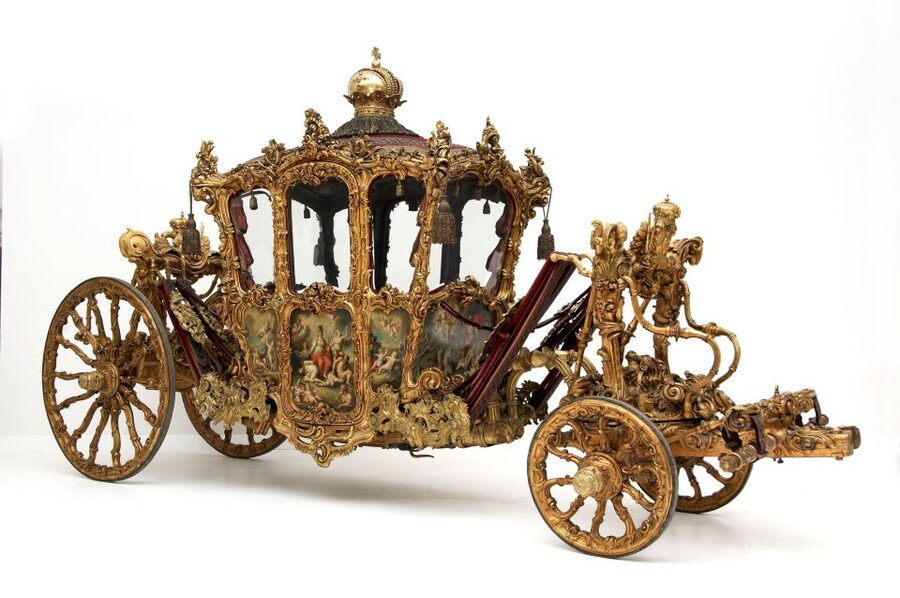
Reviewed · SCHöNBRUNN PALACE TOURS
Vienna: Imperial Carriage Museum in Schönbrunn Palace Ticket
Vienna is where the past likes to roll in style. At the Imperial Carriage Museum in Schönbrunn Palace, I love the chance to see imperial carriages tied to major rulers up close, and I also enjoy walking the Sisi Trail with her personal items. One thing to consider: you’ll need a printed voucher for entry, so plan for that in advance.
This isn’t just a room full of old wheels. You’ll move through state coaches, traveling coaches, and even children’s carriages tied to the Habsburg princes and princesses. The highlight is the Baroque imperial coach, but the museum gives you multiple “mini-stories” of how royalty traveled and performed power in everyday motion.
Plan for a focused 1-day visit. If you show up with your voucher sorted and you’re ready to take your time, this ticket feels like a clear, satisfying stop on a Vienna day.
In This Review
- Key points worth your attention
- Imperial Carriage Museum at Schönbrunn: what you’re really paying for
- Maria Theresia, Napoleon, and Franz Joseph: seeing power in coach form
- The Baroque imperial coach: why it’s the main event
- The quieter charm of Habsburg princes and princesses’ carriages
- Follow the Sisi Trail: her carriages plus personal objects
- Audio guide help: when it’s worth booking
- Price and value: what $14 gets you in Vienna terms
- Planning your 1-day visit: pace, focus, and what not to rush
- Who should book this carriage museum ticket?
- Should you book this Vienna Imperial Carriage Museum experience?
- FAQ
- Where is the meeting point for the Imperial Carriage Museum ticket?
- How long does this experience last?
- Is the audio guide included in the ticket price?
- Is a guided tour included with this ticket?
- Does the ticket include entrance fees?
- What is the cancellation policy?
- Are tour guides allowed free entrance?
Key points worth your attention
- Baroque imperial coach centerpiece that anchors the whole collection
- Sisi Trail with carriages plus personal objects like an original saddle
- Carriages linked to Maria Theresia, Napoleon, and Franz Joseph for quick historical context
- Children’s carriages of Habsburg princes and princesses for a surprising softer angle
- Audio guide available when booked, and at least one Italian audio option is described as concise and functional
More ways through Schönbrunn's gilded rooms and gardens
- Vienna: Schönbrunn Palace & Gardens Skip-the-Line Tour★ 4.7 · 7,739 reviews
- Vienna: Skip-the-Line Schönbrunn Palace & Gardens Tour★ 4.8 · 5,411 reviews
- Vienna: Mozart and Strauss Concert at Schönbrunn★ 4.5 · 2,967 reviews
- Vienna: Skip the Line Schönbrunn Palace and Gardens Guided Tour★ 4.5 · 1,540 reviews
Imperial Carriage Museum at Schönbrunn: what you’re really paying for
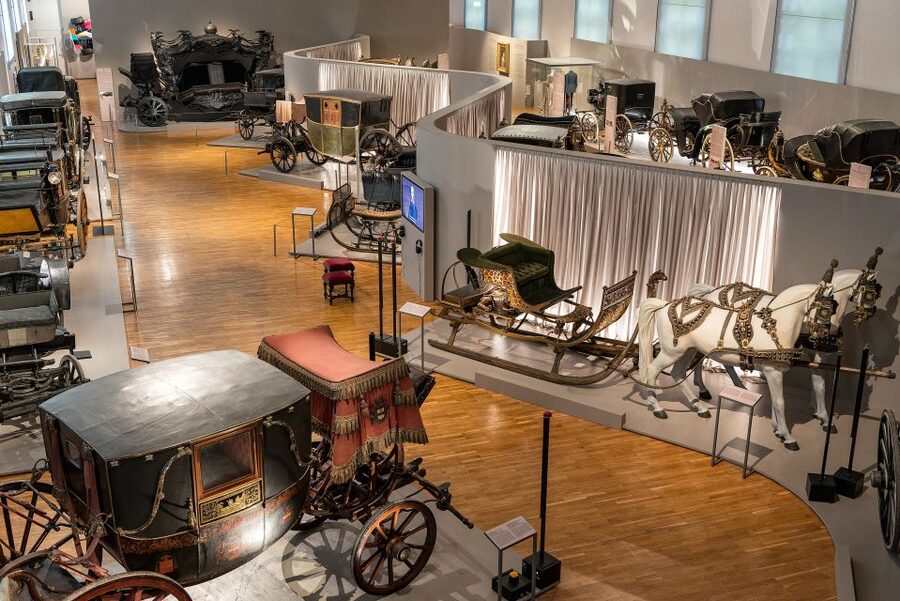
You’re paying for access to one of Vienna’s most “material” history stops: the vehicles themselves. When you look at a palace coach, you’re not only seeing decoration. You’re seeing how a court moved—how it projected status, protected its people, and turned travel into ceremony.
The museum is inside Schönbrunn Palace, and that matters. You’re not driving out to a random museum warehouse. You’re stepping into the kind of setting that makes it easy to connect carriages to court life. Your meeting point is the Imperial Carriage Museum in Schönbrunn Palace, so you can plan it as part of a palace morning or a palace afternoon.
Your ticket is valid for 1 day, but you’ll want to check starting times for the slot you choose. Also, this experience includes the entrance fees, and an audio guide only if you booked that option. No guided tour is included, so if you want narration beyond the audio guide, you’ll need to bring your own guide or tour-leader style plan.
And about that voucher: entry requires a printed voucher. I strongly recommend you don’t assume you’ll magically find a place nearby right before your visit. Even if you’re traveling light, build in a buffer so you’re not rushing.
Maria Theresia, Napoleon, and Franz Joseph: seeing power in coach form
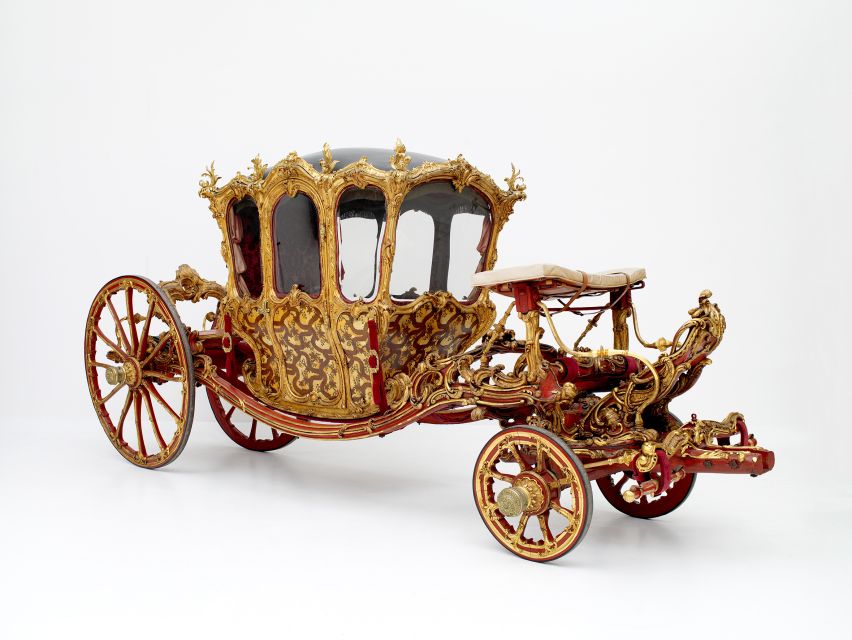
The collection is built around famous names, and that gives you an easy way to track the story as you walk. You’ll encounter carriages connected to Maria Theresia, Napoleon, and Franz Joseph. That’s useful because it quickly places the vehicles in the political timeline of the Habsburgs and their European context.
What I like about this approach is that it’s not history as a lecture. It’s history you can look at. You can stand in front of a carriage and ask practical questions: Who was it for? How would it have looked arriving at court? What would passengers have felt riding inside?
These imperial carriages also help you understand a big idea about monarchy: symbolism. A coach wasn’t just transportation. It was a moving stage. Even before you read labels, the design language can clue you in—how ornate it is, how formal the shape feels, how the build signals wealth and authority.
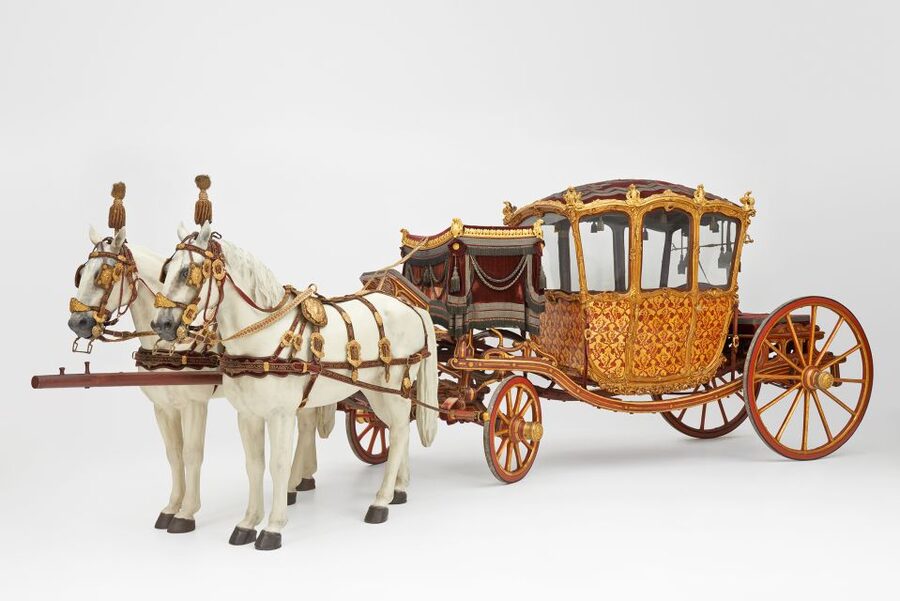
You’ll also see different “types” of travel, not just one uniform imperial style. The museum includes state carriages and more comfortable traveling coaches, which helps you notice the difference between ceremonial trips and day-to-day movement within a court world.
The Baroque imperial coach: why it’s the main event
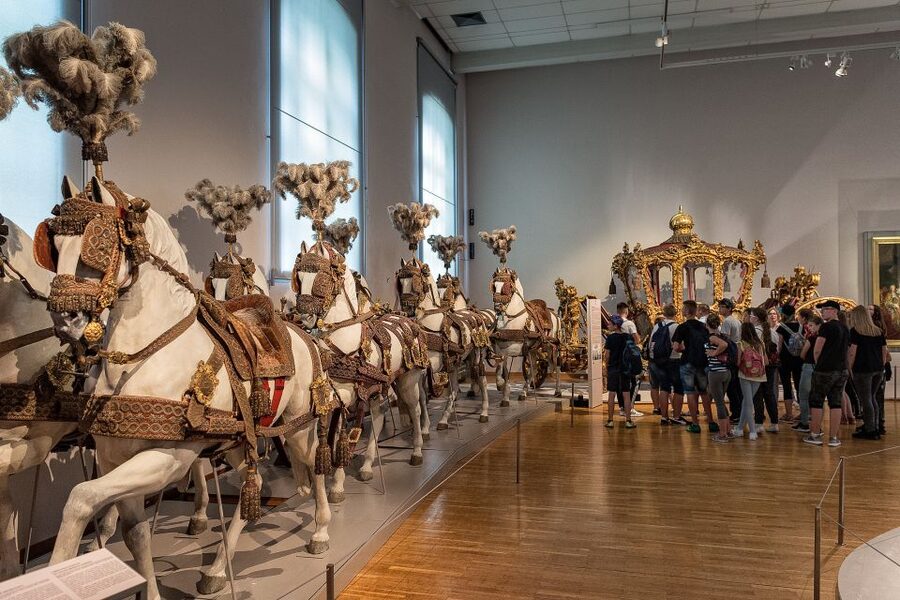
The Baroque imperial coach is billed as the highlight, and it earns that status. This is the piece that sets the tone for everything else. When you view it, you get a sense of scale—both physical and symbolic.
Baroque design tends to be dramatic by nature: it’s meant to impress. Here, that drama shows up in the coach’s look and craftsmanship. Even without getting technical, you can feel the intention: this was built to make an arrival feel momentous.
Think of it as the museum’s anchor. Once you’ve seen the Baroque imperial coach, the other carriages stop feeling like random exhibits. They start to look like variations on court travel—different ranks, different uses, different eras, different levels of ceremony.
I’d also suggest you give yourself time in front of this coach. Don’t treat it like a quick photo stop. If you linger, you’ll catch the details that explain why people cared so much about how rulers traveled. It’s a small lesson in how design becomes politics.
The quieter charm of Habsburg princes and princesses’ carriages
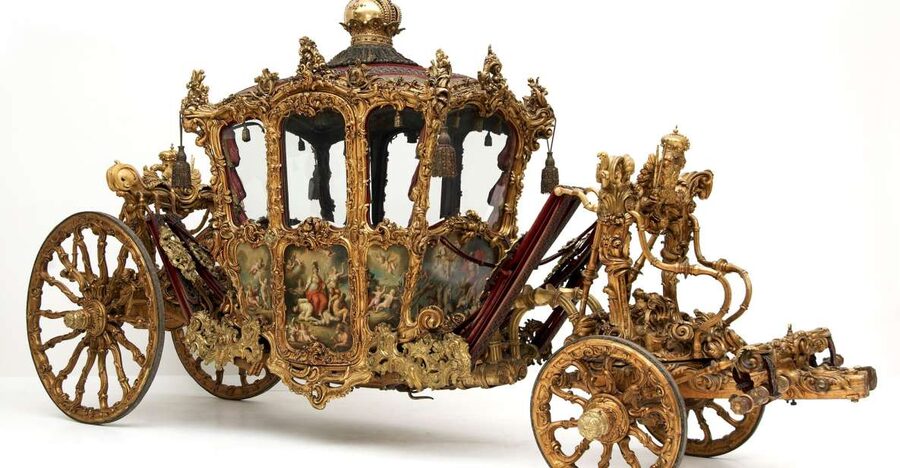
One of the most charming surprises in this museum is that it doesn’t only show adult power. You’ll also find children’s carriages connected to Habsburg princes and princesses.
This section changes the mood. Instead of imagining only ceremonial grandeur, you start picturing family life, upbringing, and the way even young royals were wrapped into court ceremony. It’s a reminder that royalty didn’t just perform. They lived inside strict systems, and even childhood had its own formal patterns.
I like that this part gives you emotional variety. Many history collections can feel one-note—always solemn, always grand. The children’s carriages add a different angle, which makes the overall museum visit feel more complete rather than stuck in one register.
If you’re visiting with friends or family who usually find “royal stuff” too stiff, this is the section that can win them over. You get a break from the biggest names and a chance to see the court’s daily human side, at least through the vehicles.
Clip-clop through the centre by fiaker




Follow the Sisi Trail: her carriages plus personal objects
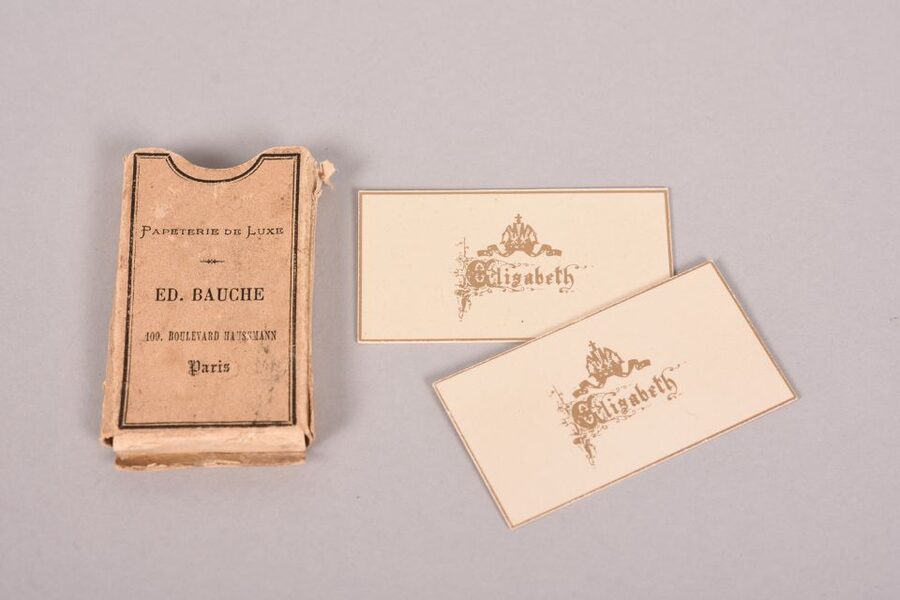
If you want your visit to feel like a guided narrative (even without a live guide), the Sisi Trail is your best friend. The trail focuses on Empress Elisabeth and shows not only her carriages, but also personal mementos.
From the information you’ll encounter, you can expect items such as her only extant saddle, her riding chapel, and sumptuous original dresses. That’s a powerful set of objects because it shifts the story from public image to personal identity. You move from “what did she ride” to “what did she use” and “what mattered to her.”
Here’s why I think this matters for you as a visitor: it gives you a tangible way to connect with Elisabeth as a person, not just a famous figure. The saddle and riding chapel point to her habits and interests, while the dresses help you picture how she looked and how she likely controlled her presentation.
The trail format also helps you pace yourself. Instead of wandering and hoping it clicks, you follow a path with a clear theme. That makes the museum easier to enjoy in a limited time window, which matters because your ticket is for a single day.
Audio guide help: when it’s worth booking
An audio guide is included only if you select that option. If you do book it, it can be a big help because it gives context while you stand in front of each coach. You don’t need to be an expert to get value from an audio guide; it’s mainly for keeping the story straight when you’re looking at multiple objects back-to-back.
One review mentions an Italian audio guide being succinct and functional, which tells me the audio content isn’t meant to be a marathon. That’s good news if you’re the type who wants explanations without getting trapped in long narration.
I’d use the audio guide strategically:
- Start audio early so you get the “why” behind the collection.
- Turn it off or lower volume when you’re in front of the most impressive pieces, then just look.
- Re-start it when you reach the Sisi Trail objects so you fully catch the personal connection.
Even if you don’t book the audio, you can still enjoy the museum through the carriages and the themed sections. The audio just helps make the walk feel more guided.
Price and value: what $14 gets you in Vienna terms
At about $14 per person, this ticket is relatively straightforward: you’re paying for entrance to the Imperial Carriage Museum at Schönbrunn Palace, plus access to the collection’s main themed highlights like the Baroque imperial coach and the Sisi Trail.
Is it “worth it”? For me, it becomes worth it when you like museum experiences where the objects are the story. If you’re the type who enjoys standing close to craftsmanship and reading your way through context, you’ll likely feel satisfied.
You should factor in one cost-adjacent reality: a printed voucher is required. If you don’t have a printer handy, you might spend time finding one, and that can feel like a hidden “cost” in a tight Vienna day. I’d rather you treat that as a planning step than a last-minute surprise.
Also, guided tours are not included. That’s fine if you’re comfortable doing self-guided museum time with labels and, optionally, an audio guide. If you specifically want a live guide explaining each carriage and connecting it to wider history, you’ll either need your own plan or consider adding an outside guide.
Bottom line: $14 is solid value if you’re excited about imperial vehicles and the Sisi Trail theme. If you only want a quick glance at famous things, a shorter stop might work better for you than committing a full-day slot.
Planning your 1-day visit: pace, focus, and what not to rush
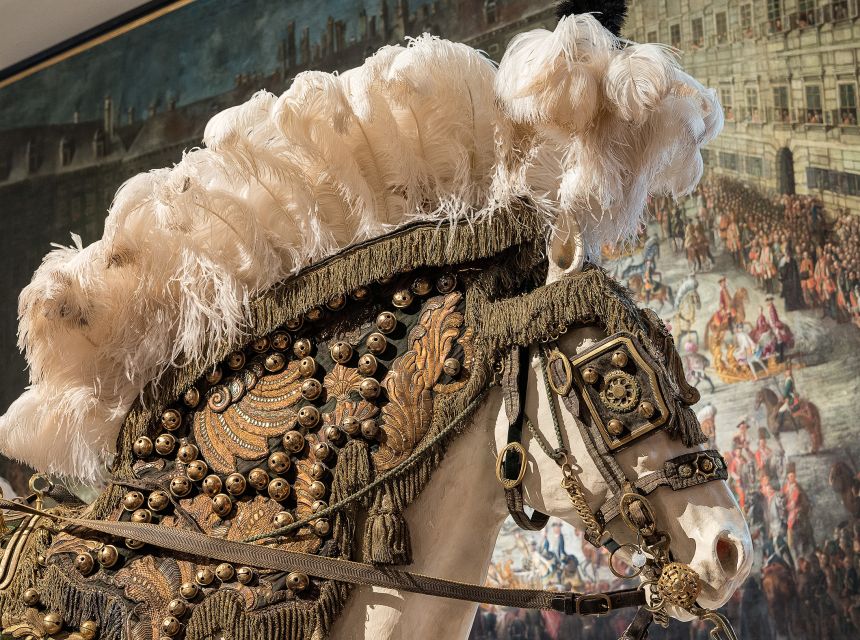
Your ticket is valid for 1 day, so treat this like a focused museum appointment rather than a quick stop between bigger attractions. The good news is that the experience is naturally structured around highlights: you have the major imperial carriages, then the Sisi Trail, with the Baroque imperial coach as your anchor.
I recommend you build a simple mental game:
- First, orient yourself: identify where the Baroque imperial coach is in relation to the rest of the rooms.
- Then, pick one major “ruler focus” (Maria Theresia, Napoleon, or Franz Joseph) to look at more slowly.
- Save the Sisi Trail for later or right in the middle, so the personal objects feel like a payoff, not just another checklist.
Time management matters because the museum is at Schönbrunn Palace, where you may also want to see palace rooms or gardens. If you’re doing both, keep your day realistic: don’t schedule the carriage museum as an afterthought.
And don’t forget: entry requires a printed voucher. Build time before your entry window so you’re not stressed at the counter.
Who should book this carriage museum ticket?
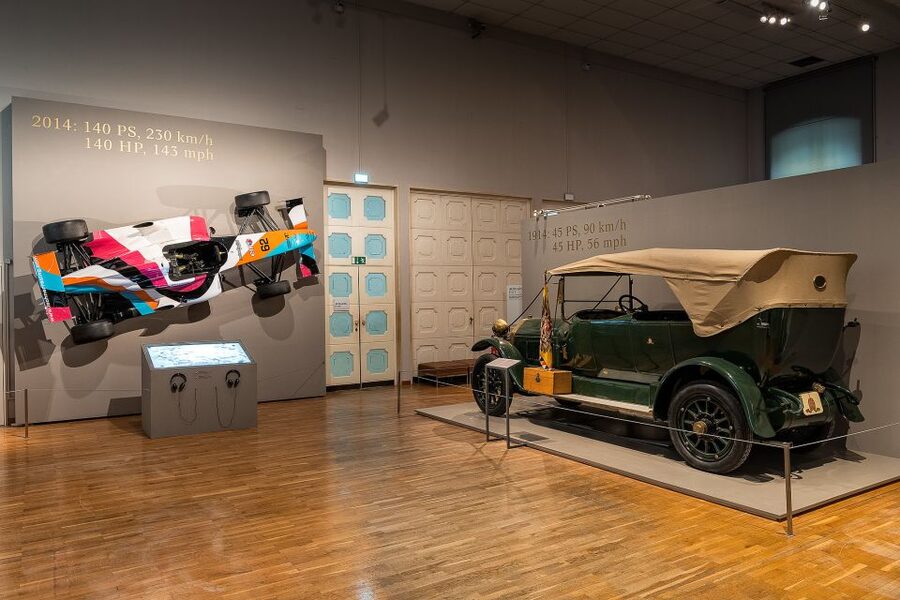
This experience fits best if you enjoy:
- Cars, carriages, and craft-focused museums (the object is the point)
- Vienna’s royal stories, especially Empress Elisabeth
- A museum you can do at your own pace, with optional audio guide support
- Family-friendly curiosity, since children’s carriages add variety
It might not be your best match if you want only broad history summaries with minimal object time, or if you need a live guide for the level of explanation you prefer. In that case, the lack of a guided tour included may feel limiting unless you plan an add-on.
If you’re traveling solo, this is an easy win because the highlights are clear and the Sisi Trail gives you a built-in narrative. If you’re traveling with others, split up your focus a bit: one person can go deeper on the Sisi Trail objects while the other prioritizes the Baroque imperial coach and the major rulers.
Should you book this Vienna Imperial Carriage Museum experience?
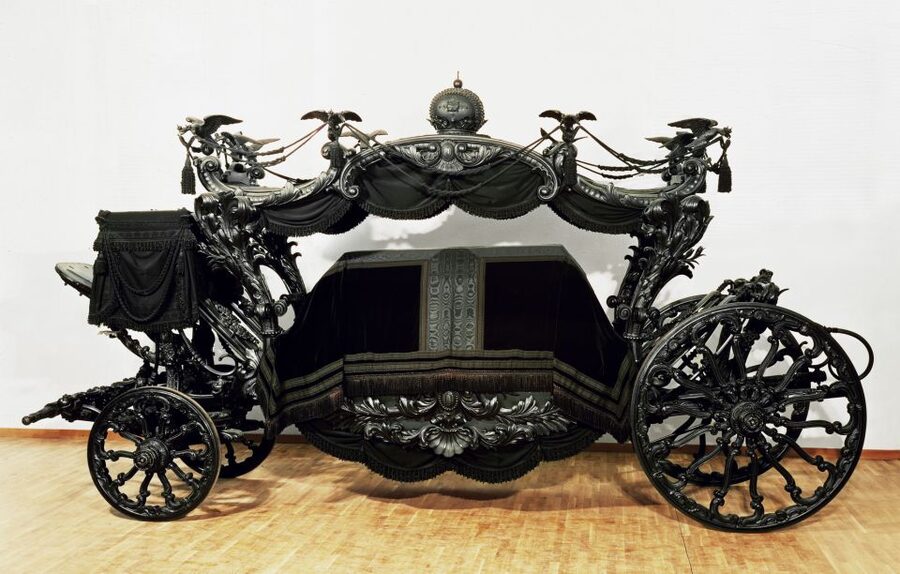
I’d book it if you want a Vienna day that feels specific, visual, and more “hands-on history” than lecture history. The combination of the Baroque imperial coach and the Sisi Trail makes it more than a generic carriage display—it’s a themed visit that connects famous rulers to personal artifacts.
I’d think twice only if your biggest travel priority is a guided experience with someone talking nonstop, because this ticket gives entrance and (optional) audio, not a live tour. And I’d also book it only if you can handle the printed voucher requirement without last-minute stress.
If you like your history with craftsmanship, symbolism, and a strong Elisabeth storyline, this is a very good use of a day at Schönbrunn Palace.
FAQ
Where is the meeting point for the Imperial Carriage Museum ticket?
The meeting point is the Imperial Carriage Museum in Schönbrunn Palace.
How long does this experience last?
The duration is 1 day.
Is the audio guide included in the ticket price?
An audio guide is included only when that option is booked. If it isn’t selected, entrance is still included.
Is a guided tour included with this ticket?
No. A guided tour is not included, and you can bring your own guide.
Does the ticket include entrance fees?
Yes. The entrance fees for the Imperial Carriage Museum are included.
What is the cancellation policy?
Free cancellation is available up to 24 hours in advance for a full refund.
Are tour guides allowed free entrance?
Rules apply based on group size: only 1 tour guide per group (with the voucher booking) gets a free entrance ticket if the guide accompanies the group. A group must have at least 10 persons. For under 10 persons, the free-ticket rule does not apply, and an additional guide or accompanying person counts as a paying member. A state certified guide has free entrance.
More Tour Reviews in Vienna
- Vienna: Vivaldi’s Four Seasons Concert in Karlskirche
★ 4.7 · 14,951 reviews - Vienna: Schönbrunn Palace & Gardens Skip-the-Line Tour
★ 4.7 · 7,739 reviews - Vienna: Light of Creation Votive Church Immersive Light Show
★ 4.8 · 6,779 reviews - Vienna Spanish Riding School Guided Tour
★ 4.7 · 6,765 reviews - Vienna: Classical Concert in the World-Famous Musikverein
★ 4.6 · 6,673 reviews
By Fiaker Through the Centre
- Vienna: 30-Minute Fiaker Ride in the Old Town
★ 4.5 · 1,092 reviews - Vienna: Secrets of the Fiaker & Horse-Drawn Carriage Ride
★ 4.8 · 743 reviews - Vienna: Culinary Horse-Drawn Carriage Experience
★ 4.7 · 291 reviews - Vienna: Carriage Ride Through Schönbrunn Palace Gardens
★ 4.6 · 96 reviews - Skip the Line:Imperial Carriage Museum by Schönbrunn Kaiserliche Wagenburg Wien
★ 4.5 · 64 reviews
Schönbrunn, a Few More Ways In
- Vienna: Schönbrunn Palace & Gardens Skip-the-Line Tour
★ 4.7 · 7,739 reviews - Vienna: Skip-the-Line Schönbrunn Palace & Gardens Tour
★ 4.8 · 5,411 reviews - Vienna: Mozart and Strauss Concert at Schönbrunn
★ 4.5 · 2,967 reviews - Vienna: Skip the Line Schönbrunn Palace and Gardens Guided Tour
★ 4.5 · 1,540 reviews - Vienna: Schönbrunn Palace & Garden Skip-the-Line Guided Tour
★ 4.1 · 1,240 reviews
Just In: New Vienna Reviews



Schönbrunn Palace Tours, compared.
 ★ 4.7Schönbrunn Palace & Gardens Skip-the-Line TourFrom $637,739 reviews
 ★ 4.8Skip-the-Line Schönbrunn Palace & Gardens TourFrom $765,411 reviews
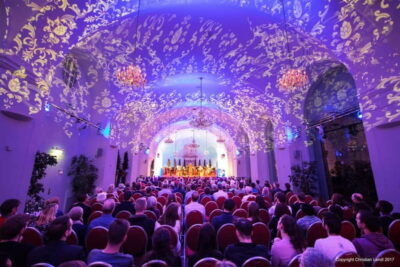 ★ 4.5Mozart and Strauss Concert at SchönbrunnFrom $422,967 reviews
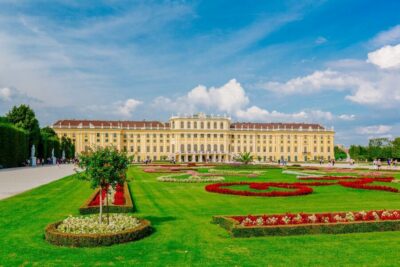 ★ 4.3Bus & Schönbrunn Palace Skip-the-Line Guided TourFrom $812,802 reviews
 ★ 4.5Skip the Line Schönbrunn Palace and Gardens Guided TourFrom $651,540 reviews
 ★ 4.1Schönbrunn Palace & Garden Skip-the-Line Guided TourFrom $571,240 reviews
 ★ 4.3Panorama Train Tickets to explore Schönbrunn PalaceFrom $181,164 reviews
 ★ 4.8Skip-the-Line Schönbrunn Palace and Gardens TourFrom $601,089 reviews
Browse the lists this tour appears in