
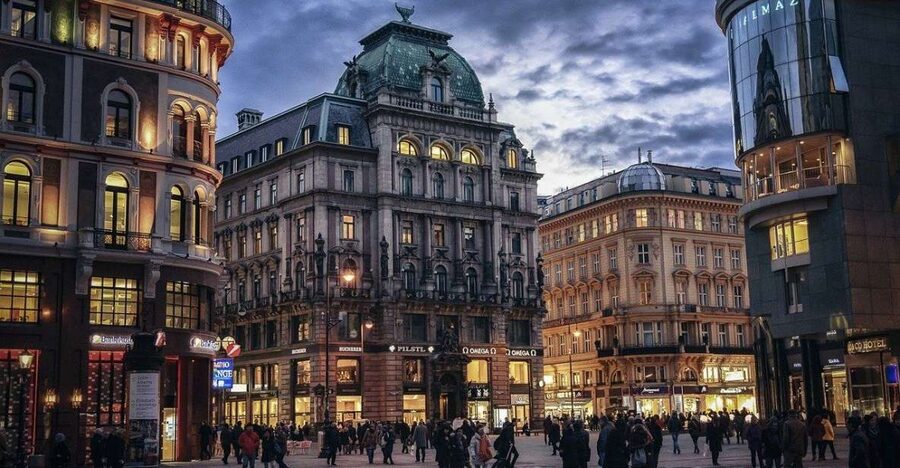
Reviewed · VIENNA OPERA & CLASSICAL CONCERTS
Vienna Private Walking Tour including State Opera
Vienna teaches history with every step. This private walking tour strings together Habsburg court life and the musical Vienna scene, starting right at Stephansplatz and ending at the Vienna State Opera. I especially like how the route turns big eras—Roman Vindobona, the Holy Roman and Austro-Hungarian Empires, and the Second Republic—into sights you can actually point at. I also like the way the tour ties composers and opera culture into the architecture, so the city feels like one long story instead of disconnected postcards.
One thing to plan for: opera access can be less consistent than you’d expect. The tour is built around a visit to the State Opera, but depending on what the opera house allows on the day, what you’re able to see (and whether any extra entry is needed) may vary.
In This Review
- Key highlights to look forward to
- Vienna in 3 hours: Roman Vindobona to the Second Republic
- Stephansplatz and Stephansdom: your orientation point
- Graben Street and the old-city layers you can still spot
- Michaelerkirche and Michaelertor: imperial Vienna’s “official” church mood
- Hofburg, the Art History Museum area, and a Mozart-shaped anchor
- The State Opera visit: history, legends, and what to verify
- Habsburg rule, empires, and wars: why the route works
- Music history on the street: composers you’ll connect to places
- Price and logistics: how to judge value for your group
- Who this tour suits best (and who should reconsider)
- The short checklist before you go
- Should you book this Vienna private walking tour with the State Opera?
- FAQ
- Where does the tour start?
- How long is the Vienna private walking tour?
- Is it a private group or a shared group?
- What’s included in the price?
- Are entrance fees included?
- What languages is the tour offered in?
- Is the tour suitable for people with mobility impairments?
- Can I cancel and get a full refund?
Key highlights to look forward to
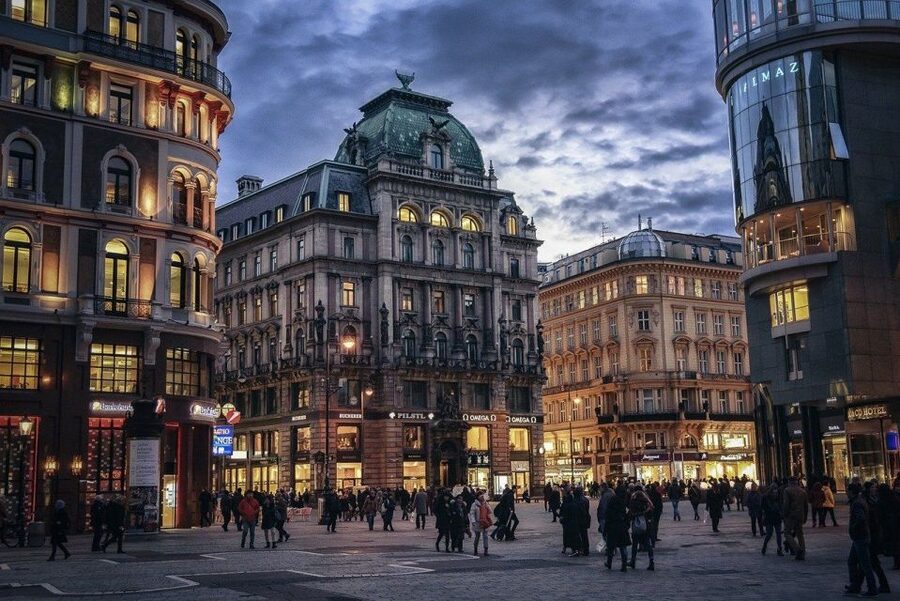
- State Opera context, not just photos: You get historical framing tied to the house’s big-name legacy.
- Stephansplatz to Stephansdom orientation: You’ll walk in with bearings and leave knowing the city’s core.
- Graben + old gates + imperial churches: Small stops that explain how Vienna grew and ruled itself.
- Habsburg power timeline you can see: The tour links rulers, empires, and post-war change to real locations.
- Music history spoken on the streets: Names like Mozart, Haydn, Beethoven, Schubert, Strauss, Brahms, and Mahler are part of the route, not an afterthought.
Another night under the chandeliers
- Vienna: Classical Concert in the World-Famous Musikverein★ 4.6 · 6,673 reviews
- Vienna: Mozart Concert at the Musikverein – Golden Hall★ 4.6 · 5,194 reviews
- Vienna: Classical Concert in St. Anne’s Church (Annakirche)★ 4.6 · 3,414 reviews
- Vienna: Mozart and Strauss Concert at Schönbrunn★ 4.5 · 2,967 reviews
Vienna in 3 hours: Roman Vindobona to the Second Republic
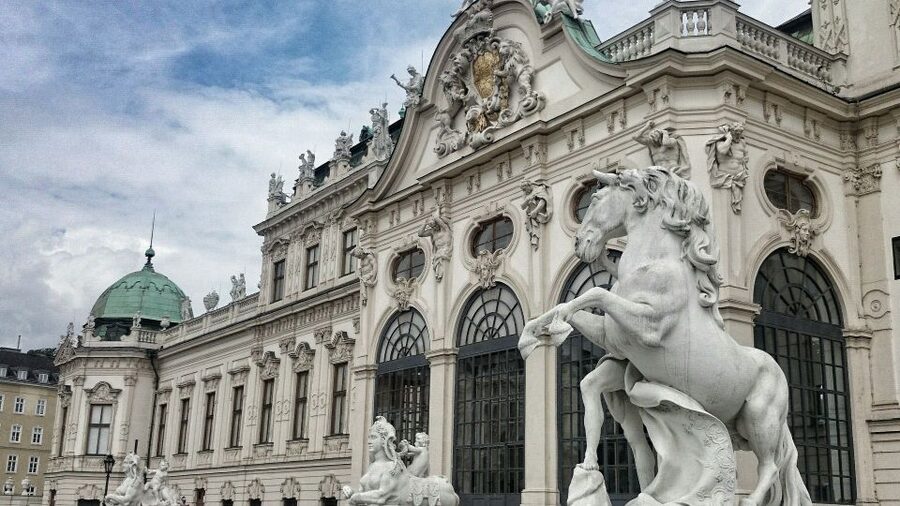
This is a smart-length tour for Vienna first-timers or anyone who feels overwhelmed by the city’s scale. Three hours is long enough for a true story arc, but short enough that you’re not spending your whole day glued to a map and a museum ticket counter.
The route is centered on the old-city core, where you can bounce between eras without switching neighborhoods. You start at Stephansplatz and work through key imperial and historic landmarks. The framing stays political and cultural at the same time: Vienna’s buildings are treated like evidence—evidence of how power shifted from Roman times to Habsburg dominance, then through the World Wars into the start of the modern Austrian Republic.
If you love history but hate slow tours, this structure is a good match. You’ll get names, dates, and turning points, yet you’re also walking past recognizable real-world anchors.
Stephansplatz and Stephansdom: your orientation point
You meet at Stephansplatz 8A, and that matters. Stephansplatz is where Vienna’s old center gives you a clear “start here” feeling. From the start, you’re set up to understand how the city’s grand buildings cluster around the core.
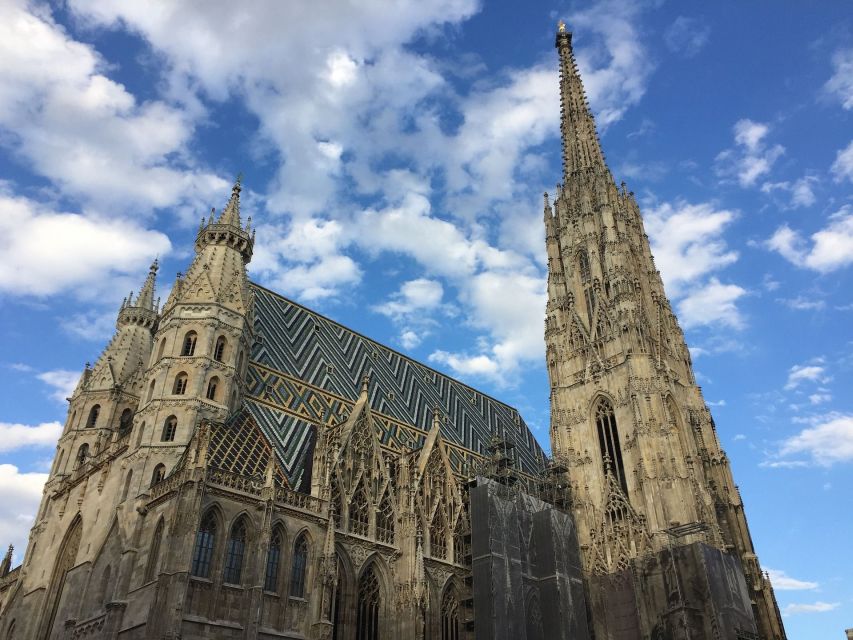
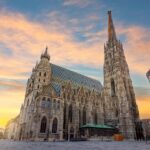
A key stop is Stephansdom (Vienna Cathedral), described as one of the tallest churches in the world and a Roman-Gothic masterpiece. Even if you don’t go inside, the exterior presence gives you the right mental scale for what comes next. This is the kind of landmark that helps you stop thinking in terms of streets and start thinking in terms of eras.
Right along the route, you also reach Peterskirche (St. Peter’s Church), a site described as being in place since the 4th century. That’s the tour’s magic trick: it lets you feel like Vienna’s current look sits on top of something older, not on top of nothing.
Practical note: wear comfortable shoes. This is not a “stand and point” tour. You’ll be moving between stops, and your legs will do the sightseeing work for you.
Graben Street and the old-city layers you can still spot
As you head toward Graben Street (Der Graben), the tour frames it as a location dating back to the Roman Empire. That’s not just trivia—it helps you read the street like a timeline. Instead of seeing a pretty pedestrian lane, you see a route that kept getting reused because people kept wanting to be there.
You also hear the story connecting Richard Lionheart with entering the city via this area. Whether you know the historical context already or you’re learning it fresh, the point is the same: Vienna didn’t become important all at once. It gained importance by staying useful.
Around this part of the walk, you’ll also encounter the kind of city layering you want in Vienna: older walls and remnants tied to past structures, not just one era frozen in time. It makes the city feel lived-in, even when you’re staring at stone that’s been around for centuries.
Michaelerkirche and Michaelertor: imperial Vienna’s “official” church mood
The Michaelertor gate and the nearby Church of St. Michael (Michaelerkirche) are included for a reason. This is the area tied to the imperial world for years, described as the official church of the Emperors.
That detail changes how you look at the church. You’re not just seeing another beautiful building. You’re seeing a place where imperial authority and religion were intertwined, and the architecture works like a visual announcement of status.
This section is also useful for understanding how Habsburg power shows up in the city. Vienna isn’t only museums and palaces—you can spot how rulers wanted the city to feel. Stops like these help you connect the story of who ruled with where power was reinforced.
Vienna on foot, a couple more routes

Hofburg, the Art History Museum area, and a Mozart-shaped anchor
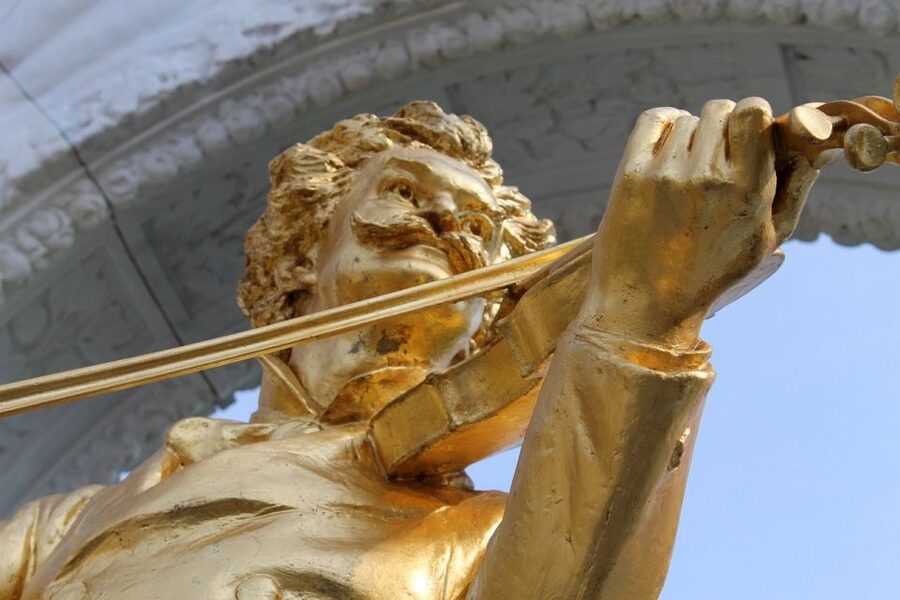
The tour moves through the Hofburg area and nearby landmark clusters that reflect centuries of imperial life. You’ll see facades linked to major cultural institutions, including mention of the Art History Museum and the Hofburg.
It also includes the Mozart Monument. That’s a clever touch for two reasons. First, it roots you in Vienna’s classical-music identity. Second, it gives you a human anchor in a city that otherwise can feel like it’s all power and stone.
When the tour talks about fine arts and classical music alongside the political timeline, it’s not random. In Vienna, the arts weren’t decoration. They were part of how the city branded itself and how elites shaped culture. This walk helps you understand that connection without requiring you to sit through a lecture.
The State Opera visit: history, legends, and what to verify
The headline attraction is the State Opera House visit. The tour starts here, and it aims to connect the opera scene to Vienna’s broader history.
You’ll learn the building’s name history: first called the Vienna Court Opera in the 1860s, with the name altered by the Habsburgs in 1920 as Austria’s early republic was forming. That’s a great example of how Vienna’s institutions changed with politics, not just with artistic taste.
The tour also connects the opera house to major creative figures. Names highlighted include directors Gustav Mahler, Herbert von Karajan, and Claudio Abbado. On the repertoire side, it calls out works such as La Traviata, La Clemenza di Tito, and Verdi’s Don Carlo.
Here’s the practical part you shouldn’t ignore: the tour includes a visit to the State Opera, but entrance fees are not included. And in some cases, the opera stop may be limited to public-access areas like a lobby rather than the full inside experience you might picture.
So if opera interiors are a must for you, you should ask (before you go) what exactly the visit includes on your specific day and whether any extra tickets or fees apply beyond the walking tour price. Also keep an eye on timing: if the opera house changes access hours, your schedule can shift. That can affect whether you get the full opera experience.
Still, even when the access is limited, the State Opera area is a high-value stop. It’s one of Vienna’s most recognizable cultural stages, and the historical framing makes the building feel more relevant than just impressive.
Habsburg rule, empires, and wars: why the route works
A big strength here is that the tour doesn’t treat Vienna like a museum of pretty facts. It treats it like a timeline of power, especially through Habsburg rule.
You’ll get guided context from early Roman Vindobona to Holy Roman Empire links, then through the Austro-Hungarian Empire. That’s a lot for three hours, but the tour keeps it grounded by tying each era to a location or a building type you’re seeing while you walk.
World Wars show up too, along with the birth of the Second Republic. This part matters because it helps explain why certain places look the way they do and why Vienna’s identity shifted into the modern era.
A quick caution: this kind of history includes heavy topics. One documented case involved a guide named Franziska Pfisker making comments during the Jewish quarter portion that some participants found upsetting and inaccurate in wording about systematic killing during the Holocaust and labor camps. The tour’s design includes WWII-era discussion, so you may want to be mindful if you’re sensitive to how such topics are handled. In general, ask yourself what kind of tone you want from a guide and choose accordingly.
Music history on the street: composers you’ll connect to places
Vienna’s composer list can feel endless, but this tour picks recognizable names and threads them into the city’s culture. The tour highlights Wolfgang Amadeus Mozart, Josef Haydn, Ludwig van Beethoven, Franz Schubert, Johann Strauss (father and son), Johannes Brahms, and Gustav Mahler, among others.
What I like about this approach for you is that it changes the way you’ll remember the names later. Instead of seeing composer names in a brochure, you’ll associate them with a place-based story. In a city like Vienna, that association is half the fun.
It also helps with opera expectations. Even if you don’t attend a performance, you’ll understand the house’s role as part of Vienna’s identity—especially how it ties music culture to imperial institutions and public life.
And if you’re the type who likes to stop and look (not just keep walking), the pacing can work in your favor. Some guides are described as leaving time to contemplate, which is exactly what you want at landmark corners and major facades.
Price and logistics: how to judge value for your group
The price is $323 per group up to 15 people for a 3-hour private walking tour. That pricing can be a good value if you’re traveling with friends, a family, or colleagues who want the flexibility of a private format.
Here’s how to think about it:
- If you have 6–10 people, the per-person cost drops quickly versus typical per-head tours.
- If you’re a solo traveler, private pricing is harder to justify unless you strongly prefer a dedicated guide and a custom pace.
The included items are a local professional guide plus a State Opera visit. Entrance fees aren’t included, so if parts of the opera experience require extra payment, that’s on top of the tour price.
Language is English or German, and the tour is not suitable for people with mobility impairments. If anyone in your group has walking limits, choose footwear carefully and consider whether an easier option would be better.
Also note the cancellation flexibility: free cancellation up to 24 hours in advance can help if your Vienna plans are still in motion.
Who this tour suits best (and who should reconsider)
This works well if you want a guided story through Vienna’s core without bouncing between far-apart neighborhoods. It’s especially good for:
- First-time visitors who want orientation plus context
- Music lovers who want the classical and opera threads tied to streets and buildings
- Small groups that want a private guide and a pace that you control
It’s less ideal if:
- You need wheelchair-friendly routes or a low-walking plan (the tour states it’s not suitable for mobility impairments)
- You’re specifically hunting for a full inside opera-house experience, not just a visit to public areas (because what you access can vary, and entrance fees aren’t included)
The short checklist before you go
This tour can be a great use of a half-day, but do yourself a favor with a couple quick checks:
- Ask what the State Opera visit includes for your departure (lobby vs deeper interior access).
- Confirm whether any entrance fees apply beyond the tour price.
- Wear comfortable shoes. Your best souvenirs will be the views you pause to take in, not the blisters you earn.
- If you’re traveling with kids or anyone who hates heavy WWII details, consider whether the guide’s approach will match your group’s comfort level.
Should you book this Vienna private walking tour with the State Opera?
Book it if you want a focused Vienna introduction that connects Habsburg power and the city’s music identity in real-world locations. The 3-hour length is well matched to the old-city core, and the State Opera stop adds cultural weight beyond simple sightseeing.
Skip or choose carefully if opera interiors are your top priority, since the included visit may not equal full access and extra entrance fees aren’t covered. Also keep in mind that history topics can be handled differently by different guides; if that matters to you, ask questions and pick a departure that fits your comfort.
If you like walking tours with a storyline—and you want Vienna’s big themes explained where you can see them—this one is worth considering.
FAQ
Where does the tour start?
The meeting point is Stephansplatz 8A, 1010 Wien, Austria.
How long is the Vienna private walking tour?
The tour lasts 3 hours.
Is it a private group or a shared group?
It’s a private group. The group size is up to 15 people.
What’s included in the price?
The included items are a local professional guide and a visit to the State Opera.
Are entrance fees included?
No. Entrance fees are not included.
What languages is the tour offered in?
The tour is available in English and German.
Is the tour suitable for people with mobility impairments?
No, it’s not suitable for people with mobility impairments.
Can I cancel and get a full refund?
Yes. You can cancel up to 24 hours in advance for a full refund.
If you tell me your group size and whether you’re hoping for an interior opera experience or just the landmark visit, I can suggest the smartest timing and what to ask before booking.
Yours Alone Across Vienna
- Vienna: Private Walking Tour with a Local
★ 4.6 · 1,446 reviews - Vienna: Private Walking Tour with a Guide
★ 4.7 · 962 reviews - Vienna: Wine Tasting Experience in a Private Wine Cellar
★ 4.8 · 413 reviews - Private Day Tour Trip Salzburg Hallstatt and Melk from Vienna
★ 5.0 · 388 reviews - Private Day Tour of Hallstatt and Salzburg from Vienna
★ 5.0 · 263 reviews
Vienna on Foot, Continued
- Vienna: Guided Walking Tour of City Center Highlights
★ 4.7 · 4,989 reviews - Vienna: Vienna Central Cemetery Guided Walking Tour
★ 4.8 · 3,307 reviews - Vienna: Guided Walking Tour of City Highlights & Hidden Gems
★ 4.9 · 2,180 reviews - Vienna: Viennese Underworld Guided Walking Tour
★ 4.7 · 1,865 reviews - Vienna: World War II Historical Walking Tour
★ 4.8 · 1,772 reviews
Another Night at the Opera
- Vienna: Vivaldi’s Four Seasons Concert in Karlskirche
★ 4.7 · 14,951 reviews - Vienna: Classical Concert in the World-Famous Musikverein
★ 4.6 · 6,673 reviews - Vienna: Mozart Concert at the Musikverein – Golden Hall
★ 4.6 · 5,194 reviews - Vienna: Classical Concert in St. Anne’s Church (Annakirche)
★ 4.6 · 3,414 reviews - Vienna: Mozart and Strauss Concert at Schönbrunn
★ 4.5 · 2,967 reviews
Just In: New Vienna Reviews



Vienna Opera & Classical Concerts, compared.
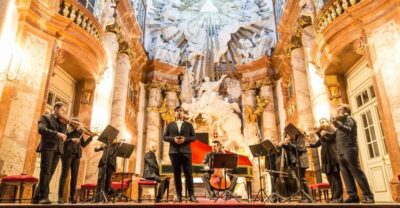 ★ 4.7Vivaldi’s Four Seasons Concert in KarlskircheFrom $4014,951 reviews
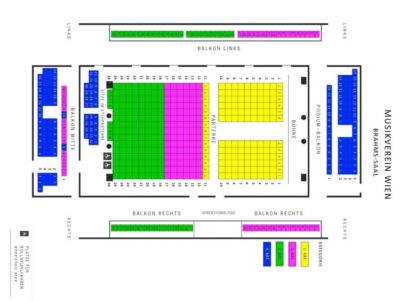 ★ 4.6Classical Concert in the World-Famous MusikvereinFrom $176,673 reviews
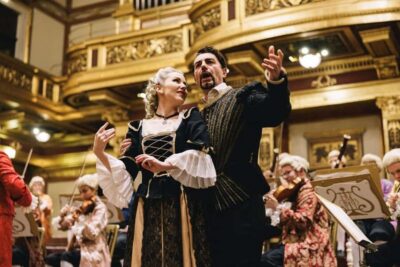 ★ 4.6Mozart Concert at the Musikverein – Golden HallFrom $815,194 reviews
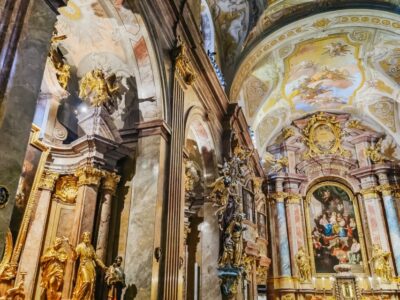 ★ 4.6Classical Concert in St. Anne’s Church (Annakirche)From $383,414 reviews
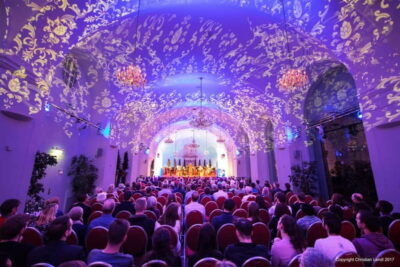 ★ 4.5Mozart and Strauss Concert at SchönbrunnFrom $422,967 reviews
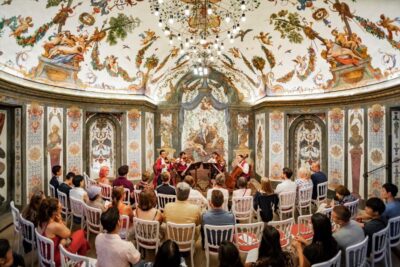 Classical Concert at Mozart’s First House2,423 reviews
 ★ 4.5Vienna Classical Concert at St. Peter’s ChurchFrom $472,039 reviews
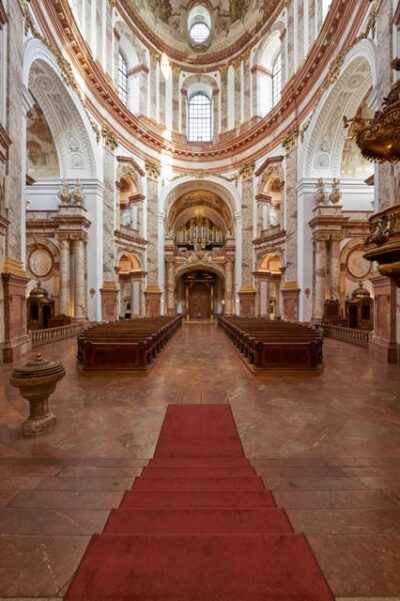 ★ 4.4Karlskirche Entry Ticket with Panoramic Terrace AccessFrom $111,177 reviews
Browse the lists this tour appears in