
Reviewed · HOFBURG & SISI TOURS
Vienna: Strauss and Mozart Concert at Hofburg Palace
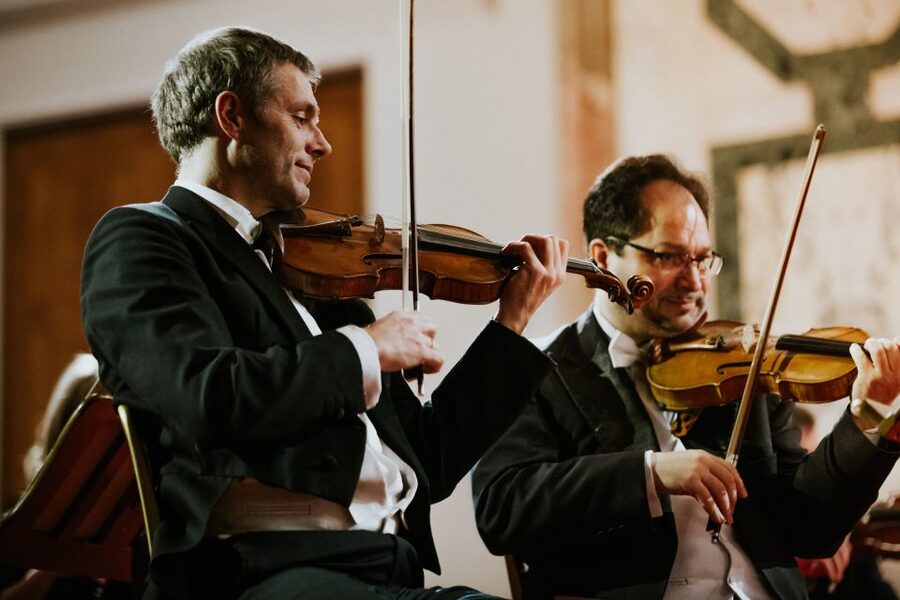
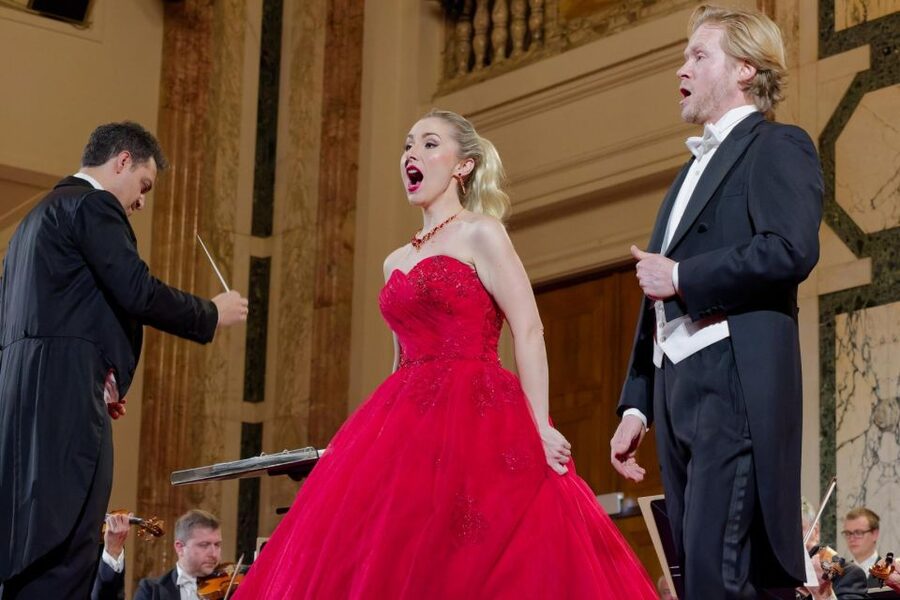
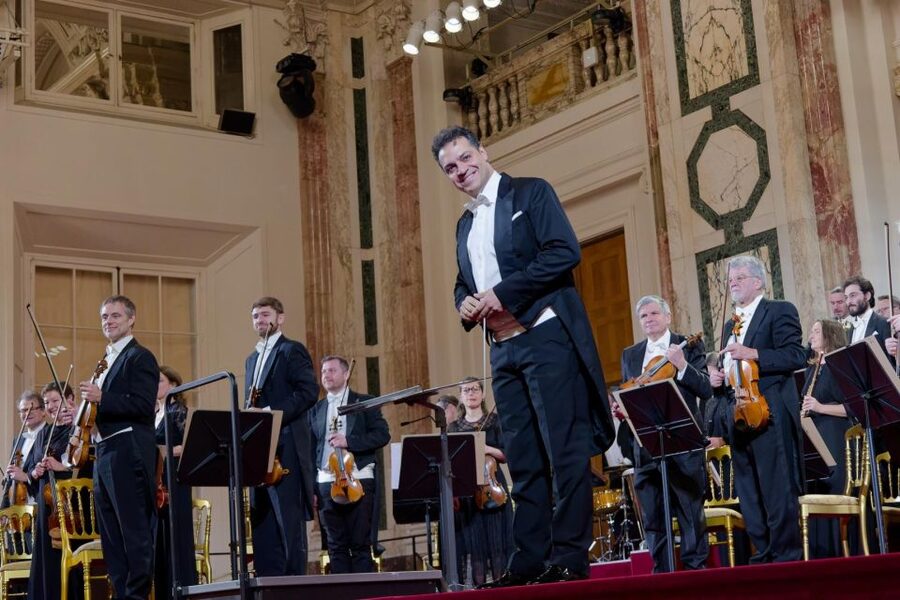
Music in a royal hall is always a treat. This Vienna Hofburg concert pairs Mozart and the Strausses with operetta hits from Kalman and Lehar, all staged inside the impressive imperial setting. I love the mix of full orchestra sound with opera singing and ballet moments, and I also like that you can pick your seat category so the experience fits how you want to watch and listen. One thing to keep in mind: the program can change, so plan to enjoy the style and the composers more than a strict order of songs.
You’ll also get some classic Viennese performance flavor, including musical jokes and light audience-friendly traditions that match the mood of the pieces. You can expect a cast that can reach 40 performers onstage, with instrumentalists plus opera singers and ballet dancers from Vienna’s opera world. The only real drawback I’d flag is practical: there’s no cloakroom included, so go light with your coat and bag.
In This Review
- Key things to know before you go
- Why the Hofburg Palace is the right backdrop for Mozart and Strauss
- Getting There: Heldenplatz main entrance next to the Austrian National Library
- The 90-Minute format: how to pick your seat category
- What You’ll Hear: Mozart and Strauss highlights that actually connect
- Johann Strauss: Die Fledermaus energy up front
- Mozart: opera lines inside the concert flow
- Josef Strauss polkas: movement you can feel
- Kalman and Lehar: operetta that sounds like a night out
- The signature waltzes: Rosen aus dem Süden and An der schönen blauen Donau
- Musical jokes and Viennese traditions: why the mood matters
- Opera singers and ballet dancers: seeing the pieces as theater
- Price and value: what $106 buys you in this setting
- Who should book this concert (and who might want a different evening)
- Quick decision: should you book the Hofburg Strauss and Mozart concert?
- FAQ
- How long is the Hofburg Strauss and Mozart concert?
- Where do I enter for the concert?
- How much does the concert cost?
- What kind of performers are included?
- What languages is the experience offered in?
- Is the venue wheelchair accessible?
- Is a cloakroom included?
- Are alcohol or drugs allowed?
Key things to know before you go
- Hofburg Palace venue: a dramatic setting that makes orchestral sound feel extra vivid
- Major composer lineup: Mozart, Johann and Josef Strauss, plus Kalman and Lehar
- Big onstage mix: up to 40 musicians, plus opera singers and ballet dancers
- Comedic Viennese touches: musical jokes and performance tradition, not just formal recital
- Seat choice matters: the category and seating plan are worth checking in advance
Deeper into the Habsburgs' winter palace
- Vienna: Skip-the-Line Sisi Museum, Hofburg and Gardens Tour★ 4.8 · 5,918 reviews
- Vienna: Hofburg and Empress Sisi Museum Guided Tour★ 4.7 · 1,460 reviews
- Vienna: Skip-the-Line Hofburg and Empress Sisi Museum Tour★ 4.8 · 801 reviews
- Vienna: “Sisi’s Amazing Journey” Virtual Reality Experience★ 4.5 · 673 reviews
Why the Hofburg Palace is the right backdrop for Mozart and Strauss
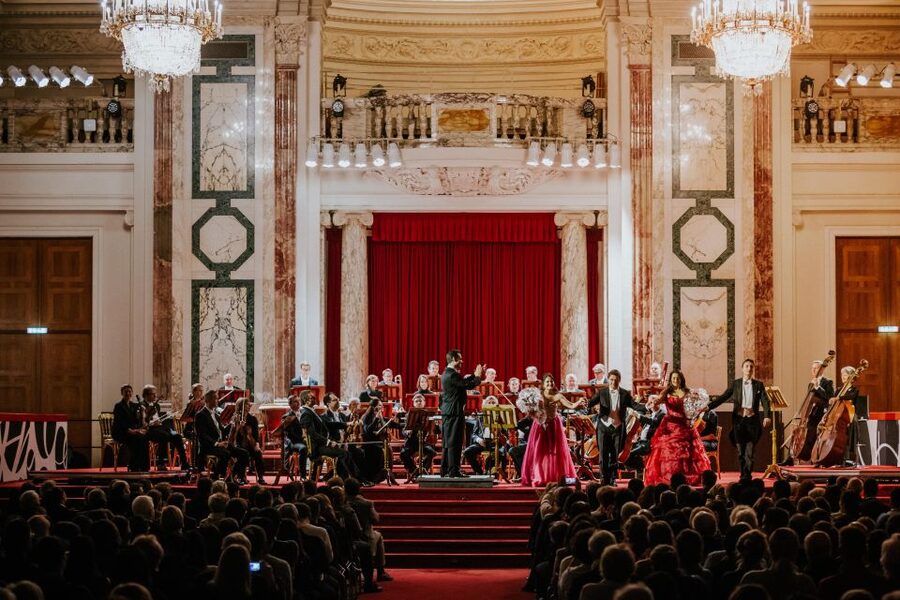
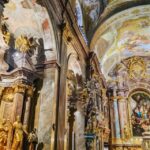
If you only know Mozart and the Strausses from recordings, this concert helps you feel the music as performance, not product. The Hofburg Palace setting gives everything a formal glow: you’re in the kind of hall where the sound seems made for strings, winds, and those unmistakable waltz rhythms. It’s the perfect match for pieces that were born to entertain and to move people.
The program also leans into what makes Vienna famous in the first place. You get overtures and duets, polkas that bounce, and waltzes that linger. Then you get operetta melodies that sit right in the “songs you know” zone, even if you don’t know the names. That balance keeps the night from feeling like one long concert track.
The other part I appreciate is the tone. This isn’t just about precision. You’ll hear pieces with theatrical character—music that expects you to smile, clap, and follow along with the story-like pacing.
Getting There: Heldenplatz main entrance next to the Austrian National Library
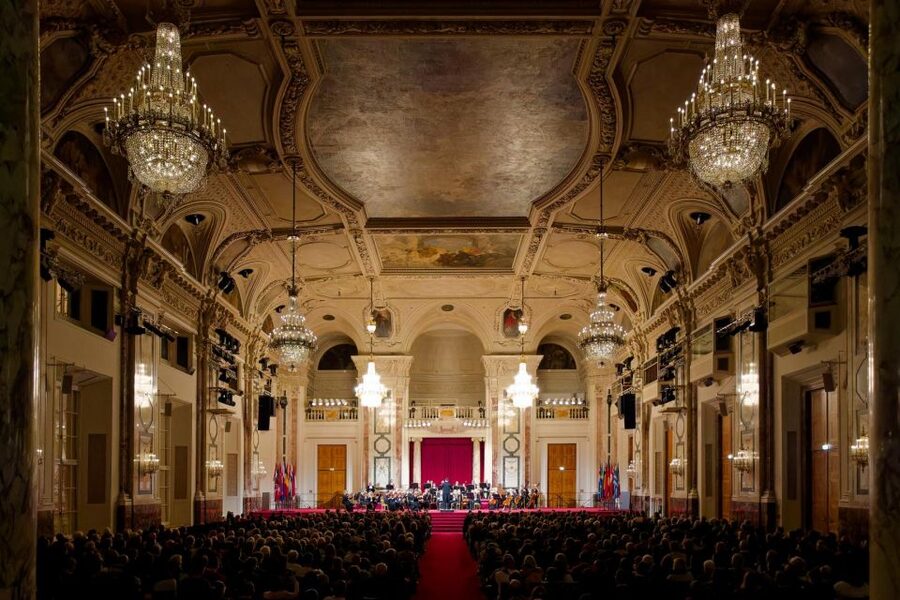
Logistics are simple if you show up with a clear landmark. Your meeting point is the main entrance of the Vienna Hofburg on Heldenplatz, right next to the Austrian National Library.
I suggest you arrive a bit early so you can handle entry without stress. Vienna venues can be smooth, but the worst plan is to rush while you’re trying to find the right door and settle into your seat category. Once you’re inside, you’ll have time to orient yourself before the music starts.
Also, plan what you do with your coat. A cloakroom isn’t included, so bring a small bag you can keep with you.
The 90-Minute format: how to pick your seat category
This is a 90-minute concert, so it’s designed to keep momentum. There’s no long half-day plan here. You’re paying for a focused evening: music highlights, performance pieces, and vocal moments, all in one tight window.
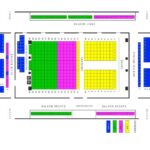
Your seat choice matters more than you might think. You’re not just watching musicians—you’re also watching opera singers and ballet dancers when those moments land. The product pictures are your clue for which seating category you’re selecting, so don’t treat the seat option like a formality. If you care about seeing the performers, pick the category that best supports sightlines in that hall.
If you’re more of a listener than a viewer, choose for comfort and sound access. Either way, arrive with the mindset that your seat category changes the angle of the whole experience.
What You’ll Hear: Mozart and Strauss highlights that actually connect
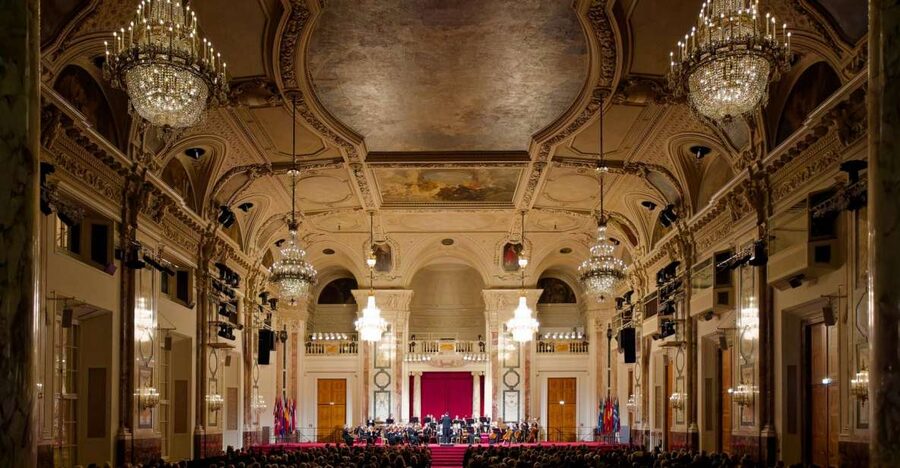
The program includes a run of recognizable titles from Vienna’s greatest composers, with operetta flavor threaded through the evening. It moves through well-known overtures, arias, polkas, duets, and waltzes—so even if you’re not a hardcore classical fan, you’ll likely catch melodies you feel you’ve heard before.
Here are the musical stops you can look forward to, and what to listen for:
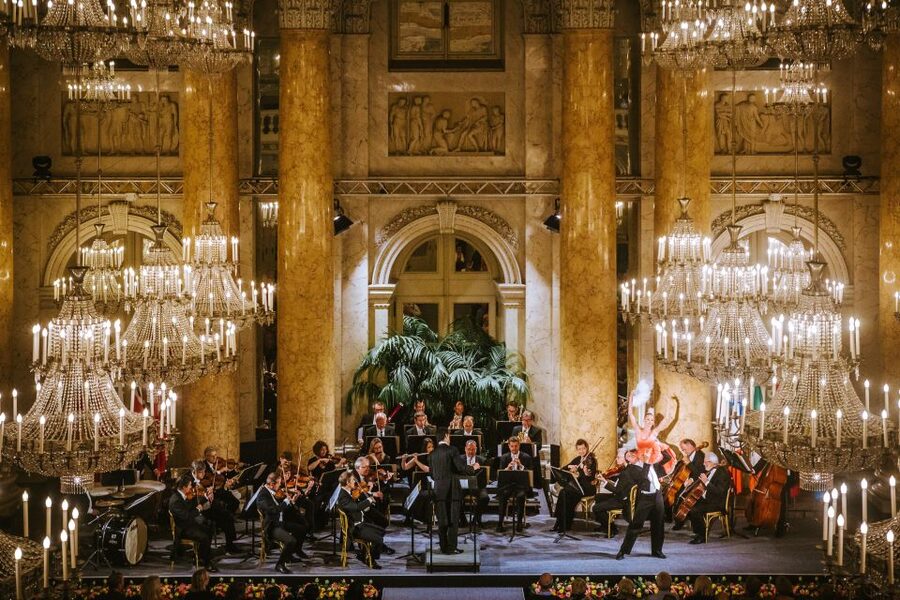
Another night under the chandeliers
Johann Strauss: Die Fledermaus energy up front
The evening opens with the overture to Johann Strauss’s Die Fledermaus. This kind of start is classic for a reason: it sets a playful mood quickly. You’ll hear that bright, clockwork Viennese rhythm that makes you sit up. It’s also a good warm-up if you’re new to operetta orchestration.
Then you also get Brüderlein–Schwesterlein from Die Fledermaus, which helps the theme return later and keeps the night feeling like one story rather than random songs.
Mozart: opera lines inside the concert flow
You’ll hear Mozart through The Marriage of Figaro with Nun vergiß‘ leises Flehn. That’s a different kind of intensity than the Strausses: it’s elegant, expressive, and very “theatrical,” even when performed in a concert setting.
Later, Mozart returns in duet form with Ein Mädchen oder Weibchen and also Papageno–Papagena from The Magic Flute. Duets are a smart choice for this format because they show how voices weave together, not just how they sing alone. If you like the sound of harmony and character voices, this is where the night starts to feel extra alive.
Josef Strauss polkas: movement you can feel
For pure momentum, Josef Strauss shows up with Ohne Sorgen and Feuerfest (a polka française). These pieces are built for motion. Even if you’re seated still, the rhythm makes your body understand “dance” without asking you to stand up.
Polkas like these are also where the orchestra size becomes noticeable. The more players you have, the more you feel the crisp edges and the quick bounce in the phrasing.
Kalman and Lehar: operetta that sounds like a night out
Emmerich Kalman appears with Heia, heia in den Bergen from Die Csárdasfürstin. This gives you that swaying, folk-leaning operetta character that fits Vienna’s love of romance and stage storytelling.
Franz Lehar then brings Dein ist mein ganzes Herz from Land des Lächelns. If you’ve ever wanted one concert where the emotional tone swings from sweet to dramatic without getting heavy, Lehar is a great path.
And for a duet moment, you get Wiener Blut, a duet by Johann Strauss. That combination of vocal pairing plus Viennese style is a big part of why this concert works for mixed audiences.
The signature waltzes: Rosen aus dem Süden and An der schönen blauen Donau
The night doesn’t forget the big Vienna postcard songs. You’ll hear Rosen aus dem Süden and An der schönen blauen Donau. These waltzes are short ways to understand why “Vienna waltz” is its own language: the music feels like it was built for turning around, drawing close, and sharing the moment.
There are also several additional Johann Strauss polkas on the program: Im Krapfenwaldl, Eljen à Magyar, and Vergnügungszug. That packed lineup means you’re not waiting long between lively sections.
Musical jokes and Viennese traditions: why the mood matters
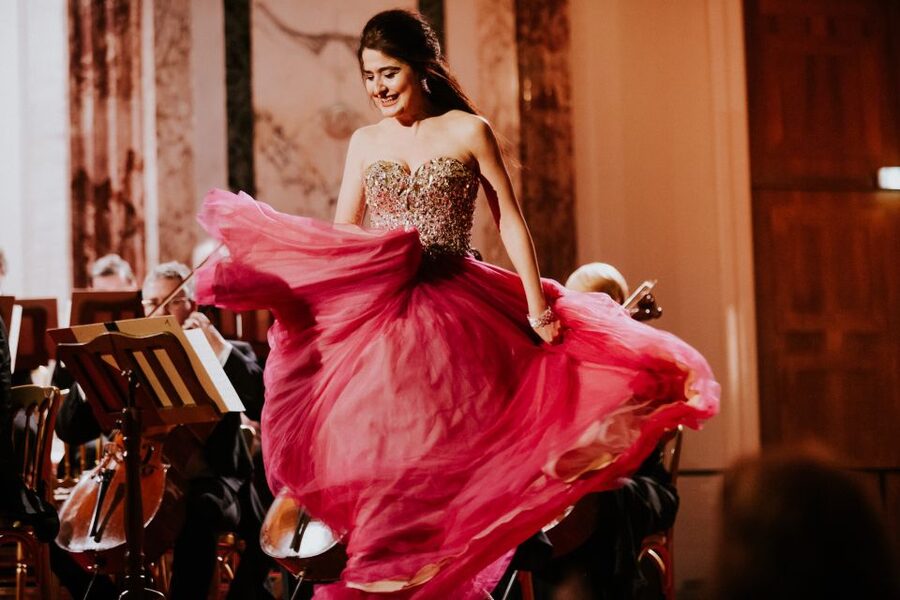
One line in the program description that actually tells you a lot: you’ll hear musical jokes and Viennese performance traditions that follow in the footsteps of Johann Strauss.
In plain terms, this kind of concert works because it respects the entertainment style of the repertoire. Operetta and dance music were never meant to be dead-serious museum pieces. They come with humor, theatrical timing, and moments that invite you to enjoy the performance, not just analyze it.
So when you hear something playful in the way it’s presented, treat it as part of the composition’s job. These jokes aren’t distractions from the music; they’re part of how the music communicates personality.
Opera singers and ballet dancers: seeing the pieces as theater
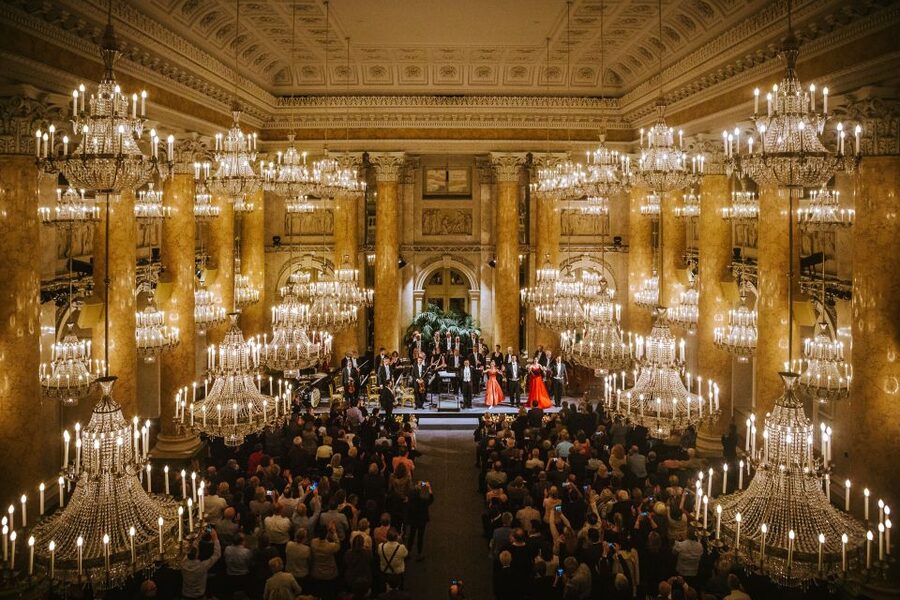
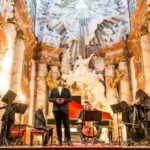
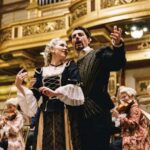
This isn’t only an orchestra concert. You can expect a combination of opera singers and ballet dancers, drawn from Vienna’s opera houses, alongside up to 40 musicians.
That matters because many of these works are built around stage energy. Duets in The Magic Flute, operetta vocal lines in Lehar and Kalman, and the waltz phrasing from Strauss all benefit from visible performance language.
If you’ve ever watched classical music on TV and wished it felt more human, this is the reason to show up. Even if you’re sitting far back, the presence of dancers and singers helps you “read” what’s happening in the music.
Price and value: what $106 buys you in this setting
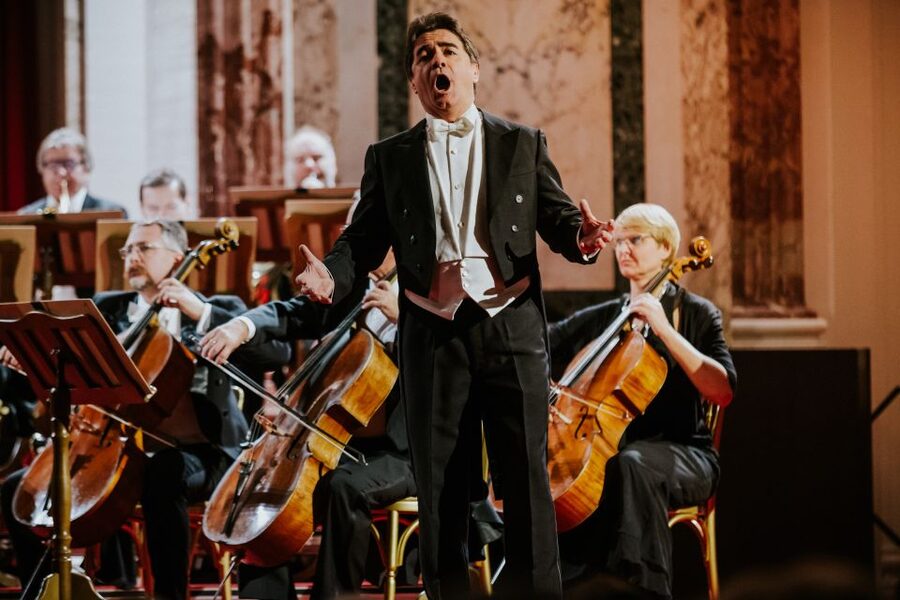
At $106 per person for a 90-minute show, the key value question is simple: are you getting a “seat in a palace hall” experience with real performers, or a basic ticket for a smaller program?
Based on what’s included, you are paying for a full concert ticket, and the show has a strong mix of orchestra, opera vocals, and ballet elements. It’s also happening in the Hofburg, which is not a generic concert room.
Two practical value notes for your money:
- If you can choose a better seat category for your viewing priorities, do it. In a show like this, the value improves when your sightlines match what you care about.
- Don’t plan to rely on a cloakroom. If you bring extra bulk, you may end up holding more items than you want.
Who should book this concert (and who might want a different evening)
I’d recommend this concert if you fall into any of these groups:
- You want a Vienna night that’s recognizably classical but still fun and light
- You like duets and operetta melodies, not just symphonies
- You want a single evening that mixes orchestra, voice, and dance
- You’re visiting in limited time and want a set program you can trust
This might be less ideal if you’re only looking for a long symphonic deep dive, because the format is 90 minutes and built around popular highlights, polkas, waltzes, and stage pieces. You won’t get a slow-burn academic lecture; you’ll get performance.
Quick decision: should you book the Hofburg Strauss and Mozart concert?
Book it if you want the classic Vienna sound in a real palace setting, with voices and movement on top of the orchestra. The combination of Mozart + Strauss + operetta hits makes the program approachable, and the humor and Viennese tradition keep it from feeling stiff.
Hold off only if you’re picky about program order and need a guaranteed sequence. The show can change, but the style stays consistent: Mozart, Strausses, Kalman, and Lehar, delivered in a way that feels made for the Hofburg.
In my book, it’s a strong buy for a first-timer to Vienna music culture, and also a smart pick if you’ve heard the recordings and want to see how it plays as theater.
FAQ
How long is the Hofburg Strauss and Mozart concert?
The concert duration is 90 minutes.
Where do I enter for the concert?
Enter via the main entrance of the Vienna Hofburg on Heldenplatz, next to the Austrian National Library.
How much does the concert cost?
The price is $106 per person.
What kind of performers are included?
You’ll see up to 40 musicians, plus opera singers and ballet dancers.
What languages is the experience offered in?
Host or greeter languages are English and German.
Is the venue wheelchair accessible?
Yes, the concert is wheelchair accessible.
Is a cloakroom included?
No, a cloakroom is not included.
Are alcohol or drugs allowed?
No, alcohol and drugs are not allowed.
More Mozart and Strauss Evenings
- Vienna: Mozart Concert at the Musikverein – Golden Hall
★ 4.6 · 5,194 reviews - Vienna: Mozart and Strauss Concert at Schönbrunn
★ 4.5 · 2,967 reviews - Vienna: Classical Concert at Mozart’s First House
2,423 reviews - Vienna: Mythos Mozart Experience
★ 4.5 · 895 reviews - Vienna Mozart Concert in Historical Costumes at the Musikverein
★ 4.5 · 888 reviews
Another Night at the Opera
- Vienna: Vivaldi’s Four Seasons Concert in Karlskirche
★ 4.7 · 14,951 reviews - Vienna: Classical Concert in the World-Famous Musikverein
★ 4.6 · 6,673 reviews - Vienna: Mozart Concert at the Musikverein – Golden Hall
★ 4.6 · 5,194 reviews - Vienna: Classical Concert in St. Anne’s Church (Annakirche)
★ 4.6 · 3,414 reviews - Vienna: Mozart and Strauss Concert at Schönbrunn
★ 4.5 · 2,967 reviews
Inside the Hofburg and Sisi's Rooms
- Vienna: Skip-the-Line Sisi Museum, Hofburg and Gardens Tour
★ 4.8 · 5,918 reviews - Vienna: Imperial Treasury in the Hofburg Palace
★ 4.4 · 1,791 reviews - Vienna: Hofburg and Empress Sisi Museum Guided Tour
★ 4.7 · 1,460 reviews - Vienna: Skip-the-Line Hofburg and Empress Sisi Museum Tour
★ 4.8 · 801 reviews - Vienna: “Sisi’s Amazing Journey” Virtual Reality Experience
★ 4.5 · 673 reviews
Just In: New Vienna Reviews
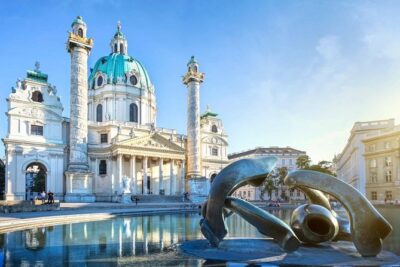

Hofburg & Sisi Tours, compared.
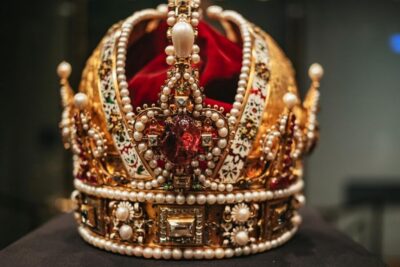 ★ 4.4Imperial Treasury in the Hofburg PalaceFrom $181,791 reviews
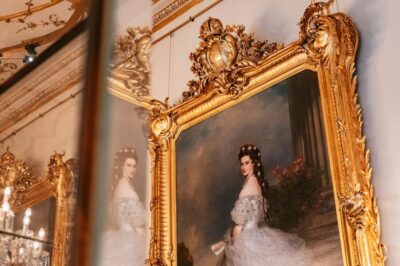 ★ 4.7Hofburg and Empress Sisi Museum Guided TourFrom $561,460 reviews
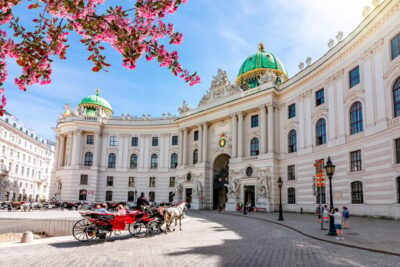 ★ 4.8Skip-the-Line Hofburg and Empress Sisi Museum TourFrom $55801 reviews
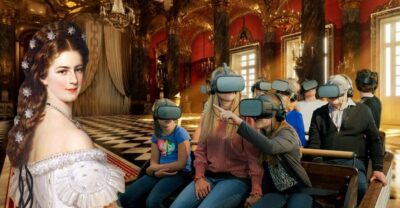 ★ 4.5“Sisi’s Amazing Journey” Virtual Reality ExperienceFrom $14673 reviews
 ★ 4.3Imperial Treasury & New Hofburg Palace Combo TicketFrom $40614 reviews
 ★ 4.1New Hofburg Palace Audio-Guided Tour & Entry TicketFrom $27566 reviews
 ★ 4.5Skip-the-Line Sisi Museum, Hofburg and Gardens Tour ViennaFrom $57449 reviews
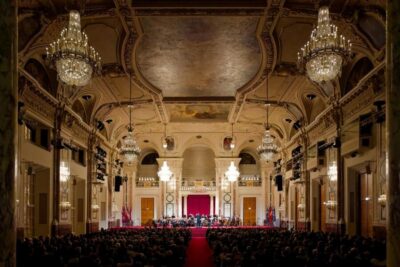 ★ 4.5Concert Tickets for Vienna Hofburg OrchestraFrom $63330 reviews
Browse the lists this tour appears in