
Reviewed · VIENNA WALKING TOURS
Vienna: Walking Tour of the Historic Ringstrasse
Vienna’s grand ring is a real-life storybook. This 2-hour walking tour takes you past the 19th-century architecture and into the people behind it—emperors, bankers, artists, and also the workers who built all that splendor. I especially like how the guide connects buildings to choices and consequences, not just names and dates, and how you get short pauses in spacious gardens with flowers and statues. One thing to consider: it’s short, so you’ll cover a lot of ground, but you won’t have time for long museum-style stops.
You start near the Liebenberg statue area at Mölker Bastei and finish next to the Opera House. Along the way, you’ll see the kind of “look closer” details that most people miss—sculptures, design mixes, and the bigger plan behind the boulevard. The biggest drawback to plan around is expectations: if you want a deep, research-level lecture, the tour may feel a bit light in certain parts.
Still, for a tight, well-paced overview, it’s hard to beat. With a live guide in Polish, German, or English, you get context and stories in plain language, and it works even when the weather is less than perfect.
In This Review
- Key highlights you’ll notice right away
- Why Vienna’s Ringstrasse was built in the first place
- Price and value: a private tour that can be a smart split
- Getting oriented at Liebenberg-Denkmal (Mölker Bastei)
- Emperor Francis Josef’s boulevard: how to read the buildings like a map
- The Palais Ephrusi and the “Hare with the Amber Eyes” connection
- Votive Church and the University of Vienna: religion and learning on the same stage
- City Hall, Burgtheater, and Parliament: power with an audience
- Heldenplatz and statues: remembering people through stone
- Gardens and flower arrangements: where you catch your breath
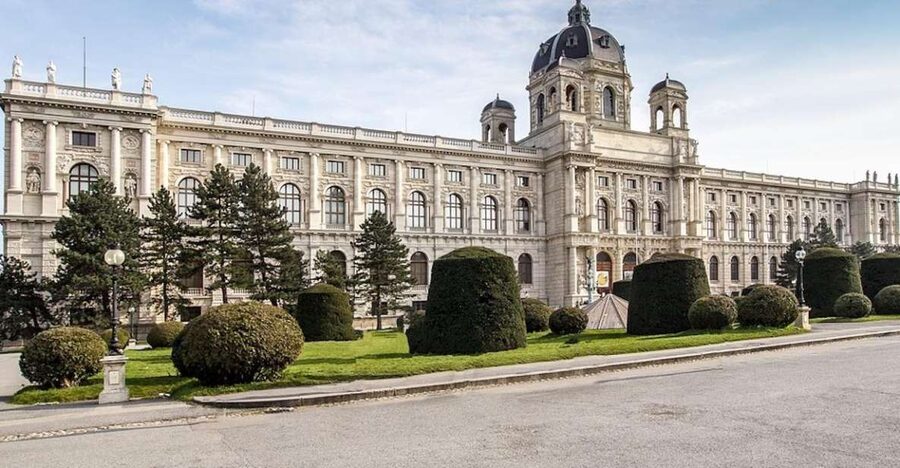
- Museums and Volksgarten: culture as a built promise
- Ending near the Opera House: a graceful finish line
- Who this tour suits best (and who should read the fine print)
- Tips to get the most from your 2 hours
- Should you book this Ringstrasse walking tour?
- FAQ
- How long is the Vienna Walking Tour of the Historic Ringstrasse?
- What’s the meeting point for the tour?
- What’s included in the price?
- What do I need to bring?
- Is hotel pickup or drop-off included?
- Where does the tour end?
- What languages are the live guides?
Key highlights you’ll notice right away
- The Ringstrasse plan: why Emperor Franz Josef tore down city walls to build a new cultural spine
- Architecture with meaning: style mixes, rich decoration, and what power looked like on stone
- Garden breaks: room to breathe, plus flower arrangements and statues that make photos easier
- The Palais Ephrusi story: a famous Jewish banker family and a fate linked to The Hare with the Amber Eyes
- Major civic stops: Votive Church, University main building, City Hall, Parliament, Heldenplatz
- Ends at the Opera: an easy handoff to continue exploring on your own
Vienna on foot, a couple more routes
- Vienna: Guided Walking Tour of City Center Highlights★ 4.7 · 4,989 reviews
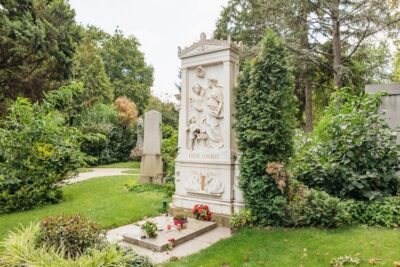
- Vienna: Vienna Central Cemetery Guided Walking Tour★ 4.8 · 3,307 reviews
- Vienna: Viennese Underworld Guided Walking Tour★ 4.7 · 1,865 reviews
- Vienna: World War II Historical Walking Tour★ 4.8 · 1,772 reviews
Why Vienna’s Ringstrasse was built in the first place
The Ringstrasse didn’t happen by accident. About 150 years ago, Emperor Francis Josef commissioned the demolition of the city walls and pushed for a new kind of Vienna: an organized showcase of public life. The idea was to line up cultural anchors—opera and theater—along with museums, universities, and institutions like the Academy of Fine Arts, plus the seats of government like parliament and city hall.
That’s the key to why this walk feels different from a random sightseeing loop. You’re not just looking at pretty buildings. You’re reading a political and social plan made visible. The boulevard was designed with wide space and trees, plus separate paths for carriages, riders, and pedestrians. That detail matters because it shows Vienna as a city that expected movement, status, and public display all in the same corridor.
If you care about how cities shape behavior, you’ll appreciate this. The Ringstrasse was built to impress, but it also helped define who belonged where—rich families building palaces, institutions hiring and educating professionals, and working people arriving hoping for work.
Price and value: a private tour that can be a smart split
This tour costs $353 per group (up to 8 people) for a 2-hour guided walk. That might sound like a lot if you’re solo. But if you have a small group, it becomes more reasonable fast, because you’re effectively paying for guide time rather than per-person entry prices.
Here’s the practical way to think about it:
- If you’re 2 people: you’re paying closer to a premium experience rate.
- If you’re 6–8 people: the per-person cost drops a lot, and you get a truly private vibe.
- If you want the main sights plus a story thread tying them together, you’re paying for interpretation, not just walking.
Also note what you don’t pay for: no hotel pickup/drop-off, and you’ll need to have your public transport ticket (a tram ticket isn’t included). For short city walks like this, those missing pieces are normal, but they affect how you plan your arrival.
Getting oriented at Liebenberg-Denkmal (Mölker Bastei)

You meet at Liebenberg-Denkmal, Mölker Bastei 8, 1010 Wien. Show up 10 minutes early. This matters because the guide needs a clean start point for the first explanation and because you’ll begin right away with the big-picture Ringstrasse theme.
This meeting spot is a nice way to start because it cues the whole tour: it’s civic Vienna. Mayor Liebenberg is part of the sculptural language you’ll keep seeing along the Ring—people honored for leadership and status. You’ll also notice that the city uses statues as wayfinding for ideas: who mattered, what virtues were celebrated, and what the public should admire.
If you’re the type who hates feeling lost, you’ll like how early the guide points you toward what to look for. That’s where the tour becomes more than a list of landmarks.
Emperor Francis Josef’s boulevard: how to read the buildings like a map
As you walk, the tour’s strongest thread is the story of why these buildings exist together. You’ll hear how wealthy industrialists and bankers used the new project to present their wealth and earn titles—then commissioned oversized palaces that changed Vienna’s skyline.
But the important side of the story is that this wasn’t a fantasy built only for the powerful. Poor people also arrived looking for work and worked under incredible conditions. The Ringstrasse becomes easier to understand when you hear both sides: the polished public face and the human cost that helped make it possible.
That dual lens is why the Ringstrasse tour works for me. It keeps the walk grounded. The architecture is undeniably dramatic—19th-century scale, decoration, and design mixes—but you’re also learning what those visuals were doing socially.
Vienna at walking pace, more routes


The Palais Ephrusi and the “Hare with the Amber Eyes” connection
One of the most interesting stops on the route is Palais Ephrusi. This is described as a representative part of the Ring, commissioned by a wealthy Jewish banker family.
What makes this more than a postcard photo is the emotional and historical angle: the family’s fate is described in the book The Hare with the Amber Eyes. You don’t need to have read the book to understand why the connection matters. It gives you a way to link architecture—what you’re seeing in stone—with what happened to real people tied to it.
So when you stand in front of the palace, don’t just look for decorative details. Ask yourself what a palace is meant to signal: wealth, permanence, influence. Then let the story complicate that. This is one of those tours where your brain starts making connections between “beauty” and “consequence.”
Votive Church and the University of Vienna: religion and learning on the same stage
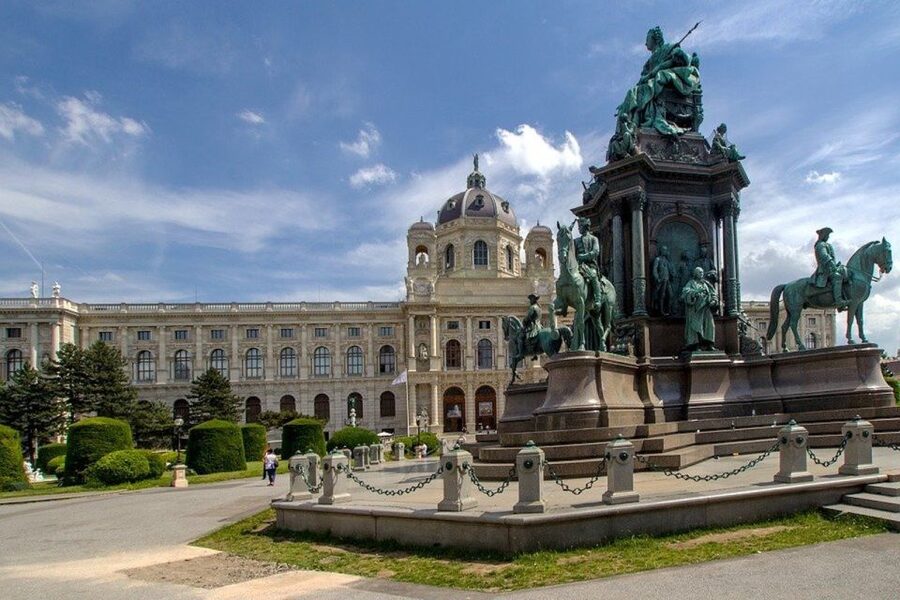
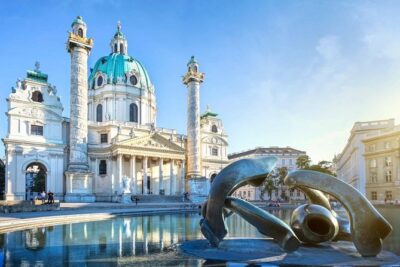
You’ll see the Votive Church and the main building of the University of Vienna. Both fit the Ring’s original plan: culture and public identity in one corridor.
Here’s the practical way to enjoy these stops:
- Look for how the buildings announce importance from far away. The Ring is built for visibility.
- Pay attention to how the tour explains decoration and style choices. You’re learning what “rich” looks like when it’s designed to be seen at street level and from a distance.
The University stop is particularly satisfying if you like Vienna as a city of ideas. The Ringstrasse wasn’t just a fancy promenade; it was also a front row seat for education as a public value.
City Hall, Burgtheater, and Parliament: power with an audience
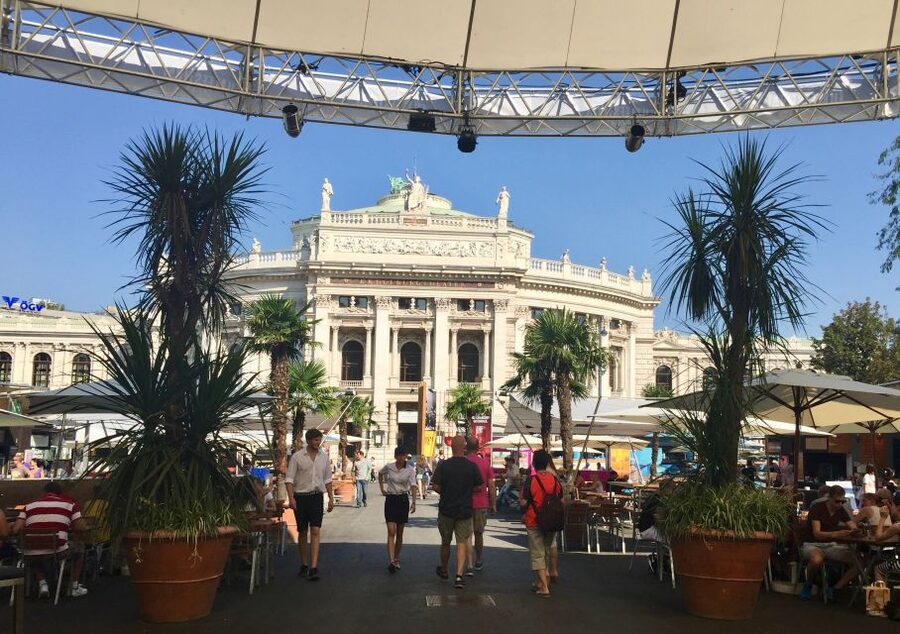
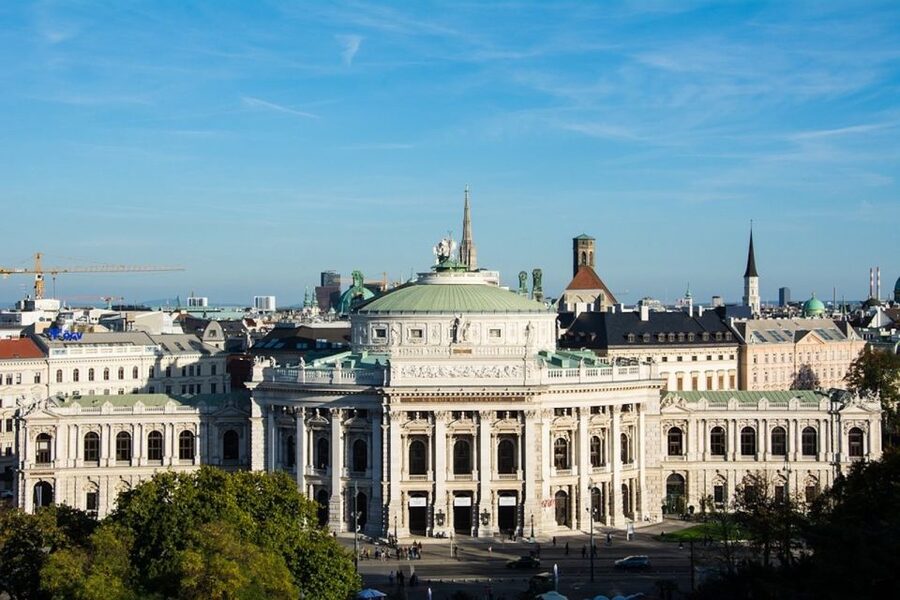
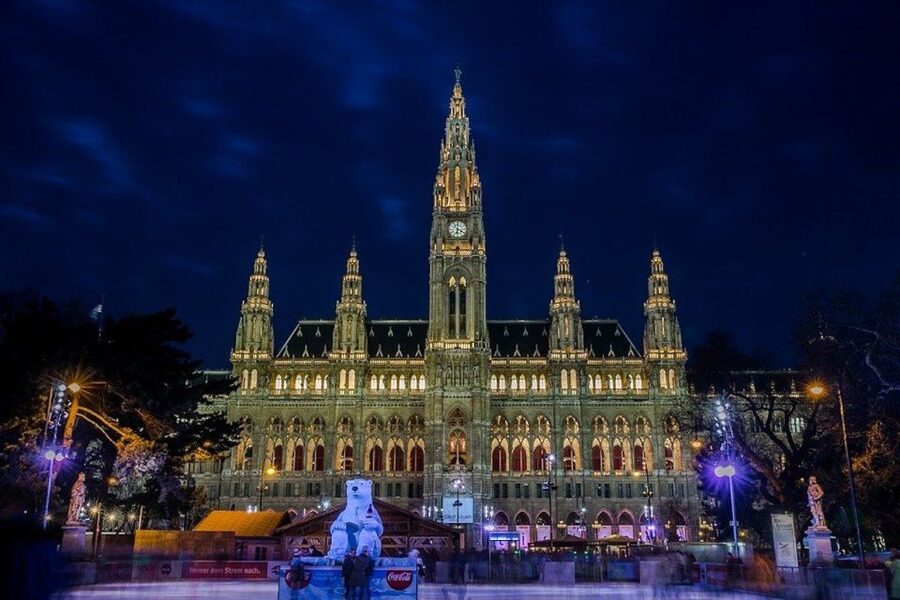
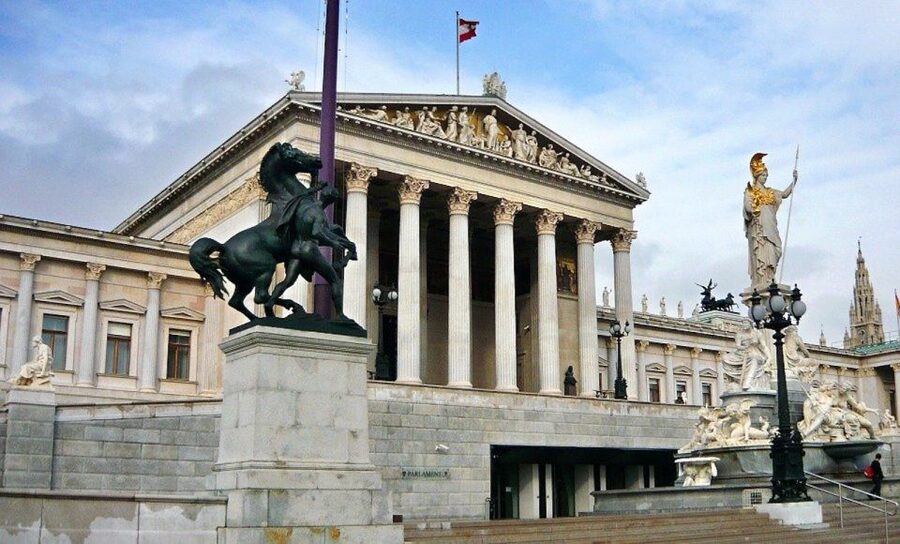
As you continue, you’ll pass City Hall, Burgtheater, and Parliament. These are the places where Vienna’s civic voice shows up: governance, performance, and public decision-making.
This is where the guide’s storytelling makes the walk feel like it has momentum. You’re not just noticing grand facades; you’re learning what each building represents in the broader Ring mission. The theater and the opera get the cultural credit. Parliament and city hall get the authority credit. And together they explain the city’s ambition: Vienna wanted to look like the center of something bigger than itself.
If you enjoy architecture that mixes styles and uses heavy decoration, you’ll likely get the most from this section. The design choices aren’t random. They’re communication.
Heldenplatz and statues: remembering people through stone
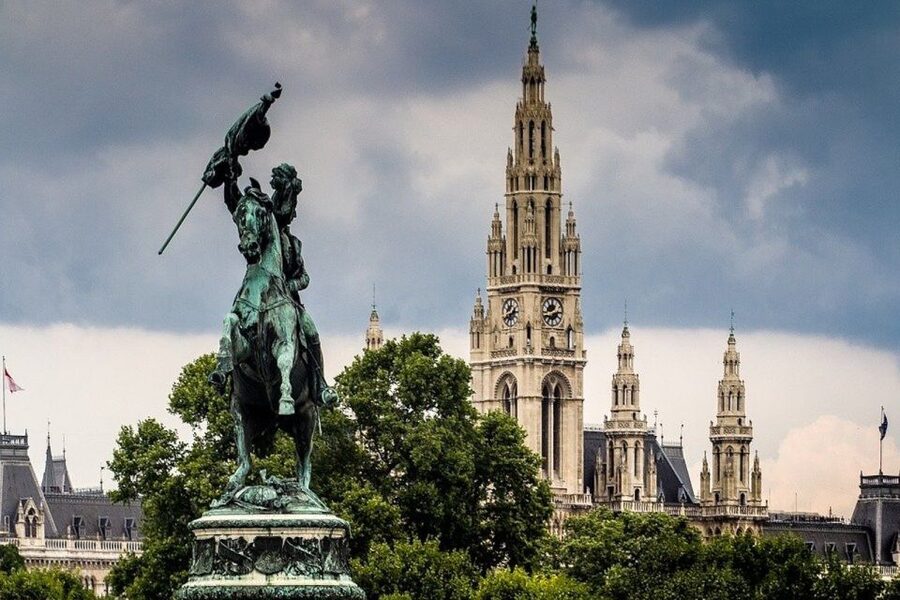
You’ll also reach Heldenplatz, another major civic moment along the Ring. The tour includes statues such as the mayor Liebenberg and Pallas Athene.
Statues can feel like background noise if you don’t get any context. Here, they’re part of the story of how the city builds identity. You’ll see how symbolism works in public space—how a figure like Pallas Athene (linked to wisdom) or a named civic leader turns stone into a message.
This is also a good stretch to slow down and watch your surroundings. The Ring is wide and designed for viewing, so you get space to actually look rather than rushing for the next photo.
Gardens and flower arrangements: where you catch your breath
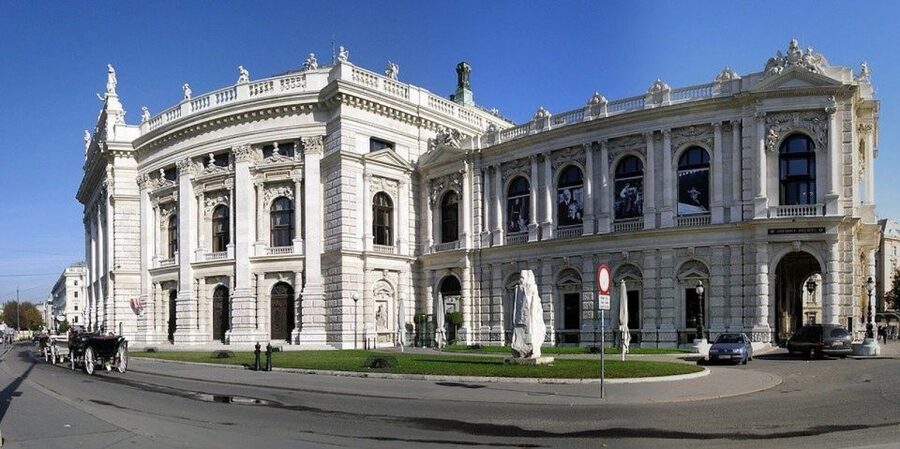
A standout feature of this tour is taking short breaks in spacious gardens with flower arrangements and statues. These garden moments are more than a break from walking. They’re part of the Ringstrasse design logic: public beauty isn’t only in buildings.
If you like photography, this helps. Even in bad weather, the tour can stay pleasant because you’re not stuck indoors or in a line. One review noted the guide made the tour engaging even with rain, which tells you the pacing is built for real conditions, not just perfect afternoons.
And frankly, those garden pauses give you time to absorb what you just learned about power, wealth, and public life. Architecture can overwhelm you. Green space lets your brain reset.
Museums and Volksgarten: culture as a built promise
You’ll see Museums and the Volksgarten as part of the route. These stops fit the Ring’s founding mission: cultural things were meant to live in the public realm, not tucked away.
What I like about this portion is that it makes the Ring feel coherent. You can see the pattern: religious and educational institutions, government structures, arts venues, and then cultural spaces that reinforce the city’s self-image.
Also, you’ll have enough time in a walking tour to notice the scale differences—how certain buildings demand attention while gardens and open spaces soften the corridor.
Ending near the Opera House: a graceful finish line
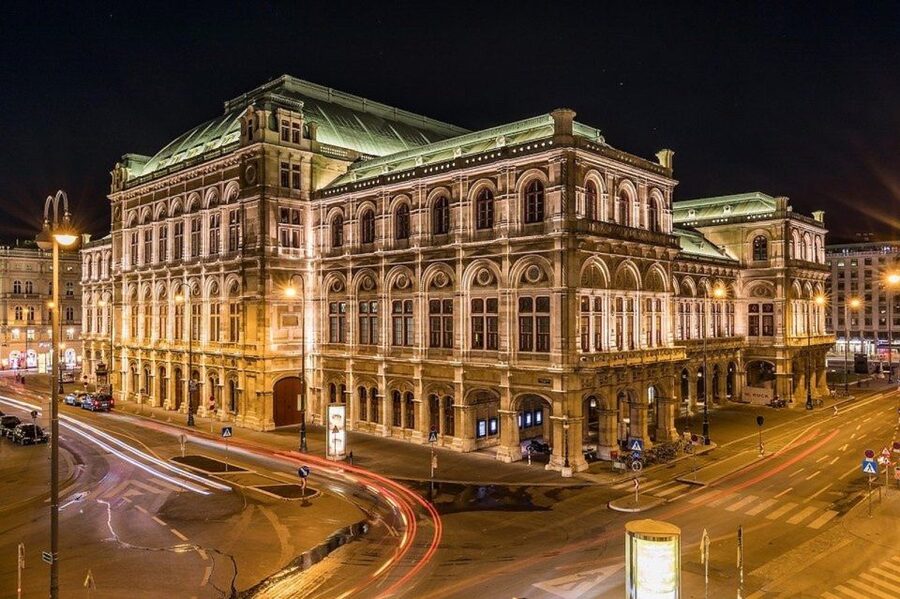
The tour ends next to the Opera House. That’s a strong final stop because the Opera isn’t just another building—it’s one of the Ring’s signature cultural anchors, tied to the original plan for Vienna’s public life.
Practically, it’s a great handoff point. Once you’re finished, you can easily continue wandering nearby on your own, grab a snack, or switch to a different sightseeing plan without fighting for your bearings.
For me, it also closes the loop nicely. You started with civic identity near Mölker Bastei. You finish with one of Vienna’s most recognizable performance landmarks.
Who this tour suits best (and who should read the fine print)
This experience works best if you want:
- A 2-hour overview of the Ringstrasse’s major sights
- Stories that connect architecture to the people behind it
- A guide who points out details you might miss on your own
- A private group format (more time for questions)
It may not be perfect if you want:
- A super-deep architectural lecture or long stop-and-stare analysis
- A detailed discussion focused on just one building
There’s also a small caution based on feedback quality: one booking described the content as thin. That doesn’t mean the tour is bad. It does mean you should go in knowing what it is: a guided walking overview with storytelling, not a full-blown academic seminar.
Tips to get the most from your 2 hours
- Bring your public transport ticket so you’re not scrambling for last-minute transfers.
- Wear shoes you trust. You’ll cover a lot of ground in a short time.
- If you’re traveling as a group, decide ahead of time what you care about most—palaces and bankers, civic buildings and politics, or the art/education angle—then ask the guide.
- If it’s raining, don’t assume you’ll lose the day. One review specifically praised the guide for keeping things interesting in rain.
Should you book this Ringstrasse walking tour?
Yes, if you want a smart, time-efficient way to see the Ringstrasse’s top monuments while getting the “why” behind them. The strongest value is the combination of major stops (Votive Church, University, City Hall, Burgtheater, Parliament, Heldenplatz, museums, Volksgarten) plus the story thread about the Ring’s creation and its human costs.
I’d skip or reconsider if you’re chasing an ultra-deep dive into architectural history, because the format is tight and a short tour can’t fully satisfy every level of curiosity.
If you go with curiosity and a willingness to ask questions, this is the kind of walking tour that leaves you looking back at buildings and understanding what they were trying to say.
FAQ
How long is the Vienna Walking Tour of the Historic Ringstrasse?
It lasts 2 hours.
What’s the meeting point for the tour?
The meeting point is Liebenberg-Denkmal, Mölker Bastei 8, 1010 Wien. Arrive about 10 minutes before the activity starts.
What’s included in the price?
The price includes a guided city tour.
What do I need to bring?
You should bring your public transport ticket.
Is hotel pickup or drop-off included?
No. Hotel pickup and drop-off aren’t included.
Where does the tour end?
The tour ends next to the Opera House.
What languages are the live guides?
The live guide offers tours in Polish, German, and English.
More Tours in Vienna
- Vienna: Schönbrunn Palace & Gardens Skip-the-Line Tour
★ 4.7 · 7,739 reviews - Vienna Spanish Riding School Guided Tour
★ 4.7 · 6,765 reviews - Vienna: Skip-the-Line Sisi Museum, Hofburg and Gardens Tour
★ 4.8 · 5,918 reviews - Vienna: Skip-the-Line Schönbrunn Palace & Gardens Tour
★ 4.8 · 5,411 reviews - Vienna: Guided Walking Tour of City Center Highlights
★ 4.7 · 4,989 reviews
More Tour Reviews in Vienna
- Vienna: Vivaldi’s Four Seasons Concert in Karlskirche
★ 4.7 · 14,951 reviews - Vienna: Schönbrunn Palace & Gardens Skip-the-Line Tour
★ 4.7 · 7,739 reviews - Vienna: Light of Creation Votive Church Immersive Light Show
★ 4.8 · 6,779 reviews - Vienna Spanish Riding School Guided Tour
★ 4.7 · 6,765 reviews - Vienna: Classical Concert in the World-Famous Musikverein
★ 4.6 · 6,673 reviews
Vienna on Foot, Continued
- Vienna: Guided Walking Tour of City Center Highlights
★ 4.7 · 4,989 reviews - Vienna: Vienna Central Cemetery Guided Walking Tour
★ 4.8 · 3,307 reviews - Vienna: Guided Walking Tour of City Highlights & Hidden Gems
★ 4.9 · 2,180 reviews - Vienna: Viennese Underworld Guided Walking Tour
★ 4.7 · 1,865 reviews - Vienna: World War II Historical Walking Tour
★ 4.8 · 1,772 reviews
Just In: New Vienna Reviews



Vienna Walking Tours, compared.
 ★ 4.8Vienna Central Cemetery Guided Walking TourFrom $3353,307 reviews
 ★ 4.9Guided Walking Tour of City Highlights & Hidden GemsFrom $272,180 reviews
 ★ 4.7Viennese Underworld Guided Walking TourFrom $371,865 reviews
 ★ 4.8World War II Historical Walking TourFrom $311,772 reviews
 ★ 5.0Vienna Historic Center Small Group Walking TourFrom $721,746 reviews
 ★ 4.6Private Walking Tour with a LocalFrom $561,446 reviews
 ★ 4.91.5-Hour Underground Walking TourFrom $321,146 reviews
 ★ 4.4Ghosts and Legends Guided Nighttime Walking TourFrom $201,088 reviews
Browse the lists this tour appears in