
Reviewed · ST STEPHEN'S & OLD TOWN TOURS
Vienna: City Center Guided Walking Tour
Vienna’s best stories walkable, not museum-bound. This small-group city-center walk strings together big imperial landmarks and the everyday stuff that makes Vienna feel like Vienna, guided in English by a local pro. You’ll cover famous stops like the Hofburg Palace, Spanish Riding School, and St. Stephen’s Cathedral, with a clear path and helpful listening gear.
I really like two things here: the small group size (15 or fewer) and the fact you get headsets, so you can hear the guide at street corners without craning your neck. It also keeps the tour from feeling like a stampede through the center.
One catch: you’ll do moderate walking, and the tour isn’t suitable for people with mobility impairments. It also runs in every weather, so pack layers and plan for real winter wind or summer heat.
In This Review
- Key things to know before you go
- Meet Maria Theresa on Maria-Theresien-Platz
- Ring Road orientation: Hofburg power meets city scale
- Volksgarten rose garden and Heroes Square stops
- Hofburg Palace and the Habsburg story you can picture
- Burggarten to Augustinerkirche: gardens and marriage history
- Spanish Riding School: Lipizzaner tradition at close range
- Vienna State Opera and Lobkowitz Palace: where Beethoven’s Eroica landed
- Coffee-house culture near Hotel Sacher and Graben
- St. Stephen’s Cathedral finale: your last photos and first next steps
- How the 150 minutes works in real life
- Price and value: is $74 worth it?
- Should you book this Vienna city-center walking tour?
- FAQ
- How long is the Vienna City Center Guided Walking Tour?
- Where exactly do we meet the guide?
- What is the group size?
- Is the tour guided in English?
- Are entrance fees included?
- What sights will the route cover?
- What’s the walking like?
- Is it suitable for people with mobility impairments?
- Are children allowed?
- What public transportation is closest to the meeting point?
Key things to know before you go
- 15 people max keeps the pace friendly and the questions answerable
- Headsets included help you follow the guide clearly throughout the walk
- Imperial power in “outdoor museum” form: Ring Road, Hofburg, Burggarten
- Napoleon and Beethoven show up in unexpected places (Augustinerkirche, Lobkowitz Palace)
- Coffee-house culture is part of the route, not an afterthought
- End near St. Stephen’s Cathedral so you finish in the thick of the old town
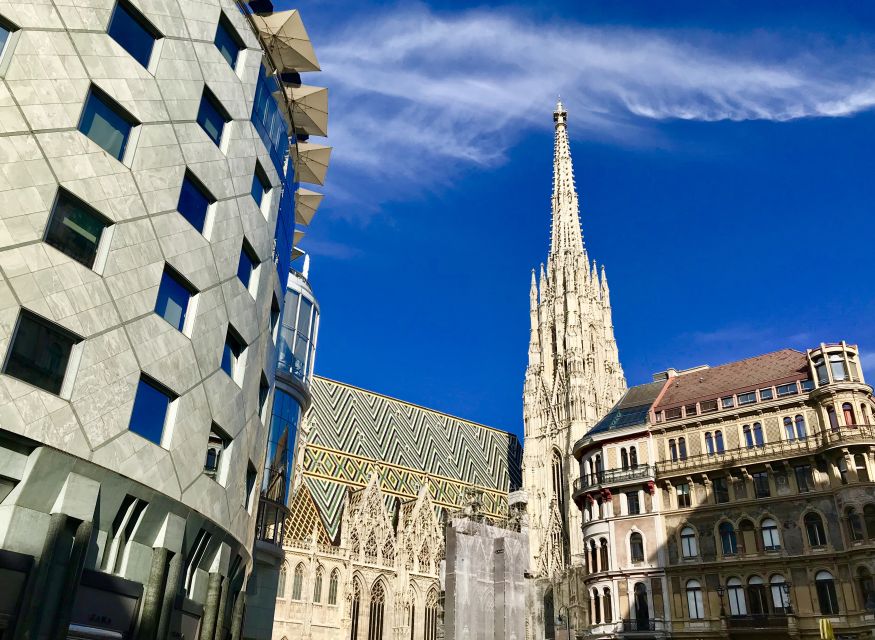
Around the Stephansdom and the old lanes
- Vienna: Guided Walking Tour of City Center Highlights★ 4.7 · 4,989 reviews
- Vienna Historic Center Small Group Walking Tour★ 5.0 · 1,746 reviews
- Vienna: St. Stephen’s Cathedral & Dom Museum Wien Tickets★ 4.5 · 1,652 reviews
- Vienna: Old Town Sightseeing Tour in a Vintage-Style E-Car★ 4.5 · 1,107 reviews
Meet Maria Theresa on Maria-Theresien-Platz
Your tour starts at Maria-Theresien-Platz by the statue of Empress Maria Theresa. The statue sits between the Kunsthistorisches Museum and the Naturhistorisches Museum, and your guide is holding a green Vienna City Walking Tour sign. The “side the statue is facing” detail matters, so take a minute to orient yourself before you look for the group.
This is a smart launch point. You’re right on the edge of Vienna’s grand civic space, where the city’s imperial image meets the practical flow of a working capital. If you arrive early, it’s an easy place to settle your bearings: orient once, then let the walking route do the rest.
Also note what the tour doesn’t allow: luggage or large bags. Bring a daypack you can comfortably carry for a steady 2.5 hours.
Ring Road orientation: Hofburg power meets city scale
After meeting your guide, you walk along Vienna’s Ring Road, the famous loop that frames the historic center. This isn’t just a scenic stroll. It’s a quick way to understand how Vienna projects authority and culture outward—grand buildings, strong sightlines, and the sense that the city was designed to be seen.
You’ll get your first “big picture” connections early: how the Hofburg area connects to the imperial story, and why these sites aren’t isolated. They’re part of one long-running political and cultural stage.
If you’ve only got a day or two in Vienna, this kind of orientation is gold. You start learning how streets and districts relate to each other, so later you can roam without feeling lost.
Volksgarten rose garden and Heroes Square stops
Next up, you’ll stroll through the rose garden in the Volksgarten and continue to Heroes Square. This is where the tour balances heavy architecture with softer space. The garden isn’t just pretty; it shows you how royal Vienna used landscaping as part of the public image.
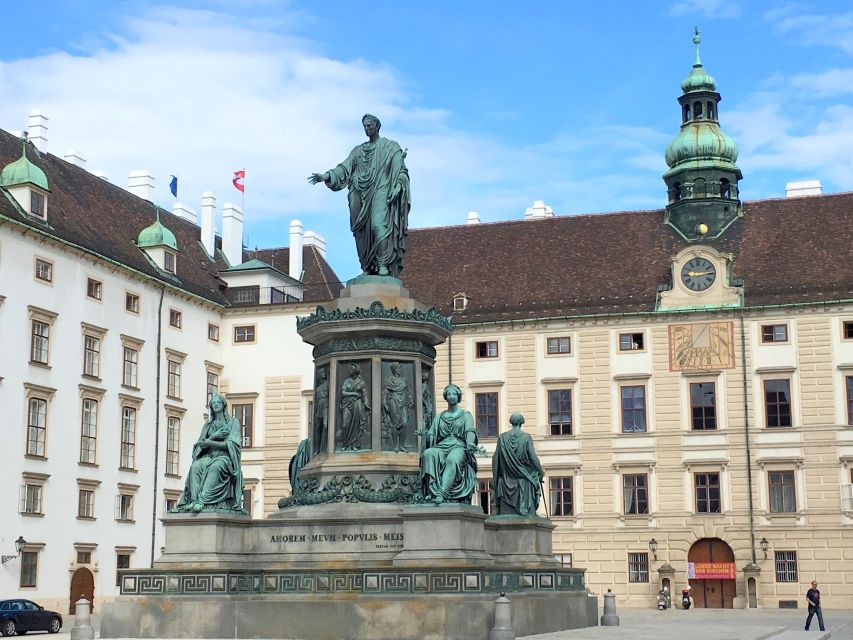
Heroes Square also helps you read the city. It’s one of those spots where statues and monuments make sense after you’ve heard the guide’s context. By the time you reach these open spaces, you’re not just looking at objects—you’re understanding why they’re placed here.
One practical tip: this section can involve standing around for explanations. In cooler months, wear something warm that still lets you move comfortably while you listen.
Hofburg Palace and the Habsburg story you can picture
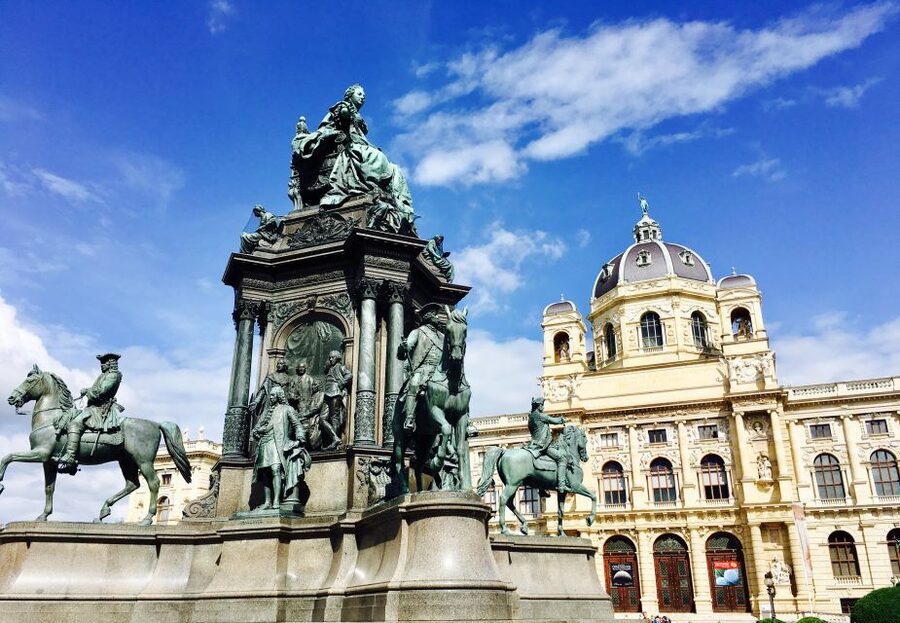
Then comes the heart of the imperial narrative: Hofburg Palace, the residence of the Habsburg family. Even if you know the name, it hits differently when you’re standing near the power center itself. Your guide ties together the ruling era with the physical setting—how the court lived, how it staged influence, and why Vienna became so closely linked with the Habsburgs.
What I like about this stop is the storytelling style. The tour keeps it light but specific, so you don’t end up with dates only. You’re learning characters and systems: who lived here, what they valued, and how that shaped what you see today.
You’ll also see the emperor’s private garden and the former butterfly house at the Burggarten. Those details matter because they’re not the biggest “postcard” images. They hint at a more personal side of palace life—an indoor/outdoor world beyond official ceremonies.
Vienna on foot, a couple more routes

Burggarten to Augustinerkirche: gardens and marriage history
The walk through Burggarten continues the idea that the palace wasn’t only ceremonial. This area includes the emperor’s private garden and the butterfly house, which gives you a feel for court tastes that go beyond politics. Even if you don’t stop for a long look at every corner, the guide’s explanations make the space feel readable.
From there, you move to the Augustinerkirche. This is a major cultural stop because it’s tied to imperial weddings, and it’s also connected to Napoleon. Specifically, the church is where Napoleon married Princess Marie Louise.
This kind of historical overlap is one of Vienna’s strengths: different empires and turning points pile into the same physical city. Standing there with the story in your head changes how you see the building. It becomes not just architecture, but a witness to real world events.
Spanish Riding School: Lipizzaner tradition at close range
Next you reach the Spanish Riding School, where you’ll learn about the legendary Lipizzaner horses. The charm here is the mix of discipline and tradition. These aren’t casual stables. They’re a symbol of Vienna’s long-running relationship with performance, ceremony, and artistry.
Even if you’ve seen photos of the Lipizzaners online, you’ll likely find that hearing the background makes the place feel more alive. You’re not just spotting a famous name; you’re learning why the institution matters and how it fits into Vienna’s identity.
This is also a good moment to check how your feet are doing. After about the halfway mark, you’ll appreciate the tour’s calm structure. It’s still moving, but not frantic.
Vienna State Opera and Lobkowitz Palace: where Beethoven’s Eroica landed
You’ll then pass by the Vienna State Opera House and the Lobkowitz Palace, where Beethoven first conducted his Eroica symphony. This is the tour’s classical music anchor, and it’s placed where it feels logical: these are the venues and patrons tied to Vienna’s musical power.
What’s useful for you here is the way the guide connects “music legend” to a physical location. It’s easier to remember facts when you can attach them to a street scene. After this stop, you’ll start spotting the kind of venues Vienna is built around—opera houses, palaces, and institutions that turned art into prestige.
If you’re a music fan, consider making a note of what you want to do after the walk. This stop can point you toward where to spend extra time later, even if you don’t book any extra attractions on the same day.
Coffee-house culture near Hotel Sacher and Graben
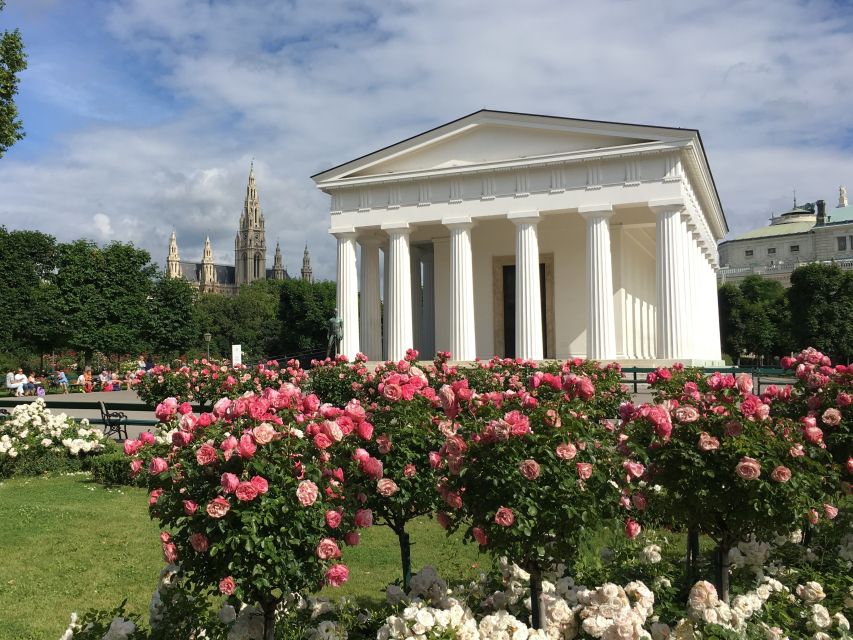
The tour shifts gears into Vienna’s sweet side by passing elegant coffee houses, including Hotel Sacher, where the famous Sacher Torte is still served. This is a smart inclusion, even if you’re not planning to eat during the tour. It reminds you that Vienna’s culture isn’t only imperial and classical—it’s also daily rituals, coffee-house gossip, and pastries you can taste.
When you eventually stroll on your own, you’ll recognize the mood. Vienna coffee houses are often more than dessert stops; they’re social spaces. Knowing where the big names sit helps you decide whether you want a classic sit-down or a quicker bite.
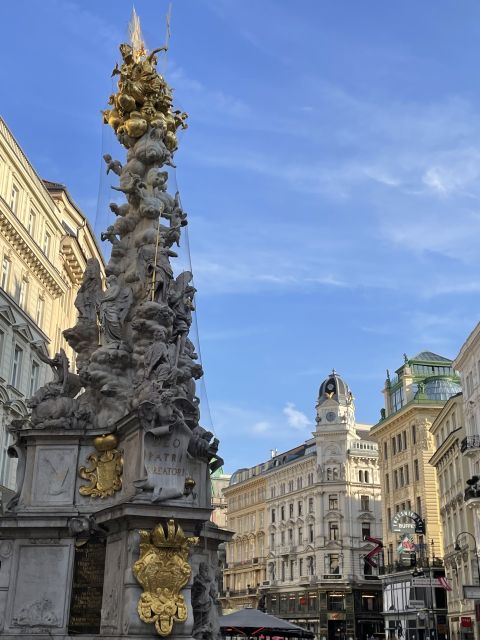
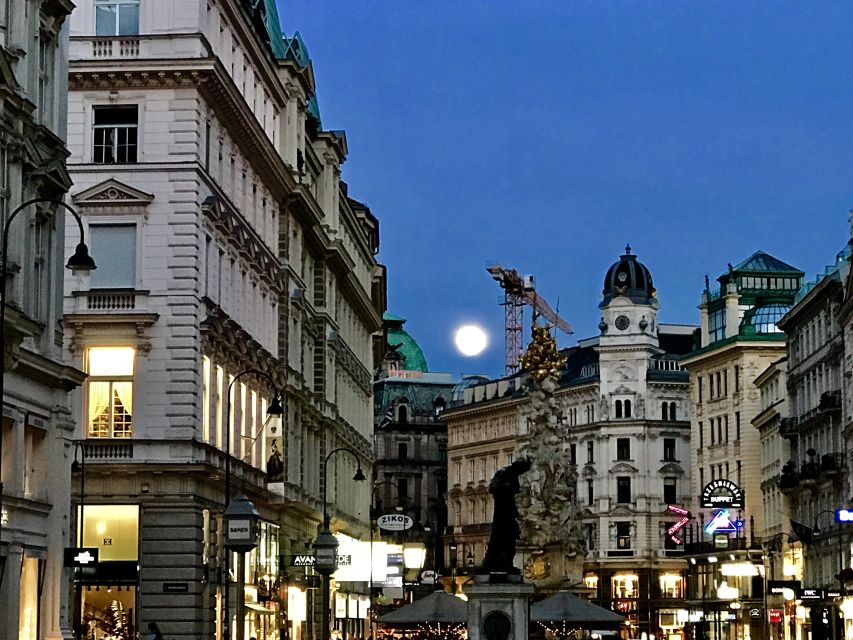
After that, you continue toward Graben, a refined shopping street. It’s a change of rhythm, and that’s helpful. The tour started with monuments and power; Graben gives you the “walkable city” feel. You’re moving through streets where people actually shop and meet, not only through staged sightseeing zones.
St. Stephen’s Cathedral finale: your last photos and first next steps
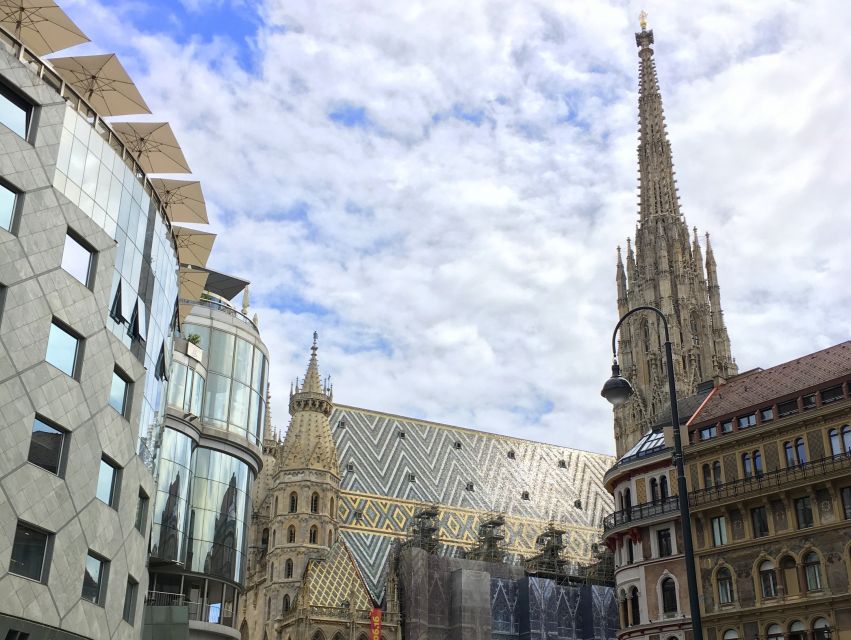
The tour ends next to St. Stephen’s Cathedral. This is a good finish location because it’s central, easy to navigate from, and visually dramatic. By the time you arrive, you’ll have context for a lot of what you’ve seen. You’ll understand the difference between imperial centers and everyday streets, and you’ll know what areas are worth lingering in after the tour ends.
If you’re planning a second day, this finale helps you structure your wandering. Instead of guessing where to go, you can build a plan based on what you learned about how the city’s core connects.
How the 150 minutes works in real life
This is a 150-minute walk with a moderate pace. The best part of the format is the small-group size (no more than 15), which makes the experience feel like a guided walk through highlights instead of a group shuffle.
Because you get headsets, you’ll hear the guide clearly even when the group pauses at busy corners or you’re separated slightly in a crowd. That small detail can make a big difference. It means you spend time listening, not fighting street noise.
You should also expect the tour to run in every weather condition. I’d treat that as a “plan for real conditions” note. If you’re visiting in winter, colder air and wind between tall buildings can surprise you, so dress for layers. If it’s hot, choose breathable clothing and bring water if you can. The route includes long enough stretches that comfort matters.
On some departures, there can be extra audio moments alongside the live guidance, which adds variety to the listening experience. Either way, the goal is the same: clear commentary without you feeling left behind.
Finally, note the boundaries: this tour isn’t suitable for mobility impairments, and unaccompanied minors aren’t allowed (children must be with an adult). Keep that in mind when you pack and when you choose your travel partners.
Price and value: is $74 worth it?
At $74 per person for about 2.5 hours, the price lands in the “worth it if it saves you time” category. You’re paying for three things that are hard to replicate on your own: a local licensed guide, tight city-center routing, and headsets so you can actually follow the story.
Entrance fees aren’t included, so you’re not paying for museum time inside a building. Instead, you’re paying for smart orientation and context while you’re outside—Ring Road, Hofburg area, key churches, opera/palace sites, and coffee-house landmarks—plus a guided thread that connects them.
This is the kind of tour that pays off if:
- you’re in Vienna for a short visit and want the big “who-what-where” fast
- you like history when it’s explained like a story, not a textbook
- you want a starting point for your self-guided exploring afterward
If you’re already a Vienna architecture superfan and you love planning routes yourself, you might not feel the value as strongly. But even then, headsets plus a small-group pace can still make it easier than doing it solo.
Should you book this Vienna city-center walking tour?
I’d book it if you want a clean first-time overview of Vienna’s imperial center, with just enough coffee-house culture and a few curveball connections like Eroica at Lobkowitz Palace. It’s also ideal if you prefer guided context but don’t want the day swallowed by ticket lines and indoor schedules.
Skip it (or look for a different format) if mobility is an issue for you, or if you don’t want to walk in all weather. Also, if your idea of Vienna is mostly inside museums and monuments with paid entry, this tour’s outdoor focus may feel like it’s giving you the overview rather than the full inside experience.
FAQ
How long is the Vienna City Center Guided Walking Tour?
The tour lasts 150 minutes (about 2.5 hours).
Where exactly do we meet the guide?
Meet by the statue of Empress Maria Theresa on Maria-Theresien-Platz. The statue is between the Kunsthistorisches Museum and the Naturhistorisches Museum, and your guide will be holding a green Vienna City Walking Tour sign on the correct side of the statue.
What is the group size?
It’s a small group tour with no more than 15 people.
Is the tour guided in English?
Yes, the live tour guide speaks English.
Are entrance fees included?
No, entrance fees are not included.
What sights will the route cover?
You’ll see key landmarks such as Hofburg Palace, Heroes Square, Volksgarten, Burggarten, Augustinerkirche, the Spanish Riding School, Vienna State Opera House, Lobkowitz Palace, several coffee houses including Hotel Sacher, Graben, and you end next to St. Stephen’s Cathedral.
What’s the walking like?
There is a moderate amount of walking involved.
Is it suitable for people with mobility impairments?
No, it is not suitable for people with mobility impairments.
Are children allowed?
Children must be accompanied by an adult, and unaccompanied minors are not allowed.
What public transportation is closest to the meeting point?
The nearest metro station is Station Volkstheater (line U3). The nearest tram stops are Burgring (numbers D, 1, 2 and 71).
More Tour Reviews in Vienna
- Vienna: Vivaldi’s Four Seasons Concert in Karlskirche
★ 4.7 · 14,951 reviews - Vienna: Schönbrunn Palace & Gardens Skip-the-Line Tour
★ 4.7 · 7,739 reviews - Vienna: Light of Creation Votive Church Immersive Light Show
★ 4.8 · 6,779 reviews - Vienna Spanish Riding School Guided Tour
★ 4.7 · 6,765 reviews - Vienna: Classical Concert in the World-Famous Musikverein
★ 4.6 · 6,673 reviews
Vienna on Foot, Continued
- Vienna: Guided Walking Tour of City Center Highlights
★ 4.7 · 4,989 reviews - Vienna: Vienna Central Cemetery Guided Walking Tour
★ 4.8 · 3,307 reviews - Vienna: Guided Walking Tour of City Highlights & Hidden Gems
★ 4.9 · 2,180 reviews - Vienna: Viennese Underworld Guided Walking Tour
★ 4.7 · 1,865 reviews - Vienna: World War II Historical Walking Tour
★ 4.8 · 1,772 reviews
The Old Town Around St Stephen's
- Vienna: Guided Walking Tour of City Center Highlights
★ 4.7 · 4,989 reviews - Vienna Historic Center Small Group Walking Tour
★ 5.0 · 1,746 reviews - Vienna: St. Stephen’s Cathedral & Dom Museum Wien Tickets
★ 4.5 · 1,652 reviews - Vienna: Old Town Sightseeing Tour in a Vintage-Style E-Car
★ 4.5 · 1,107 reviews - Vienna: 30-Minute Fiaker Ride in the Old Town
★ 4.5 · 1,092 reviews
Just In: New Vienna Reviews


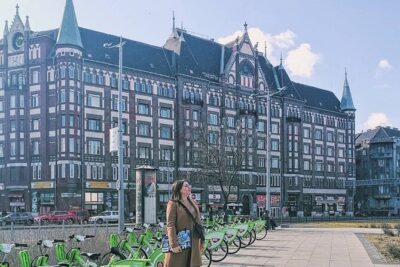

St Stephen's & Old Town Tours, compared.
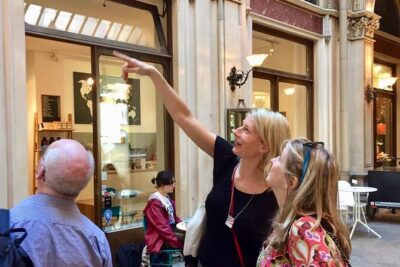 ★ 5.0Vienna Historic Center Small Group Walking TourFrom $721,746 reviews
 ★ 4.5St. Stephen’s Cathedral & Dom Museum Wien TicketsFrom $341,652 reviews
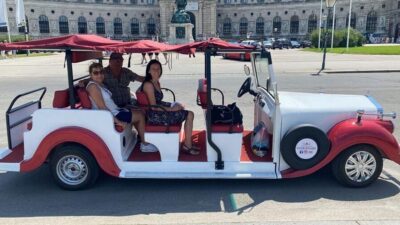 ★ 4.5Old Town Sightseeing Tour in a Vintage-Style E-CarFrom $281,107 reviews
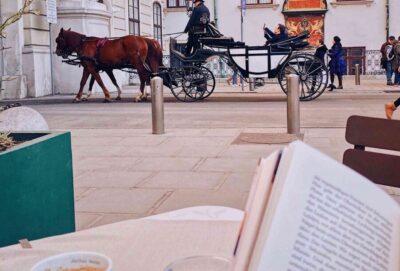 ★ 4.530-Minute Fiaker Ride in the Old TownFrom $1111,092 reviews
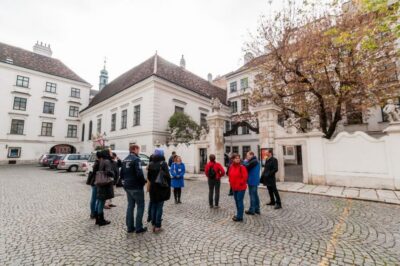 ★ 4.7Romantic Old Town 2-Hour Discovery TourFrom $352816 reviews
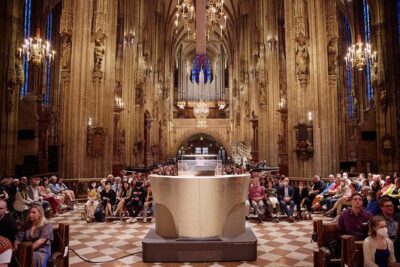 ★ 4.0Concert at Vienna’s St. Stephen’s CathedralFrom $12432 reviews
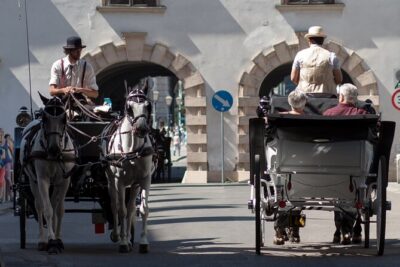 ★ 5.0Exclusive Vienna Old Town Highlights Walking Tour (max. 6 persons)From $151252 reviews
 ★ 4.7Hidden Gems near St. Stephen’s & Old UniversityFrom $353153 reviews
Browse the lists this tour appears in