
Reviewed · ST STEPHEN'S & OLD TOWN TOURS
Vienna: City Highlights Guided Walking Tour & Old Town
Vienna’s old streets still talk back. This guided walking tour is a smart way to get your bearings fast while you hear about the city’s past and present, from ancient Roman times to the Middle Ages. I especially like the route through Vienna’s Jewish history and the pause for Hofburg gardens, where you’re meant to catch the scent from 3,000 rose bushes.
One watch-out: this is a 2-hour overview. If you’re craving deep, stop-by-stop detail at each monument, you might want to pair it with a longer museum visit afterward, because the walk keeps moving.
In This Review
- Key Highlights You’ll Care About
- What You Actually Get From This 2-Hour Vienna Walk
- Choosing Your Start: Römermuseum or Carré d’artistes Wien
- Old Town Core: Medieval Streets With Roman Roots
- Crossing the Medieval Jewish Quarter and Its Stories
- Hofburg Surroundings: From Habsburg Residence to Museum Area
- Ring Street, Sacher Cake, and the Capuchin Crypt
- Ending at St. Stephen’s Cathedral in Old Town
- Practical Tips: Shoes, Pace, and Getting Photos Without Stress
- Is It Good Value for $25?
- Should You Book This Vienna Highlights Walking Tour?
- FAQ
- How long is the tour?
- How much does it cost?
- What are the possible meeting points?
- Where does the tour end?
- What languages are offered?
- Is the tour guided by a licensed local guide?
- Is the tour wheelchair accessible?
- What should I bring?
- What’s included in the tour?
- Is free cancellation available?
- FAQ
- Can I reserve and pay later?
- What stops or sights are covered?
- Which historical topics are covered?
- Does the tour mention a specific garden feature?
- Is the tour an overview or a deep specialist route?
Key Highlights You’ll Care About
- Two start-point options (Römermuseum or Carré d’artistes) so you can choose a convenient meeting place
- Medieval Jewish quarter route with stories tied to specific historical periods
- Hofburg surroundings + palace gardens with a moment focused on rose bushes
- Ring Street context so you understand why the grand buildings matter
- Finish at St. Stephen’s Cathedral at Stephansplatz for an easy old-town anchor
Around the Stephansdom and the old lanes
- Vienna: Guided Walking Tour of City Center Highlights★ 4.7 · 4,989 reviews
- Vienna Historic Center Small Group Walking Tour★ 5.0 · 1,746 reviews
- Vienna: St. Stephen’s Cathedral & Dom Museum Wien Tickets★ 4.5 · 1,652 reviews
- Vienna: Old Town Sightseeing Tour in a Vintage-Style E-Car★ 4.5 · 1,107 reviews
What You Actually Get From This 2-Hour Vienna Walk
For $25, you’re buying a licensed local guide plus a tight old-town orientation. In just two hours, you’ll see a concentrated set of key sights around Vienna’s historic center and hear the stories that connect them, instead of just taking photos and hoping the city explains itself.
The tour’s big strength is its structure. It moves across time periods, so Vienna doesn’t feel like a random pile of impressive buildings. You’ll hear about ancient Roman times, medieval history, Vienna’s Jewish history, and later Habsburg connections through the Hofburg area and Capucinian Crypt.
One practical note: it’s a walking tour, so comfortable shoes matter. You’ll want to go in ready to cover ground and pay attention to street-level details—passageways, courtyards, and the kind of architectural clues you usually miss when you’re wandering alone.
Choosing Your Start: Römermuseum or Carré d’artistes Wien
Your meeting point can vary depending on the option you book. You’ll start either at Wien Museum Römermuseum or at Art gallery Carré d’artistes Wien.
That matters because it changes the vibe of your first minutes. If you start at the Römermuseum side, you’ll be mentally primed for the tour’s Roman-through-medieval theme. If you start at Carré d’artistes, you’ll likely feel the tour begin in a more contemporary arts-and-city setting before you step back into history.
Either way, the key is to make sure you match the correct meeting location from your booking. With two different starts, it’s easy to show up at the wrong one and waste time before the guide even begins walking.
Old Town Core: Medieval Streets With Roman Roots
Once the main walking begins, the tour is designed to give you a guided “map in words.” You’ll hear surprising facts about Vienna’s past and present as you move through the historic center.
A major theme is time layering. You’ll get a sense of how Vienna’s medieval core sits on earlier eras, including ancient Roman times. Even when you’re standing in front of something very well-known later on—like St. Stephen’s Cathedral—you’ll have the background to understand why this city’s center grew and changed the way it did.
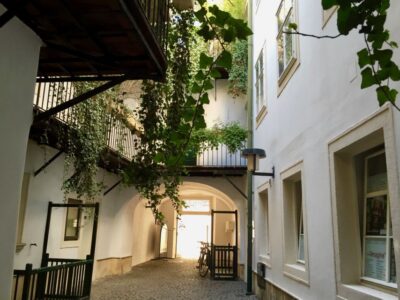
You’ll also pass through passageways and stop by or near less frequently noticed courtyards. These small pauses are where walking tours often win or lose. Here, the goal is to help you notice the quieter, architectural “in-between” spaces that make old towns feel lived-in, not just staged for postcards.
Crossing the Medieval Jewish Quarter and Its Stories
One of the tour’s most memorable parts is the way it treats Vienna’s Jewish history as part of the city’s physical layout. You’ll cross the area of the medieval Jewish quarter and learn the historical context tied to what you see around you.
This isn’t just a name-drop. The tour frames Jewish history as a chapter in Vienna’s wider story—connected to the medieval city structure and the neighborhoods that shaped daily life. You’ll hear the kind of background that makes later landmarks more meaningful, because you understand the people and communities that were part of Vienna long before the most famous monuments rose to dominance.
If you care about history but don’t want a museum-only day, this is a strong fit. You’re getting context on the street, in the same places where that history once played out.
Vienna on foot, a couple more routes


Hofburg Surroundings: From Habsburg Residence to Museum Area
At some point, the walk shifts toward the Hofburg palace area. You’ll look at the surroundings of the Hofburg—once a residence of the Habsburgs and now a zone with many interesting museums.
This stop is valuable because it explains what the Hofburg means beyond its postcard shape. You’ll hear stories about former residents and how the building’s role has changed. That helps you understand why the Hofburg area feels like a mix of grand power and public culture.
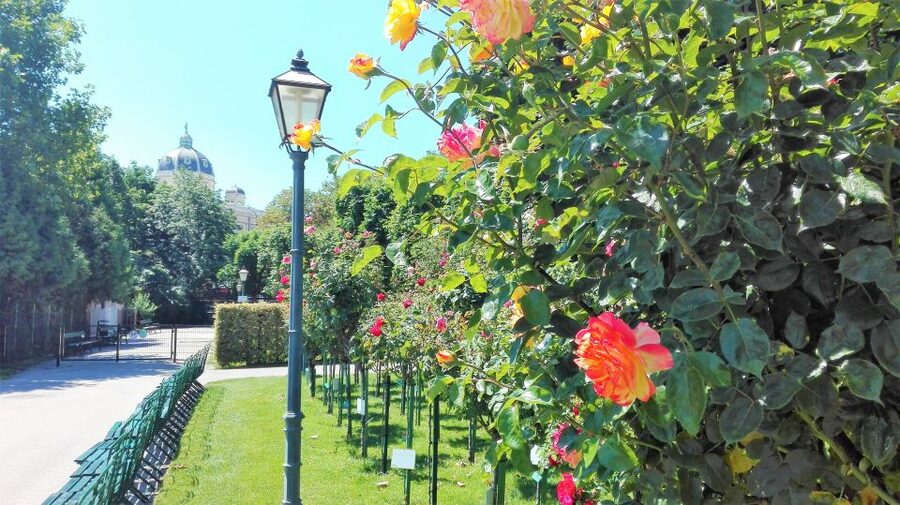
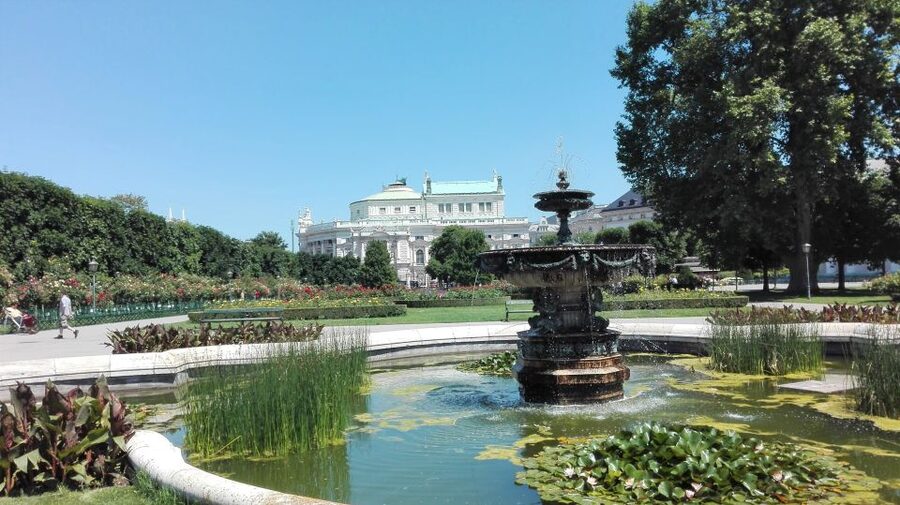
You’re also not just walking past walls. The tour includes a stroll through the former palace gardens, which is where the pace softens. The guide mentions the smell of 3,000 rose bushes, so it’s a sensory break, not just a visual one. It’s the kind of moment that makes two hours feel longer—in a good way—because you’re actually taking in Vienna instead of only covering it.
Ring Street, Sacher Cake, and the Capuchin Crypt
The tour then brings you into the story of Ring Street and its marvelous buildings. You’ll learn about the history behind this famous avenue, and you’ll see the idea of grand city planning in action. Without that context, Ring Street can look like a pretty sweep of architecture. With the context, it reads like a designed statement about power, culture, and identity.
You’ll also hear the story of Vienna’s famous Sacher cake. And yes, part of the tour includes what other cakes you should try during your stay. Even if you’re not a die-hard dessert person, it’s a nice way to end the history run with something practical: food picks that connect to the city’s reputation.
One more stop on your route is the Capucinian Crypt, which is the family crypt of the Habsburgs. You’ll pass by it, and the tour’s job is to give you enough background to understand why it matters in Vienna’s larger Habsburg story. That small exterior pass can still make you feel like you’re moving along a “timeline,” not just ticking off sights.
Ending at St. Stephen’s Cathedral in Old Town
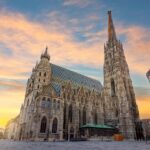
You finish at Vienna’s most famous landmark, St. Stephen’s Cathedral, right in the heart of old-town Vienna. The tour ends at Stephansplatz, which is a great location to continue on your own afterward.
This ending is smart for first-timers. St. Stephen’s is visually strong and geographically central, so it gives you a clear anchor point for your next moves. After hearing the city’s timeline, you can look at the cathedral with more than tourist-level curiosity—you’ll have medieval context, and that changes how you notice details.
If you plan to keep exploring after the tour, Stephansplatz is easy to work from. It’s also a good spot for photos. Just be ready for the fact that cathedral exteriors are popular, so your best shots might be the ones you take while the crowd thins, not only the iconic angles.
Practical Tips: Shoes, Pace, and Getting Photos Without Stress
This tour runs for two hours. That’s long enough to feel like you learned something real, but short enough that the guide is going to keep the pace moving. Go in expecting an overview style, not a multi-stop lecture at each corner.
Wear sensible shoes. The itinerary centers on walking through the historic center and threading through passageways and courtyards. If your feet complain, you’ll miss what the guide is pointing out, and that’s the whole point.
For photos, you’ll want your camera ready early. The tour is designed around photo-friendly moments: architecture, passageways, courtyards, and a final payoff at St. Stephen’s Cathedral. If you’re trying to shoot steady lines and details, look for moments when the guide is speaking and you’re standing still—those are often your best opportunities.
If you’re the kind of traveler who likes stories but also wants a clear plan, this tour does that. It’s also helpful if you’re not sure where to begin in Vienna’s center. You’ll leave with a mental map you can use for the rest of the trip.
Is It Good Value for $25?
At $25 per person for two hours, the value mostly comes from the licensed local guide and the way the tour stitches multiple themes together. You’re not only seeing famous sights; you’re hearing about Roman times, medieval history, Jewish history, the Habsburg world around the Hofburg, Ring Street, and even the Sacher cake story.
Self-guided strolling in Vienna can absolutely be great. But without context, you often walk past the meaning. This tour is built to give you context while you’re already walking, so you’re spending your time efficiently.
Your main value decision is your style. If you want a guided overview that helps you build a foundation quickly, the price feels fair. If you want lots of deep stops and extended explanations at each monument, you may find the pacing a bit too quick for the level of detail you hoped for.
Also, the experience has a strong track record with a 4.5 rating from 36 reviews. That’s a decent signal that people generally like what they get in return for the time.
Should You Book This Vienna Highlights Walking Tour?
Yes, if you’re a first-time visitor who wants orientation with stories. It’s a good way to connect Vienna’s major landmarks—especially St. Stephen’s Cathedral—with the medieval and Habsburg threads that explain why the city looks the way it does.
I’d pass or adjust expectations if you need an intense, monument-by-monument history lesson. This is an overview tour: you’ll get plenty of context, but you won’t get hours inside every subject.
If your plan is to spend at least part of a day exploring the old center and you want a guided route to start with, this one fits nicely.
FAQ
How long is the tour?
The tour lasts 2 hours.
How much does it cost?
It costs $25 per person.
What are the possible meeting points?
You’ll start at one of two locations: Art gallery Carré d’artistes Wien or Wien Museum Römermuseum.
Where does the tour end?
The listed drop-off location is Stephansplatz (Schulerstraße, 1010 Wien, Austria), in the area of St. Stephen’s Cathedral.
What languages are offered?
The live tour guide offers English and Italian.
Is the tour guided by a licensed local guide?
Yes. It includes a tour with a licensed local tour guide.
Is the tour wheelchair accessible?
Yes, it is wheelchair accessible.
What should I bring?
Bring comfortable shoes, since you should be prepared for walking.
What’s included in the tour?
Included are the tour with a licensed local tour guide and the expectation that you’ll walk.
Is free cancellation available?
Yes. You can cancel up to 24 hours in advance for a full refund.
FAQ
Can I reserve and pay later?
Yes. There is a reserve now & pay later option, so you pay nothing today.
What stops or sights are covered?
The tour includes the historic center, the area around Hofburg palace and its gardens, the Ring Street story, the Sacher cake story, the Capucinian Crypt (passed by), and it ends at St. Stephen’s Cathedral at Stephansplatz.
Which historical topics are covered?
You’ll hear about Vienna’s past and present, including ancient Roman times, medieval history, and Vienna’s Jewish history.
Does the tour mention a specific garden feature?
Yes. You’ll stroll through the former palace gardens and learn about the smell of 3,000 rose bushes.
Is the tour an overview or a deep specialist route?
Based on the structure, it’s an overview that covers multiple eras and sights in a short 2-hour walk.
More Tour Reviews in Vienna
- Vienna: Vivaldi’s Four Seasons Concert in Karlskirche
★ 4.7 · 14,951 reviews - Vienna: Schönbrunn Palace & Gardens Skip-the-Line Tour
★ 4.7 · 7,739 reviews - Vienna: Light of Creation Votive Church Immersive Light Show
★ 4.8 · 6,779 reviews - Vienna Spanish Riding School Guided Tour
★ 4.7 · 6,765 reviews - Vienna: Classical Concert in the World-Famous Musikverein
★ 4.6 · 6,673 reviews
Vienna on Foot, Continued
- Vienna: Guided Walking Tour of City Center Highlights
★ 4.7 · 4,989 reviews - Vienna: Vienna Central Cemetery Guided Walking Tour
★ 4.8 · 3,307 reviews - Vienna: Guided Walking Tour of City Highlights & Hidden Gems
★ 4.9 · 2,180 reviews - Vienna: Viennese Underworld Guided Walking Tour
★ 4.7 · 1,865 reviews - Vienna: World War II Historical Walking Tour
★ 4.8 · 1,772 reviews
The Old Town Around St Stephen's
- Vienna: Guided Walking Tour of City Center Highlights
★ 4.7 · 4,989 reviews - Vienna Historic Center Small Group Walking Tour
★ 5.0 · 1,746 reviews - Vienna: St. Stephen’s Cathedral & Dom Museum Wien Tickets
★ 4.5 · 1,652 reviews - Vienna: Old Town Sightseeing Tour in a Vintage-Style E-Car
★ 4.5 · 1,107 reviews - Vienna: 30-Minute Fiaker Ride in the Old Town
★ 4.5 · 1,092 reviews
Just In: New Vienna Reviews



St Stephen's & Old Town Tours, compared.
 ★ 5.0Vienna Historic Center Small Group Walking TourFrom $721,746 reviews
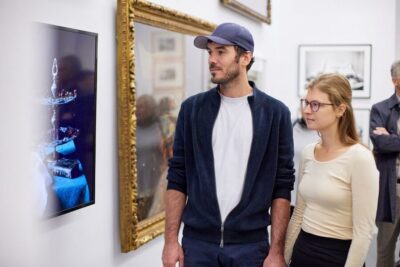 ★ 4.5St. Stephen’s Cathedral & Dom Museum Wien TicketsFrom $341,652 reviews
 ★ 4.5Old Town Sightseeing Tour in a Vintage-Style E-CarFrom $281,107 reviews
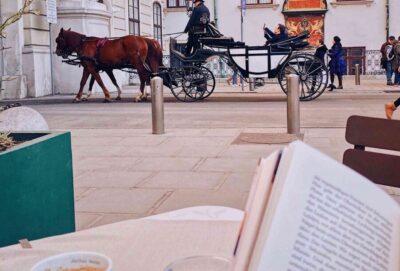 ★ 4.530-Minute Fiaker Ride in the Old TownFrom $1111,092 reviews
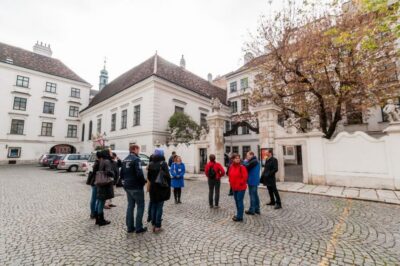 ★ 4.7Romantic Old Town 2-Hour Discovery TourFrom $352816 reviews
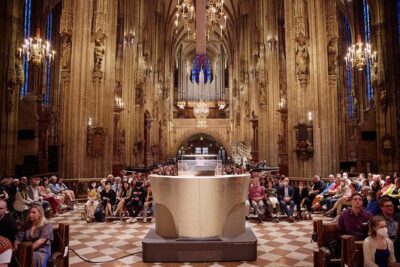 ★ 4.0Concert at Vienna’s St. Stephen’s CathedralFrom $12432 reviews
 ★ 5.0Exclusive Vienna Old Town Highlights Walking Tour (max. 6 persons)From $151252 reviews
 ★ 4.7Hidden Gems near St. Stephen’s & Old UniversityFrom $353153 reviews
Browse the lists this tour appears in