

Reviewed · VIENNA CENTRAL CEMETERY TOURS
Vienna: Private Walking Tour of the Central Cemetery
Death in Vienna has a softer side. This private walking tour of the Vienna Central Cemetery turns headstones into clear, human stories, from famous tombs to wartime tragedy. I especially like the state-certified Austrian guide approach, which keeps the details understandable without turning it into a lecture.
I also love that the route includes a visit to the cemetery church (with free admission), so you see the architecture that helps organize the whole place. One possible drawback: the tour is conducted in German, so plan for that if you prefer English.
Key things you’ll get from this tour
- Private pacing for up to 10 people, so questions don’t get swept aside.
- A state-certified Austrian guide who connects monuments to real events in Vienna.
- Free church admission, letting you see the dominant Art Nouveau cemetery church up close.
- Major memorial stops, including victims of the Ringtheater fire (1881) and Soviet soldiers from the Battle of Vienna (1945).
- Headsets for clearer listening when groups are larger (included for groups from 15).
- Ends at the forest cemetery, a look at how modern burial has changed the conversation about death.
In This Review
- Vienna Central Cemetery: stone stories, not spooky theater
- Finding the 2nd Gate and starting in the right place
- A private route through Europe’s big cemetery
- Monuments, famous names, and the idea that death levels everyone
- Ringtheater 1881 and the Battle of Vienna: two tragedies, explained clearly
- The cemetery church in Viennese Art Nouveau: the center of attention
- Forest cemetery at the end: where modern burial shows up
- Christian Pacic and Wiener Schmäh: why the guide makes the difference
- Price and value: $217 per group up to 10 for 2 hours
- Who should book this Central Cemetery walking tour
- Should you book this private Vienna Central Cemetery tour?
- FAQ
- How long is the private walking tour?
- Where do we meet for the Vienna Central Cemetery tour?
- What is the price and group size?
- What is included in the tour?
- What language is the tour in, and is it wheelchair accessible?
- Is there an extra fee on site, and can I cancel?
Vienna Central Cemetery: stone stories, not spooky theater
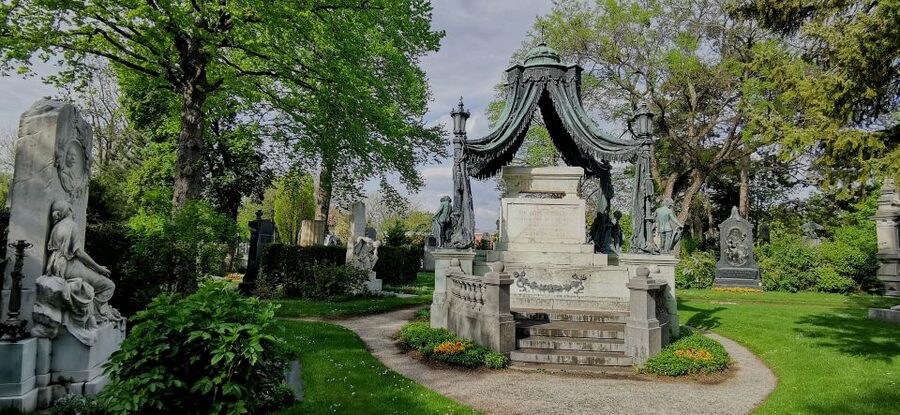
The Vienna Central Cemetery is one of those places where the setting is serious, but the experience doesn’t have to be grim. A good guide gives you a way in, and this tour is built around exactly that: you walk, you listen, and the names and symbols start to make sense.
You’ll learn how a cemetery that once drew criticism became one of Vienna’s most beautiful and splendid burial places. The city’s idea of equality in death gets tested here, because below ground everyone is the same, but above ground you’ll see reputation, prosperity, and fame recorded in stone and design.
What makes this tour feel worthwhile is the mix: you get both the big “why” of the cemetery and the human “who” behind specific graves. That balance is what helps a 2-hour walk feel like more than just sightseeing.
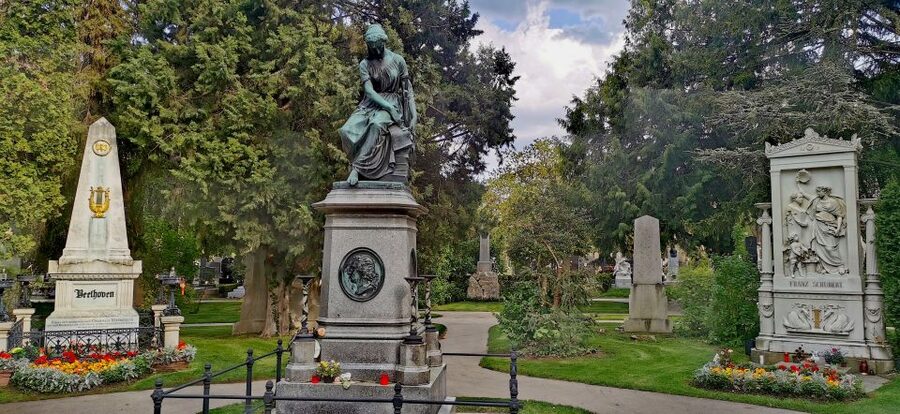
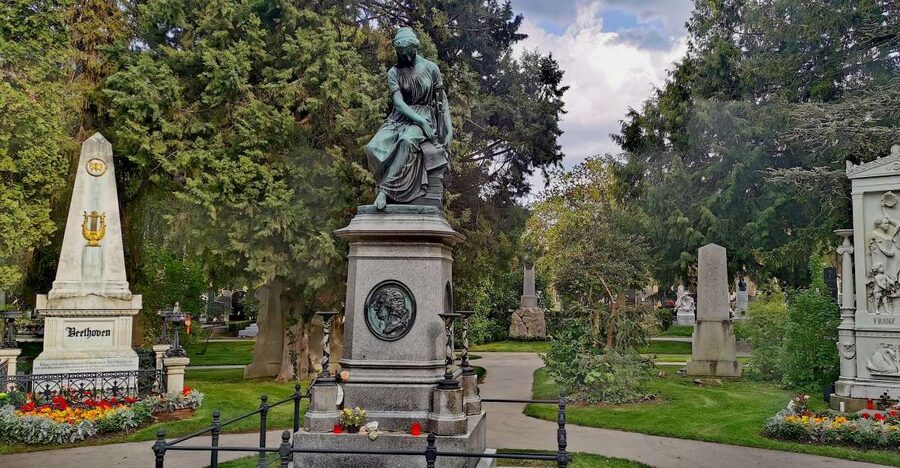
Among the composers at the Zentralfriedhof
- Vienna: Vienna Central Cemetery Guided Walking Tour★ 4.8 · 3,307 reviews
- Vienna: Guided Walking Tour of the Central Cemetery★ 4.8 · 392 reviews
- Vienna: Private Walking Tour of the Central Cemetery★ 5.0 · 102 reviews
- 3-Hour Walking Tour of Vienna Central Cemetery★ 4.7 · 71 reviews
Finding the 2nd Gate and starting in the right place
Your first practical win is knowing exactly where to meet. The meeting point is the 2nd gate. After you enter, your guide will be on the right at the water hydrant.
If you show up a little early, you’ll have time to get your bearings before the tour starts. Cemeteries can be confusing at the beginning, and good orientation matters because the tour includes multiple “zones” (monumental tomb areas, the church, and the end point at the forest cemetery).
Also note the tour is labeled as wheelchair accessible. Even if you don’t use a wheelchair, it’s a helpful signal that the route and stop planning should be practical for mobility needs.
A private route through Europe’s big cemetery
Vienna Central Cemetery is described as the second largest cemetery in Europe. That scale matters because if you go alone, you can see a lot of stone without understanding what you’re looking at. With a guide, the size becomes a map: you learn what to prioritize and why those spots matter in the cemetery’s layout and story.
On a private tour, you’re not competing with other groups for attention. In small groups, it’s easier to stop and ask follow-up questions when something strikes you—like a design choice, a memorial detail, or a reference you didn’t catch on the first sentence.
This also means the pacing can work for your group. Two hours isn’t endless, but it’s long enough to make a few key stops feel connected rather than rushed.
Monuments, famous names, and the idea that death levels everyone
There’s a line of thinking you’ll hear reflected through this cemetery: everyone is equal in death. It’s a comforting thought, but the cemetery complicates it in a way that’s honest.
You’ll see monumental tombs of many famous people—evidence of how Viennese society wanted to remember the dead, even while insisting (in theory) that death makes everyone equal. The point isn’t to judge; it’s to understand what people built as messages for the future: reputation, grief, and warning.
As you walk, the graves and memorials you encounter are designed for eternal remembrance and, in some cases, for reminder. That message comes through especially when you reach memorial areas linked to disasters and war. A guide helps you read the cemetery’s language instead of just photographing impressive stone.
If you like learning through concrete details—names, dates, and why certain memorials were erected—this tour has the right shape.
Ringtheater 1881 and the Battle of Vienna: two tragedies, explained clearly
Some cemeteries are built to honor individuals. Vienna Central Cemetery is also built to hold major events, and this tour points you straight to two.
You’ll visit the graves connected to the Ringtheater fire in 1881, where victims were buried here. You’ll also see the graves for Soviet soldiers who died in the Battle of Vienna in 1945. Those aren’t abstract chapters in a book; they’re physical resting places with real consequences for Vienna and beyond.
The value of guided explanation in these moments is simple: you don’t just see a name and a date. You get the surrounding context—enough to understand why those people are remembered here and how the cemetery became a place for public memory, not only private mourning.
One reason the private format works well is that these subjects can land differently depending on your interests. If your group wants more detail, you can lean in. If you need a pause, the guide can adjust the pacing so the tour stays respectful and manageable.
Vienna on foot, a couple more routes




The cemetery church in Viennese Art Nouveau: the center of attention
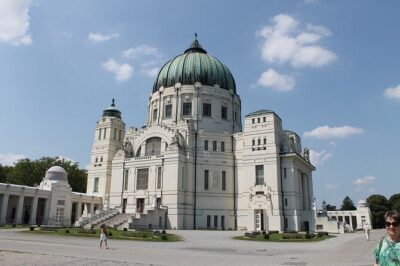
At a dominant position—almost in the center—you’ll find the cemetery church in Viennese Art Nouveau. This is one of the stops that makes the tour feel structured, because the church acts like a visual anchor for the whole Central Cemetery experience.
This tour includes a guided visit to the church, and you also get free admission. That matters. Paying for entrances can add up on sightseeing days, and here the church visit is part of the actual plan, not an optional add-on.
What you’ll take away is more than appearance. The guide explains the exciting architectural history tied to the church, so you’ll recognize design choices as deliberate, not random decoration. Even if you’re not a detail person with architecture, it helps you understand why the cemetery’s layout and focal points feel intentional.
If you’ve ever felt overwhelmed by large sites that look “beautiful but confusing,” this church stop is the answer: it’s a fixed point, and a guide turns it into a story you can remember.
Forest cemetery at the end: where modern burial shows up
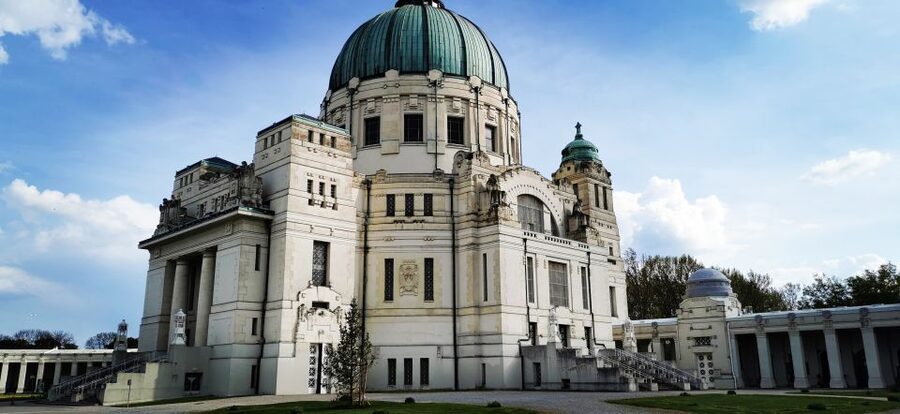
The tour finishes at the forest cemetery. That end point is a clever way to create contrast.
You start with monumental memorials and famous names, then you end with a space that represents how modern burial arrived in society. The tour framing helps you think about cultural change: how people plan, remember, and express grief shifts over time, even when the need for remembrance stays the same.
This ending also gives you a natural “close the loop” feeling. You’re not leaving the cemetery right after the most famous monuments. Instead, you’re guided from the past into what comes after—how burial practices and attitudes evolved.
Christian Pacic and Wiener Schmäh: why the guide makes the difference
The experience is private, and the guide matters more than you might expect. The provider listed for this experience is Christian Pacic, and multiple bookings highlight how he brings both humor and clarity to the material.
In particular, you’ll see praise for his Wiener Schmäh—Viennese wit—and for the fact that he stays entertaining while explaining a lot of historical material. One theme from the feedback is that the tour feels both interesting and fun, without losing respect for the subject matter.
There’s also a practical reason humor helps here: cemeteries can feel heavy, and a guide who knows how to lighten the mood without disrespect can keep you engaged. You’ll walk with better attention, remember more, and finish with a sense of connection instead of numbness.
And because it’s private, you’re not just hearing facts—you’re interacting with the guide. If something catches your eye, the guide can respond directly and keep the tour aligned with your group’s pace. That’s a big part of why private tours can feel like better value than they first appear.
Price and value: $217 per group up to 10 for 2 hours
The price is listed as $217 per group (up to 10 people) for a 2-hour tour. On paper, that can look “high” if you assume per person pricing. But for a private tour, the real question is how many people share the cost.
For small groups, the value depends on whether you’ll actually use a guide well. Here, you do. The tour isn’t only about seeing famous tombs; it’s about understanding why specific memorials exist, why the cemetery church matters, and how the cemetery’s story changed over time.
Also, this price includes some concrete value: a state-certified Austrian guide and free admission to the cemetery church. The tour also provides headsets for groups from 15, which suggests they plan for clear communication rather than guessing who can hear.
If you’re traveling as a couple or a small group, you’ll likely feel the value immediately because the guide can tailor the pace. If you’re a larger group, you’ll still benefit from the private format and the listening aids designed to keep the experience clear.
Who should book this Central Cemetery walking tour
This is a great fit if you want history with structure and a guide who can explain without drowning you in details. It also works well if your group likes a human approach—stone, names, and events connected in a way that feels readable.
You’ll especially enjoy it if you:
- want to see major memorials tied to Vienna’s tragedies and war history
- care about architecture and want the Art Nouveau church explained
- prefer a private experience over walking through a massive site on your own
Because the tour language is German, it’s best for German speakers or groups comfortable receiving the tour in German. If you only speak English, you might find the experience less rewarding unless everyone in your group can follow.
Also, the private format is ideal when you’re traveling with friends or family who want a shared itinerary instead of drifting between sights.
Should you book this private Vienna Central Cemetery tour?
If you want a cemetery visit that’s organized, respectful, and actually informative, I’d book this. The combination of a state-certified guide, the church stop with free admission, and the specific memorial areas makes the 2-hour walk feel purposeful rather than random.
The main reason not to book is language. This tour is in German, so decide based on your comfort level with that. If German works for you, this private format and the strong praise for Christian Pacic’s humor and clarity make it an easy yes.
FAQ
How long is the private walking tour?
The tour lasts 2 hours.
Where do we meet for the Vienna Central Cemetery tour?
You meet at the 2nd gate. After the entrance, the guide is on the right at the water hydrant.
What is the price and group size?
The price is listed as $217 per group up to 10 people.
What is included in the tour?
It includes a state-certified, Austrian guide, headsets for groups from 15, and free admission to the cemetery church.
What language is the tour in, and is it wheelchair accessible?
The tour guide is German. The tour is also marked wheelchair accessible.
Is there an extra fee on site, and can I cancel?
Yes. A solidarity contribution of 3 euros per person is charged on site and before the tour. You can cancel up to 24 hours in advance for a full refund.
Yours Alone Across Vienna
- Vienna: Private Walking Tour with a Local
★ 4.6 · 1,446 reviews - Vienna: Private Walking Tour with a Guide
★ 4.7 · 962 reviews - Vienna: Wine Tasting Experience in a Private Wine Cellar
★ 4.8 · 413 reviews - Private Day Tour Trip Salzburg Hallstatt and Melk from Vienna
★ 5.0 · 388 reviews - Private Day Tour of Hallstatt and Salzburg from Vienna
★ 5.0 · 263 reviews
Vienna on Foot, Continued
- Vienna: Guided Walking Tour of City Center Highlights
★ 4.7 · 4,989 reviews - Vienna: Vienna Central Cemetery Guided Walking Tour
★ 4.8 · 3,307 reviews - Vienna: Guided Walking Tour of City Highlights & Hidden Gems
★ 4.9 · 2,180 reviews - Vienna: Viennese Underworld Guided Walking Tour
★ 4.7 · 1,865 reviews - Vienna: World War II Historical Walking Tour
★ 4.8 · 1,772 reviews
The Zentralfriedhof, Composer by Composer
- Vienna: Vienna Central Cemetery Guided Walking Tour
★ 4.8 · 3,307 reviews - Vienna: Guided Walking Tour of the Central Cemetery
★ 4.8 · 392 reviews - 3-Hour Walking Tour of Vienna Central Cemetery
★ 4.7 · 71 reviews - Vienna Central Cemetery Walking Tour with Transfers
★ 5.0 · 5 reviews - Mobile puzzle rally tour at the Vienna Central Cemetery
★ 4.5 · 3 reviews
Just In: New Vienna Reviews




Vienna Central Cemetery Tours, compared.
 ★ 4.8Vienna Central Cemetery Guided Walking TourFrom $3353,307 reviews
 ★ 4.8Guided Walking Tour of the Central CemeteryFrom $34392 reviews
 ★ 4.73-Hour Walking Tour of Vienna Central CemeteryFrom $5371 reviews
 ★ 5.0Vienna Central Cemetery Walking Tour with TransfersFrom $2015 reviews
 ★ 4.5Mobile puzzle rally tour at the Vienna Central CemeteryFrom $253 reviews
Browse the lists this tour appears in