
Reviewed · MOZARTHAUS & MUSIC MUSEUMS
Vienna: Tickets to Haus der Musik
Music history meets hands-on sound.
I really like how Vienna’s composers are taught through interactive, modern exhibits instead of just behind glass. I also love the play-your-way-into-music activities, like the conducting challenge and the sound experiments. One thing to consider: it’s not a quiet, sit-down concert hall. The museum is hands-on, so you’ll hear lots of voices, buttons, and sound effects.
You’ll spend the day moving through a museum built in the former Palais of Archduke Charles, with a clear focus on music, sound, and the Vienna Philharmonic’s story. At $22 per person for a 1-day visit, it’s a strong value if you like learning by doing and you want something that works for both classical fans and non-fans. If you’re traveling with kids, it’s especially easy to justify.
In This Review
- Key highlights you should care about
- Haus der Musik in Vienna: what the museum experience feels like
- The Vienna Philharmonic story inside the museum
- Four floors of composers and sound: how the museum teaches music
- Play conductor: your virtual shot at a Vienna Philharmonic moment
- Namadeus and hearing your name as Mozart
- Compose your own waltz with a dice throw
- The sound-science stations: where the museum turns sound into a hands-on lesson
- Vienna Philharmonics New Year’s Concert in HD: how it fits the day
- Timing it right for a 1-day visit
- Tickets, value, and what you should bring
- Who should book Haus der Musik tickets
- Should you book Haus der Musik?
- FAQ
- How much are tickets to Haus der Musik in Vienna?
- How long are the tickets valid?
- What should I bring with me?
- What’s included with admission?
- Is food and drink included?
- Is the museum wheelchair accessible?
Key highlights you should care about
- Interactive composer learning across major names of the Wiener Klassik, with historic artifacts plus modern installations
- Conducting challenge that puts you in front of a Vienna Philharmonic–style experience
- Namadeus Mozart game where you can hear your name set as an original Mozart-style composition
- Waltz-making with dice for a playful way to understand musical structure
- Sound-science stations with hands-on displays and instrument experiments
- Vienna Philharmonics New Year’s Concert in HD as part of the museum’s audio/video mix
Where the music lived, a couple more visits
- Vienna: Tickets for Mozarthaus Vienna with Audio Guide★ 4.2 · 2,344 reviews
- Vienna: Haus des Meeres Entry Ticket★ 4.6 · 1,260 reviews
- Vienna: Tickets to Haus der Musik★ 4.6 · 704 reviews
- Concerts at Mozarthouse Vienna – Chamber Music concerts.★ 4.5 · 367 reviews
Haus der Musik in Vienna: what the museum experience feels like
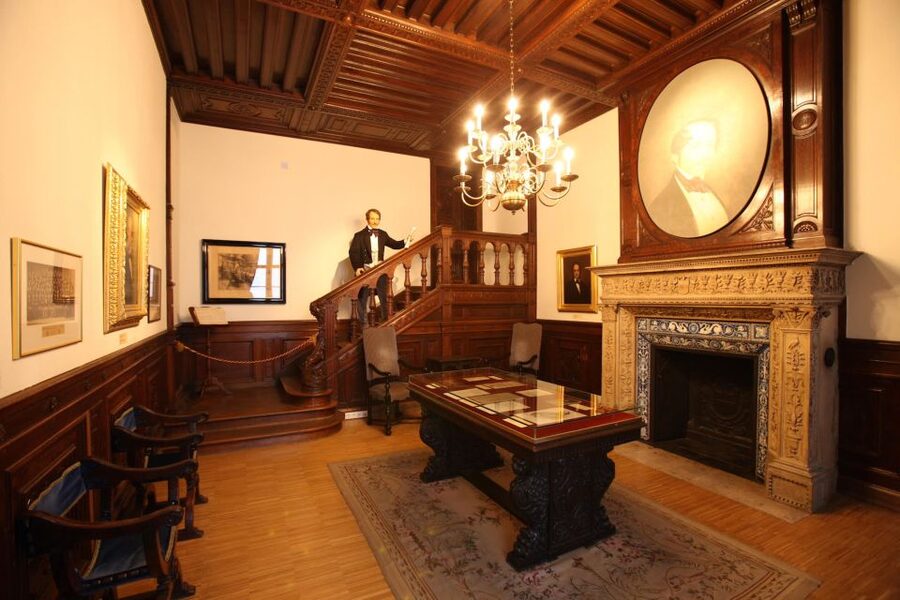
Haus der Musik is a modern, interactive music museum in central Vienna, at Seilerstätte 30 (1010 Vienna). It’s housed in a historic setting, the former Palais of Archduke Charles, but the exhibits are very much 21st-century: you press, listen, test, and try. The payoff is that you don’t need to already know music to enjoy it.
I like that the museum doesn’t make you choose between “history” and “fun.” The composer timeline is there, with documents, models, costumes, and personal items, but you’re also constantly using your ears. And yes, it can get busy, especially with families, because the activities are designed to pull everyone in.
Practical tip: bring patience for a flow that’s more like a science center than a traditional museum. You can move at your speed, stop when something grabs you, and keep going without feeling rushed—though you may want to pace yourself so you don’t run out of time.
The Vienna Philharmonic story inside the museum
One of the most interesting parts of the visit is how the museum connects music history to the Vienna Philharmonic Orchestra. The building’s past matters here. The museum sits in the former Palais where Otto Nicolai—the founder connected to the Vienna Philharmonic—lived when the orchestra was established in 1842.
In the Haus der Musik setup, you’ll see precious documents and mementos related to the orchestra’s history. That gives you a real sense of lineage, not just a generic “great composers” lesson. If you plan to do Vienna’s concert scene while you’re in town, this gives you background that makes later listening feel more personal.
What I like for you: this section is a good reset point if the interactive rooms start to feel like sensory overload. You get to slow down and read, and you can connect the technology you’re playing with to real musicians and real history.
Four floors of composers and sound: how the museum teaches music
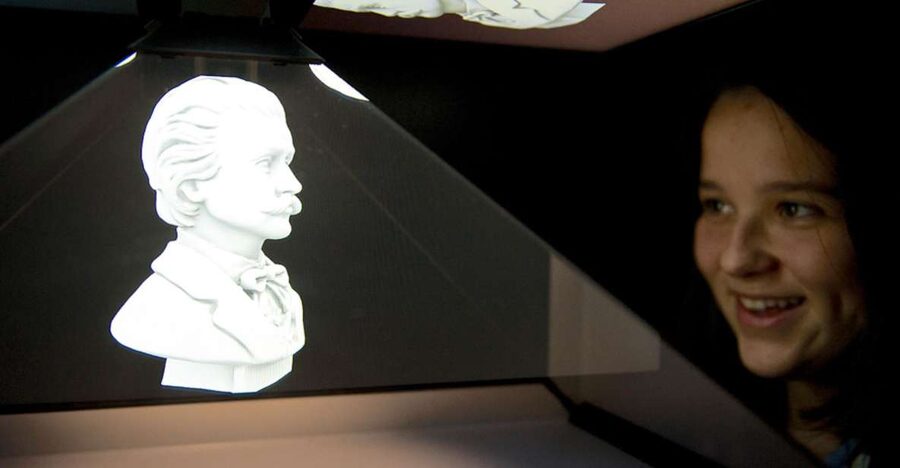
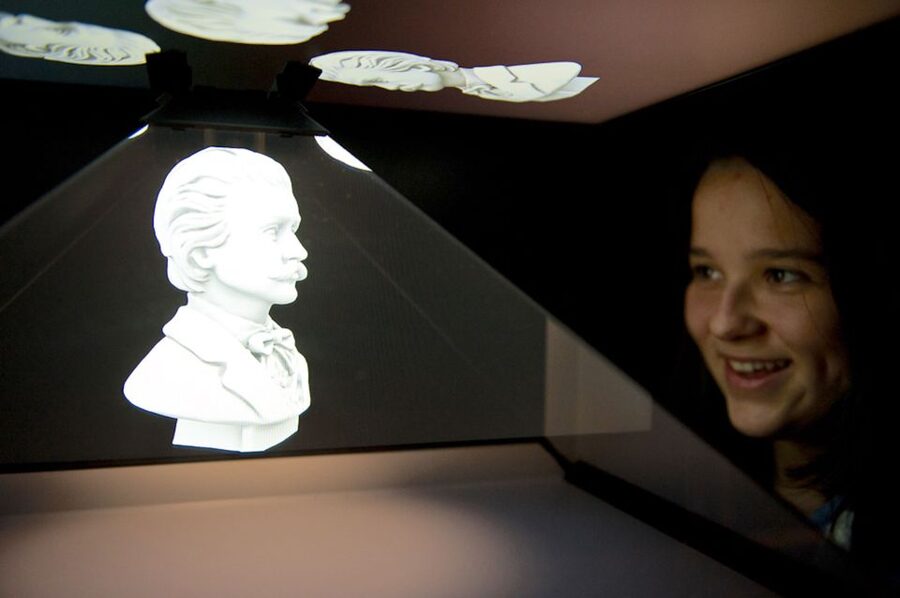
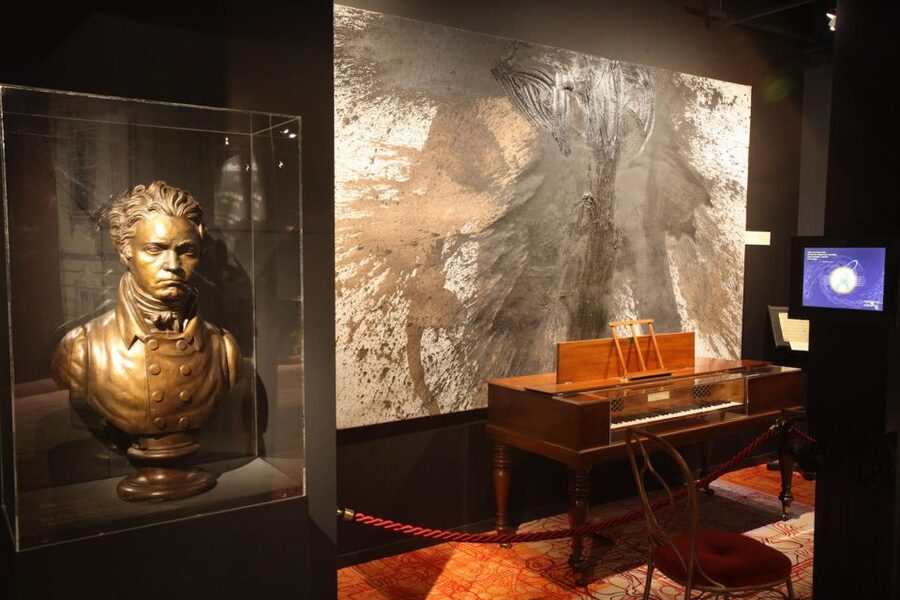
Haus der Musik organizes its music-and-sound world across four floors, with different focuses as you move through. You’ll meet the big names of the Wiener Klassik and beyond—Haydn, Mozart, Beethoven, Schubert, Strauss, Mahler, and Schönberg. The approach is practical: historic materials are paired with modern installations so you can understand both the people and the sound-world they shaped.
You can expect a mix of:
- Historic documents and models that help you place composers in context
- Costumes and personal items that make the figures feel less like textbook names
- Contemporary exhibit design that doesn’t require music theory
The museum also runs temporary exhibitions in an inner courtyard, focused on specific musicians or music-historical themes like Viennese Modernism. That means you might see something different from what your friend saw last year, and it adds a bit of freshness even if you end up repeating some interactive areas.
Possible drawback to plan for: because it’s hands-on and multi-format, you may not be able to read everything carefully in one go. If you love absorbing text, give yourself more time. If you prefer trying activities first, it’s still fine—just accept that some history details will be highlights, not deep study.
Play conductor: your virtual shot at a Vienna Philharmonic moment
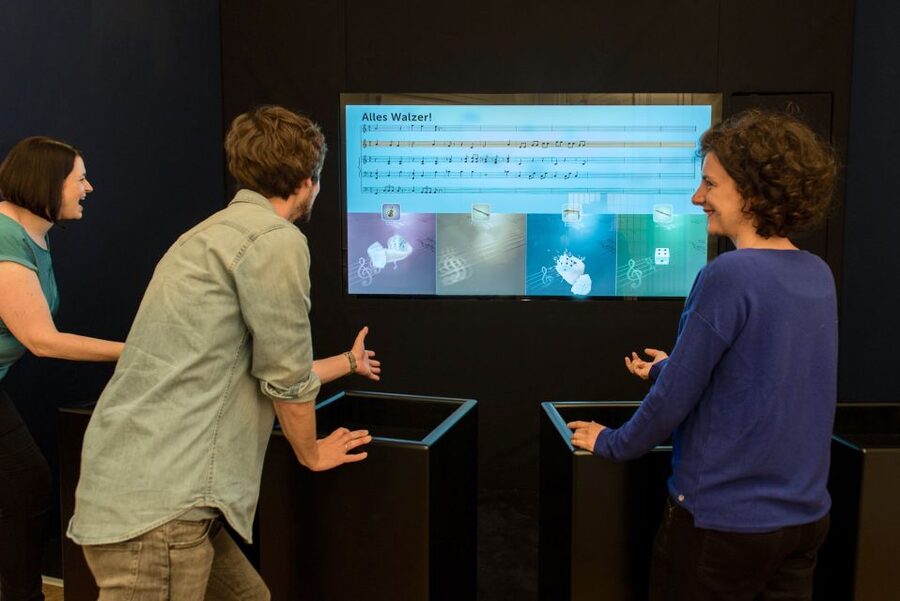
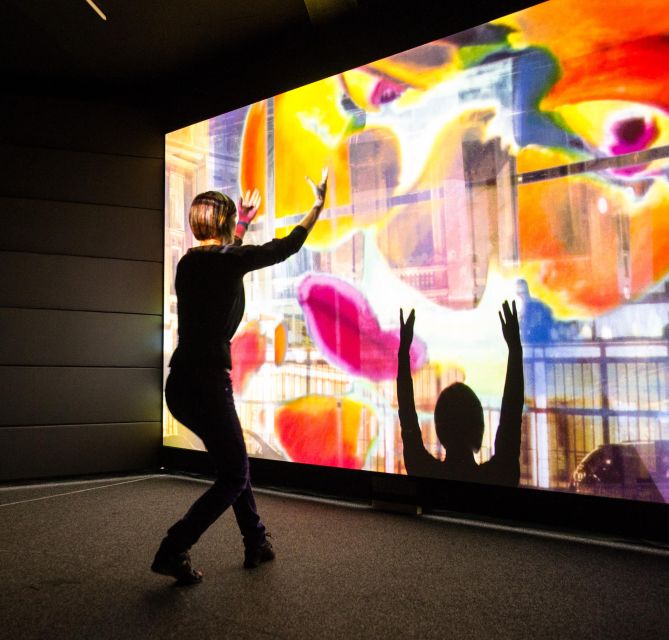
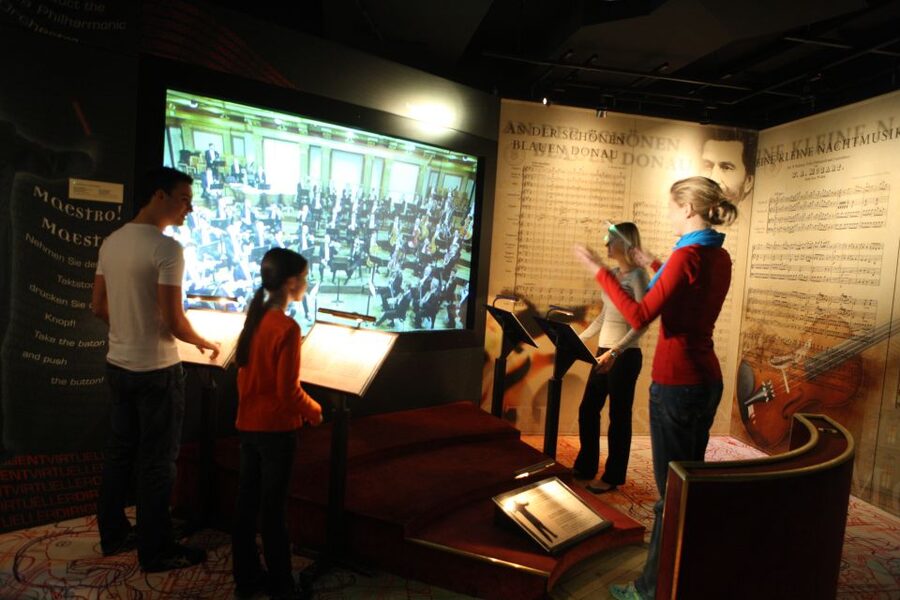
If you want a single experience that sums up the museum’s personality, make it the virtual conducting challenge. The idea is simple and fun: you test your talent as a conductor and face the world-famous Vienna Philharmonic Orchestra in an interactive format.
This is the section that’s hardest to describe without losing the point. What makes it effective isn’t just the show. It’s the feedback loop. You’re not just watching; you’re trying. That turns abstract “how does a conductor shape sound” ideas into something you can feel in your hands and ears.
For you, this is a great choice even if you’re not a classical die-hard. You’ll get something out of it quickly, and it gives you a natural reason to pay attention to phrasing, timing, and dynamics once you know what you’re doing.
Tip: if you see a line, consider doing the conducting later and start with the sound stations or composer rooms first. That keeps your energy up, because conducting can become the “main event” you don’t want to rush.
Worth a look before you book this Vienna tour:

Namadeus and hearing your name as Mozart
One of the most memorable interactive touches is the Namadeus Game, where you can hear your name as an original Mozart composition. The concept sounds playful, and it is—but it also works as a learning tool. It puts your identity into the music framework, which is a clever way to reduce the intimidation factor of classical music.
A key detail: a Namadeus certificate is not included with the ticket. That means if you want a printed or official keepsake tied to the game, you’ll need to check what’s offered on-site and plan accordingly.
I’d treat Namadeus as an “add-on moment” rather than something you should build your whole visit around. Still, for many people it becomes a highlight, because it’s funny, personal, and oddly satisfying the first time you hear it.
Compose your own waltz with a dice throw
Another hands-on favorite is the waltz activity where you compose your own music with a throw of the dice. It’s a playful way to learn musical structure without a worksheet. You’re working with rules, patterns, and outcomes, even if the process feels like a game.
This matters because it trains your ear. When you leave, you’ll likely notice waltz rhythm and phrasing more easily when you hear it in real life around Vienna. That’s a quiet benefit: the museum changes how you listen on the street and in concert halls.
If you travel with kids, this is one of those activities that keeps them engaged without requiring them to be “good at music.” They just need to participate, try, and listen back.
The sound-science stations: where the museum turns sound into a hands-on lesson
Haus der Musik isn’t only about composers. It’s also about the science of sounds. The museum includes interactive displays and instruments where you can experiment with sound, noises, and how your perception works.
This is where the museum is unusually good for mixed groups. If one person in your group wants composer history and another wants “science stuff,” both sides get real options. You’ll be able to test and play rather than just read.
In terms of why this works: music is math plus emotion, and sound physics sits underneath both. Even without technical explanations, hands-on experiments help you make the connection. You stop thinking of sound as something abstract and start thinking of it as something you can manipulate.
Practical tip: wear comfortable shoes. These rooms encourage you to move. You’ll want to stay nimble, especially when you’re repeating experiments to see what changes.
Vienna Philharmonics New Year’s Concert in HD: how it fits the day
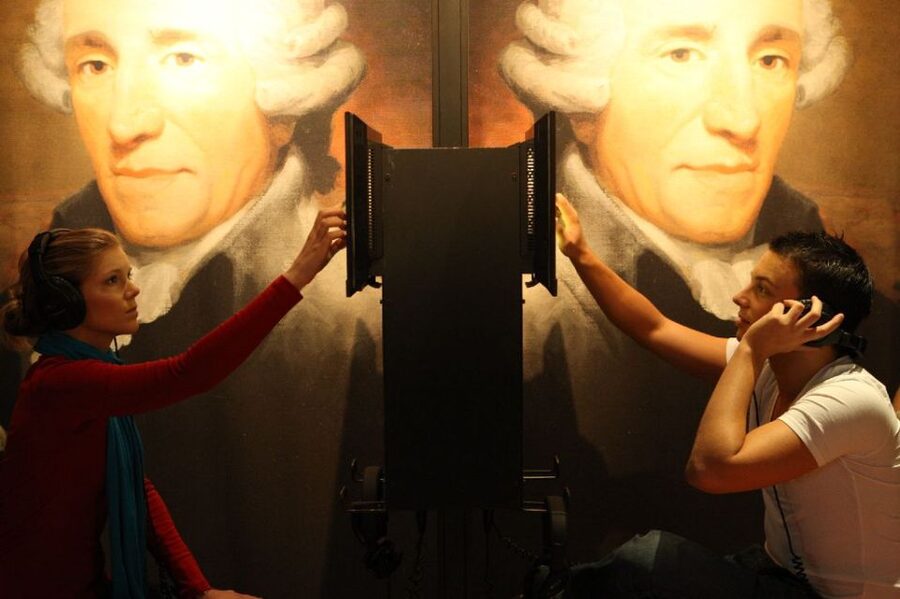
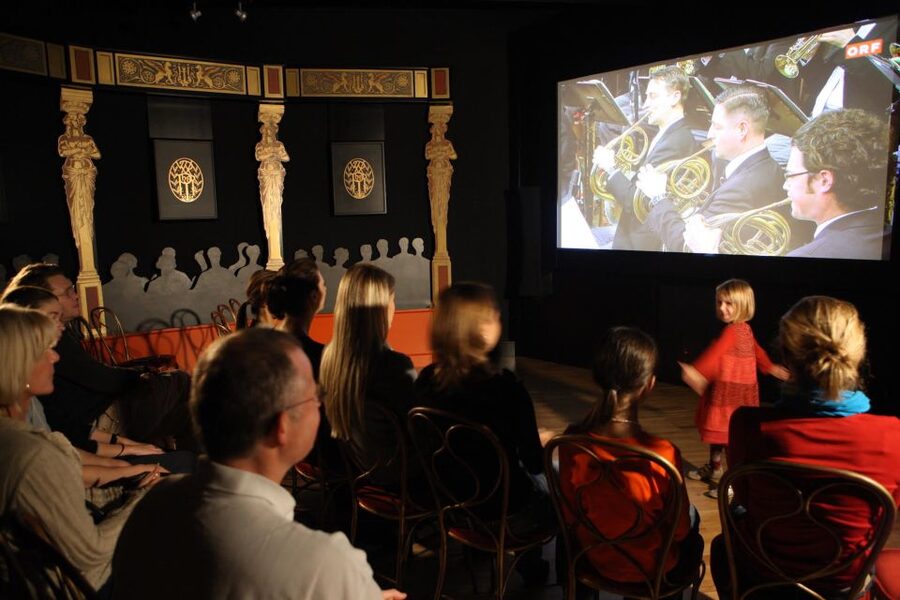
The museum includes the Vienna Philharmonics New Year’s Concert in HD quality. It’s not just a random video. It plays into the museum’s bigger goal: connecting the orchestra’s identity to the way sound works and how traditions travel through time.
I like this feature because it acts like a pacing tool. After interactive experiments, you can sit for a moment, listen, and let everything you tested earlier “snap into place.” If you’re a visual learner, HD video also helps your brain map the story you just built in the exhibits.
One consideration: if you’re the type who prefers continuous action, you might treat the concert as a quick stop rather than a full sit. But if you want a calmer moment in the middle of your day, it’s a good place to do it.
Timing it right for a 1-day visit
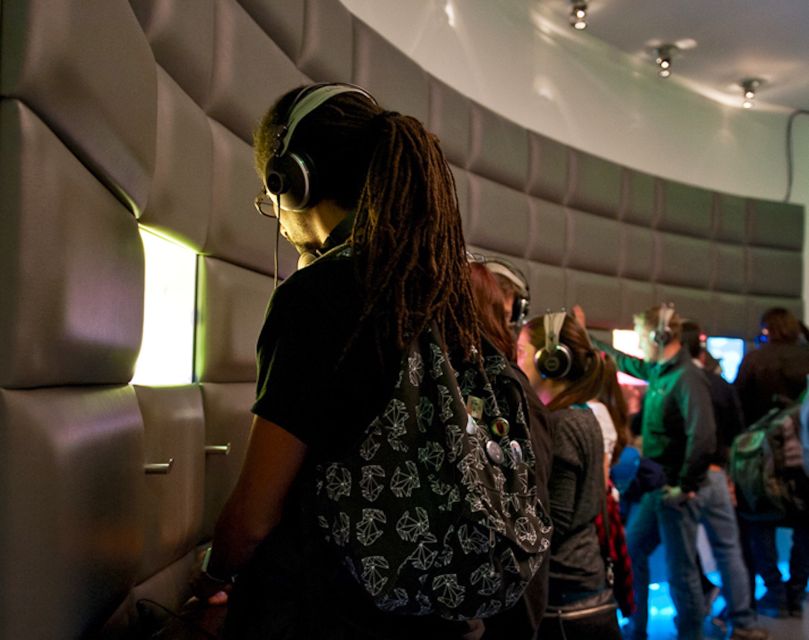
Your ticket is valid for 1 day, starting from first activation. For planning, I’d treat a full-quality visit as a half-day to full-day mix, depending on how interactive you go.
A useful reality check: one visitor reported spending over four hours and not noticing time pass. That’s a sign the museum can easily fill your afternoon, especially if you replay activities or stop for the more text-heavy composer materials.
Here’s a simple approach that works:
- Start with the composer-focused floors while your attention is fresh
- Then hit the interactive sound stations
- Finish with the “big moments” like conducting, Namadeus, and the waltz dice activity
- Use the HD concert as your break or wrap-up
If you’re short on time, prioritize the conductor challenge, Namadeus, and the sound-science areas. Those are the most “museum-only” experiences—the ones you can’t easily recreate elsewhere.
Tickets, value, and what you should bring
Tickets cost $22 per person for admission, and the value is strong if you’ll actually use the interactivity. This isn’t a museum where you just walk past exhibits. It’s built around doing things, and many of those experiences require time.
What’s included with your admission:
- Admission itself
- A smartphone app guide (8 languages) plus a children’s app (2 languages)
- A museum map
- Coat check
You’ll want to plan around the fact that food and drinks are not included. So if you’re staying for a longer stretch, bring snacks if allowed by your schedule, or plan a meal break outside.
What to bring:
- Headphones
The museum encourages headphone use, so you won’t want to show up without them.
Location helps too. The museum is at Seilerstätte 30, and it’s a practical stop for Vienna sightseeing days because you can weave it between other central sights. Add in the fact that it’s wheelchair accessible—with step-free access and elevators—and it becomes a flexible choice for many travelers.
Who should book Haus der Musik tickets
I think you should book if any of these sound like your trip style:
- You love classical music, and you want background that connects composers to listening
- You’re traveling with kids and need activities that don’t feel like a compromise
- You enjoy science, sound, and how instruments work
- You have a mixed group, with one person who loves history and another who likes interactive challenges
Even if you don’t care about the names on the composer list, the museum can still work. The sound experiments and the interactive conducting challenge let you engage through action first, then knowledge.
If you prefer a quiet museum with lots of reading and minimal noise, this might feel a bit too active. The museum is designed for participation, so plan for an energetic atmosphere.
Should you book Haus der Musik?
Book Haus der Musik if you want a Vienna day that mixes music history with hands-on sound play and interactive challenges. For $22 and a full 1-day visit, it’s a solid value when you’re the type who learns by trying things. It also makes sense for families because the museum is built to keep multiple ages engaged.
Skip it only if you’re looking for a traditional, silent museum experience or you dislike interactive exhibits that involve noise and audience participation.
If your idea of a great travel day includes pressing buttons, testing sound, and learning why Vienna’s composers matter, this is exactly your kind of stop.
FAQ
How much are tickets to Haus der Musik in Vienna?
Tickets are priced at $22 per person for admission.
How long are the tickets valid?
Your ticket is valid for 1 day, starting from the first activation.
What should I bring with me?
You should bring headphones.
What’s included with admission?
Admission includes the app guide for your smartphone in 8 languages, a children’s app in 2 languages, a museum map, and coat check.
Is food and drink included?
No. Food and drinks are not included.
Is the museum wheelchair accessible?
Yes. There is step-free access at the main and side entrances, automatic sliding doors, wheelchair-accessible elevators, and wheelchair-accessible toilet facilities located in the inner courtyard and on the top floor.
More Tickets in Vienna
- Vienna: Classic Ensemble Vienna in St. Peter’s Church Ticket
★ 4.7 · 4,819 reviews - Vienna Kunsthistorisches Museum Day Admission Ticket
★ 4.6 · 3,690 reviews - Vienna: Tickets for Mozarthaus Vienna with Audio Guide
★ 4.2 · 2,344 reviews - Vienna: Skip-the-Line Entrance Ticket to the Danube Tower
★ 4.5 · 2,303 reviews - Tickets for the Albertina Exhibitions
★ 4.7 · 2,126 reviews
More Tour Reviews in Vienna
- Vienna: Vivaldi’s Four Seasons Concert in Karlskirche
★ 4.7 · 14,951 reviews - Vienna: Schönbrunn Palace & Gardens Skip-the-Line Tour
★ 4.7 · 7,739 reviews - Vienna: Light of Creation Votive Church Immersive Light Show
★ 4.8 · 6,779 reviews - Vienna Spanish Riding School Guided Tour
★ 4.7 · 6,765 reviews - Vienna: Classical Concert in the World-Famous Musikverein
★ 4.6 · 6,673 reviews
Where Vienna's Music Was Made
- Vienna: Tickets for Mozarthaus Vienna with Audio Guide
★ 4.2 · 2,344 reviews - Vienna: Haus des Meeres Entry Ticket
★ 4.6 · 1,260 reviews - Vienna: Classical Concert at Mozarthaus with Museum Entry
★ 4.8 · 371 reviews - Concerts at Mozarthouse Vienna – Chamber Music concerts.
★ 4.5 · 367 reviews - Vienna: Classical Masters Concert at Haus der Musik
★ 4.9 · 256 reviews
Just In: New Vienna Reviews



Mozarthaus & Music Museums, compared.
 ★ 4.2Tickets for Mozarthaus Vienna with Audio GuideFrom $182,344 reviews
 ★ 4.6Haus des Meeres Entry TicketFrom $271,260 reviews
 ★ 4.8Classical Concert at Mozarthaus with Museum EntryFrom $69371 reviews
 ★ 4.5Concerts at Mozarthouse Vienna – Chamber Music concerts.From $50367 reviews
 ★ 4.9Classical Masters Concert at Haus der MusikFrom $27256 reviews
 ★ 4.5Vienna House of Music Entrance TicketFrom $22191 reviews
Concerts at the Mozarthaus ViennaFrom $71156 reviews
★ 4.5Vienna House of Music Entrance TicketFrom $22191 reviews
Concerts at the Mozarthaus ViennaFrom $71156 reviews
 ★ 3.0Mozarthaus Vienna Admission TicketFrom $19139 reviews
Browse the lists this tour appears in