
Reviewed · HISTORICAL TOURS
Time Travel-Magic Vienna History Tour Ticket
Vienna turns into a movie set in 1 hour. This interactive, multimedia show walks you through Roman Vienna, the Habsburg era, and wartime memories using 5D cinema, VR, animatronics, and hands-on set pieces. I like that it mixes real historical stops with fun delivery, so you get facts without feeling lectured. One possible drawback: it’s a group experience, so if your timing includes disruptive kids, you’ll feel it in the soundtrack and audio comfort.
What I really liked is the way the experience uses multiple formats in one visit—video, VR headsets, animatronics, and staged rides—so there’s always something happening. I also appreciate the language support: the tour is offered in English, and you can switch to full translation across 10 languages using audio guidance.
One consideration before you go: it’s not aimed at people who want a slow, research-level, fully realistic history tour. If you expect deep storytelling or strict historical accuracy at every turn, you may find some sections feel short or a bit simplified.
In This Review
- Key things to know before you go
- Time Travel Vienna: what the ticket really buys
- Inside the Michaelerkloster vaults: a big production in one location
- Stop 1: Time Travel Vienna, room by room (and what to watch for)
- Roman Vindobona: a fast start with big visual effects
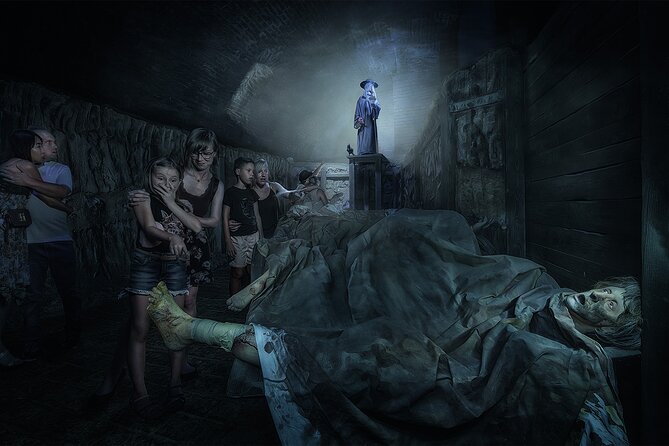
- The plague-hit medieval streets: Vienna gets darker
- Habsburg emperors and the “court life” vibe
- Meeting Mozart and Strauss: music history as a character moment
- The spinning waltz car: the ride that makes it stick
- Plague pit and air raid shelter: realism where it counts
- Virtual fiaker ride: landmarks in a quick, guided snapshot
- Languages and audio: how to choose what fits you
- Group size, flow, and why it feels different than a typical tour
- Price and value: is $27.76 money well spent?
- Who should book this Vienna history show
- Tips to get the most from your hour
- Should you book Time Travel Vienna?
Key things to know before you go
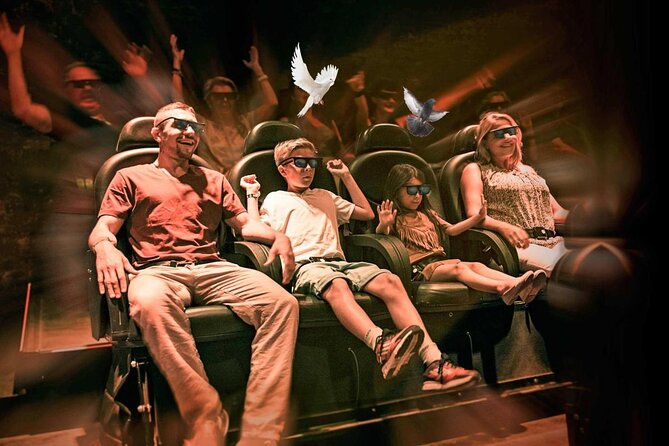
- 5D cinema and VR headsets make the show feel more like an attraction than a lecture.
- Roman, plague, Habsburg, and WWII themes all show up in one tight timeline.
- A spinning waltz car is built into the ride experience for Vienna’s musical heritage.
- You get a virtual fiaker ride to see top landmarks without walking across town.
- English is available, plus audio translation in 10 languages for people who prefer another language.
- The max group size is 32, which helps keep it moving in a single building.
Vienna reimagined, screens and all
- Vienna: Time Travel and Magic Vienna History Tour★ 4.6 · 3,879 reviews
- Time Travel-Magic Vienna History Tour Ticket★ 4.5 · 1,099 reviews
- Vienna: “Sisi’s Amazing Journey” Virtual Reality Experience★ 4.5 · 673 reviews
- Vienna: Time Traveling Virtual Reality Sightseeing Tour★ 4.6 · 672 reviews
Time Travel Vienna: what the ticket really buys
You’re buying admission to the Time Travel Vienna History Show, staged in the historic vaults of the 400-year-old Michaelerkloster. The whole point is speed: you move through themed rooms and set pieces, guided by live commentary or supported by audio, depending on what language mode you choose.
At about 1 hour, it’s a good fit when you want history but you don’t want it to eat your entire day. It also has the advantage of being indoors and built for repeatable show timing, so you’re less at the mercy of Vienna’s weather.
The price—$27.76 per person—isn’t “cheap like a museum ticket,” but it’s closer to what you pay for a well-produced attraction. If you enjoy multimedia experiences, it often feels worth it because you get several “wow” moments instead of one big thing.
Inside the Michaelerkloster vaults: a big production in one location
The venue choice matters. Historic vaults give the show instant atmosphere, so even when the content turns futuristic (VR, 5D effects), the building keeps the story anchored in place.
This is also why the pacing works. You won’t spend your time walking between far-off sites; instead, you follow the flow through themed stations. Many people like this because it turns Vienna’s history into something you can experience quickly, even on a tight schedule.
The building is near public transportation, which helps if you’re already doing the city on foot and want a low-stress indoor stop between landmarks.
Stop 1: Time Travel Vienna, room by room (and what to watch for)
This is one continuous show with multiple scenes. You start in the interactive zone where the staff lead you through Vienna’s past using state-of-the-art effects like a 5D cinema, virtual reality, and animatronics.
The “journey” isn’t just visual. You’ll also get interactive elements—rides and staged encounters—so the show keeps your body involved, not only your eyes and ears. That matters because shorter shows work better when they keep grabbing attention.
Here’s the practical way to think about each theme. Each room gives you a key slice of Vienna’s timeline, but none of them tries to cover everything. If you go with curiosity and accept it as an overview, you’ll get more out of it.
Roman Vindobona: a fast start with big visual effects
One early highlight is the Roman camp Vindobona. You don’t just hear about it—you get guided, rapid travel into that setting, with technology designed to make the period feel closer than a textbook description.
If you like when museums show daily life (not just rulers), this opening tends to click. The set pieces and visuals are built to help you picture what the world could have looked like back then.
The tradeoff is that the Roman segment is still part of an hour-long arc. So if you want deep Roman scholarship, you’ll likely want to pair this with a real museum or guided walk afterward.
Worth a look before you book this Vienna tour:

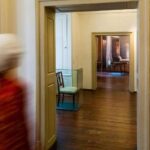
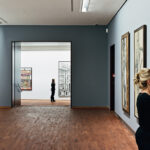
The plague-hit medieval streets: Vienna gets darker
Next comes the plague-hit streets of the medieval city. This is the part that adds emotional weight, because it shifts from “history as pageantry” to “history as survival.”
The show uses animatronics and immersive set design to keep the theme from feeling like a slide presentation. It’s not graphic for its own sake, but it aims to convey fear and hardship through the staging.
If you’re traveling with kids, this is often where you’ll see their reactions—sometimes curiosity, sometimes discomfort. It’s a good moment to remind younger visitors that the show is intentionally serious even though the technology is playful.
Habsburg emperors and the “court life” vibe
Then the story moves toward the Habsburg era. This is where Vienna’s reputation for music, monarchy, and big cultural power shows up again, but in a theatrical way.
You’ll follow in the footsteps of the Habsburgs through the show’s themed transitions. If you’ve ever wondered why Vienna feels like a capital of performance and ceremony, this section helps connect the dots—fast.
The drawback here is expectation. If you want a slow walk through palaces and documents, the show can’t replace that. Think of it as a strong opener that points you toward what to learn next.
Meeting Mozart and Strauss: music history as a character moment
The show includes encounters with Mozart and Strauss, framed as part of the experience. That matters because music history can feel abstract until someone turns it into a scene.
The presentation keeps Vienna’s musical heritage front and center, then you get a physical experience later that turns “music” into movement. For many people, that shift from “seeing” to “feeling” is where the hour turns memorable.
If you already love classical music, you may find this section especially enjoyable. If you don’t, it still works because it’s packaged as character-based history rather than theory.
The spinning waltz car: the ride that makes it stick
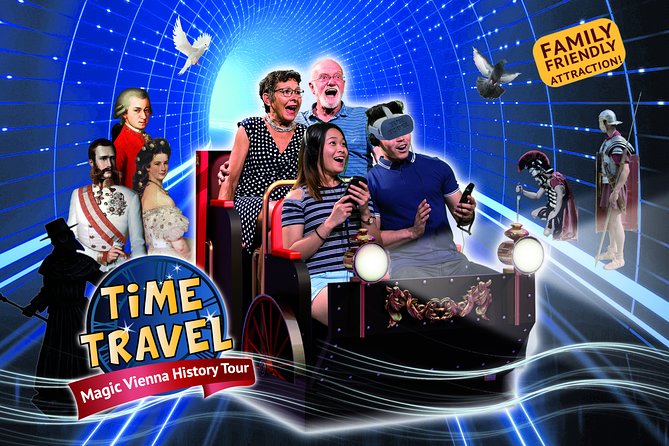
One of the most concrete highlights is the spinning waltz car. It’s a literal ride tied to Vienna’s musical and social culture, so you’re not only watching history—you’re doing a small version of it.
This is also a reason the show is good for mixed ages. It gives adults a visual-and-story reason to stay interested, and it gives kids a “that was fun” moment that supports the learning.
A practical tip: if you’re sensitive to motion or you dislike spinning effects, consider that before choosing your seat position. The show doesn’t advertise intensity here, but it is a ride component, so expect some physical sensation.
Plague pit and air raid shelter: realism where it counts
The show doesn’t shy away from wartime and hardship. You’ll get refuge in an original air raid shelter, described as a realistic staging, and you’ll hear about what it meant to survive through bombing raids.
The air raid portion tends to be one of the most thought-provoking parts of the show because it’s not only “Vienna in style.” It shows Vienna under threat, which helps balance the earlier court and composer focus.
You’ll also hear Leopold Figl’s famous words, Austria is free, as part of the storyline. Even if you don’t know who he is when you arrive, the message lands because it’s tied to the show’s wartime-to-freedom transition.
If you’re bringing younger kids, this is a section to watch closely. It’s inside a shelter and it carries serious theme energy, even with entertaining presentation tech.
Virtual fiaker ride: landmarks in a quick, guided snapshot
Near the end, you get a virtual fiaker ride to see top Vienna landmarks in a way that doesn’t require lining up outside. It’s a smart “orientation” tool—especially if it’s your first or second day in town.
You may find that after this portion, you recognize streets and buildings later during your own walking. That’s one big value of technology-led “previews”: it speeds up your mental map.
Just don’t confuse it with a substitute for actually seeing the buildings in person. The show gives you a guided look; Vienna still rewards slow street-level sightseeing afterward.
Languages and audio: how to choose what fits you
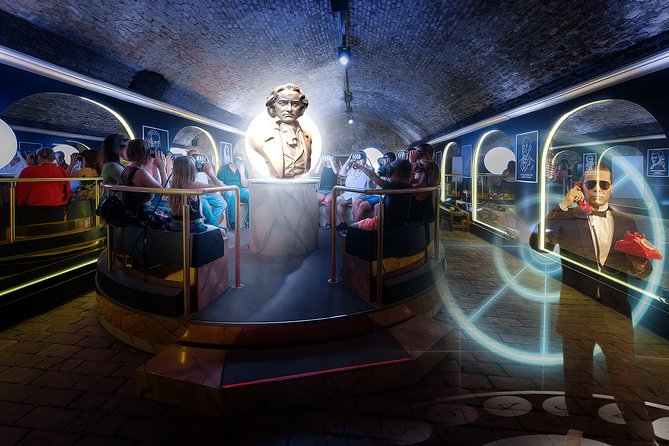
The tour is offered in English, but you have options. You can also listen in German via headphones with simultaneous translation support, and you can use audio guides translated into 10 languages (English, Spanish, Italian, French, Japanese, Chinese, Russian, Hungarian, Polish, Czech).
This matters for comfort and pacing. If you’re in a group that includes different language preferences, audio translation reduces the chance that half the group struggles to follow.
Here’s a practical note: audio quality and headsets work best when the group is calm enough to listen. One caution from real-world experiences is that when kids or group members are hard to manage, it can break the immersion and make translation harder to enjoy.
If you want the cleanest experience, plan to attend when your group is ready to sit, listen, and follow directions.
Group size, flow, and why it feels different than a typical tour
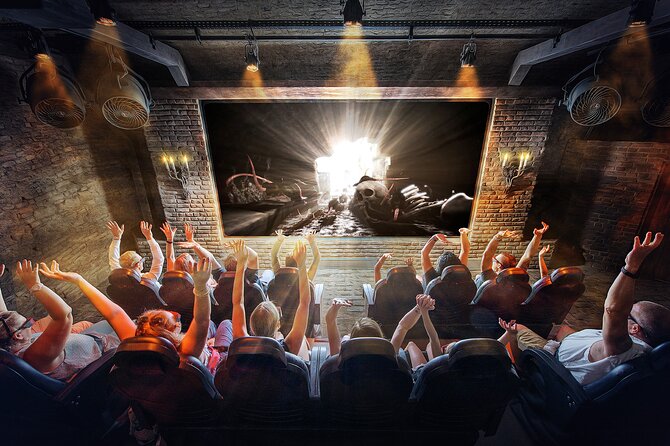
With a maximum of 32 travelers, you’re not stuck in a huge crowd. That’s good, because the show is designed as a sequence—people moving at similar pace keep transitions smooth.
You’ll also benefit from the fact that there’s a guided/live component. A good host can make the humor land and the facts stick, and one name that came up in real experiences was Marie, described as helpful and friendly.
Still, it’s not a private tour. If you want personal, slow Q&A time, this isn’t that. It’s built to deliver a show, not a deep conversation.
Price and value: is $27.76 money well spent?
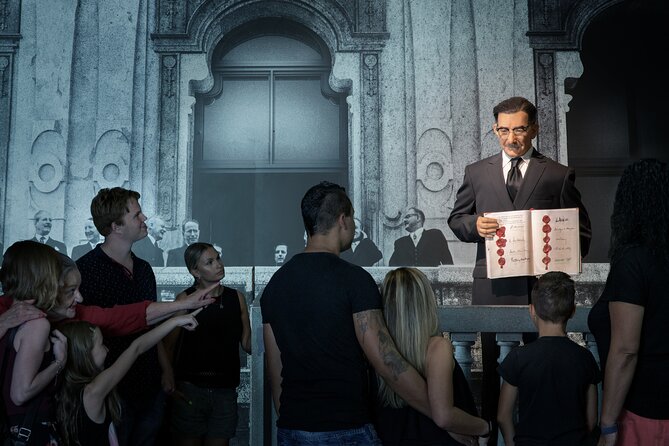
At $27.76, you’re paying for more than admission to a room. You’re paying for a multi-sensory production: 5D cinema, VR elements, animatronics, rides, and multiple themed sets all rolled into a single hour.
That value tends to work best when you’re:
- Short on time and want a quick overview of Vienna’s timeline
- Traveling with kids or teens who learn well through interactive media
- Interested in seeing wartime history and court culture without hopping between multiple venues
It can feel less valuable if you show up expecting a realistic, fully chronological, detail-heavy history tour. The show is designed to be fun and fast, not exhaustive.
In other words: if you like “learning by doing” and you’re okay with an overview, the price is easier to justify.
Who should book this Vienna history show
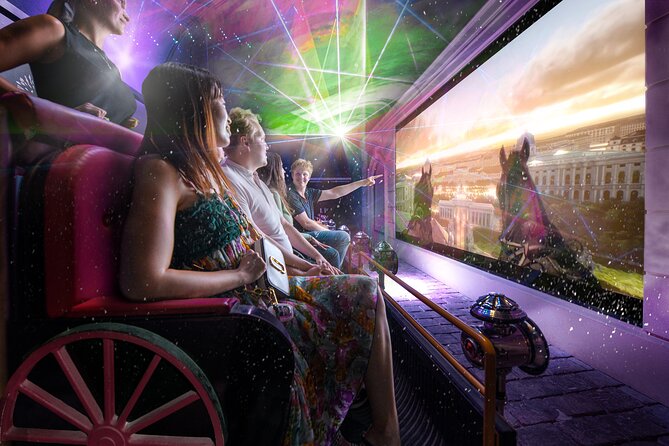
This fits best for families, teens, and history-curious visitors who want a structured experience without a long walk between stops.
It also works for adults on a first visit. The virtual fiaker ride and the Roman-to-WWII storytelling help you form a quick mental timeline before you commit to heavier sightseeing later.
You might want to skip it (or at least pair it carefully) if you’re looking for:
- A realistic, documentary-style approach only
- A deep dive into one specific era with lots of primary-source detail
- A quiet, contemplative museum pace
If you’re the type who enjoys audio-visual storytelling, you’ll probably have a good time.
Tips to get the most from your hour
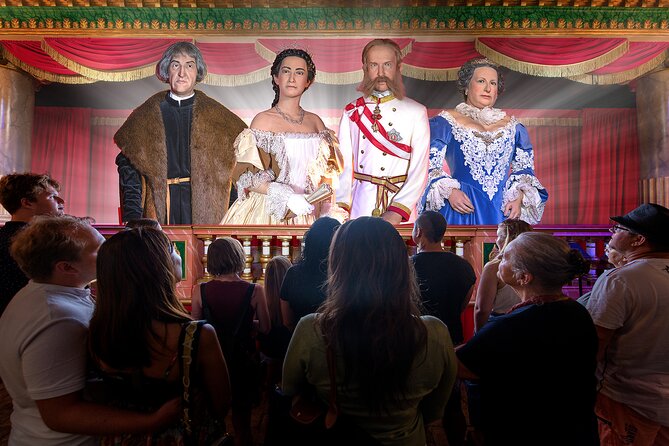
Go in expecting an overview, not a textbook. If you arrive with even a little background—Roman Vienna, the Habsburgs, and WWII in Austria—you’ll catch more of the connections.
Plan your energy. This is an indoor show that uses headsets, visuals, and rides, so it’s easier if you’re not already exhausted from a long day of walking.
If you’re traveling with kids, set expectations before you start. Tell them it’s not just “games”—there are serious themes like the plague and air raids—so they know what kind of feelings to expect.
Finally, pick your language option based on your group’s comfort. Listening clearly makes the experience better, and the show is timed as a single flow.
Should you book Time Travel Vienna?
Yes, if you want a fun, high-tech way to see Vienna’s big historical chapters in about an hour. I especially think it’s worth it for families and mixed-age groups, because you get characters (Mozart and Strauss), a ride moment (the spinning waltz car), and a landmark preview (the virtual fiaker) without needing multiple tickets or long travel time.
Maybe not, if you’re chasing strict realism, deep historical depth, or a quiet atmosphere. It’s a show with multimedia staging, and the experience depends on everyone in your group being ready to listen and follow along.
If you’re the kind of traveler who likes history that moves—through light, sound, and motion—this is a strong stop in Vienna, particularly for a first-timer or a short-stop itinerary.
More Tours in Vienna
- Vienna: Schönbrunn Palace & Gardens Skip-the-Line Tour
★ 4.7 · 7,739 reviews - Vienna Spanish Riding School Guided Tour
★ 4.7 · 6,765 reviews - Vienna: Skip-the-Line Sisi Museum, Hofburg and Gardens Tour
★ 4.8 · 5,918 reviews - Vienna: Skip-the-Line Schönbrunn Palace & Gardens Tour
★ 4.8 · 5,411 reviews - Vienna: Guided Walking Tour of City Center Highlights
★ 4.7 · 4,989 reviews
More Tour Reviews in Vienna
- Vienna: Vivaldi’s Four Seasons Concert in Karlskirche
★ 4.7 · 14,951 reviews - Vienna: Schönbrunn Palace & Gardens Skip-the-Line Tour
★ 4.7 · 7,739 reviews - Vienna: Light of Creation Votive Church Immersive Light Show
★ 4.8 · 6,779 reviews - Vienna Spanish Riding School Guided Tour
★ 4.7 · 6,765 reviews - Vienna: Classical Concert in the World-Famous Musikverein
★ 4.6 · 6,673 reviews
Vienna, Reimagined
- Vienna: Light of Creation Votive Church Immersive Light Show
★ 4.8 · 6,779 reviews - Vienna: Time Travel and Magic Vienna History Tour
★ 4.6 · 3,879 reviews - Vienna: “Sisi’s Amazing Journey” Virtual Reality Experience
★ 4.5 · 673 reviews - Vienna: Time Traveling Virtual Reality Sightseeing Tour
★ 4.6 · 672 reviews - Ikono Vienna an Immersive Experience
★ 4.5 · 543 reviews
Just In: New Vienna Reviews



Historical Tours, compared.
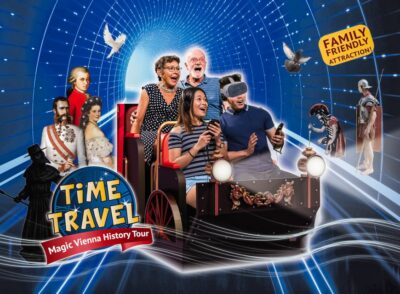 ★ 4.6Time Travel and Magic Vienna History TourFrom $273,879 reviews
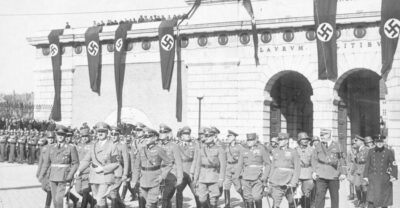 ★ 4.8World War II Historical Walking TourFrom $311,772 reviews
 ★ 5.0Vienna Historic Center Small Group Walking TourFrom $721,746 reviews
 ★ 3.5Skip-the-Line Schonbrunn Palace Guided Tour and Vienna Historical City TourFrom $82940 reviews
 ★ 4.5Vienna Mozart Concert in Historical Costumes at the MusikvereinFrom $83888 reviews
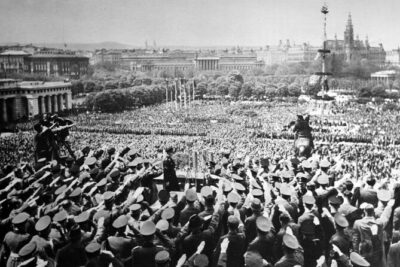 ★ 5.0Historical Hitler Walking Tour of ViennaFrom $32887 reviews
 ★ 4.9Essential History Walking TourFrom $34633 reviews
 ★ 4.8Historical Pharmacy Cellar Guided TourFrom $37541 reviews
Browse the lists this tour appears in